Si deseas distinguir tus productos, servicios o ambos de los de otra empresa, es posible que necesites una marca o nombre comercial. Descubre qué son, en qué consiste su procedimiento de registro y qué implica.

Información sobre los plazos de presentación de solicitudes de transformación de marcas de la Unión Europea en marca nacional española. Más información


Si tienes un nuevo dispositivo, producto o procedimiento que resuelva un problema técnico o tenga una ventaja práctica, existen distintas formas de protegerlo en España y en otros países. Descubre cómo hacerlo.

¿Tu innovación reside en la estética, la ornamentación o la apariencia de tu producto? Protégela mediante un diseño industrial. Descubre qué derechos confiere el registro y cómo realizar la tramitación.

Las indicaciones geográficas protegen el nombre de un producto originario de una zona geográfica, a la cual le debe una determinada calidad, reputación u otra característica. Descubre qué son, en qué consiste su procedimiento de registro y qué beneficios conceden.

Las patentes publicadas en todo el mundo son una valiosa fuente de información científica, técnica y comercial.

Si eres emprendedor/a o una empresa y quieres potenciar y mejorar la rentabilidad de tu negocio protegiendo de forma adecuada los activos intangibles de tu organización, en este espacio encontrarás lo necesario.


 158
resultados
158
resultados
 Última actualización
22/09/2026 [07:27:00]
Última actualización
22/09/2026 [07:27:00]


Resumen de: CN122783067A
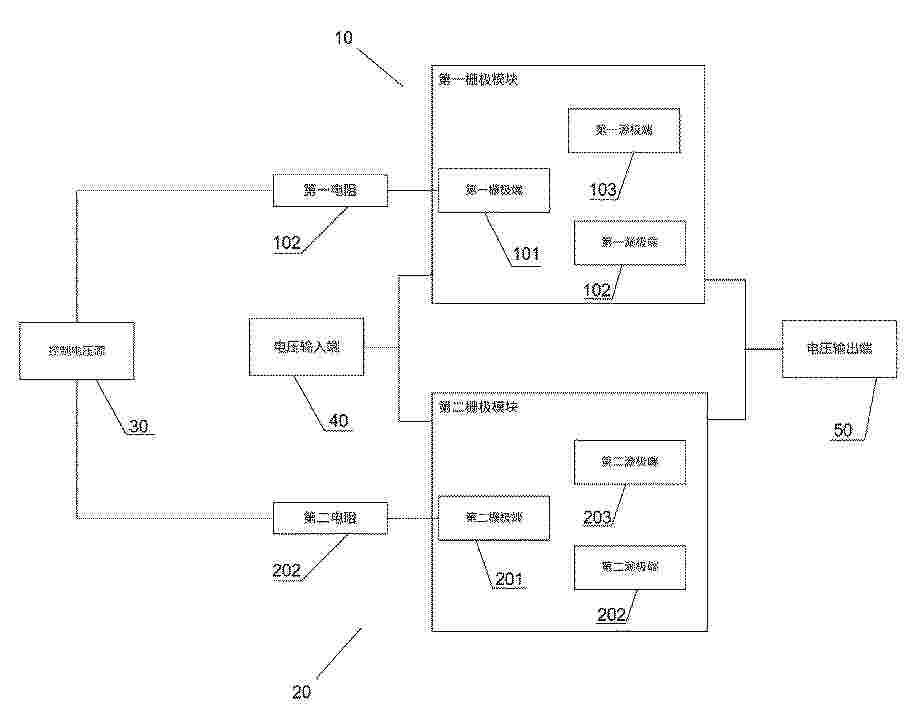
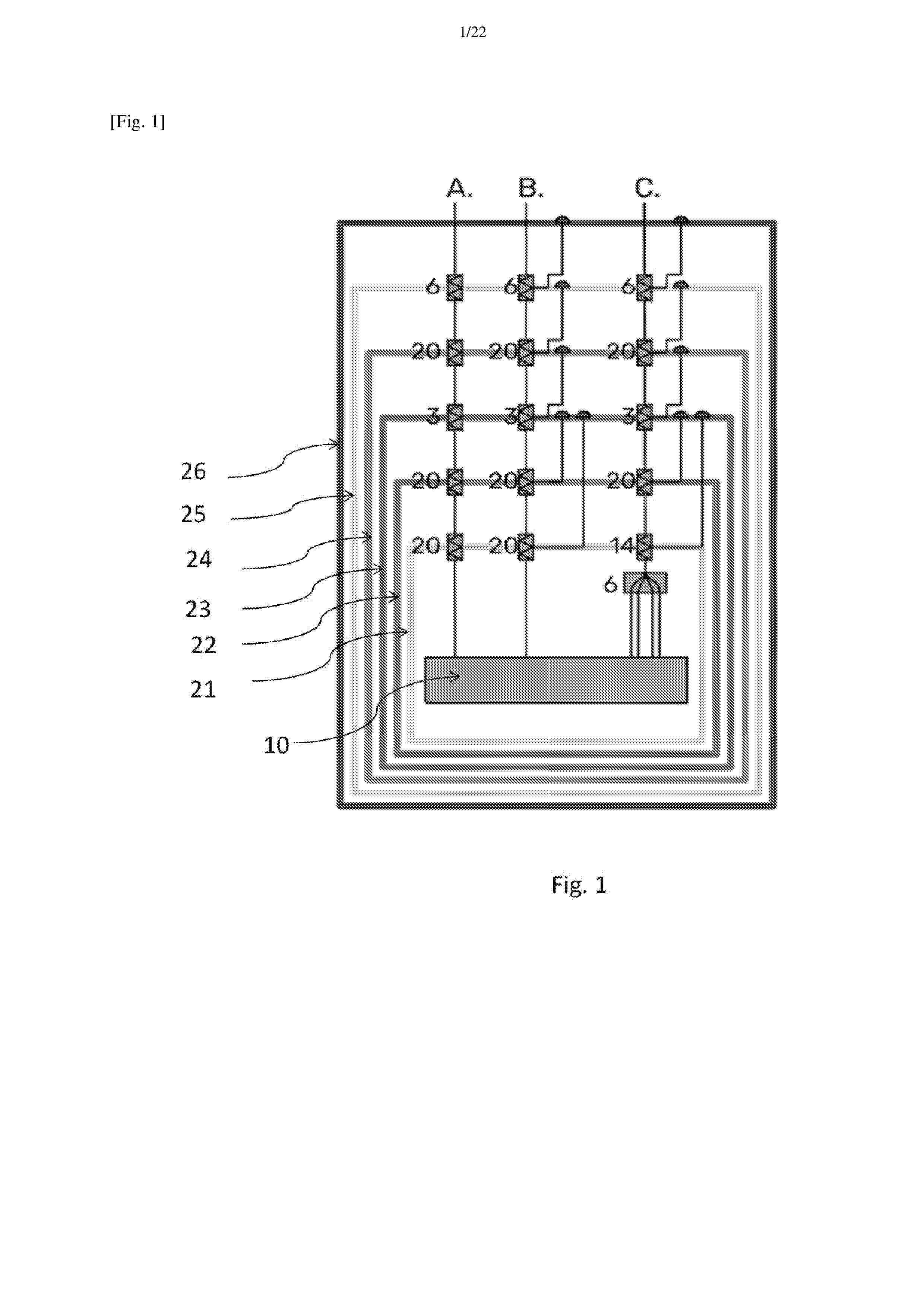
本发明实施例公开一种模拟开关、电极控制组件及量子计算机,涉及量子计算机测控技术领域,能够稳定模拟开关电路中晶体管的导通电压,从而提高电路信号传输的线性度。所述模拟开关包括:第一栅极模块,所述第一栅极模块包括第一栅极端,配置为调控第一栅源端的电压值;且所述第一栅极端连接于第一电阻,所述第一电阻连接于控制电压源;第二栅极模块,连接于所述第一栅极模块,配置为调控第二栅源端的电压值;所述第二栅极模块包括第二栅极端,且所述第二栅极端连接于第二电阻,所述第二电阻连接所述控制电压源。本发明可应用于量子计算测控系统中。

Resumen de: CN122782516A
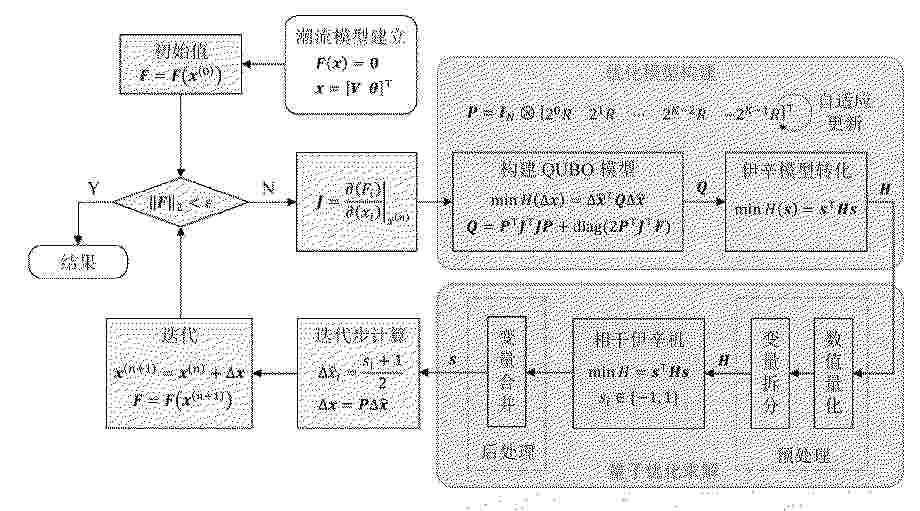
本发明公开了基于相干伊辛机的电力系统潮流量子计算方法,涉及电力系统潮流计算领域,通过将电力系统潮流计算中迭代步长的计算转化为组合优化问题,结合量子计算在组合优化问题求解中的优势,提出一种基于相干伊辛机的电力系统潮流量子计算方法,以电力系统的拓扑结果和网络参数作为输入,输出网络中各节点的电压幅值和相角。与现有技术相比,本发明利用量子计算改进经典潮流计算方法,提升潮流算法在大规模系统和复杂工况下的计算效率和收敛性。
Resumen de: CN122777758A
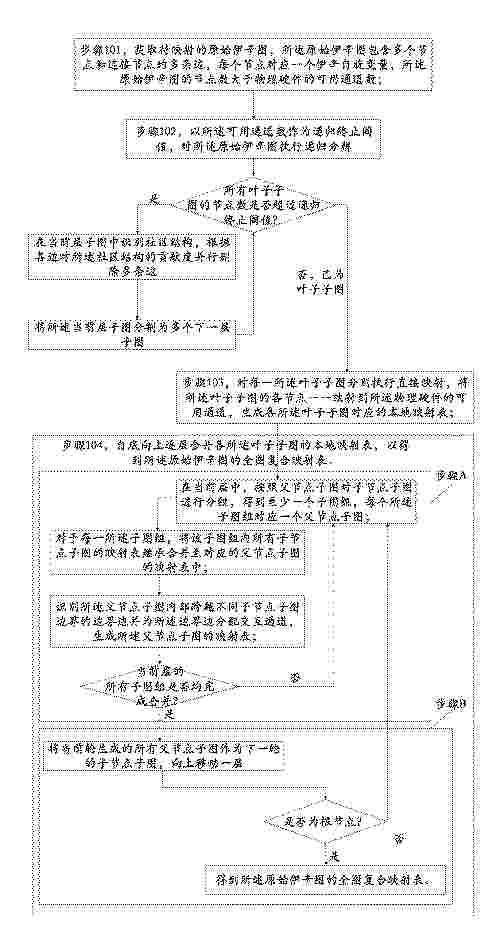
本申请提供了一种大规模图的分层映射方法、装置、设备及介质,涉及量子计算技术领域。该方法包括:获取节点数大于物理硬件可用通道数的原始伊辛图;以可用通道数作为递归终止阈值,对原始伊辛图执行递归分解,在当前层子图中识别社区结构,根据各边对社区结构的贡献度并行删除多条边,将子图分割为多个下一层子图,直至所有叶子子图的节点数均不超过递归终止阈值;对每一叶子子图分别执行直接映射,生成各叶子子图对应的本地映射表;自底向上逐层合并各叶子子图的本地映射表,以得到原始伊辛图的全图复合映射表。本发明通过分而治之的策略,实现了超大规模图在通道有限的物理硬件上的完整、高效映射,提升了图分割效率。
Resumen de: CN122783024A
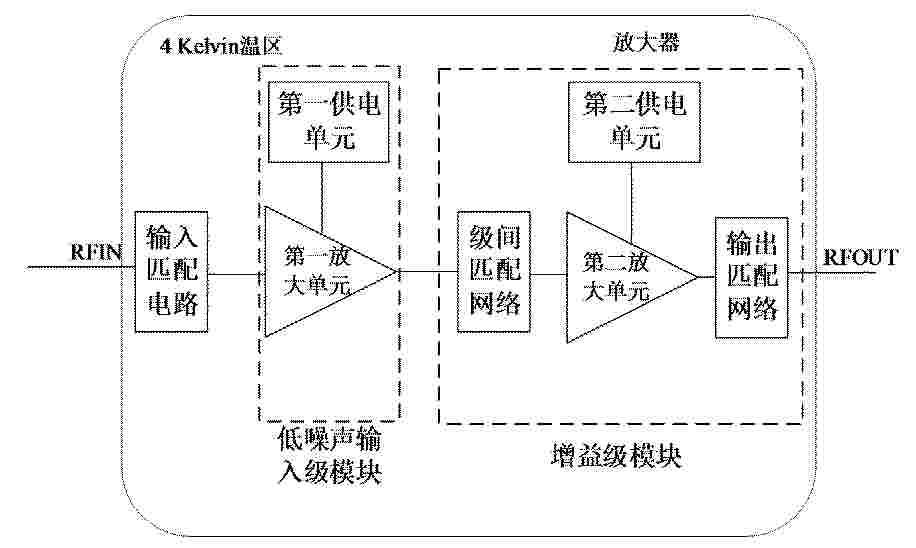
本申请提供放大器及量子比特测控系统,涉及放大器技术领域。该放大器包括:输入匹配电路、低噪声输入级模块和增益级模块;低噪声输入级模块中包括:第一放大单元和第一供电单元,增益级模块中包括:第二放大单元、第二供电单元、级间匹配电路及输出匹配电路;第一供电单元,用于向第一放大单元提供电能;第二供电单元,用于向第二放大单元提供电能,即采用供电‑放大单元紧耦合集成架构,将放大器中的各放大单元及其对应的供电单元集成在一起,可由各放大单元对应的供电单元向对应的放大单元提供电能,当为适配大规模量子比特阵列读取需求而扩展放大单元数量时,仅需增加集成化供电‑放大单元的并行数量,无需额外增设跨低温区的供电互连线。
Resumen de: CN122783230A
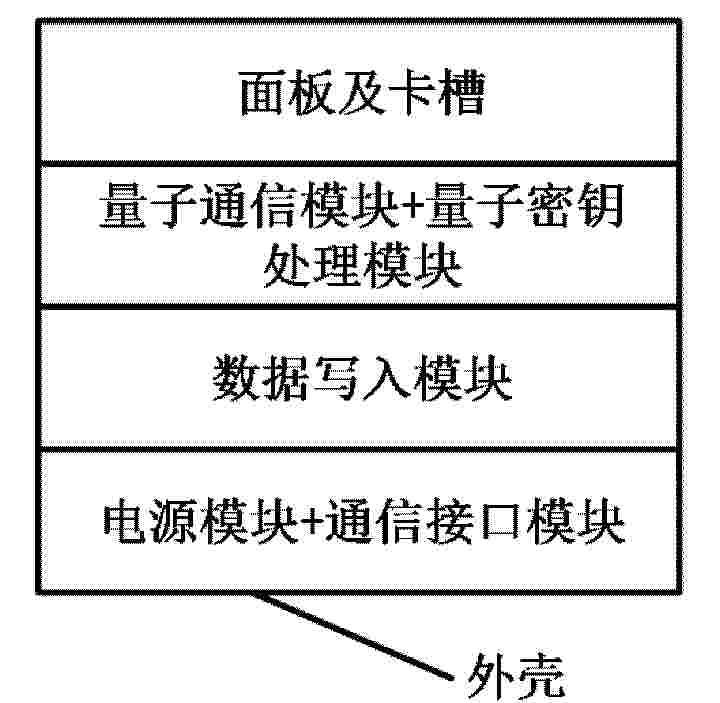
本发明公开了一种量子加密可信门禁发卡装置、发卡方法及门禁发卡器,涉及量子加密技术领域,装置包括:主控单元、数据写入模块、通信接口模块以及电源模块,还包括量子通信模块与量子密钥处理模块;量子通信模块集成量子信号发射器、接收器及调制单元,采用单光子偏振态通信技术,量子密钥处理模块内置量子密钥存储单元与校验算法单元,与量子通信模块信号连接,用于对接收的量子态应答信号进行基矢测量,结合交互随机数协商生成单次发卡有效的临时量子密钥种子,并完成密钥合法性校验;主控单元分别与量子密钥处理模块、数据写入模块电连接,用于调用临时量子密钥种子加密发卡数据,并控制数据写入模块将加密后的发卡数据写入门禁卡存储区域。
Resumen de: CN122779315A
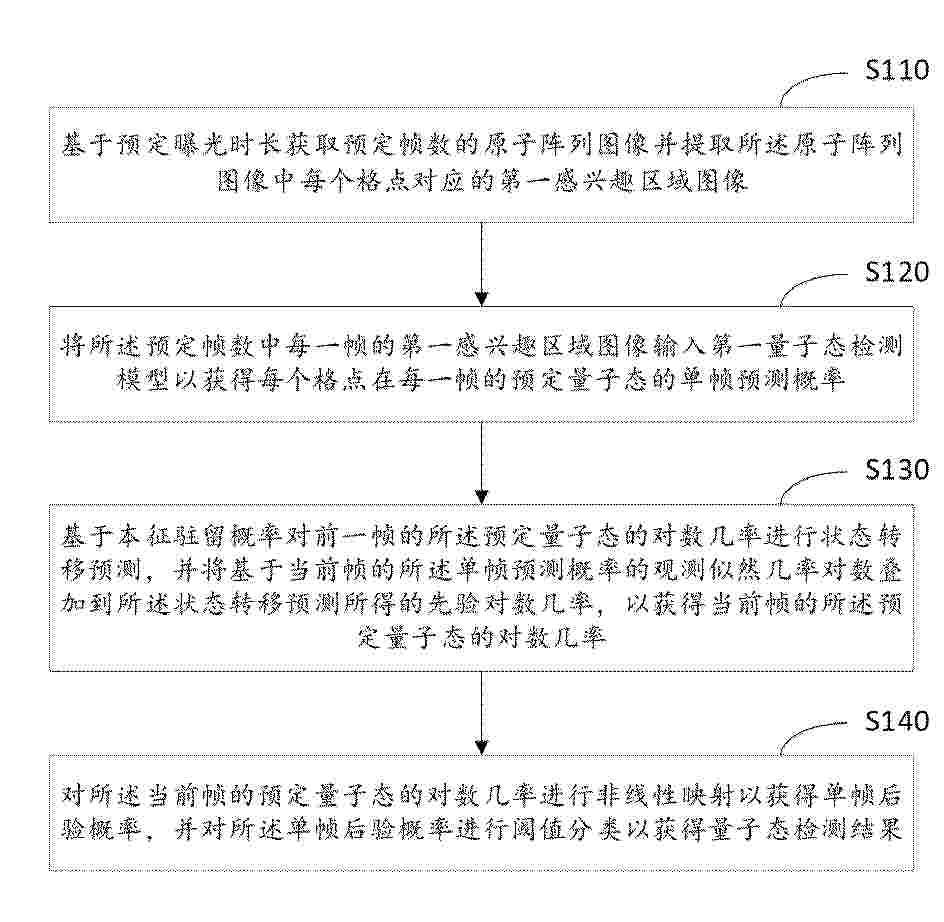
提供了一种原子阵列的多帧融合量子态荧光检测方法、系统、电子设备和计算机可读存储介质。该方法包括:获取每个格点对应的第一感兴趣区域图像;将每一帧的第一感兴趣区域图像输入第一量子态检测模型以获得单帧预测概率;基于本征驻留概率对前一帧的预定量子态的对数几率进行状态转移预测,并将基于当前帧的所述单帧预测概率的观测似然几率对数叠加到所述状态转移预测所得的先验对数几率,以获得当前帧的所述预定量子态的对数几率;以及,进行非线性映射和阈值分类以获得量子态检测结果。这样,可以获得高覆盖率和高保真度,且在预定帧复用已有连续测量帧且不新增采集的条件下,在既定检测窗口和总曝光预算内提高等效信噪比。
Resumen de: CN122781417A
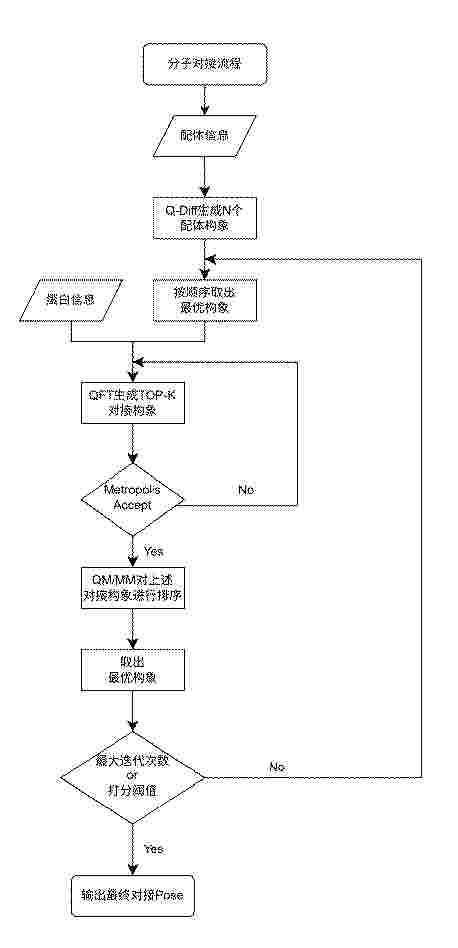
本发明公开了基于混合量子算法的分子对接方法、系统及介质,涉及计算机辅助药物设计技术领域,包括:获取配体分子信息,利用量子扩散模型生成N个初始配体构象;按综合评分由高到低的顺序,依次从N个初始配体构象中无放回地选取当前构象,结合所获取的目标蛋白结构信息,通过量子傅里叶变换算法生成K个对接构象;采用Metropolis接受准则对所述K个对接构象进行接受判断,取出当前轮次最优构象;判断当前轮次最优构象是否达到最大迭代次数或满足预设打分阈值,若未达到则返回重新选取当前构象继续迭代,若达到则输出最终最优对接构象;该方法提升了候选构象的覆盖能力以及增强了能量评价与排序的可靠性。
Resumen de: CN122780707A
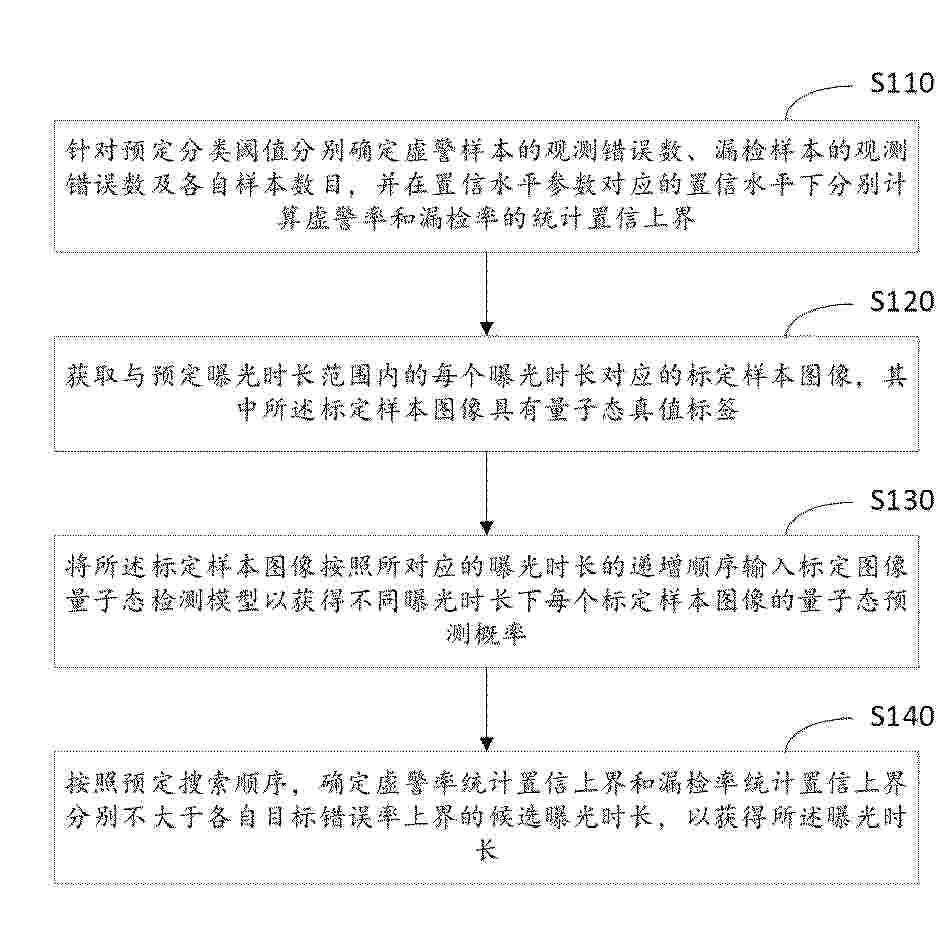
提供了一种曝光时长确定方法及量子态荧光检测方法和系统。该曝光时长确定方法包括:针对预定分类阈值分别确定虚警样本的观测错误数、漏检样本的观测错误数及各自样本数目,并在置信水平下分别计算虚警率和漏检率的统计置信上界;获取与每个曝光时长对应的具有量子态真值标签的标定样本图像;将所述标定样本图像按照曝光时长递增顺序输入标定图像量子态检测模型;以及,按照预定搜索顺序,确定虚警率统计置信上界和漏检率统计置信上界分别不大于各自目标错误率上界的候选曝光时长,以获得所述曝光时长。这样,可在统计验收参数和验证条件下确定曝光时长,并对硬件变更后的标定结果保持可追溯性。
Resumen de: FR3173121A1
Dispositif hyperfréquence tel que le signal transmis de l’entrée à l’une des sorties soit atténué d’un facteur souhaité, , la sortie soit adaptée au reste du câblage cryogénique de sorte que l’affaiblissement de réflexion à la sortie soit sensiblement égale à 0 ( ou -∞ dB), il y ait deux étages de température et dans le réfrigérateur, dont les températures nominales sont telles que, auxquels certains éléments du dispositif sont thermalisés et le bruit de sortie soit la somme du bruit d’entrée atténué et d’un rayonnement de corps noir émis par les éléments à l’étage de température froid . Figure pour l’abrégé : 2
Resumen de: CN122779313A
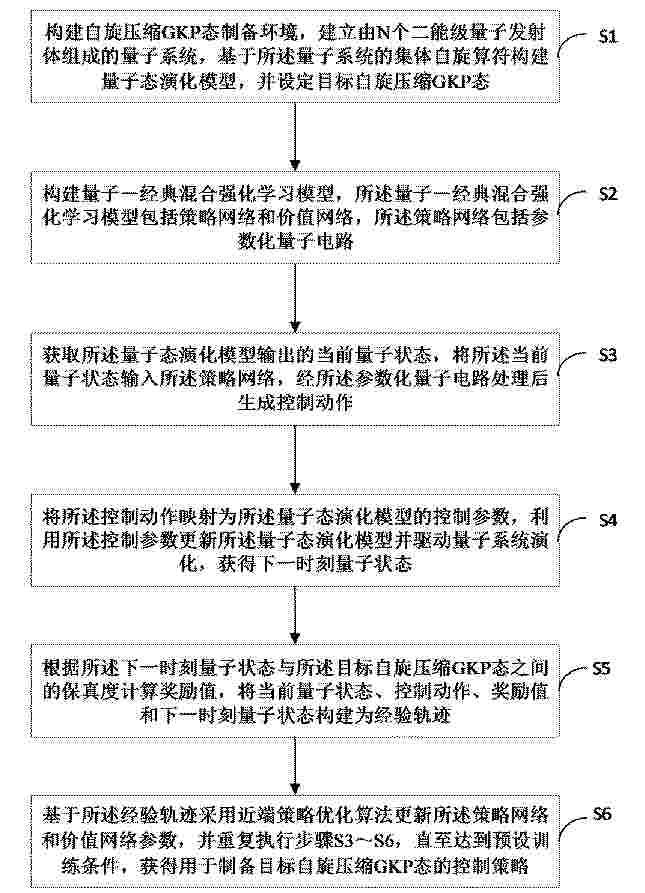
本发明公开了一种基于量子强化学习的自旋压缩GKP态制备方法,其中方法包括:构建由多个二能级量子发射体组成的量子系统,建立量子态演化模型和目标自旋压缩GKP态;构建包括参数化量子电路策略网络和经典价值网络的量子-经典混合强化学习模型;根据当前量子状态生成控制动作,驱动量子系统演化,并根据演化后量子状态与目标自旋压缩GKP态之间的保真度计算奖励值;采用近端策略优化算法更新策略网络和价值网络参数,迭代获得目标控制策略。本发明解决了现有强化学习量子控制方法参数规模大、训练成本高以及难以有效处理复杂量子系统控制任务的问题,提高了目标自旋压缩GKP态的制备保真度和控制效率。
Resumen de: CN122779314A
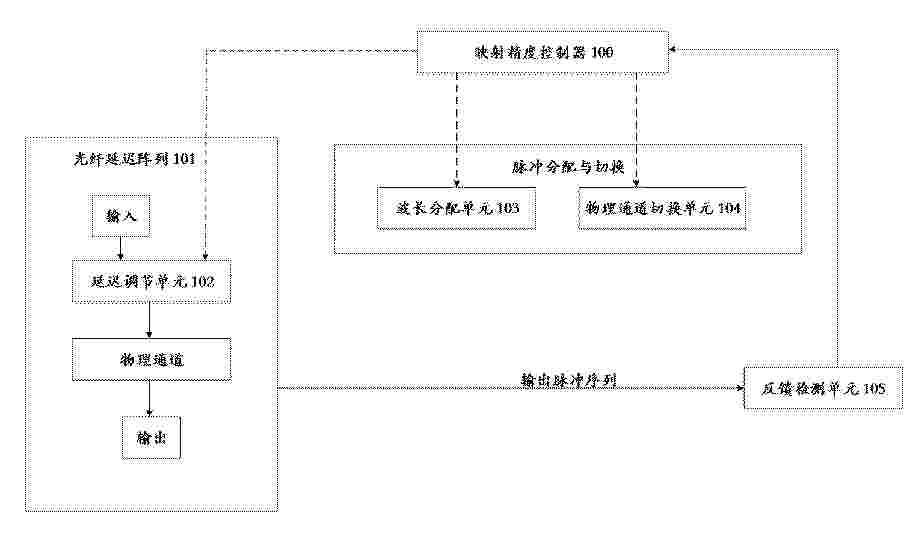
本申请提供了一种映射精度控制方法、控制器、计算机、介质、产品,应用于相干光量子计算机。该方法包括:执行初始三维资源映射,确定各脉冲的时隙、波长和物理通道分配,并发射测试脉冲序列;从光纤延迟线阵列的输出端获取反馈信号,检测测试脉冲序列中各脉冲的时域偏差;根据检测到的时域偏差,递归计算下一轮的时隙偏置量,并生成三维逆映射修正参数;根据修正参数对时隙、波长和物理通道分配进行联动调整;判断时域偏差是否在预设精度阈值范围内,若不满足则返回执行检测步骤,直至满足条件。本发明通过闭环反馈和三维资源联动调整,能够动态补偿硬件和环境引入的误差,显著提高映射精度和资源利用率。
Resumen de: CN122782646A
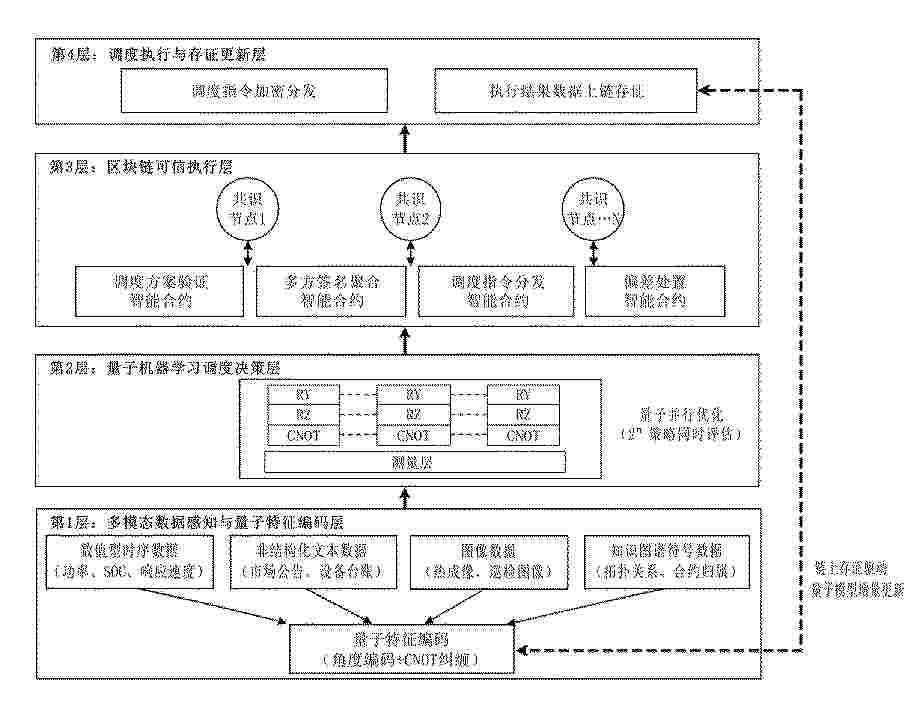
本发明提供虚拟电厂实时聚合调度方法及系统、存储介质及电子设备。虚拟电厂实时聚合调度系统,包括:多模态数据感知与量子特征编码层、量子机器学习调度决策模层、区块链可信执行层和调度执行与存证更新层。本发明提供虚拟电厂实时聚合调度系统,通过将量子机器学习嵌入虚拟电厂调度决策的核心推理环节,构建“量子态特征编码→量子神经网络调度推理→区块链共识验证→智能合约执行”的技术路径,实现调度决策的量子加速生成与区块链可信执行的深度融合,将量子机器学习的并行计算优势与区块链的可信执行机制深度融合于虚拟电厂分布式资源实时聚合调度场景。
Resumen de: CN122779551A
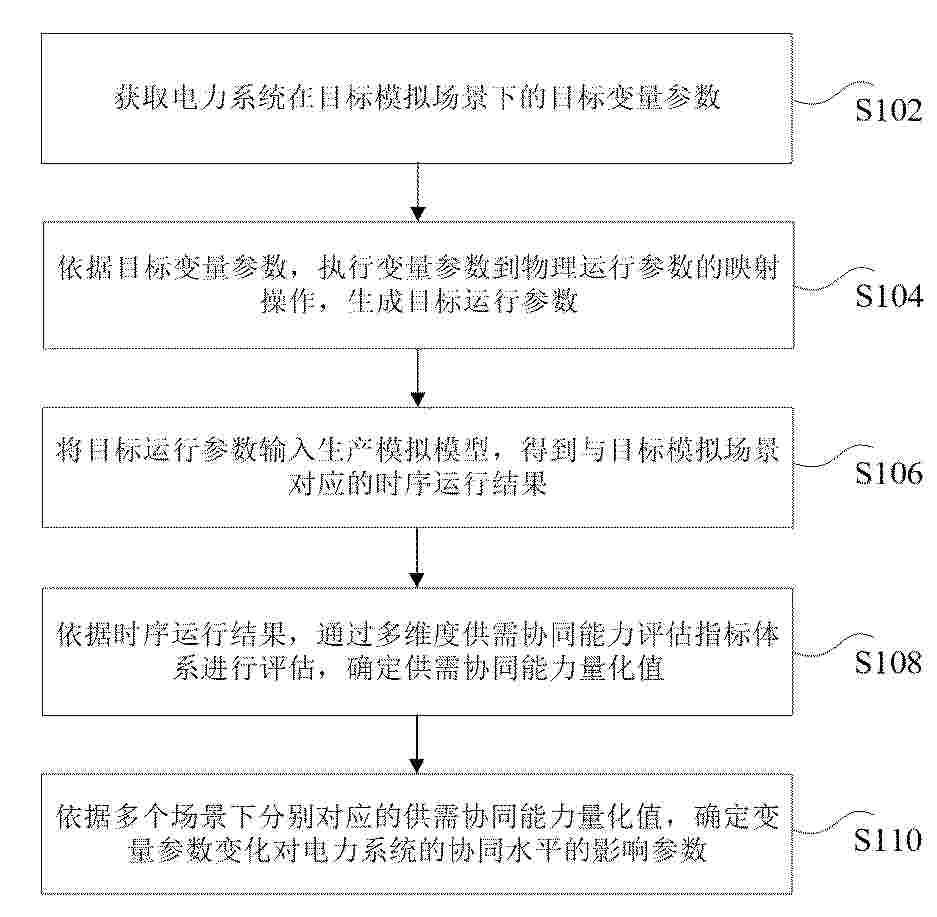
本发明公开了一种电力系统协同水平的影响参数确定方法以及装置。其中,该方法包括:获取电力系统在目标模拟场景下的目标变量参数;依据目标变量参数,执行变量参数到物理运行参数的映射操作,生成目标运行参数;将目标运行参数输入生产模拟模型,得到与目标模拟场景对应的时序运行结果;依据时序运行结果,通过多维度供需协同能力评估指标体系进行评估,确定供需协同能力量化值;依据多个场景下分别对应的供需协同能力量化值,确定变量参数变化对电力系统的协同水平的影响参数。本发明解决了因变量存在多重不确定性与复杂时序耦合特性,导致生产模拟精度不足,难以准确评估外部变量变化对电力系统协同水平影响的技术问题。
Resumen de: DE102026110605A1
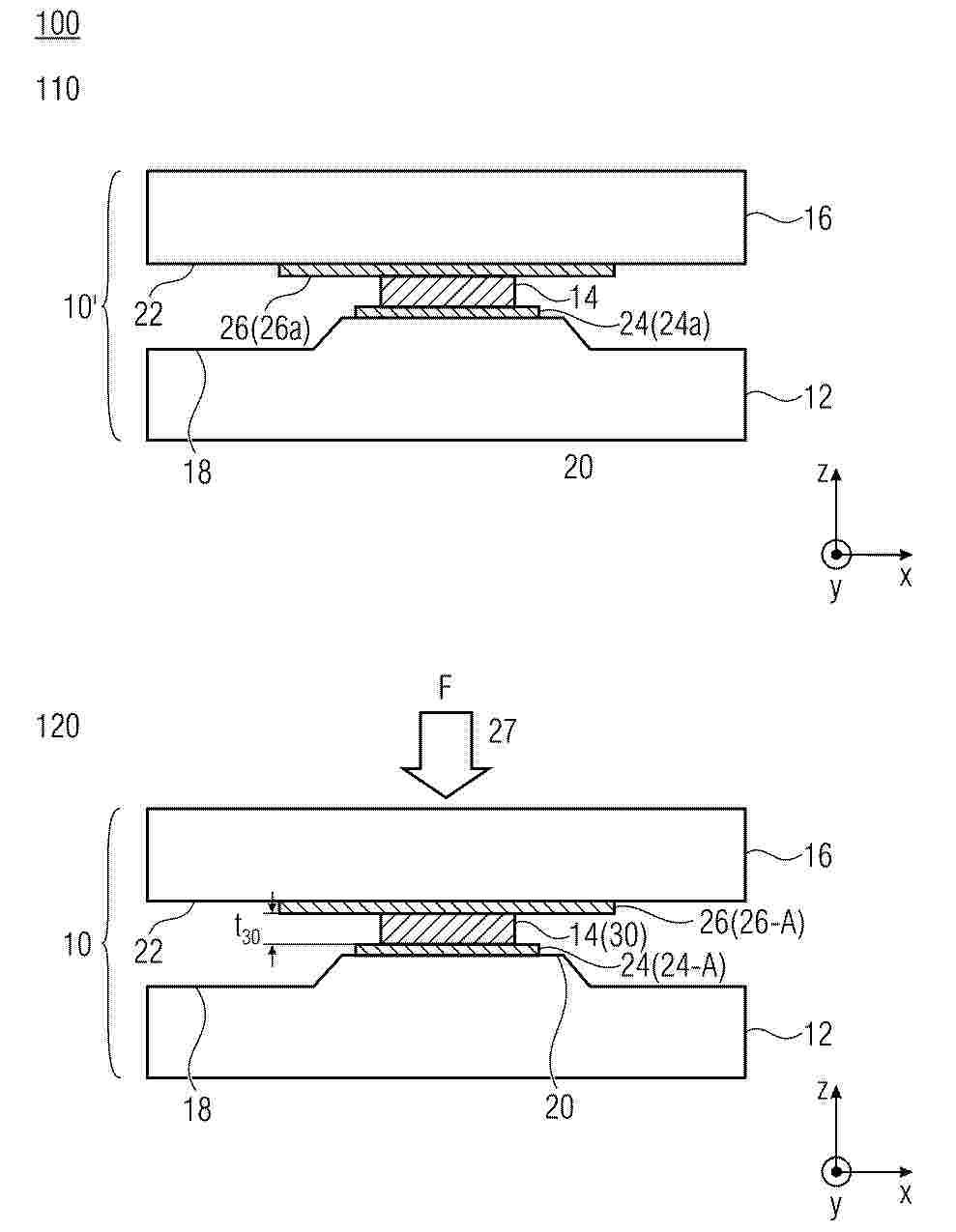
Ein Verfahren zum Herstellen einer Substratstruktur weist folgende Schritte auf: Bereitstellen einer Stapelstruktur, die ein erstes Substrat, eine plastisch verformbare Supraleiterschicht (Pad oder Schichtpad aus einem supraleitenden Material) und ein zweites Substrat aufweist, wobei das erste Substrat eine Hauptoberfläche mit einer topographischen Struktur aufweist und das zweite Substrat eine Hauptoberfläche aufweist, die der Hauptoberfläche des ersten Substrats zugewandt ist, wobei die Hauptoberfläche des ersten Substrats eine strukturierte Supraleitermetallisierung aufweist und die Hauptoberfläche des zweiten Substrats eine strukturierte Supraleitermetallisierung aufweist, wobei sich die plastisch verformbare Supraleiterschicht zwischen der strukturierten Supraleitermetallisierung des ersten Substrats und der strukturierten Supraleitermetallisierung des zweiten Substrats erstreckt, und Ausüben von (mechanischem) Druck auf das erste und zweite Substrat zum Komprimieren der plastisch verformbaren Supraleiterschicht zwischen den strukturierten Supraleitermetallisierungen des ersten und zweiten Substrats, um eine mechanische und elektrische Supraleiterverbindung zwischen den strukturierten Supraleitermetallisierungen des ersten und zweiten Substrats zu bilden.
Resumen de: DE102025005222A1
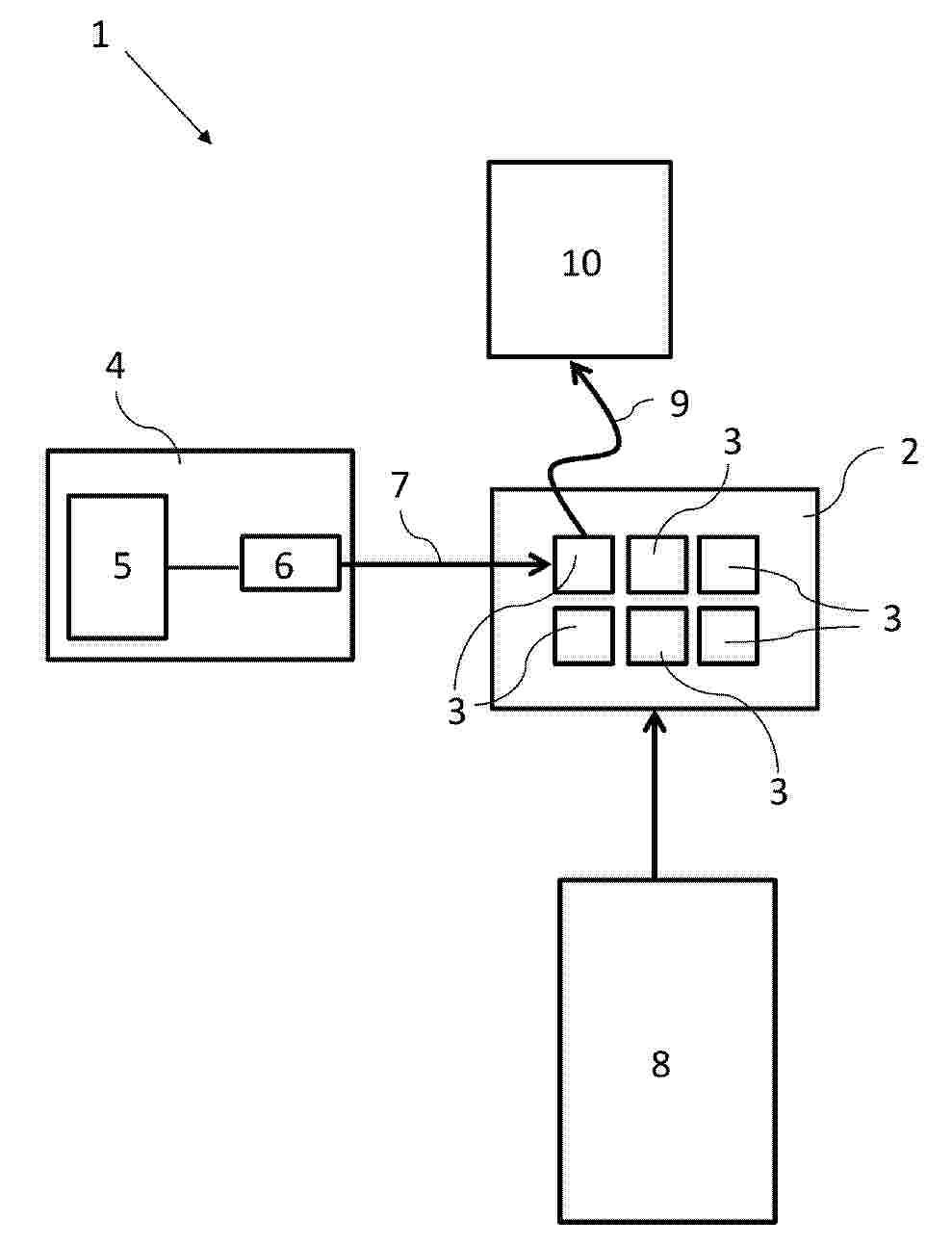
Die Erfindung betrifft ein Verfahren zur Initialisierung und/oder Auslesung des Quantenzustands mindestens eines Qubits (3) eines Elektron-Spin-Busses eines NV-Quantenprozessors (2)wobei ein adiabatischer elektromagnetischer Puls (7) zur Inversion des Spins des mindestens einen Qubits (3) erzeugt und in den Quantenprozessor (2) eingespeist wird, dadurch gekennzeichnet, dass als adiabatischer elektromagnetischer Puls (7) ein Mikrowellenpuls genutzt wird, sowie ein Quantencomputersystem (1) mit einem NV-Quantenprozessor mit Strong-Coupling-Drive, umfassend mehrere Qubits (3) und eine Inversionsvorrichtung (4) zur Initialisierung und/oder Auslesung des Quantenzustands der Qubits (3), welche zur Durchführung des Verfahrens eingerichtet ist.
Resumen de: EP4807632A1
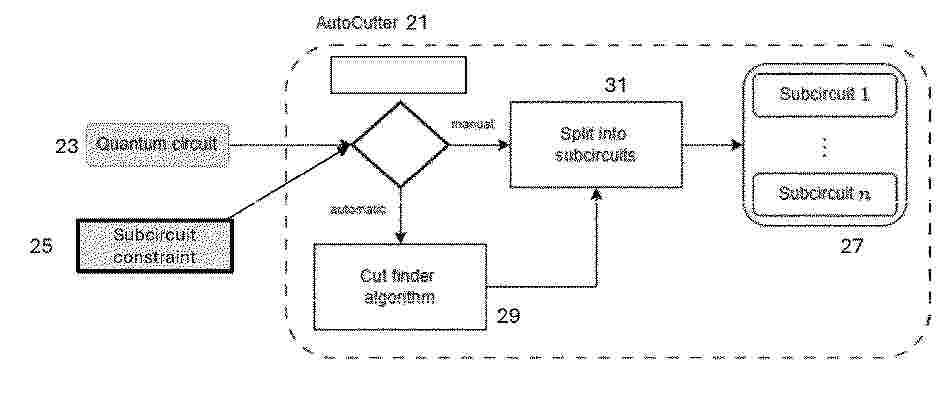
A computer-implemented method is provided for performing automatic gate-cutting of a target quantum circuit into a set of output subcircuits, comprising: identifying a target quantum circuit comprising a number of qubits and entanglement gates; identifying a subcircuit constraint defining the maximum number of qubits available per output subcircuit of the set of output subcircuits; performing a cutting algorithm to determine a set of optimum subcircuits, the cutting optimisation algorithm comprising: iteratively evaluating a cost function which determines candidate sets of subcircuits based on an assessment of the entanglement gates of the target quantum circuit, comprising determining for each candidate set of subcircuits: whether the subcircuit constraint is satisfied; and a subset of the entanglement gates to be cut to achieve the candidate set of subcircuits; minimising the cost function and defining the set of optimum subcircuits as the respective candidate set of subcircuits for which the cost function is minimised; creating the set of output subcircuits, comprising cutting each of the entanglement gates of the respective subset of the entanglement gates to be cut to achieve the set of optimum subcircuits.
Resumen de: EP4807633A1
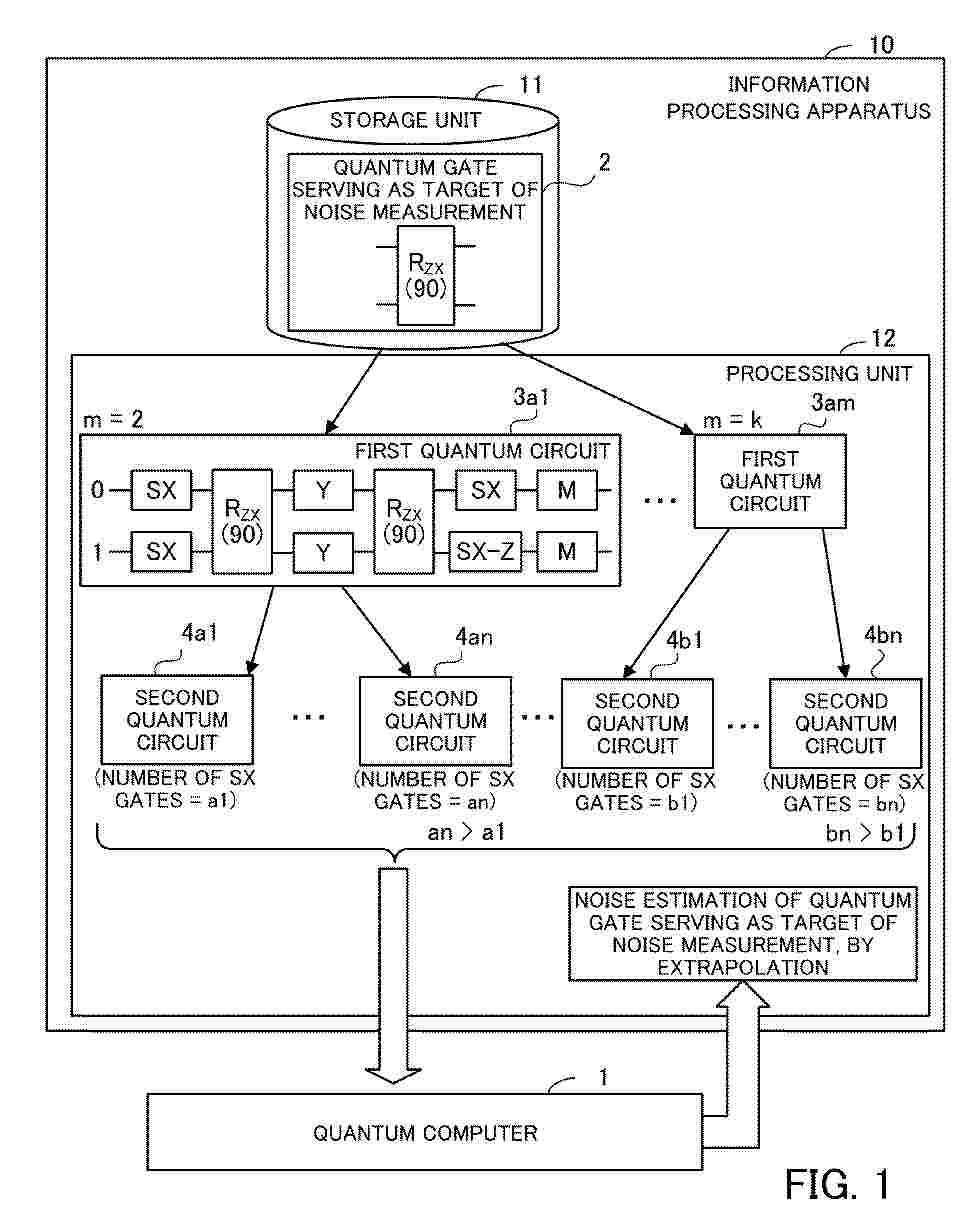
A processing unit generates a plurality of first quantum circuits each including a quantum gate serving as a target of noise measurement and a plurality of single-qubit gates that perform a twirling operation, the first quantum circuits differing from each other in the number of repetitions of the gate operation of the quantum gate. The processing unit generates, for each of the plurality of first quantum circuits, a plurality of second quantum circuits that are quantum circuits that implement the same unitary operation and differ from each other in the number of first single-qubit gates among the plurality of single-qubit gates. The processing unit causes a quantum computer to execute the plurality of second quantum circuits, and estimates noise of the quantum gate in a state where no first single-qubit gate is included, by extrapolation based on the execution results of the plurality of second quantum circuits.
Resumen de: EP4807635A1
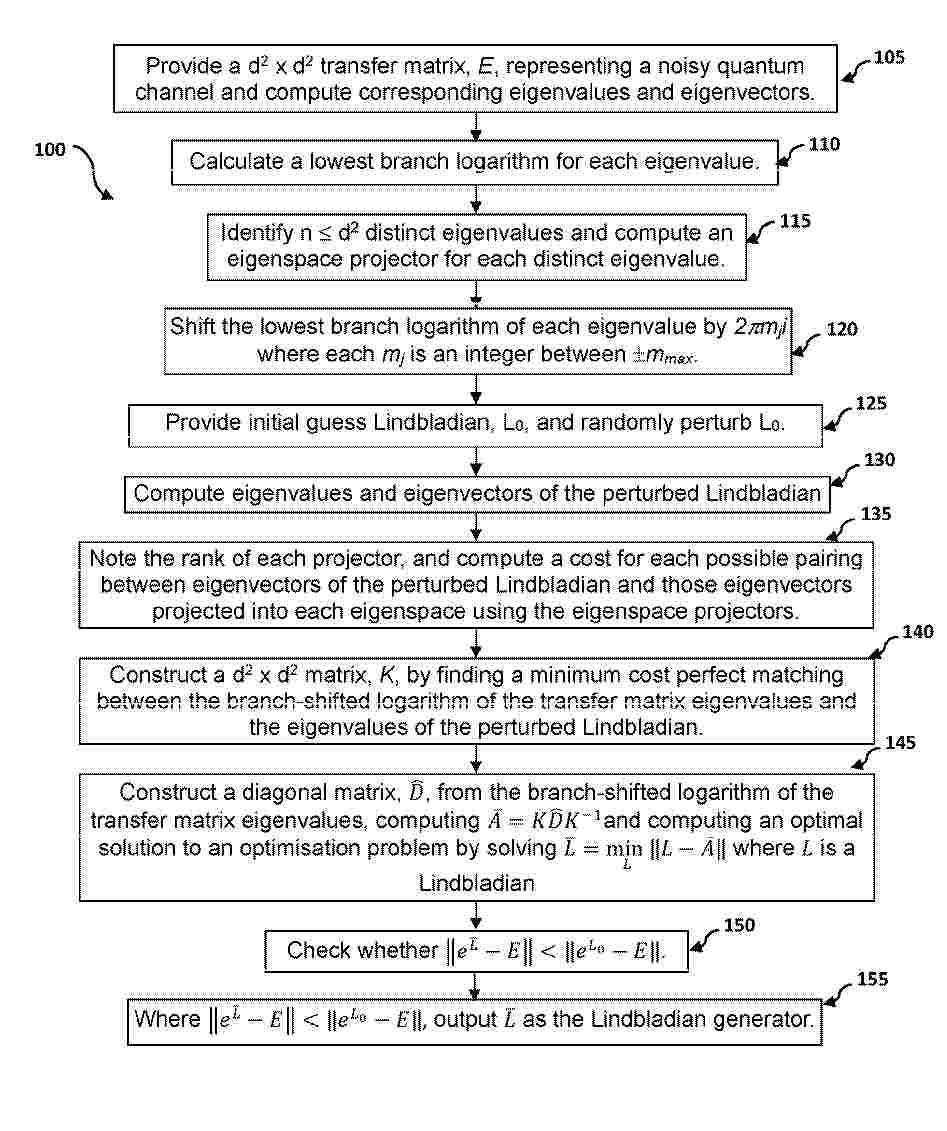
0001 The invention relates to methods for characterising noise in quantum dynamical processes. The method includes estimating a Lindbladian generator for a noise quantum channel. Eigenvalues of the transfer matrix representing the noisy channel are calculated and a logarithmic branch shift list is applied to explore other branches of the logarithm. An initial guess for the Lindbladian is provided and a fitting procedure is used to improve the best guess estimate of the Lindbladian. The invention also relates to gauge optimisation to characterise State Preparation and Measurement (SPAM) errors.
Resumen de: JP2026146483A
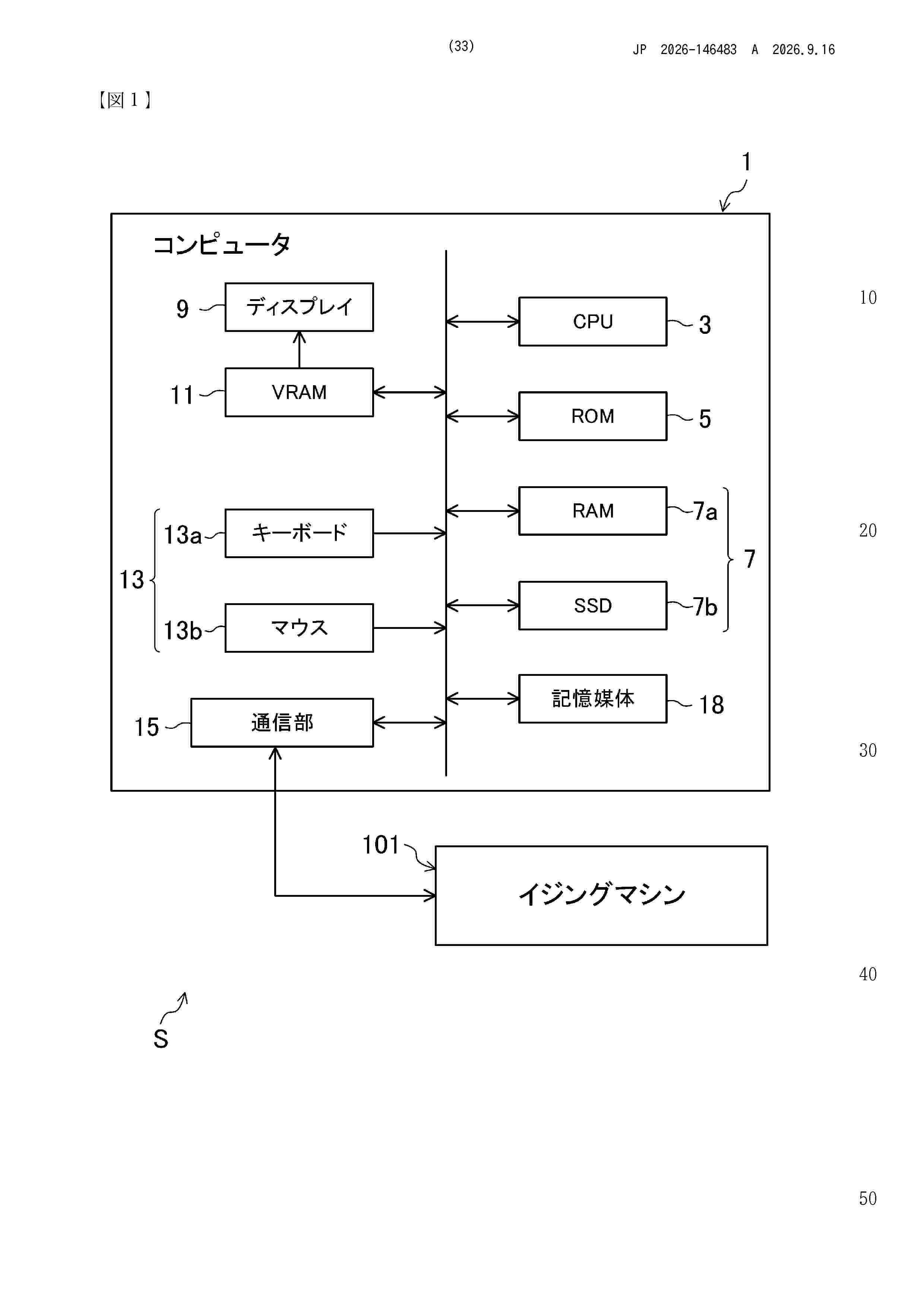
0001 【課題】一般的な空間に適用可能であってかつイジングマシンを利用可能でありながらも、可能な限り均質なデータサンプリングを実現する。 【解決手段】データ処理方法は、複数種の多次元データからのサンプリング数nを取得し、事前に標準化された多次元データに基づいて、該多次元データにおいてサンプリング対象となる次元についての内積であって、異なる種別に属する多次元データ間の内積の二乗和を目的関数Hとし、かつサンプリング数nを制約条件Gとすることで構成されるQUBO関数H<q>を出力し、QUBO関数H<q>をイジングマシン101に入力することで、目的関数Hを最小化する次元の組み合わせに対応したサンプリングデータ79を出力する。 【選択図】図3
Resumen de: EP4807636A2
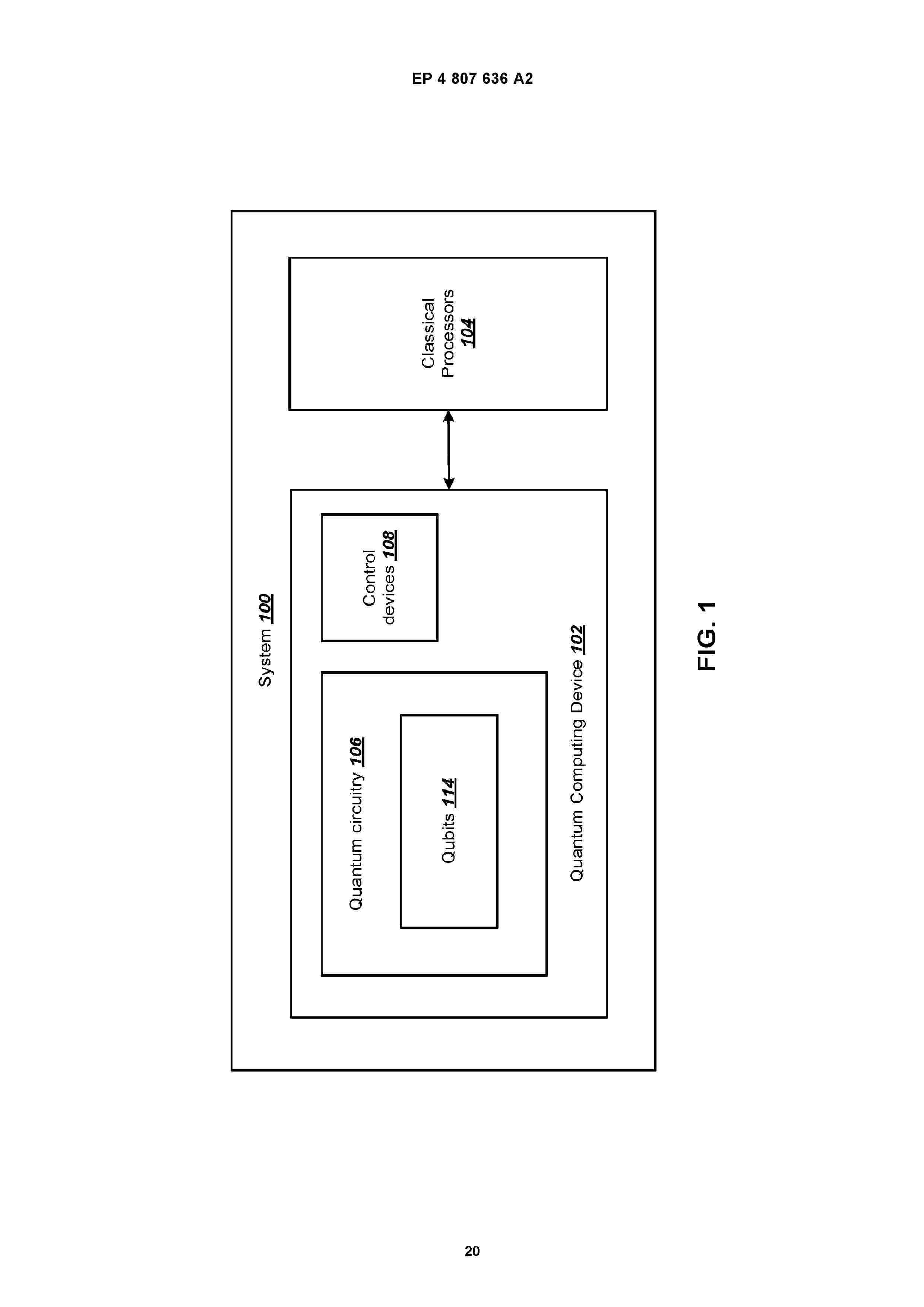
Methods and apparatus for performing surface code computations using Auto-CCZ states. In one aspect, a method for implementing a delayed choice CZ operation on a first and second data qubit using a quantum computer includes: preparing a first and second routing qubit in a magic state; interacting the first data qubit with the first routing qubit and the second data qubit with the second routing qubit using a first and second CNOT operation, where the first and second data qubits act as controls for the CNOT operations; if a received first classical bit represents an off state: applying a first and second Hadamard gate to the first and second routing qubit; measuring the first and second routing qubit using Z basis measurements to obtain a second and third classical bit; and performing classically controlled fixup operations on the first and second data qubit using the second and third classical bits.
Resumen de: GB2704679A
A quantum error correction method for a quantum computing system comprises: receiving syndrome data (e.g. surface code stabilizer measurements) identifying defects of quantum devices in the system, and setting defect states of nodes 202 in a decoding hypergraph accordingly; identifying elements of the hypergraph associated with a logical observable of a quantum error correction code (e.g. logical X or Z); determining decoding windows associated with logical observable subsets, e.g. l1, of the logical observable; independently decoding the decoding windows to determine partial corrections; combining the partial corrections to determine an aggregate correction for an error state of quantum devices in the quantum computing system. Partial corrections may relate to parity, whereas the aggregate correction may indicate whether the logical observable is affected by the error state. Each decoding window comprises all hypergraph elements within a predetermined distance associated with a code distance of the quantum error correction code, while two adjacent windows are decoded in parallel. Determining decoding windows may comprise partitioning the logical observable into subsets, the subsets being non overlapping and associated to contiguous elements of the hypergraph. Unlike the sliding and parallel decoding window techniques, no information needs to be passed between decoding windows as each window is decoded independently of the others thereby reducing latency. figure 5d
Resumen de: US20250149201A1
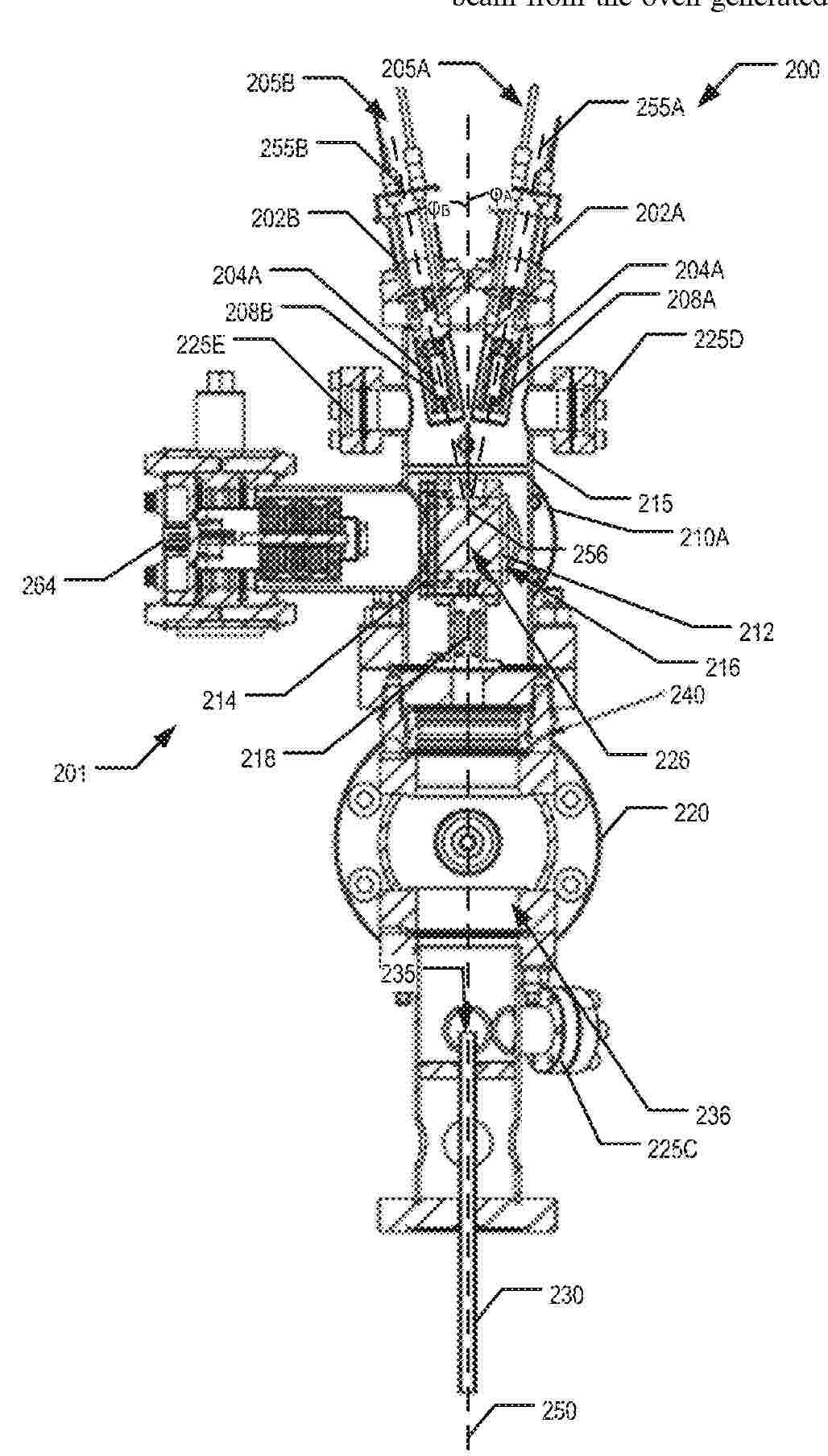
0000 A loading assembly for providing atomic objects to a confinement apparatus is provided. The loading assembly includes an oven configured to generate an atomic flux of an atomic species/isotope having a non-zero nuclear spin. The loading assembly includes mirror and magnet arrays configured to, when optical beams are provided to the arrays, generate a two-dimensional magneto-optical trap (2D MOT) with a simplified repumping scheme. The 2D MOT is configured to generate a substantially collimated atomic beam from the oven generated atomic flux.
Resumen de: US20250200411A1
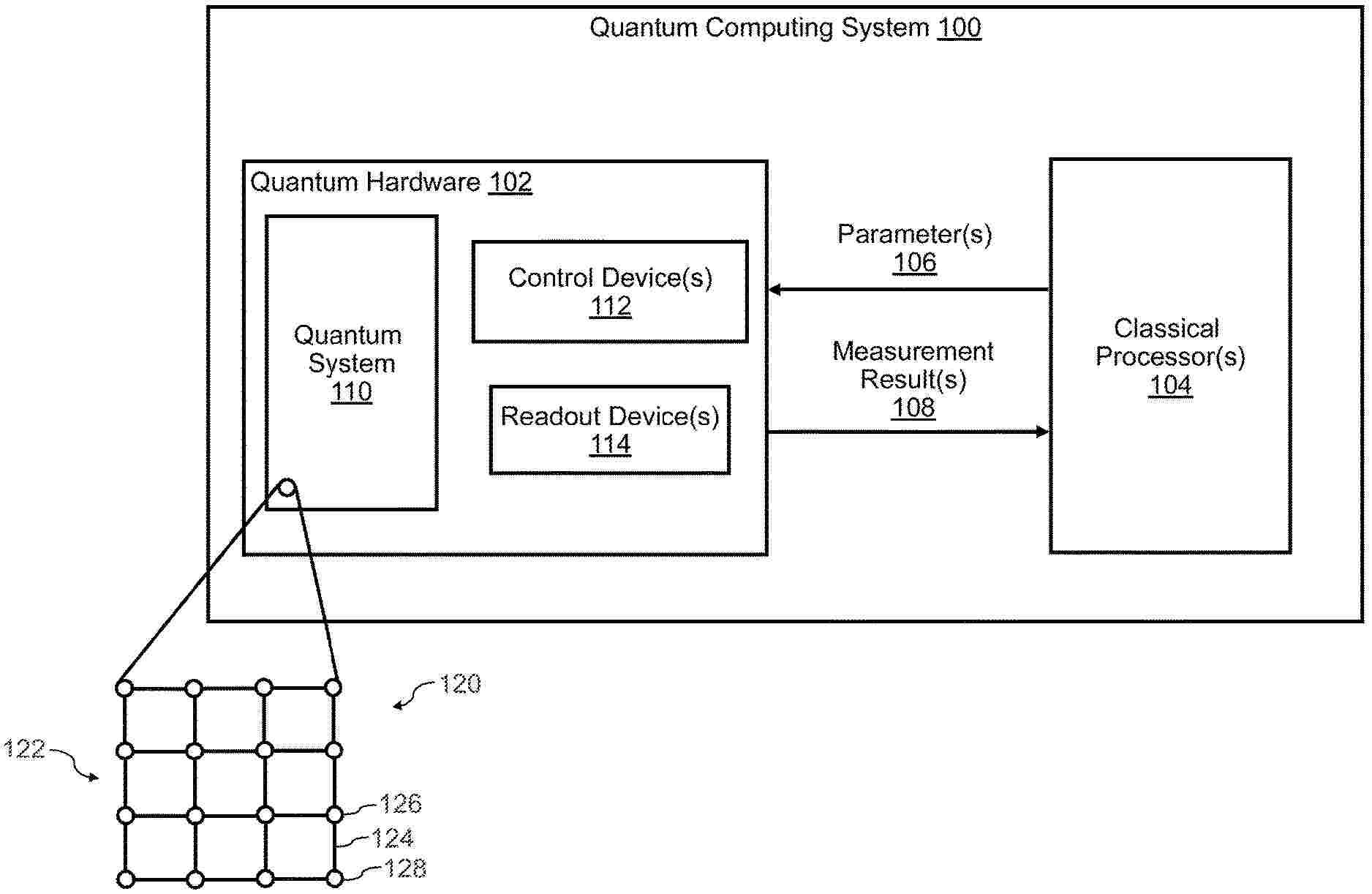
The disclosure is directed to a quantum processor system. The system includes a transmission line, a resonator, a qubit coupled to the resonator, and a switching device that couples and decouples the resonator to the transmission line. The resonator stores a range of energies based on a frequency that characterizes the resonator. When a quantum state of the qubit is equivalent to an excited state and the qubit is tuned in accordance with the frequency, energy is transferred from the qubit to the resonator, which stores the energy. The quantum state of the qubit is transitioned to a ground state. When the switching device is closed, the resonator is coupled to the transmission line such that the energy is transferred to the transmission line. When the switching device is opened, the resonator is decoupled from the transmission line.
Resumen de: WO2025099206A1
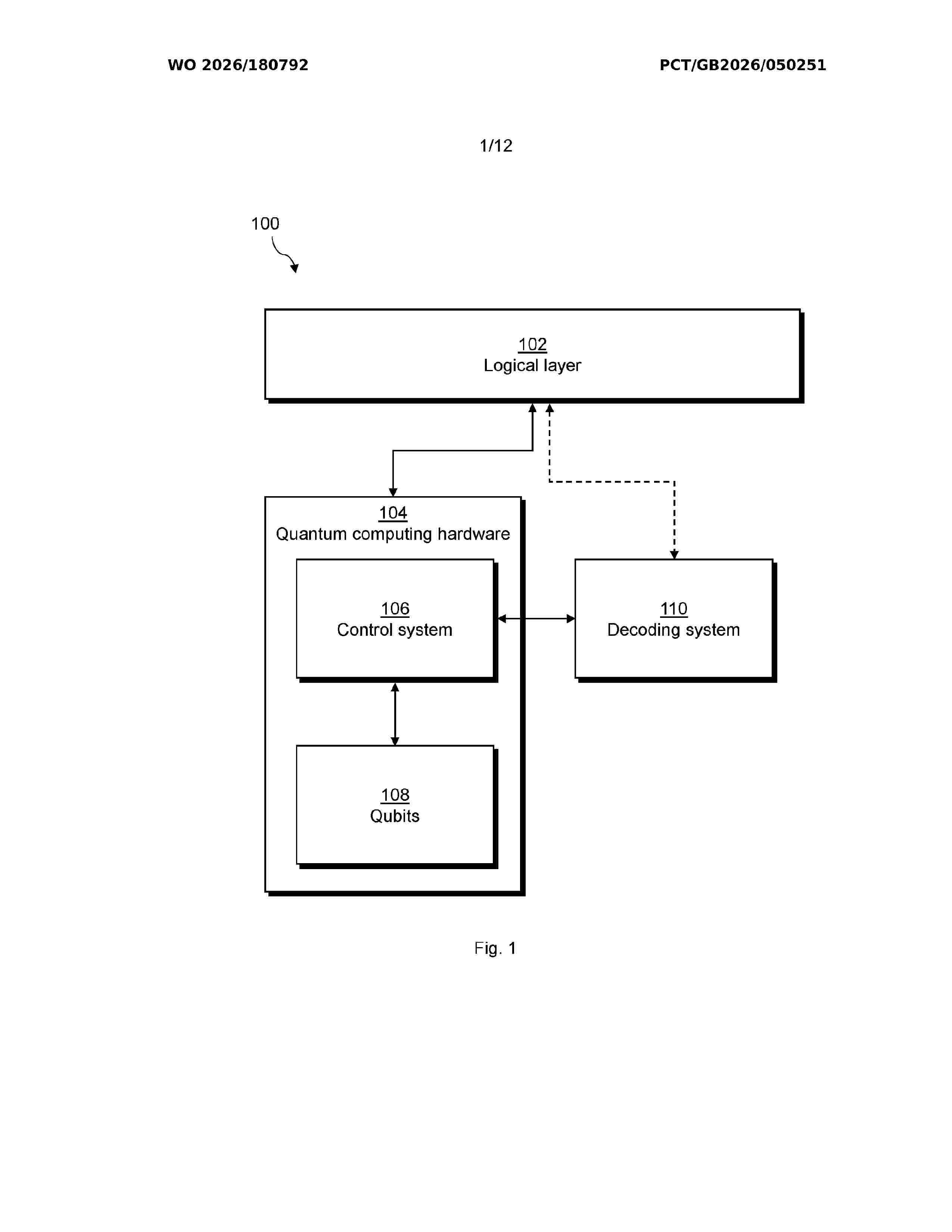
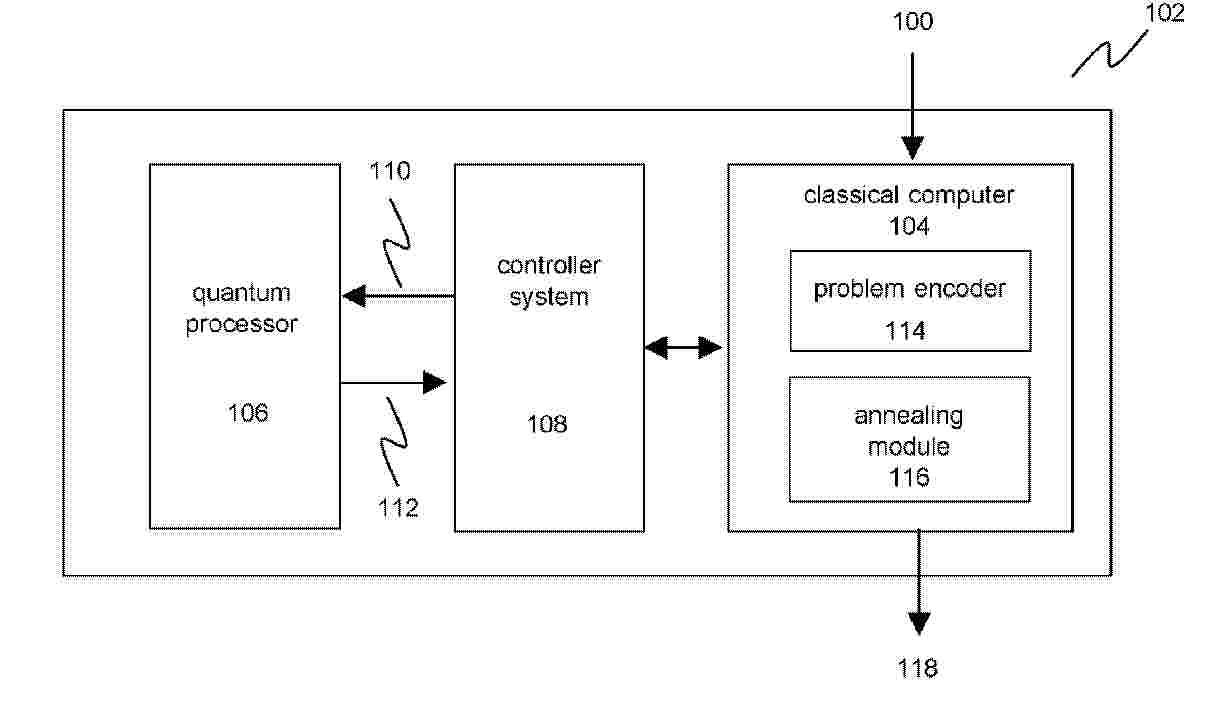
A method for performing quantum annealing is disclosed. The method comprises causing a quantum system to be in a ground state of an initial Hamiltonian. The quantum system comprises a plurality of qubits. The method also comprises causing the quantum system to evolve from the ground state of the initial Hamiltonian to a further ground state of a final Hamiltonian. The final Hamiltonian encodes a computational problem. The method further comprises reading out at least some of the plurality of qubits for determining a solution to the computational problem. In this method, the plurality of qubits comprises a plurality of qubit subsets, wherein each qubit subset comprises several qubits. Further, the quantum system comprises a plurality of weak couplers. Each weak coupler is configured to establish a coupling between two qubits that represents a parameter of the computational problem. The quantum system also comprises a plurality of strong couplers. Each strong coupler is configured to establish a strong coupling between two qubits that causes the qubits to be in the same state. The step of causing the quantum system to evolve from the ground state of the initial Hamiltonian to the further ground state of the final Hamiltonian comprises controlling the plurality of strong couplers to, for each qubit subset, establish strong couplings between the qubits in the qubit subset. The established strong couplings cause all qubits out of the qubit subset to be in the same state. Causing t
Nº publicación: EP4805870A1 16/09/2026
Solicitante:
ANALOG QUANTUM CIRCUITS PTY LTD [AU]
Analog Quantum Circuits Pty Ltd
Resumen de: WO2025097211A1
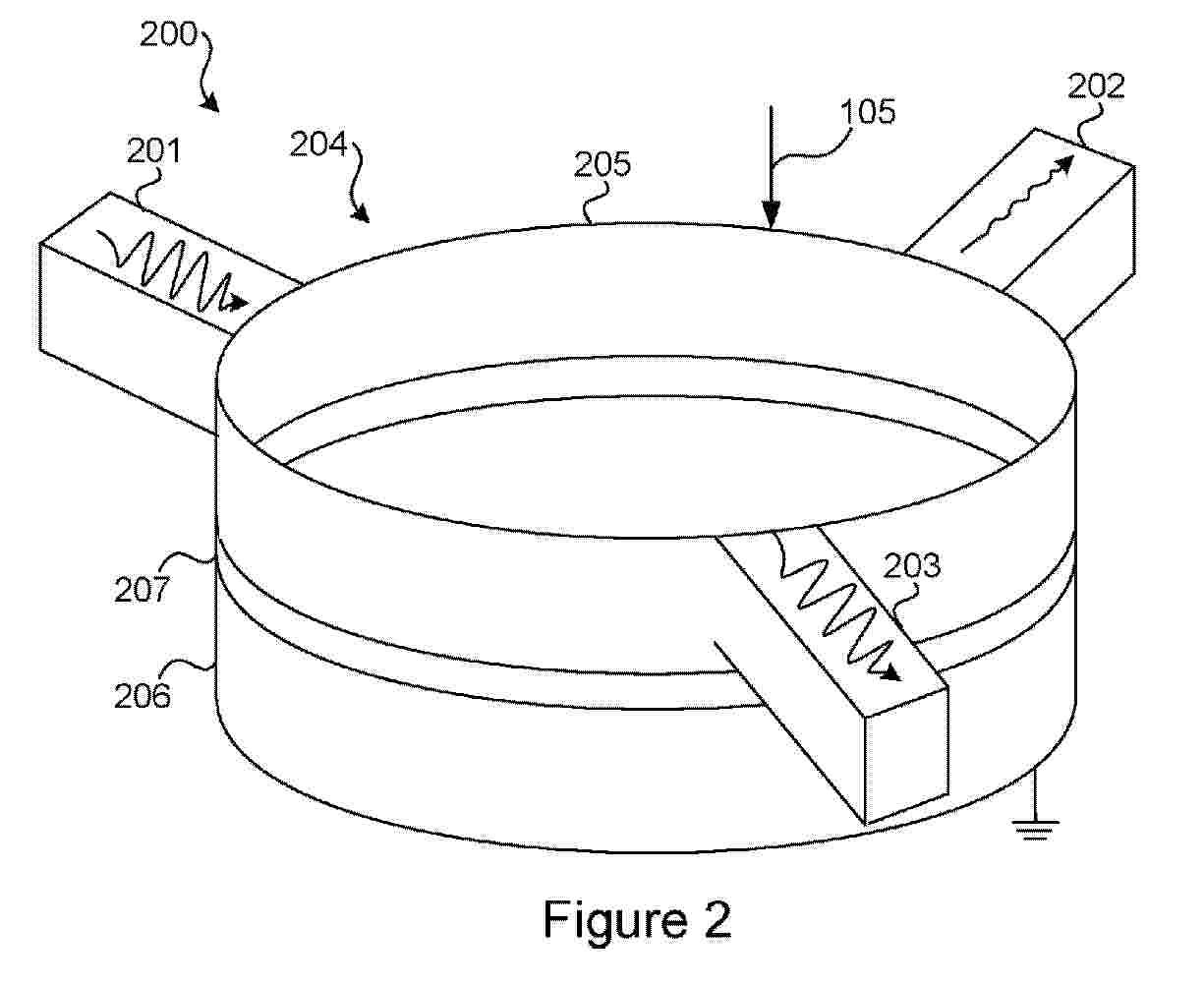
This disclosure relates to a circulator for an electromagnetic signal. The circulator comprises three or more ports to send and/or receive the electromagnetic signal and a ring structure to connect the three or more ports. The ring structure comprises a long Josephson Junction, and the ring structure is configured to conduct moving fluxons around the ring structure to transmit the electromagnetic signal to one of the three or more ports and to supress the electromagnetic signal at another of the three or more ports.
 BOPI
BOPI
 Sede Electrónica