Si deseas distinguir tus productos, servicios o ambos de los de otra empresa, es posible que necesites una marca o nombre comercial. Descubre qué son, en qué consiste su procedimiento de registro y qué implica.

Información sobre los plazos de presentación de solicitudes de transformación de marcas de la Unión Europea en marca nacional española. Más información


Si tienes un nuevo dispositivo, producto o procedimiento que resuelva un problema técnico o tenga una ventaja práctica, existen distintas formas de protegerlo en España y en otros países. Descubre cómo hacerlo.

¿Tu innovación reside en la estética, la ornamentación o la apariencia de tu producto? Protégela mediante un diseño industrial. Descubre qué derechos confiere el registro y cómo realizar la tramitación.

Las indicaciones geográficas protegen el nombre de un producto originario de una zona geográfica, a la cual le debe una determinada calidad, reputación u otra característica. Descubre qué son, en qué consiste su procedimiento de registro y qué beneficios conceden.

Las patentes publicadas en todo el mundo son una valiosa fuente de información científica, técnica y comercial.

Si eres emprendedor/a o una empresa y quieres potenciar y mejorar la rentabilidad de tu negocio protegiendo de forma adecuada los activos intangibles de tu organización, en este espacio encontrarás lo necesario.


 57
resultados
57
resultados
 Última actualización
16/10/2026 [07:49:00]
Última actualización
16/10/2026 [07:49:00]


Resumen de: EP4813291A2
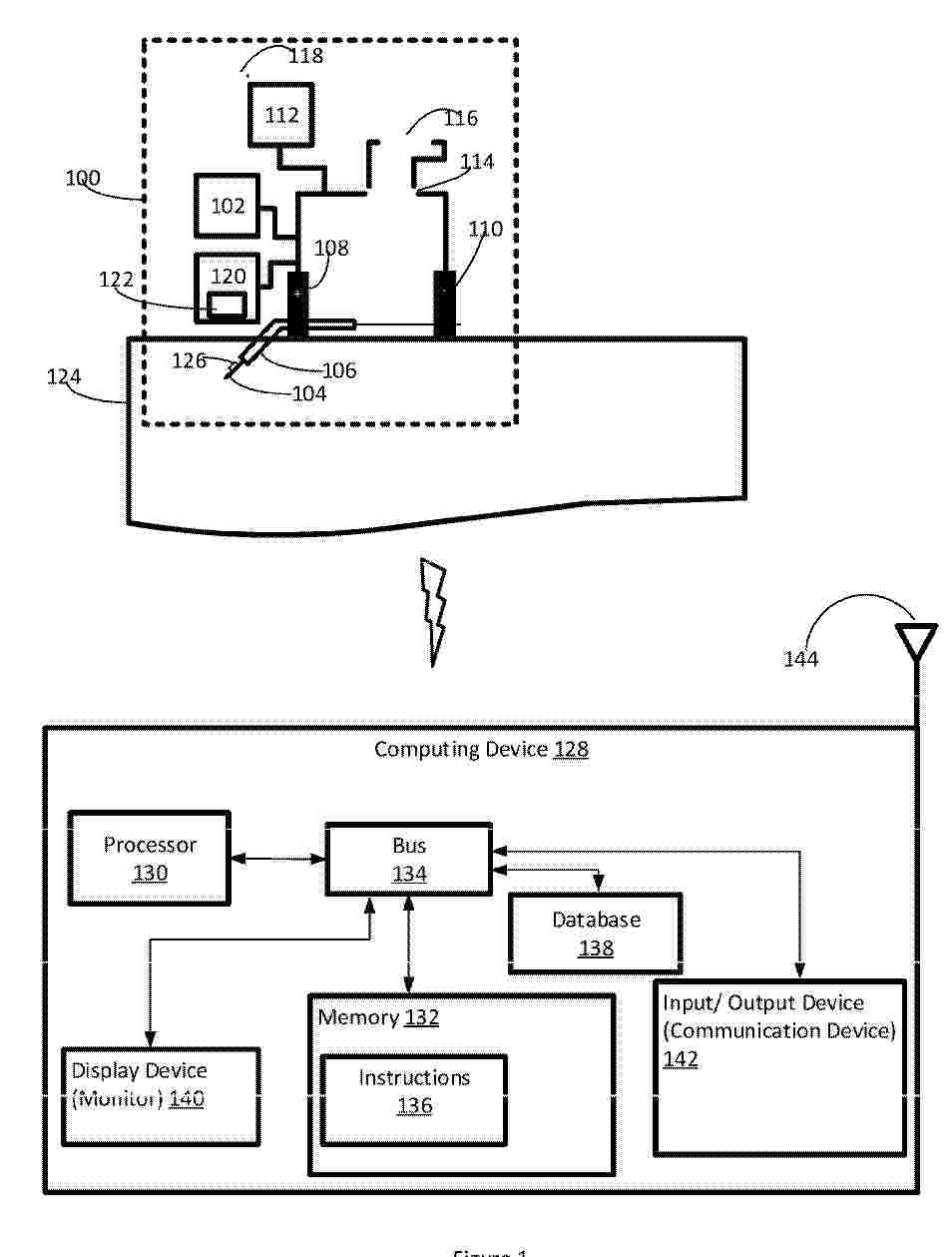
0001 Example disposable biosensor devices having an activity sensor are disclosed. One example device includes a disposable biosensor that has a first electrode having a distal end to be inserted into a subcutaneous layer beneath a person's skin, the first electrode having a reactive material disposed on the distal end, and a second electrode. The disposable biosensor device also includes an activity sensor that can be activated upon an activity by the person, the activity sensor for detecting the activity and providing data about the activity. The disposable biosensor also includes a radio frequency transmitter for transmitting data obtained from the first or second electrode and the activity sensor.

Resumen de: EP4814115A2
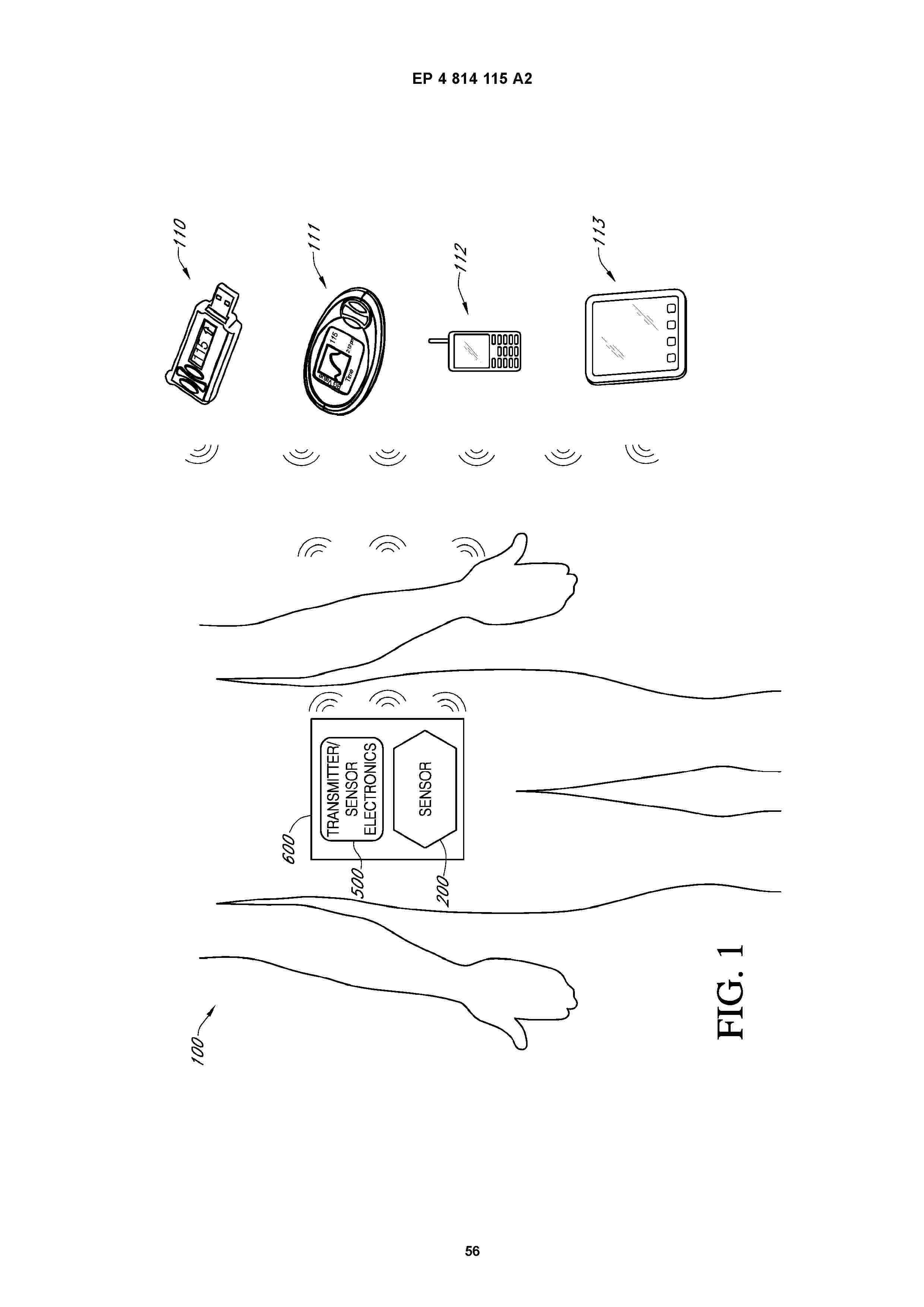
Disclosed are devices for determining an analyte concentration (e.g., glucose). The devices comprise a sensor configured to generate a signal associated with a concentration of an analyte and a sensing membrane located over the sensor. The sensing membrane comprises a biointerface layer which interfaces with a biological fluid containing the analyte to be measured. The biointerface layer comprises a biointerface polymer, wherein the biointerface polymer comprises polyurethane and/or polyurea segments and one or more zwitterionic repeating units. The biointerface layer increases sensor longevity and decrease sensor inaccuracy by inhibiting accumulation of cells, proteins, and other biological species on the outermost layers of the sensor.
Resumen de: US12745932B1
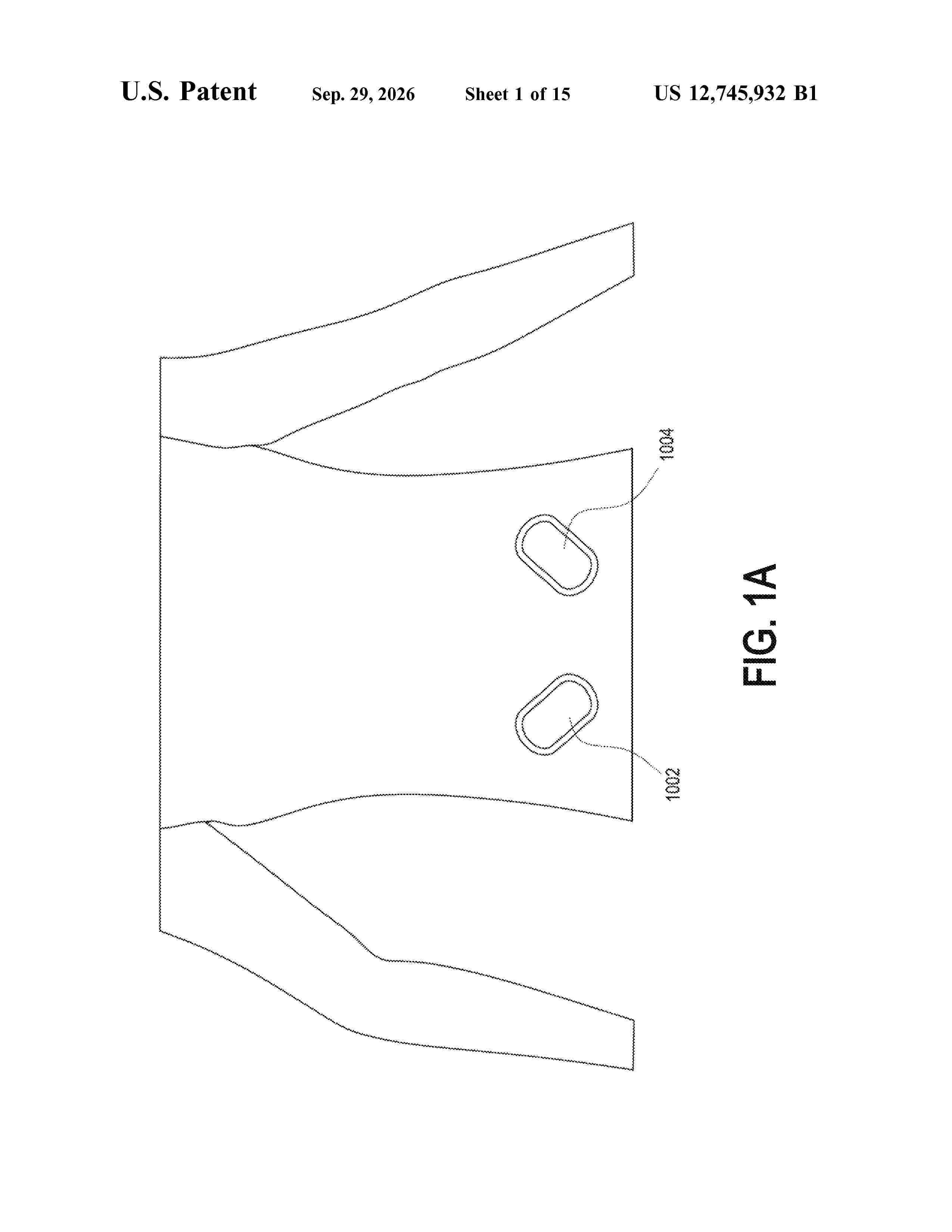
An electrode system for an electrochemical sensor, such as a glucose sensor, is disclosed. The electrode system may include a working electrode, a reference electrode, and a counter electrode. The working electrode may comprise two layers of different metals, such as gold and platinum. A method for forming such an electrode system is disclosed.
Resumen de: NZ800826A
Described herein are doses and dosing regimens comprising determining and administering doses of long-acting insulin receptor agonists suitable for once-weekly dosing, such as Weekly Basal Insulin-Fc (BIF). In particular, the invention provides the use of insulin efsitora alfa/BIF for treating diabetes comprising an initial 3x loading dose followed by one or more once-weekly maintenance dose/s.
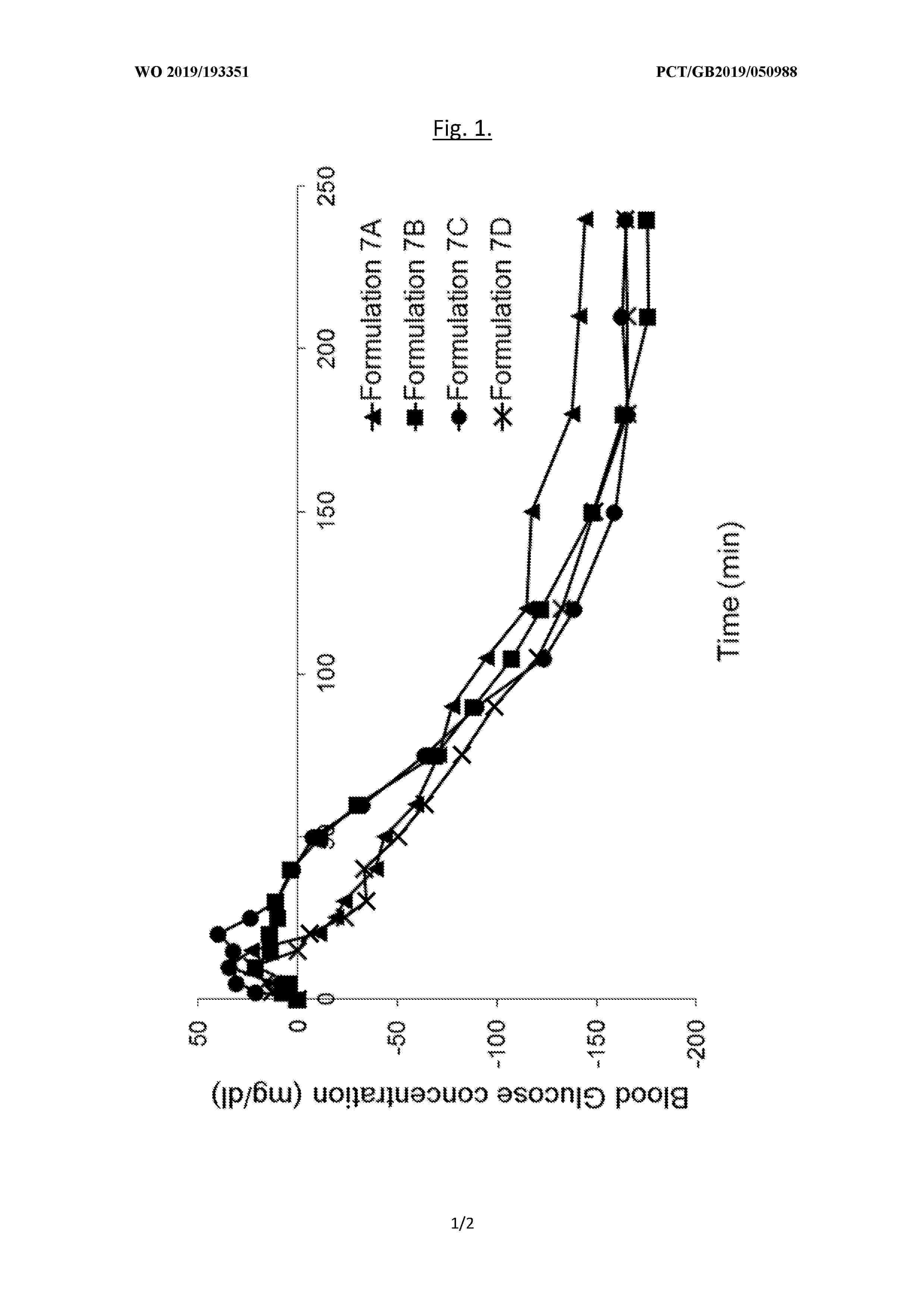
Resumen de: WO2019193351A1
There is provided inter aliaa medical infusion pump system comprising a pump and a reservoir comprising an aqueous liquid pharmaceutical composition for delivery by means of said pump to a mammal wherein the composition comprises (i) an insulin compound at a concentration of 400 U/mLor more, (ii) ionic zinc and (iii) a non-ionic surfactant and wherein the said pump delivers the composition in pulses wherein the volume of the pulse is 0.5 µLor less.
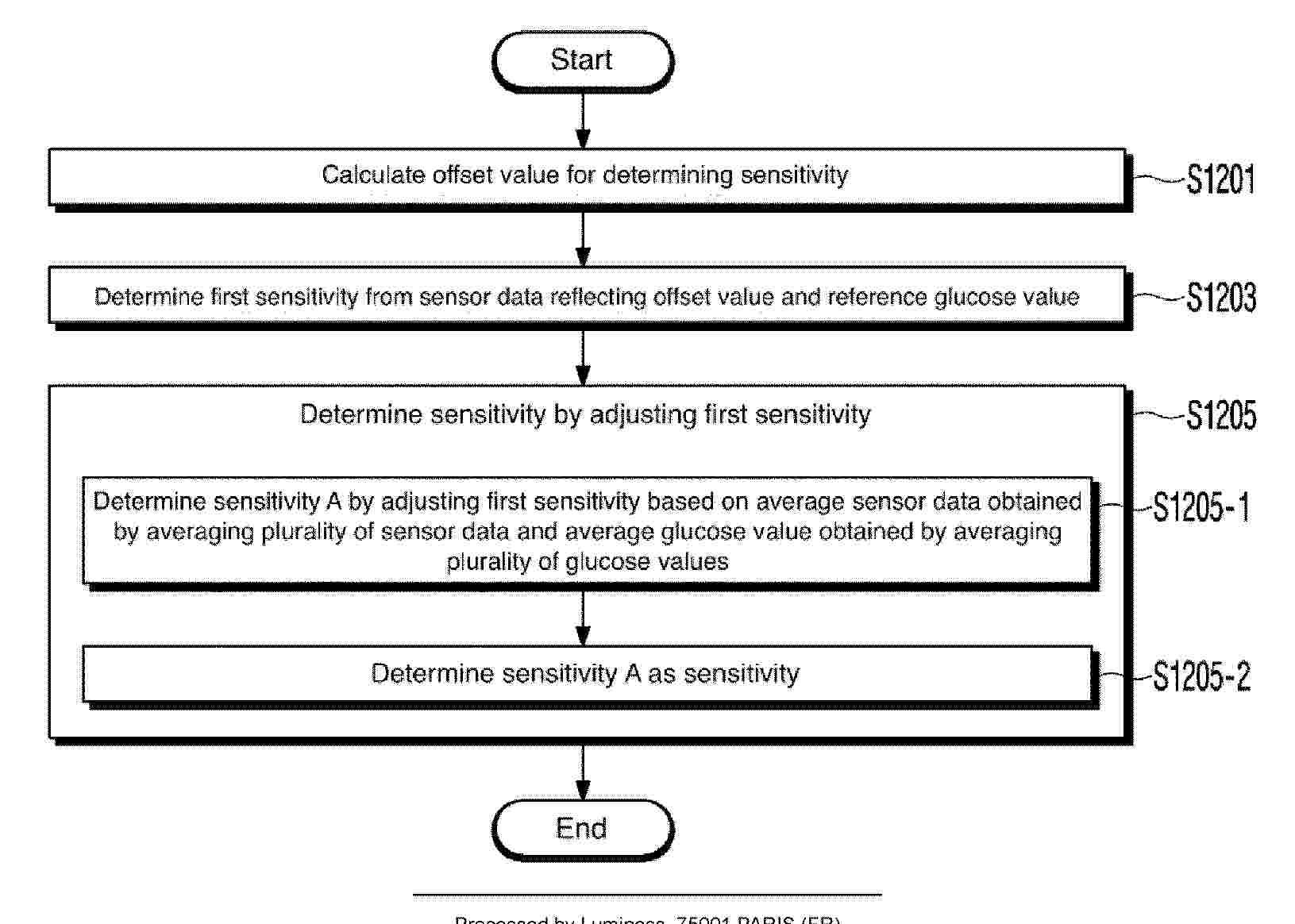
Resumen de: NZ813952A
An embodiment may provide a method for calibrating sensitivity for glucose measurement including: obtaining an offset value for determining sensitivity; determining a first sensitivity from a sensor data and a reference glucose value, based on the offset value; and determining sensitivity by adjusting the first sensitivity, wherein the determining of the sensitivity includes obtaining one sensitivity, and determining sensitivity A by adjusting the one sensitivity by reflecting an average sensor data obtained by averaging a plurality of sensor data and an average glucose value obtained by averaging a plurality of glucose values to the one sensitivity; and determining the sensitivity A as the sensitivity.
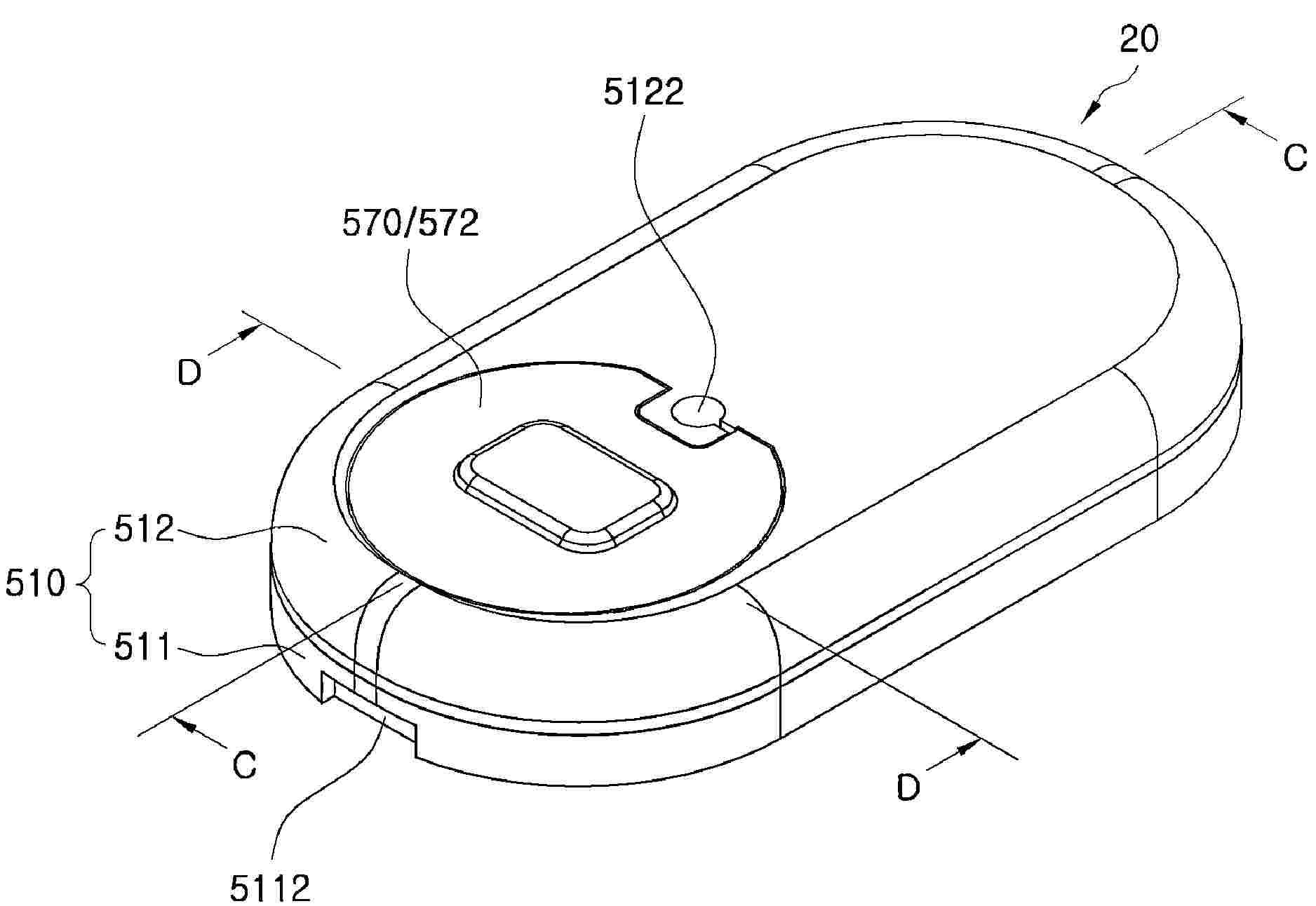
Resumen de: NZ799606A
A body-attachable unit for continuous glucose measurement that includes an upper and lower case enclosing a PCB 530, communication chip 540, battery 535, and a sensor unit 520. The sensor unit 520 can be inserted into the body. Initially, the sensor and communication chip are disconnected while the battery 535 remains connected to the PCB 530. Switching to an active state (where sensor and chip are connected) occurs when a user-intended object approaches a specific region of the unit.
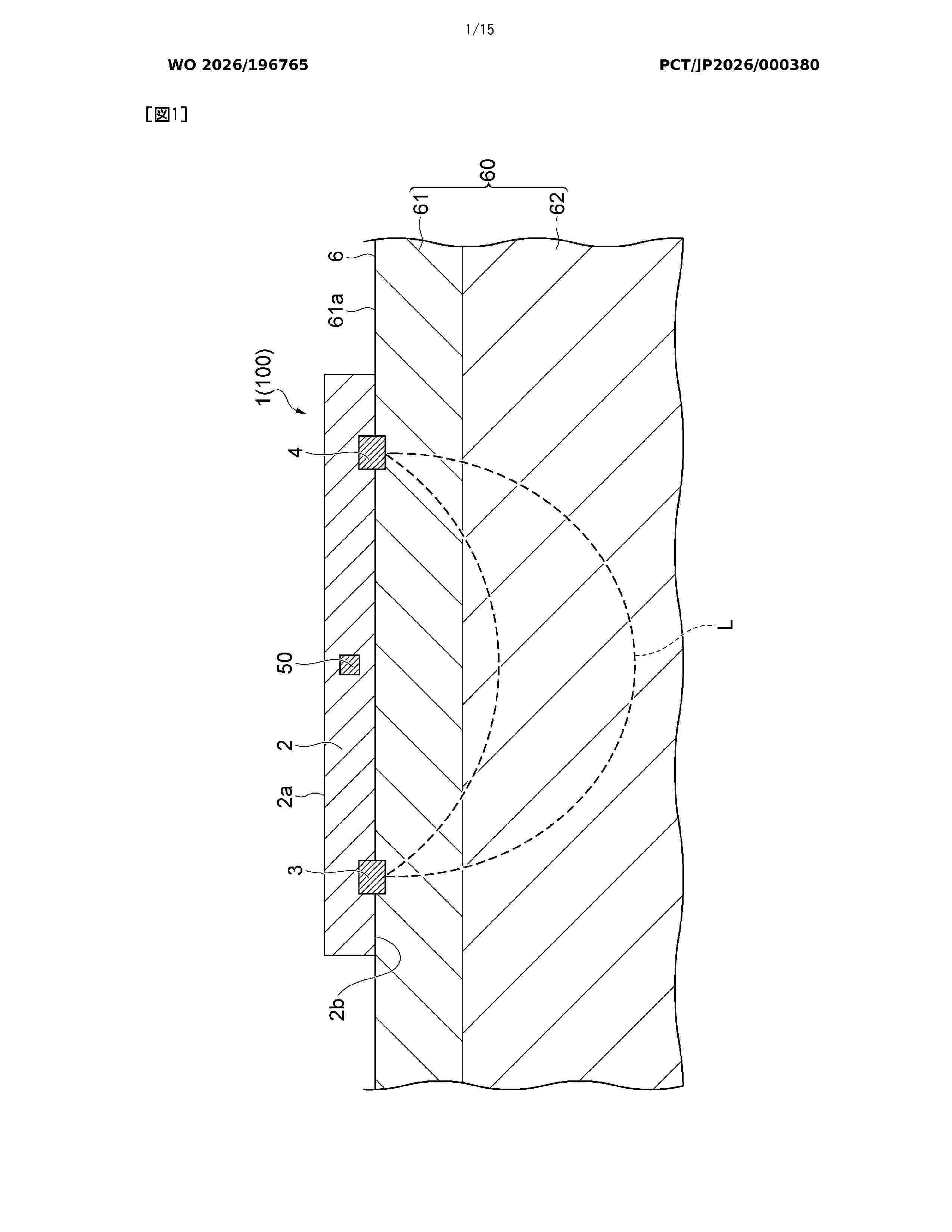
Resumen de: WO2026196765A1
This hemoglobin concentration measurement device comprises: a light output unit that outputs, to a living body, measurement light including at least light having a first wavelength and light having a second wavelength different from the first wavelength; a light detection unit that detects the measurement light transmitted through the living body; a signal acquisition unit that acquires, on the basis of a detection result of the light detection unit, a first signal relating to blood of the living body and a second signal relating to surrounding tissue other than the blood of the living body; and a hemoglobin concentration estimation unit that estimates a hemoglobin concentration on the basis of the first signal and the second signal acquired by the signal acquisition unit when a blood flow state of the living body is a first state, and the first signal and the second signal acquired by the signal acquisition unit when the blood flow state is a second state different from the first state.
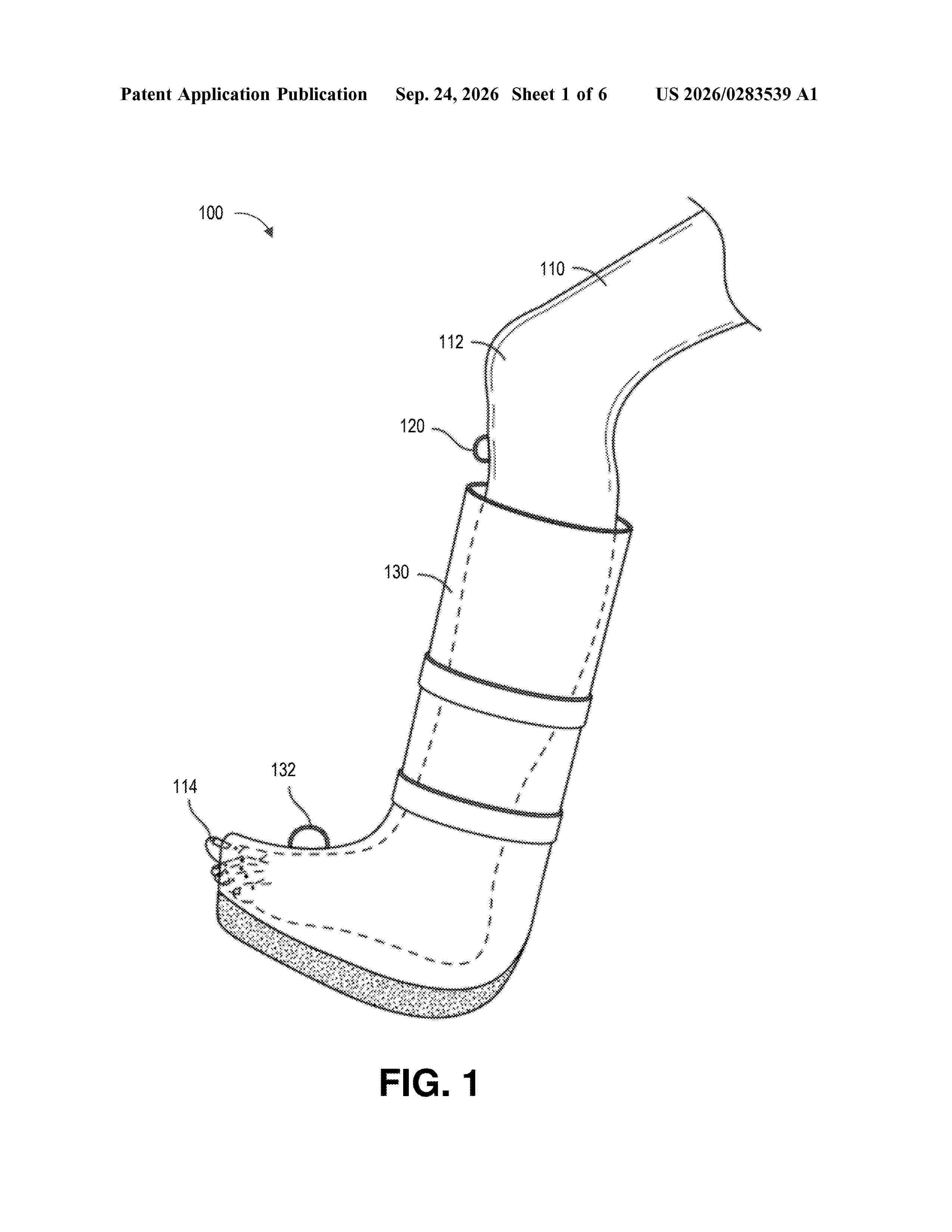
Resumen de: US20260283539A1
0000 In some aspects, a computer-implemented method is disclosed for gathering and processing sensor data to identify a risk of impacting or causing a skin injury. The computer-implemented method can include: receiving, via a computer network, sensor feature data representing output of a user sensor configured to be worn on a limb of a user; generating activity classification model output data using the sensor feature data and an activity classification model, the activity classification model output data representing likelihoods that the sensor feature data corresponds to each of a plurality of different activity classifications; determining an activity classification from the activity classification model output data; and transmitting, via the computer network, display data representing the activity classification to a computing device configured to present the display data.
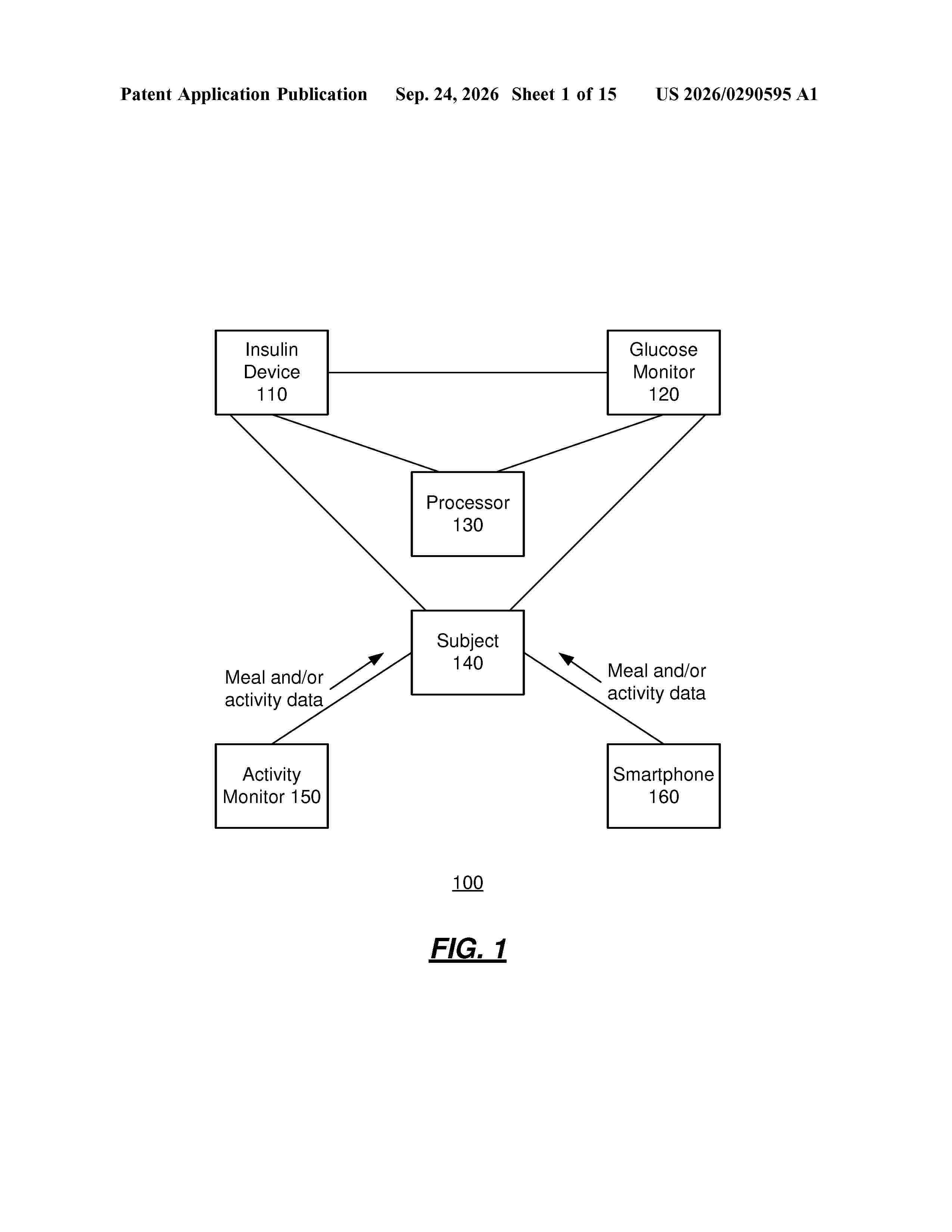
Resumen de: US20260290595A1
0000 Systems and methods are provided for reconciling untrusted data of a subject using trusted data pertaining to the subject. Systems and methods are directed to evaluating differences in predicted data with respect to corresponding received data. Systems and methods estimate metabolic states from a combination of trusted and untrusted metabolic inputs, along with optionally using a personalized mathematical model with parameter optimization. Systems and methods provide for reconciled untrusted inputs with their measured impact of the glycemic signals that is consistent with a metabolic model. Estimation of future metabolic states for decision support and automated insulin dosing is enabled. Replay of scenarios with estimated or reconciled data is also provided.
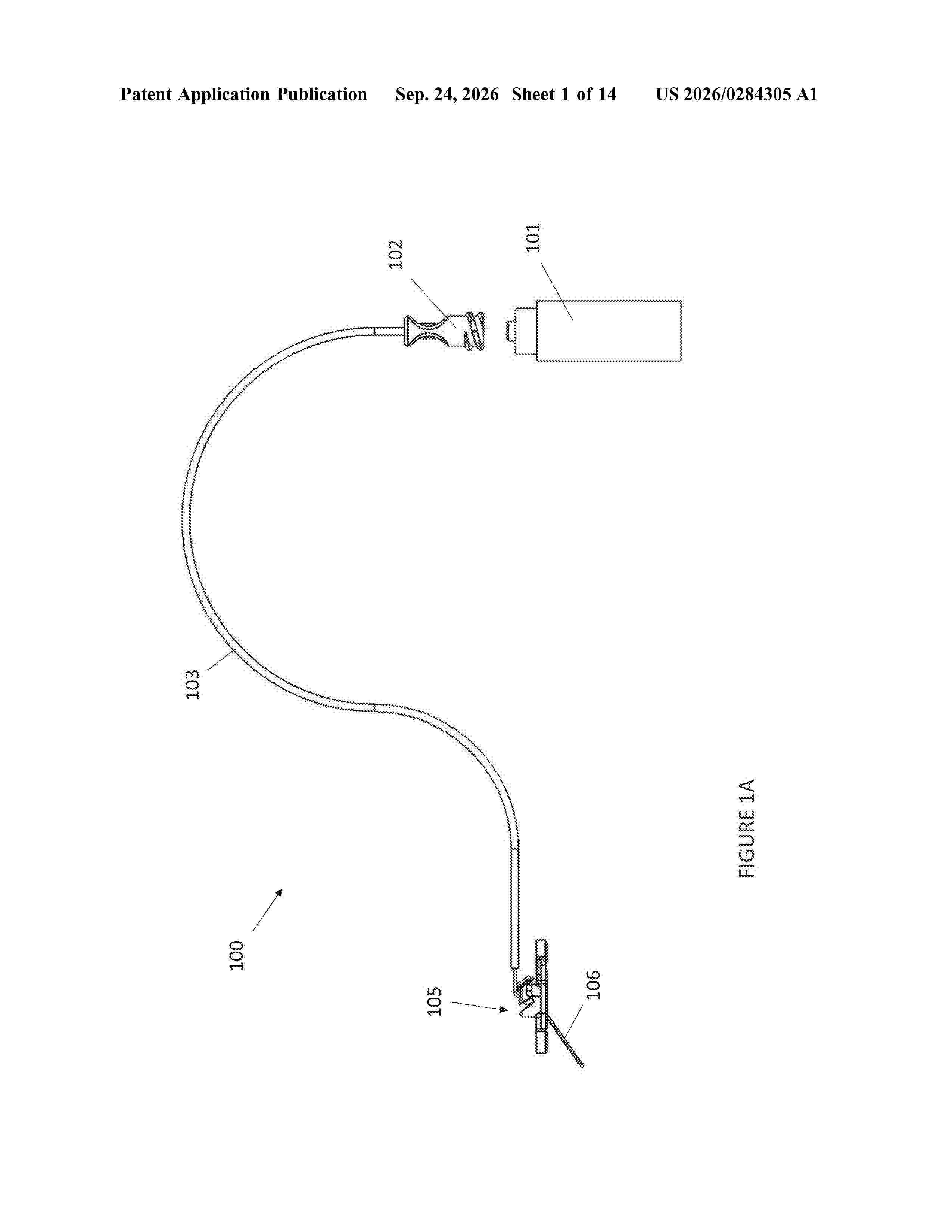
Resumen de: US20260284305A1
0000 Embodiments of devices and methods to maintain preservative concentration in a medication delivered using a medical device are provided. A barrier layer can be used to prevent migration of preservatives. A vent can be used to allow release of preservatives prior to delivery to the patient. An absorbent element can be used to maintain preservative concentration at a desired level. A filter can be used to capture particulates from the medication prior to delivery to a patient.
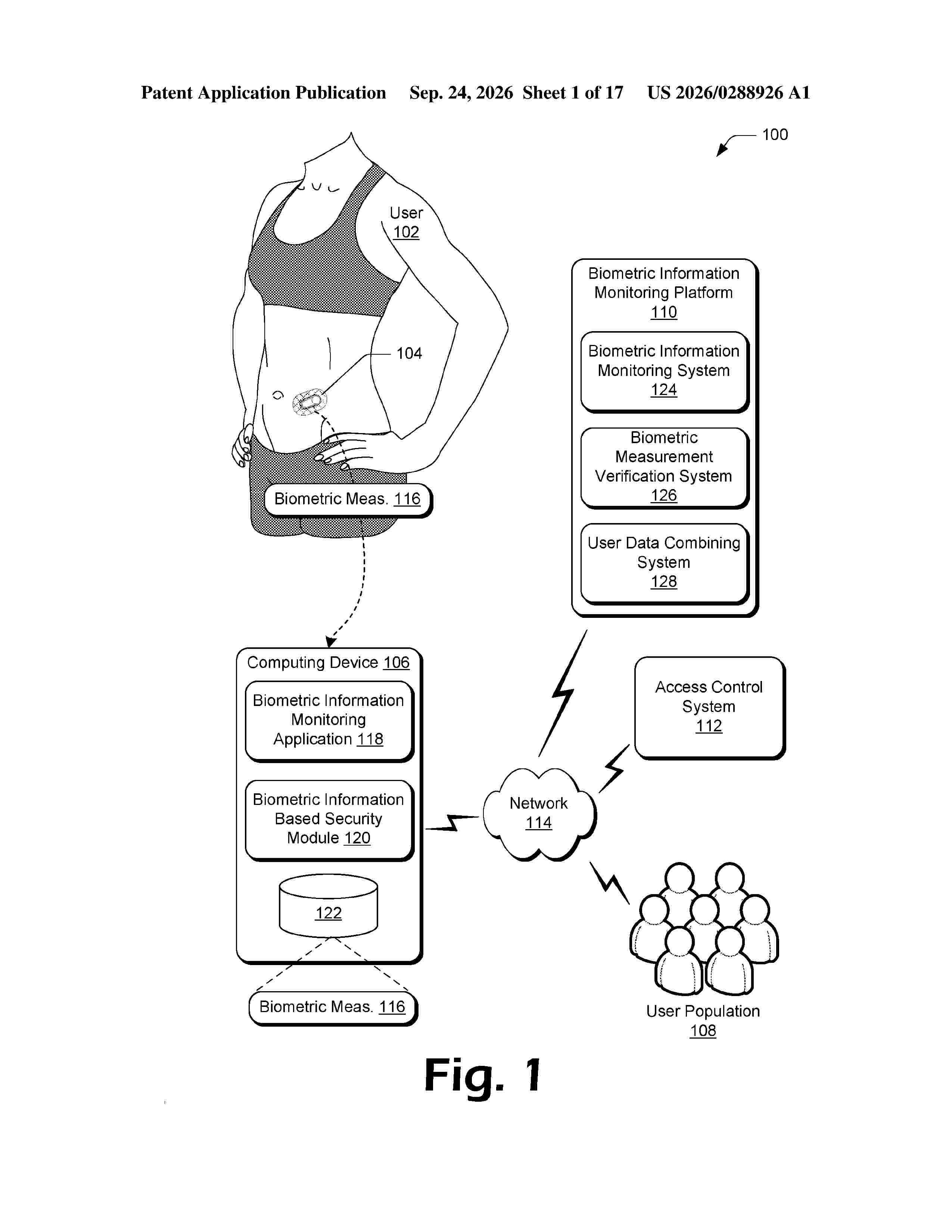
Resumen de: US20260288926A1
0000 Measurements of biometric information of a user are obtained over time, such as blood glucose measurements. These biometric measurements are typically obtained by a wearable biometric information monitoring device being worn by the user. These biometric measurements are used by various different systems, such as a computing device of the user or a biometric information monitoring platform that receives biometric measurements from multiple different users. The biometric measurements are used for various security aspects, such as one or more of part of multi-factor authentication of the user, generating security keys (e.g., connection keys, encryption keys), identifying biometric measurements associated with different user identifiers but the same use, and protecting biometric measurements so as to be retrievable only by a recipient associated with an additional computing device, and so forth.
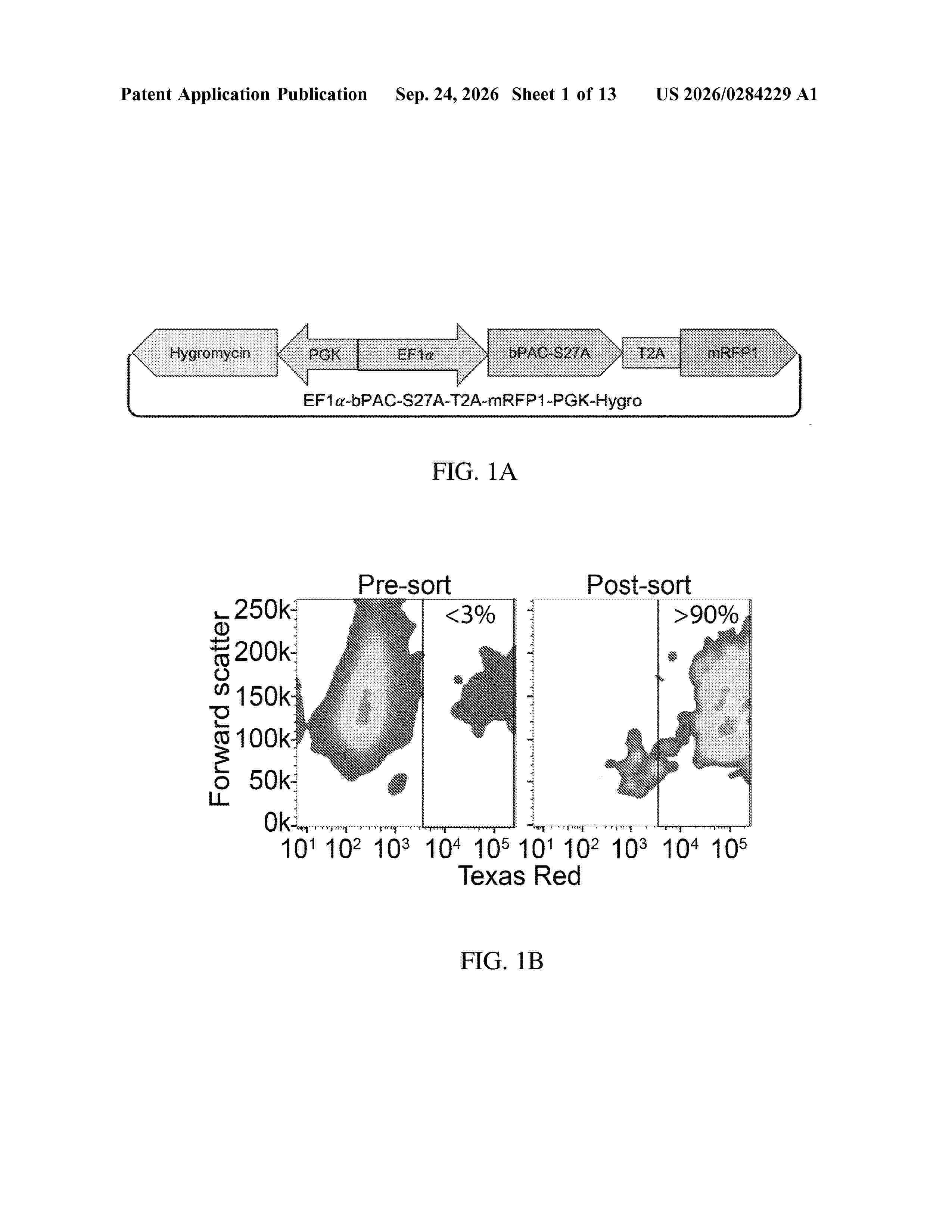
Resumen de: US20260284229A1
Provided herein are, inter alia, methods, compositions, and kits for inducing thermogenesis in adipocyte populations. Also included are methods and compositions for increasing thermogenesis in adipocyte populations (e.g., brown/beige/white adipocyte populations) in a subject, as well as methods and compositions for treating subjects who are overweight, obese, or who have diabetes.
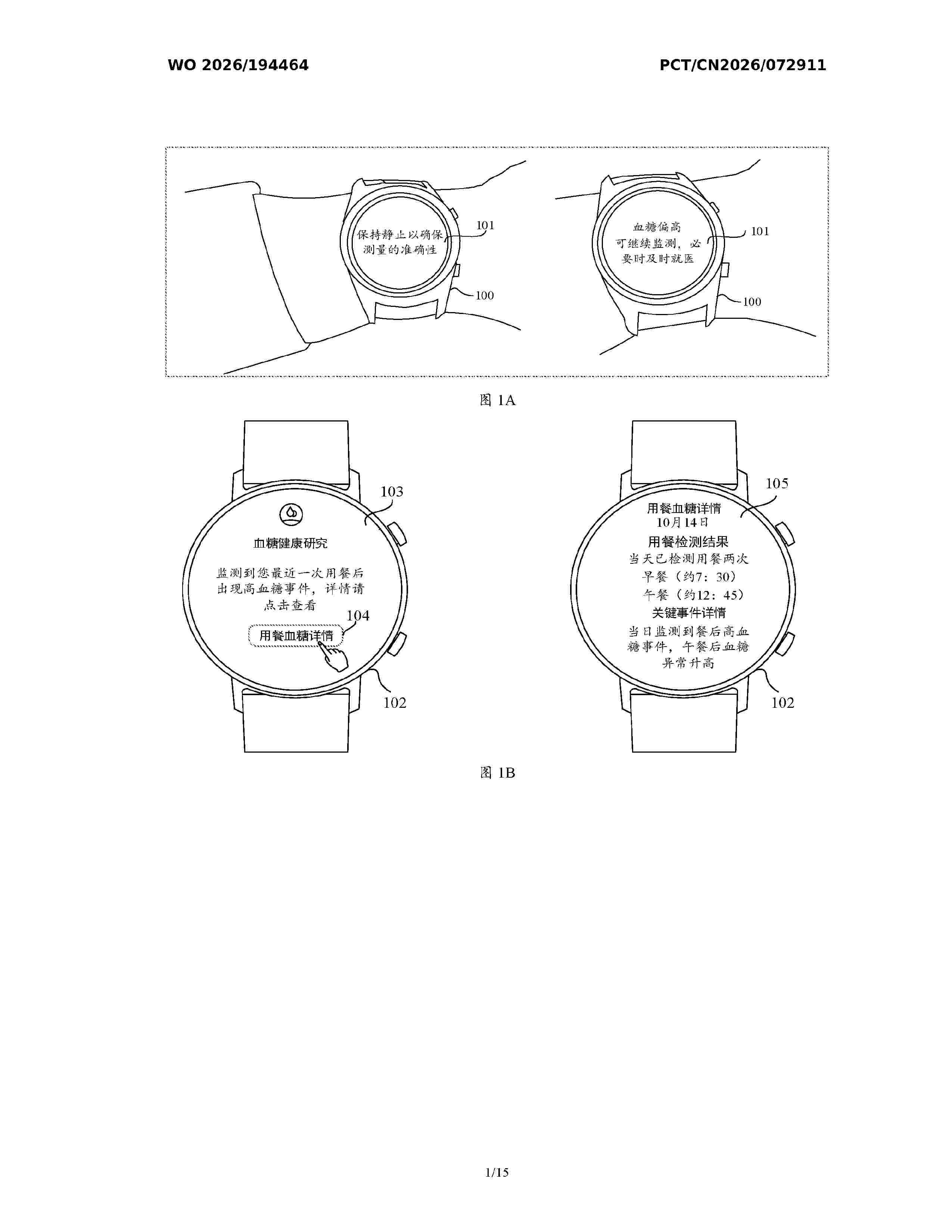
Resumen de: WO2026194464A1
A glucose monitoring method, comprising: determining first information and second information, wherein the first information is a glucose monitoring result corresponding to a first time period, the second information is a target behavior type associated with the first time period, the target behavior type is one of user behavior types, and the user behavior types comprise one or more of an eating behavior type, an exercise behavior type or a sleep behavior type; and on the basis of the first information and the second information, generating first prompt information, wherein the first prompt information is used for prompting the glucose monitoring result associated with the target behavior type. The method can help a user achieve more precise and more effective glucose management.
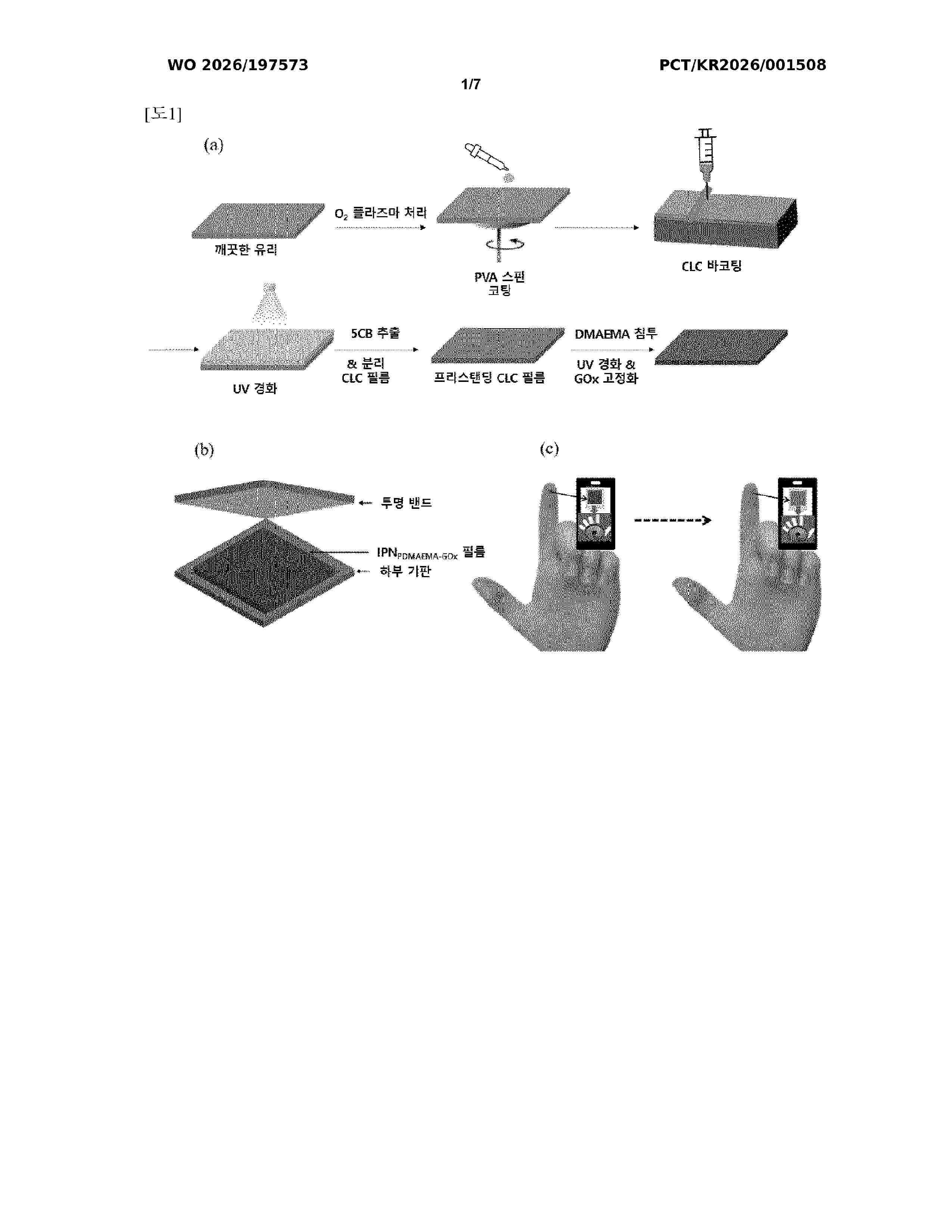
Resumen de: WO2026197573A1
The present invention relates to: a photonic interpenetrating polymeric network structure-based glucose biosensor in which a cholesteric liquid crystal in a solid state and a cationic polymer electrolyte are combined; a manufacturing method therefor; and a skin-attachable sweat-based glucose biosensor patch comprising same. The photonic interpenetrating polymeric network structure-based glucose biosensor according to the present invention is easy to manufacture, can be manufactured as a film, can be attached to the skin, and can visually detect the glucose concentration in the body quickly and accurately using only a small amount of sweat.
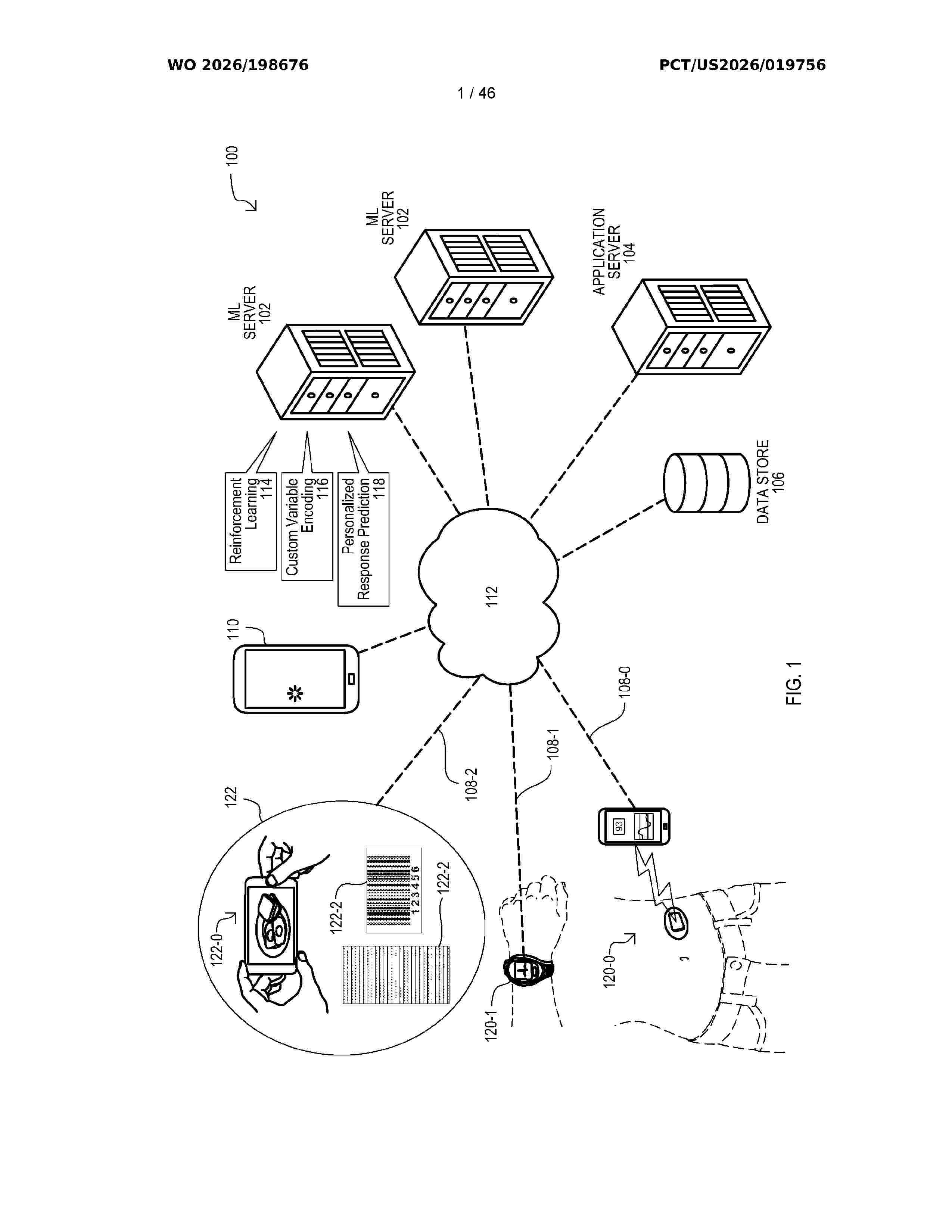
Resumen de: WO2026198676A1
Various systems and methods are disclosed, which may implement a neural network to process a profile of a subject, time-dependent food consumption data of the subject, and time- dependent physical activity data of the subject, to predict a time-dependent blood glucose level of the subject, without measuring blood glucose levels from blood, interstitial fluid, or sweat of the subject.
Resumen de: WO2026198957A1
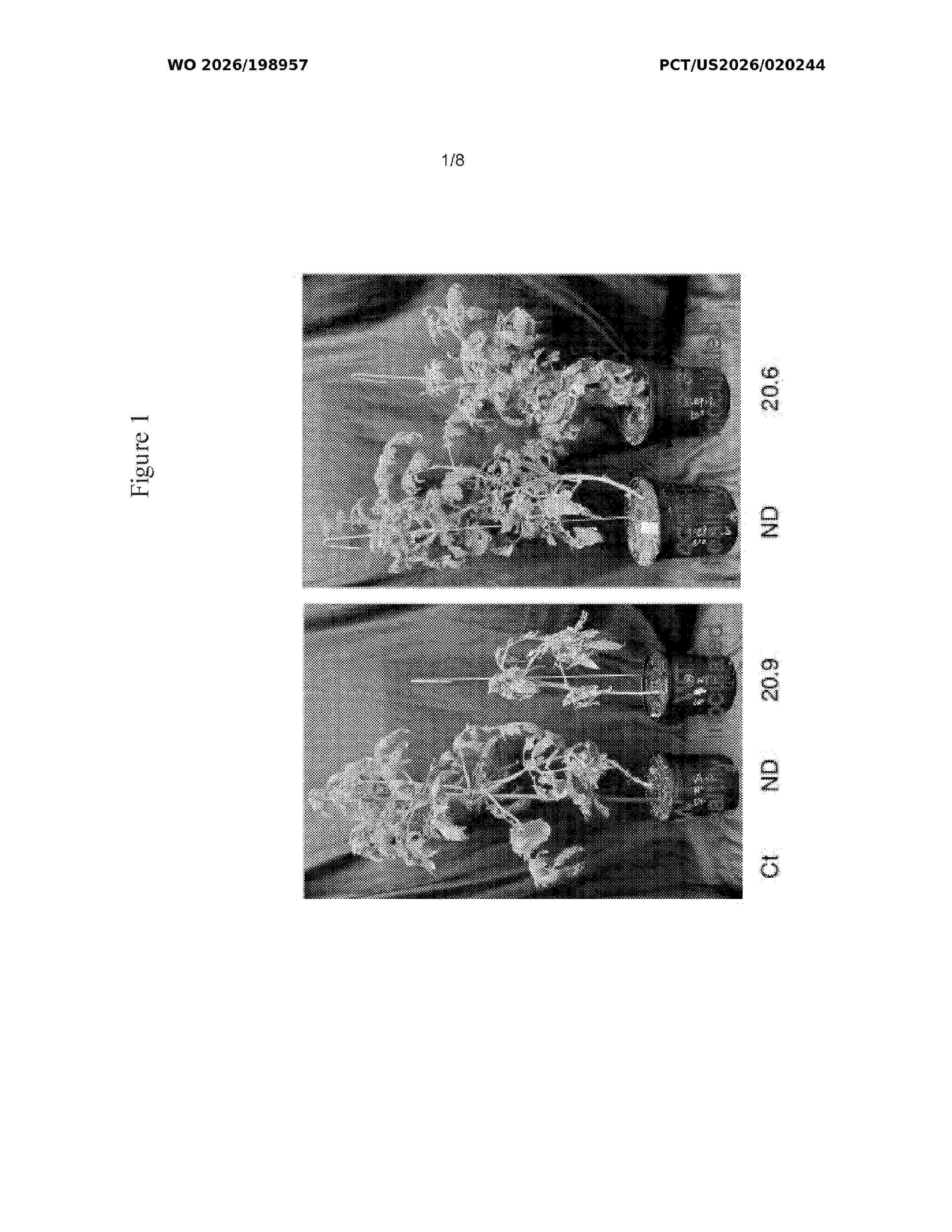
Citrus huanglongbing (HLB) caused by 'Candidatus Liberibacter asiaticus' (CLas) is the most devastating citrus disease worldwide. With CLas infection, RNA-seq analyses were performed on HLB-susceptible Valencia sweet orange and HLB-tolerant Sugar Belle mandarin in winter, spring, summer, and fall. CLas infection stimulates the expression of oxidative 5 stress- and cell death/survival related genes. Such genes were selected as gene editing targets, and crRNA and gRNA sequences were determined for transgene-free genome editing of the target genes to generate HLB-resistant/tolerant citrus varieties.
Resumen de: US20260284145A1
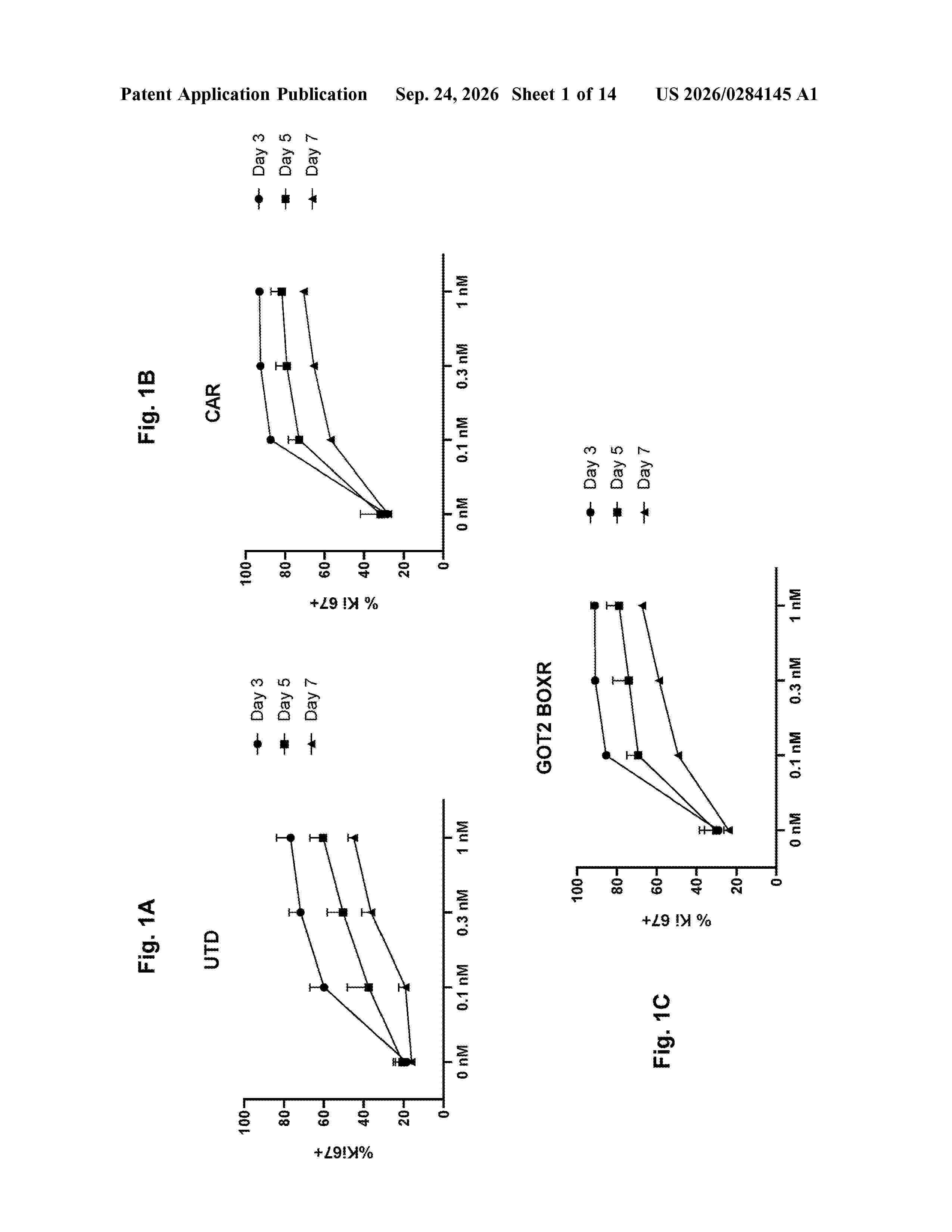
0000 A combined therapy for treating cancer in a subject, comprising an immune cell population and an Interleukin-2/Inter-leukin-15 receptor beta gamma (IL-2/IL-15Rβγ) agonist. The immune cell population comprises genetically engineered immune cells expressing or overexpressing a metabolism-regulating polypeptide, which may (a) improves glucose uptake activity; (b) modulates the Krebs cycle; (c) enhances lactate concentration; and/or (d) diverts or redirects glucose metabolites out of a glycolysis pathway.
Resumen de: US20260285937A1
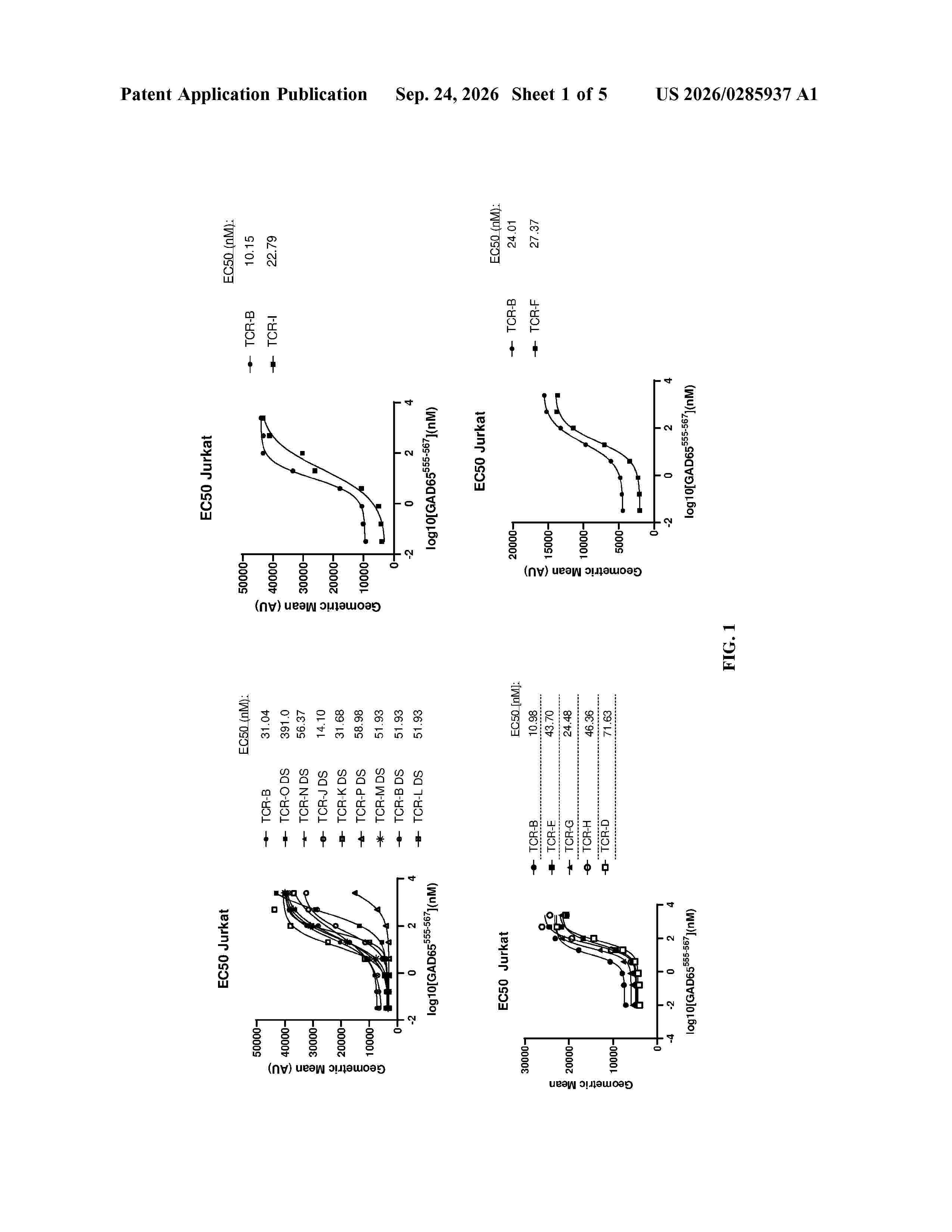
0000 The present disclosure is directed to T cell receptors targeting GAD65 and isolated cell populations comprising regulatory T cells exogenously expressing said TCRs used to treat Type 1 Diabetes.
Resumen de: US20260285984A1
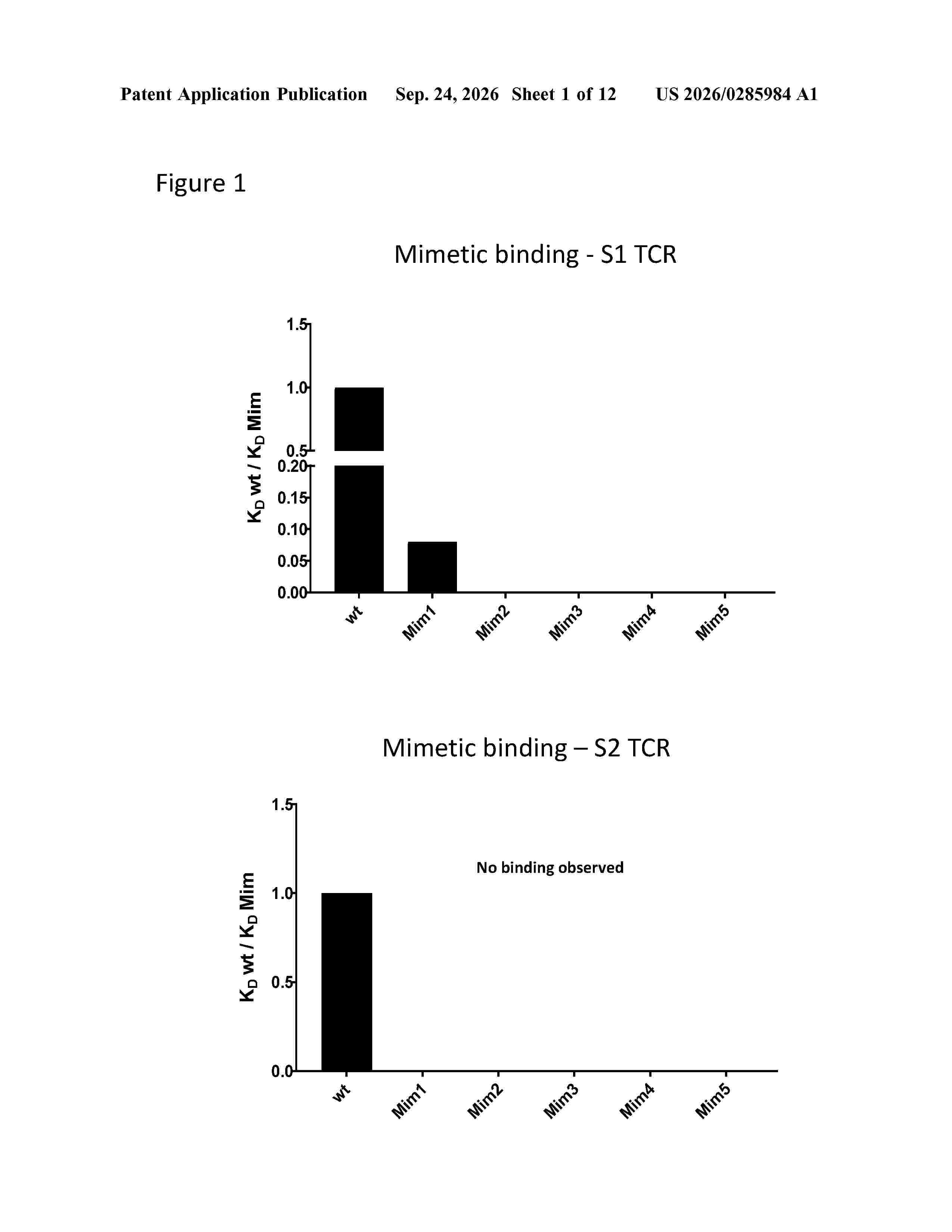
The present invention relates to binding molecules comprising a peptide-major histocompatibility complex (pMHC)-binding domain which binds to a ALWGPDPAAA (SEQ ID NO: 1) peptide (derived from human pre-pro insulin (PPI) protein) presented as a peptide-HLA-A*02 complex. Said binding molecules may comprise CDR sequences embedded within a framework sequence. The CDRs and framework sequences may correspond to a T cell receptor (TCR) variable domain and may further comprise non-natural mutations relative to a native TCR variable domain. The binding molecules of the invention have high affinity and high specificity for the ALWGPDPAAA (SEQ ID NO: 1)-HLA-A*02 complex. The binding molecules may further comprise an immune suppressor and/or a half-life extending domain. Such binding molecules are particularly useful in the development of soluble immunotherapeutic reagents for the treatment of autoimmune diseases, such as diabetes.
Resumen de: US20260283977A1
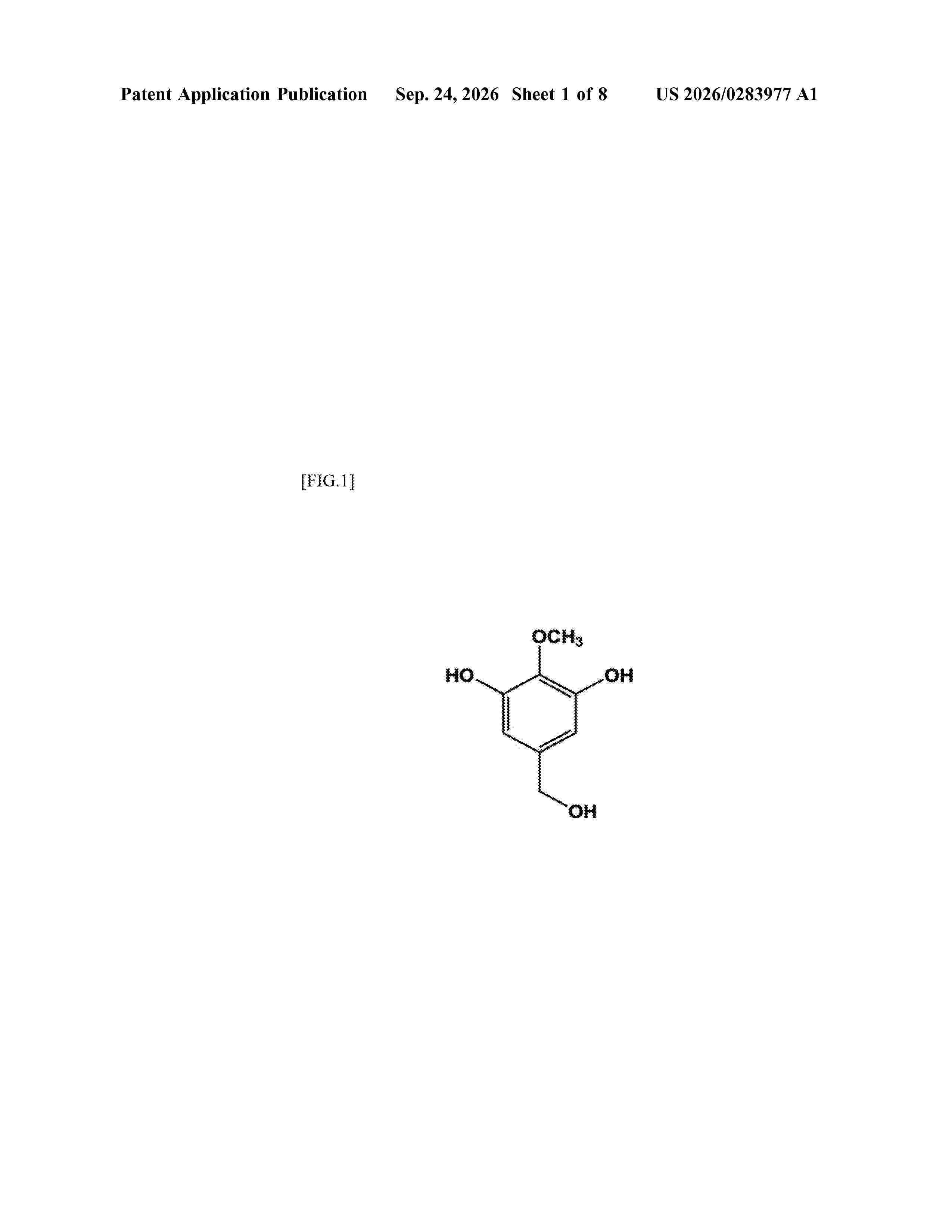
ProblemThe present invention provides a useful treatment tool for obesity-related adipogenesis using DHMBA. DHMBA-containing culture suppresses the growth of 3T3-L1 preadipocytes in vitro, leading to a reduction in the number of cells. In an adipocyte differentiation process, culture in the presence of DHMBA suppresses adipogenesis in the process of differentiation of 3T3-L1 preadipocytes into adipocytes through the regulation of various signaling processes associated with insulin signaling.SolutionThe present invention includes 3,5-dihydroxy-4-methoxy benzyl alcohol (DHMBA) as an active ingredient and has an inhibitory action on 3T3-L1 preadipocyte growth.
Resumen de: US20260284326A1
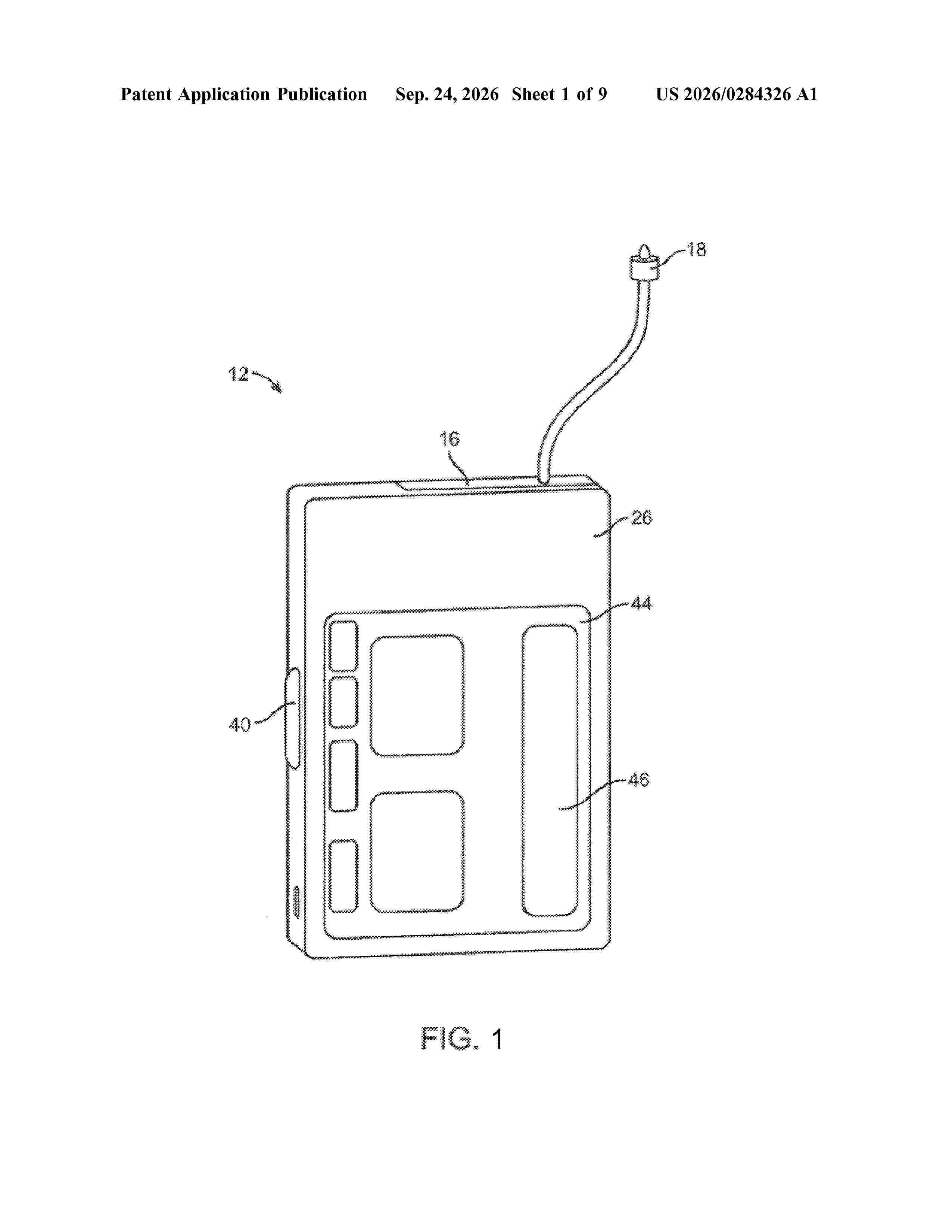
A portable insulin pump can utilize readings from a sensor incorporated into an infusion set used with the pump to deliver insulin to a patient to determine if the infusion set is or is likely to become dislodged from the patient. Readings from the sensor that are inconsistent with expected readings or a range of expected readings can indicate that the infusion set has become dislodged from the patient.
Resumen de: GB2704849A
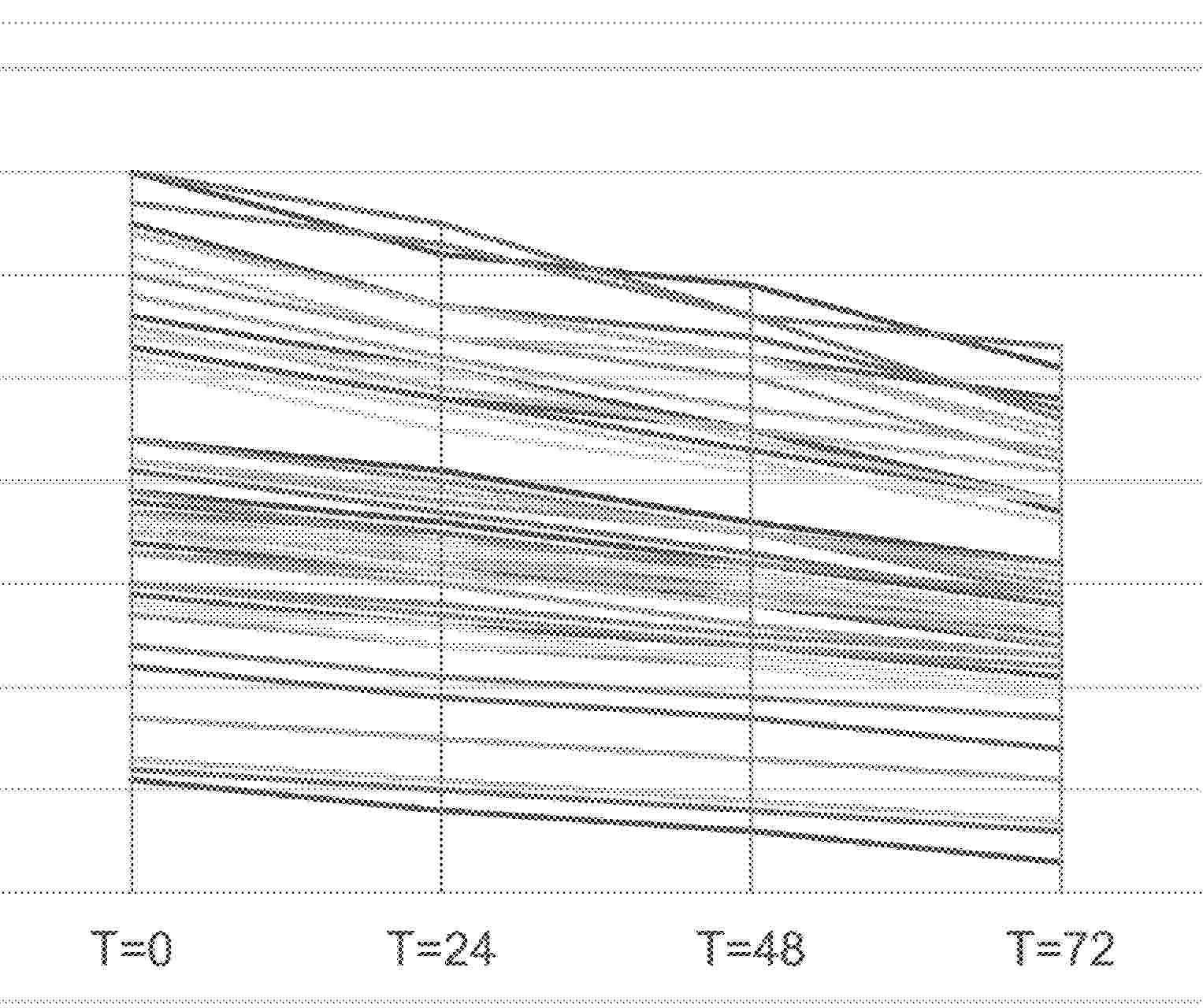
A stabilization medium (optionally having a pH between 7.2-8) for extending temporal viability of human semen for up to a predetermined time period when mixed therewith and maintained within a predetermined temperature range, comprising: one or more pH buffer agents (optionally comprising MOPS or HEPES in a concentration range of 10.0-25.0 mmol); one or more inorganic salts (optionally selected from sodium chloride, potassium chloride, magnesium sulfate heptahydrate, sodium phosphate dihydrate, sodium bicarbonate and calcium chloride dihydrate); one or more organic compounds (optionally selected from glucose, sodium lactate (L-isomer), sodium pyruvate and taurine); and one or more amino acids with antioxidant properties (optionally selected from alanine, aspartate, asparagine, glutamate, alanyl-glutamine, glycine, proline and serine). The stabilization medium may further comprise at least one of: one or more antioxidants (selected from a group comprising acetyl-L-carnitine, alpha-lipoic acid and N-acetyl-L-cysteine); one or more pH-altering compounds (selected from a group comprising sodium dihydrogen phosphate dihydrate, magnesium sulfate heptahydrate, calcium chloride dihydrate, sodium lactate (L-isomer) and sodium pyruvate); one or more antibiotics and chelating agents. The predetermined time period may be up to 72 hours and the predetermined temperature range may be 36.1-37.2 degrees Celsius. Figure 2
Resumen de: EP4810079A1
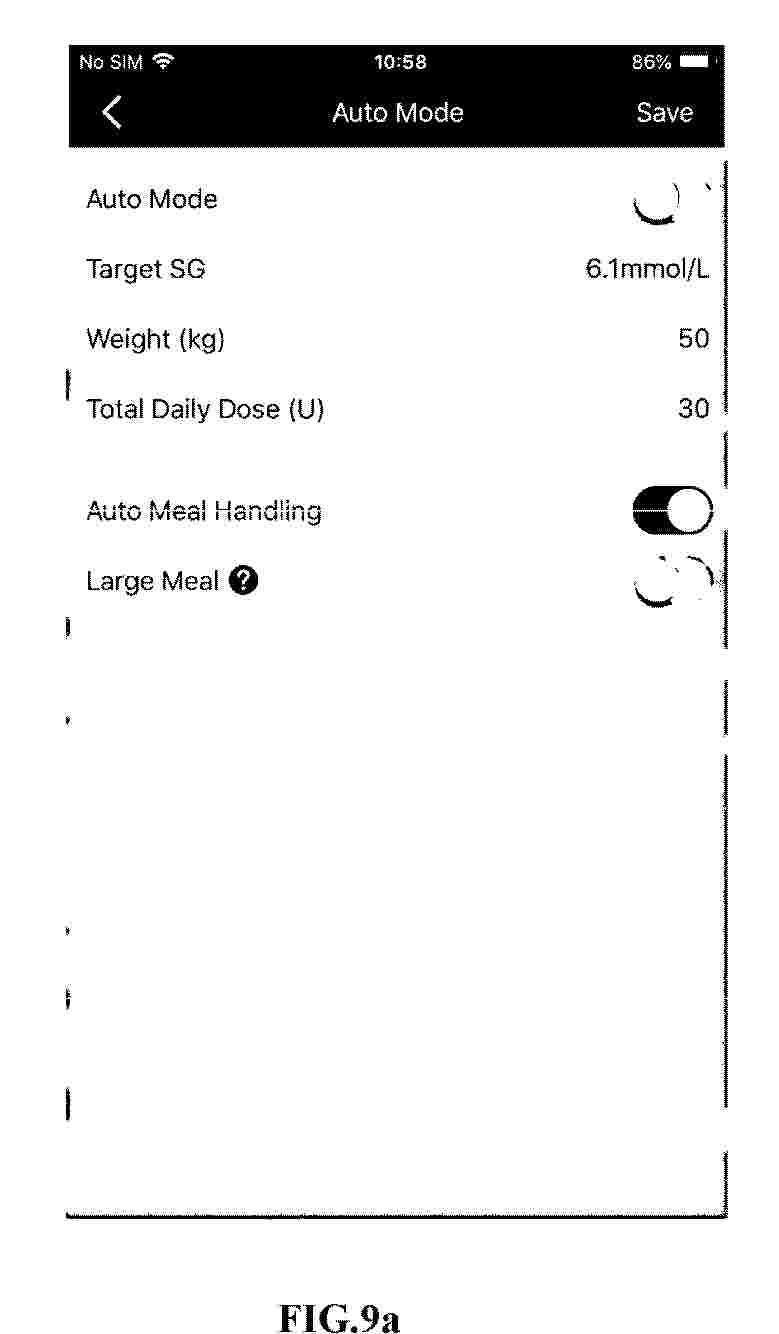
0001 The invention discloses a personalized closed-loop artificial pancreas system, comprising: a detection mechanism, an infusion mechanism, and a program mechanism, at least based on the blood glucose value detected by the detection mechanism, the program mechanism generates an insulin infusion instruction and controls the infusion mechanism to perform the infusion, the program mechanism comprises a user interface, and in response to an input from the patient, the program mechanism performs a corresponding meal mode function, the meal mode comprises a high carbohydrate mode and a normal carbohydrate mode. Based on the patient's input, the program mechanism executes the functions of high carbohydrate mode or normal carbohydrate mode, which can be suitable for people with different carbohydrate consumption habits, improve the adaptability of closed-loop artificial pancreas to different populations, and enable people with different carbohydrate consumption habits to maintain satisfactory blood glucose control effects.
Nº publicación: EP4809921A2 23/09/2026
Solicitante:
I SENS INC [KR]
i-Sens, Inc.
Resumen de: EP4809921A2
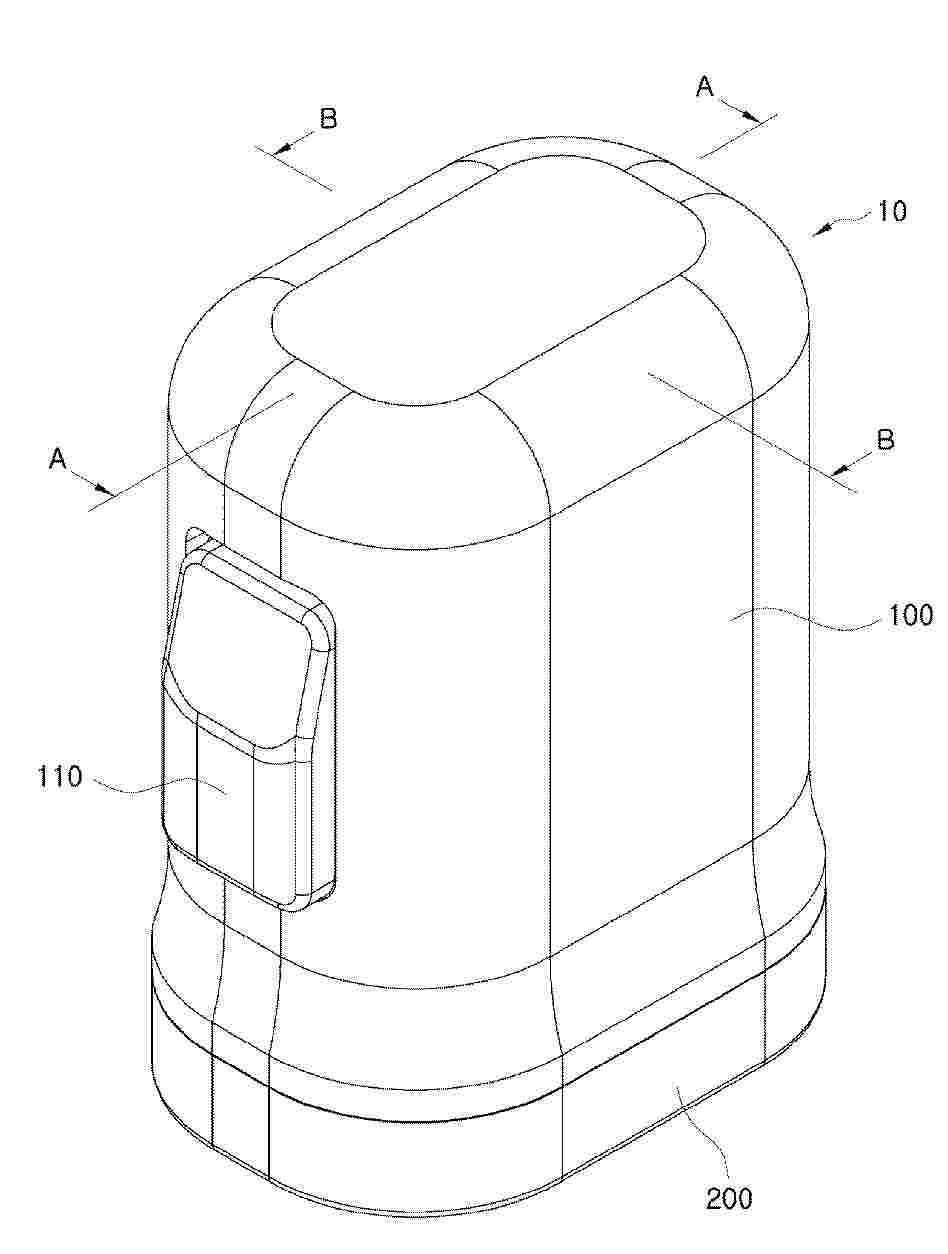
0001 The present disclosure relates to a continuous blood sugar measuring device, and provides a continuous blood sugar measuring device which is capable of minimizing additional work of a user in order to attach a body attachment unit, by manufacturing the body attachment unit to be assembled inside an applicator so that the body attachment unit can be attached to the body simply by operating the applicator and, particularly: communicating with an external terminal by providing a wireless communication chip in the body attachment unit so that simple and convenient use is possible and maintenance can easily be performed without the additional work of connecting a separate transmitter; initiating operation by a manipulation of the user, after attaching the body attachment unit to the body, so that an operation initiation time can be adjusted to a suitable time according to the need of the user; and initiating operation in a stabilized state to enable a more accurate measurement of blood sugar.
 BOPI
BOPI
 Sede Electrónica