Si deseas distinguir tus productos, servicios o ambos de los de otra empresa, es posible que necesites una marca o nombre comercial. Descubre qué son, en qué consiste su procedimiento de registro y qué implica.

Información sobre los plazos de presentación de solicitudes de transformación de marcas de la Unión Europea en marca nacional española. Más información


Si tienes un nuevo dispositivo, producto o procedimiento que resuelva un problema técnico o tenga una ventaja práctica, existen distintas formas de protegerlo en España y en otros países. Descubre cómo hacerlo.

¿Tu innovación reside en la estética, la ornamentación o la apariencia de tu producto? Protégela mediante un diseño industrial. Descubre qué derechos confiere el registro y cómo realizar la tramitación.

Las indicaciones geográficas protegen el nombre de un producto originario de una zona geográfica, a la cual le debe una determinada calidad, reputación u otra característica. Descubre qué son, en qué consiste su procedimiento de registro y qué beneficios conceden.

Las patentes publicadas en todo el mundo son una valiosa fuente de información científica, técnica y comercial.

Si eres emprendedor/a o una empresa y quieres potenciar y mejorar la rentabilidad de tu negocio protegiendo de forma adecuada los activos intangibles de tu organización, en este espacio encontrarás lo necesario.


 57
resultados
57
resultados
 Última actualización
16/10/2026 [07:49:00]
Última actualización
16/10/2026 [07:49:00]


Resumen de: AU2025233448A1
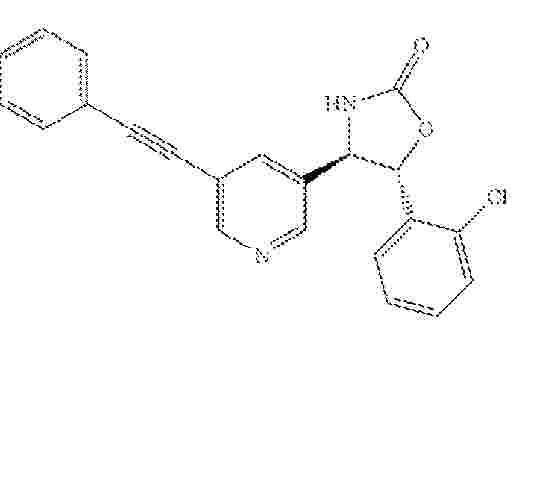
The present disclosure provides methods of treating Alzheimer's disease and other disorders using (4R,5R)-5-(2-chlorophenyl)-4-(5-(phenylethynyl)pyridin-3-yl)oxazolidin-2-one (Compound 1).

Resumen de: AU2025255577A1
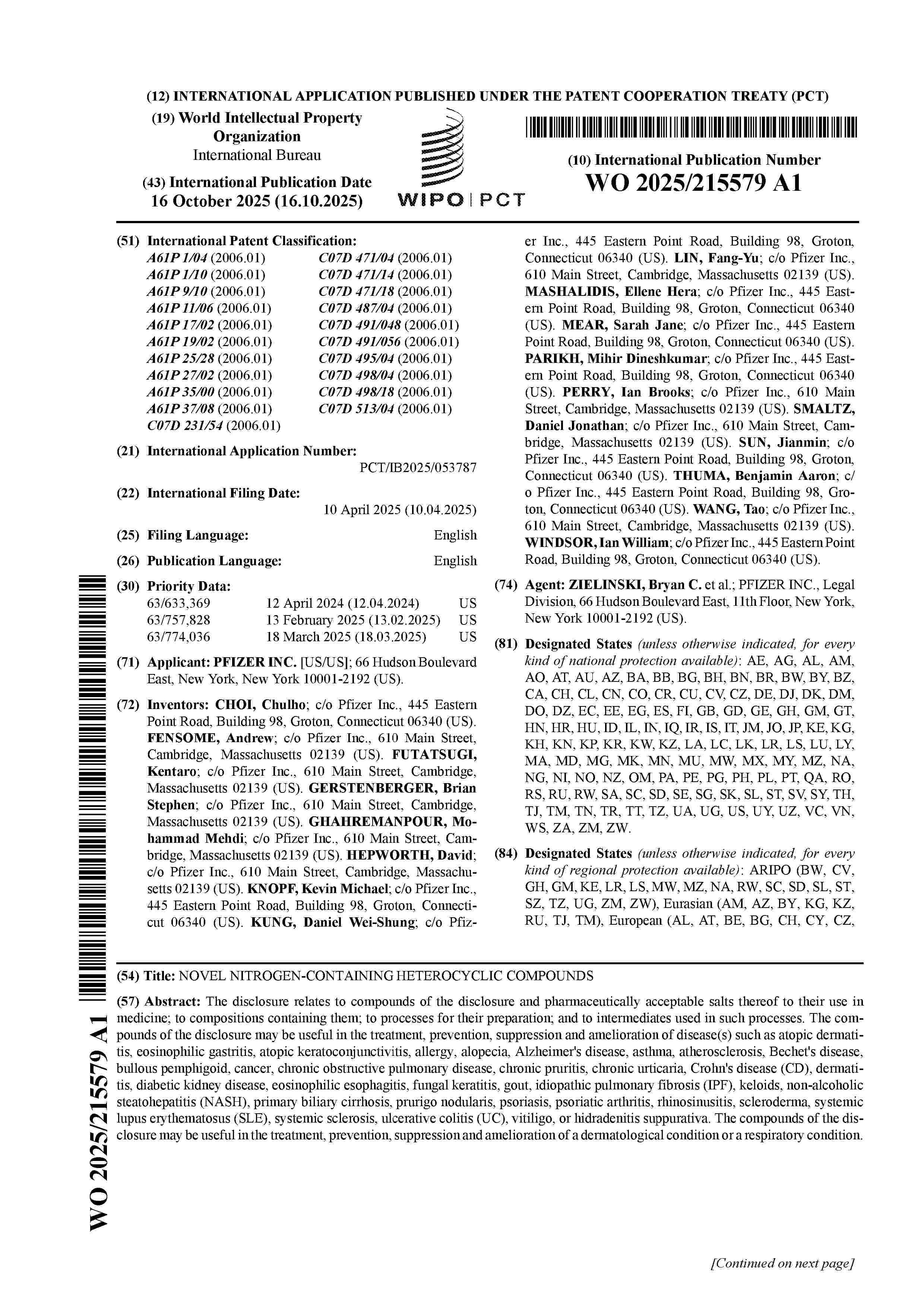
The disclosure relates to compounds of the disclosure and pharmaceutically acceptable salts thereof to their use in medicine; to compositions containing them; to processes for their preparation; and to intermediates used in such processes. The compounds of the disclosure may be useful in the treatment, prevention, suppression and amelioration of disease(s) such as atopic dermatitis, eosinophilic gastritis, atopic keratoconjunctivitis, allergy, alopecia, Alzheimer's disease, asthma, atherosclerosis, Bechet's disease, bullous pemphigoid, cancer, chronic obstructive pulmonary disease, chronic pruritis, chronic urticaria, Crohn's disease (CD), dermatitis, diabetic kidney disease, eosinophilic esophagitis, fungal keratitis, gout, idiopathic pulmonary fibrosis (IPF), keloids, non-alcoholic steatohepatitis (NASH), primary biliary cirrhosis, prurigo nodularis, psoriasis, psoriatic arthritis, rhinosinusitis, scleroderma, systemic lupus erythematosus (SLE), systemic sclerosis, ulcerative colitis (UC), vitiligo, or hidradenitis suppurativa. The compounds of the disclosure may be useful in the treatment, prevention, suppression and amelioration of a dermatological condition or a respiratory condition.
Resumen de: AU2026238094A1
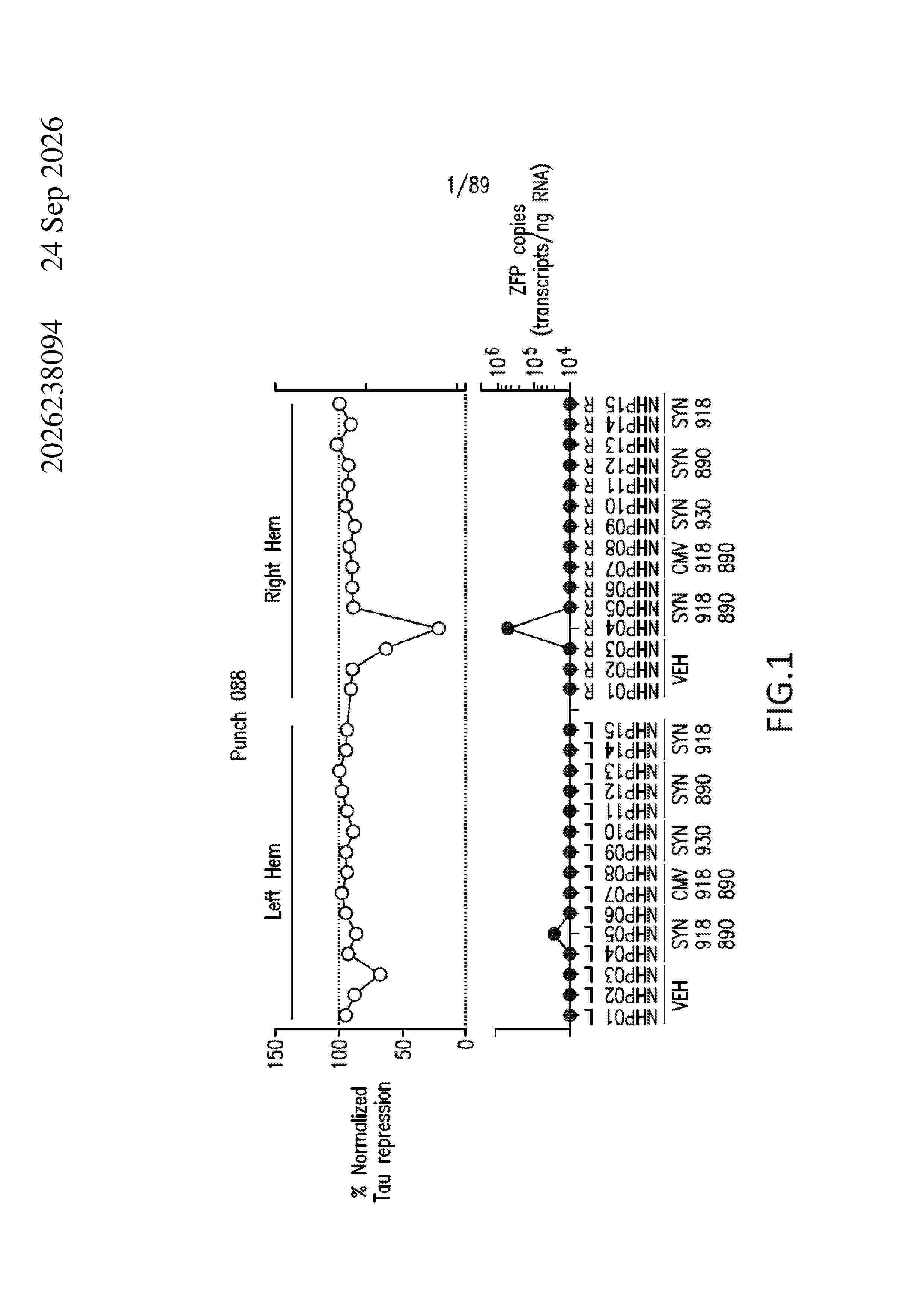
METHODS AND COMPOSITIONS FOR MODULATION OF TAU The present disclosure is in the field of diagnostics and therapeutics for Alzheimer’s Disease. ep e p
Resumen de: AU2025249013A1
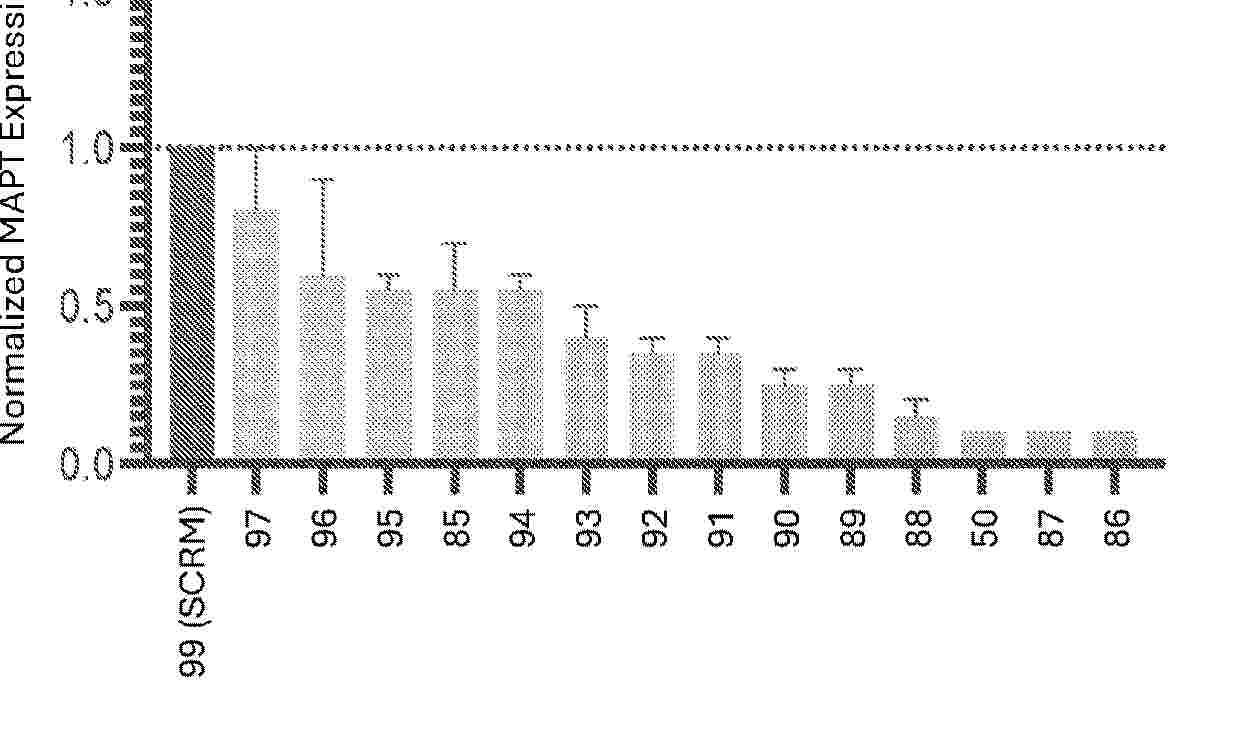
The present disclosure provides methods and compositions for the treatment of Tauopathies, including Alzheimer's Disease (AD) and Frontotemporal Dementia and Parkinsonism Linked to Chromosome 17 (FTDP-17), by inhibiting expression of the MAPT gene. Aspects of the disclosure provide engineered inhibitory RNA agents, e.g., siRNA, miRNA, and antisense oligonucleotides, that knock down endogenous mutated or wild-type MAPT transcripts in neuronal cells in a subject. Expression vectors encoding the engineered inhibitory RNA agents, e.g., in an AAV vector, are also provided.
Resumen de: EP4821489A2
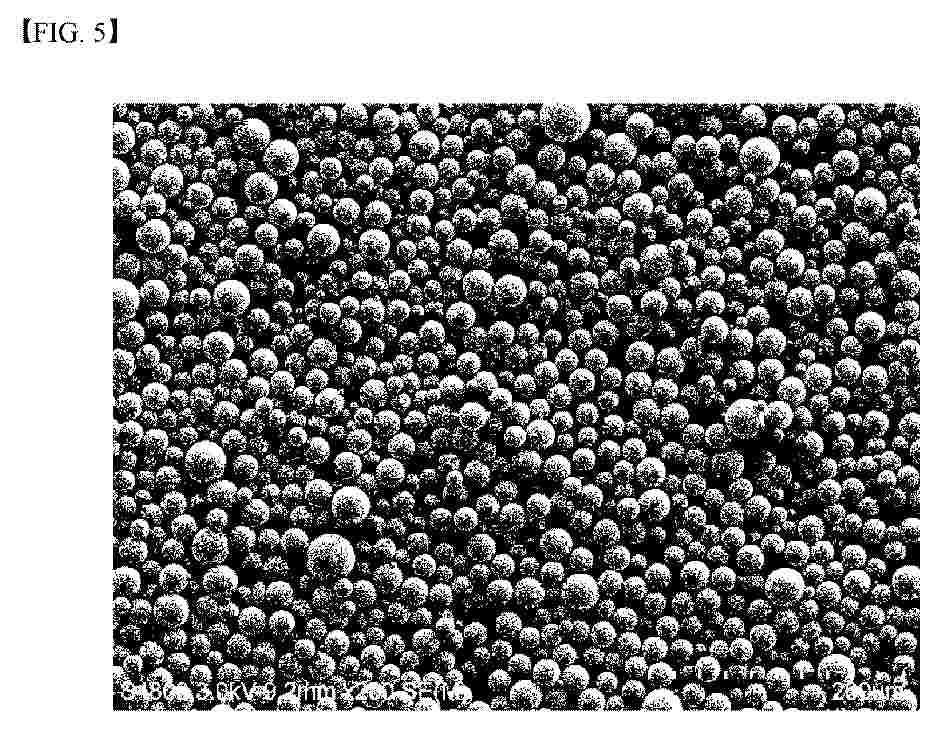
The present invention relates to a pharmaceutical composition useful for prevention or treatment of diabetes, beta-cell function preservation, high blood pressure, hyperlipidemia, obesity, non-alcoholic steatohepatitis or neurodegenerative diseases such as Alzheimer's disease and Parkinson's disease, as it comprises a sustained-release microsphere comprising semaglutide, a pharmaceutically acceptable salt, hydrate or solvate thereof, and thereby, it can effectively inhibit fatal side-effects by preventing initial burst of a drug and comprise a high content of drug compared to a particle size, and therefore, it can minimize the patient's pain and inflammatory reaction that may occur during administration.
Resumen de: WO2025122121A2
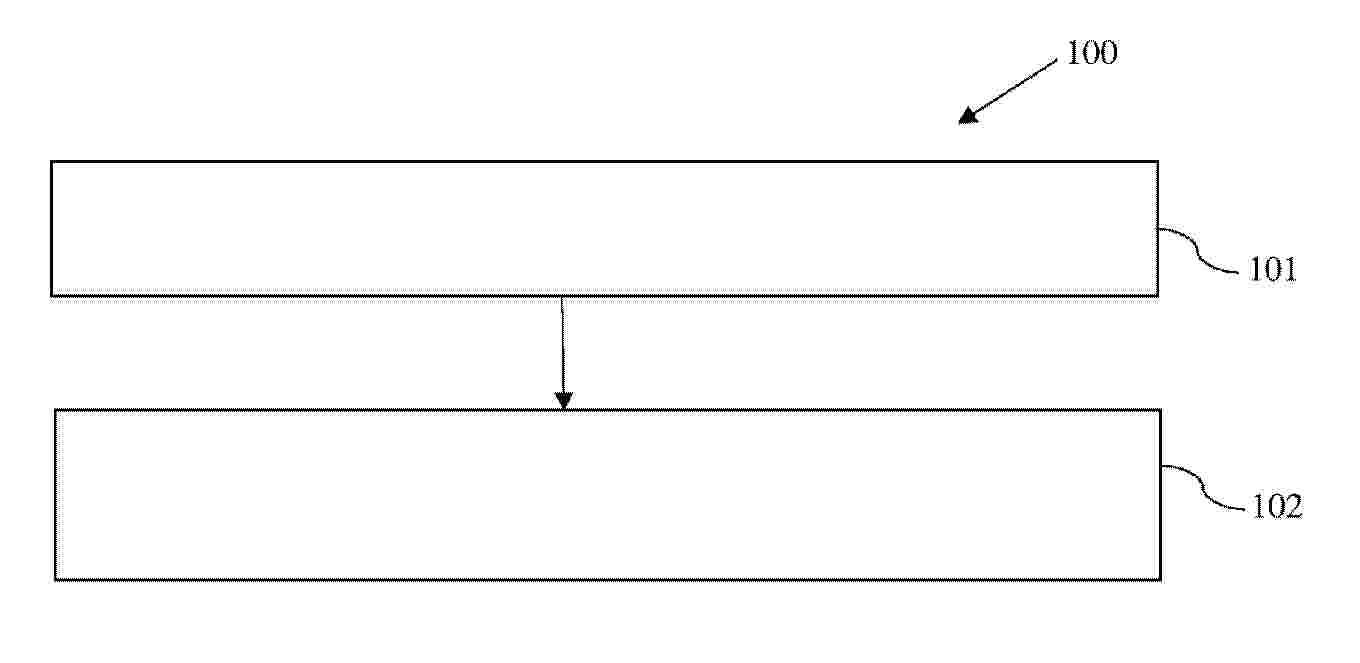
The present invention relates to a method (100) of synthesizing novel multi¬ effective urea/thiourea compounds which provide simultaneous inhibition of cholinesterase (AChE) and monoamine oxidase (MAO) enzymes known to play roles in Alzheimer's disease (AD); can interact with Ap peptides and/or P amyloid plaque; provide neuroprotective effect by reducing oxidative damage; and to the synthesized compounds and the biological activities they exhibit.
Resumen de: EP4822355A2
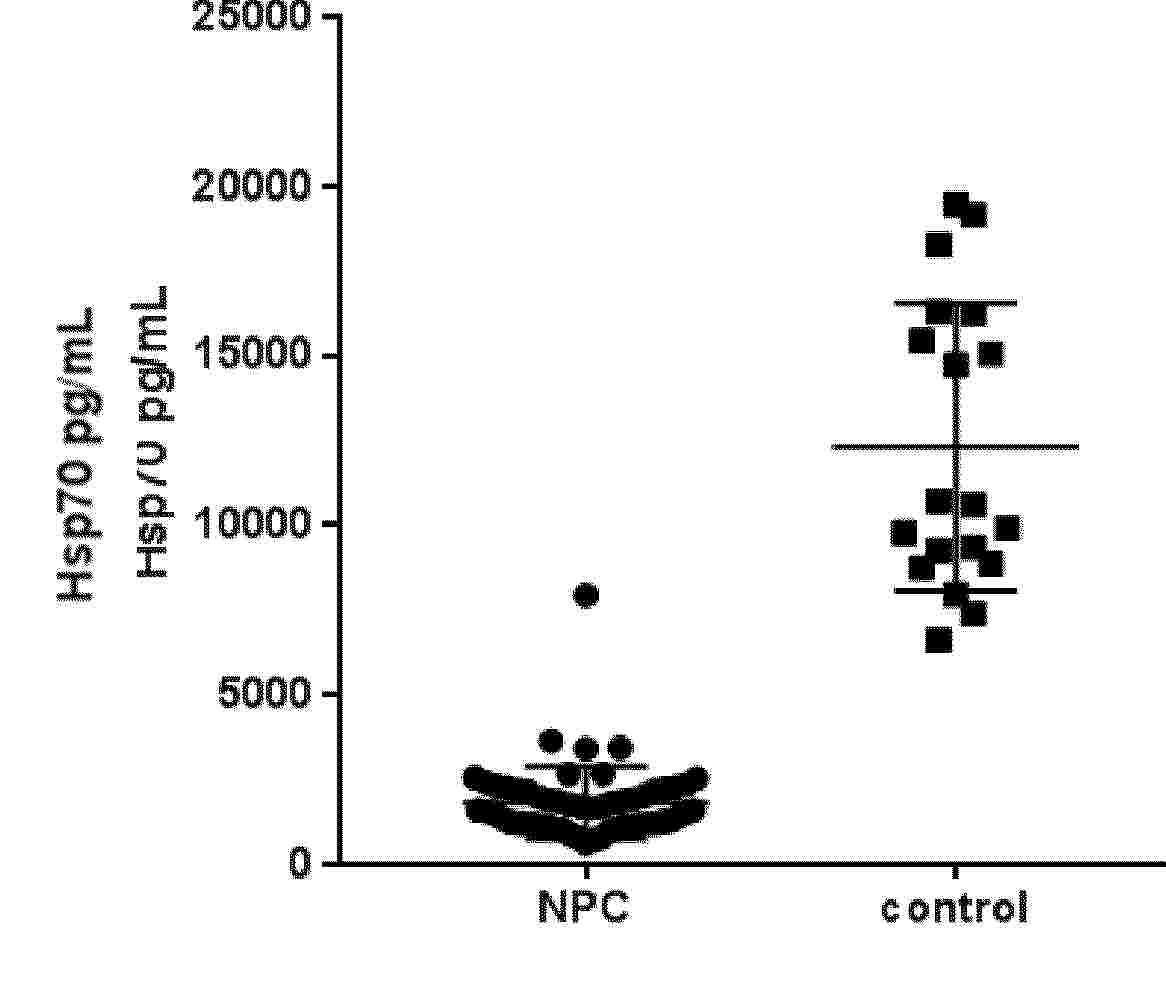
0001 Disclosed herein are methods based on the identification of reduced Hsp70 levels in PBMC samples serving as a biomarker for diseases presenting with a reduced level of Hsp70, such as lysosomal storage diseases, neurodegenerative diseases and muscular diseases.
Resumen de: US20260308585A1
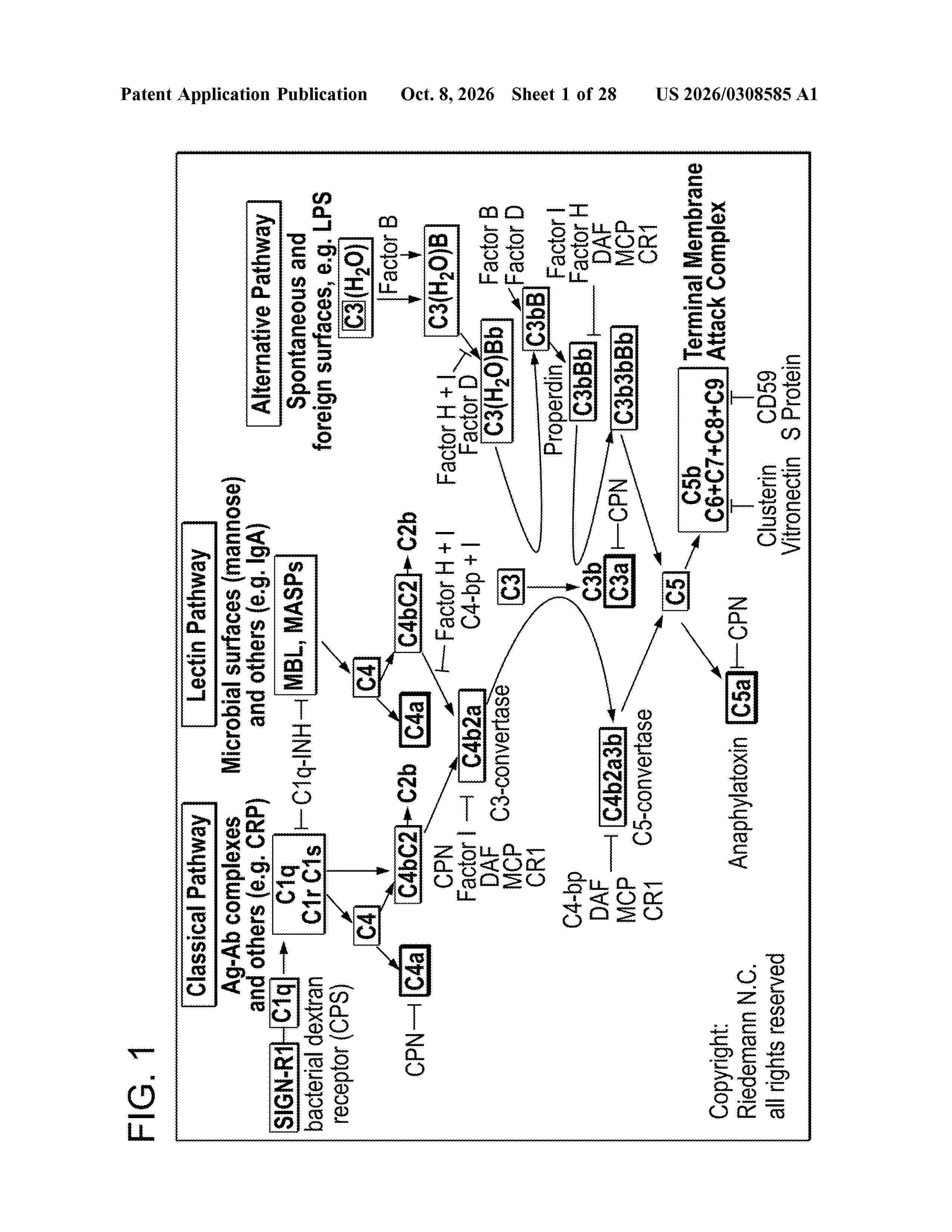
The invention relates to iRNA, e.g., double-stranded ribonucleic acid (dsRNA), compositions targeting the complement component C5 gene for methods of using such iRNA to inhibit expression of C5 and to treat subjects having ALS.
Resumen de: AU2025241870A1
Compositions and methods are disclosed herein for the treatment of Alzheimer's disease with allogeneic mesenchymal stem cells (MSCs). The methods of treatment involve an administration of a composition of allogeneic mesenchymal stem cells to a subject in need thereof, wherein the effectiveness of the treatment methods can be determined through the measurement of specific biomarkers and improved cognitive or quality-of-life function.
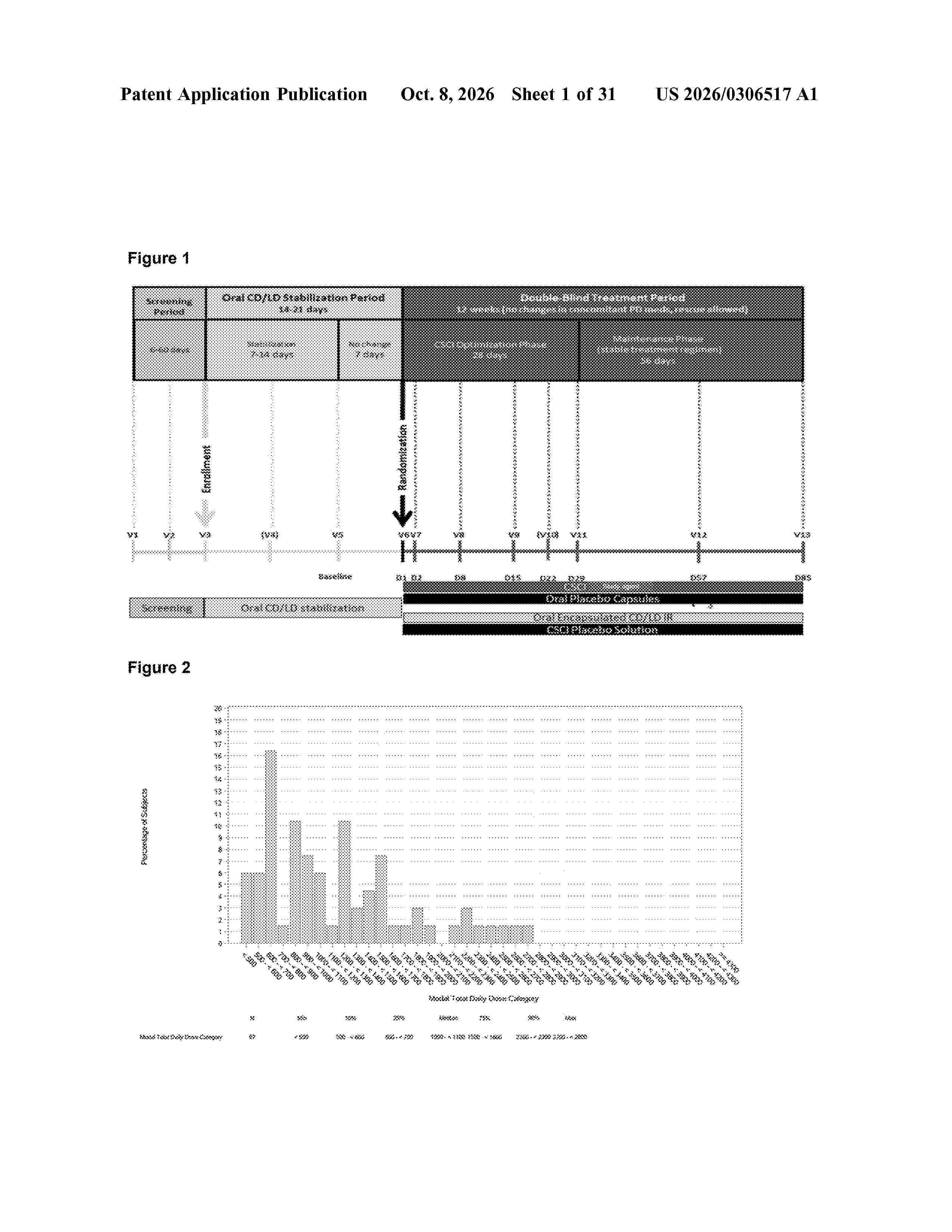
Resumen de: US20260306517A1
The present disclosure relates to safe and effective subcutaneously administered treatments for advanced Parkinson's disease.
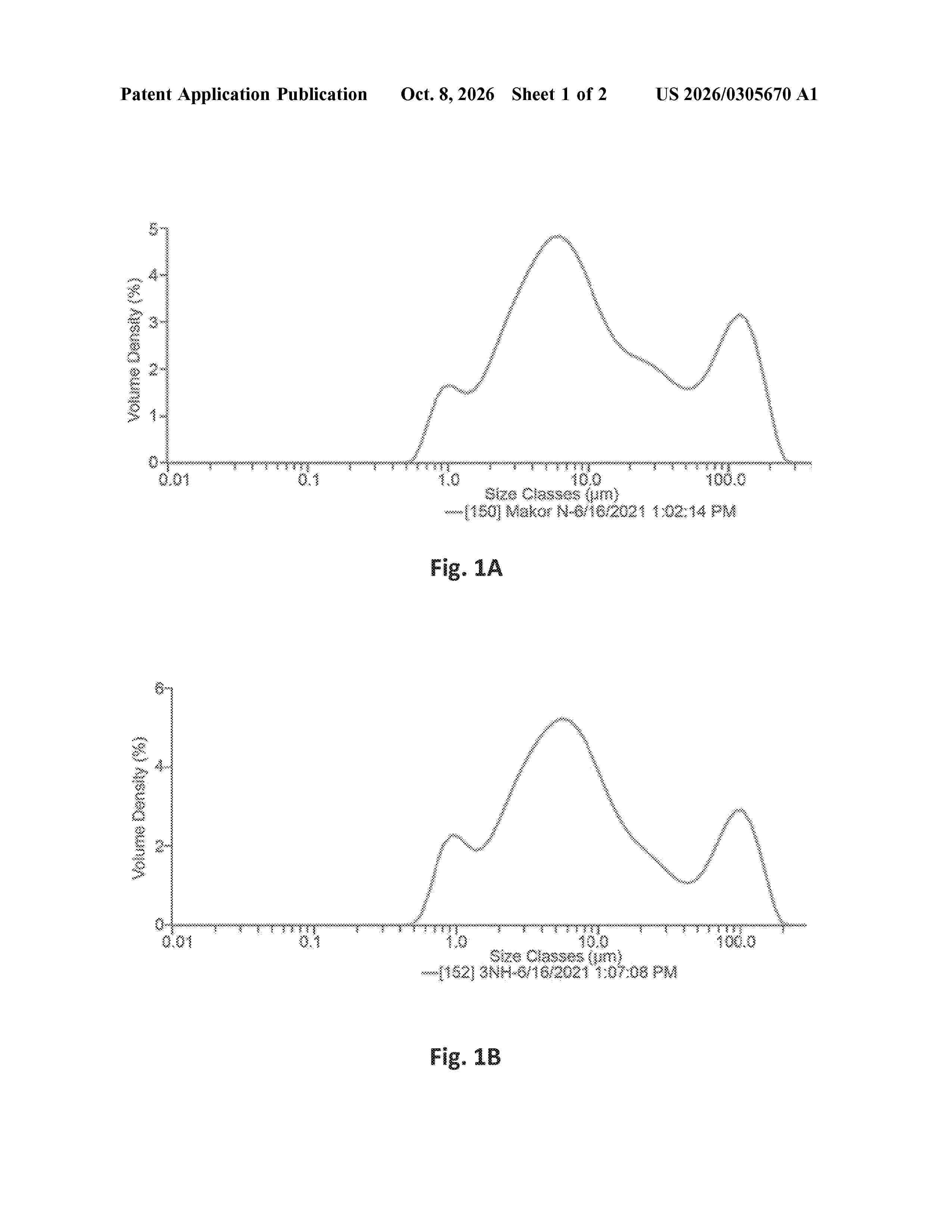
Resumen de: US20260305670A1
A method for treating, attenuating the progression, or delaying the onset of clinical symptoms, of Alzheimer's disease or non-Alzheimer's includes administering a therapeutically effective amount of a composition comprising tahina and probiotic bacteria to a subject. The composition is formulated for oral administration; and the tahina has been microfluidized by passing through a fixed-geometry homogenization channel at a pressure of at least 5000 PSI.
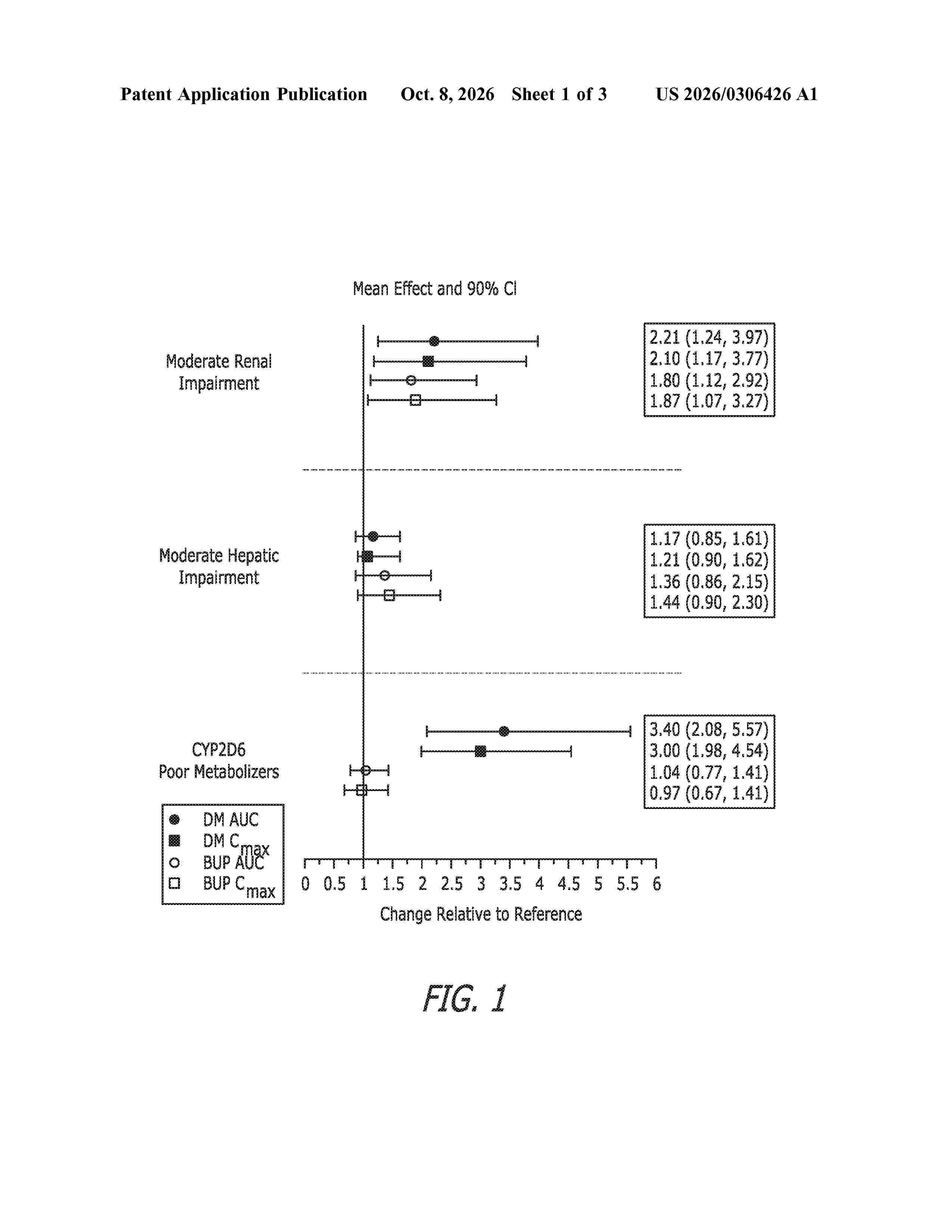
Resumen de: US20260306426A1
0000 Disclosed herein is a method of safely treating a nervous system condition with a combination of dextromethorphan and bupropion. This method is intended for patients having a neurological condition or a psychiatric condition, such as major depressive disorder, agitation associated with Alzheimer's disease, and a CYP2D6 poor metabolizer genotype or a CYP2D6 poor metabolizer phenotype.
Resumen de: US20260306585A1
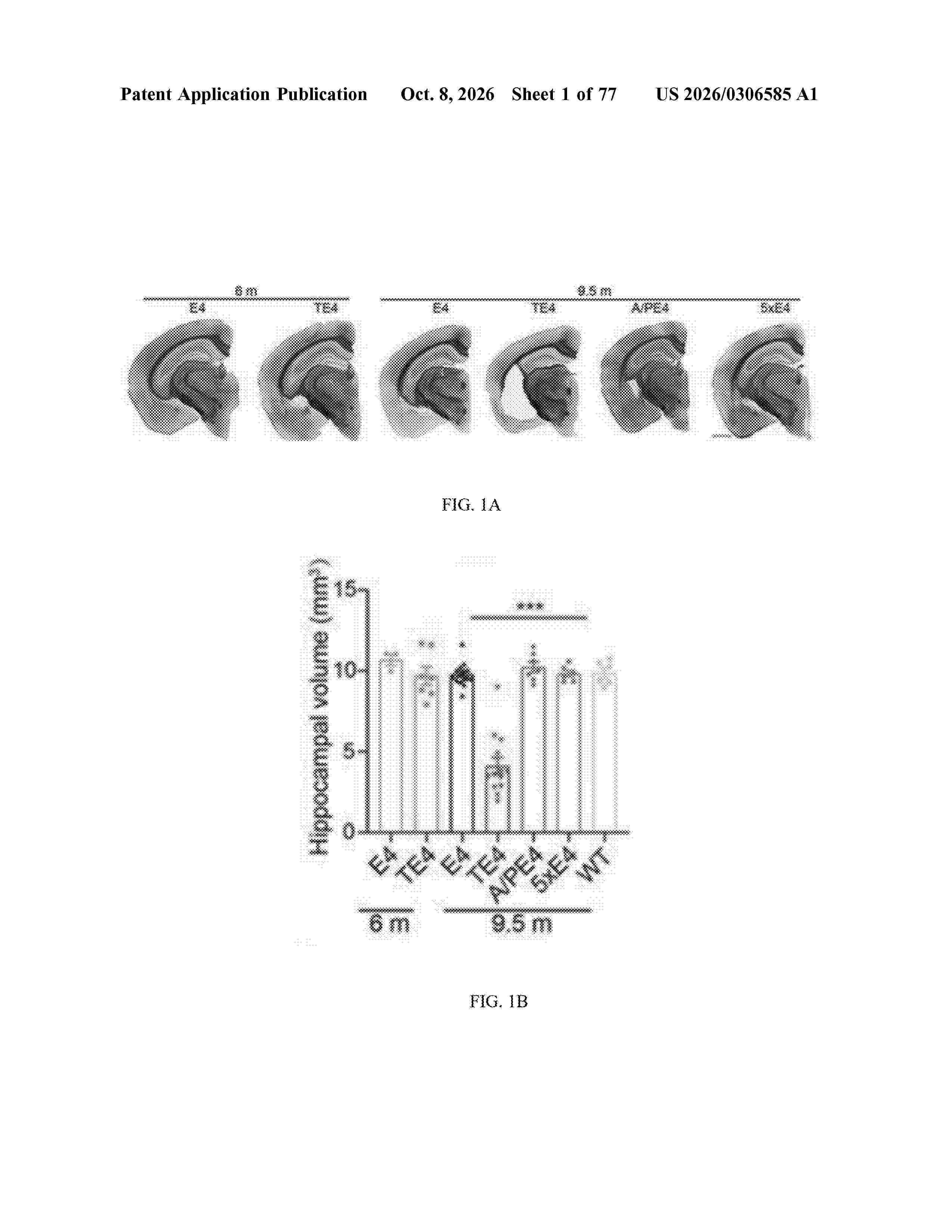
0000 The present disclosure relates to decreasing pathological neuroinflammation, particularly neuroinflammation associated with tauopathy and neurodegeneration. These pathologies can include Alzheimer's disease, certain types of dementia, Pick's disease, and ganglioglioma. Certain effects of decreasing pathological neuroinflammation may include a reduction in brain atrophy, a reduction neurodegeneration, a reduction in the interaction microglia and the brain parenchyma.
Resumen de: US20260308142A1
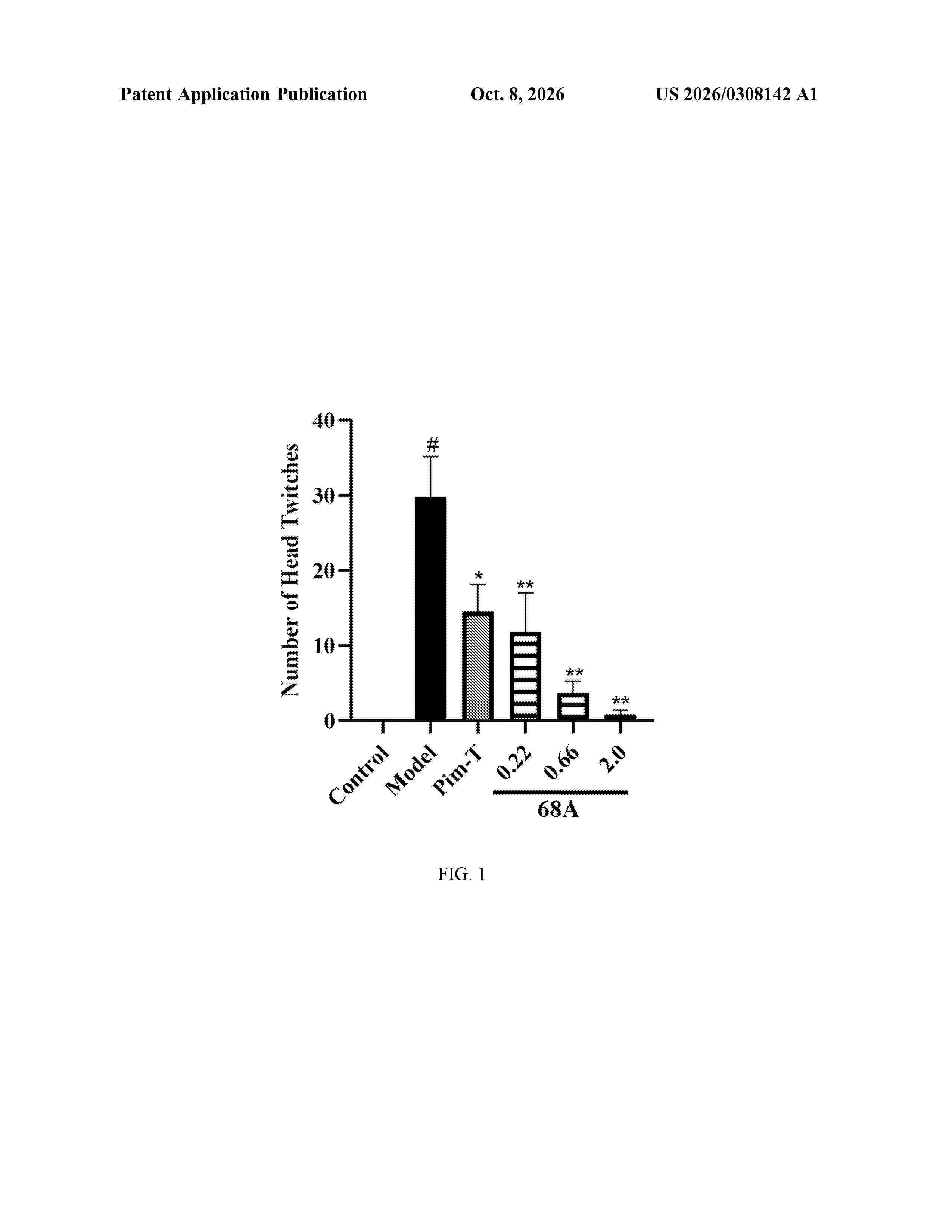
The present invention relates to a new compound as a 5-HT2A receptor inverse agonist, a preparation method therefor and a pharmaceutical composition. The present invention further relates to the use of the compound or the pharmaceutical composition in the preparation of a drug for treating 5-HT2A receptor-related diseases. The diseases include non-motor symptoms caused by Parkinson's disease: delusions, hallucination, depression, anxiety, cognitive impairment and sleep disorders; dementia-related mental diseases; severe depression; or negative symptoms of schizophrenia, etc.
Resumen de: US20260306683A1
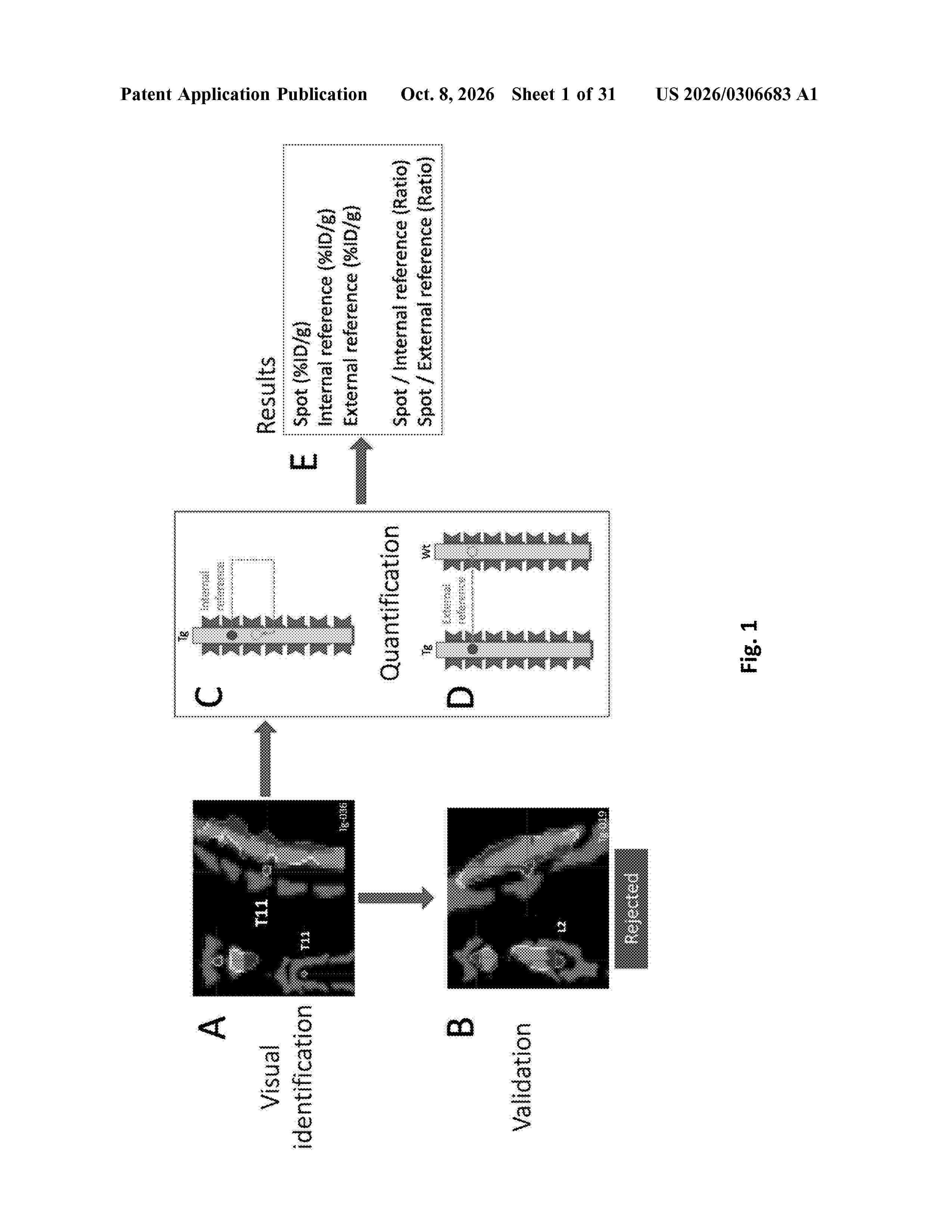
0000 Provided are labeled antibody conjugates for use in a method of diagnosing ALS or monitoring drug therapy and/or progression of ALS by in vivo detecting and tracing misfolded SOD1 by immunoimaging in a subject, compositions and kits comprising said conjugates and methods of in vivo immunoimaging of superoxide dismutase (SOD1) useful as a marker of amyotrophic lateral sclerosis (ALS) or efficacy of drug therapy of ALS in subject using these conjugates. Furthermore, SOD1-antibodies specific for misfolded and/or aggregated SOD1 are provided for use in treatment of bone and/or joint related diseases.
Resumen de: US20260306543A1
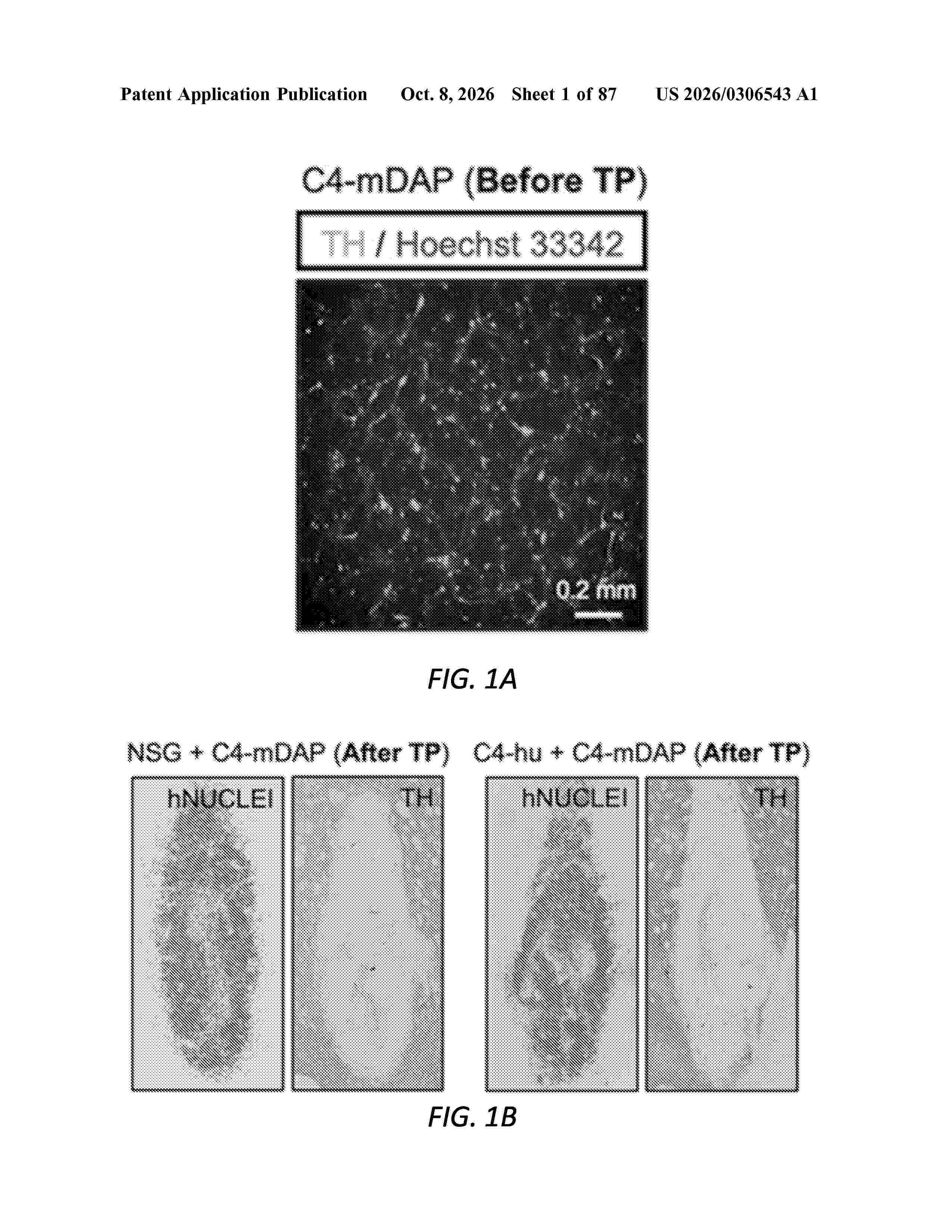
Described herein, inter alia, are compositions and methods of use (e.g., treating Parkinson's Disease and/or reducing the immune response due to needle trauma during cell transplantation) for administering a population of regulatory T (TREG) cells and/or a population of midbrain dopamine (mDA) cells to the brain of a subject.
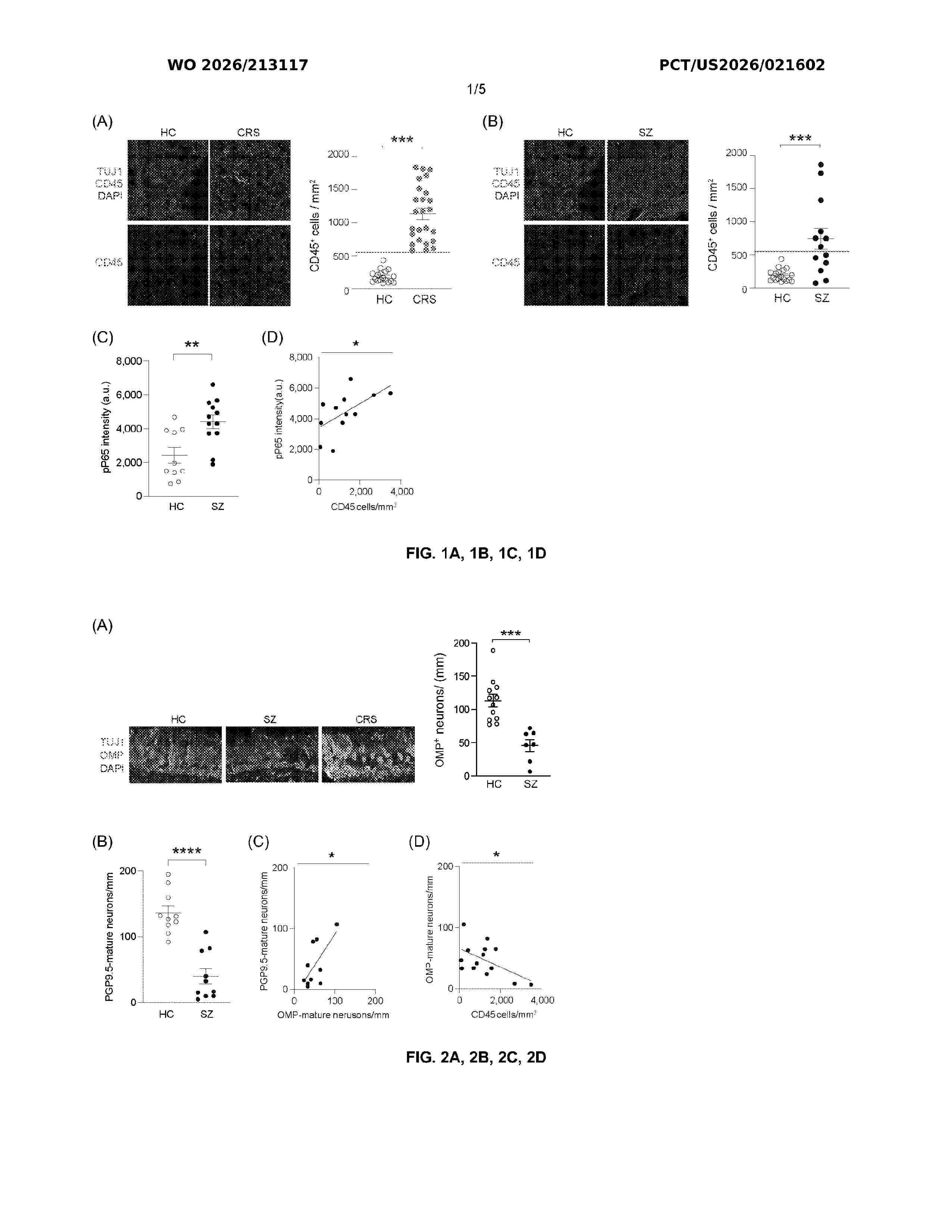
Resumen de: WO2026213117A1
In one aspect, methods for treating a subset of subjects suffering from schizophrenia/schizoaffective disorder exhibiting negative symptoms and/or cognitive deficits that include a) identifying a subject having increased inflammation connected with redox imbalance of olfactory epithelia, and b) treating the identified subject for schizophrenia and/or a schizoaffective disorder. In further aspects, methods of treating subjects with schizophrenia and related psychotic disorders include administration of Nrf2 activators. In further aspects, methods are provided for diagnosing, prognosing, and defining a treatment in response to nasal examination, including Alzheimer's disease and/or cognitive impairment.
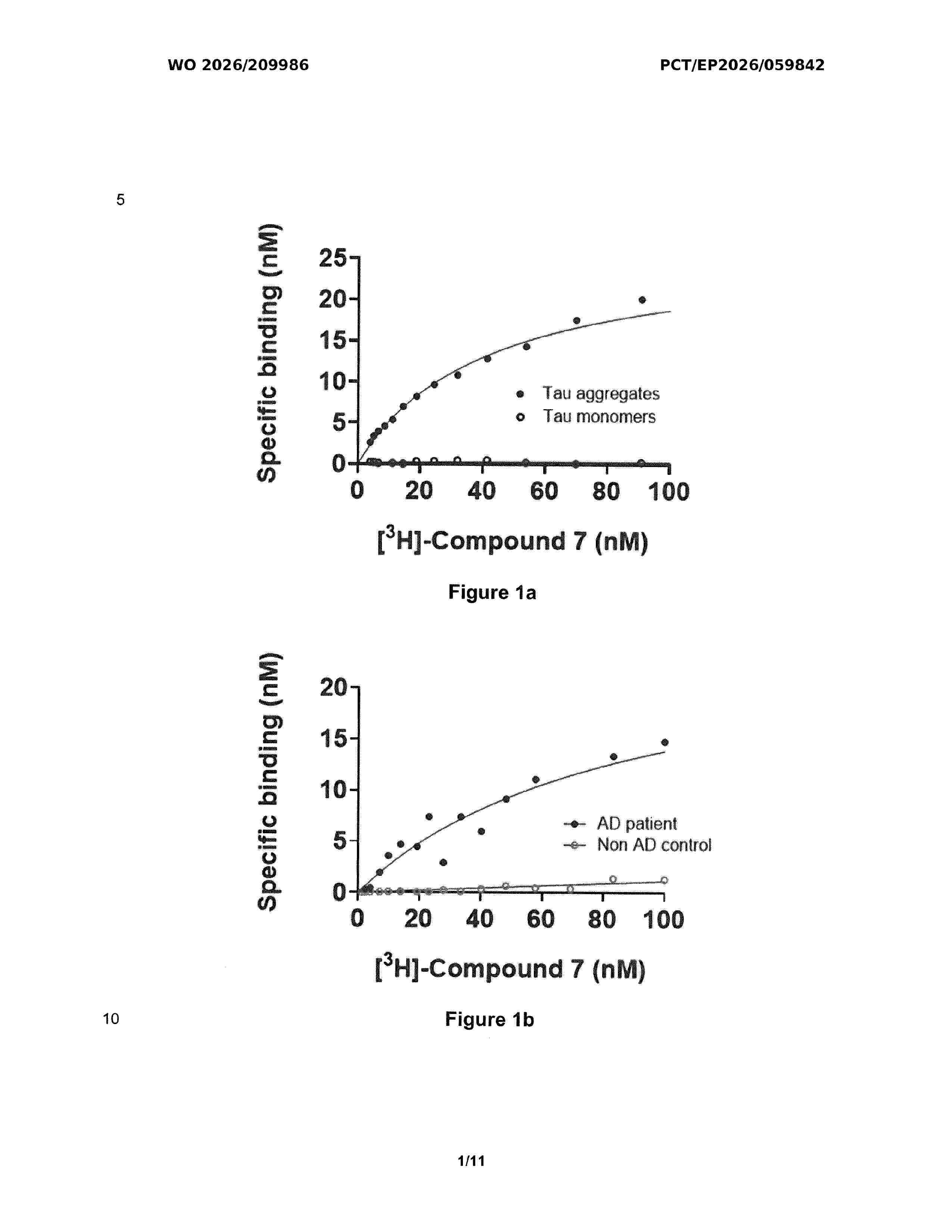
Resumen de: WO2026209986A1
The present invention relates to novel compounds that can be employed in the treatment, alleviation or prevention of a group of diseases, disorders and or abnormality associated with Tau protein aggregates, including, but not limited to, Alzheimer's disease (AD). The present invention also relates to, pharmaceutical compositions comprising said compounds, methods using said compounds, combinations comprising said compounds, medicaments containing them, and their uses in diseases, disorders and/or abnormalities associated with Tau protein aggregates.
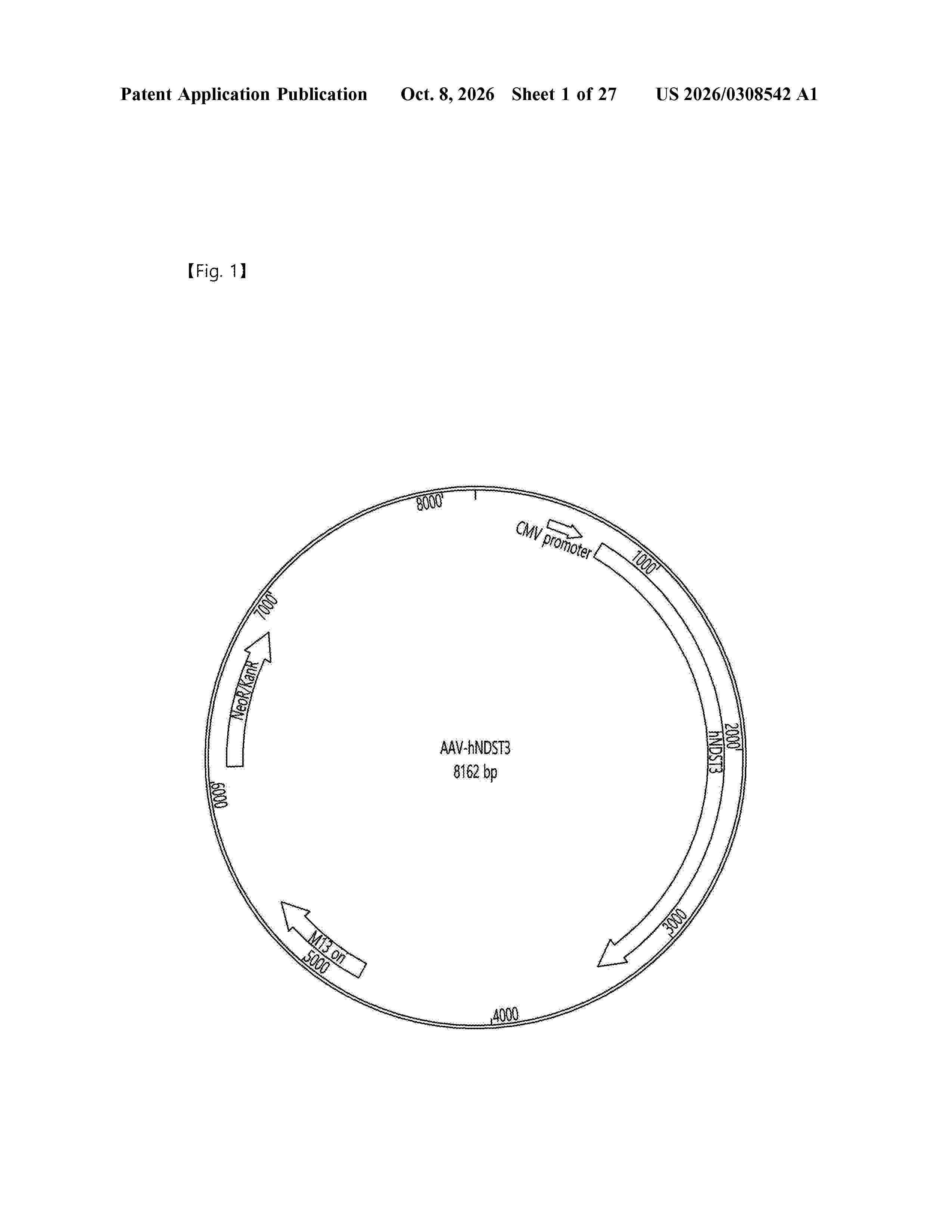
Resumen de: US20260308542A1
0000 The present application relates to a novel therapeutic agent for treating Parkinson's disease and a method for treating Parkinson's disease using the same.
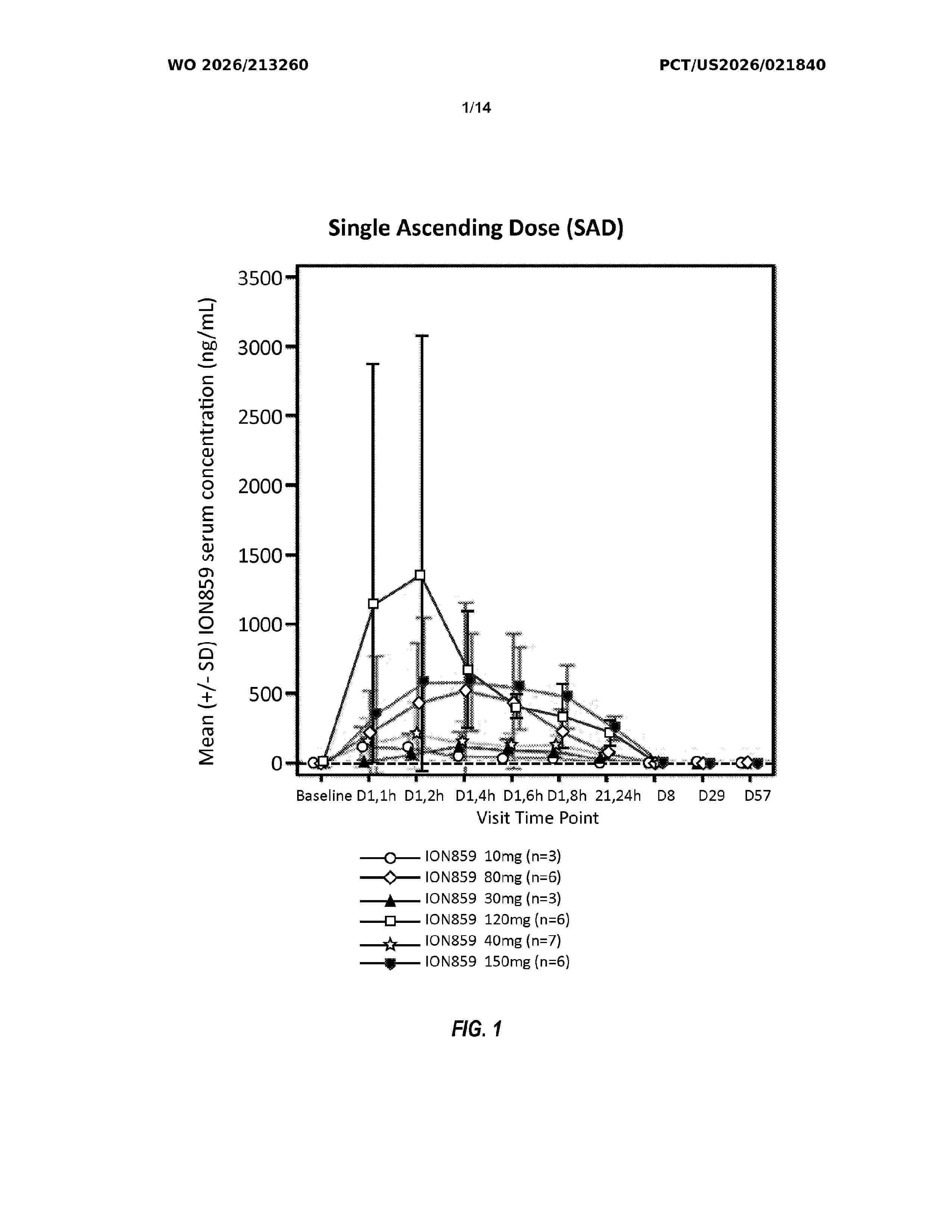
Resumen de: WO2026213260A1
Provided are methods of administering ION859 for reducing LRRK2 RNA and/or reducing LRRK2 protein in a human subject in need thereof. Also provided are methods of administering ION859 for reducing LRRK2 RNA and/or reducing LRRK2 protein in a human subject having Parkinson's Disease. The Parkinson's Disease may be LRRK2 mediated Parkinson's disease (i.e., Parkinson's disease associated with a causative LRRK2 genetic mutation) or non-LRRK2 mutation mediated Parkinson's disease (i.e., Parkinson's disease not associated with a causative LRRK2 genetic mutation).
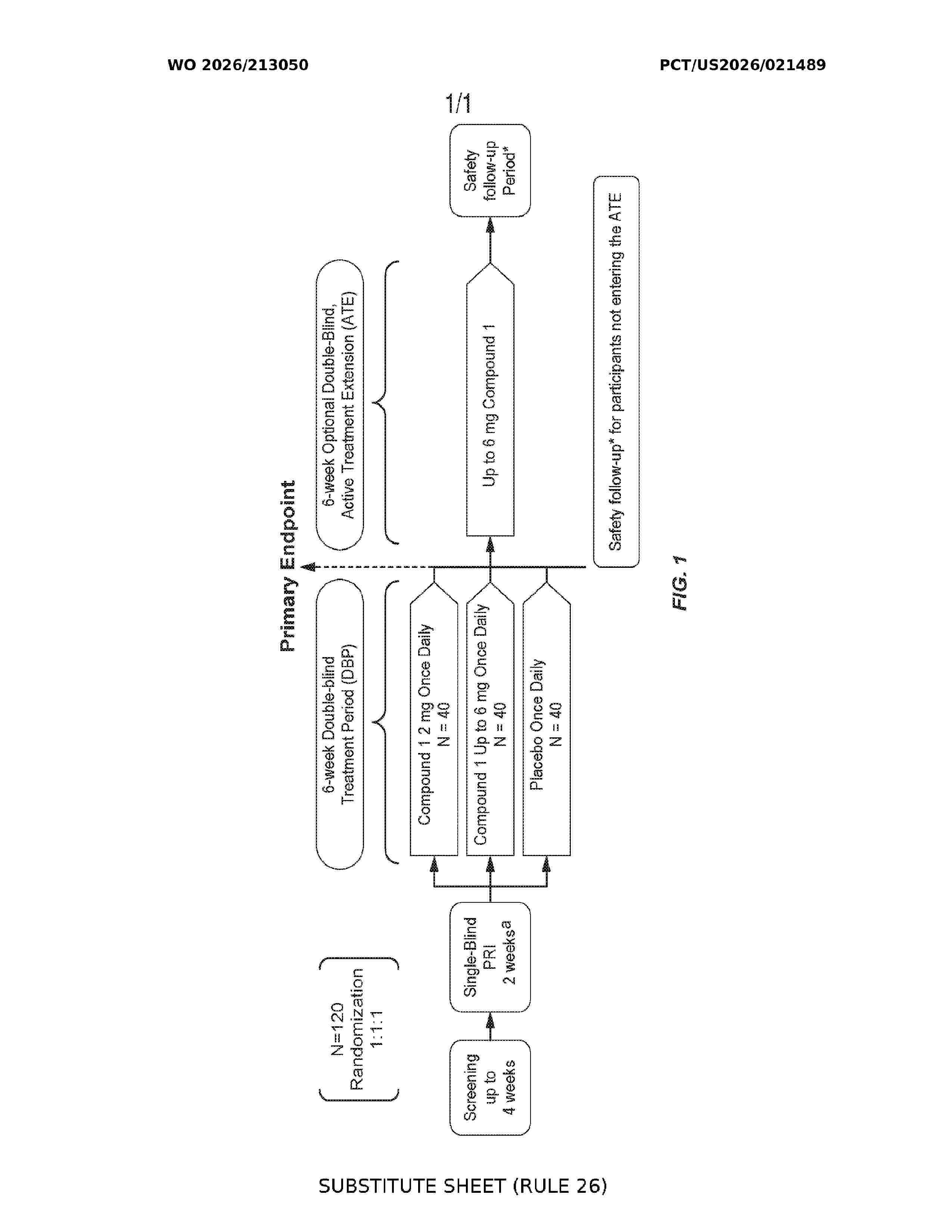
Resumen de: WO2026213050A1
Provided herein are compounds and pharmaceutical compositions comprising said compounds for treating agitation in a subject with Alzheimer's disease. Also, provided herein are compounds and pharmaceutical compositions comprising said compounds useful as modulators of fatty acid amide hydrolase (FAAH) and/or monoacylglycerol lipase (MAGL).
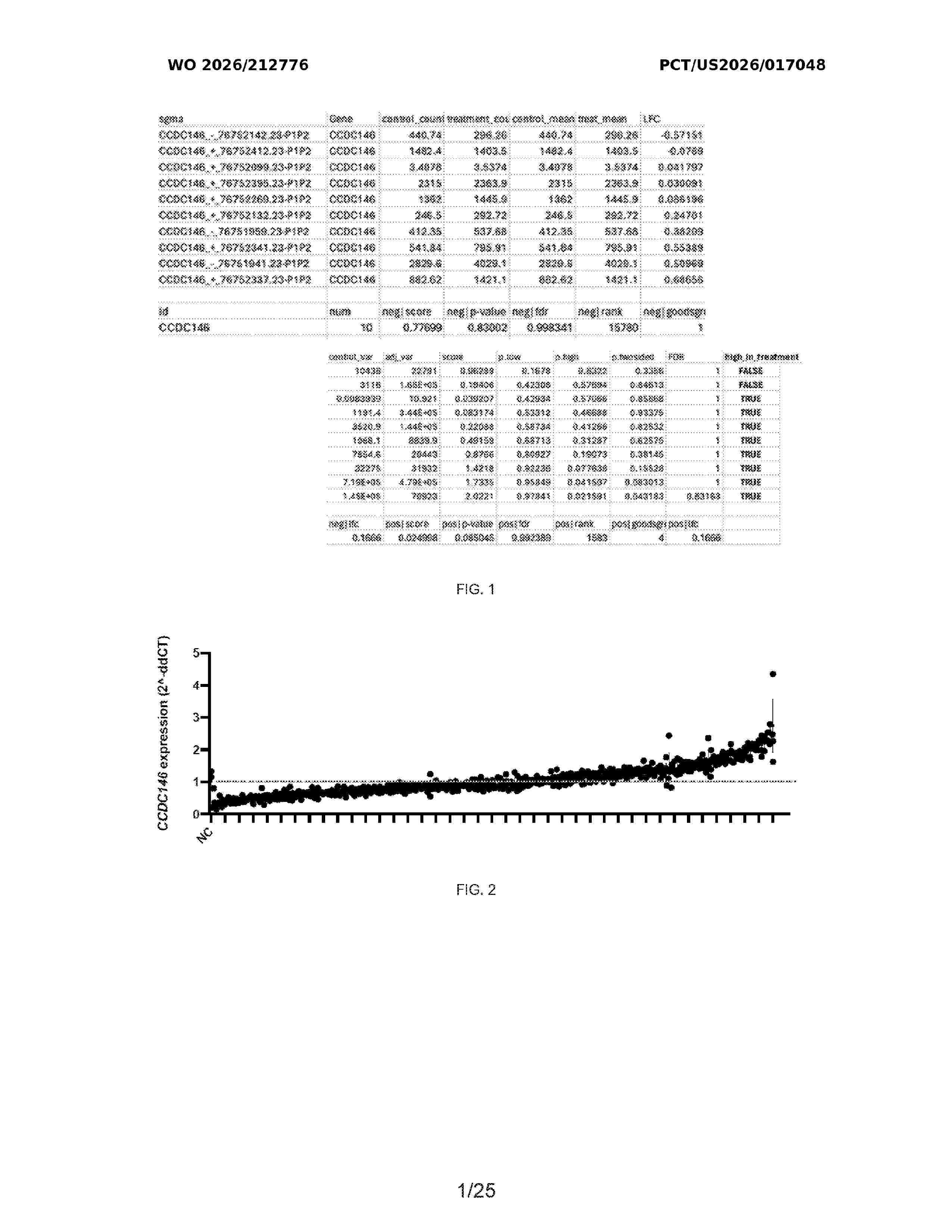
Resumen de: WO2026212776A1
Antisense oligonucleotides that suppress expression CCDC146 are provided. Suppressing CCDC146 with an ASO disclosed herein shows no toxicity and substantially completely rescues amyotrophic lateral sclerosis (ALS)-associated survival defects in neurons derived from sporadic ALS patients and from carriers of the ALS-associated G4C2-repeat expansion within C9ORF72. Methods for therapeutic treatments against ALS or other neurological diseases are provided based on use of ASOs targeting CCDC146.
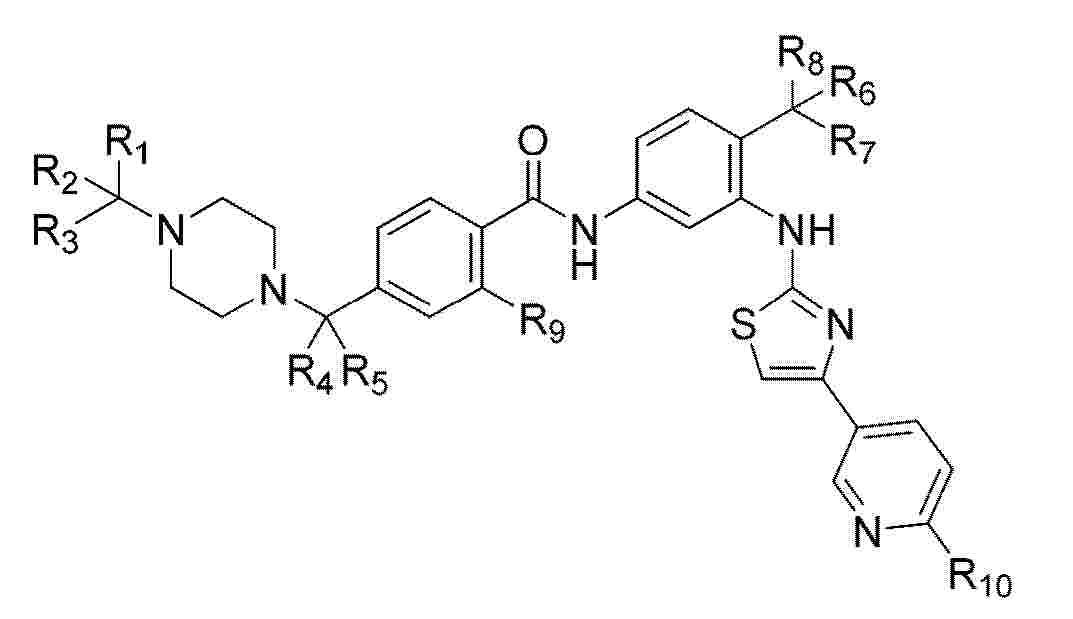
Resumen de: EP4818163A1
The present disclosure belongs to the technical field of medicine, and particularly discloses a polycyclic compound as represented by formula I and use thereof. The polycyclic compound of the present disclosure has a structure as represented by formula I, and definitions of each group and substituent are as described in the specification. The compound of the present disclosure can be used for treating or preventing neurodegenerative diseases such as Alzheimer's disease, Parkinson's disease, progressive multiple sclerosis, and amyotrophic lateral sclerosis.
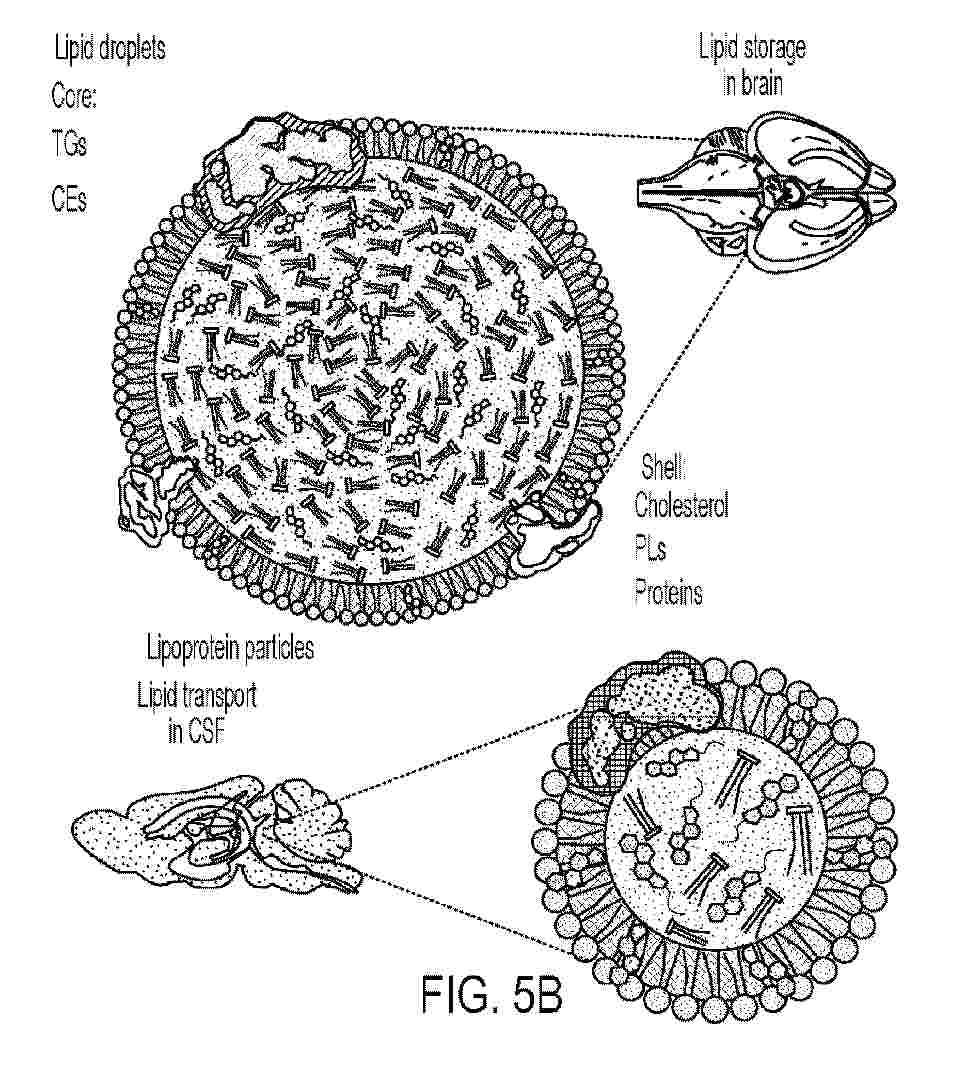
Resumen de: WO2025117721A1
The present disclosure provides products and methods for facilitating brain lipid transport in a subject. In some aspects the products are useful for slowing the progression of or preventing the development of Alzheimer's Disease or for treating Alzheimer's disease. The products include reconstituted lipoprotein particles (rLPs). Libraries and screening of libraries to identify additional rLPs are also disclosed.
Nº publicación: EP4818330A1 07/10/2026
Solicitante:
SHANGHAI EAST HOSPITAL TONGJI UNIV [CN]
Shanghai East Hospital Tongji University
Resumen de: EP4818330A1
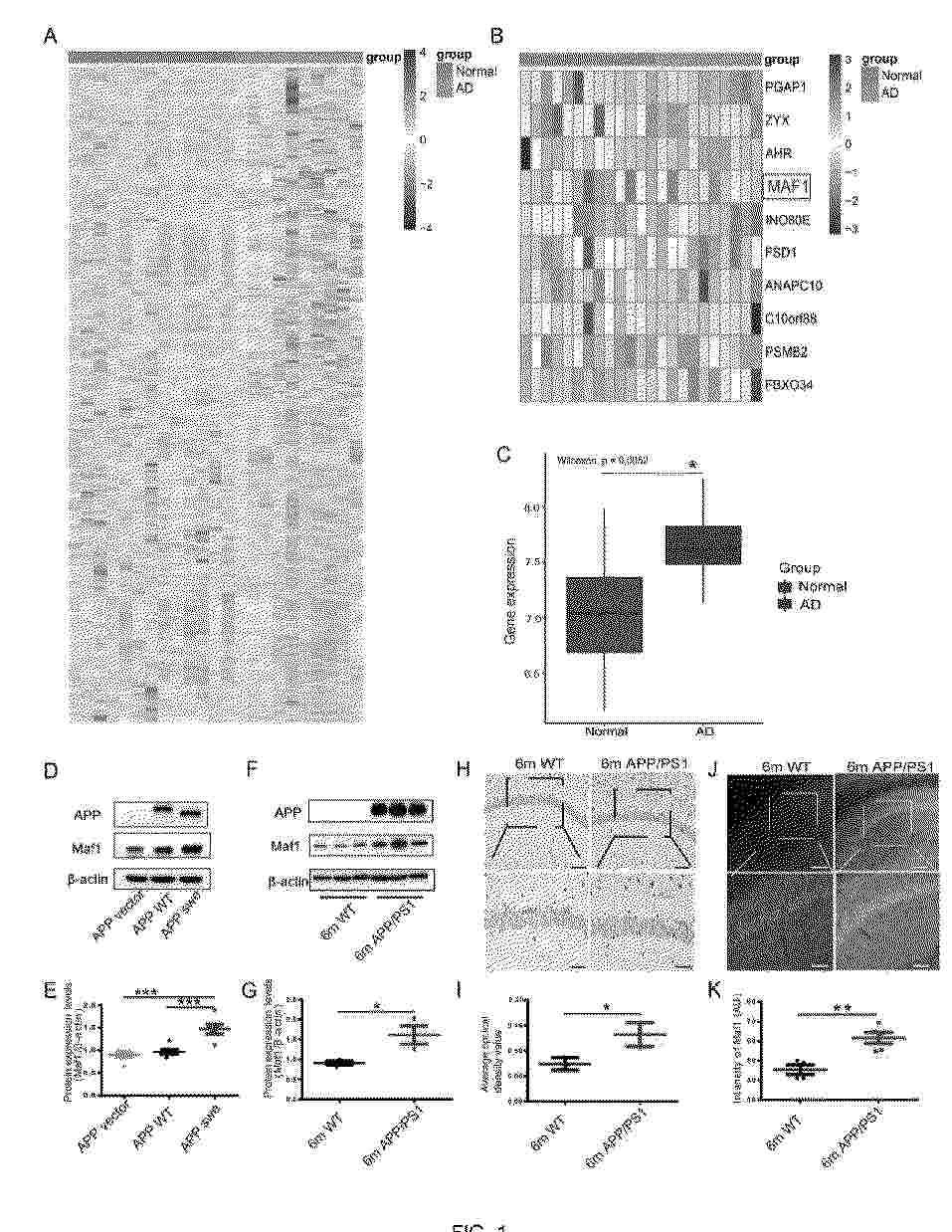
The present invention relates to the field of biomedicine. Provided are a marker that can be used for early diagnosis of Alzheimer's disease, and the use thereof. Specifically provided is a marker for early diagnosis of Alzheimer's disease. The marker is a Maf1 gene or the protein rhereof. High expression of the Maf1 gene or the protein thereof in neuronal cells indicates that a subject is at high risk of developing Alzheimer's disease. The method provides a new diagnostic and therapeutic target for AD.
 BOPI
BOPI
 Sede Electrónica