Si deseas distinguir tus productos, servicios o ambos de los de otra empresa, es posible que necesites una marca o nombre comercial. Descubre qué son, en qué consiste su procedimiento de registro y qué implica.

Información sobre los plazos de presentación de solicitudes de transformación de marcas de la Unión Europea en marca nacional española. Más información


Si tienes un nuevo dispositivo, producto o procedimiento que resuelva un problema técnico o tenga una ventaja práctica, existen distintas formas de protegerlo en España y en otros países. Descubre cómo hacerlo.

¿Tu innovación reside en la estética, la ornamentación o la apariencia de tu producto? Protégela mediante un diseño industrial. Descubre qué derechos confiere el registro y cómo realizar la tramitación.

Las indicaciones geográficas protegen el nombre de un producto originario de una zona geográfica, a la cual le debe una determinada calidad, reputación u otra característica. Descubre qué son, en qué consiste su procedimiento de registro y qué beneficios conceden.

Las patentes publicadas en todo el mundo son una valiosa fuente de información científica, técnica y comercial.

Si eres emprendedor/a o una empresa y quieres potenciar y mejorar la rentabilidad de tu negocio protegiendo de forma adecuada los activos intangibles de tu organización, en este espacio encontrarás lo necesario.


 221
resultados
 Última actualización
24/10/2026 [08:47:00]


 Resultados 25 a 50 de 221

Resumen de: CN122726282A
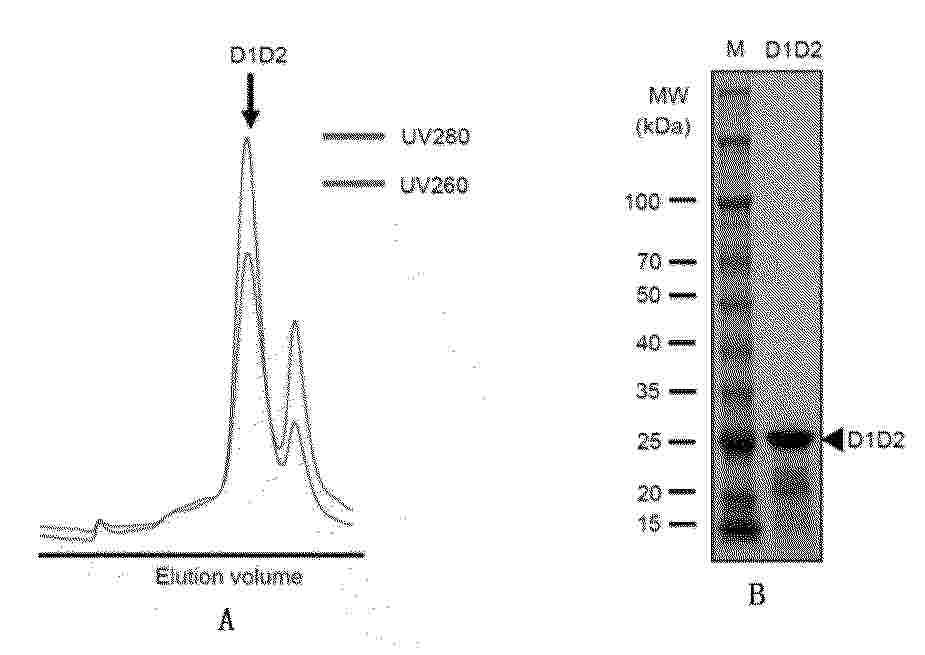
本发明涉及生物医学领域,具体而言,涉及一种β‑淀粉样寡聚物的检测方法及分子探针。该分子探针的氨基酸序列中包括免疫球蛋白样受体LilrB2胞外结构域的D1D2蛋白氨基酸片段,β‑淀粉样寡聚物包括散发性阿尔兹海默症β‑淀粉样寡聚物突变体,还包括家族性阿尔兹海默症β‑淀粉样寡聚物突变体。该检测方法可对阿尔茨海默病早期阶段的精准诊断,具有广谱识别能力,对Aβ寡聚物具有良好的选择性和特异性,可对脑组织、脑脊液和血液等样本进行体外检测,实现无创早期诊断,具有广阔的临床转化前景。

Resumen de: CN122721423A
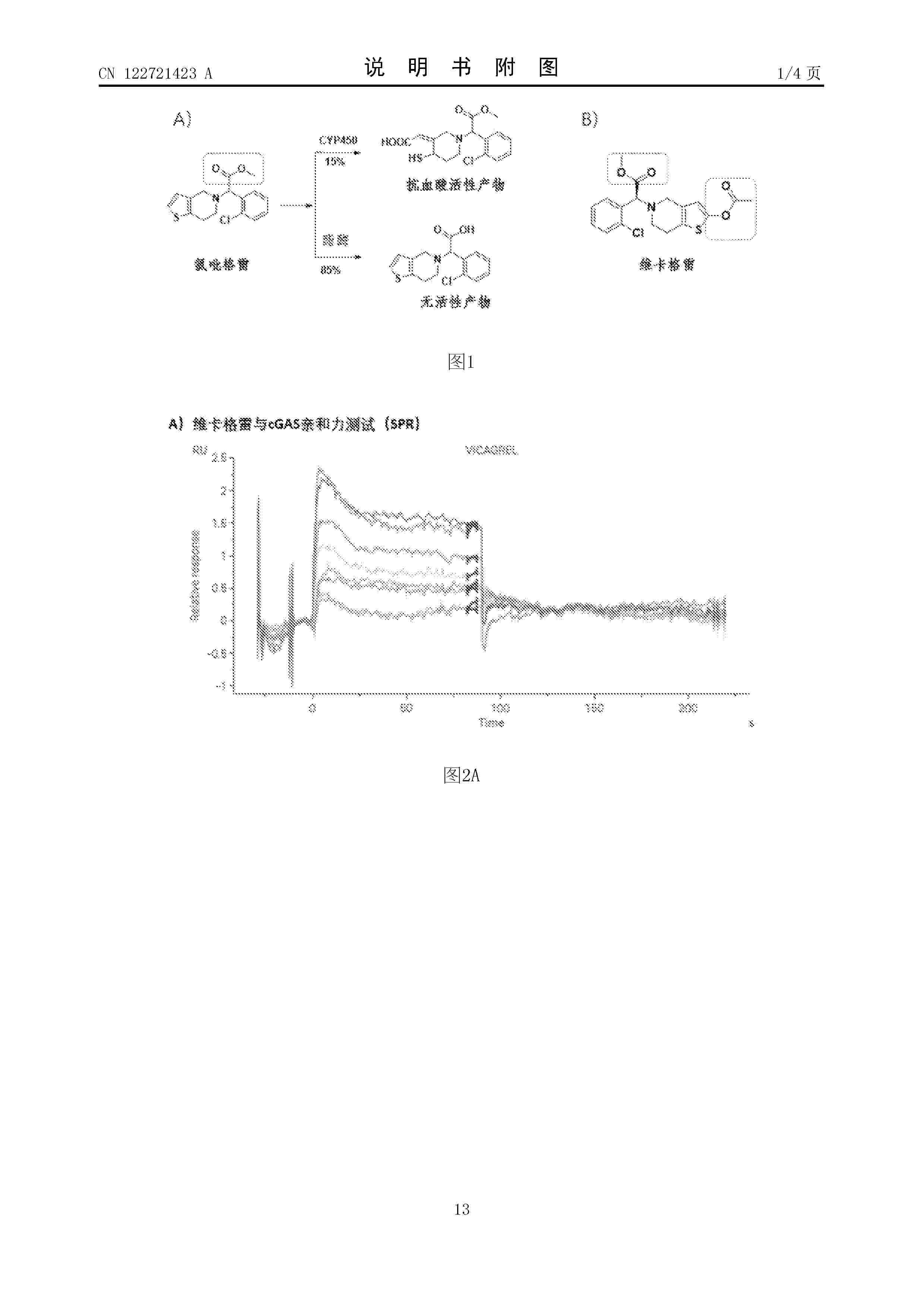
0001 本发明属于生物医药技术领域,公开了维卡格雷或其药用盐在制备环鸟腺苷合成酶(cGAS)乙酰化抑制剂以及在制备用于治疗自身免疫性疾病和神经退行性疾病的药物中的用途。
Resumen de: CN122726026A
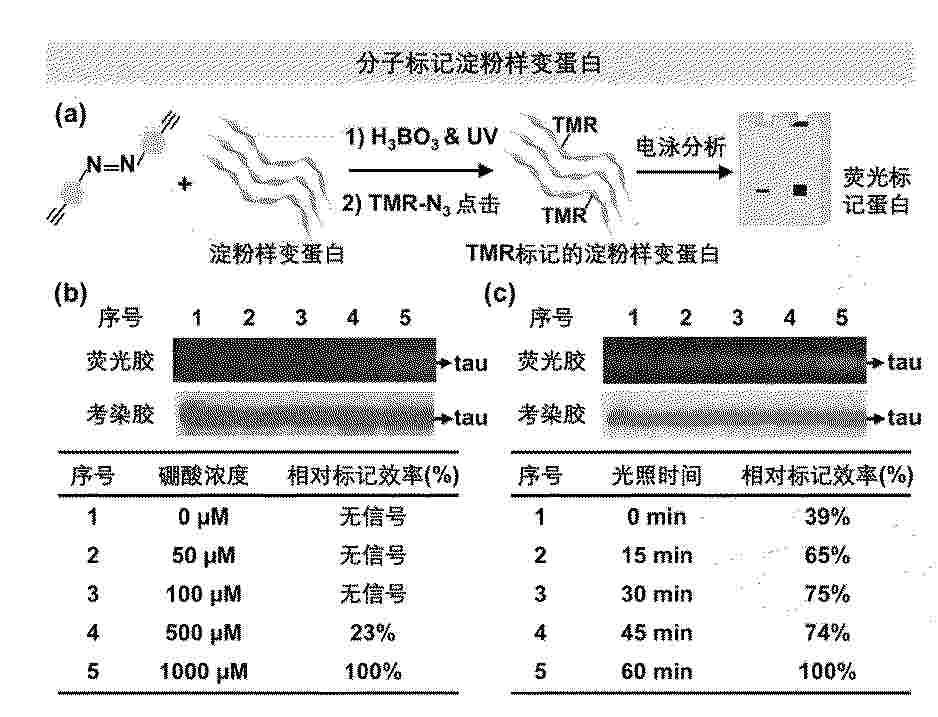
0001 本申请公开了一种化合物及其制备方法、作为探针的应用,属于探针领域。所述化合物的结构式为式I所示
该探针不仅具备淀粉样蛋白的靶向能力,能够特异性结合淀粉样蛋白,还能够在硼酸存在的条件下实现对淀粉样蛋白的选择性标记。可用于神经退行性疾病模型等多种淀粉样蛋白相关疾病中沉积蛋白的组分鉴定。
Resumen de: CN122731161A
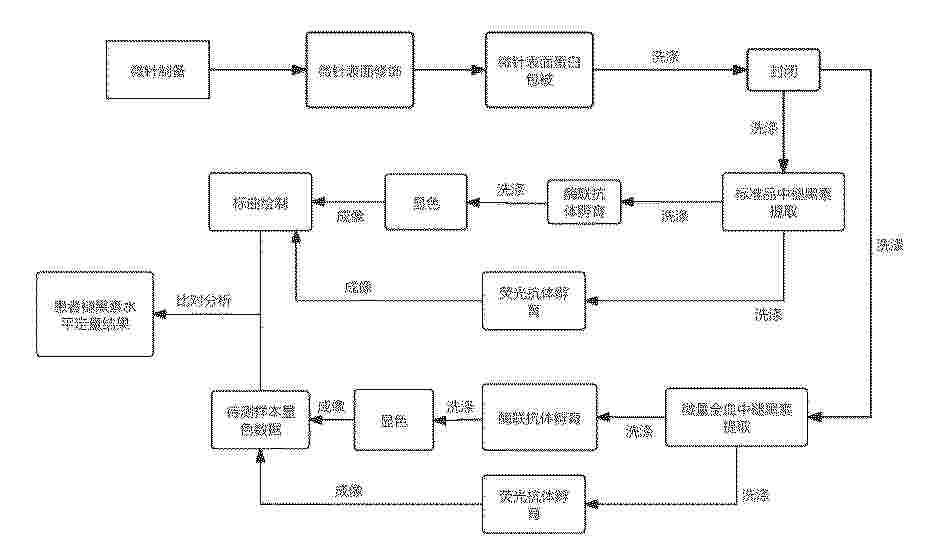
0001 本发明提供了一种检测褪黑素的体外微针贴片及其制备方法和应用,涉及生物医用材料和器械技术领域。本发明检测褪黑素的体外微针贴片的制备方法,包括以下步骤:固体微针贴片用2~100μg/mL兔抗人褪黑素IgG溶液进行蛋白包被,得检测褪黑素的体外微针贴片;所述固体微针贴片先经表面亲水修饰或不经表面亲水修饰,所述表面亲水修饰包括等离子处理。本发明制备方法能够使得体外微针贴片定量检测微量的、特定的褪黑素蛋白,具有高灵敏度、高准确性。
Resumen de: WO2025080894A1
In one aspect, the present disclosure provides a method of detecting a presence or absence of a biomarker for a disease in the sample, wherein the biomarker comprises: a) a complex of physiologically active target macromolecules or a fragment or portion thereof and target macromolecules that are not physiologically active; b) a conformation of the physiologically active macromolecules or fragment thereof when the physiologically active target macromolecules or the fragment or portion thereof is a complex with a non- physiologically active target macromolecule; c) the conformation of physiologically active target macromolecules or a portion or fragment thereof in a PAT-Tau complex; d) the conformation of non-physiologically active target macromolecules or a portion or fragment thereof in a PAT-Tau complex; or e) a combination of a), b), c), d) and/or e).
Resumen de: CN122731053A
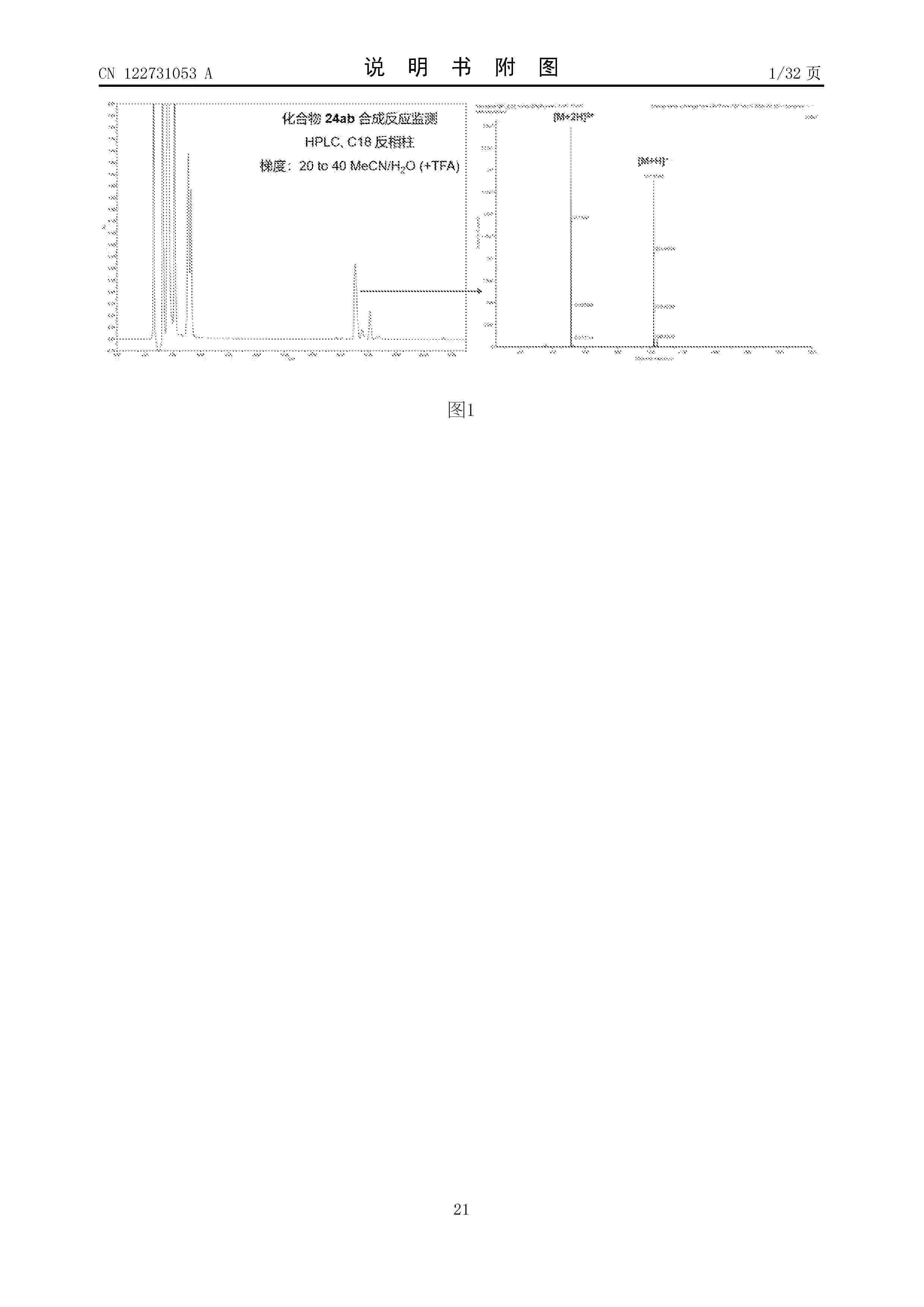
本发明公开了一种多功能的多模态串联质谱标签及其在化学蛋白质组学定量中的应用。所述标签包含亲和富集模块、可断裂连接模块和等量异位标签模块,其中等量异位标签模块整合有报告基团、质量平衡基团和生物正交反应把手。该标签具有全新的等量异位标签骨架,不含氨基反应活性基团,避免了赖氨酸侧链误标记;末端炔基可通过一步点击化学反应与叠氮标记的肽段连接,实现化学蛋白质组学流程中富集、释放和定量功能的一体化安装。实验表明,本发明标签在二级质谱中可稳定释放报告离子,报告离子信号强度比与标记肽段混合比例高度一致,在10倍差异范围内定量准确。本发明简化了化学蛋白质组学定量操作,减少样本损失,提高了定量的准确性和便捷性。
Resumen de: AU2025226972A1
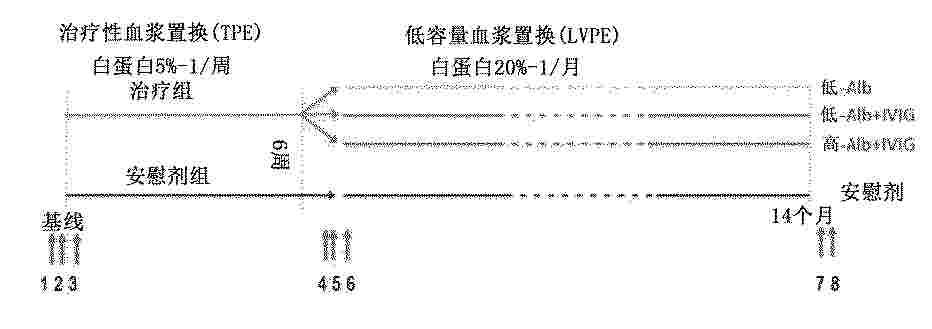
The invention pertains to treating a cognitive impairment, for example, an aging-associated cognitive impairment. In certain aspects, a sample obtained from a subject is assayed for the ratio between the levels of any two proteins selected from: DLL1, SMOC1, CD59, TSTD1, STAT3, POLD4, PARP11, LEFTY2, UNC5B, C5, C5.C6, ASH2L, INHBB, RSP3, VAV3, SIRT3 and SERPINB8. A subject may be having or suspected of having a cognitive impairment. The cognitive impairment can be caused by a neurodegenerative disease, such as Alzheimer's disease. A subject may be identified as likely or not likely to respond positively to the plasma exchange therapy based on the ratio between the levels of measured proteins. In certain aspects, methods for treating a cognitive impairment in the subject comprise administering a plasma exchange therapy comprising a full and/or low volume plasma exchange. Also provided are kits suitable for performing such methods.
Resumen de: WO2025177848A1
The present invention addresses the problem of providing: a biomarker for determining cognitive impairment or nerve function disorder in an early stage with high accuracy; and others. In the present invention, a drebrin metabolite peptide (iMADP) selected from the below-mentioned peptides (i) to (iii) is used as a biomarker for determining cognitive impairment or nerve function disorder. (i) A peptide comprising the amino acid sequence represented by SEQ ID NO: 4; (ii) a peptide comprising the amino acid sequence represented by SEQ ID NO: 5; and (iii) a peptide which comprises an amino acid sequence having a structure such that one or more amino acid residues are deleted, substituted, and/or added in the amino acid sequence represented by SEQ ID NO: 4 or SEQ ID NO: 5.
Resumen de: CN122319365A
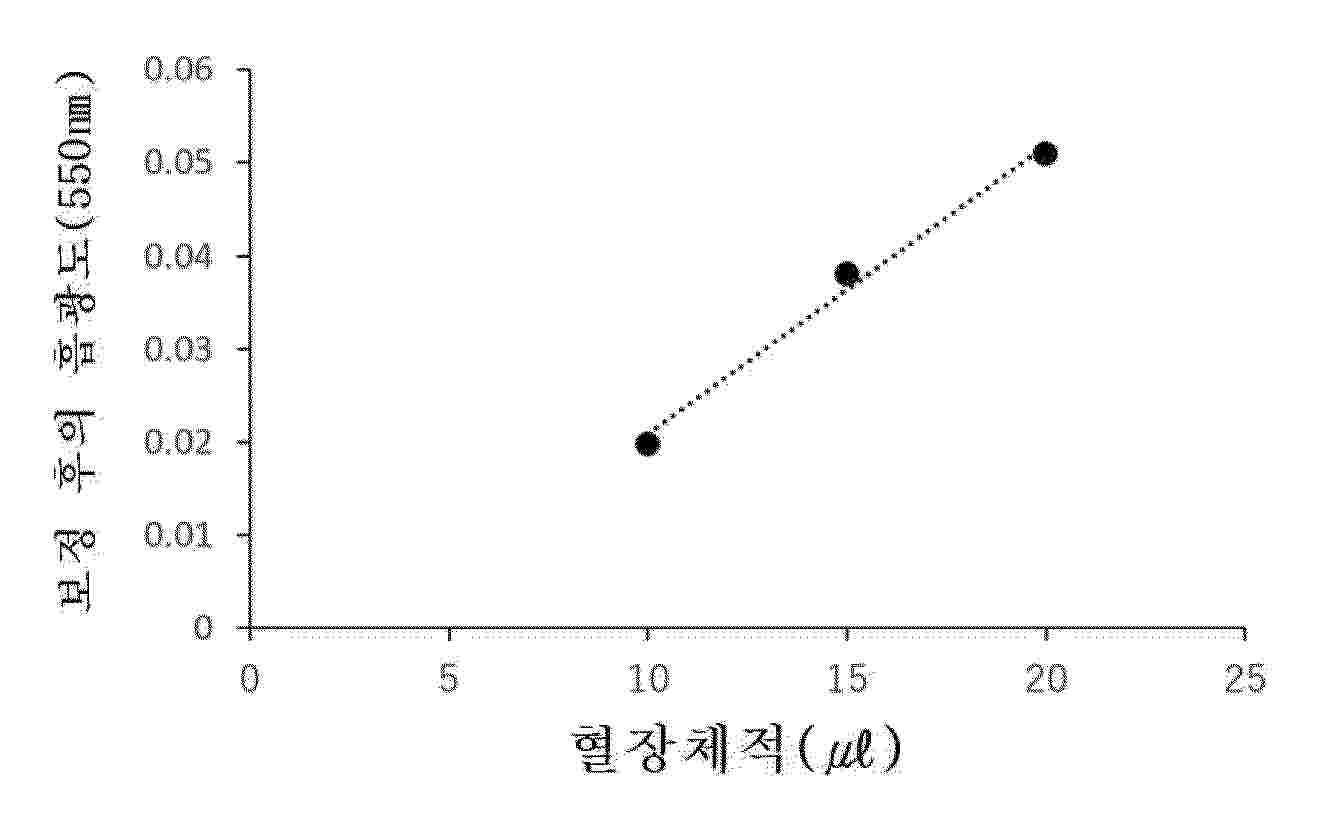
Disclosed is a method for quantifying plasmalogen, which comprises: a measurement sample preparation step for obtaining a measurement sample by mixing a sample containing a protein and plasmalogen with a Schiff reagent; a control sample preparation step of mixing the test sample with the solvent of the Schiff reagent to obtain a control sample; a measurement step for measuring the degree of the first optical property of the measurement sample and the degree of the optical property of the control sample after the reaction of an aldehyde generated from the vinyl ether bond of the plasmalogen and the Schiff reagent; and a determination step for determining the concentration of the plasmalogen in the sample by comparing the degree of correction, which is obtained by correcting the degree of the first optical property using the degree of the optical property of the control sample, with the degree of the second optical property of a standard sample containing a Schiff reagent and a plasmalogen having a known concentration, and determining the concentration of the plasmalogen in the sample. The degree of the second optical property is the degree of reaction of the Schiff reagent with the aldehyde generated by the vinyl ether linkage of the plasmalogen.
Resumen de: CN122731146A
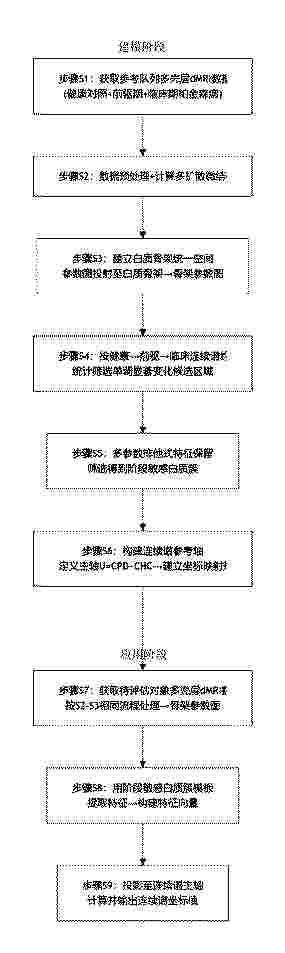
本发明公开了一种基于白质骨架连续谱坐标的α‑突触核蛋白病定位方法。该方法包括建模阶段与应用阶段:建模阶段将多壳层扩散磁共振的多个微结构参数统一投射至白质骨架空间,以预设的健康‑前驱‑临床连续谱顺序为约束,结合多参数排他式筛选规则识别阶段敏感白质簇,并构建以健康组与临床期组中心向量连线为连续谱主轴的参考轴及坐标映射规则;应用阶段将待评估对象经相同处理后的特征投影至该主轴,输出连续谱坐标值、阶段偏移量及阶段邻近度。本发明能够在单次横断面扫描下实现个体在疾病连续谱中的定量定位,克服了现有技术依赖纵向数据或离散状态判定的局限,可以广泛应用于α‑突触核蛋白病的早期识别与个体化评估。
Resumen de: US20260265411A1
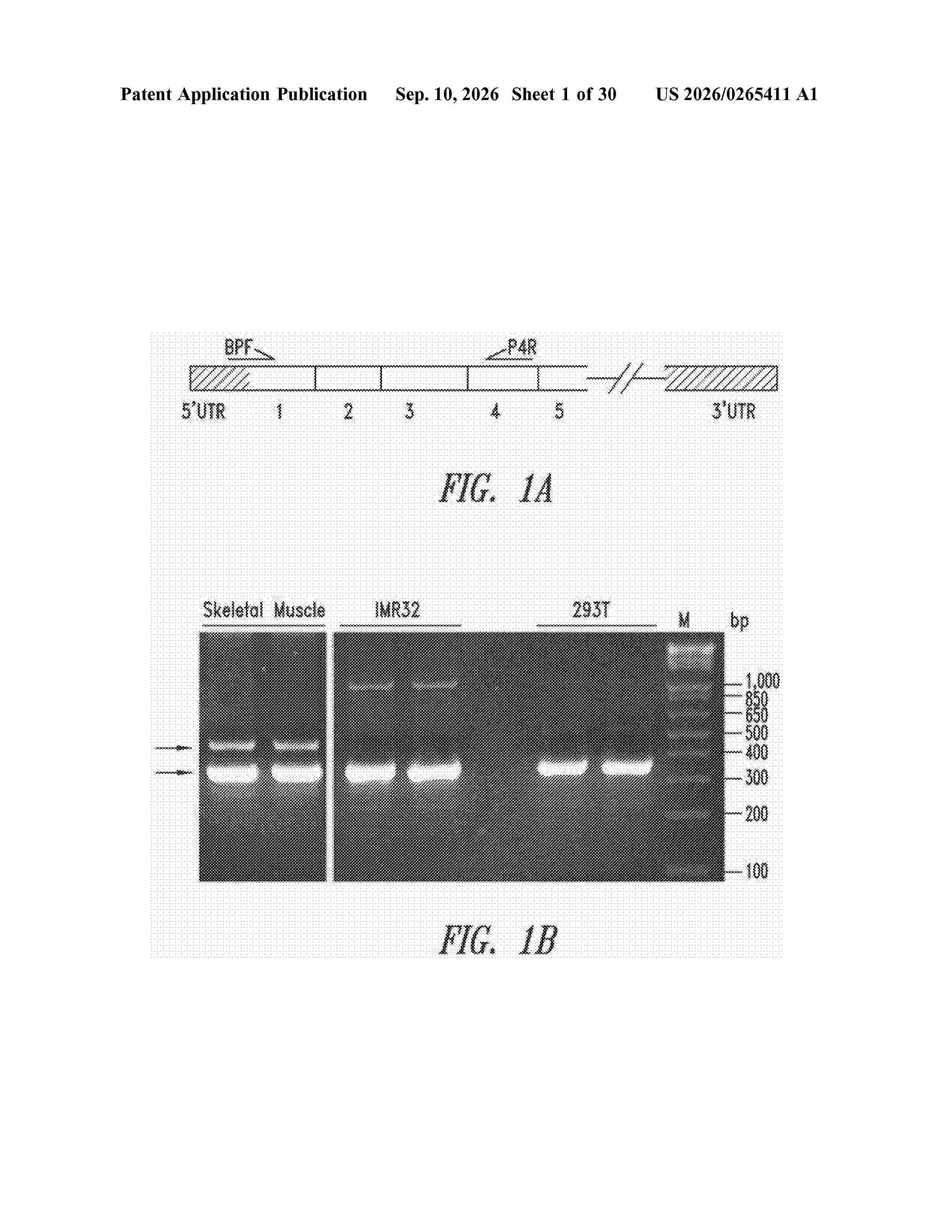
0000 Isolated histidyl-tRNA synthetase splice variant polynucleotides and polypeptides having non-canonical biological activities are provided, as well as compositions and methods related thereto.
Resumen de: US20260266724A1
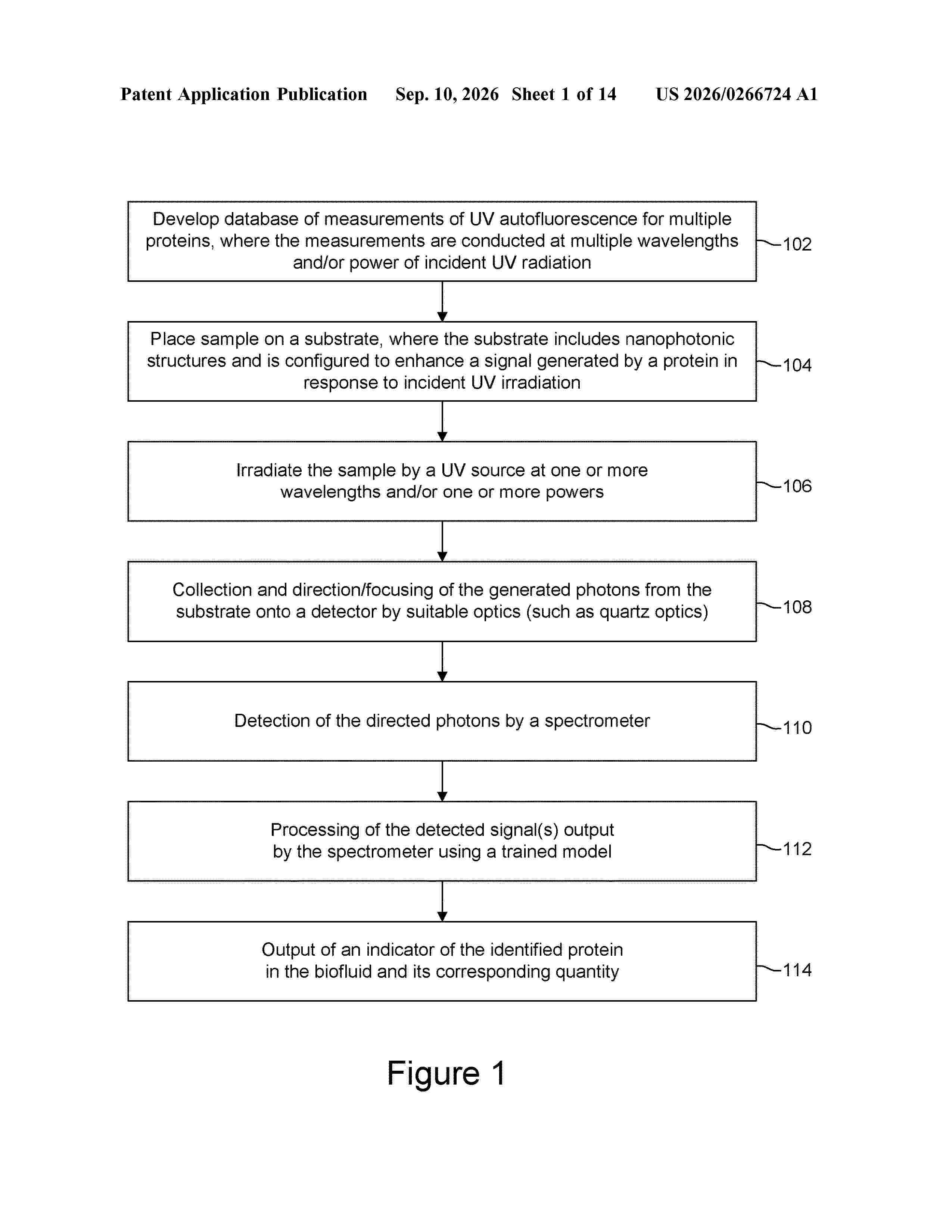
An apparatus and method for identifying a protein or proteins in a sample of a biofluid. The identification is based on illuminating the sample with ultraviolet radiation and detecting and analyzing the resulting fluorescence. A trained model may be used to determine a protein responsible for a spectra detected from the illumination of the sample.
Resumen de: US20260266808A1
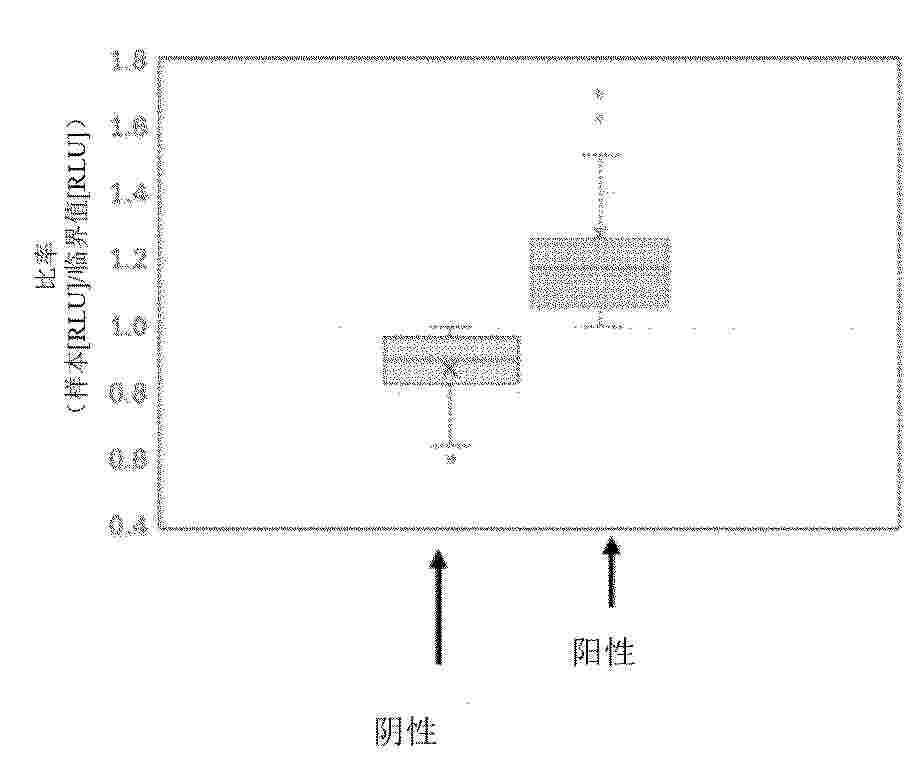
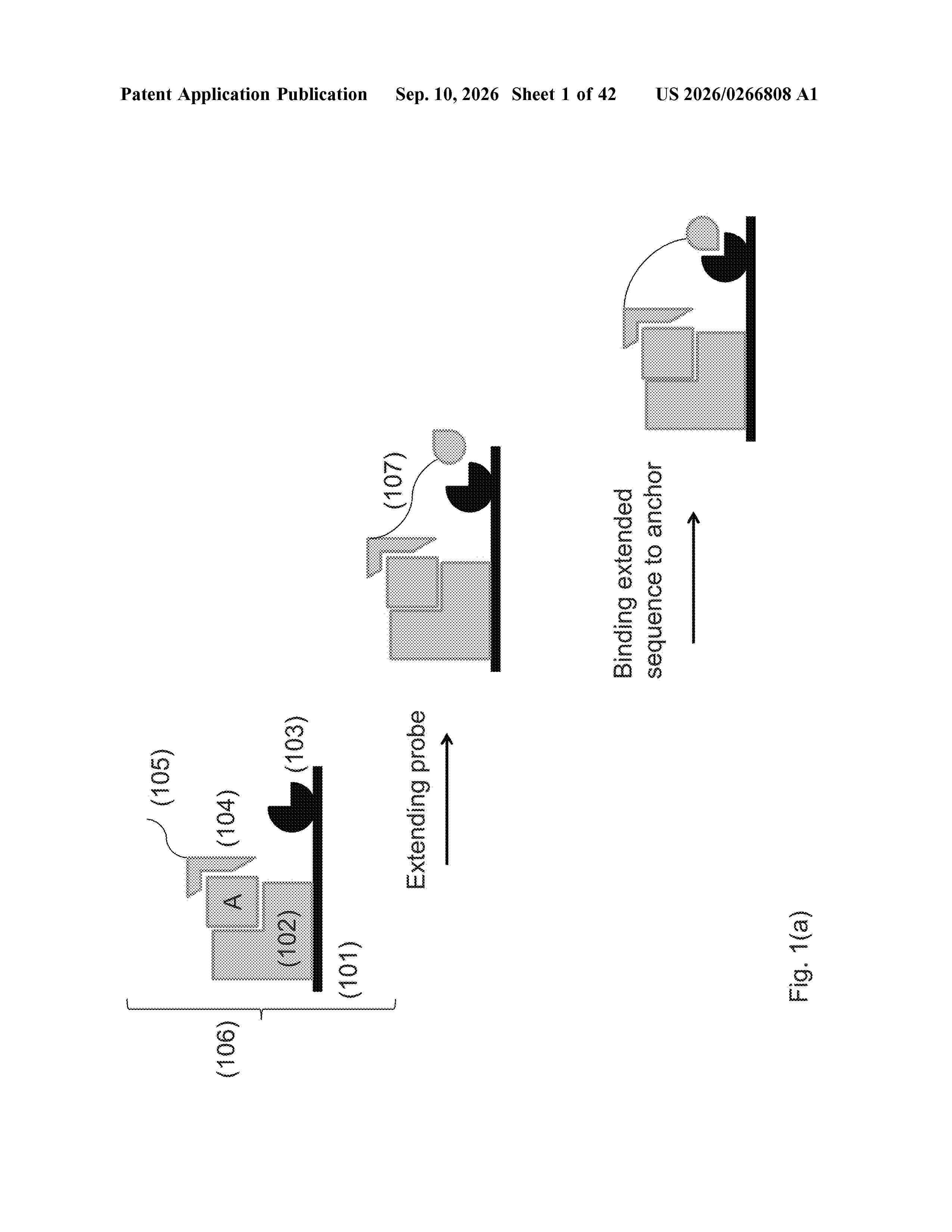
The present invention is directed to assay methods and compounds and kits used in such assays.
Resumen de: AU2026204971A1
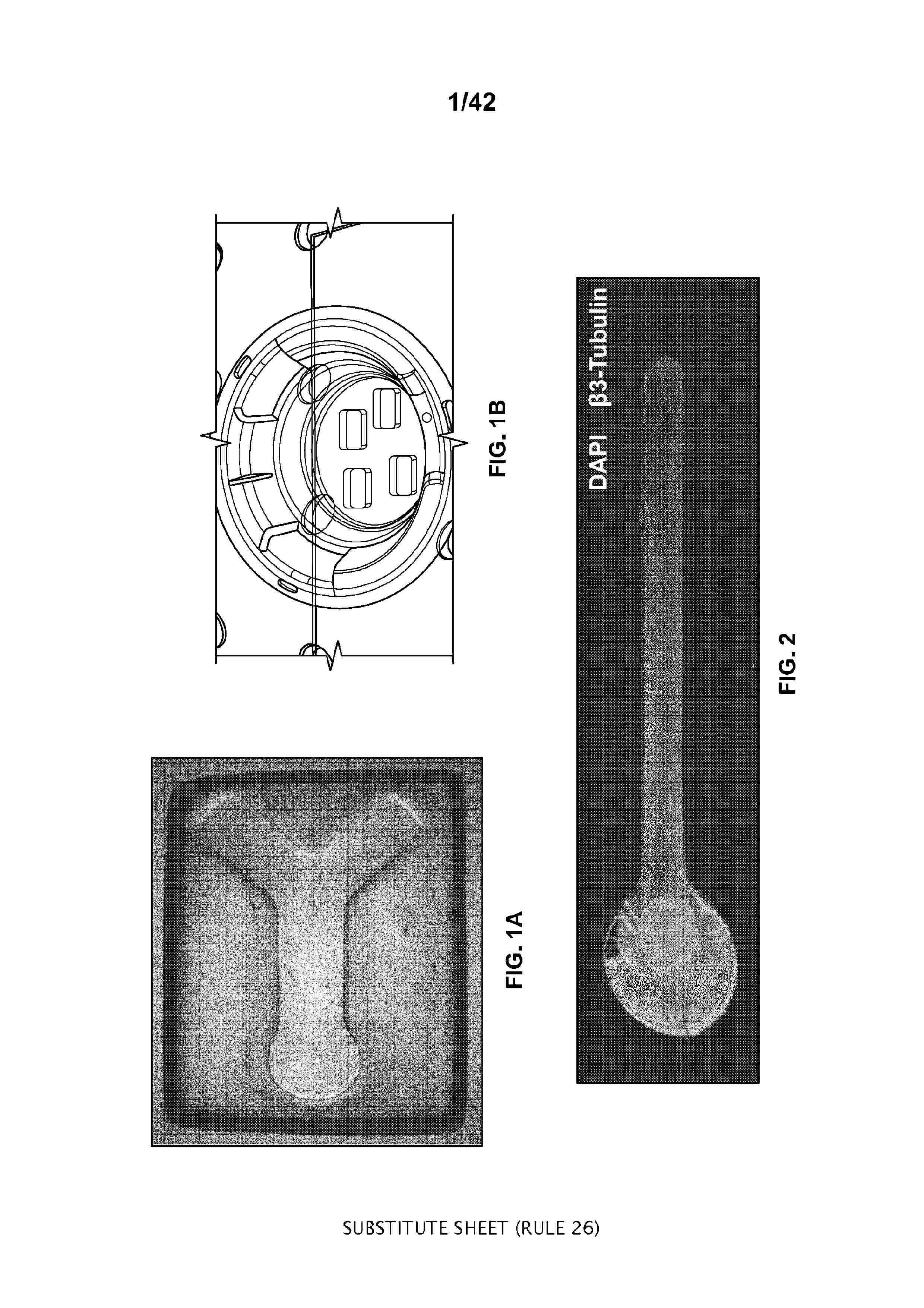
The present disclosure generally relates to a cell culturing system, and specifically to a three-dimensional cell culturing system for neuronal cells that promotes both structural and functional characteristics that mimic those of in vivo peripheral fibers, including cell myelination. Using a dual hydrogel construct and spheroids comprising neuronal cells, the present disclosure provides methods, devices, and systems for in vitro spatially-controlled, three-dimensional models that permit intra- and extra-cellular electrophysiological measurements and recordings. The three-dimensional hydrogel constructs allow for flexibility in incorporated cell types, geometric fabrication, and electrical manipulation, providing viable systems for culture, perturbation, and testing of biomimetic neural growth with physiologically-relevant results. BSTRACT
Resumen de: US20260266850A1
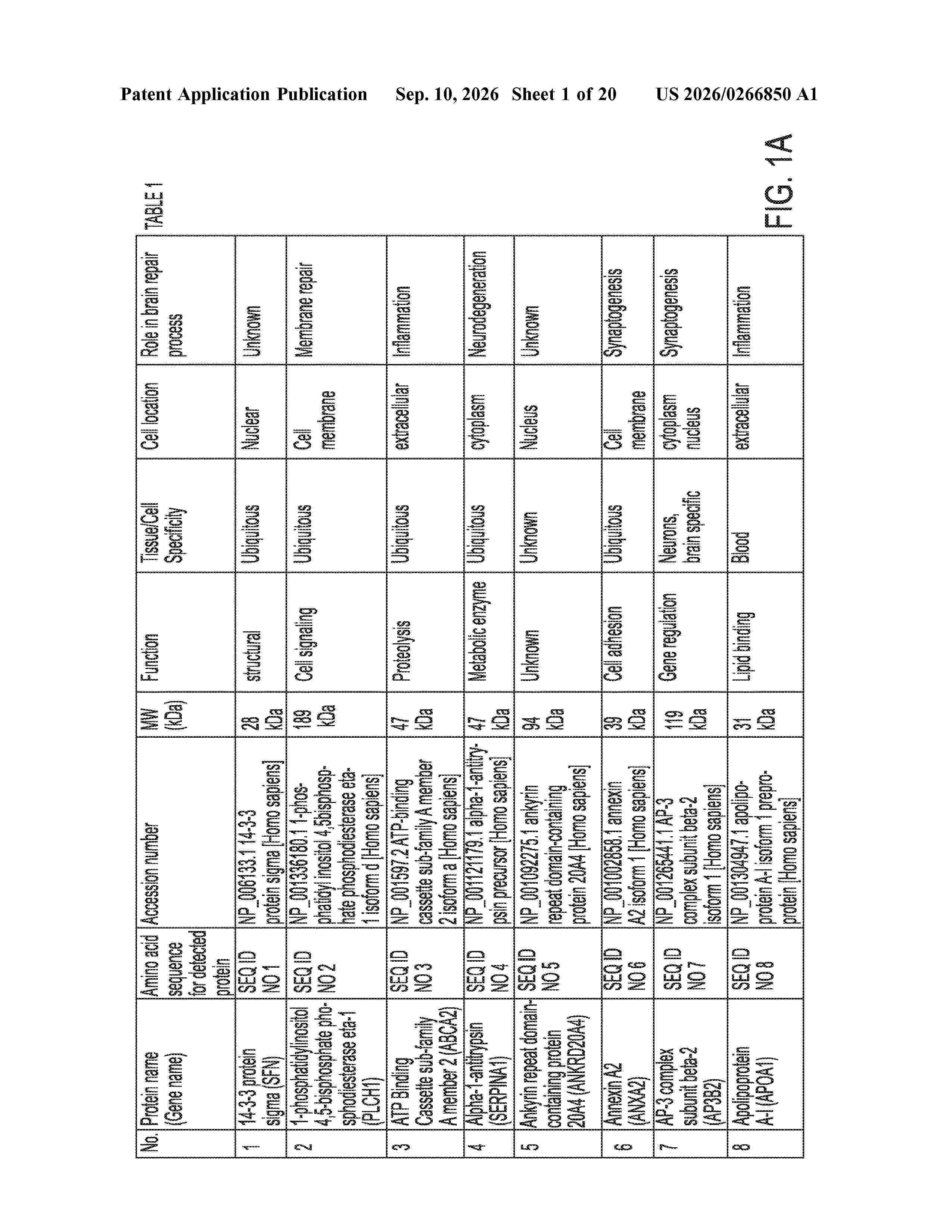
0000 Methods, compositions and kits useful in the detection, assessment, diagnosis, prognosis and/or treatment of neurological injury or disease or brain injury, such as traumatic brain injury (TBI), are provided in which certain newly discovered protein biomarkers are detected in a biological sample of a subject undergoing testing or evaluation. The methods allow for detection of changes in levels, amounts, or concentrations of the protein biomarkers in a subject compared with those of controls. Detection of the protein biomarkers, and/or levels thereof, provides an indication of biological and biochemical events, e.g., at a cellular level, that are occurring in the subject who is undergoing testing or analysis for the neurological injury or brain injury.
Resumen de: US20260266819A1
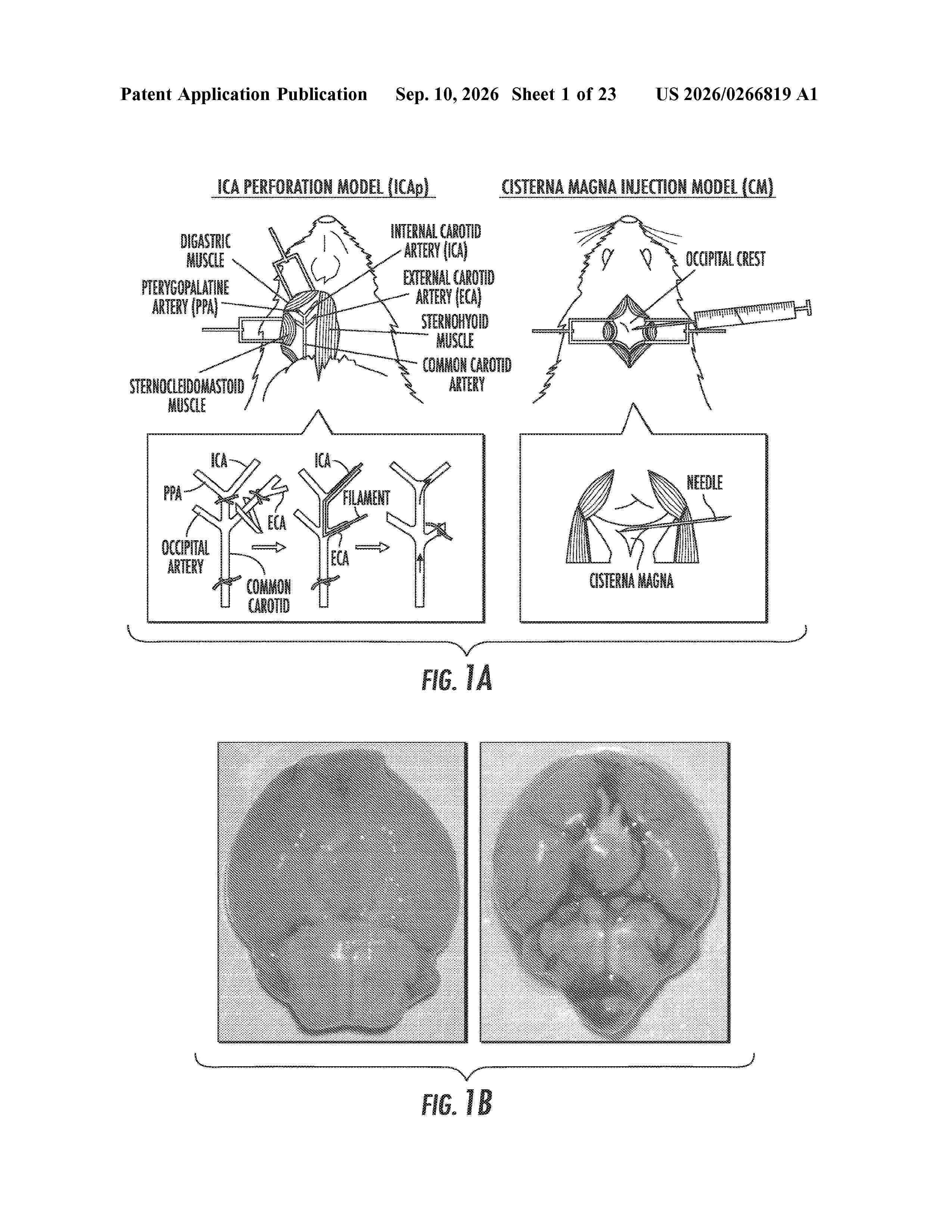
The present invention relates to the field of inflammation. More specifically, the present invention provides compositions and methods for treating cerebral inflammation and associated sequelae thereof including cerebral vasospasm. In one embodiment, a method for treating cerebral vasospasm in a patient comprises the step of administering to the patient a PD-1 agonist, wherein a blood sample obtained from the patient comprises elevated PD-1 expression on monocytes relative to a control.
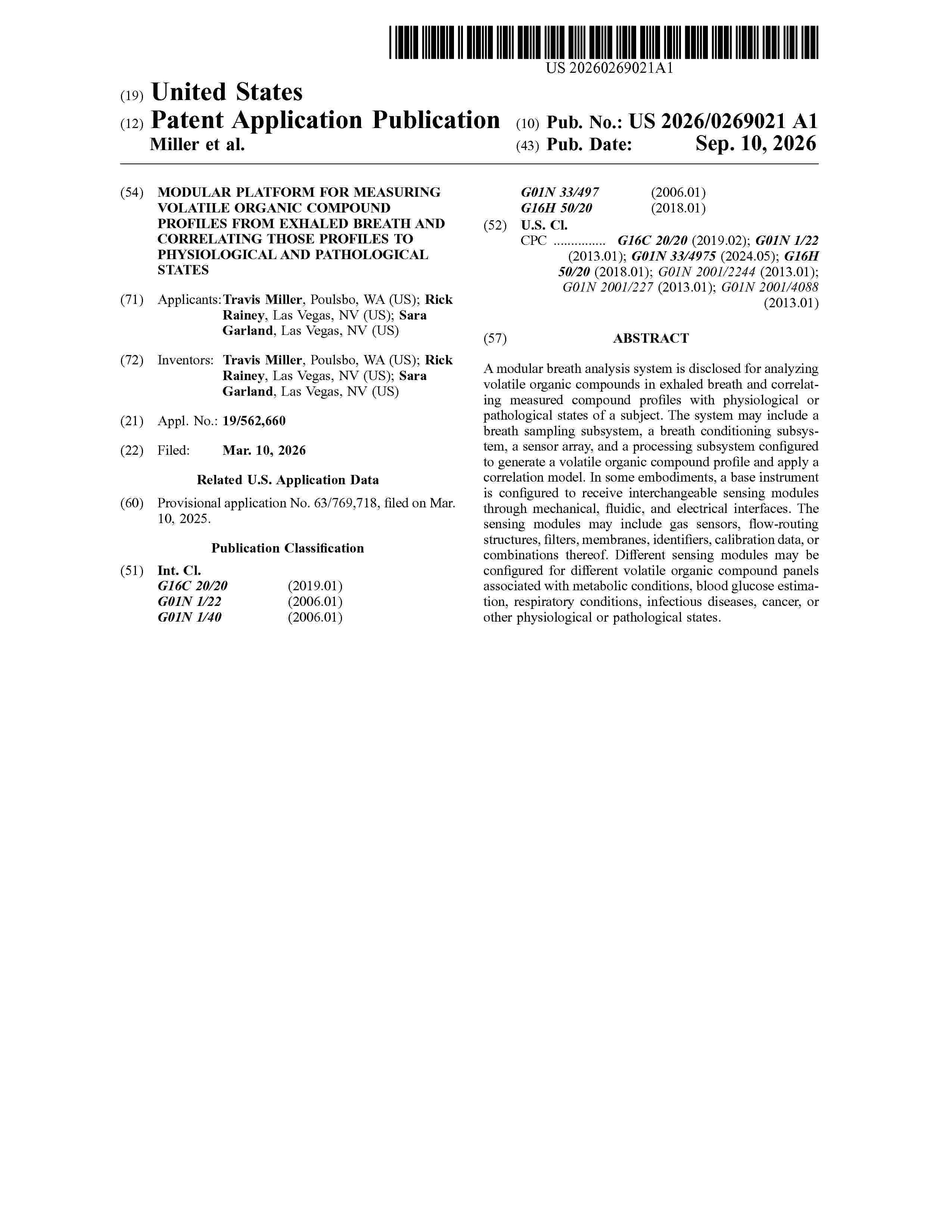
Resumen de: US20260269021A1
A modular breath analysis system is disclosed for analyzing volatile organic compounds in exhaled breath and correlating measured compound profiles with physiological or pathological states of a subject. The system may include a breath sampling subsystem, a breath conditioning subsystem, a sensor array, and a processing subsystem configured to generate a volatile organic compound profile and apply a correlation model. In some embodiments, a base instrument is configured to receive interchangeable sensing modules through mechanical, fluidic, and electrical interfaces. The sensing modules may include gas sensors, flow-routing structures, filters, membranes, identifiers, calibration data, or combinations thereof. Different sensing modules may be configured for different volatile organic compound panels associated with metabolic conditions, blood glucose estimation, respiratory conditions, infectious diseases, cancer, or other physiological or pathological states.
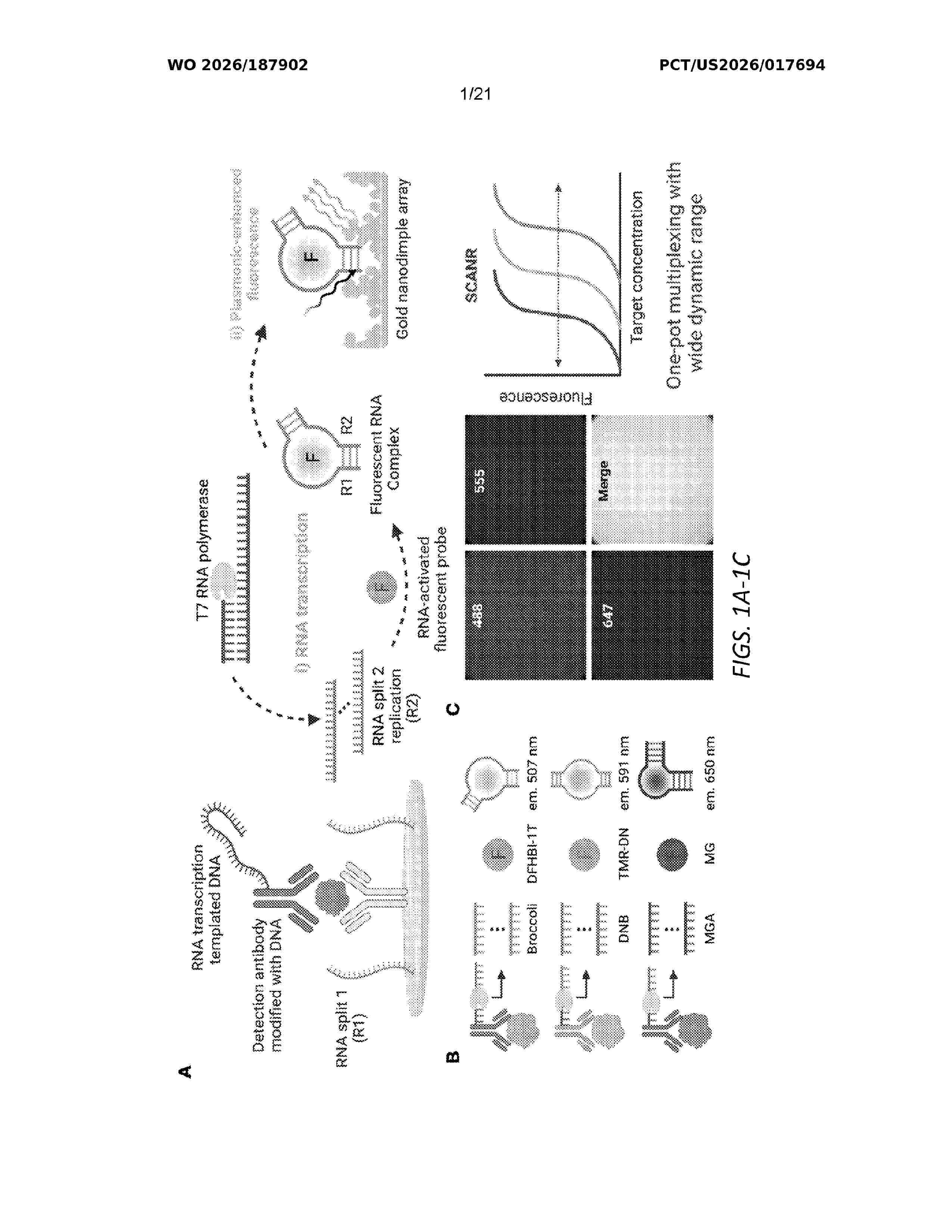
Resumen de: WO2026187902A1
The present disclosure relates to systems comprising nano-plasmonic chips and methods for the detection of proteins.
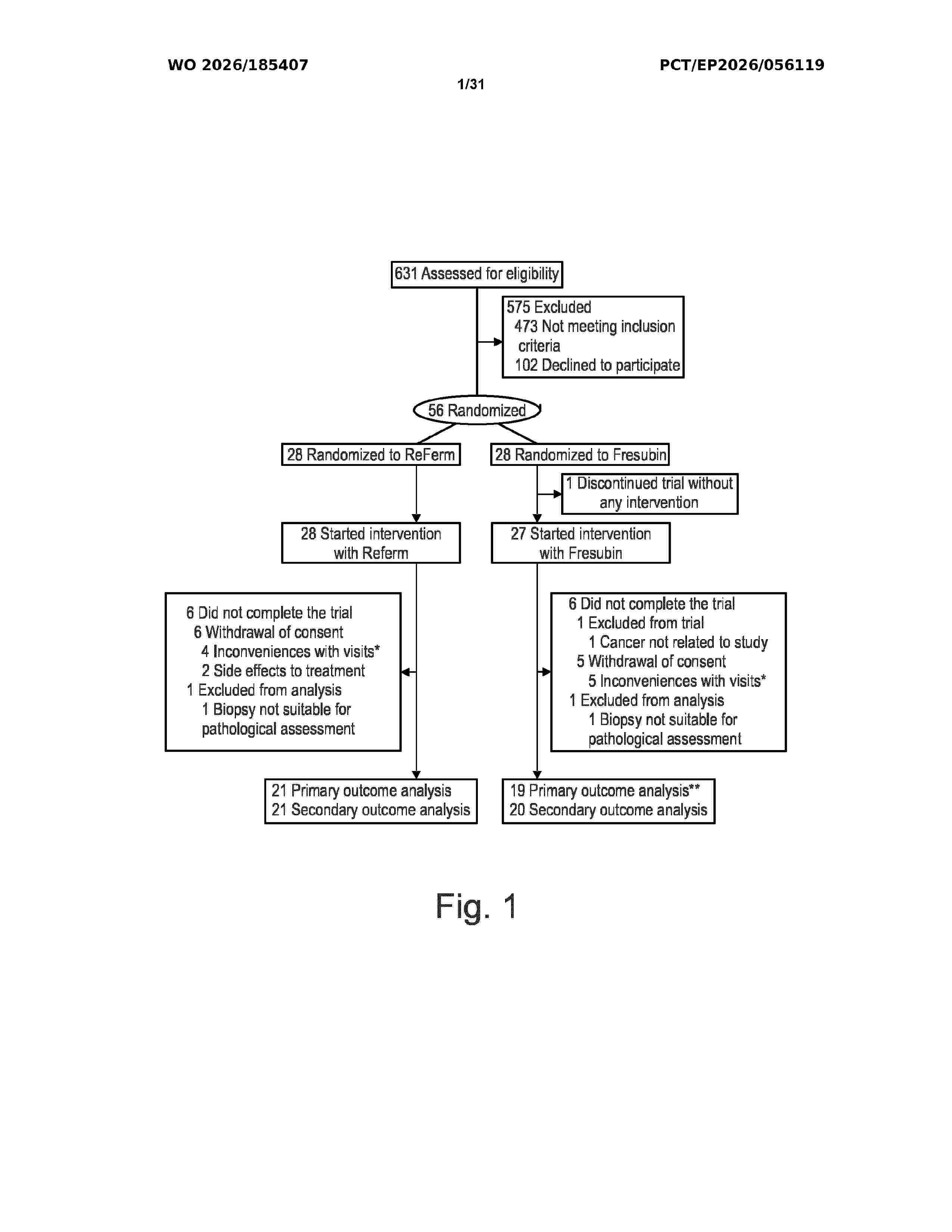
Resumen de: WO2026185407A1
The present invention is directed to compositions, including post-biotic compositions, comprising cereal gruel fermented by Lactobacillus plantarum 299 and/or Lactobacillus plantarum 299v®. The compositions are useful for 5 treating diseases in human beings, including liver diseases, as well as gastrointestinal diseases and inflammatory conditions related to liver diseases. Disease treatment and treatment efficacies may be monitored based on the development in selected patient groups of one or more biomarkers, including intestinal fatty acid-binding protein (I-FABP) and C-reactive protein 10 (CRP).
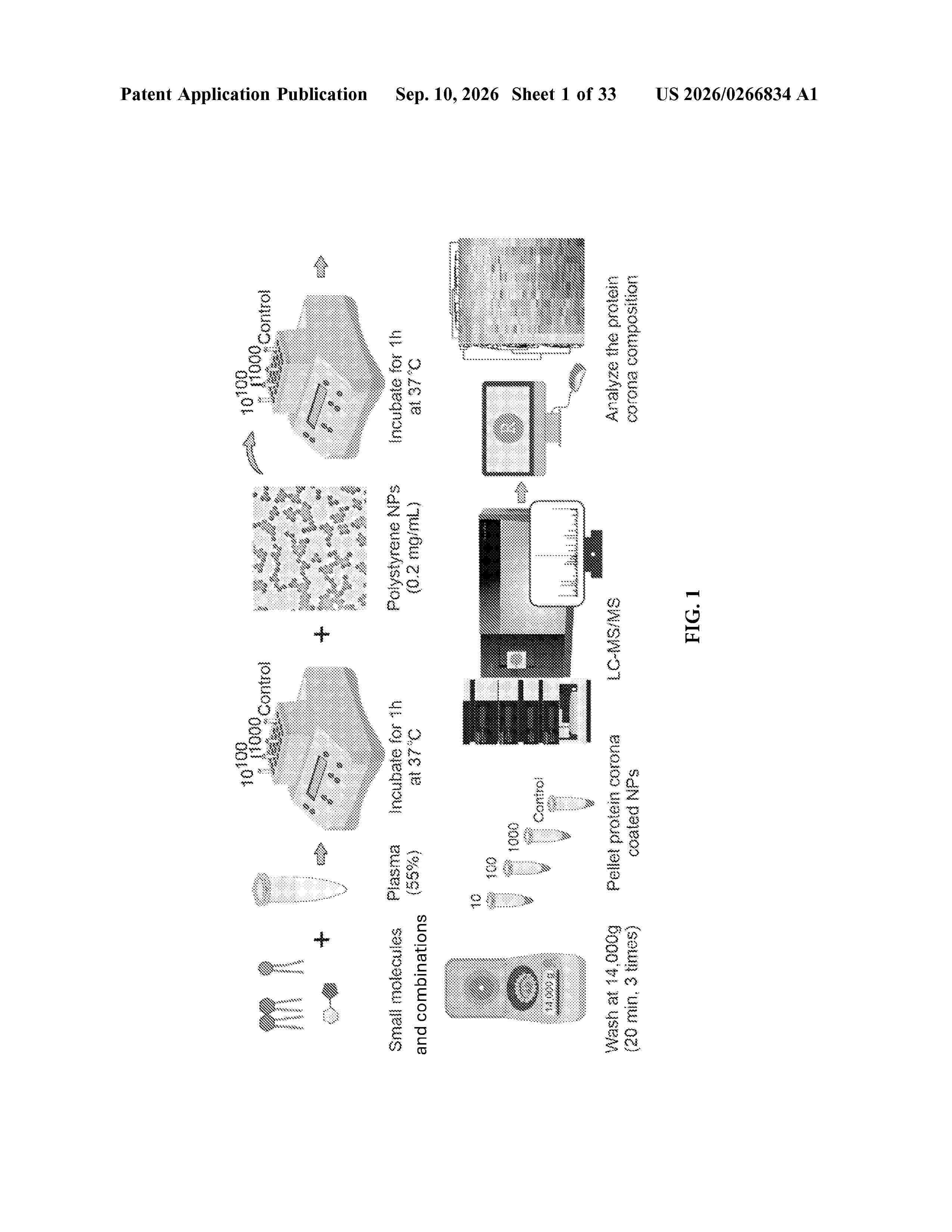
Resumen de: US20260266834A1
0000 A method for detecting proteins and/or their proteoforms is provided herein that includes adding one or more small molecule and one or more protein-binding agent to a biological sample, where a protein corona is formed on the surface of the protein-binding agent, and the proteins and/or their proteoforms in the protein corona are detected by an antibody-based technique or a proteomics technique. Also provided herein is a method for detecting one or more biomarker or a pattern of one or more biomarker associated with a disease or health spectrum condition, as well as a method of diagnosing or predicting a disease in a subject. Compositions including one or more small molecule, one or more protein-binding agent, and one or more biological sample are also provided.
Resumen de: US20260266848A1
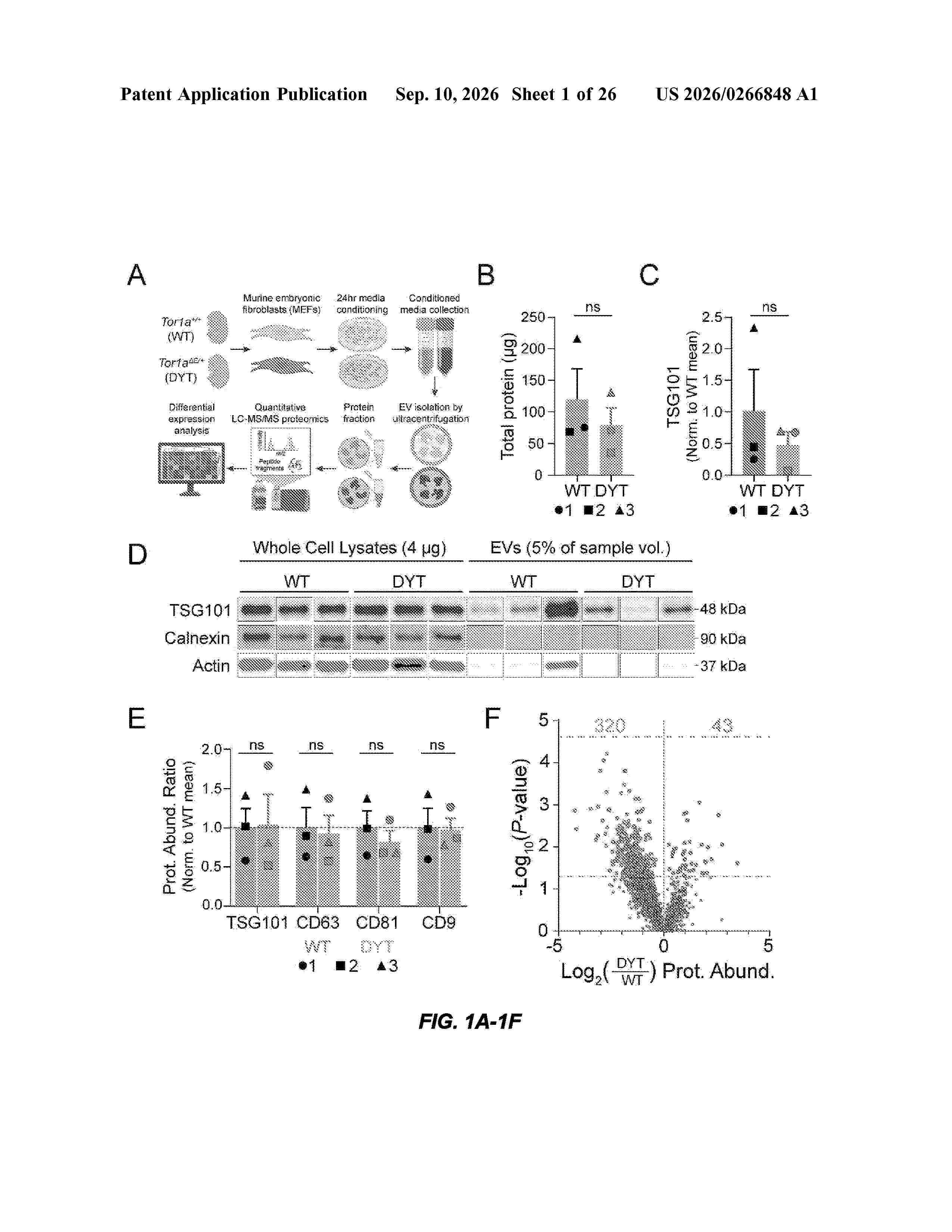
0000 Disclosed herein are compositions, kits, and methods for identifying protein, miRNA, or metabolite biomarkers for dystonia, for treating a subject having a dystonia, for selecting a subject for a clinical trial, for selecting a therapeutic agent, for treatment of dystonia in a subject, for classifying a subject having dystonia, and for predicting responsiveness to a dystonia treatment.
Resumen de: WO2026188004A1
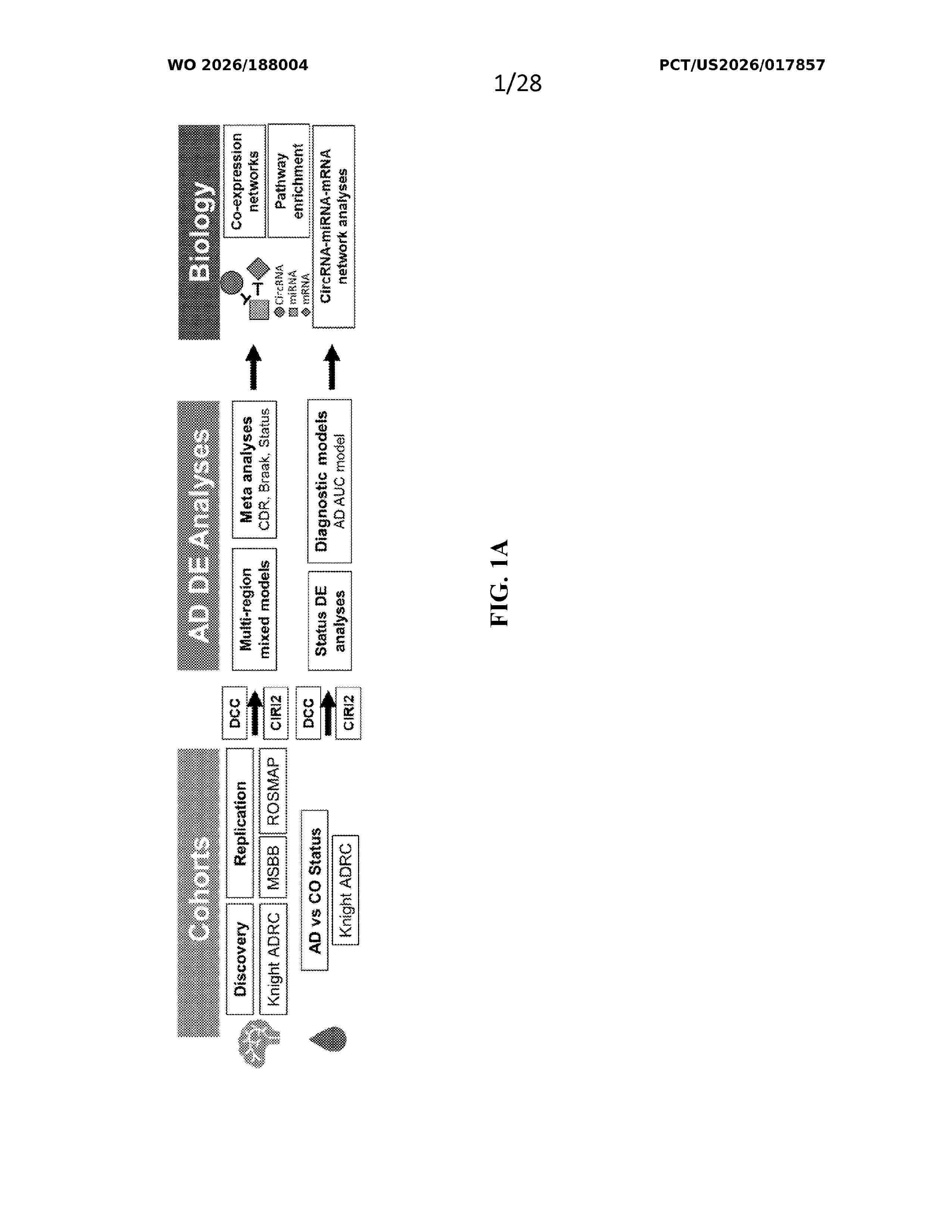
Provided are methods for determining the risk or monitoring the progression of Alzheimer's disease in a subject using expression levels of one or more circRNAs. Also provided are methods for treating a subject identified as having or at risk for Alzheimer's disease.
Resumen de: WO2026187868A1
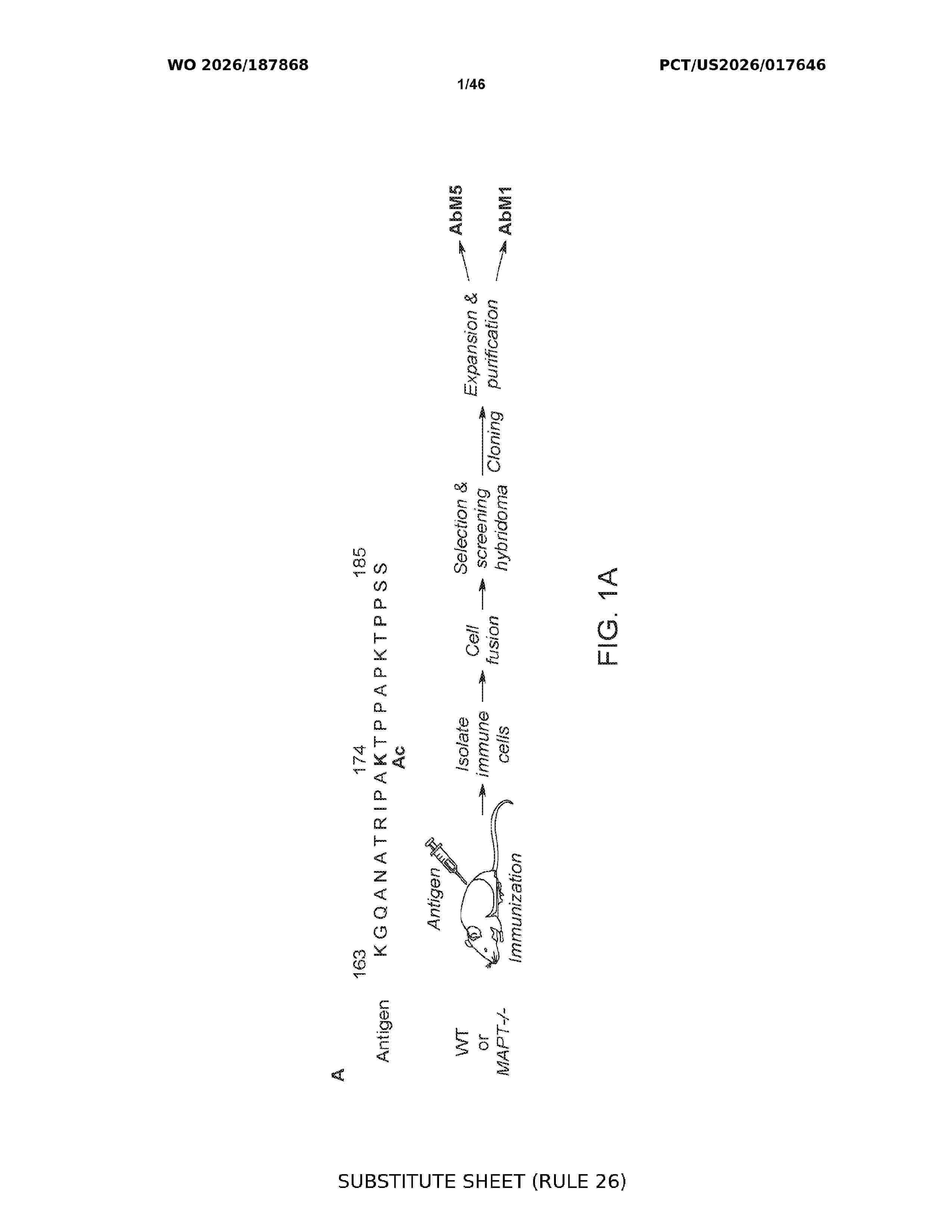
The present disclosure provides specific anti-ac-tauK174, anti-ac-tauK274, and ac-tauK353 antibodies, or antigen-binding fragments thereof, and methods of their use in diagnosing, differentiating, targeting, staging, prognosing, and/or treating Alzheimer's Disease and related tauopathies, including traumatic brain injury. Methods of identifying a subject having early Alzheimer's Disease and related tauopathies are also provided, the methods comprising detecting proteins using at least one anti-ac-tauK174 antibody, at least one anti-ac-tauK274 antibody, and/or at least one anti-ac-tauK353 antibody. In some embodiments, the subject is ApoE4-positive.
Resumen de: US20260265322A1
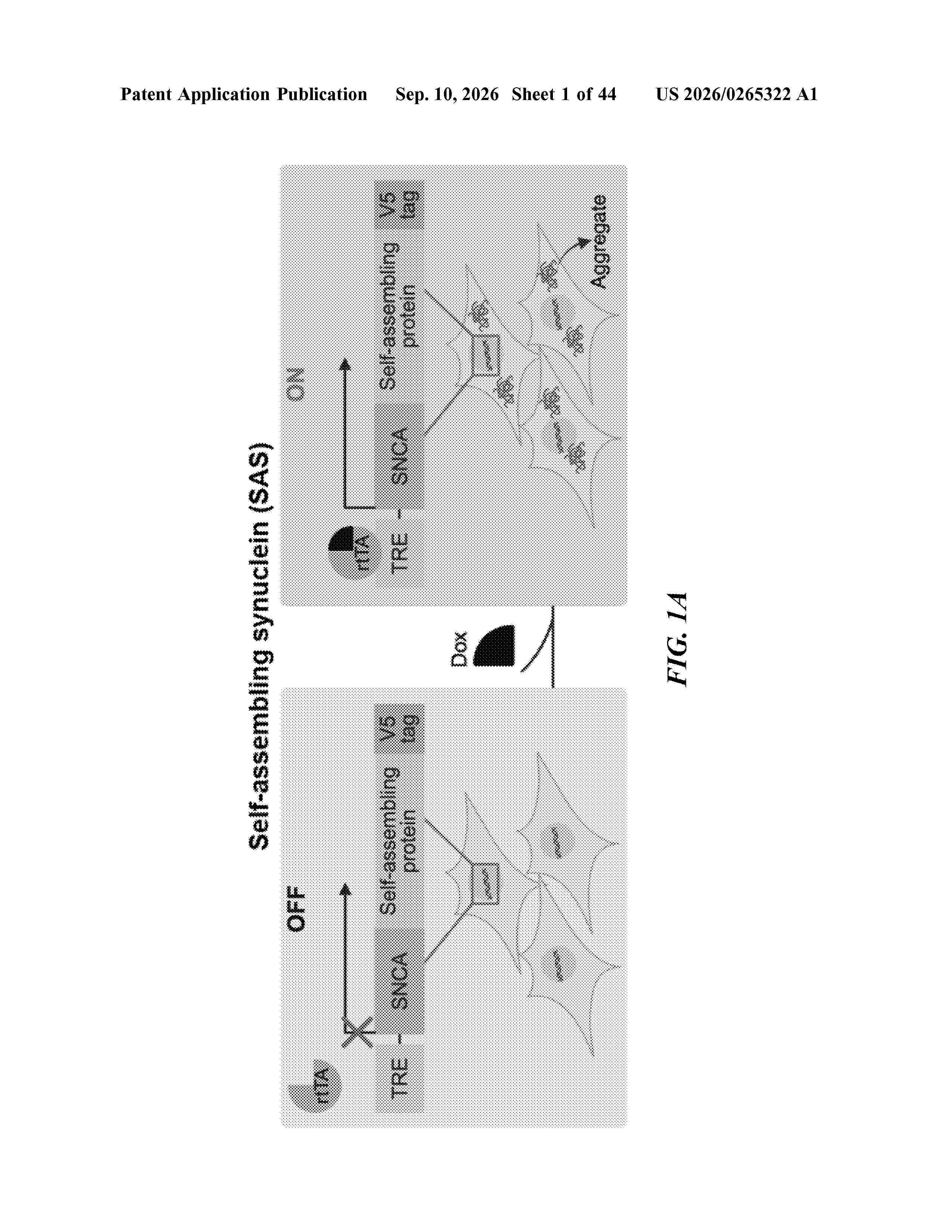
0000 Disclosed herein include polynucleotides, expression vectors and compositions enabling expression of a self-assembling proteopathic fusion protein comprising a self-assembling domain fused to a proteopathic polypeptide associated with a proteinopathy. The self-assembling proteopathic fusion protein is capable of forming intracellular protein aggregates that enable robust recapitulation of disease pathology. Provided herein also include methods of using the self-assembling systems disclosed herein to induce proteinopathies (e.g., neurodegenerative diseases) and to screen therapeutic compounds for the treatment of proteinopathies.
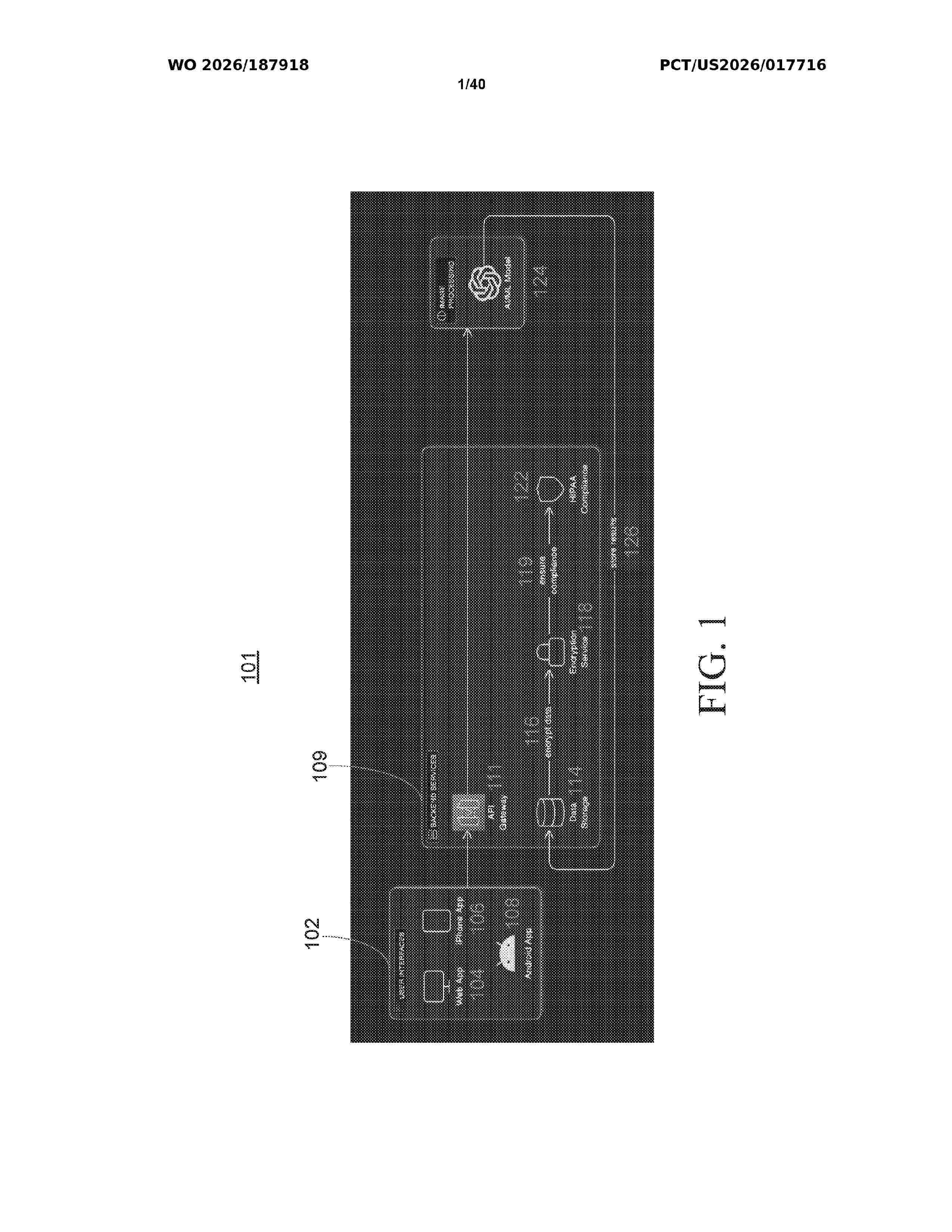
Nº publicación: WO2026187918A1 10/09/2026
Solicitante:
CONAN MEDTECH CORP [US]
CONAN MEDTECH CORP.
Resumen de: WO2026187918A1
Provided herein are systems, devices and methods relating to the diagnosis of traumatic brain injury. A mobile application uses a smartphone camera and an on-device artificial intelligence model to read lateral flow assay test strips and produce a concussion diagnostic result. The application determines whether a concussion biomarker is present in a sample and, when present, calculates a numeric intensity score that reflects the strength of the biomarker signal. Before displaying any result, the application automatically checks the image and test for a set of quality and validity conditions and, if any problem is found, tells the user specifically what went wrong and how to correct it. The application guides users through the entire testing process with a step-by-step interface designed to be usable without clinical training, stores all completed results on the device for longitudinal review, and can optionally receive data from a paired hardware lateral flow assay reader.
 BOPI
 Sede Electrónica