Si deseas distinguir tus productos, servicios o ambos de los de otra empresa, es posible que necesites una marca o nombre comercial. Descubre qué son, en qué consiste su procedimiento de registro y qué implica.

Información sobre los plazos de presentación de solicitudes de transformación de marcas de la Unión Europea en marca nacional española. Más información


Si tienes un nuevo dispositivo, producto o procedimiento que resuelva un problema técnico o tenga una ventaja práctica, existen distintas formas de protegerlo en España y en otros países. Descubre cómo hacerlo.

¿Tu innovación reside en la estética, la ornamentación o la apariencia de tu producto? Protégela mediante un diseño industrial. Descubre qué derechos confiere el registro y cómo realizar la tramitación.

Las indicaciones geográficas protegen el nombre de un producto originario de una zona geográfica, a la cual le debe una determinada calidad, reputación u otra característica. Descubre qué son, en qué consiste su procedimiento de registro y qué beneficios conceden.

Las patentes publicadas en todo el mundo son una valiosa fuente de información científica, técnica y comercial.
La Oficina de Propiedad Intelectual de la Unión Europea cierra la solicitud de ayuda del Fondo para pymes (SME Fund) hasta la siguiente convocatoria en 2026.

Si eres emprendedor/a o una empresa y quieres potenciar y mejorar la rentabilidad de tu negocio protegiendo de forma adecuada los activos intangibles de tu organización, en este espacio encontrarás lo necesario.


 84
resultados
84
resultados
 Última actualización
22/01/2026 [06:50:00]
Última actualización
22/01/2026 [06:50:00]


 Resultados 75 a 84 de 84
Resumen de: MX2025014304A
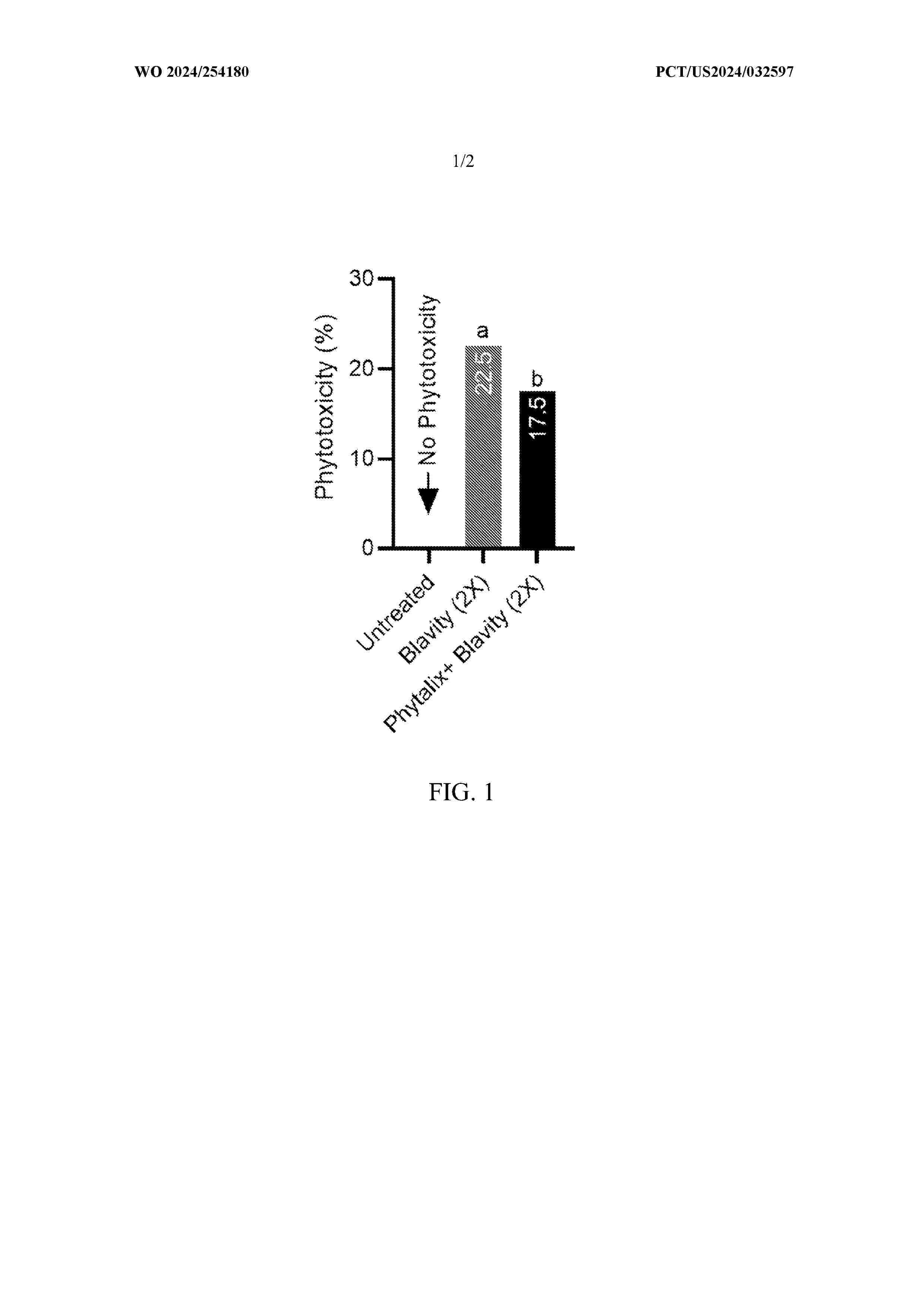
This application relates to the use of one or more ascarosides to mitigate the phytotoxic effects of agrichemicals. Various combinations can provide enhanced performance of agrichemicals, with certain combinations surprisingly exhibiting significant reductions in the phytotoxicity of agrichemicals. Various combinations can surprisingly be co-formulated to provide shelf-stable compositions.

Resumen de: MX2025013963A
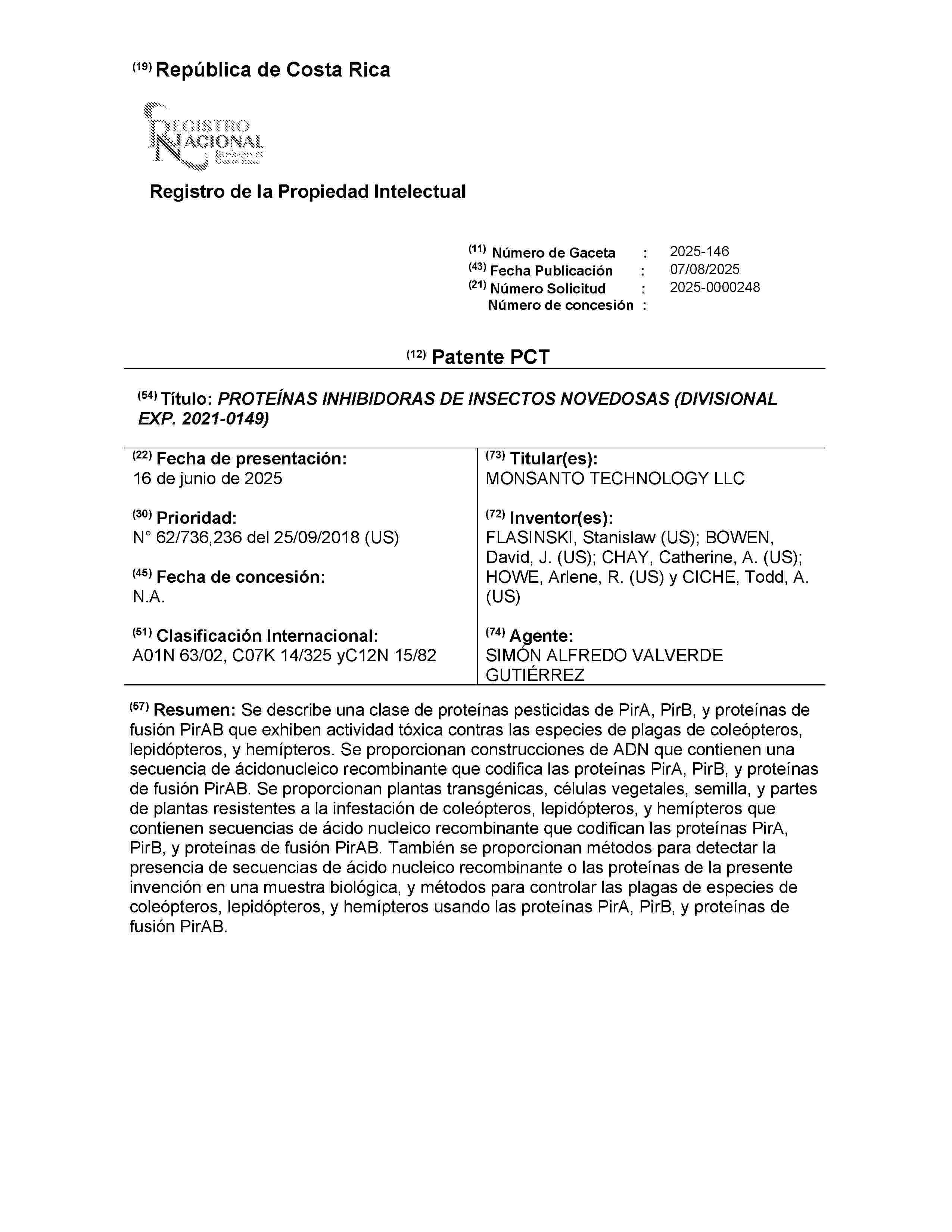
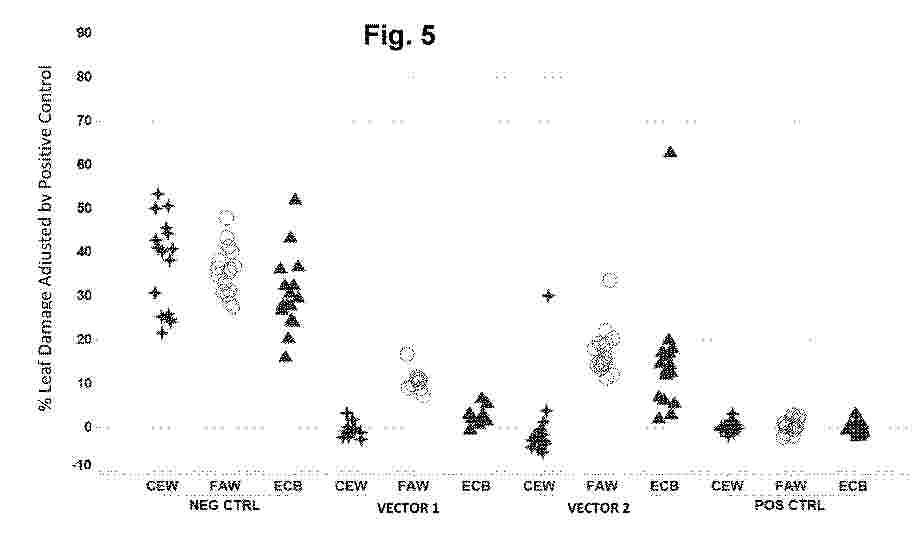
A pesticidal protein class of PirA, PirB, and PirAB fusion proteins exhibiting toxic activity against Coleopteran, Lepidopteran, and Hemipteran pest species is disclosed. DNA constructs are provided which contain a recombinant nucleic acid sequence encoding the PirA, PirB, and PirAB fusion proteins. Transgenic plants, plant cells, seed, and plant parts resistant to Coleopteran, Lepidopteran, and Hemipteran infestation are provided which contain recombinant nucleic acid sequences encoding the PirA, PirB, and PirAB fusion proteins. Methods for detecting the presence of the recombinant nucleic acid sequences or the proteins of the present invention in a biological sample, and methods of controlling Coleopteran, Lepidopteran, and Hemipteran species pests using the PirA, PirB, and PirAB fusion proteins are also provided.
Resumen de: MX2025013962A
A pesticidal protein class of PirA, PirB, and PirAB fusion proteins exhibiting toxic activity against Coleopteran, Lepidopteran, and Hemipteran pest species is disclosed. DNA constructs are provided which contain a recombinant nucleic acid sequence encoding the PirA, PirB, and PirAB fusion proteins. Transgenic plants, plant cells, seed, and plant parts resistant to Coleopteran, Lepidopteran, and Hemipteran infestation are provided which contain recombinant nucleic acid sequences encoding the PirA, PirB, and PirAB fusion proteins. Methods for detecting the presence of the recombinant nucleic acid sequences or the proteins of the present invention in a biological sample, and methods of controlling Coleopteran, Lepidopteran, and Hemipteran species pests using the PirA, PirB, and PirAB fusion proteins are also provided.
Resumen de: MX2025013961A
A pesticidal protein class of PirA, PirB, and PirAB fusion proteins exhibiting toxic activity against Coleopteran, Lepidopteran, and Hemipteran pest species is disclosed. DNA constructs are provided which contain a recombinant nucleic acid sequence encoding the PirA, PirB, and PirAB fusion proteins. Transgenic plants, plant cells, seed, and plant parts resistant to Coleopteran, Lepidopteran, and Hemipteran infestation are provided which contain recombinant nucleic acid sequences encoding the PirA, PirB, and PirAB fusion proteins. Methods for detecting the presence of the recombinant nucleic acid sequences or the proteins of the present invention in a biological sample, and methods of controlling Coleopteran, Lepidopteran, and Hemipteran species pests using the PirA, PirB, and PirAB fusion proteins are also provided.
Resumen de: MX2025013959A
A pesticidal protein class of PirA, PirB, and PirAB fusion proteins exhibiting toxic activity against Coleopteran, Lepidopteran, and Hemipteran pest species is disclosed. DNA constructs are provided which contain a recombinant nucleic acid sequence encoding the PirA, PirB, and PirAB fusion proteins. Transgenic plants, plant cells, seed, and plant parts resistant to Coleopteran, Lepidopteran, and Hemipteran infestation are provided which contain recombinant nucleic acid sequences encoding the PirA, PirB, and PirAB fusion proteins. Methods for detecting the presence of the recombinant nucleic acid sequences or the proteins of the present invention in a biological sample, and methods of controlling Coleopteran, Lepidopteran, and Hemipteran species pests using the PirA, PirB, and PirAB fusion proteins are also provided.
Resumen de: MX2025011583A
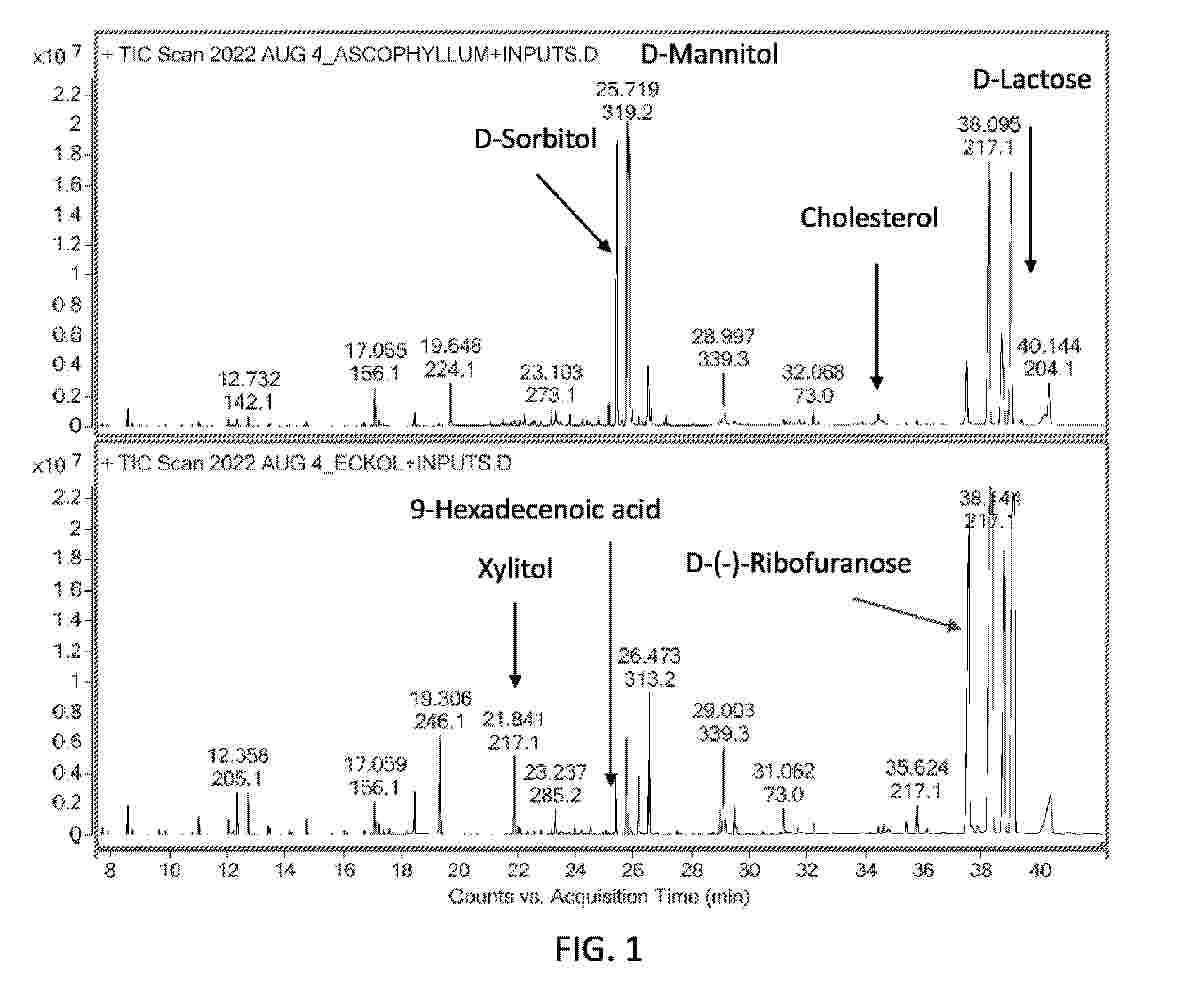
Biostimulant compositions made by digestion of <i>Ecklonia maxima</i> feedstock and methods of promoting plant growth by contacting plants, plant seeds, or plant growth media with such compositions.
Resumen de: MX2025011267A
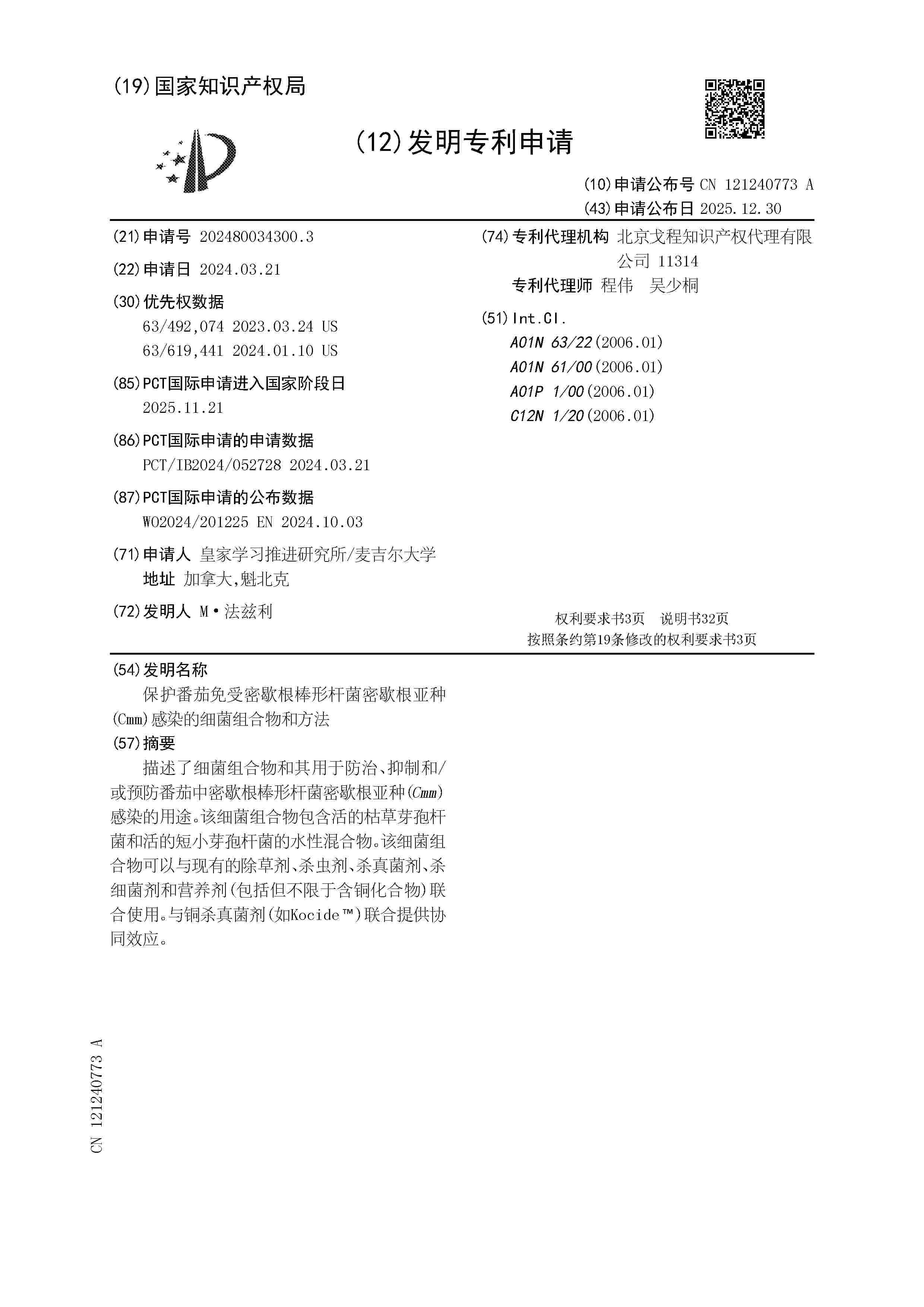
Described are bacterial compositions and uses thereof for controlling, suppressing and/or preventing an infection from Clavibacter michiganensis subsp. michiganensis (Cmm) in tomato. The bacterial compositions comprise an aqueous mixture of living Bacillus subtilis and living Bacillus pumilus. The bacterial compositions can be combined with existing herbicides, insecticides, fungicides, bactericides, and nutrient, including but not limited copper-containing compounds. Combination with a copper fungicide such as Kocideâ¿¢ provides a synergistic efficacy.
Resumen de: MX2025010521A
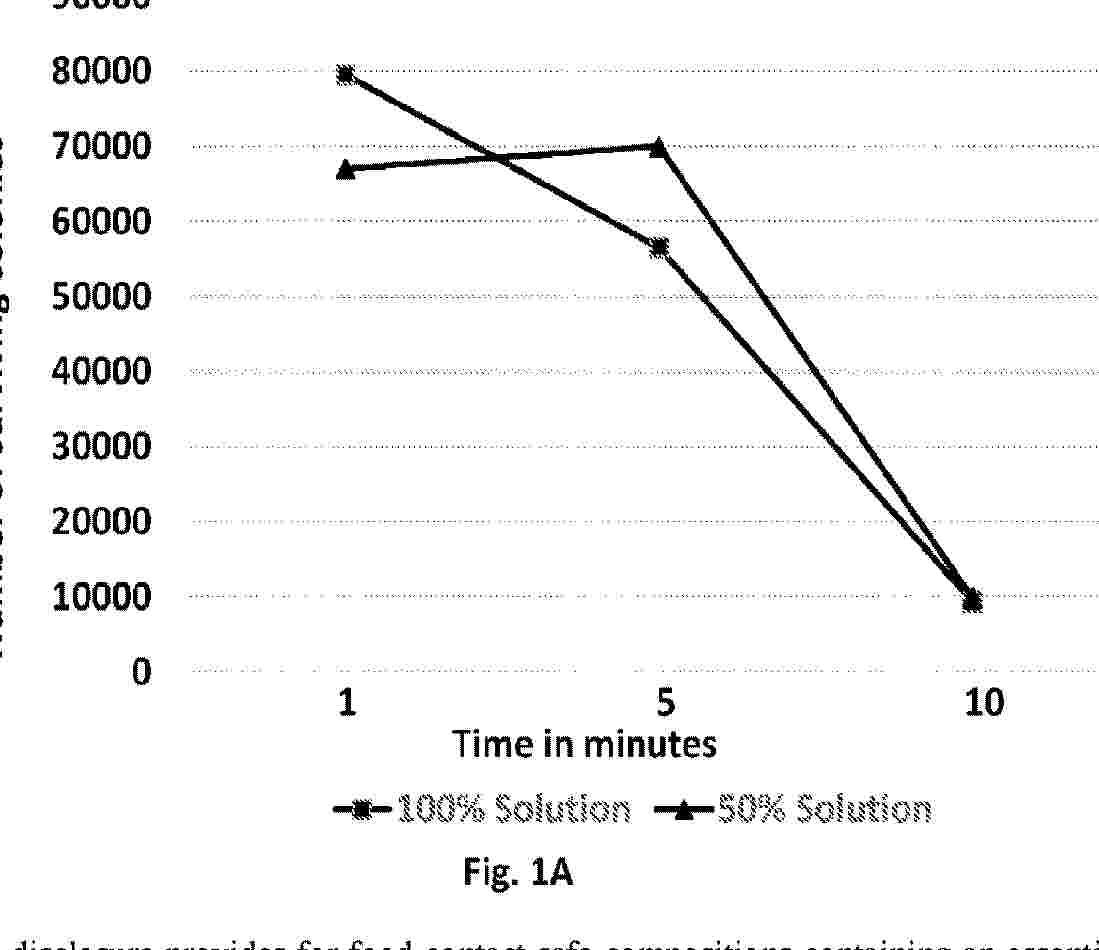
The present disclosure provides for food contact safe compositions containing an essential oil complex, methods for preparing the food contact safe composition containing an essential oil complex, and method of disinfecting and maintaining the pathogenic sterility of an article when exposed to food contact safe compositions. These food contact safe compositions which contain a metal ion and an essential oil complex are light-stable, non-toxic, non-corrosive, and achieve a greater than 99% kill rate against a variety of pathogens for a period of time greater than 1 day on a variety of articles.
Nº publicación: EP4674268A2 07/01/2026
Solicitante:
PIONEER HI BRED INT [US]
HEXIMA LTD [AU]
Pioneer Hi-Bred International, Inc,
Hexima Limited
Resumen de: EP4674268A2
Compositions and methods for controlling pests are provided. The methods involve transforming organisms with a nucleic acid sequence encoding an insecticidal protein. In particular, the nucleic acid sequences are useful for preparing plants and microorganisms that possess insecticidal activity. Thus, transformed bacteria, plants, plant cells, plant tissues and seeds are provided. Compositions are insecticidal nucleic acids and proteins of bacterial species. The sequences find use in the construction of expression vectors for subsequent transformation into organisms of interest including plants, as probes for the isolation of other homologous (or partially homologous) genes. The pesticidal proteins find use in controlling, inhibiting growth or killing Lepidopteran, Coleopteran, Dipteran, fungal, Hemipteran and nematode pest populations and for producing compositions with insecticidal activity.
 BOPI
BOPI
 Sede Electrónica