Si deseas distinguir tus productos, servicios o ambos de los de otra empresa, es posible que necesites una marca o nombre comercial. Descubre qué son, en qué consiste su procedimiento de registro y qué implica.

Información sobre los plazos de presentación de solicitudes de transformación de marcas de la Unión Europea en marca nacional española. Más información


Si tienes un nuevo dispositivo, producto o procedimiento que resuelva un problema técnico o tenga una ventaja práctica, existen distintas formas de protegerlo en España y en otros países. Descubre cómo hacerlo.

¿Tu innovación reside en la estética, la ornamentación o la apariencia de tu producto? Protégela mediante un diseño industrial. Descubre qué derechos confiere el registro y cómo realizar la tramitación.

Las indicaciones geográficas protegen el nombre de un producto originario de una zona geográfica, a la cual le debe una determinada calidad, reputación u otra característica. Descubre qué son, en qué consiste su procedimiento de registro y qué beneficios conceden.

Las patentes publicadas en todo el mundo son una valiosa fuente de información científica, técnica y comercial.

Si eres emprendedor/a o una empresa y quieres potenciar y mejorar la rentabilidad de tu negocio protegiendo de forma adecuada los activos intangibles de tu organización, en este espacio encontrarás lo necesario.


 822
resultados
 Última actualización
11/11/2026 [08:38:00]


 Resultados 625 a 650 de 822

Resumen de: US20260341095A1
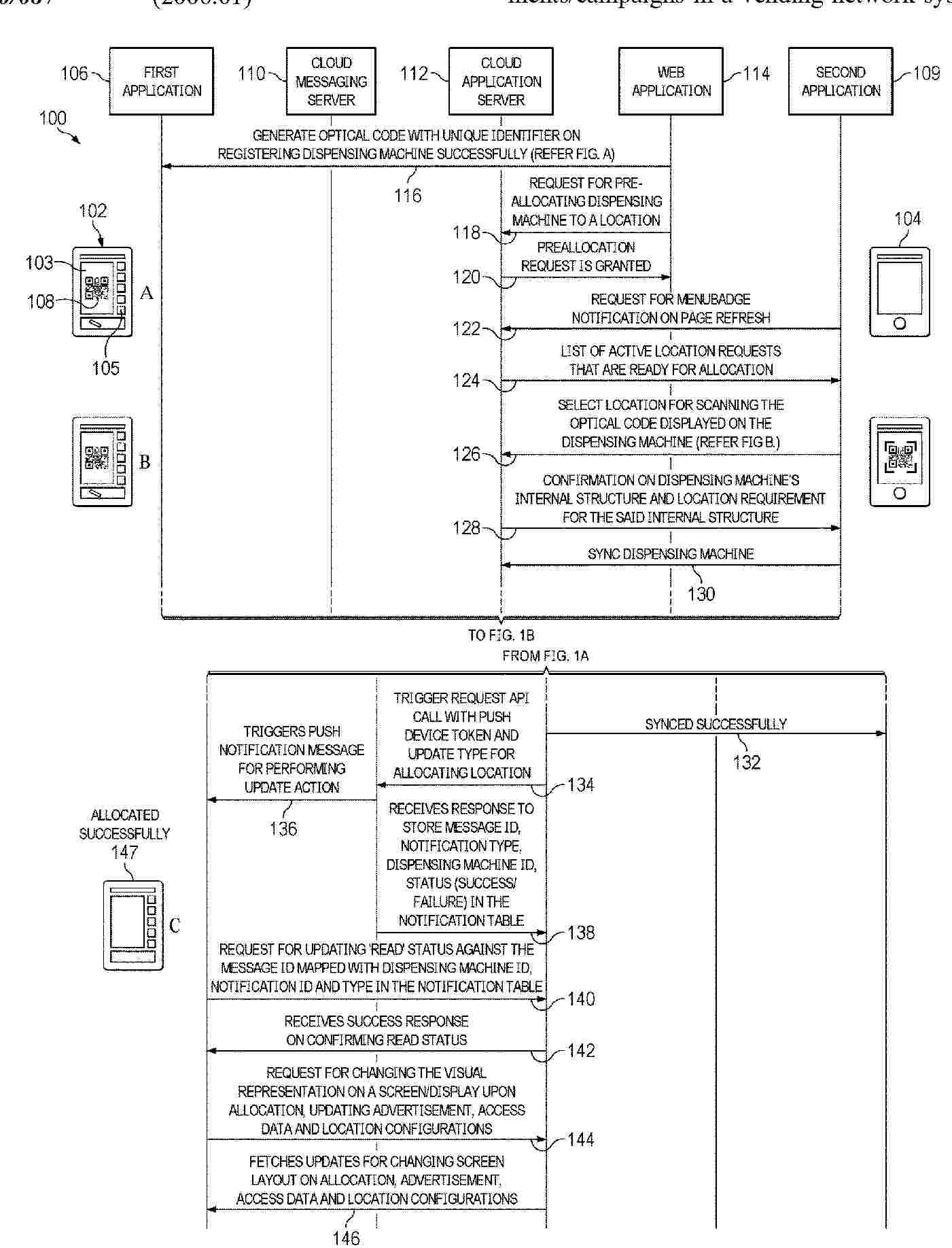
Systems and methods of the present disclosure relate to server connectivity for a dispensing machine and related processes such as mapping of a vending machine to a location via a network server and software application using an optical code; updating a planogram for a vending machine via a network server; updating inventory/pricing for items in a vending machine via a server using a second application; updating authorized personnel access data on a vending machine via a server; and managing advertisements/campaigns in a vending network system.

Resumen de: US20260339349A1
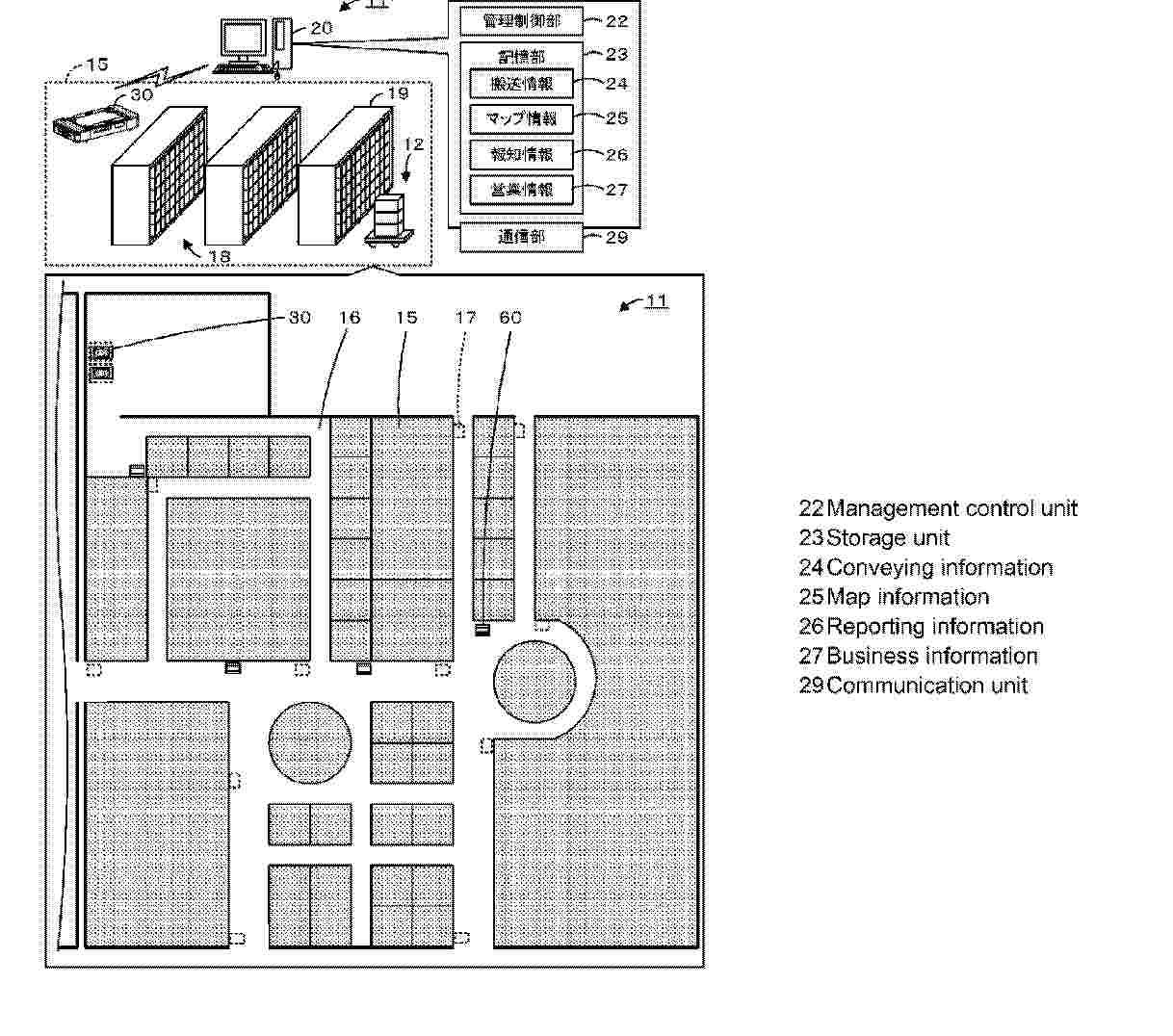
An automatic moving device of the present disclosure is an automatic moving device for use in a conveyance system configured to convey an article, the automatic moving device includes: a drive section configured to drive traveling wheels provided in a vehicle body section; a loading section disposed in the vehicle body section and configured to load or engage with a conveyance object; and a control section configured to control the drive section and the loading section, in which the control section is configured to control the loading section and the drive section such that the loading section loads or engages with a signage including a notification section configured to give notification of information, and the traveling wheels are driven and the vehicle body section moves in a specific space.
Resumen de: US20260340573A1
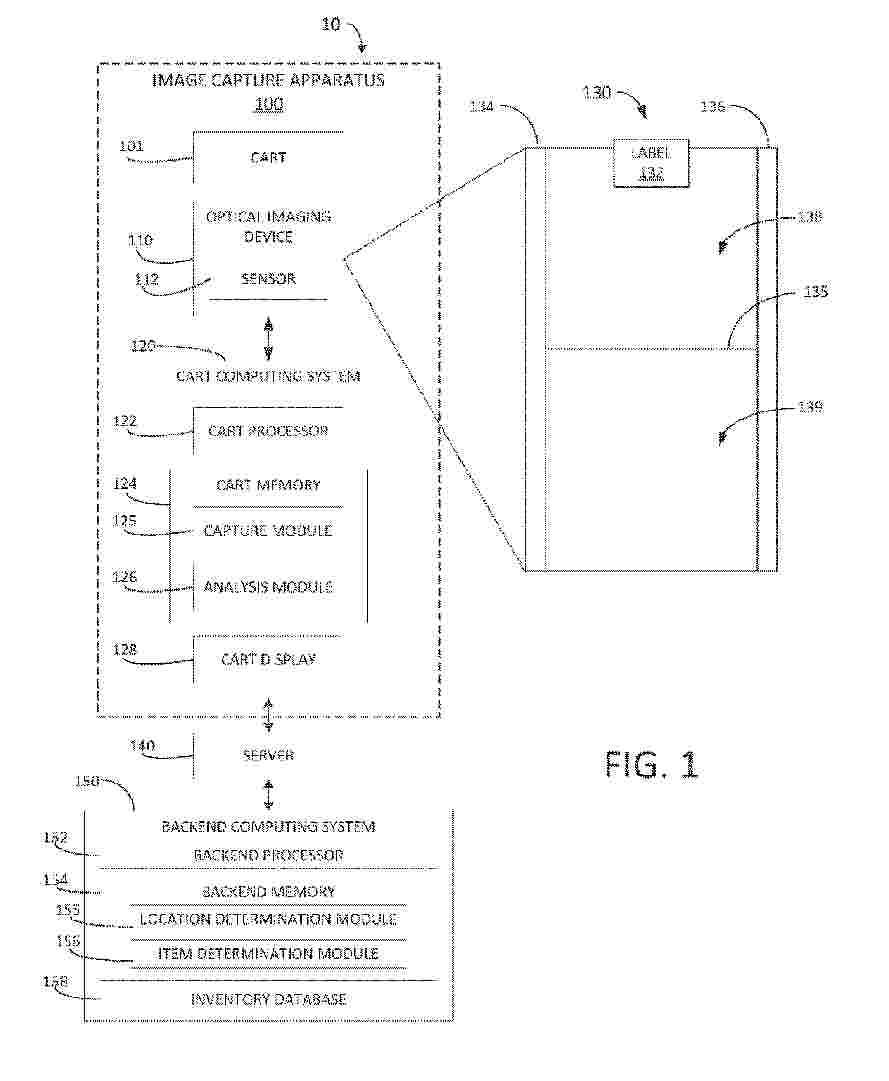
A system for image-based inventory determination including a cart. The cart includes a camera and a cart computing system in communication with the camera. The cart computing system includes a cart processor and a cart memory storing instructions that, when executed by the cart processor, cause the cart computing system to capture and store a set of images from the camera; process the set of images to identify an image of the set of images that displays a section of shelving having both a left vertical beam and a right vertical beam; and transmit the identified image to a remote server.
Resumen de: US20260340583A1
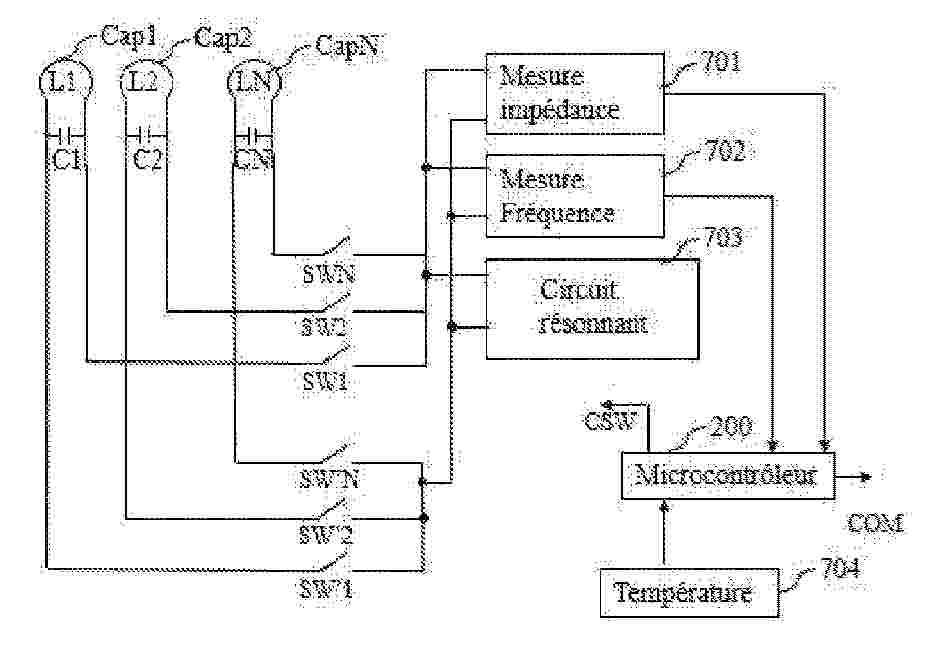
A system for inventorying objects contained in a closed space delimited by an enclosure, including at least one electronic card, the electronic card includes a plurality of sensors, each sensor consisting of an electronic circuit composed of an inductor and a capacitor, activating measurements of at least one characteristic of at least one set of electronic circuits composed of an inductor and a capacitor, activating a comparison of each measured characteristic with a determined reference characteristic, and activating a determination of the presence of an object according to at least one comparison result.
Resumen de: US20260340659A1
A tag for article identification according to the present disclosure is attached to an article, the tag comprising a first tag part that includes a fine substance representing a first identifier and a second tag part, it being possible to acquire a second identifier from the second tag part through a method that is different from the method for acquiring the first identifier from the first tag part.
Resumen de: CN117371716A
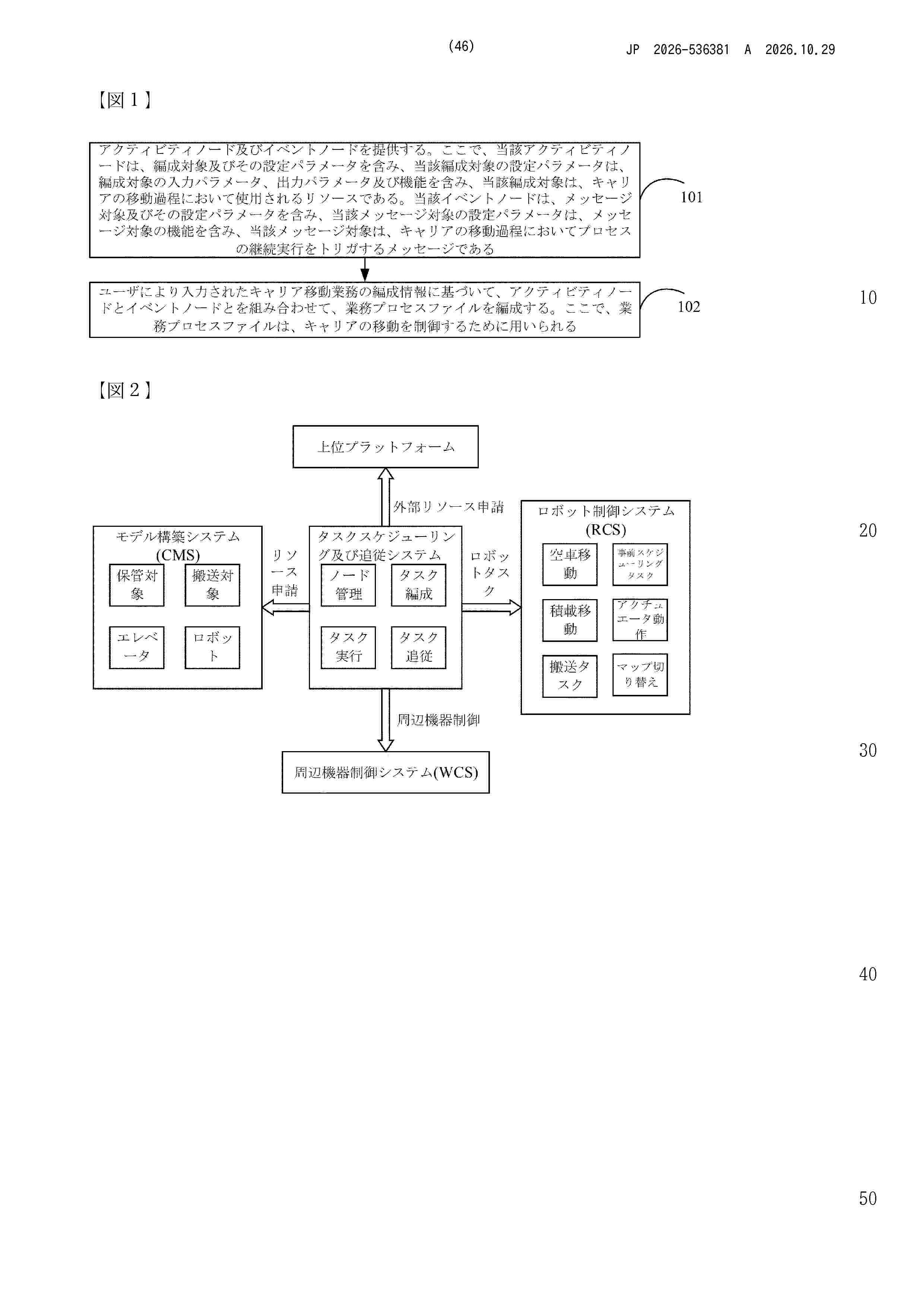
The invention provides a carrier mobile service arrangement method, system and equipment, and the method comprises the steps: providing an active node and an event node, the active node comprises an arrangement object and configuration parameters thereof, the configuration parameters comprise input parameters, output parameters and functions of the arrangement object, and the arrangement object is a resource used in a carrier moving process; the event node comprises a message object and a configuration parameter thereof, the configuration parameter comprises a function of the message object, and the message object is a message for triggering a flow to continue to be executed in a carrier moving process; arranging a business process file by combining the active node and the event node based on carrier mobile business arrangement information input by a user; wherein the business process file is used for controlling the movement of the carrier. According to the technical scheme, the flexibility of the scheduling system can be improved, and the development workload of research and development personnel can be reduced. The problems that an existing scheduling system is large in customization amount, much in business entrainment and frequent in research and development due to code modification are solved.
Resumen de: CN117371911A
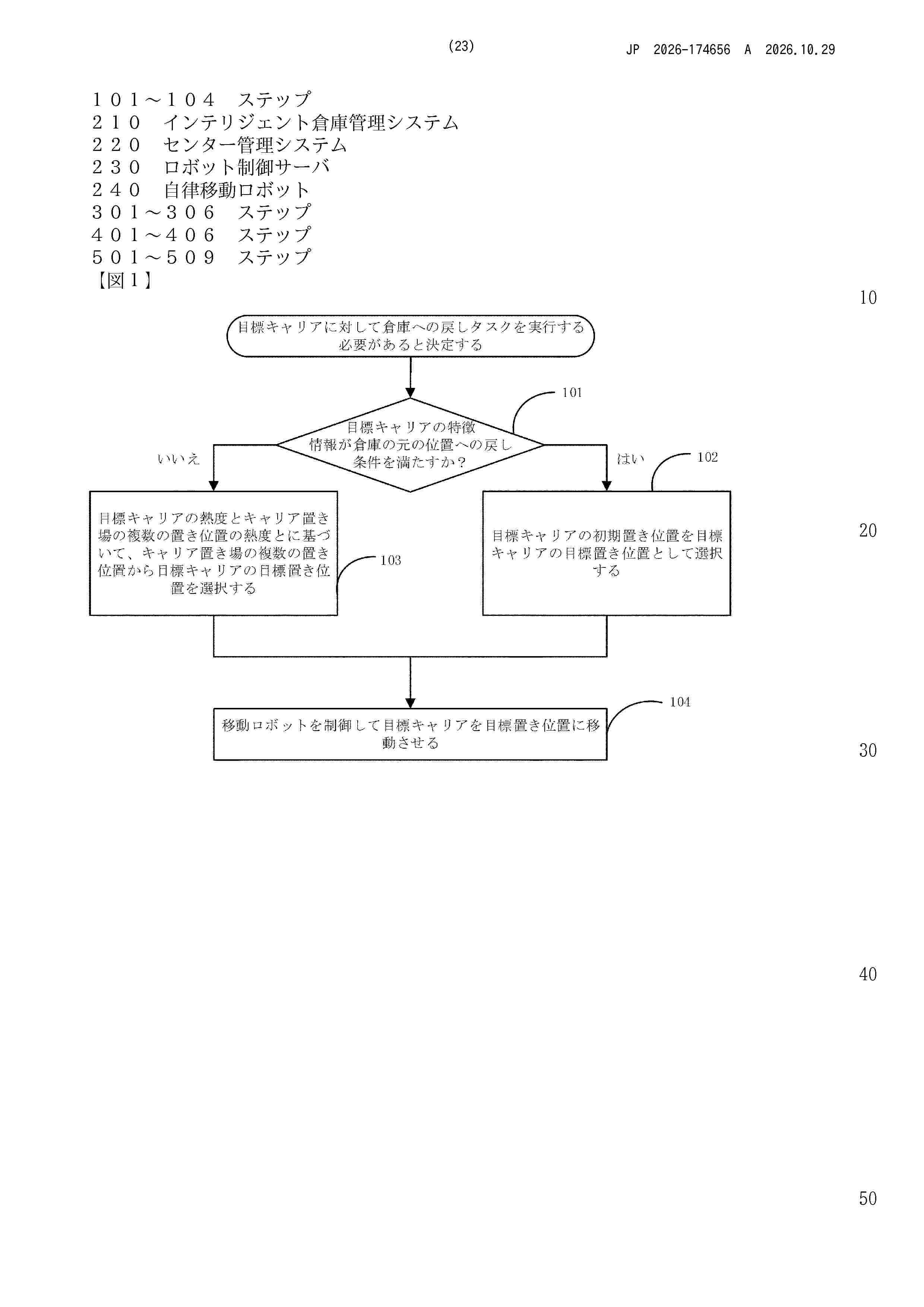
The invention provides a carrier library returning method, device and equipment, and the method comprises the steps: determining whether the feature information of a target carrier meets a library returning original position condition or not when a library returning task needs to be executed on the target carrier; if yes, a target placement position of a target carrier is selected from multiple placement positions of a carrier placement area, and the target placement position is the initial placement position of the target carrier; if not, selecting a target placement position of the target carrier from a plurality of placement positions based on the cold and hot degrees of the target carrier and the cold and hot degrees of the plurality of placement positions of the carrier placement area; and controlling a mobile robot to move the target carrier to the target placement position. Through the technical scheme of the invention, the warehouse management efficiency is improved, the placement position is reasonably used, the operation efficiency can be improved, and the warehouse-out efficiency and the warehouse-in efficiency are improved.
Resumen de: US20260340394A1
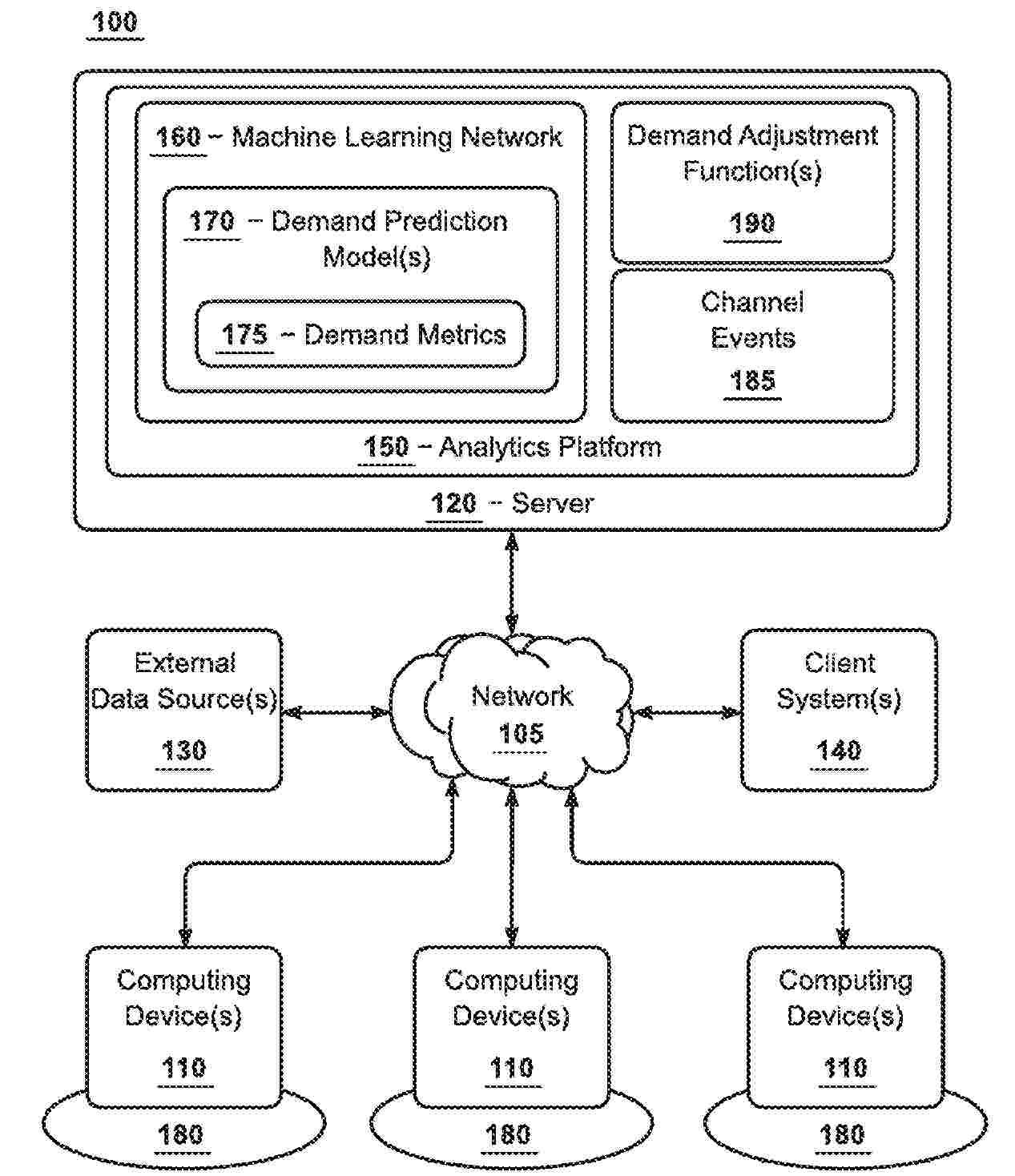
This disclosure relates to artificial intelligence (AI) and machine learning networks for predicting or determining demand metrics across multiple channels. An analytics platform can receive channel events from multiple channels corresponding to geographic areas, and channel features related to demand conditions in the channels can be extracted from the channel events. During a training phase, the channel features can be accumulated into one or more training datasets for training one or more demand prediction models. The one or more demand prediction models can be trained to predict or determine demand metrics for each of the channels. The demand metrics can indicate or predict demand conditions based on the current conditions in the channels and/or based on future, predicted conditions in the channels. Other embodiments are disclosed herein as well.
Resumen de: JP2026173470A
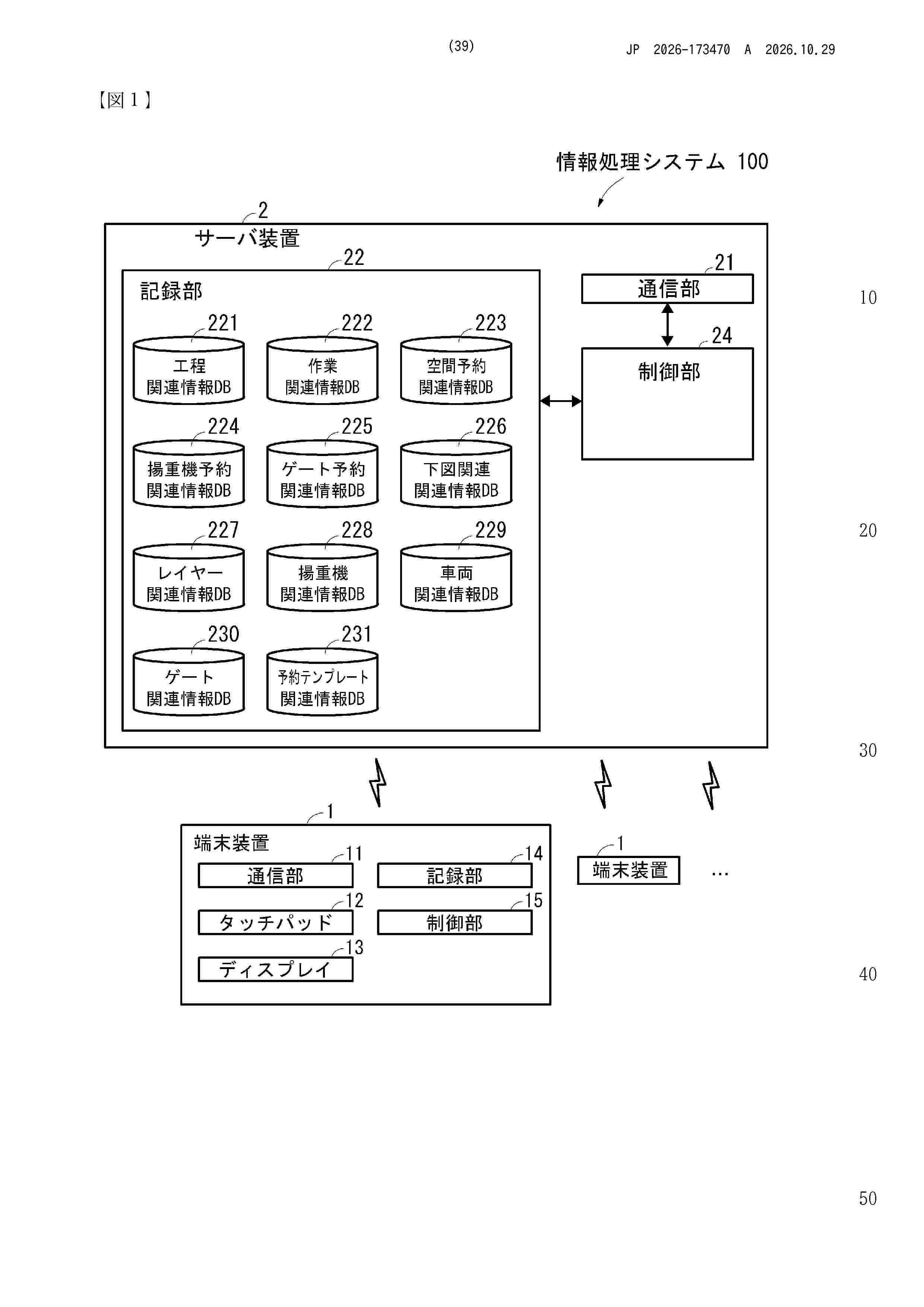
【課題】工事現場をより確実に管理することが可能となる管理システム及び管理プログラムを提供する事を目的とする。【解決手段】工事現場で行われる作業の工程を管理するための工程情報が格納されている工程格納手段と、工事現場の作業に関連する作業空間に関する予約を管理するための作業空間予約情報と、工事現場で用いられる機器に関する予約を管理するための機器予約情報と、工事現場における搬出入に関する予約を管理するための搬出入予約情報とが格納されている予約関連格納手段と、予約関連格納手段に格納されている作業空間予約情報、機器予約情報、及び搬出入予約情報に基づいて、工事現場を管理するための管理処理を行う管理手段としての制御部24と、を備え、作業空間予約情報、機器予約情報、及び搬出入予約情報と、工程情報とは、工事現場で行われる作業を基準として、相互に関連付けられている。【選択図】図1
Resumen de: WO2025129335A1
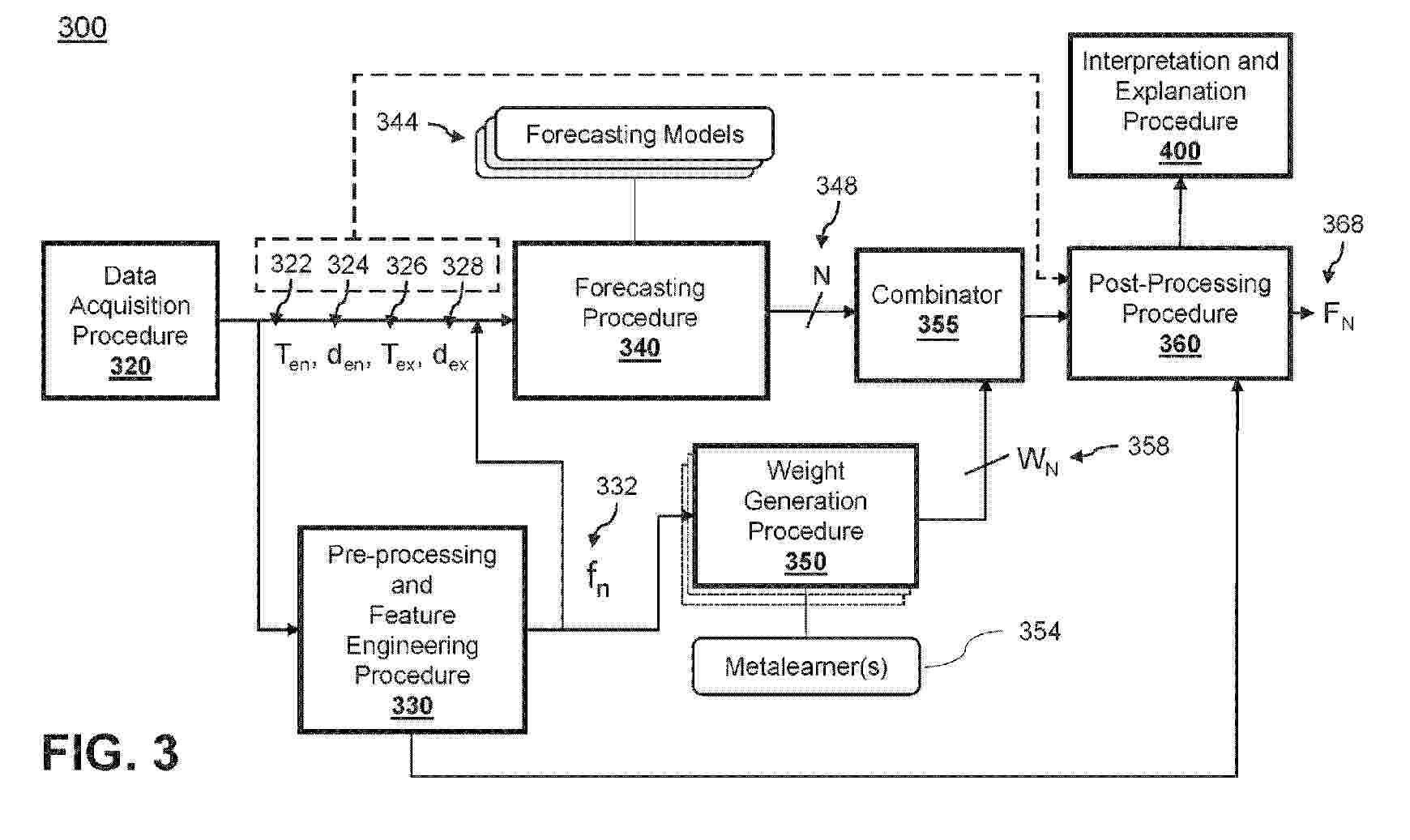
There are provided methods, systems, and non-transitory storage mediums for performing a meta-prediction of time series by using a set of forecasting models each associated with a forecasting theme. Time series data is received, and a set of forecast signals is generated. At least one signal and feature processing model generates a set of features. A meta-leamer having been trained on historical time series data generates, based on the time series data and the set of features, a set of weights for the set of forecasting models. A meta-prediction is generated by using the set of features and forecast signals. Implementations may use combinations of endogenous and exogenous data, latent space transformations and generate interpretations and explanations for the meta-prediction.
Resumen de: WO2025136935A1
An RFID tag IC implements several volatile flags, each of which can be mapped to one or more nonvolatile memory locations in the RFID tag IC. Memory-mapped volatile flags can be accessed directly, such as by specifying the flag in a Query command, or indirectly, such as by specifying the memory location that the flag is mapped to in appropriate fields of a Select command. When a command received from an RFID reader specifies a volatile flag using its memory-mapped location, the RFID tag IC is configured to refer to the current state or value of the volatile flag to proceed with the command.
Resumen de: WO2025136201A1
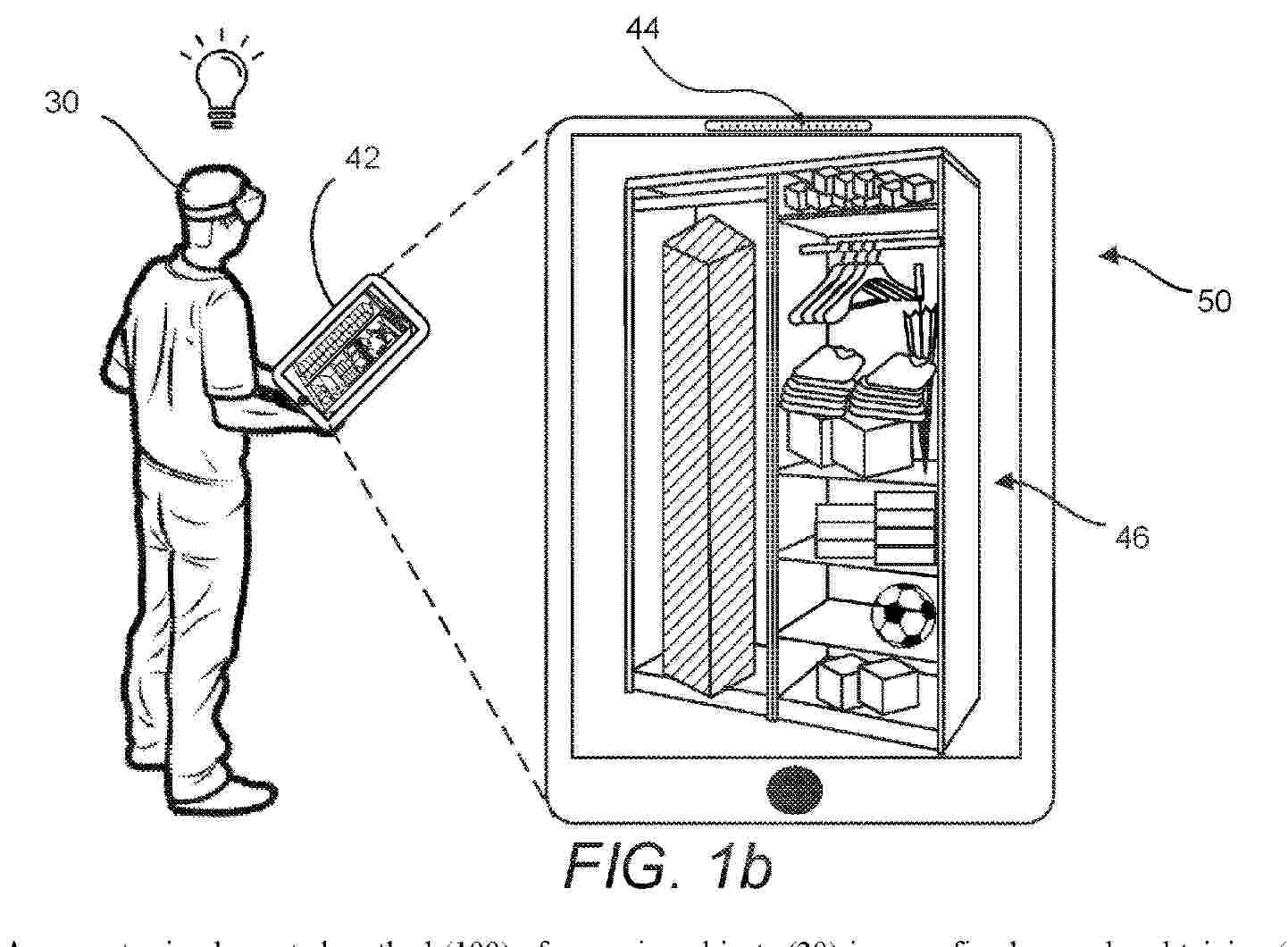
A computer-implemented method (100) of arranging objects (20) in a confined space by obtaining (110; 120) space availability data and space occupancy data indicating dimensions of the confined space and objects respectively, and comparing (130) the prevailing scene to a predetermined set comprising one or more optimized space allocations, the optimized space allocations indicating a more optimized way of arranging the confined space (10). Upon the comparison indicating a suboptimal arrangement of the objects (20) within the confined space (10) the method further involves determining (140) an allocation scheme and providing (150) space allocation instructions to a user based on said allocation scheme.
Resumen de: US20250211327A1
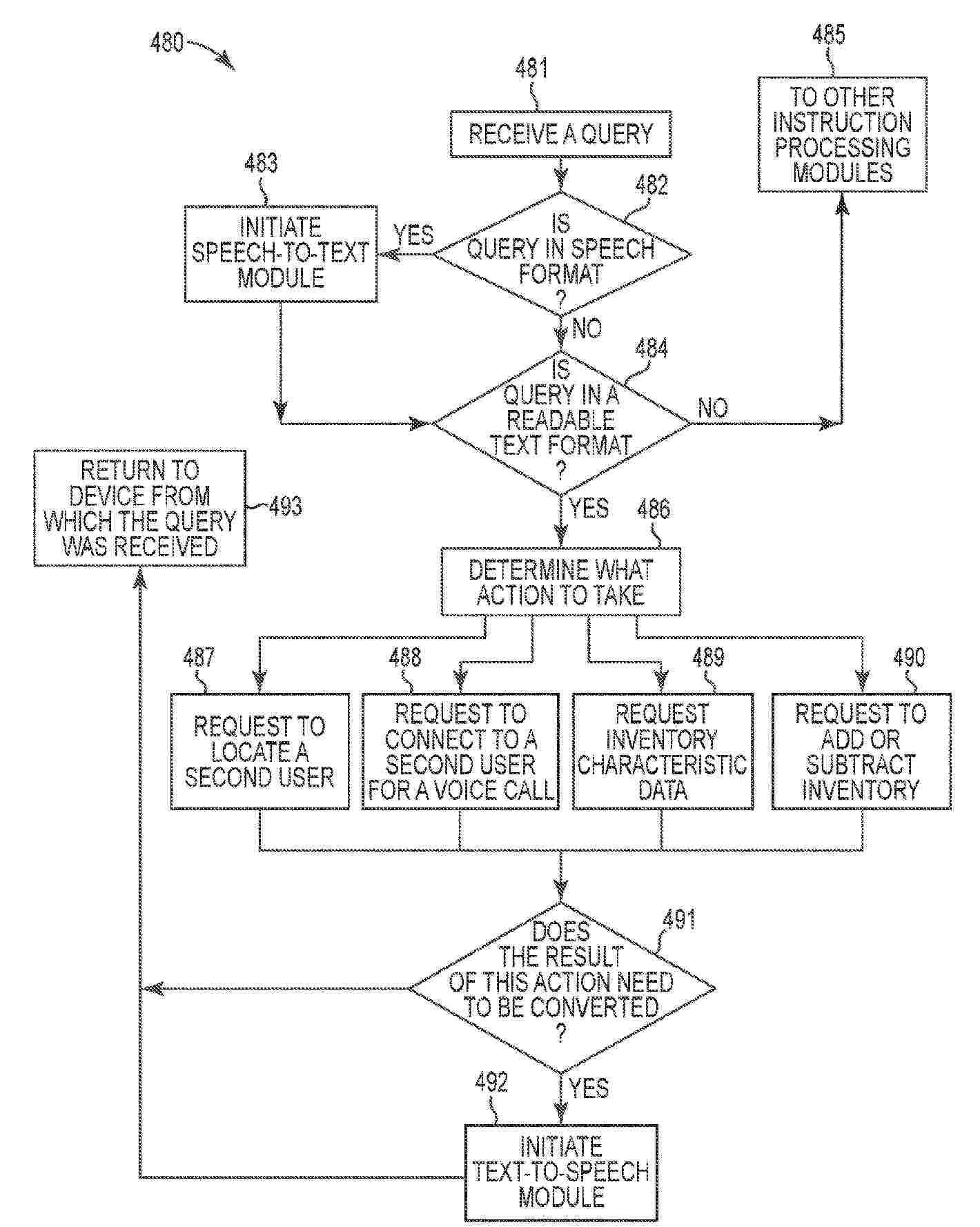
0000 Systems, methods, and devices for providing medium range communication between portable devices are provided herein. One method includes receiving a query from a portable device within a medium range communication area of a medium range connection device; determining whether the query is in speech format; determining whether the query is a computing device readable text format; determining an action to take with the computing device and taking the determined action that produces a result of the query; and returning the result of the action to the portable device from which the query was received.
Resumen de: WO2025131611A1
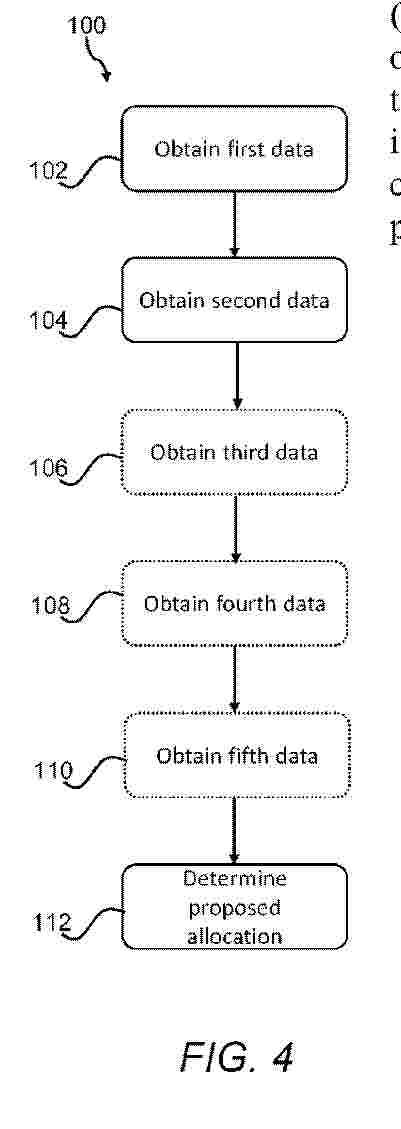
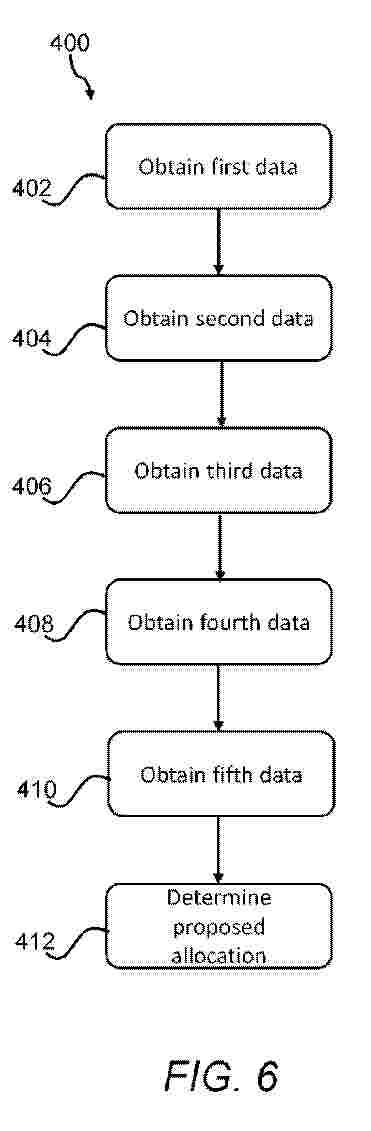
A computer-implemented method of allocating a vessel to a berth at a terminal includes obtaining first data indicative of at least one of a departure time of the vessel from a previously scheduled terminal and an arrival time of the vessel at a next scheduled terminal. The computer-implemented method includes obtaining second data indicative of a fuel operation of the vessel associated with a possible allocation of the vessel to the berth. The computer-implemented method includes determining, based at least in part on the first and second data, a proposed allocation of the vessel to the berth.
Resumen de: EP4831904A1
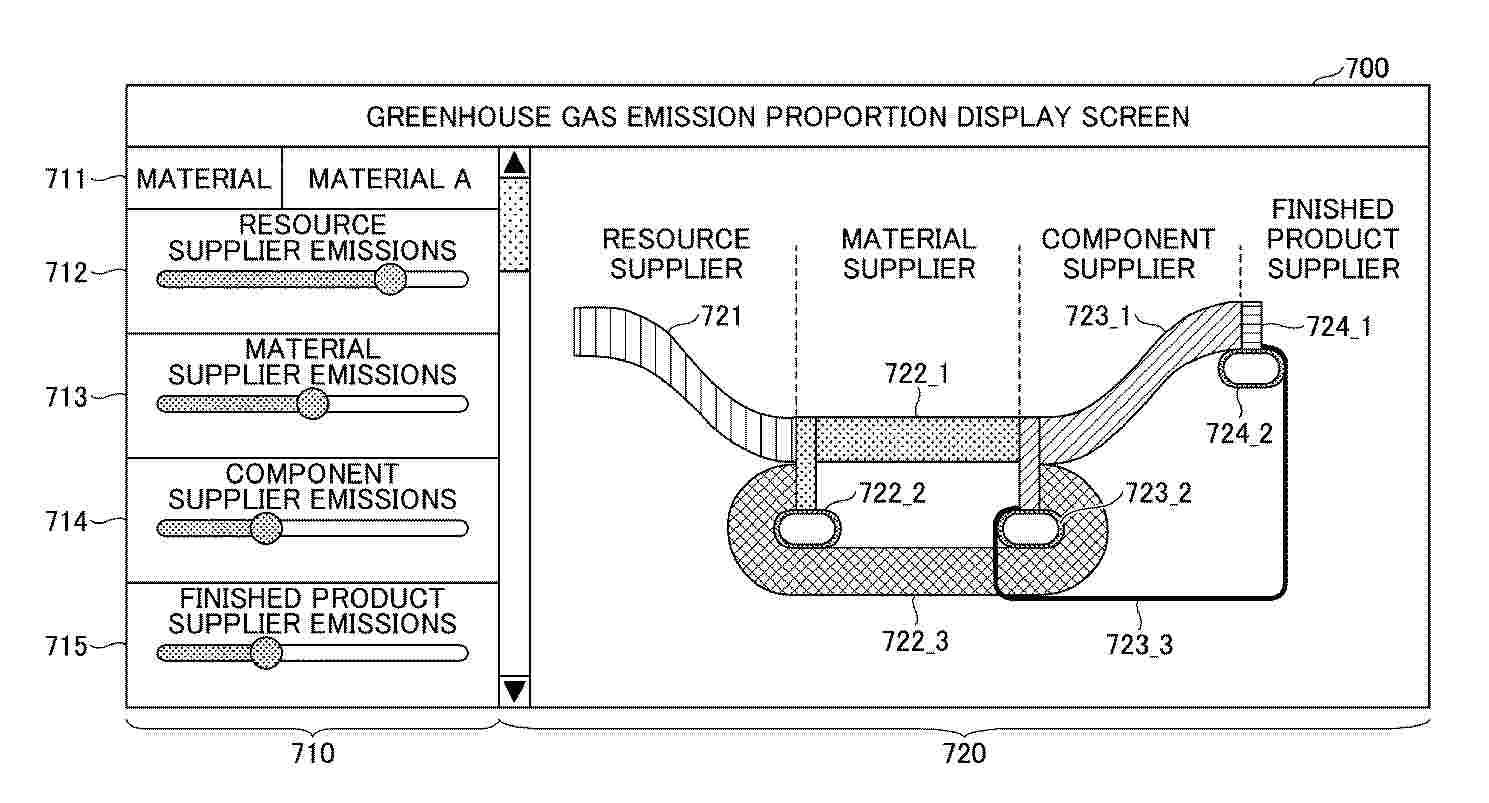
0001 Initiatives to reduce greenhouse gas emissions throughout an entire supply chain are facilitated. A visualization device includes: an acquisition unit configured to acquire first greenhouse gas emissions resulting from production of a unit amount of an n-th product by an n-th entity among N entities in a supply chain, second greenhouse gas emissions resulting from production of 1st to (n-1)-th products by 1st to (n-1)-th entities, the 1st to (n-1)-th products being used to produce the unit amount of the n-th product, and third greenhouse gas emissions resulting from production of (n+1)-th to N-th products by (n+1)-th to N-th entities, the (n+1)-th to N-th products being produced by using the unit amount of the n-th product; and a visualization unit configured to visualize greenhouse gas emissions of the N entities in the supply chain, using a proportion of the second greenhouse gas emissions relative to the first greenhouse gas emissions and a proportion of the third greenhouse gas emissions relative to the first greenhouse gas emissions.
Resumen de: WO2025131915A1
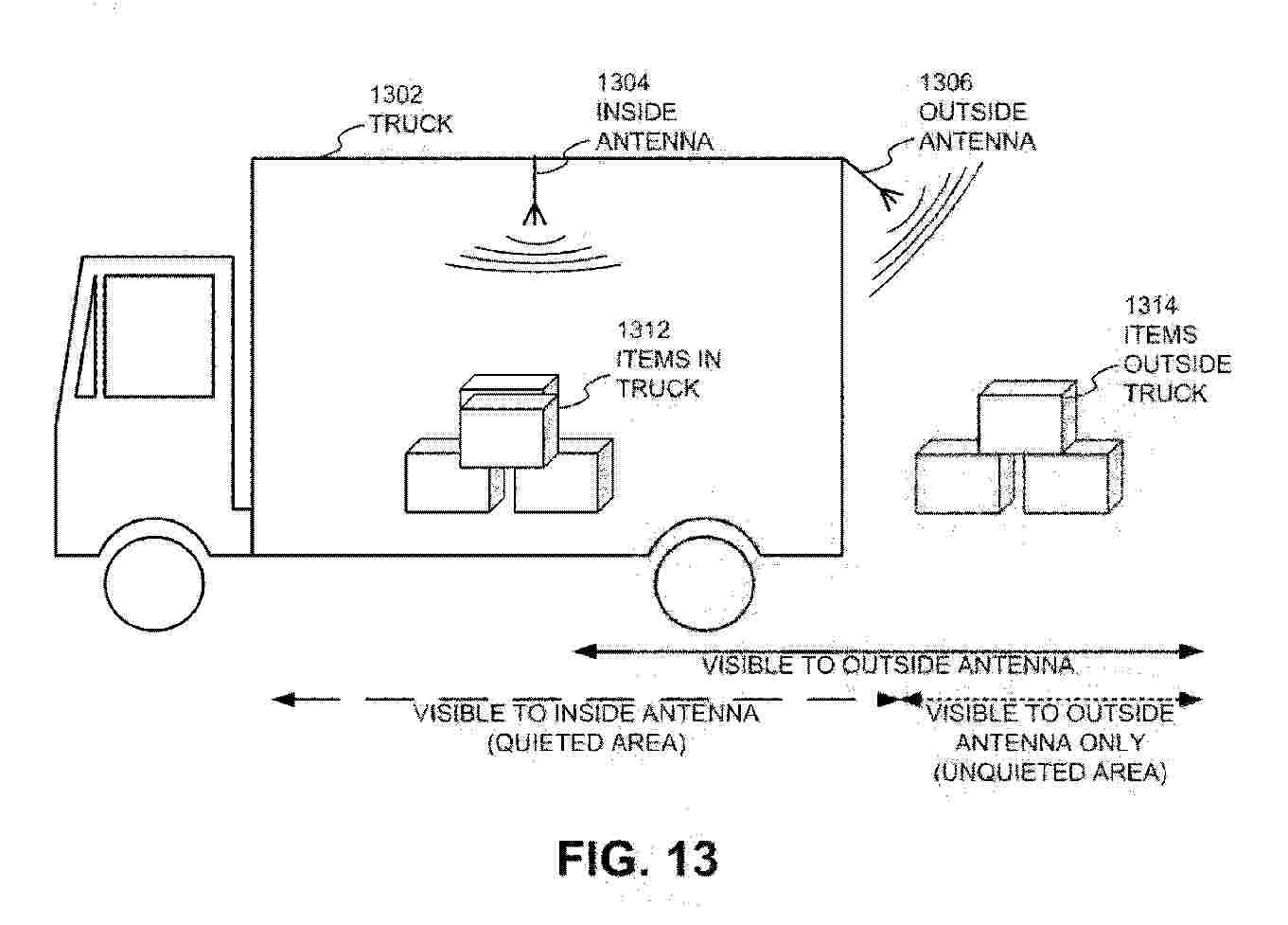
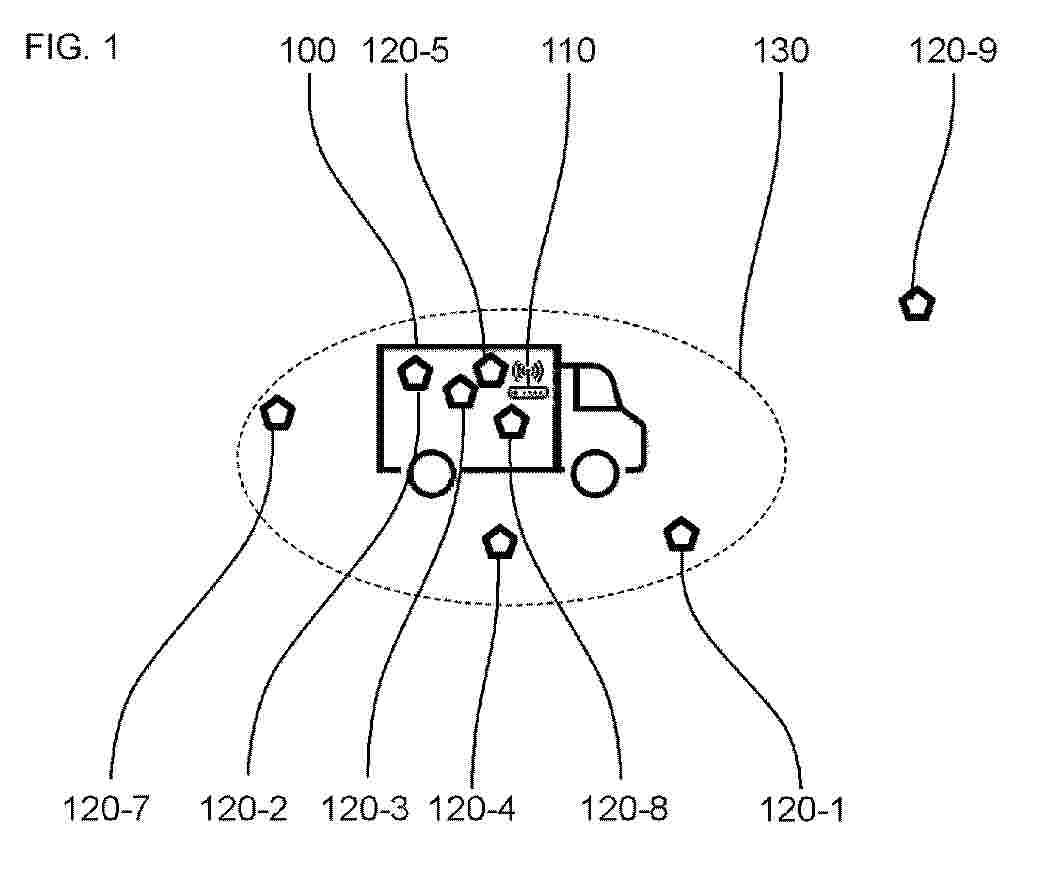
A method to determine assets which are present on a vehicle includes the steps: determining at a first time a first set of assets by an asset detector, the asset detector being on the vehicle; determining at a second time a second set of assets by the asset detector; monitoring a motion status indicator of the vehicle by a vehicle motion status monitor; and forming an intersection of at least the first set of assets and the second set of assets. Where for forming the intersection, the motion status indicator indicates a motion of the vehicle at the first time and the motion status indicator indicates a motion of the vehicle between the first time and the second time or a motion which is stopped for less than a predefined time period between the first time and the second time.
Resumen de: EP4575850A1
A status reporting system providing a user a means to identify a shuttle to which he has physical access by means displaying an identifier on a low-power display. The status reporting system additionally intends to provide a user the possibility to retrieve a detailed status report on a client device by means of providing a machine-readable code on the low-power display and that comprises a wireless connection path to a digital report that is stored an a web report hosting means for retrieval by the client device.
Resumen de: EP4831895A1
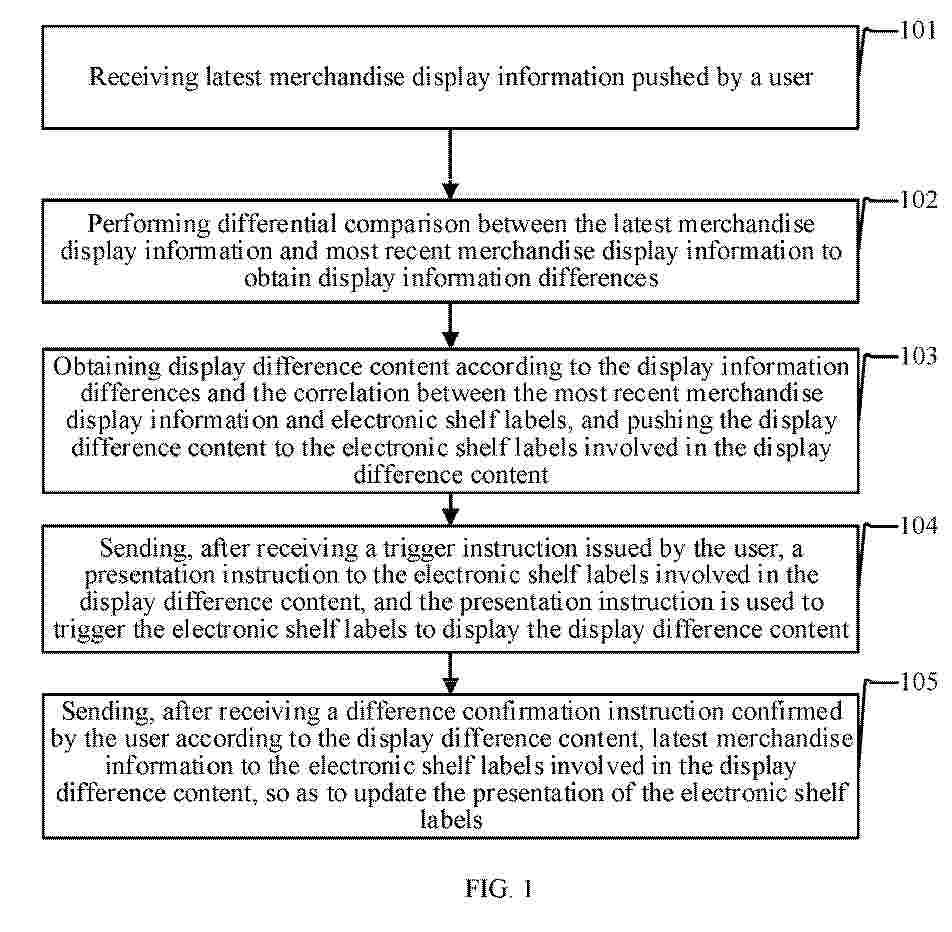
0001 Disclosed by the present disclosure are a method and an apparatus for changing a display of merchandise in a supermarket. The method includes: receiving latest merchandise display information pushed by a user; performing differential comparison between the latest merchandise display information and most recent merchandise display information to obtain display information differences; obtaining display difference content according to the display information differences and the correlation between the most recent merchandise display information and electronic shelf labels, and pushing the display difference content to the electronic shelf labels involved in the display difference content; sending, after receiving a trigger instruction issued by the user, a presentation instruction to the electronic shelf labels involved in the display difference content, and the presentation instruction is used to trigger the electronic shelf labels to display the display difference content; and sending, after receiving a difference confirmation instruction confirmed by the user according to the display difference content, latest merchandise information to the electronic shelf labels involved in the display difference content, so as to update the presentation of the electronic shelf labels.
Resumen de: WO2025136317A1
The present invention relates to a system (1) which enables NFTs (Non-fungible Token) to be generated to track the supply chain of parts that will be used in the production process of vehicles and for subsequent maintenance processes; and the supply chain records to be stored and tracked on the blockchain network (2) through NFTs.
Resumen de: WO2025131296A1
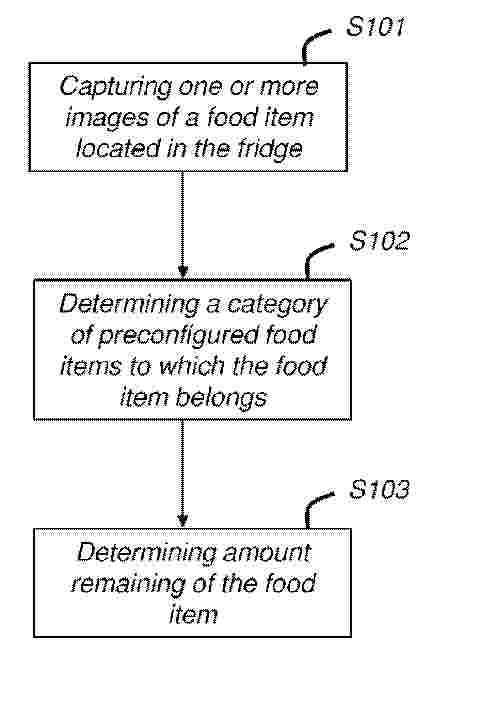
The present disclosure relates to a method for detecting an amount remaining of food items (14) located in a household appliance (10), and a device (16) performing the method. The method comprising acquiring (S101) a visual representation (19a) of at least one food item (14) located in the household appliance (10), determining (S102), from the acquired visual representation (19a), a category of preconfigured food items (21a-21d) to which said at least one food item (14) belongs, and determining (S103) an amount of said at least one food item (14) remaining with respect to a complete and non-consumed representation of the food item (14).
Resumen de: EP4831884A1
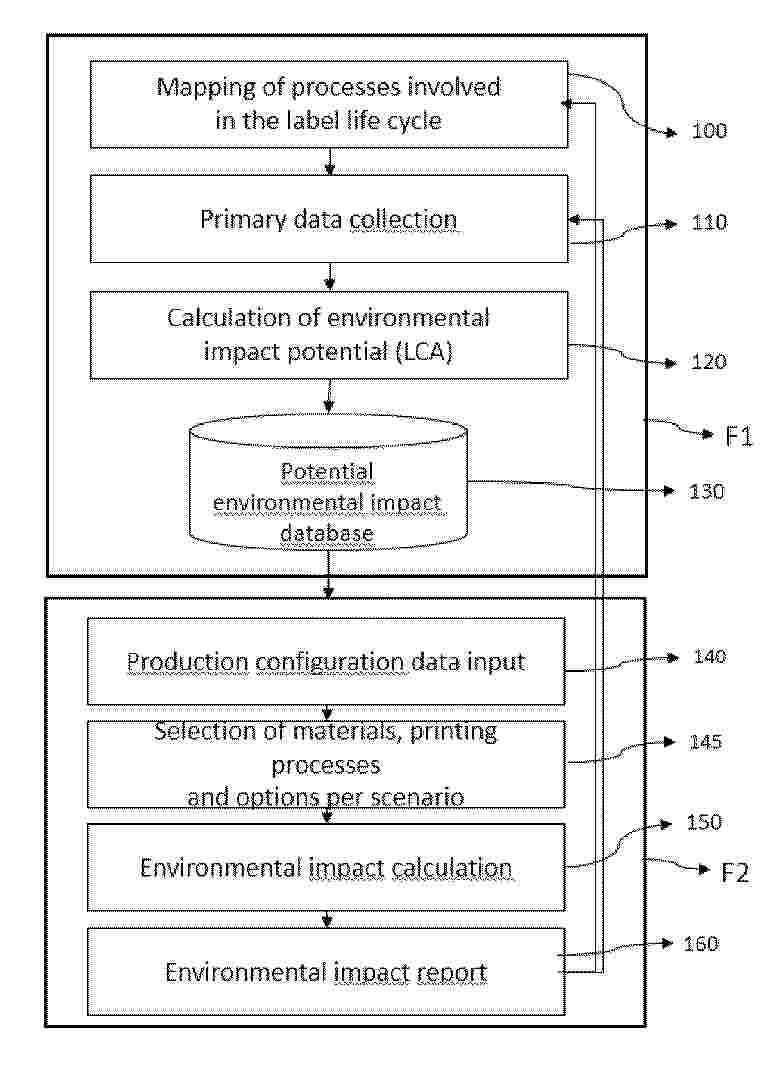
The present invention discloses a method for determining the environmental performance of packaging labels, including their printing processes, through the life cycle assessment of the product.Problem to be solved: the absence of a method for determining the relative environmental performance of packaging labels considering the substrate used, as well as the printing technique and technology.Solution to the problem: To this end, a simple yet technically robust method is proposed for calculating the environmental impact of producing packaging labels with different printing configurations, comparing the results among them to support the decision-making process and enabling the selection of parameters that provide the best environmental performance outcomes.
Resumen de: WO2025131610A1
Disclosed is a computer-implemented method of determining, for a berthed vessel at a terminal comprising a plurality of cranes disposed along a crane conveyance system, a proposed allocation of the plurality of cranes to the berthed vessel to perform a plurality of vessel operations on the vessel within a time window. The determining is based at least in part on first data indicative of a status of the berthed vessel at the terminal within the time window, second data indicative of cargo associated with the plurality of vessel operations to be performed within the time window, third data indicative of a number of the plurality of cranes required to perform the plurality of vessel operations within the time window on the berthed vessel, fourth data indicative of a status of the plurality of cranes within the time window, and fifth data indicative of a relative positioning of at least one of the plurality of cranes to the berthed vessel within the time window.
Resumen de: WO2025133141A1
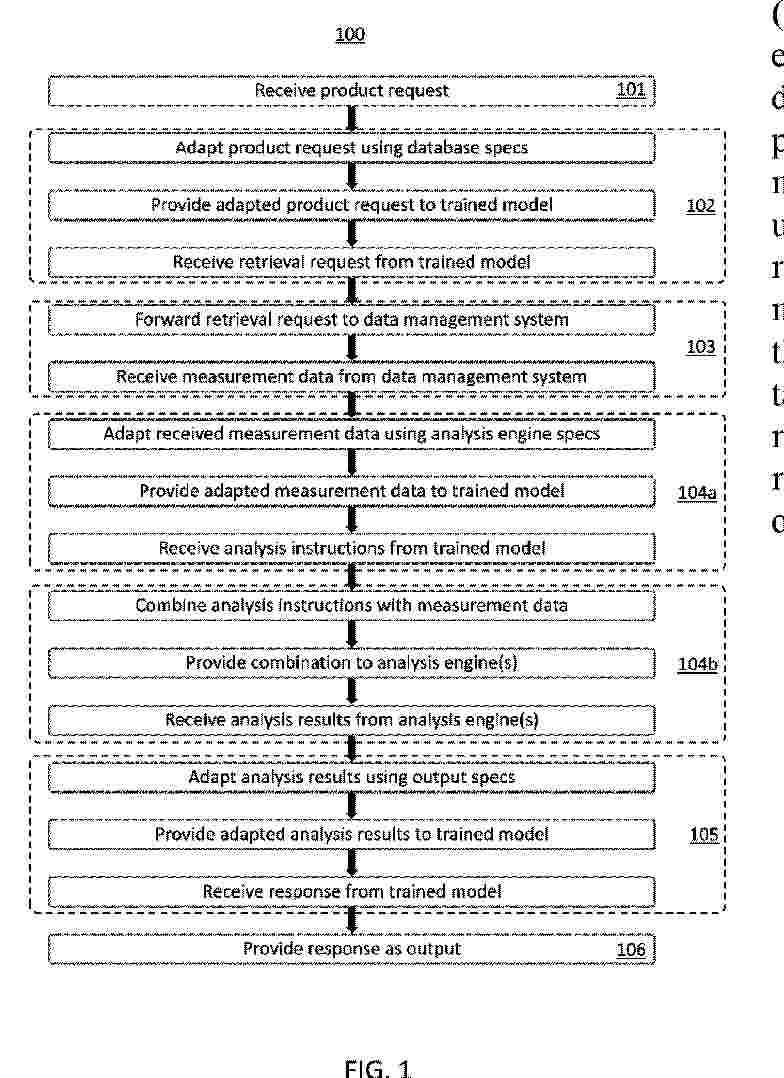
The invention relates to a method (100) for determining a property of a chemical product, including a) receiving (101) a product request for determining a target property value associated with a target property of a target product, and b) acquiring (102) a retrieval request for retrieving, from a data management system (20), measurement data associated with the target product and suitable for determining based thereon the target property value. The retrieval request is acquired by providing the product request to a data-driven model (10) trained to relate product requests to retrieval requests. Furthermore, the method includes c) retrieving (103) measurement data associated with the target product from the data management system using the acquired retrieval request, and d) determining (104a, 104b) the target property value based on the retrieved measurement data. The invention allows to make more efficient use of measurement data associated with chemical products.
Resumen de: CN122984635A
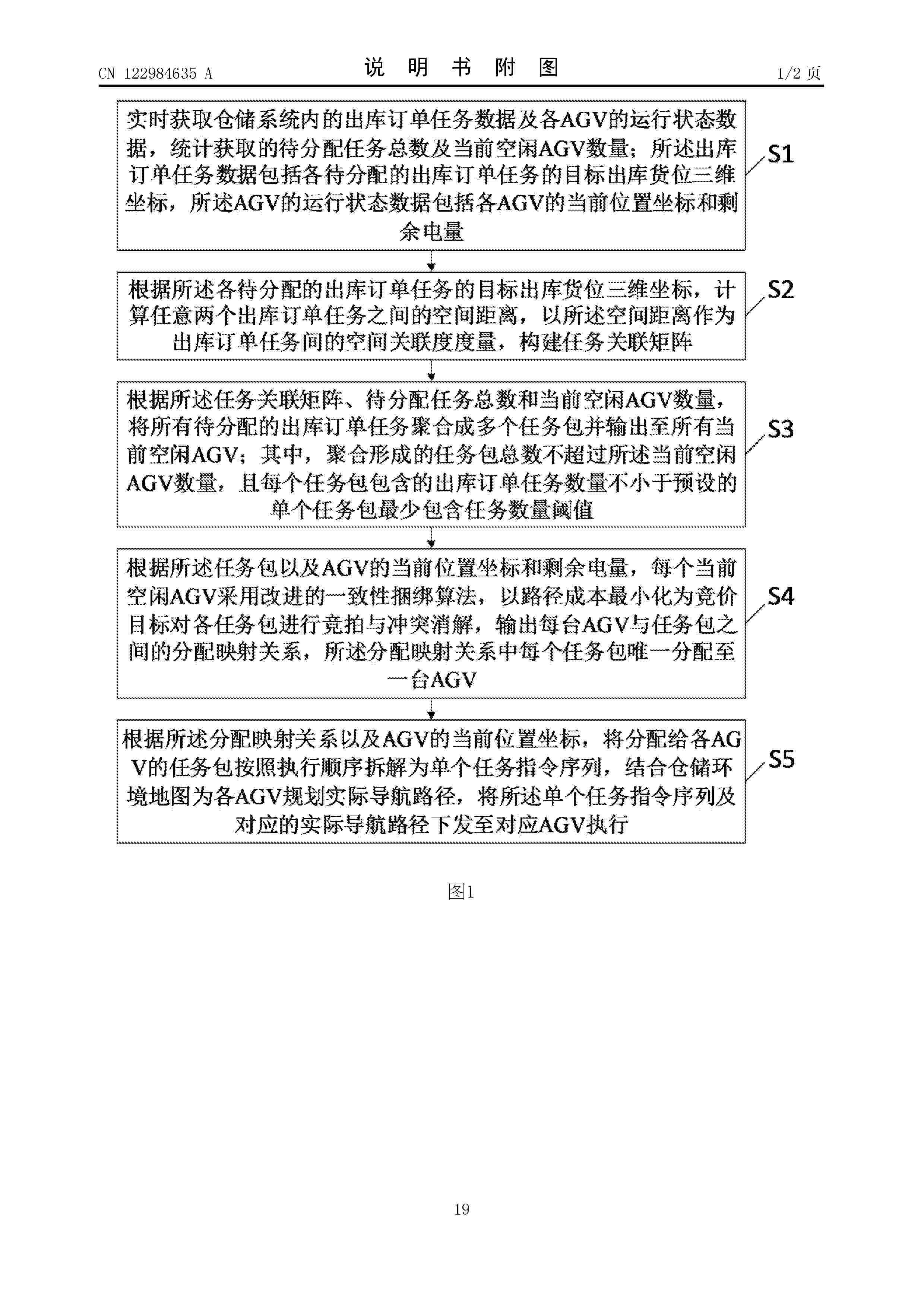
本发明提供了一种智能仓储多任务实时调度方法、系统及设备,属于物流自动化技术领域。所述方法包括:实时获取出库订单任务及各AGV的运行状态数据;根据任务的目标货位坐标计算空间距离,构建任务关联矩阵;基于任务关联矩阵以及待分配任务总数和空闲AGV数量,将任务聚合成多个任务包;各空闲AGV采用改进的一致性捆绑算法对各任务包进行竞拍与冲突消解,输出分配映射关系;根据分配结果下发任务指令至对应AGV执行。本发明通过任务聚合缩减分配问题规模,结合边际增量成本驱动的竞价机制和邻近AGV间的局部化共识通信,降低了通信开销与计算负载,提升了调度的实时性和全局优化能力。
Nº publicación: CN122988348A 27/10/2026
Solicitante:
杭州三足乌智能科技有限公司
Resumen de: CN122988348A
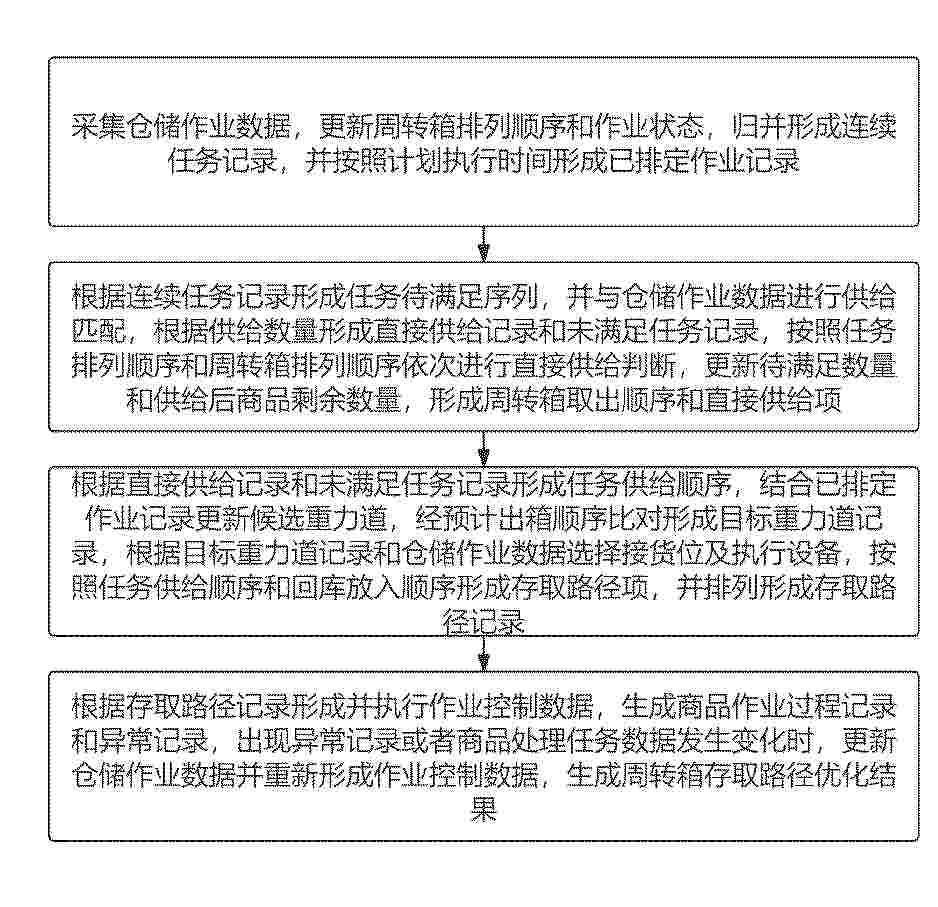
本发明公开了重力货架周转箱存取路径优化方法、系统、设备及介质,涉及仓储调度技术领域,包括:根据直接供给记录和未满足任务记录形成任务供给顺序,结合已排定作业记录更新候选重力道,经预计出箱顺序比对形成目标重力道记录,根据目标重力道记录和仓储作业数据选择接货位及执行设备,按照任务供给顺序和回库放入顺序形成存取路径项,并排列形成存取路径记录;根据存取路径记录形成并执行作业控制数据,生成商品作业过程记录和异常记录,出现异常记录或者商品处理任务数据发生变化时,更新仓储作业数据并重新形成作业控制数据,生成周转箱存取路径优化结果。本发明保障了多任务并发场景下重力道内箱体的流动连贯性。
 BOPI
 Sede Electrónica