Si deseas distinguir tus productos, servicios o ambos de los de otra empresa, es posible que necesites una marca o nombre comercial. Descubre qué son, en qué consiste su procedimiento de registro y qué implica.

Información sobre los plazos de presentación de solicitudes de transformación de marcas de la Unión Europea en marca nacional española. Más información


Si tienes un nuevo dispositivo, producto o procedimiento que resuelva un problema técnico o tenga una ventaja práctica, existen distintas formas de protegerlo en España y en otros países. Descubre cómo hacerlo.

¿Tu innovación reside en la estética, la ornamentación o la apariencia de tu producto? Protégela mediante un diseño industrial. Descubre qué derechos confiere el registro y cómo realizar la tramitación.

Las indicaciones geográficas protegen el nombre de un producto originario de una zona geográfica, a la cual le debe una determinada calidad, reputación u otra característica. Descubre qué son, en qué consiste su procedimiento de registro y qué beneficios conceden.

Las patentes publicadas en todo el mundo son una valiosa fuente de información científica, técnica y comercial.

Si eres emprendedor/a o una empresa y quieres potenciar y mejorar la rentabilidad de tu negocio protegiendo de forma adecuada los activos intangibles de tu organización, en este espacio encontrarás lo necesario.


 39
resultados
39
resultados
 Última actualización
23/10/2026 [07:28:00]
Última actualización
23/10/2026 [07:28:00]


 Resultados 25 a 39 de 39
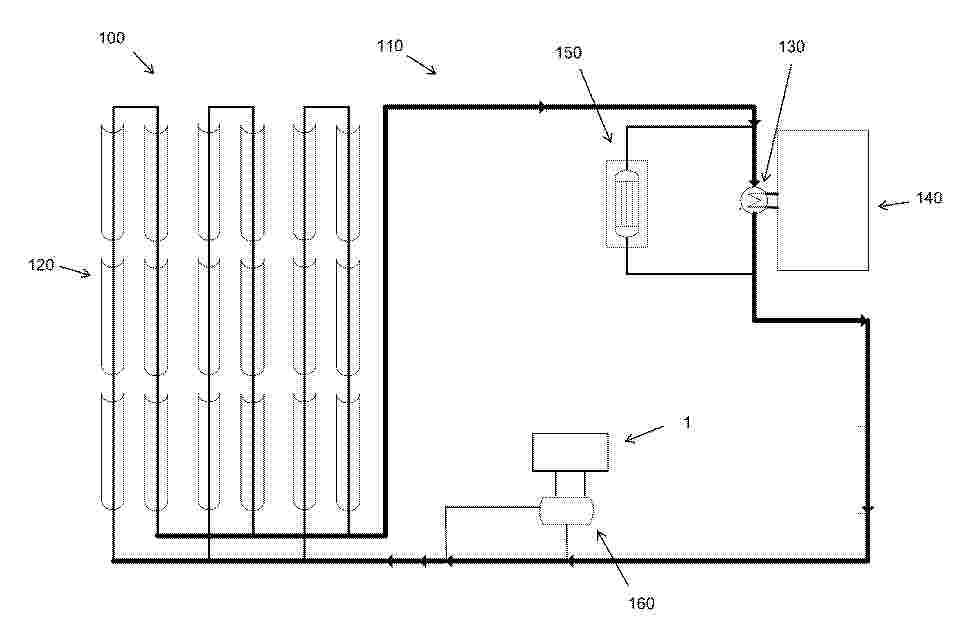
Resumen de: DE102025109341A1
Vorrichtung (1) zur Eliminierung von in einem Wärmeträgersystem (110) eines mit einem flüssigen Wärmeträger betriebenen solarthermischen Kraftwerks (100) enthaltenen Wasserstoff, wobei in dem Wärmeträgersystem (110) eine Gasatmosphäre über dem flüssigen Wärmeträger gebildet ist, wobei die Gasatmosphäre ein Wasserstoff enthaltenes Gasgemisch enthält, mit einer Entnahmeeinrichtung (3) zur Verbindung mit dem Wärmeträgersystem (110), wobei über die Entnahmeeinrichtung (3) Gasgemisch der Gasatmosphäre aus dem Wärmeträgersystem (110) entnehmbar ist, mit einer Oxidationsmittelzuführvorrichtung (17) zur Zuführung einer vorgegebenen Menge eines Oxidationsmittels zu dem entnommenen Gasgemisch, mit einem katalytischen Reaktor (13) mit einem Feststoffkatalysator (15), wobei die Oxidationsmittelzuführvorrichtung (17) in Strömungsrichtung des entnommenen Gasgemisches vor dem katalytischen Reaktor (13) angeordnet ist, wobei in dem katalytischen Reaktor (13) mittels des Oxidationsmittels in dem Gasgemisch enthaltener Wasserstoff in einem vorgegebenen Temperaturbereich oberhalb des Taupunktes des Wärmeträgers in dem Gasgemisch oxidierbar ist, und mit einer Rückführeinrichtung (27) zur Verbindung mit dem Wärmeträgersystem (110), wobei über die Rückführeinrichtung Gasgemisch mit oxidiertem Wasserstoff der Gasatmosphäre in dem Wärmeträgersystem (110) zuführbar ist.

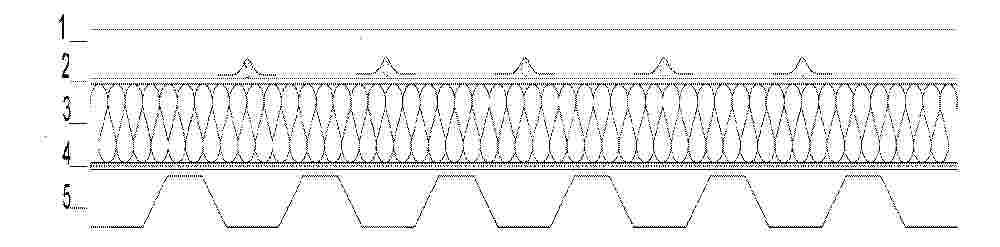
Resumen de: DE102025109524A1
Die vorliegende Erfindung betrifft ein innovatives Dachsystem, das mehrere Funktionen wie Regenwasserrückhaltung, Energiegewinnung und den Schutz vor den Folgen des Klimawandels vereint. Es integriert die Eigenschaften von Gründächern, Cool Roofs und Solardachtechnologien mit fortschrittlichen Energiegewinnungskomponenten, um eine multifunktionale Lösung für urbane Herausforderungen bereitzustellen. Das System adressiert die steigenden Anforderungen an nachhaltige Gebäudetechnologien in urbanen Räumen, indem es Synergien zwischen verschiedenen Technologien schafft.
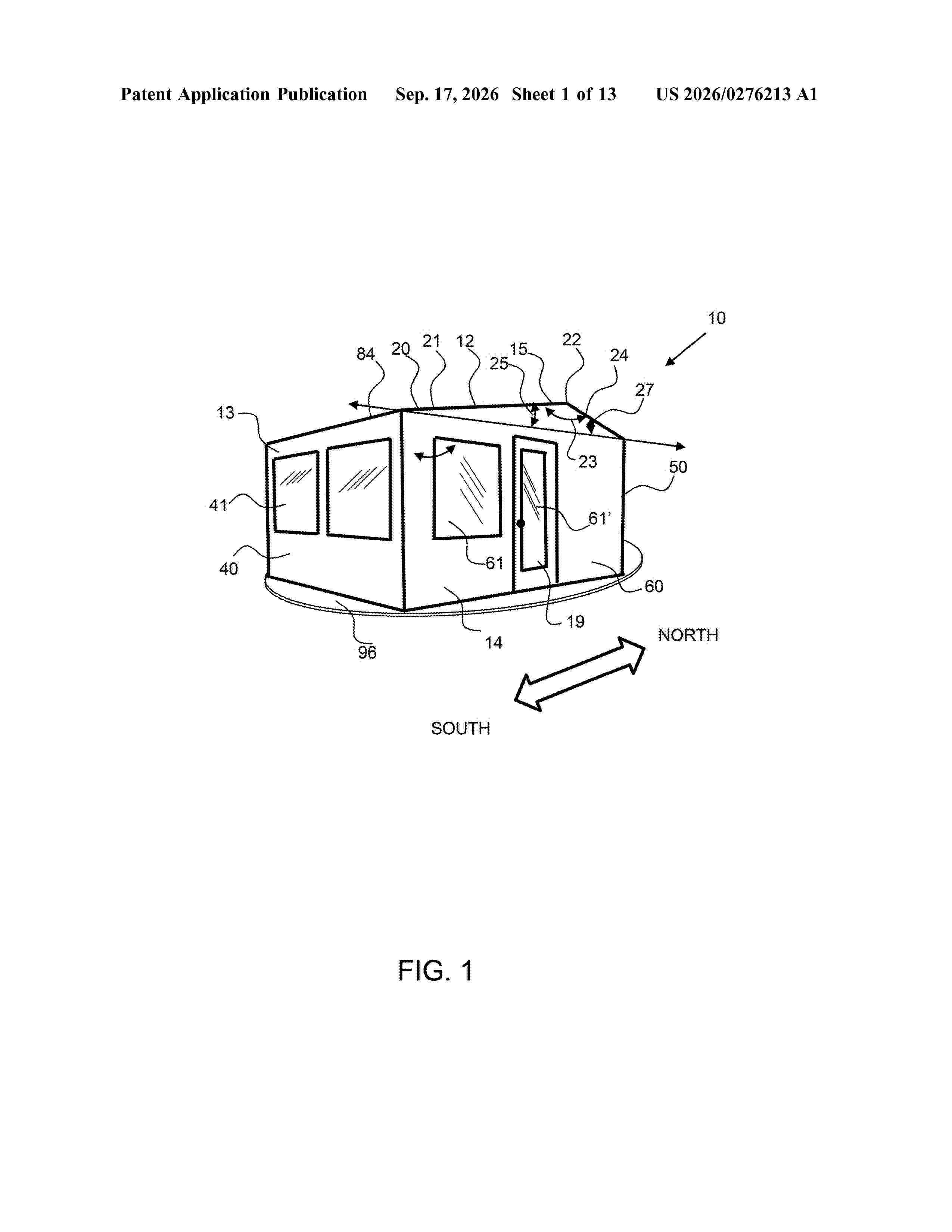
Resumen de: US20260276213A1
A greenhouse, for cold weather climates, is configured with a gable that is offset toward the north wall and therefore the south extension of the roof, from the gable to the south wall is longer than the north extension. A greater amount of light can enter through this south extension and the inside surface of the north wall is configured with a reflective surface to allow light to be more uniformly distributed around the plants. The north wall may have no widows and may be thermally insulated to prevent the greenhouse from getting too cold during the night. A ground to air heat transfer (GAHT) system may be configured to produce a flow of greenhouse air under the greenhouse for heat transfer, to moderate the temperature of the greenhouse. A thermal medium may flow to a thermal reservoir for heat exchange with the conduits of the GAHT system.
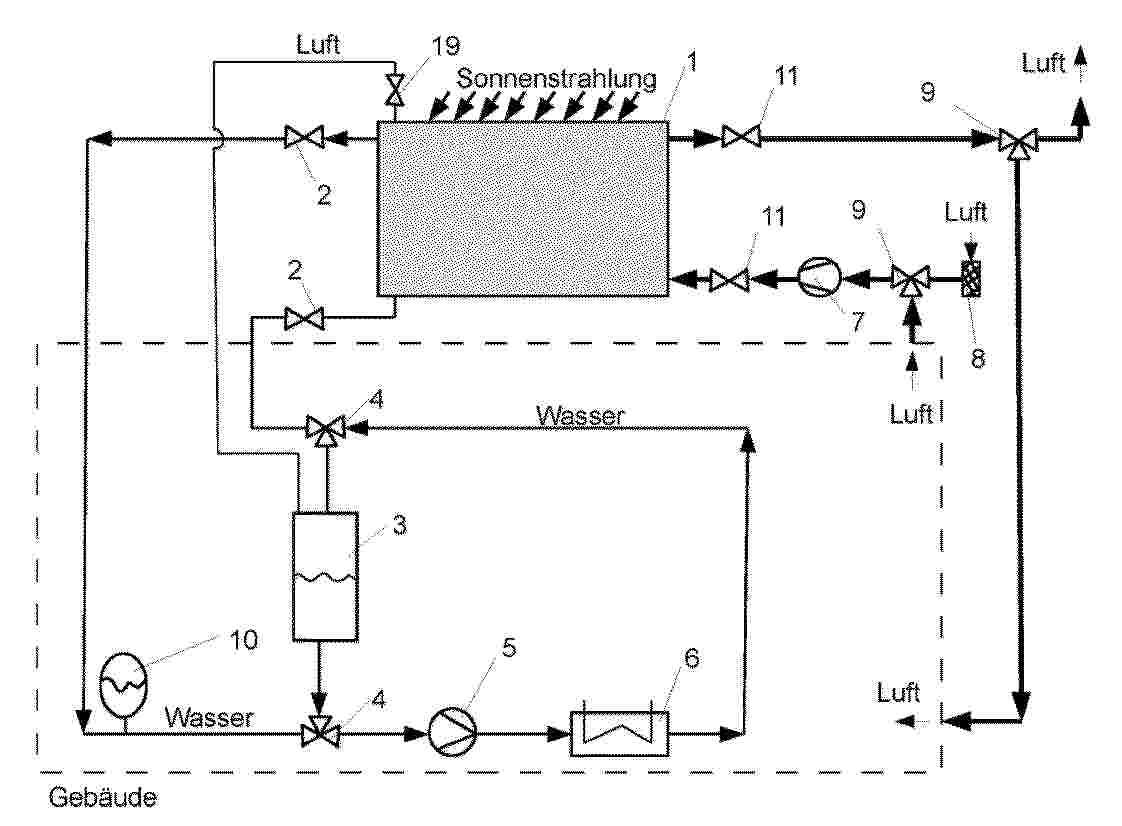
Resumen de: EP4807258A1
Die solarthermische Anlage mit einem Solarkollektor (1),mindestens einem Wärmeträgermedium, welches Kanäle des Solarkollektors (1) durchströmt, und mit einem mit dem Solarkollektor (1) zum Kreislauf verbundenen Wärmetauscher (6), wobei ein erster Kreislauf mit einem flüssigen Wärmeträgermedium, insbesondere Wasser mit oder ohne Zusätzen, und ein zweiter Kreislauf mit einem gasförmigen Wärmeträgermedium, insbesondere Luft, vorgesehen sind, und wobei der Betrieb der Anlage in Abhängigkeit vom Wärmebedarf und von der Verfügbarkeit der Solarenergie von dem einen Kreislauf auf den anderen Kreislauf umschaltbar ist, ist dadurch gekennzeichnet, dass der erste und der zweite Kreislauf miteinander verbunden sind und Ventile (11) oder Hochpunkte (14) aufweisen, dass beide Kreisläufe an dieselben Kanäle des Solarkollektors (1) angeschlossen sind und dass bei druckloser Anlagenauslegung die Hochpunkte (14) so angeordnet sind sowie dass bei druckbeaufschlagter Anlagenauslegung die Ventile (11) so steuerbar sind, dass im Betrieb durch dieselben Kanäle des Solarkollektors (1) entweder das flüssige oder das gasförmige Wärmeträgermedium strömt.
Resumen de: KR20260136881A
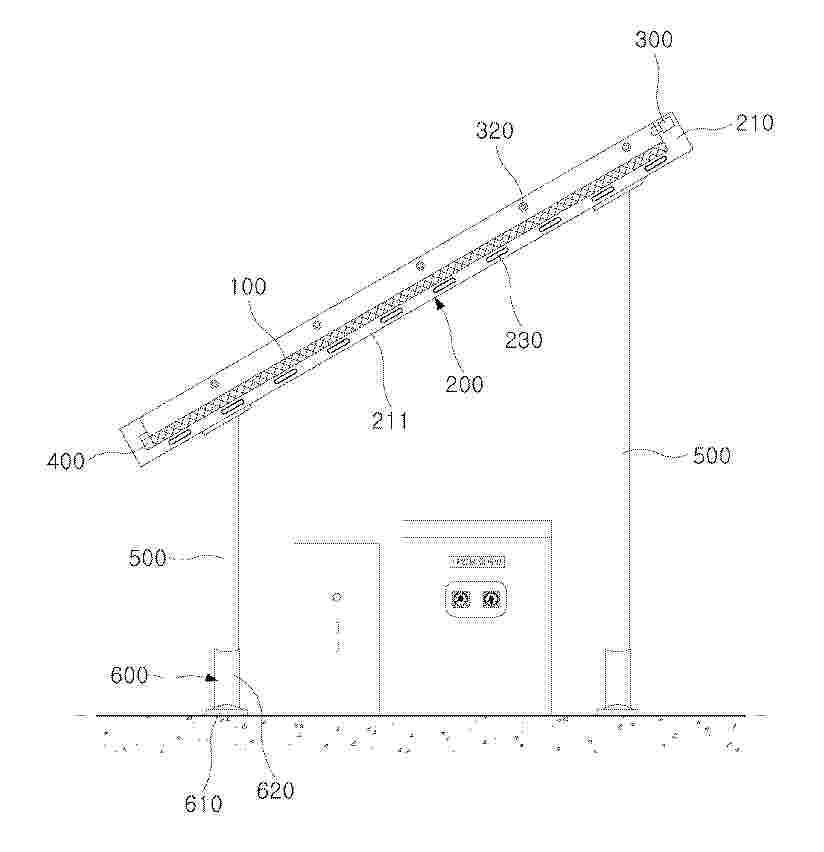
본 발명은 태양광 모듈이 고정되는 프레임을 2중 유로 구조로 형성하여 태양광 모듈이 과열되면 냉매 공급부와 냉매 분사부를 통해 냉매를 각각 공급하므로 냉각효율을 극대화하여 과열을 효과적으로 방지하는 과열 방지가 가능한 태양광 설치 시스템에 관한 것이다.
Resumen de: WO2025061428A1
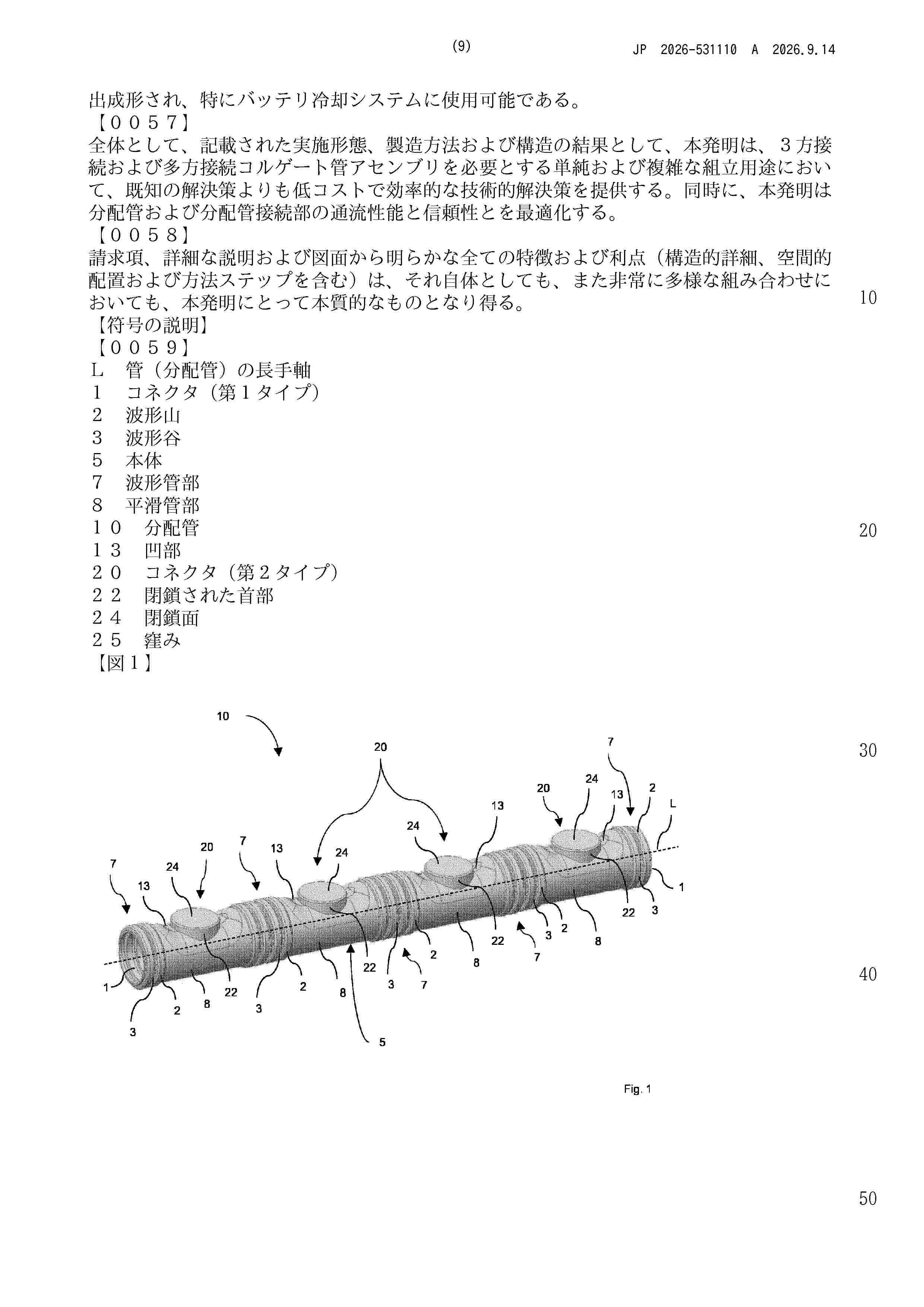
The invention relates to a distributor pipe (10) for conducting and distributing fluids in battery cooling systems, with a main body (5) which extends along a pipe longitudinal axis (L), is configured at least in portions as a corrugated pipe, and has corrugated pipe portions (7), wherein the corrugated pipe portions (7) of the main body (5) have circumferentially running corrugation troughs (3) and corrugation peaks (2) which alternate along the pipe longitudinal axis (L). It is provided according to the invention that the distributor pipe (10) comprises at least one connector (1) of a first type and a plurality of connectors (20) of a second type, wherein the distributor pipe (10) is manufactured from the same material as and in one part with the connectors of the first and second type (1, 20) in one manufacturing operation.
Resumen de: WO2026182960A1
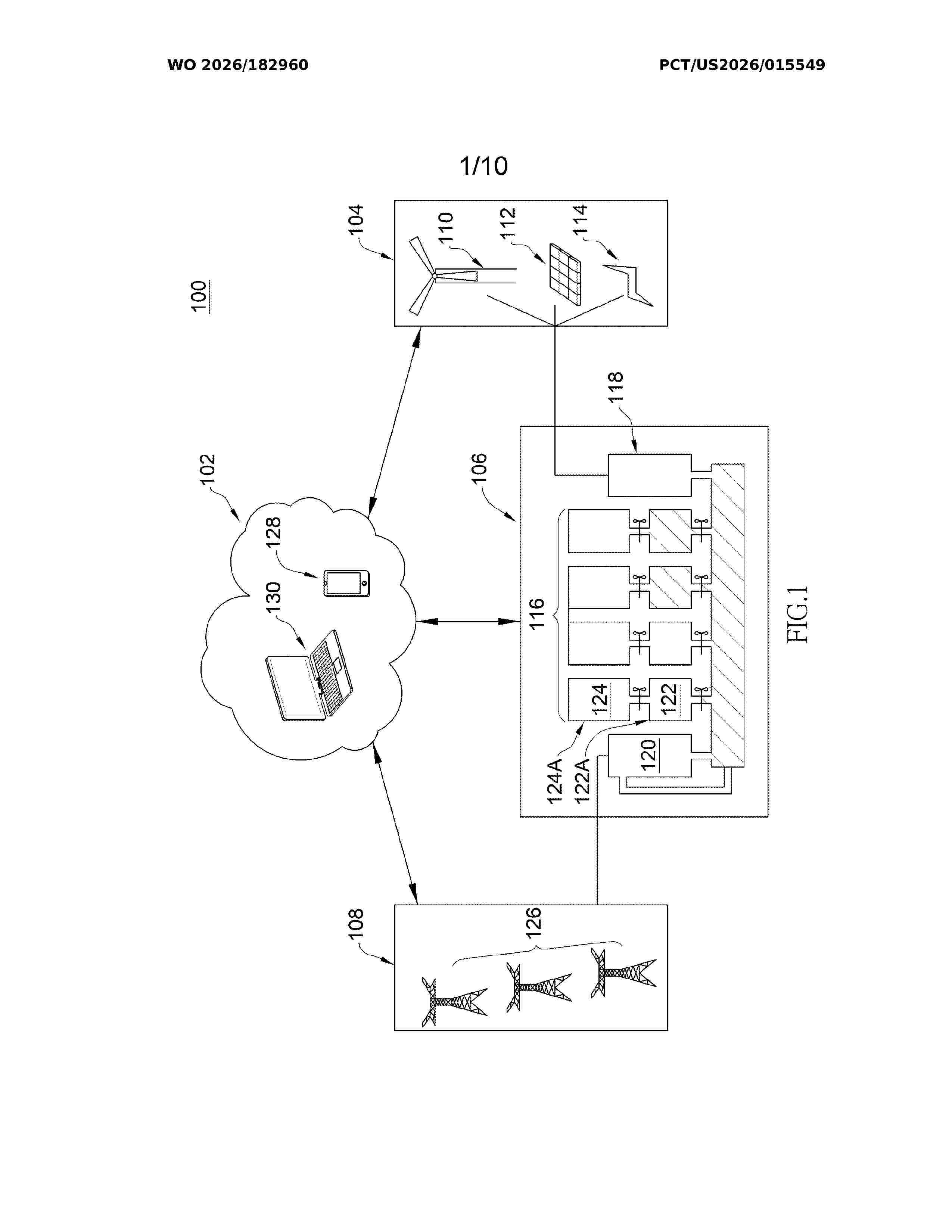
A virtual power plant system including a network of sense and control devices communicatively coupled with a virtual power plant control center that receives data about distributed power generating facilities, power storage apparatuses, power transmission nodes and/or power consumption entities from the devices and optimizes the process of energy generation, storage, re-generation, transmission and/or consumption throughout the network based on the received data.
Resumen de: AR135354A1
Es una tina quesera que incorpora el abastecimiento energético solar, a partir de lo cual resulta posible incluir un proceso de pasteurización del producto que se elabora. Comprende un panel fotovoltaico que alimenta una batería de ciclo profundo que integra su conexionado eléctrico, un tablero de control combinado con un Termotanque solar intercalado a un circuito de alimentación de agua proveniente de un tanque de reserva. Sobre el cuerpo de la tina se proyecta una torre portadora de un sensor de temperatura. El tablero de control incluye válvulas esféricas con llaves interruptoras rotativas que accionan el agitador o lira de la tina, o bien electroválvulas, a partir de llaves interruptoras rotativas. Se adicionan sensores y visualizadores para las temperaturas del agua de camisa, agua de ingreso y volumen de agua en camisa, vinculados a un microcontrolador. Se incluye un panel de visualización y una llave selectora, que permite elegir entre el programa de pasteurizado y programas de cuajado. Incorpora un aislante térmico entre la camisa y la carcasa.
Resumen de: MA70688A1
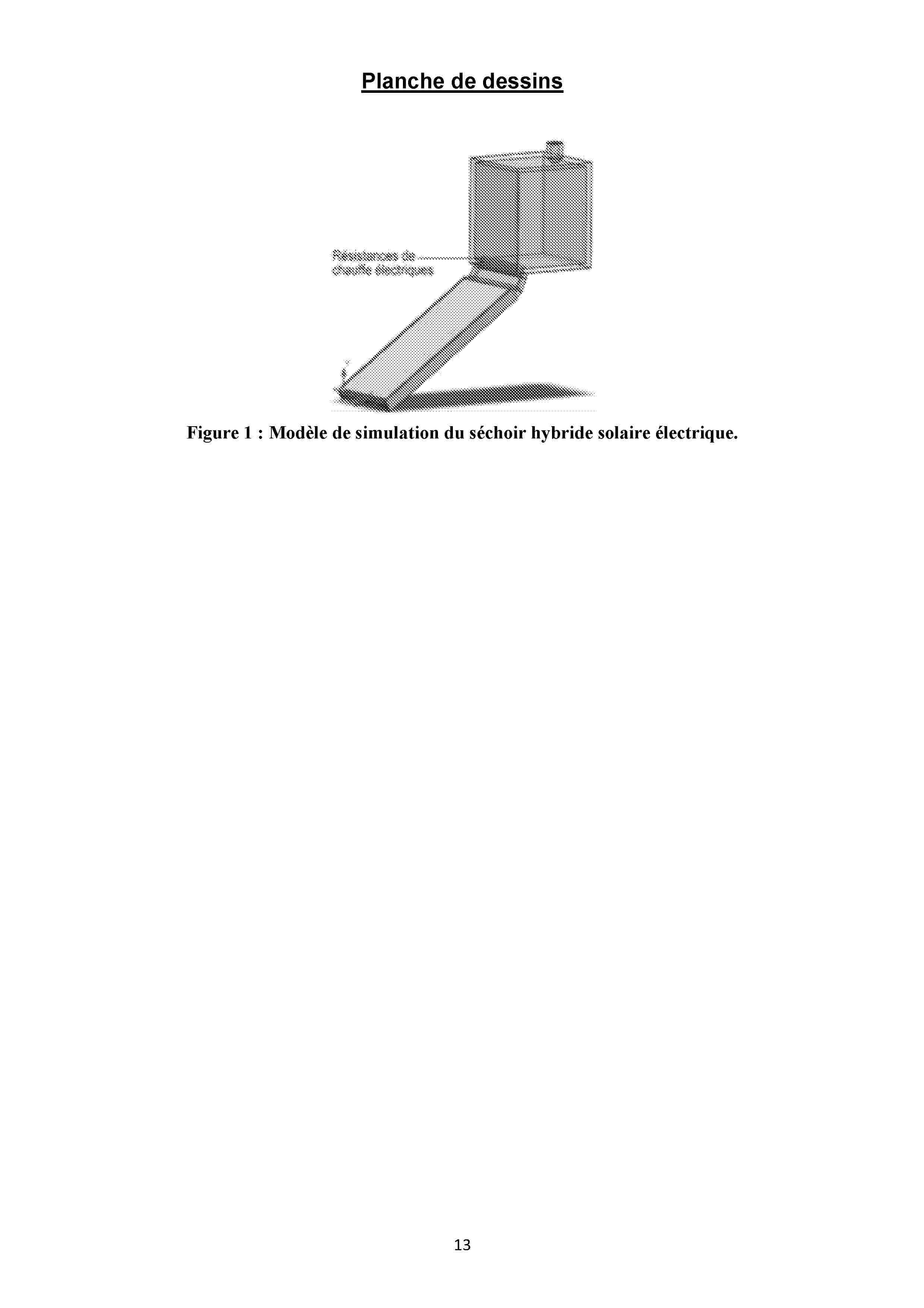
The hybrid solar dryer has been designed for continuous use under optimum energy consumption conditions, with control of temperature, humidity and air flow. The dryer enables efficient drying while preserving product quality. The operating temperature range varies from ambient to 300°C. The solar collector is powered both by solar radiation and by the combustion of drying air below the absorber. At its outlet, the collector is equipped with electric resistors with power ranging from 1 to 6 kW. The dryer is equipped with an on-board controller that monitors and controls temperature, humidity and drying air flow. The controller is linked to the temperature, humidity and airflow sensor, as well as to weather data for precise regulation of the drying process.
Resumen de: AU2025218561A1
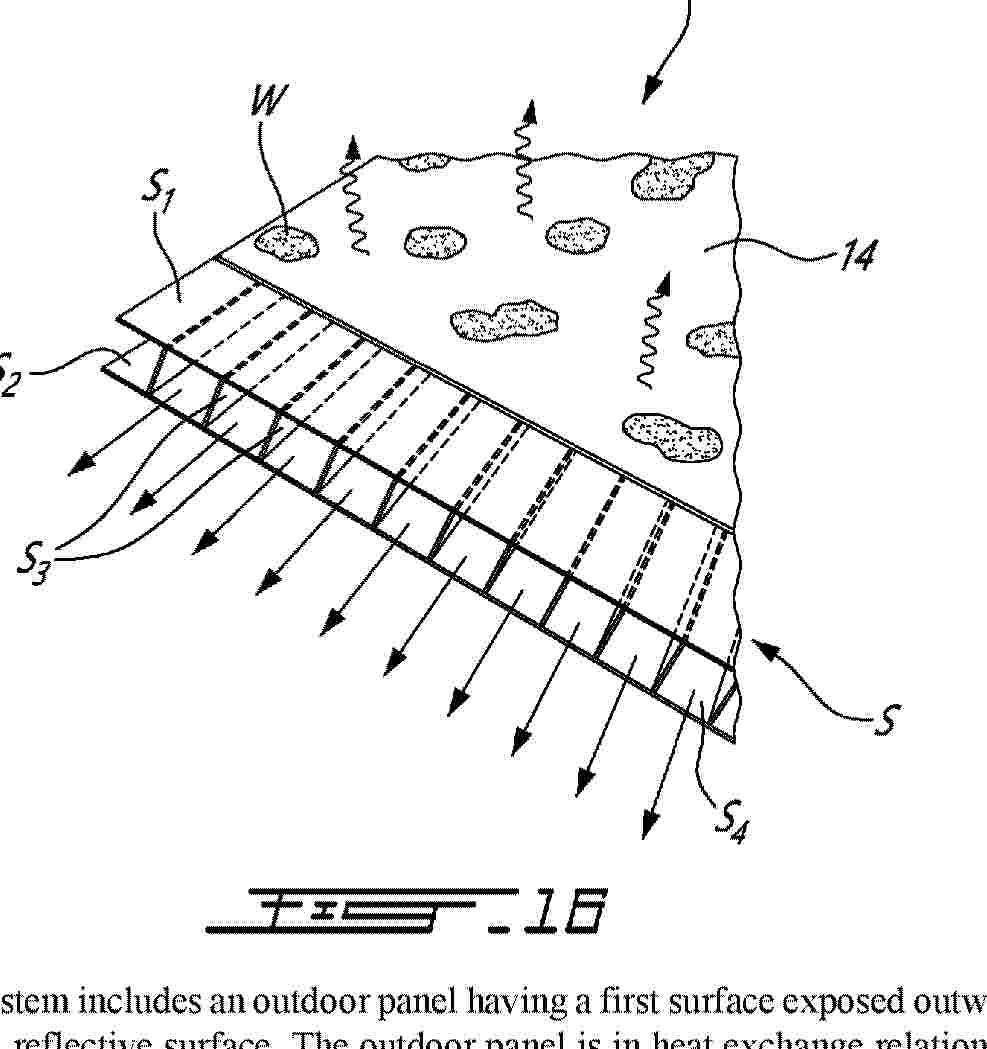
A thermal energy system includes an outdoor panel having a first surface exposed outwardly to an outdoor environment. The first surface is an emissive and reflective surface. The outdoor panel is in heat exchange relationship with an air passage adapted to be connected to a ventilation system of a building or process. A selective layer can be applied onto a second surface of the panel opposite to the first surface thereof. A system may be provided to pivot the panel from a first position in which the emissive surface faces the outdoor environment and a second position in which the selective surface faces the outdoor environment. The panel can be perforated and depression can be formed in the emissive surface to collect water between the perforations when the thermal panel is used in a cooling mode. The emissive and reflective side of the panel can be oriented to redirect solar radiations towards a solar collector to improve the performance thereof.
Resumen de: AU2025221149A1
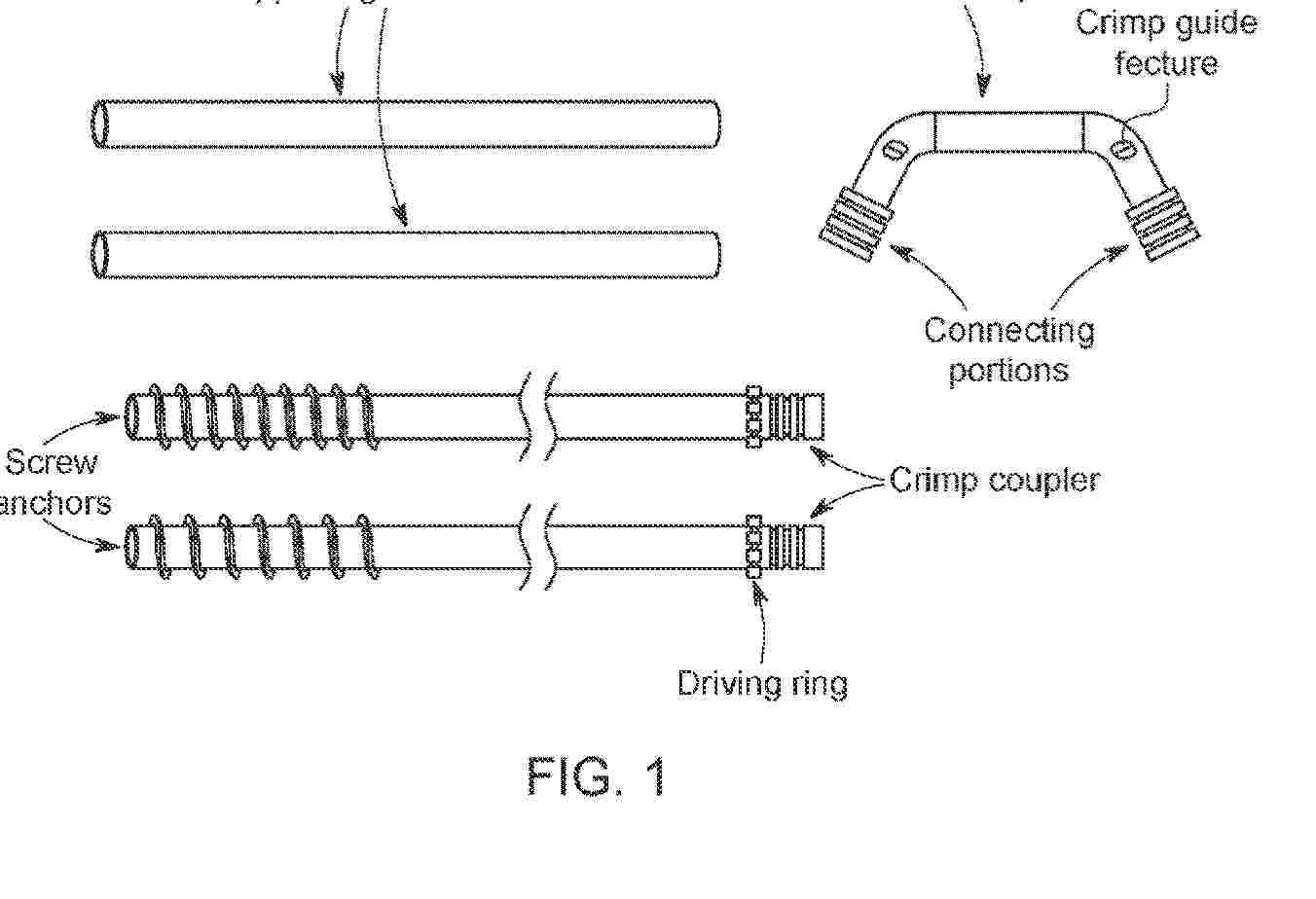
A method of embedding a threaded foundation component in ground with a layer of reactive soil with a combined drilling and driving machine includes: with an automated controller executing a control program, controlling the machine to begin an automated embedment operation to drive a threaded foundation component into a reactive soil; with the automated controller, controlling the machine to decouple a feed rate of the component from a rotary speed rate of the component to cause sheering of the soil around the foundation component by threads of the foundation component; and with the automated controller, controlling the machine to recouple the feed rate of the component to rotary speed rate of the component to reduce sheering of the soil around the foundation component by the threads of the foundation component until a target embedment depth for the foundation component is reached.
Resumen de: WO2026182624A1
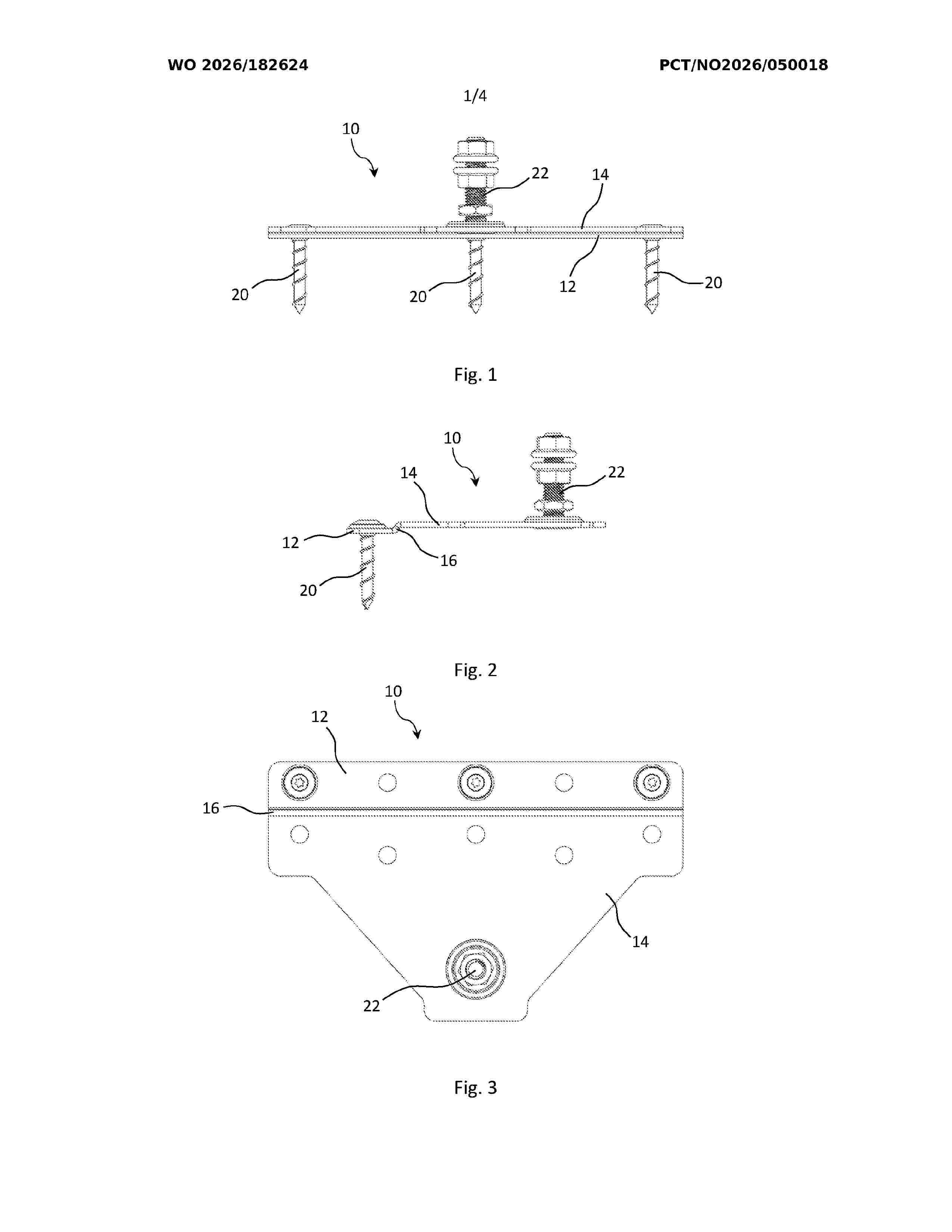
Mounting plate (10) for roof shingles, comprising a plate-shaped body with a first plate part (12) and a second plate part (14), wherein the first plate part (12) is arranged for attachment to a substrate on a roof, such as a roof board, roof decking, or similar, and the second plate part (14) is arranged to be positioned overlying a shingle plate (40) and comprises an upwardly projecting fastening bolt (22) for attachment of roof equipment. The plate-shaped body comprises a longitudinal fold (16) that forms a bend between the first plate part (12) and the second plate part (14), whereby the first plate part (12) is recessed relative to the second plate part (14).
Nº publicación: EP4797283A1 26/08/2026
Solicitante:
NAAREA [FR]
CENTRE NAT RECH SCIENT [FR]
UNIV PARIS SACLAY [FR]
Naarea
Centre National de la Recherche Scientifique
Universit\u00E9 Paris-Saclay
Resumen de: EP4797283A1
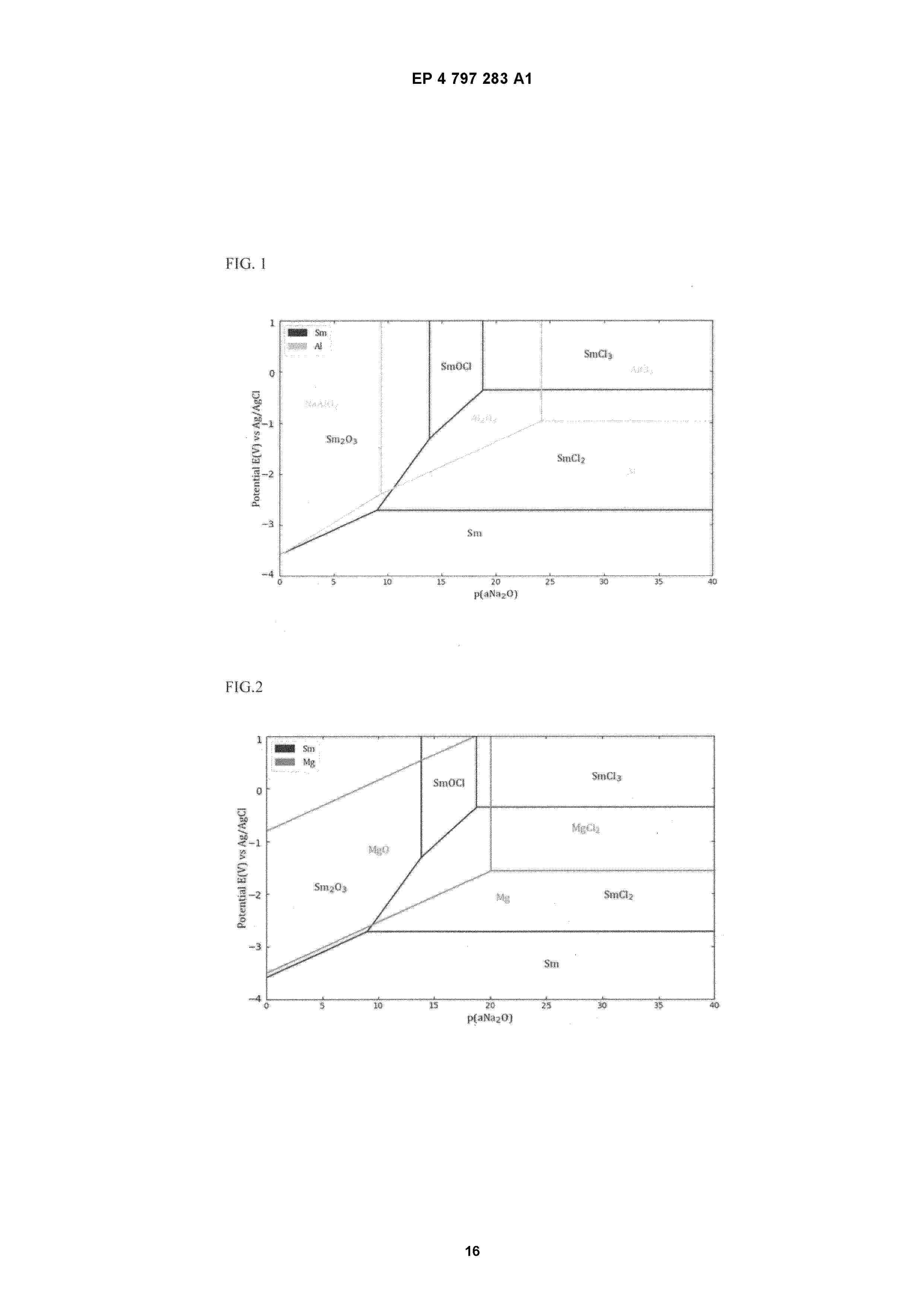
La présente invention concerne un mélange m(C) comprenant un mélange de sels de chlorures fondus, que l'on peut par exemple utiliser dans le domaine de l'énergie comme le nucléaire et/ou le solaire. La présente invention concerne en outre des procédés de préparation d'un mélange comprenant un mélange de sels de chlorures fondus et un dispositif comprenant un élément configuré pour contenir ou faire circuler le mélange m(C) selon la présente invention, ou le mélange obtenable ou obtenu selon les procédés de la présente invention, l'élément ayant une paroi comprenant un ou plusieurs métaux parmi Fe, Ni et Cr en contact avec ledit mélange.
 BOPI
BOPI
 Sede Electrónica