Si deseas distinguir tus productos, servicios o ambos de los de otra empresa, es posible que necesites una marca o nombre comercial. Descubre qué son, en qué consiste su procedimiento de registro y qué implica.

Información sobre los plazos de presentación de solicitudes de transformación de marcas de la Unión Europea en marca nacional española. Más información


Si tienes un nuevo dispositivo, producto o procedimiento que resuelva un problema técnico o tenga una ventaja práctica, existen distintas formas de protegerlo en España y en otros países. Descubre cómo hacerlo.

¿Tu innovación reside en la estética, la ornamentación o la apariencia de tu producto? Protégela mediante un diseño industrial. Descubre qué derechos confiere el registro y cómo realizar la tramitación.

Las indicaciones geográficas protegen el nombre de un producto originario de una zona geográfica, a la cual le debe una determinada calidad, reputación u otra característica. Descubre qué son, en qué consiste su procedimiento de registro y qué beneficios conceden.

Las patentes publicadas en todo el mundo son una valiosa fuente de información científica, técnica y comercial.

Si eres emprendedor/a o una empresa y quieres potenciar y mejorar la rentabilidad de tu negocio protegiendo de forma adecuada los activos intangibles de tu organización, en este espacio encontrarás lo necesario.


 139
resultados
139
resultados
 Última actualización
16/10/2026 [07:38:00]
Última actualización
16/10/2026 [07:38:00]


 Resultados 125 a 139 de 139
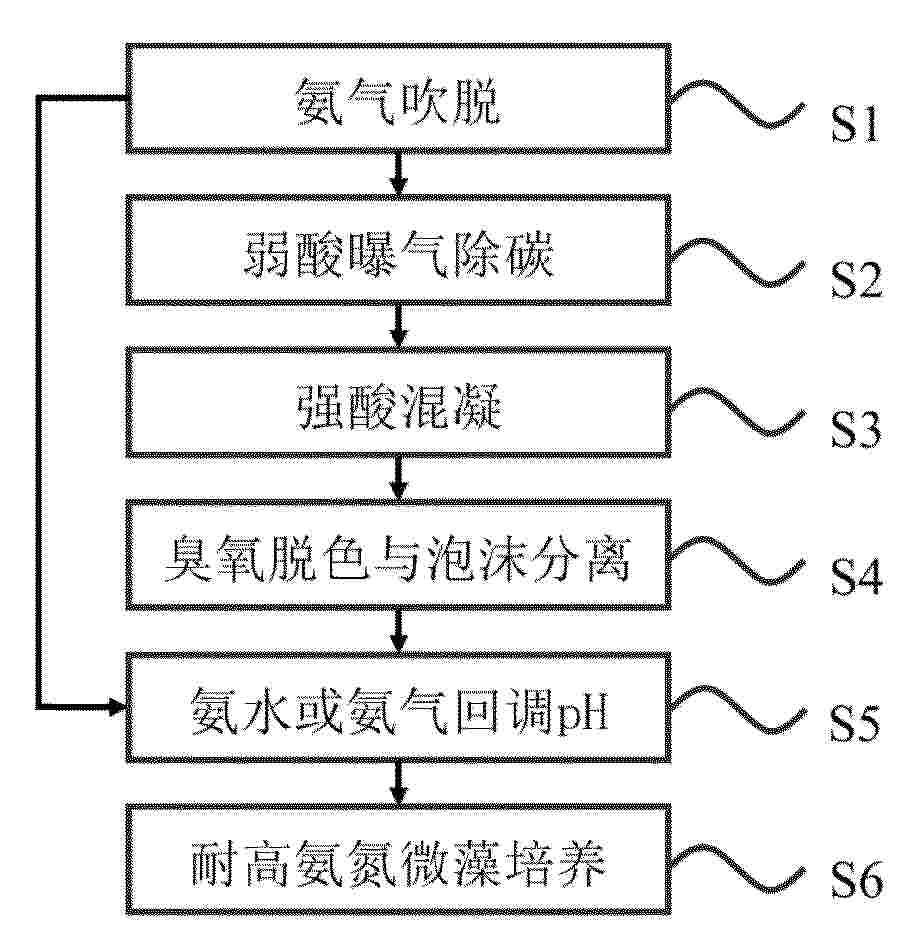
Resumen de: CN122254677A
The invention provides a cascade coupling pretreatment and microalgae recycling method for high-ammonia-nitrogen wastewater. The method comprises the steps of ammonia nitrogen pre-evaluation and air stripping, weak acid regulation and aeration carbon removal, enhanced acidification and acid coagulation, ozone oxidation and foam separation, pH back regulation and microalgae culture. According to the technical scheme, through multi-stage cooperation of decarburization, acidification and oxidation, a carbonate buffer system in the wastewater is broken through aeration under the weak acid condition, and follow-up acid consumption is greatly reduced; contaminants are separated out through strong acid coagulation; and finally, low-cost and high-efficiency pretreatment of the wastewater is realized by utilizing ozone oxidation deep purification and foam separation. Nutrient elements of the treated wastewater are well reserved, the pH value is stable, and the wastewater can be efficiently converted into microalgae biomass after being inoculated with microalgae with high ammonia nitrogen tolerance. The problems that in the prior art, high-ammonia-nitrogen and high-alkalinity wastewater treatment cost is high, decoloration and turbidity reduction are difficult, ammonia nitrogen toxicity inhibition and sterilization pH are out of control and the like are solved, and resource utilization and energy utilization of wastewater are achieved.

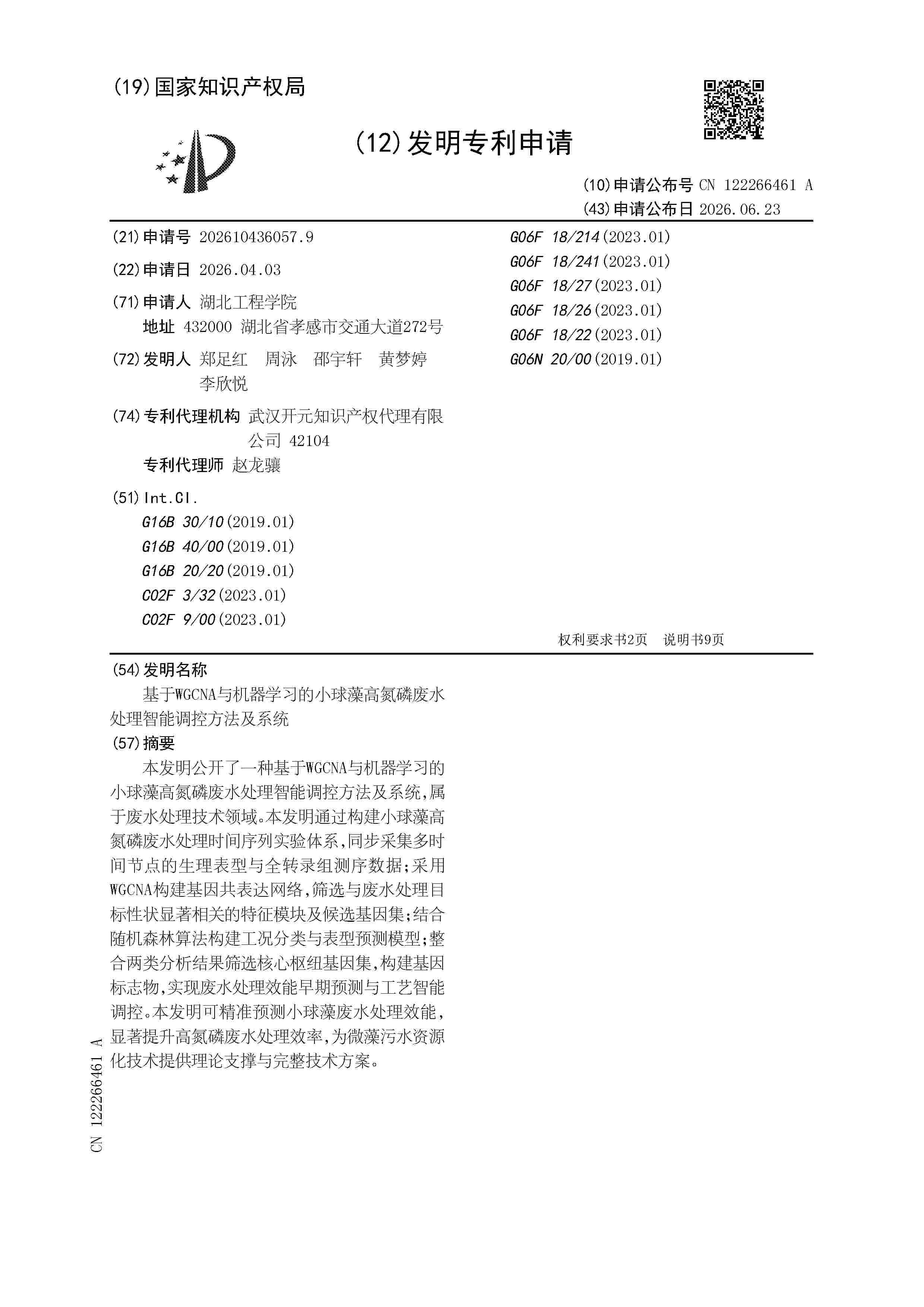
Resumen de: CN122266461A
The invention discloses an intelligent regulation and control method and system for chlorella high-nitrogen and high-phosphorus wastewater treatment based on WGCNA and machine learning, and belongs to the technical field of wastewater treatment. The method comprises the following steps: constructing a chlorella high nitrogen and phosphorus wastewater treatment time sequence experimental system, and synchronously collecting physiological phenotypes and whole transcriptome sequencing data of multiple time nodes; the method comprises the following steps: constructing a gene co-expression network by adopting WGCNA, and screening a feature module and a candidate gene set which are remarkably related to target traits of wastewater treatment; constructing a working condition classification and phenotype prediction model in combination with a random forest algorithm; integrating two types of analysis results to screen a core hub gene set, constructing a gene marker, and realizing early prediction of wastewater treatment efficiency and intelligent process regulation and control. According to the method, the chlorella wastewater treatment efficiency can be accurately predicted, the high-nitrogen and high-phosphorus wastewater treatment efficiency is remarkably improved, and theoretical support and a complete technical scheme are provided for a microalgae wastewater recycling technology.
Resumen de: CN122251299A
The invention discloses a shrubalthea flower composite extract as well as a preparation method and application thereof. The compound extract is prepared from shrub althea flower exosome, shrub althea flower traditional active ingredients, edelweiss extract and microalgae exopolysaccharides, wherein the shrub althea flower exosome and the shrub althea flower traditional active ingredients are extracted from shrub althea flower raw materials at the same time through an integrated extraction process. The preparation method comprises the steps of raw material pretreatment, integrated extraction, separation and purification, synergistic compounding and post-treatment, and two types of active substances are efficiently and synchronously obtained by optimizing solvent, temperature, time and purification parameters. The compound extract shows excellent anti-aging, anti-inflammatory and moisturizing effects in cosmetics, and has excellent effects of regulating intestinal flora and enhancing immunity in functional food. According to the process, a remarkable synergistic effect is generated by combining specific synergistic components, the effect is far better than that of a single component or a simple mixture, and maximum utilization of plant resources and synergistic improvement of effects are achieved.
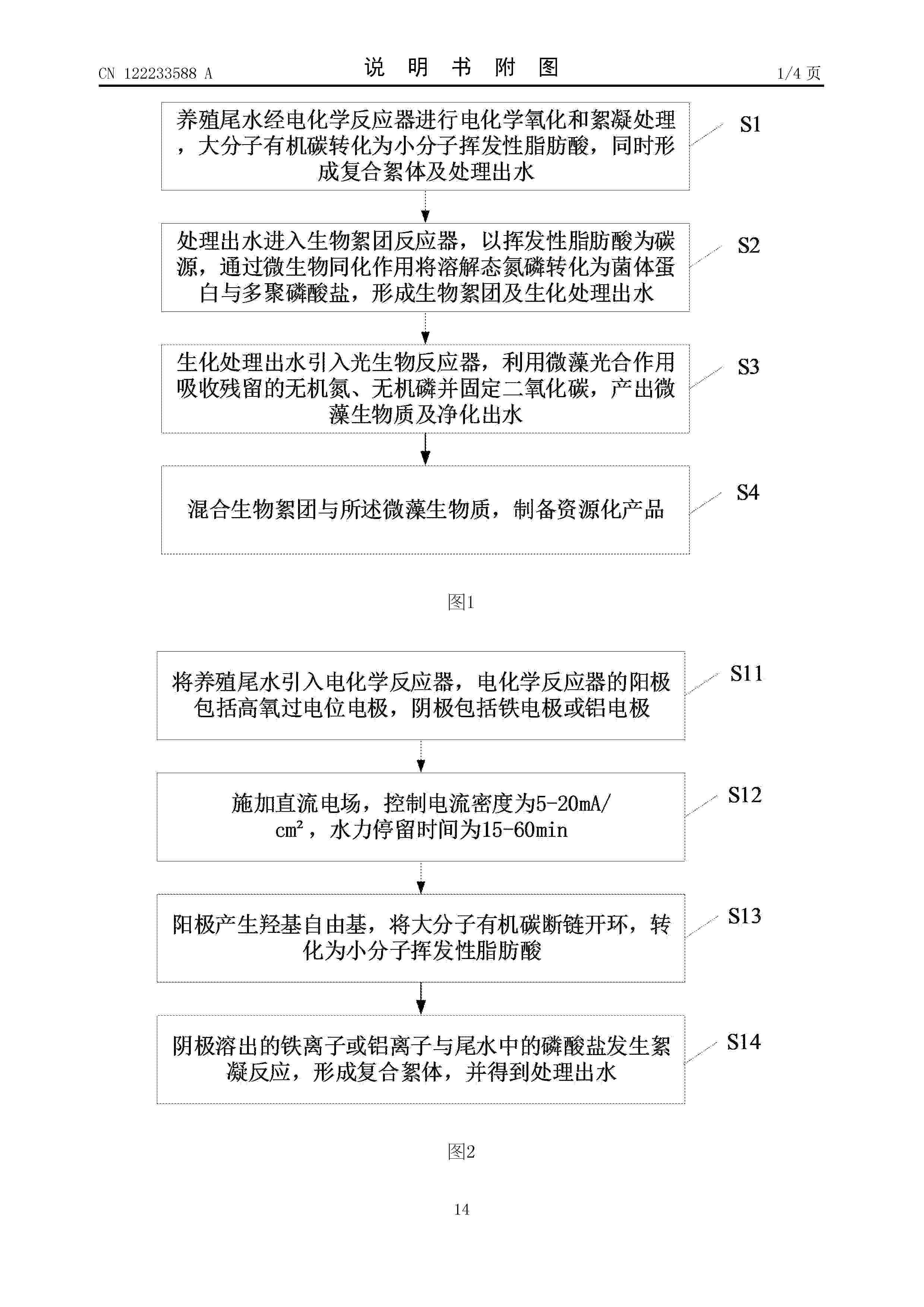
Resumen de: CN122233588A
The invention discloses a low-carbon emission treatment method for aquaculture tail water, which comprises the following steps: carrying out electrochemical oxidation and flocculation treatment on the aquaculture tail water through an electrochemical reactor, converting macromolecular organic carbon into micromolecular volatile fatty acid, and simultaneously forming a composite floc and treated effluent; the treated effluent enters a biofloc reactor, volatile fatty acid is used as a carbon source, dissolved nitrogen and phosphorus are converted into mycoprotein and polyphosphate through microbial assimilation, and biofloc and biochemical treated effluent are formed; the biochemical treatment effluent is introduced into a photobioreactor, residual inorganic nitrogen and inorganic phosphorus are absorbed and carbon dioxide is fixed by utilizing microalgae photosynthesis, and microalgae biomass and purified effluent are produced; and mixing the biological floc and the microalgae biomass to prepare a recycling product. The method is used for solving the technical problems that organic carbon and nitrogen and phosphorus resources in tail water are used as wastes for high-energy-consumption degradation and are not used as recyclable resources, and the recycling value of the organic carbon and nitrogen and phosphorus resources as carbon sink and nutrient sources is neglected in the prior art.
Resumen de: CN122228956A
The invention discloses a biological bait fortification method for increasing the survival rate of octopus ocellatus larvae and promoting growth, which is applied to biological bait in the stage (from early hatching to bottom attaching stage, and suitable for trunk length of 0.5 cm-1. 5cm) of the octopus ocellatus larvae, and comprises the following steps: screening out an optimal microalgae ratio and fortification time, and carrying out nutrition fortification on disinfected living bait, so that the survival rate of the octopus ocellatus larvae is increased, and the survival rate of the octopus ocellatus larvae is increased. The method has the advantages that diseases of octopus ocellatus due to ingestion of baits with germs are prevented, nutritional components of biological baits are specially made through a food chain according to growth and development requirements of the octopus ocellatus, the survival rate and digestive gland index of the young octopus ocellatus are increased, the development cycle of the young octopus ocellatus is shortened, and good growth and development of the octopus ocellatus are guaranteed; the polyunsaturated fatty acid provided by the invention is a key nutrient substance for the development of the octopus ocellatus larvae, and a flowing mode of key nutrient components including DHA, EPA, ARA and essential amino acids is disclosed, so that the method has important significance on large-scale artificial breeding of the octopus ocellatus and dir
Resumen de: CN122235189A
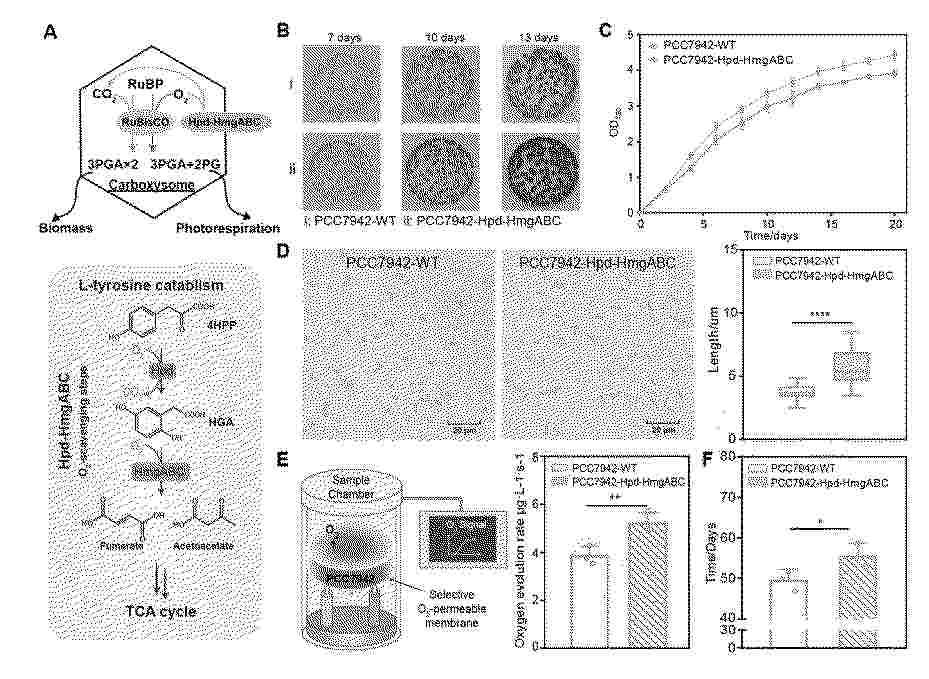
The invention relates to a construction method of a blue-green algae engineering strain for improving photosynthetic efficiency based on tyrosine metabolism. The method comprises the following steps: constructing a recombinant vector pUC18-NS17942-GmR-pCPCB-Hpd-HmgABC containing a 4-hydroxyphenylpyruvate dioxygenase (Hpd) encoding gene, a homomelanic acid dioxygenase (HmgA) encoding gene, a fumaryl acetoacetic acid hydrolase (HmgB) encoding gene and a maleoyl acetoacetic acid isomerase (HmgC) encoding gene; the recombinant vector pUC18-NS17942-GmR-pCPCB-Hpd-HmgABC is integrated to a genome neutral site NS1 of a cyanobacteria host, and the cyanobacteria engineering strain is obtained through gentamicin resistance screening. According to the method, the proportion of O2/CO2 in cells is adjusted by constructing an oxygen removal metabolism module, the RuBisCO carboxylation efficiency is remarkably improved on the premise that RuBisCO is not modified, and finally stable increase of photosynthetic efficiency and biomass is achieved.
Resumen de: CN224371095U
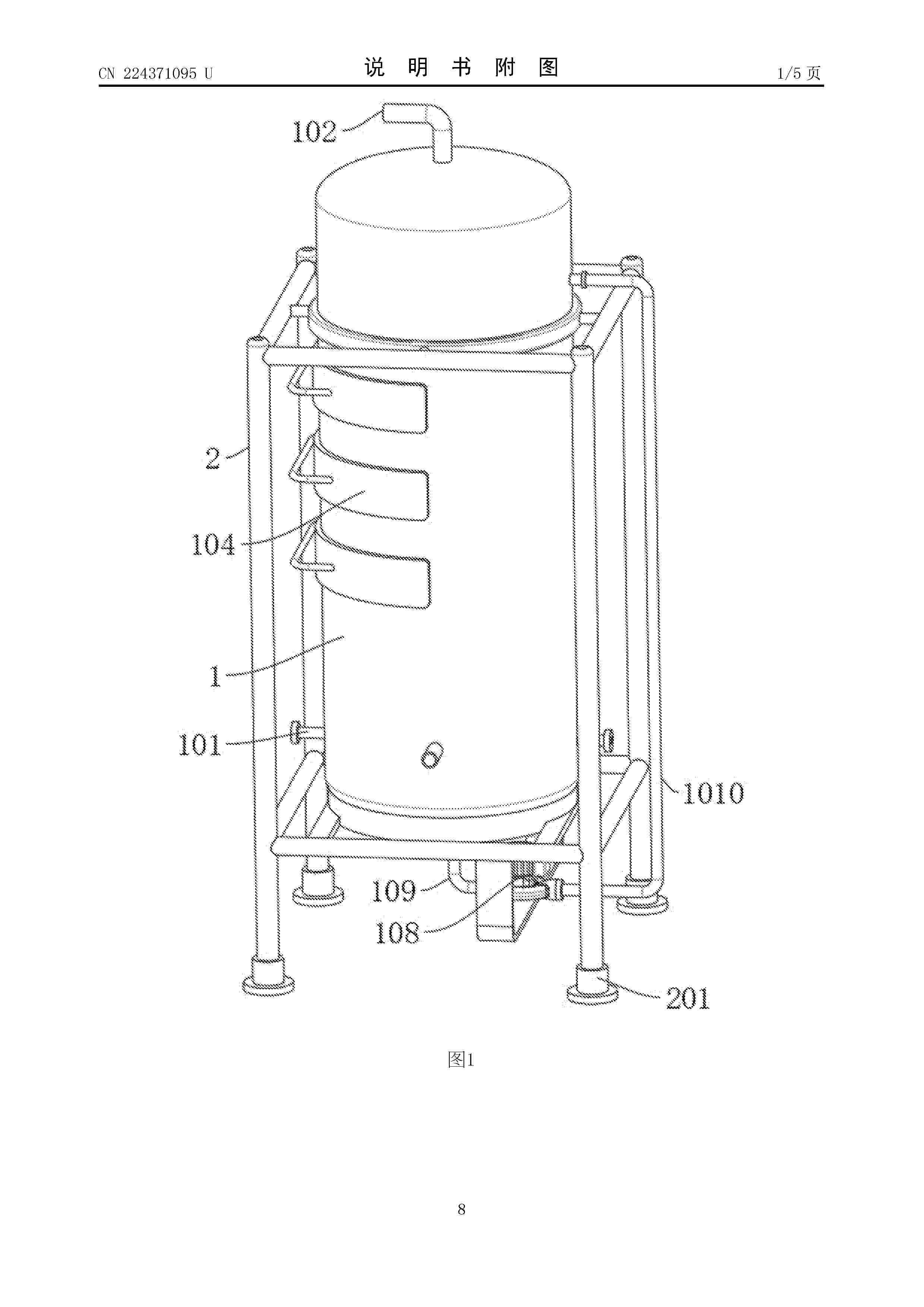
The utility model discloses a gas-liquid countercurrent contact purification tower and relates to the field of waste gas treatment. The gas-liquid countercurrent contact purification tower comprises a transparent tower body, the lower end of one side of the transparent tower body is fixedly communicated with a gas conveying pipe, the upper end of the transparent tower body is fixedly communicated with an exhaust pipe, and the gas-liquid countercurrent contact purification tower further comprises a spraying pipe fixedly connected to the upper end of the interior of the transparent tower body; according to the utility model, a countercurrent mode of feeding CO2-containing waste gas from the bottom and spraying algae liquid from the top is adopted, and a plurality of filler layers with immobilized algae species are matched, so that the gas-liquid contact time is greatly prolonged, the mass transfer is enhanced, the problems of short contact between microalgae and pollution gas and low carbon sequestration efficiency are solved, the waste gas is efficiently purified, the concentration of the algae liquid is stabilized by a tower bottom circulating pump, and continuous and stable contact is ensured; the cylindrical structure is matched with multiple layers of fillers, the occupied space is small, the scene with limited space is adapted, the transparent tower body can visually monitor the internal gas-liquid and algae-liquid states, the abnormity can be timely handled, and the oper
Resumen de: CN224377813U
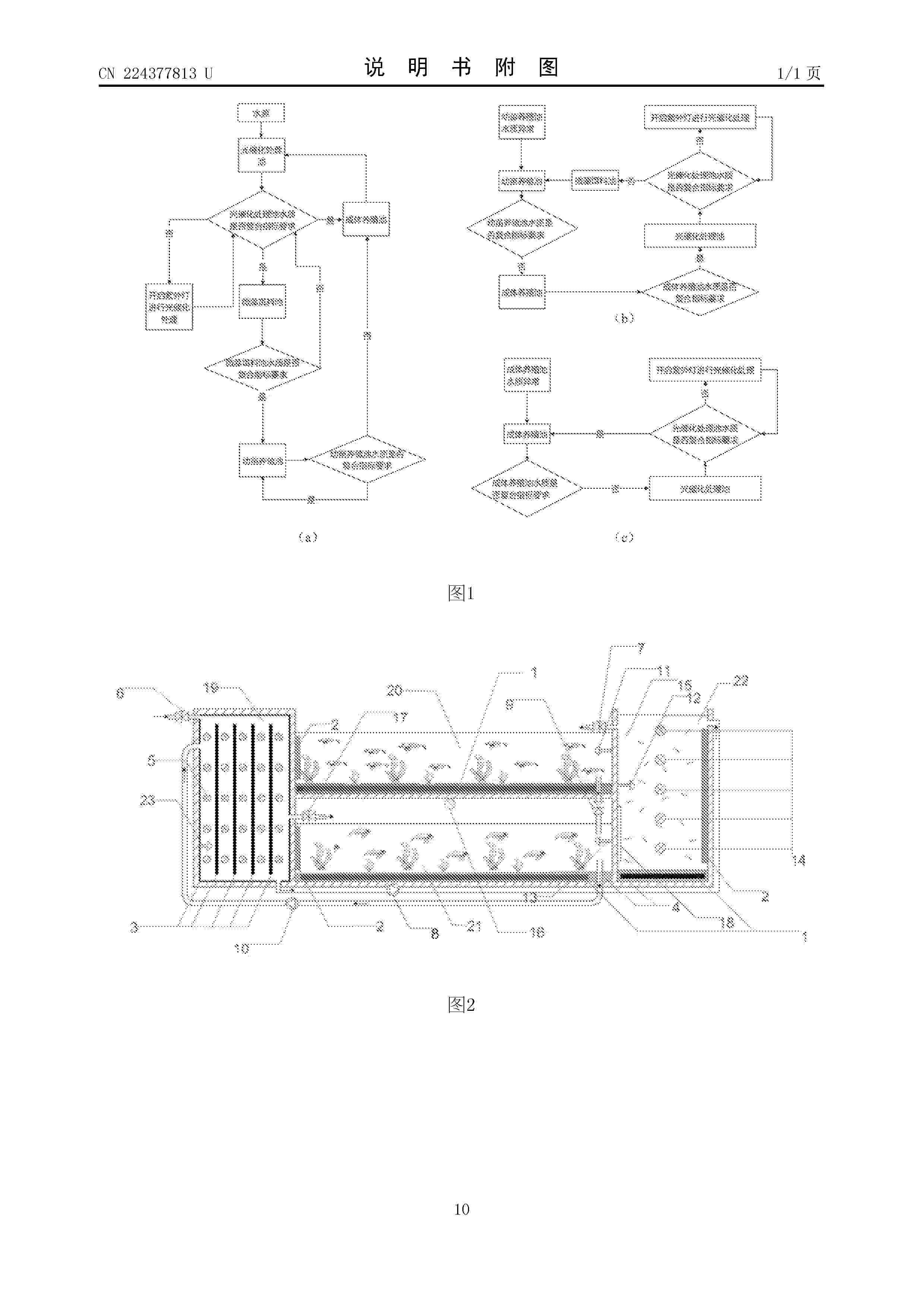
The utility model provides a full-circulation fishery breeding water treatment device based on photocatalytic microalgae coupling, which mainly comprises a photocatalytic treatment pond, an adult breeding pond, a seedling breeding pond and a microalgae bait breeding pond, an anode, a cathode, a photocatalytic film, deposited bottom mud, an ultraviolet lamp, a CO2 aeration disc, a gate valve, a water pump, an LED light source and a water quality sensor are also arranged in different tanks. An anode, a cathode, a water body and an external circuit in the water treatment device jointly form a bacteria-algae biological fuel cell for supplying power to equipment such as an ultraviolet lamp of the photocatalytic treatment pond, an LED light source of each culture pond, a water pump and the like; a water quality sensor network is formed in the full-circulation water treatment device, and the processes of water supplementing, bait supplementing and the like are efficiently controlled in time. According to the utility model, the photocatalytic oxidation and the biological fuel cell are cooperated to purify culture sewage, the microalgae is used as bait to reduce cost and improve immunity, and the microbial fuel cell generates power to supply oxygen to the microalgae light source, so that zero emission, full circulation and water saving are realized.
Resumen de: CN224378023U
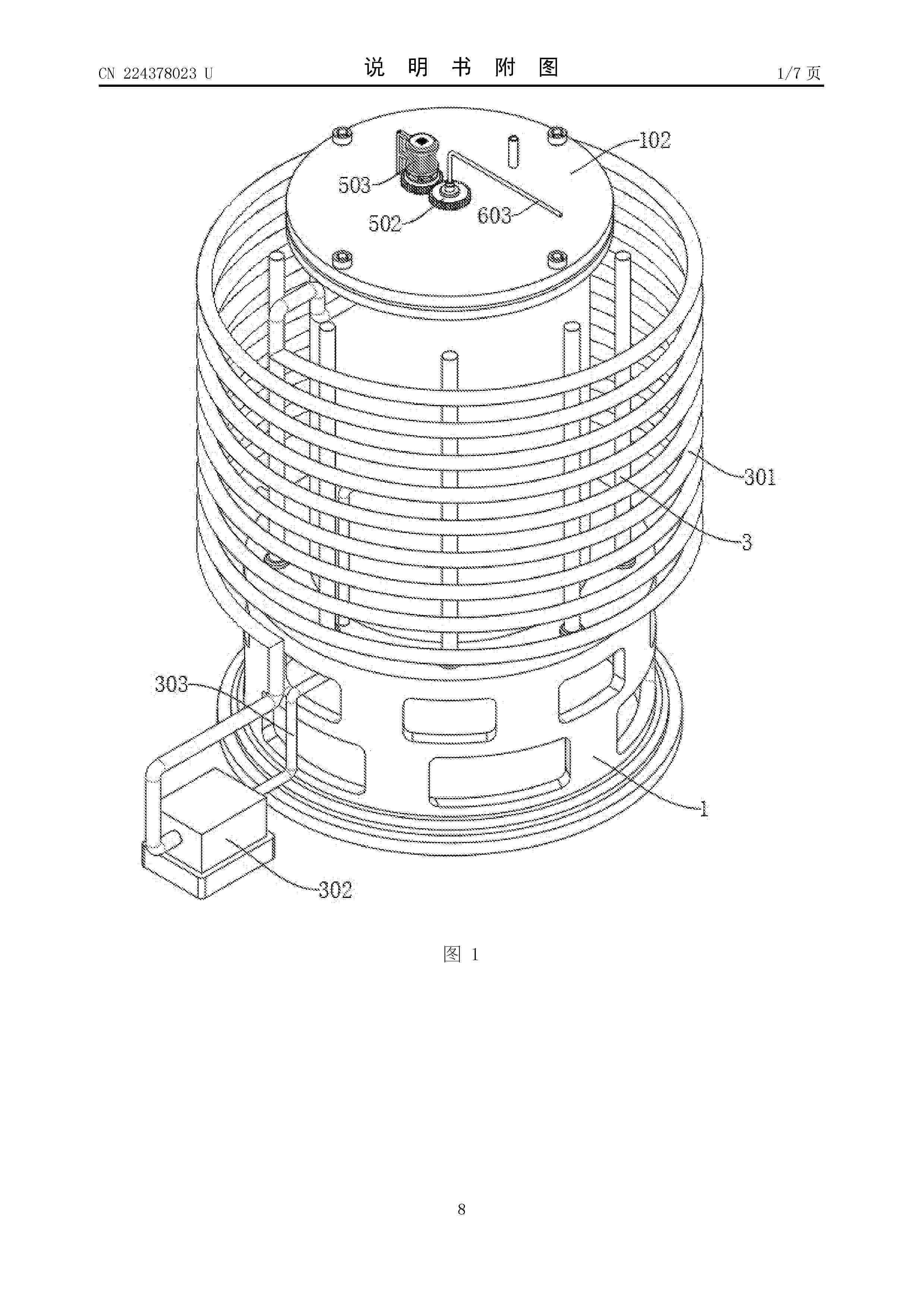
The utility model discloses a multilayer spiral photobioreactor and relates to the field of bioreactors. The multilayer spiral photobioreactor comprises a base, and further comprises a transparent tank body fixedly connected to the base; the sealing cover is detachably connected to the tank body; the infusion pump is arranged on one side of the base; one end of the liquid conveying pipe is communicated with the interior of the lower end of the tank body; the transparent tank body and the spiral pipe guarantee natural light penetration, the LED lamp bar accurately supplements light, the spiral path prolongs the light receiving time of algae liquid, the problems that a traditional reactor is uneven in illumination and insufficient in light receiving are solved, the photosynthetic efficiency of microalgae is promoted to be improved, and the microalgae growth rate is directly increased, and the biomass accumulation is increased; the microalgae are in full contact with nutrient substances and light through the combination of algae liquid circulating flow and gas microbubble injection, algae liquid layering and local nutrient deficiency are avoided, the stability of the microalgae growth environment is guaranteed, and the culture consistency and yield are improved.
Resumen de: CN122235188A
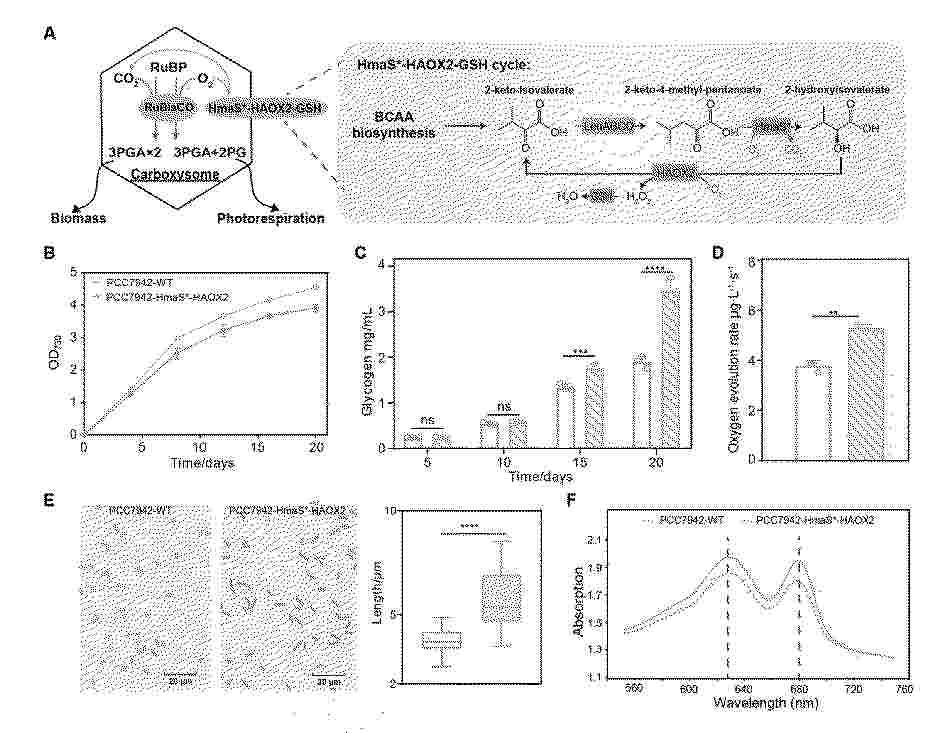
The invention relates to a construction method of a blue algae engineering strain capable of improving photosynthesis efficiency. The construction method comprises the following steps: constructing a recombinant vector pUC18-NS17942-GmR-pCPCB-HmaS *-HAOX2-GSH containing a mutant 4-hydroxymandelic acid synthase HmaS * coding gene, a hydroxy acid oxidase HAOX2 coding gene, glutathione peroxidase and a glutathione reductase GSH coding gene; the recombinant vector pUC18-NS17942-GmR-pCPCB-HmaS *-HAOX2-GSH is integrated to a genome neutral site NS1 of a cyanobacteria host, and the cyanobacteria engineering strain is obtained through gentamicin resistance screening. According to the method, the proportion of O2/CO2 in cells is directly adjusted through a metabolic engineering means, the RuBisCO carboxylation efficiency is remarkably improved on the premise that RuBisCO is not modified, and finally stable increase of photosynthetic efficiency and biomass is achieved.
Resumen de: WO2026127757A1
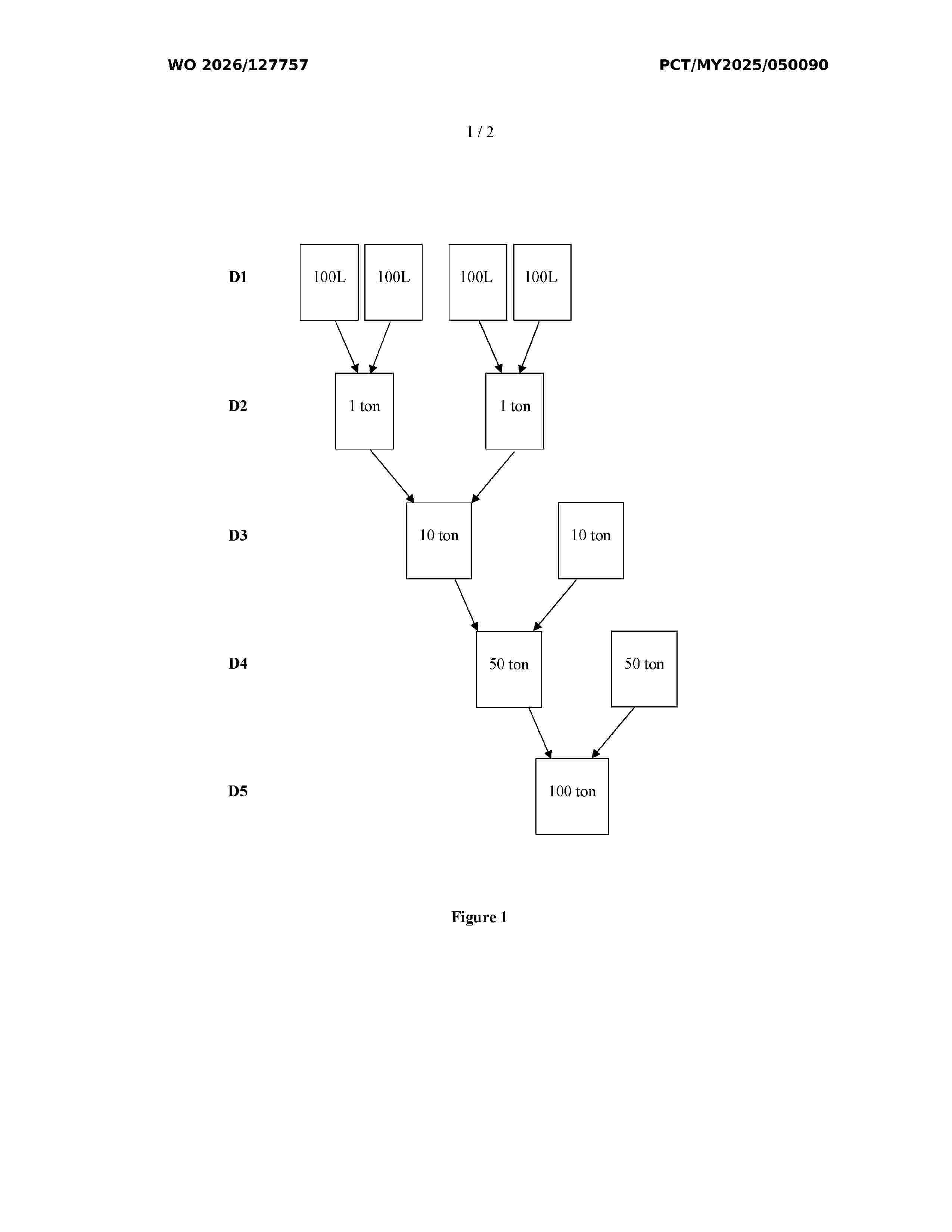
A method for cultivating microalgae comprises the steps of inoculating a culture media with microalgae and adding a substrate into the inoculated culture media; and cultivating the microalgae under heterotrophic growth conditions and periodically introducing microscopic air bubbles and the substrate into the inoculated culture media.
Resumen de: WO2026126194A1
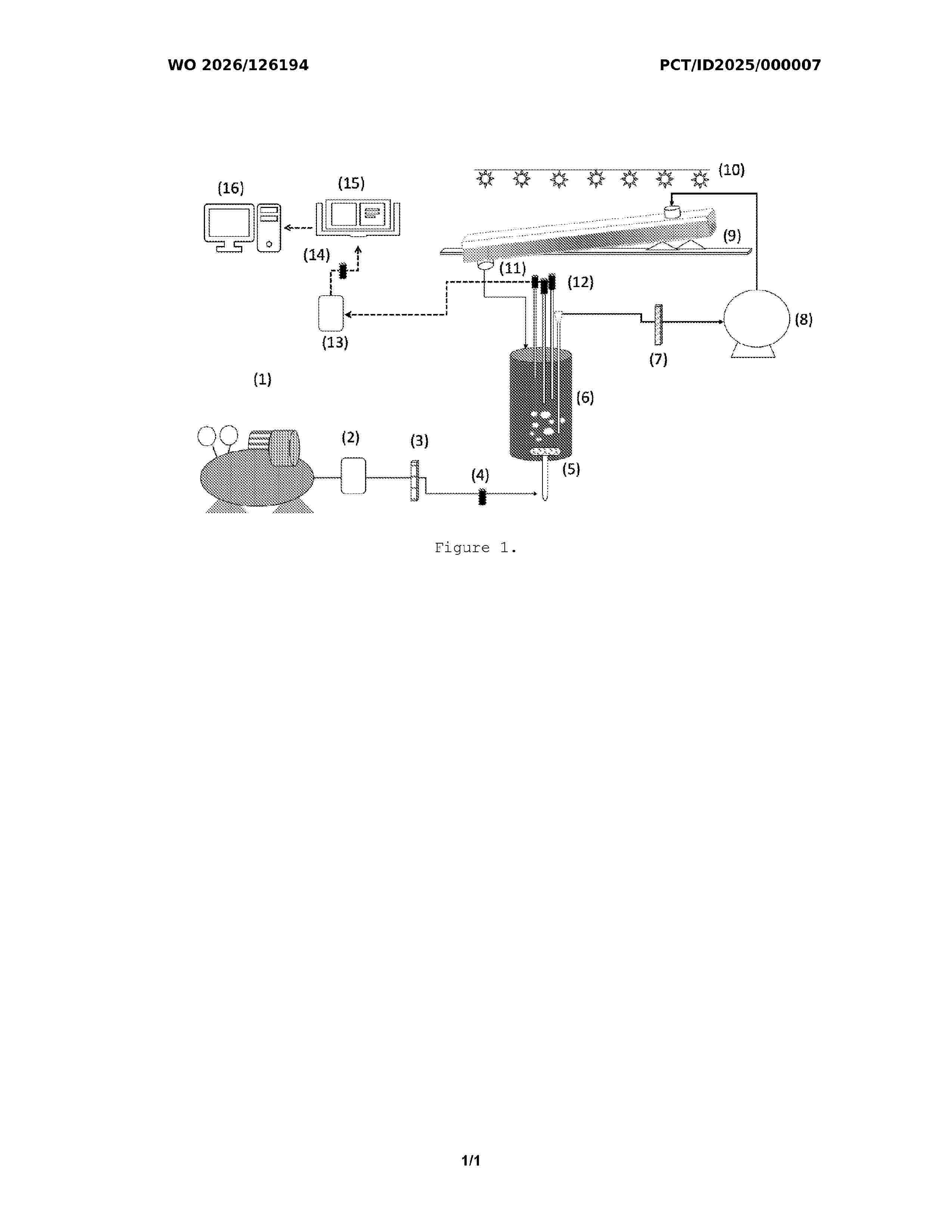
This invention relates to a hybrid photobioreactor device capable of facilitating the occurrence of light-dark reactions in a sequential process within a single system. This is done to increase biomass production of microalgae/cyanobacteria cultures, with real-time monitoring of growth parameters. This device is functionally divided into five components: 1) a closed flat-panel bioreactor unit; 2) a light source platform unit; 3) a microalgae culture suspension transfer pump unit; 4) a dark-tube bioreactor unit made of opaque material where the dark reactions occur; and 5) a data logger module to monitor photosynthesis parameters. The ratio of the microalgae culture residence time in the light-panel bioreactor, where the light reactions occur, to the residence time in the dark-tube bioreactor, where the dark reactions occur, is adjusted to achieve effective and efficient operating conditions to support microalgae growth.
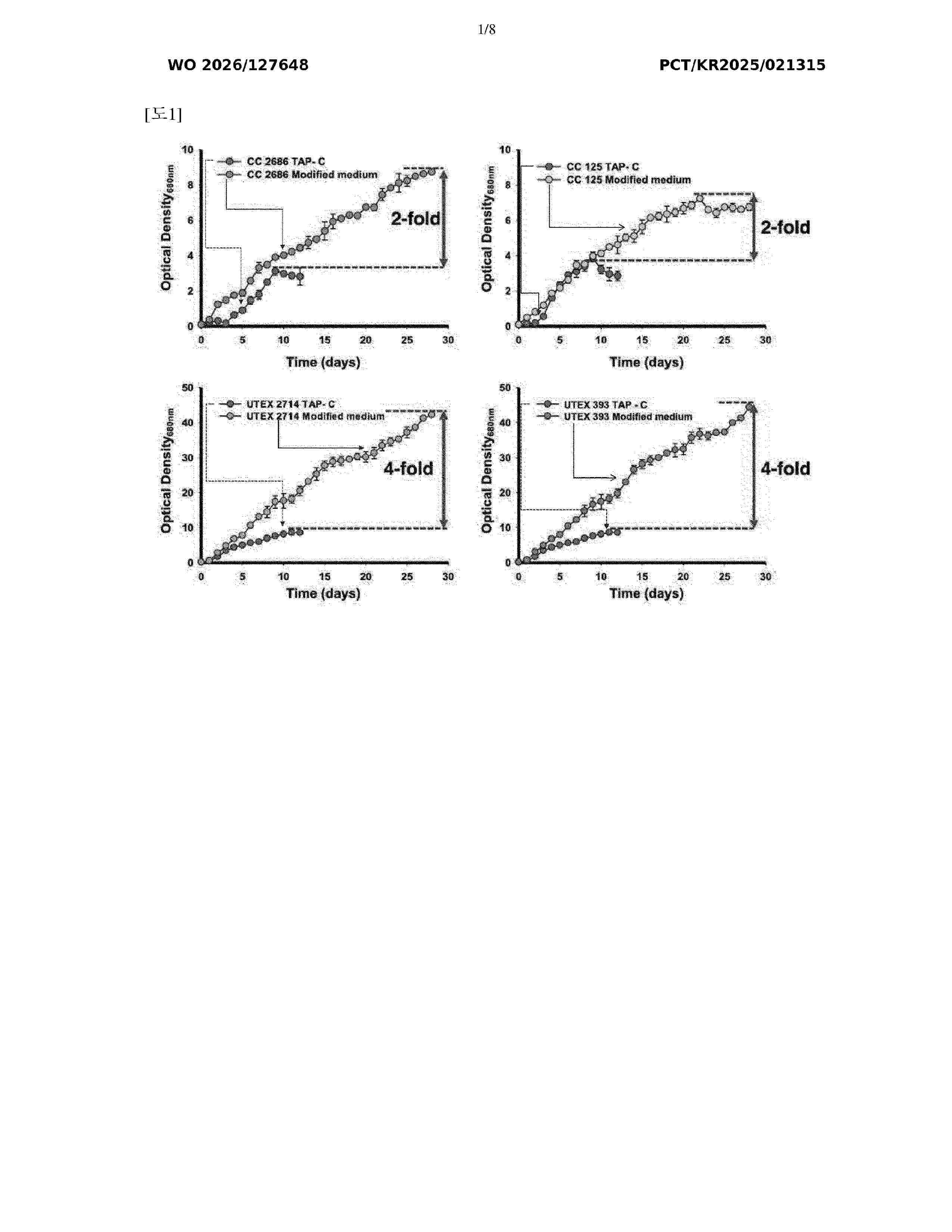
Resumen de: WO2026127648A1
The present invention relates to a method for producing polyhydroxyalkanoate using a microalgal biomass hydrolysate. According to the present invention, PHA productivity can be improved by using a microalgal biomass hydrolysate for PHA production, and the chain length of PHA can be controlled according to the accumulation levels of lipids and carbohydrates in microalgae. Accordingly, the present invention provides the advantage of enabling the customized production of PHA having physical properties suitable for various applications. In addition, the present invention can replace existing biomass and can be effectively applied to PHA production processes requiring cost-effectiveness and eco-friendliness.
Nº publicación: WO2026125642A1 18/06/2026
Solicitante:
GIULIANI S P A [IT]
GIULIANI S.P.A.
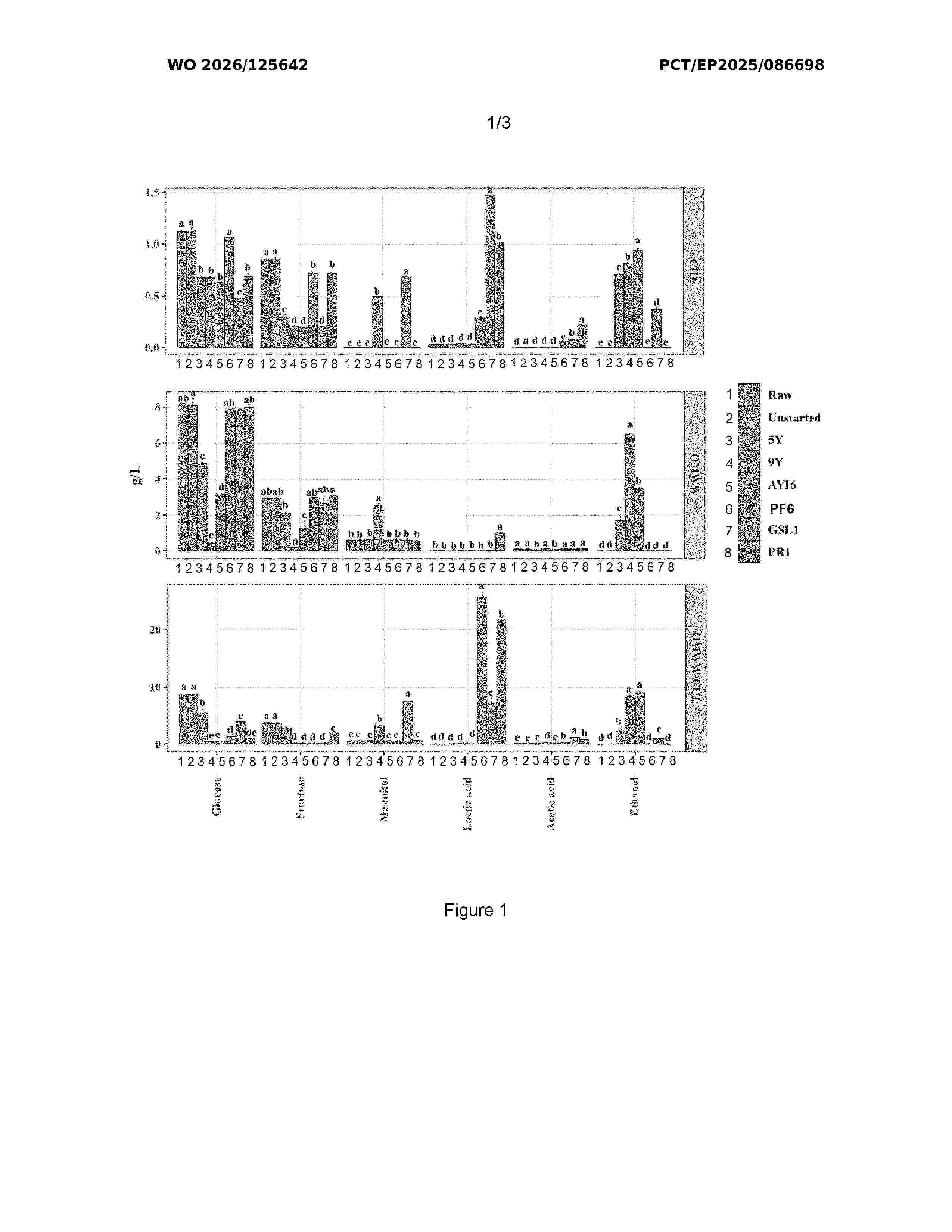
Resumen de: WO2026125642A1
The present invention relates to a biotechnological process for the production of a OMWW fermented extract comprising the following steps: a) providing and mixing OMWW and microalgae Chlorella, thus obtaining a starting material; b) inoculating the starting material with a lactic acid bacterium and/or a yeast, and c) fermenting the starting material. The fermented OMWW extract obtained has the nutritional and functional profiles that enrich the nutritional characteristics of the product contained it, for example wheat bread, introducing notable biological and antioxidant compounds. Simultaneously, the products of the invention exhibited enhanced antifungal properties and extended shelf life especially.
 BOPI
BOPI
 Sede Electrónica