Si deseas distinguir tus productos, servicios o ambos de los de otra empresa, es posible que necesites una marca o nombre comercial. Descubre qué son, en qué consiste su procedimiento de registro y qué implica.

Información sobre los plazos de presentación de solicitudes de transformación de marcas de la Unión Europea en marca nacional española. Más información


Si tienes un nuevo dispositivo, producto o procedimiento que resuelva un problema técnico o tenga una ventaja práctica, existen distintas formas de protegerlo en España y en otros países. Descubre cómo hacerlo.

¿Tu innovación reside en la estética, la ornamentación o la apariencia de tu producto? Protégela mediante un diseño industrial. Descubre qué derechos confiere el registro y cómo realizar la tramitación.

Las indicaciones geográficas protegen el nombre de un producto originario de una zona geográfica, a la cual le debe una determinada calidad, reputación u otra característica. Descubre qué son, en qué consiste su procedimiento de registro y qué beneficios conceden.

Las patentes publicadas en todo el mundo son una valiosa fuente de información científica, técnica y comercial.

Si eres emprendedor/a o una empresa y quieres potenciar y mejorar la rentabilidad de tu negocio protegiendo de forma adecuada los activos intangibles de tu organización, en este espacio encontrarás lo necesario.


 139
resultados
139
resultados
 Última actualización
16/10/2026 [07:38:00]
Última actualización
16/10/2026 [07:38:00]


Resumen de: US20250186443A1
0000 The present disclosure relates to methods of diseases and/or conditions associated with Covid-19 infection, including long COVID, comprising administration of a COX-2 inhibitor, an antiviral compound, and one or more additional active ingredients, such as a combination of nirmatrelvir and ritonavir, molnupiravir, BCG vaccine, or ivermectin.

Resumen de: WO2023161837A1
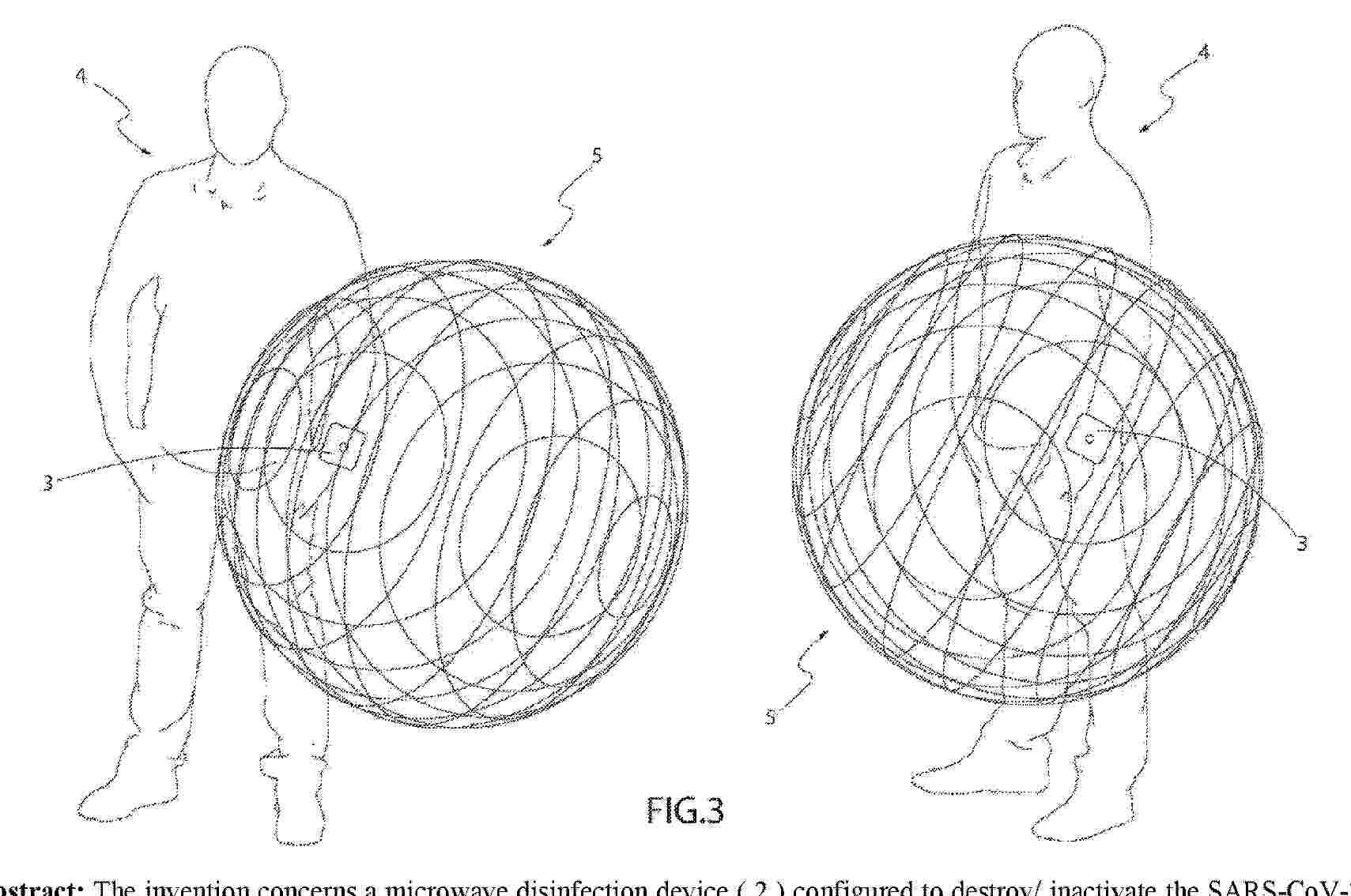
The invention concerns a microwave disinfection device ( 2 ) configured to destroy/ inactivate the SARS-CoV-2 and H1N1 viruses and comprising a microwave irradiation section ( 22 ) configured to : irradiate microwave signals that have an incident electric field amplitude not higher than 6 V/m and frequencies that are included in the 8-10 GHz band and are spaced from each other by a step comprised between 10 MHz and 100 MHz; irradiate the microwave signals at each individual frequency for a time interval comprised between 50 ms and 1 s; and irradiate the microwave signals with duty cycles comprised between 5% and 50%.
Resumen de: US20260305587A1
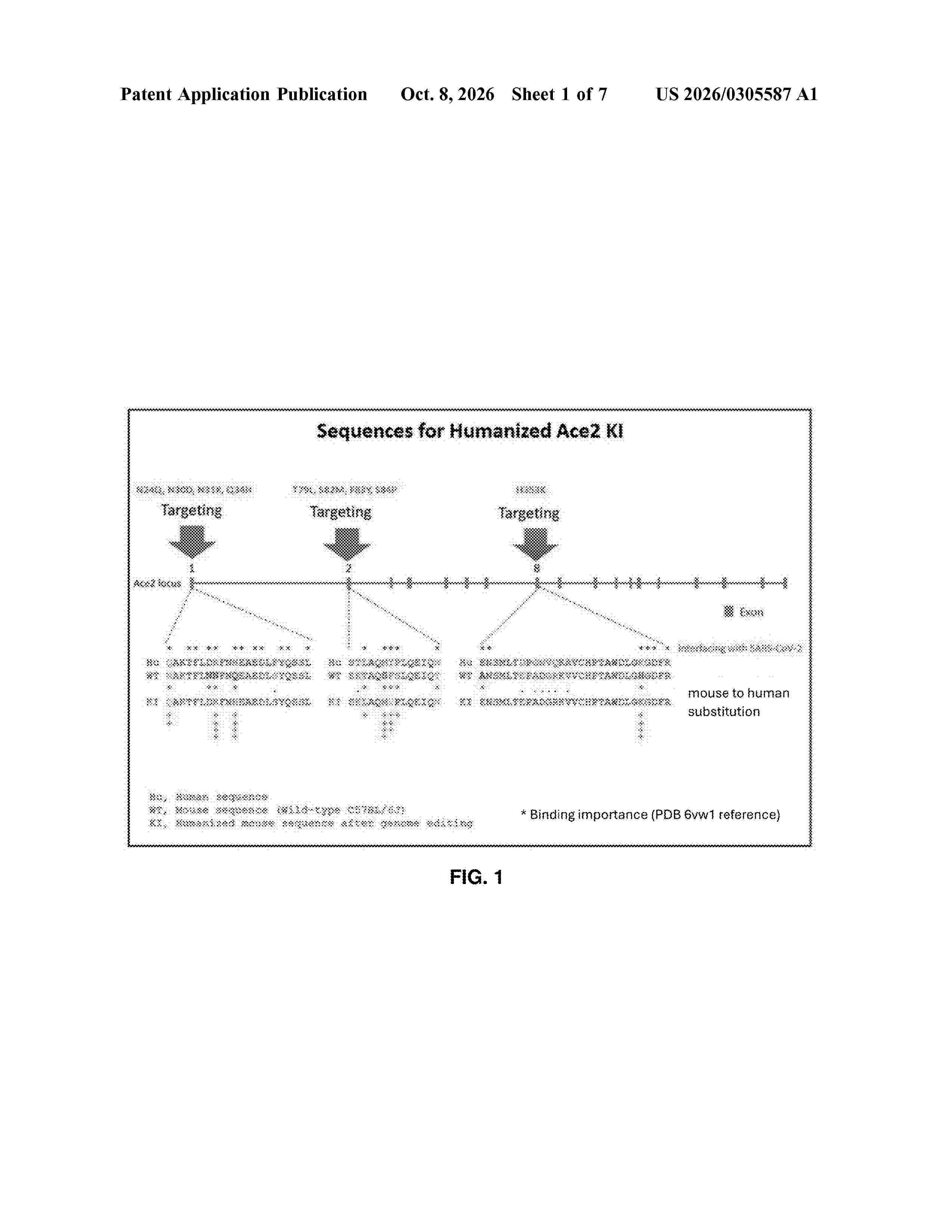
The present invention discloses a humanized ACE2-expressing transgenic mouse, which is susceptible to infection by the SARS-CoV-2 virus, obtained through the application of the CRISPR system, and a method for producing the same. The humanized ACE2-expressing transgenic mouse of the present invention reflects symptom severity and mortality patterns according to age, sex, and viral inoculation dose, as observed in human COVID-19 cases, and reproduces the immunopathological characteristics of SARS-CoV-2 infection in the lungs without viral replication or lesions in the brain. Therefore, it can be usefully employed for understanding the pathogenic mechanisms of SARS-CoV-2 and for the development of vaccines or therapeutics.
Resumen de: WO2026213490A1
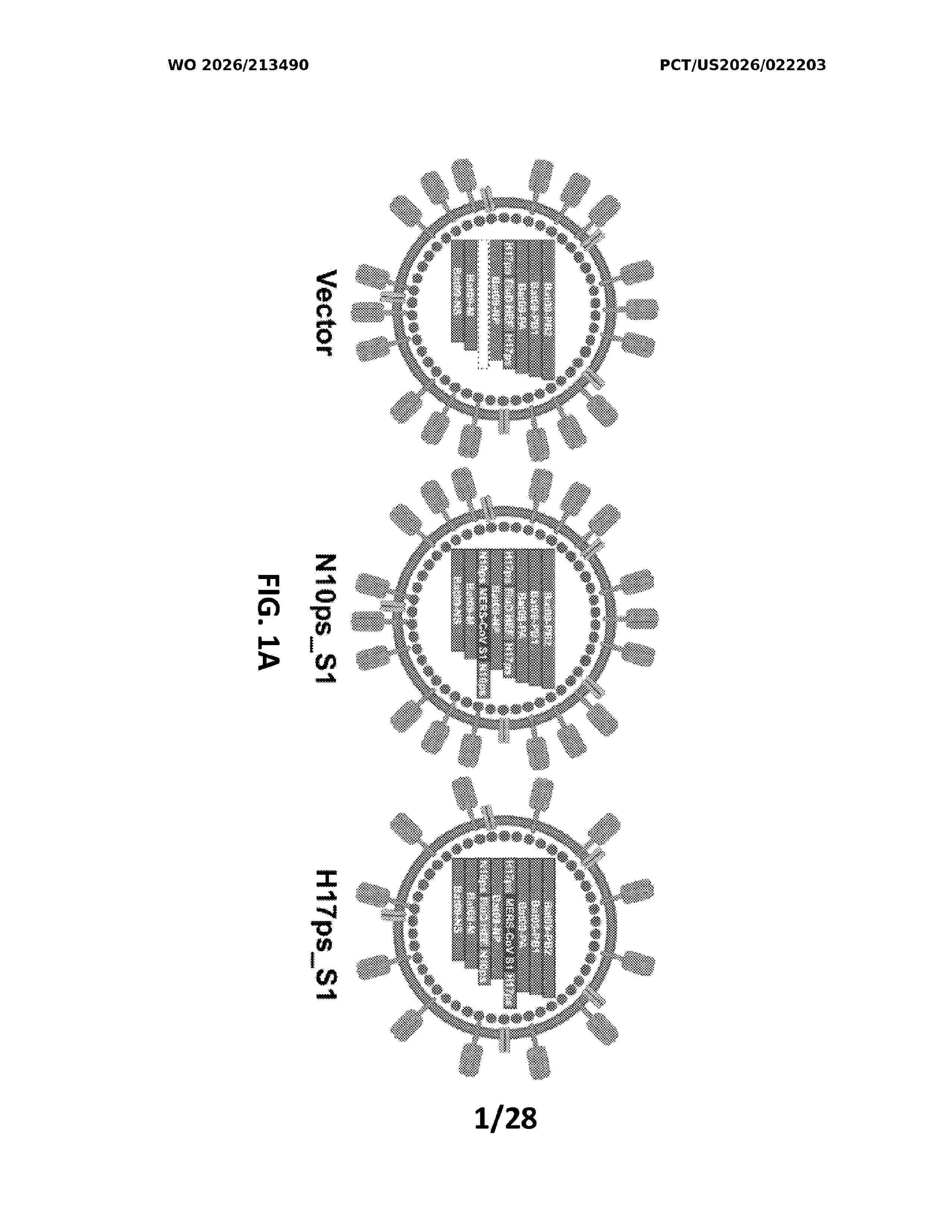
Described herein is a novel bat influenza A virus-based vaccine vector modified by replacing the open reading frame of either bat influenza hemagglutinin or neuraminidase with that of hemagglutinin-esterase-fusion gene from influenza D virus that can infect multiple species including humans and camels. A temperature-sensitive, cold-adapted and attenuated MERS vaccine candidate expressing the clade A MERS-CoV spike S1 was then developed, referred to as Len_S1, using the developed bat influenza vector and demonstrated its safety and immunogenicity. A single-dose intranasal immunization with Len_S1 was able to protect hDPP4 transgenic mice from a lethal MERS-CoV challenge. Notably, two-dose immunization with Len_S1 completely blocked viral replication and lung damage of challenged mice. Len_S1 is a safe and effective MERS vaccine that can induce a comprehensive immune response and provide cross-protection against different clades of MERS-CoVs.
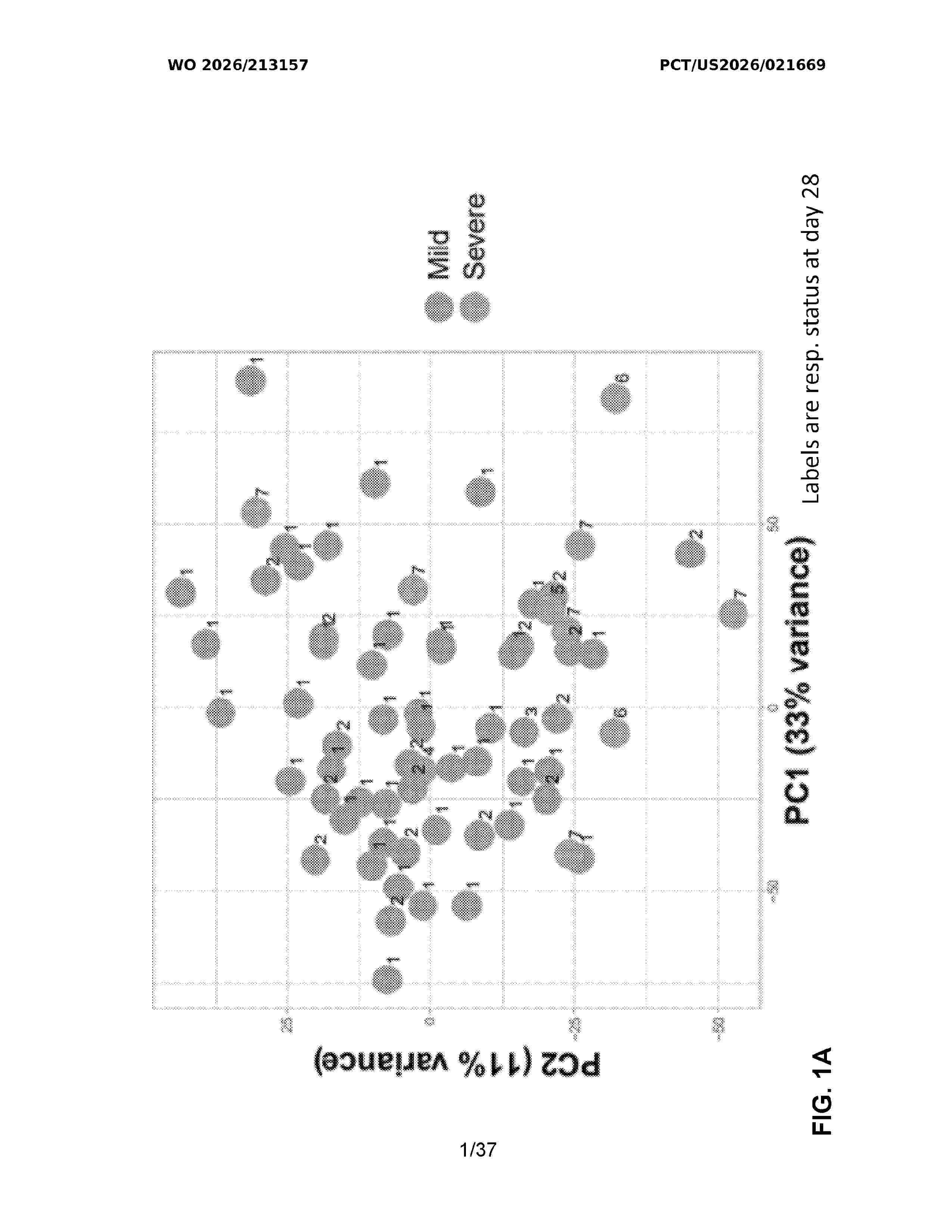
Resumen de: WO2026213157A1
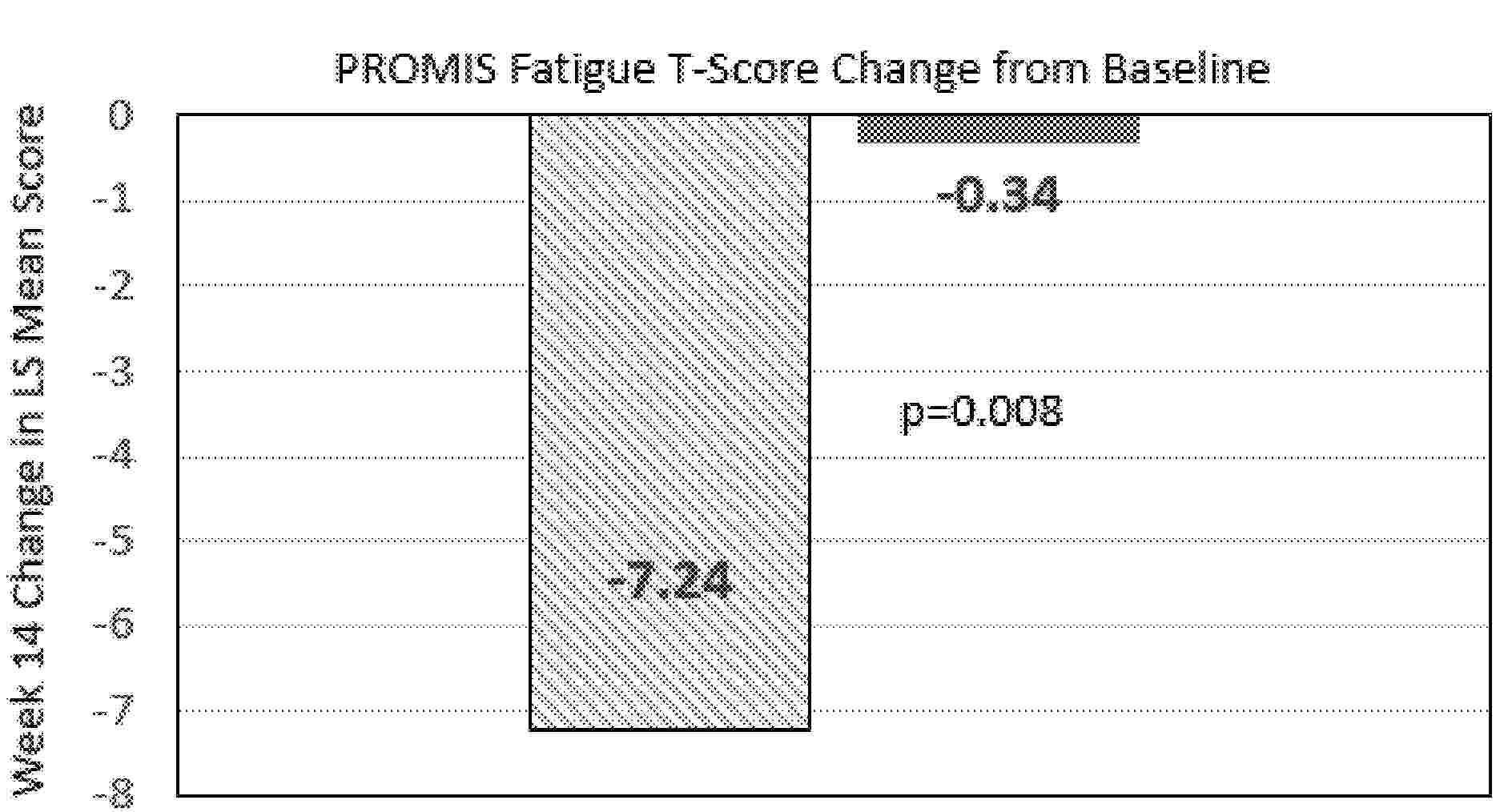
The present disclosure relates to methods of treating coronavirus disease 2019 (COVID-19), methods of assessing risk(s) associated with COVID-19, and methods of preventing long COVID.
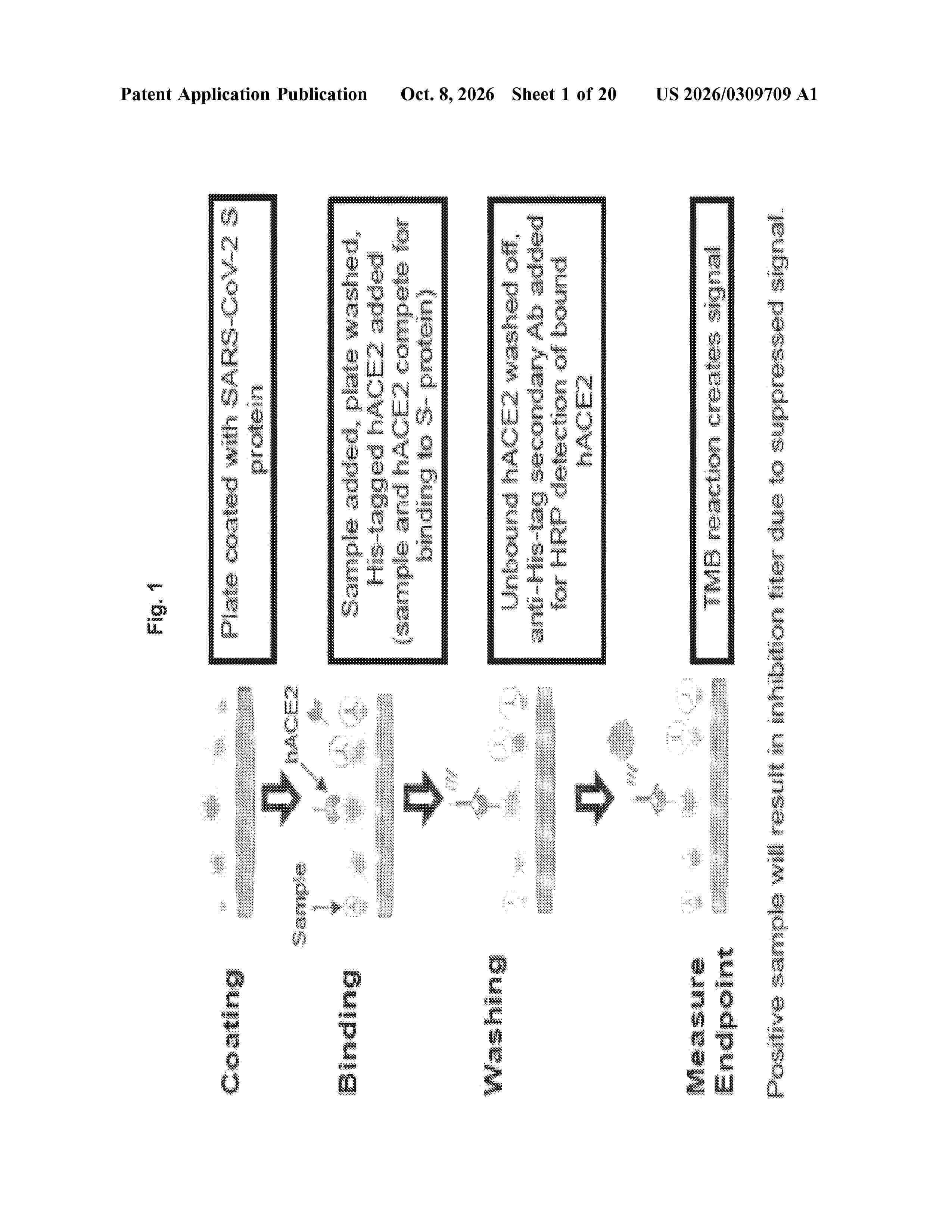
Resumen de: US20260309709A1
An improved assay to measure immunogenicity of vaccines while overcoming some of the limitations of current biomarkers of immunogenicity is necessary. Disclosed herein is an assay for measuring inhibition of binding between SARS-CoV-2 Spike (S) glycoproteins and hACE2. Also provided herein are methods of using the assay to evaluate the efficacy of COVID-19 vaccines.
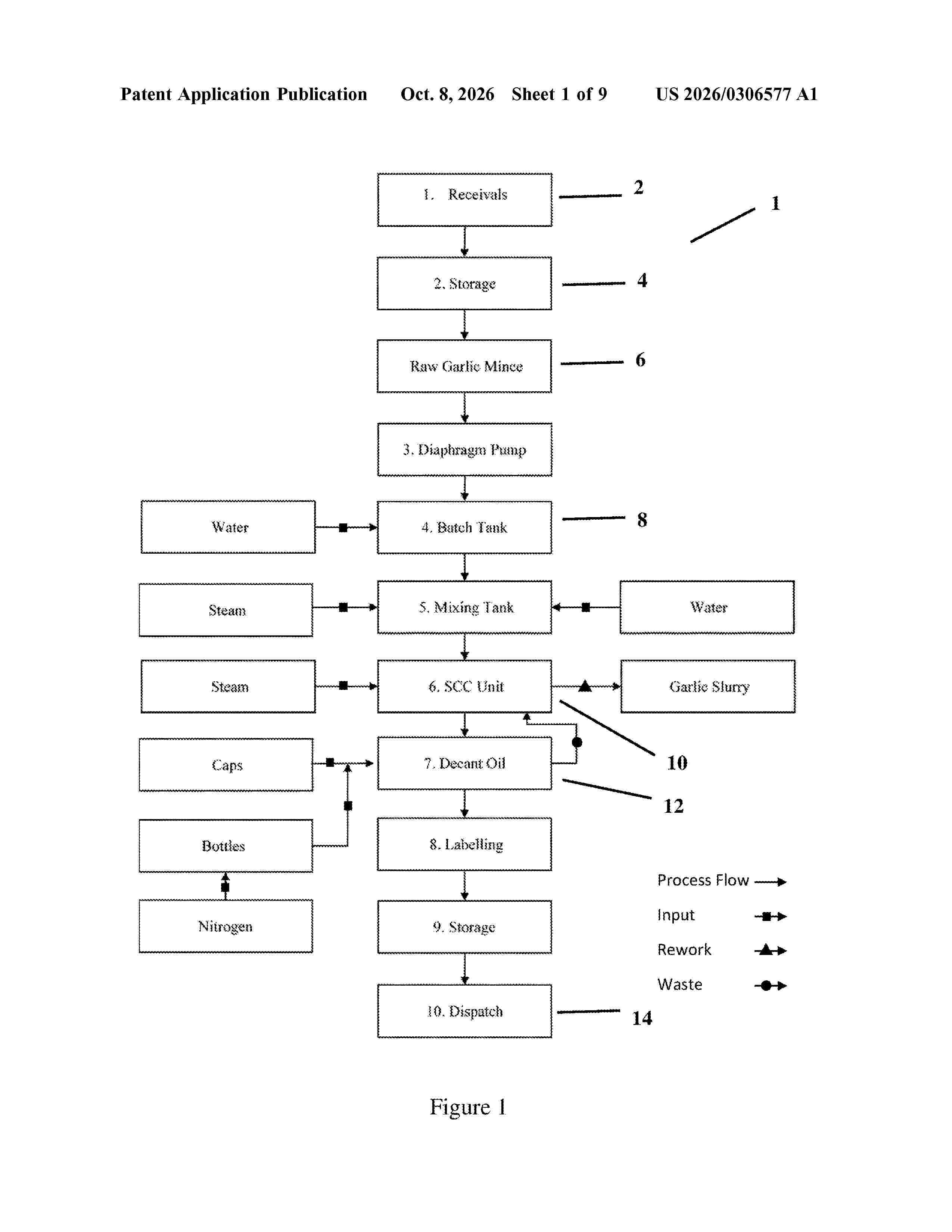
Resumen de: US20260306577A1
0000 The invention relates, inter alia, to methods of preparing a garlic oil, garlic oils produced using the method, pharmaceutical compositions comprising the garlic oil and uses of the garlic oil in the treatment of viral infections such as SARS-COV-2 and influenza A. The methods of preparing a garlic oil comprise the steps of: a) processing a portion of a garlic plant to increase its surface area; b) ageing the portion of the garlic plant for at least 18 months to provide an aged garlic, which does not comprise addition of ethanol; and c) separating the garlic oil in the aged garlic. Step c) may be performed using spinning cone distillation or supercritical fluid extraction, at a temperature below 110° C., or such that the pressure (atmospheres) divided by the temperature (degrees Kelvin) is equal to or less than about 0.0026.
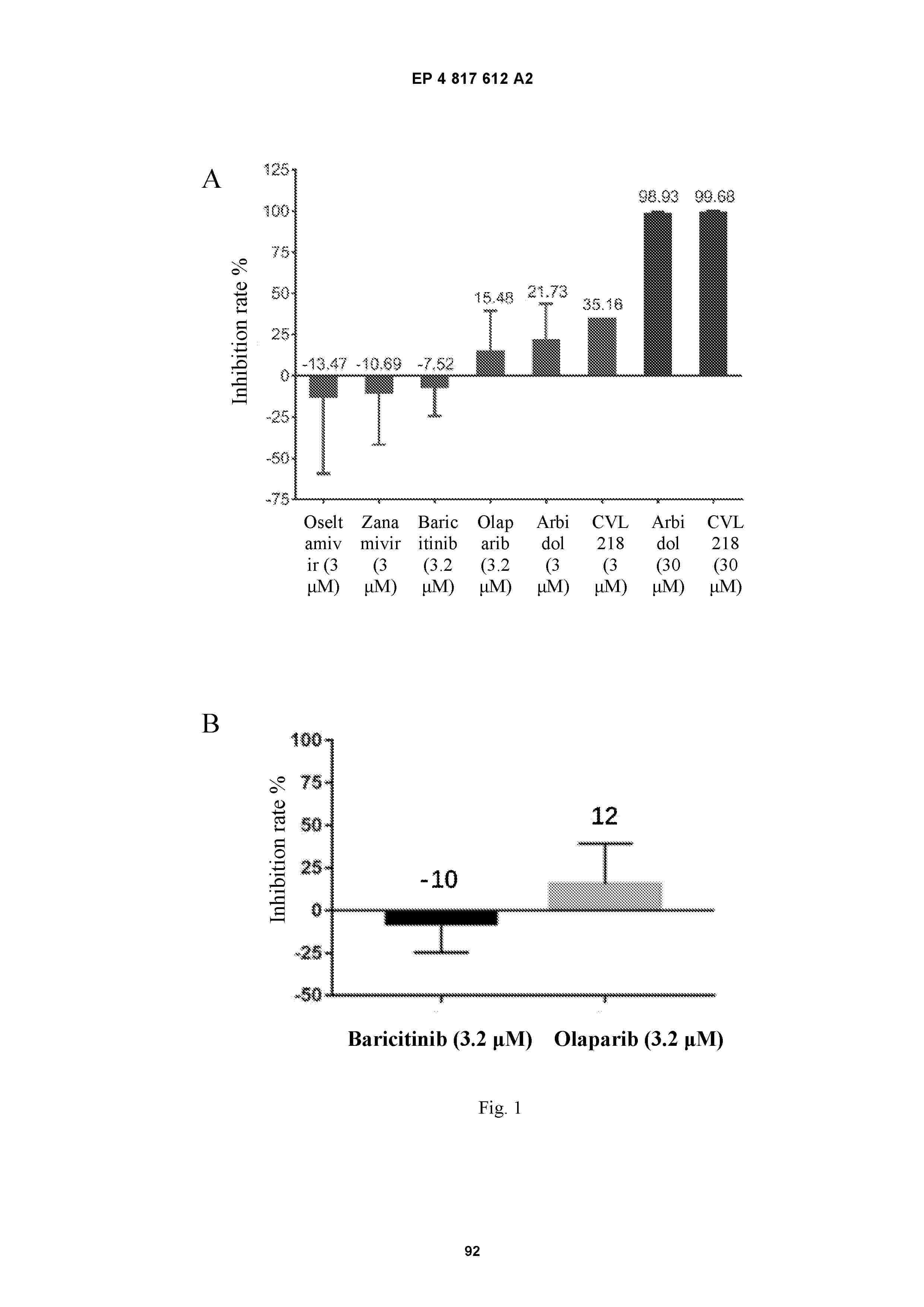
Resumen de: EP4817612A2
0001 Provided is application of a poly ADP ribose polymerase inhibitor or a pharmaceutically acceptable salt thereof in the preparation of antiviral agents or in the preparation of medicines for the treatment of diseases caused by viruses, wherein the viruses are β-coronavirus viruses. Also provided is application of a compound represented by formula III and/or a compound represented by formula IV or a pharmaceutically acceptable salt thereof in the preparation of antiviral agents or in the preparation of medicines for treatment of diseases caused by viruses, the viruses being HIV, HPV, EBV, IFV and/or coronaviruses. The poly ADP ribose polymerase inhibitor comprises a compound represented by formula III and/or a compound represented by formula IV or a pharmaceutically acceptable salt thereof, and can achieve a lower effective concentration for inhibiting viruses and a higher antiviral activity while ensuring low toxicity and high safety when being used in human bodies, so that in the application to the clinical treatment of diseases caused by coronaviruses, the present inhibitor can effectively inhibiting the viruses.
Resumen de: EP4818164A1
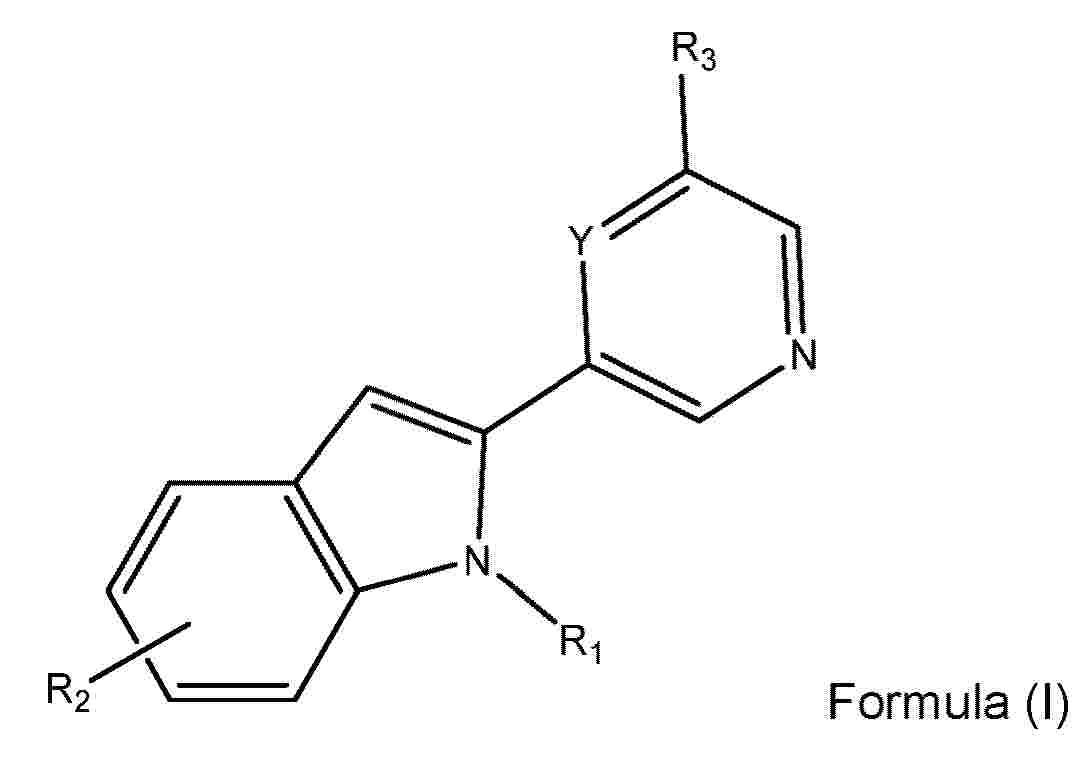
0001 The present invention relates to an indole derivative of formula (I)
3,3'-(pyridine-3,5-diylbis(5-methoxy-1H-indole-2,1-diyl))bis(N,N-dimethylpropan-1-amine) as inhibitors of interaction between Spike and ACE2 proteins for the treatment of infections due to respiratory viruses, such as e.g. SARS-CoV-1, SARS-CoV-2 or MERS CoV infections.
Resumen de: UA131281C2
The present invention provides methods for preventing and treating SARS-CoV-2 infections, COVID-19, or symptoms thereof. The methods of the invention feature the administration of one or more antigen-binding molecules (e.g., antibodies) that bind a surface protein of SARS-CoV-2 (e.g., spike protein).
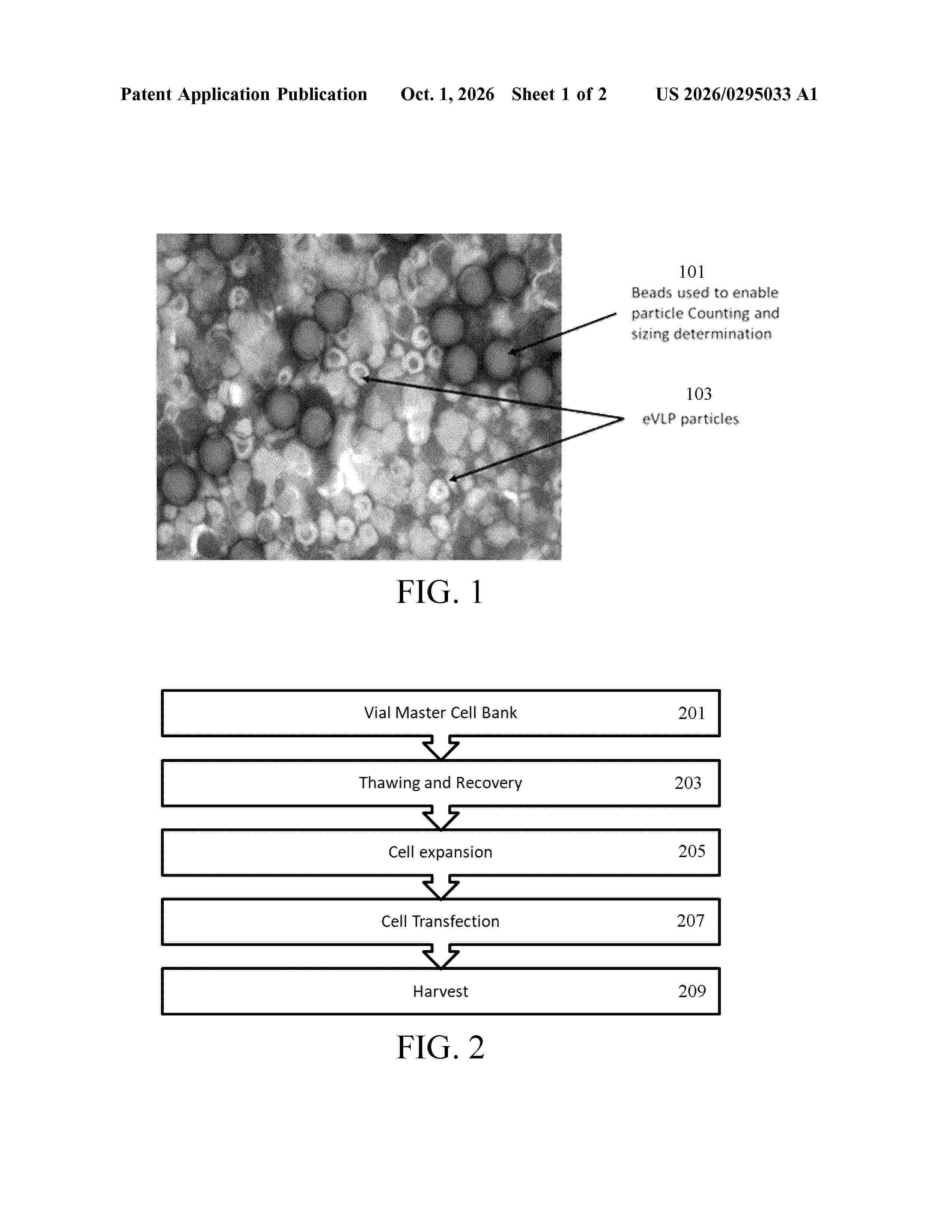
Resumen de: US20260295033A1
An immunogenic composition is described, comprising mRNA encoding polypeptides constituting a virus-like particle (VLP), and a pharmaceutically acceptable carrier. The polypeptides constituting the VLP comprise: a first polypeptide comprising a gag protein found in murine leukemia virus (MEV) having at least 95% identity with the amino acid sequence of SEQ ID NO: 1; and at least one additional polypeptide, which may comprise a protein of a virus, such as EB V, CMV, or coronavirus, for example a spike glycoprotein from a beta coronavirus such as SARS-COV-2, SARS-COV-1 or MERS-COV; or the at least one additional polypeptide may comprise a protein expressed by a cancer cell or tumour cell. A lipid nanoparticle composition is also described, which may comprise the VLPs. Methods of treatment or prevention of infection, such as from EBV, CMV, or coronavirus, or for treatment or prevention of cancer are described.
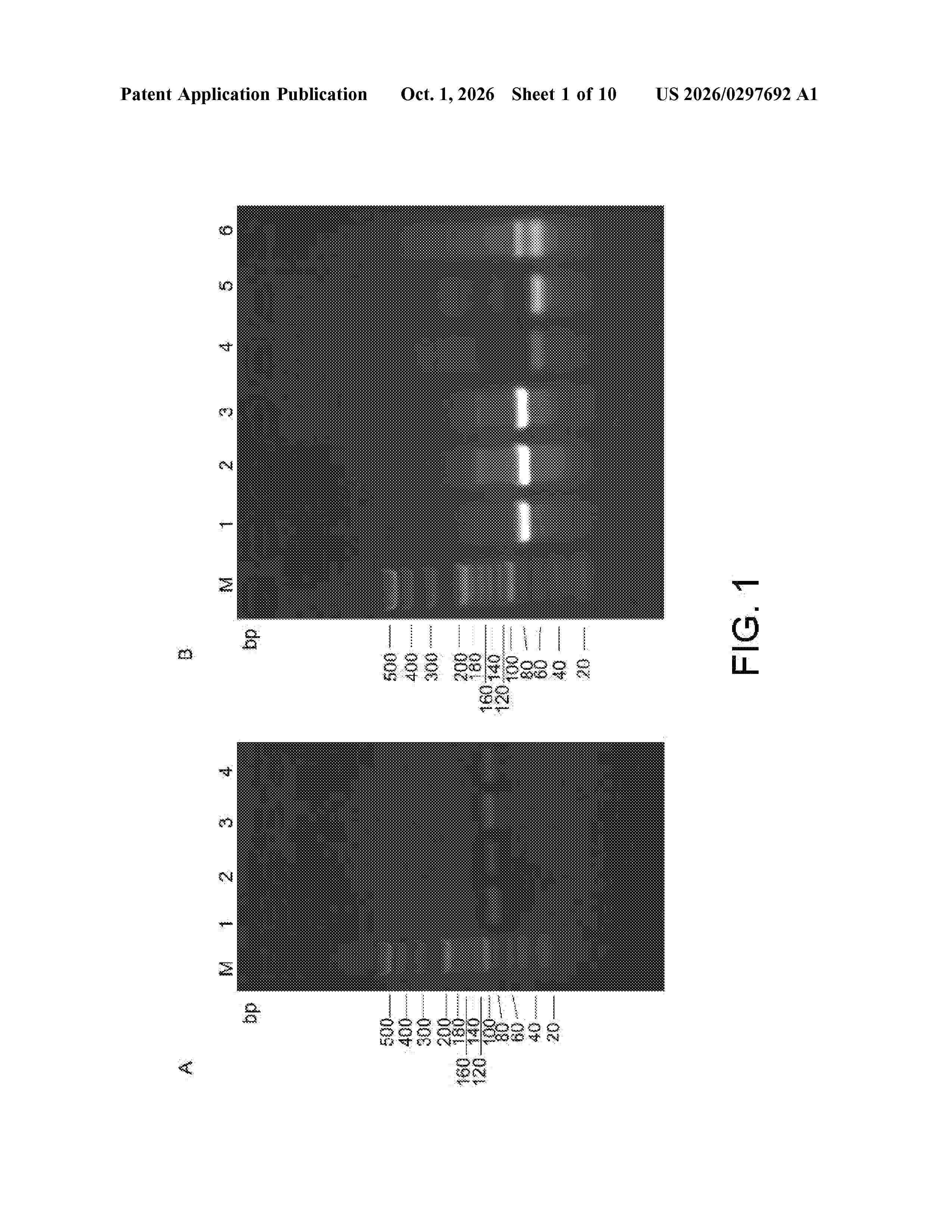
Resumen de: US20260297692A1
The present invention discloses a probe set for nucleic acid testing of SARS-CoV-2 coronaviruses and uses. A crRNA sequence for nucleic acid testing of SARS-CoV-2 coronaviruses is any one of the following: LbucrRNA1, LbucrRNA2, LbucrRNA3 and LbucrRNA4 for an S gene, as well as N1crRNA and N2crRNA for an N gene of a mutant strain EG.5.1.1, with sequences shown in the sequence listing. Based on the ability of the LbuCas13a protein to cleave free RNAs and target specific RNA sequences, the present invention establishes an Cas13a-based immunochromatographic method for nucleic acid testing using a visual testing method based on colloidal carbon immunochromatographic test strips. The method enables rapid testing of SARS-CoV-2 coronaviruses within 90 min, providing a novel, easy and rapid testing method for disease prevention and control. Moreover, the method is simple to operate and does not require the assistance of large instruments and equipment.
Resumen de: WO2026207328A1
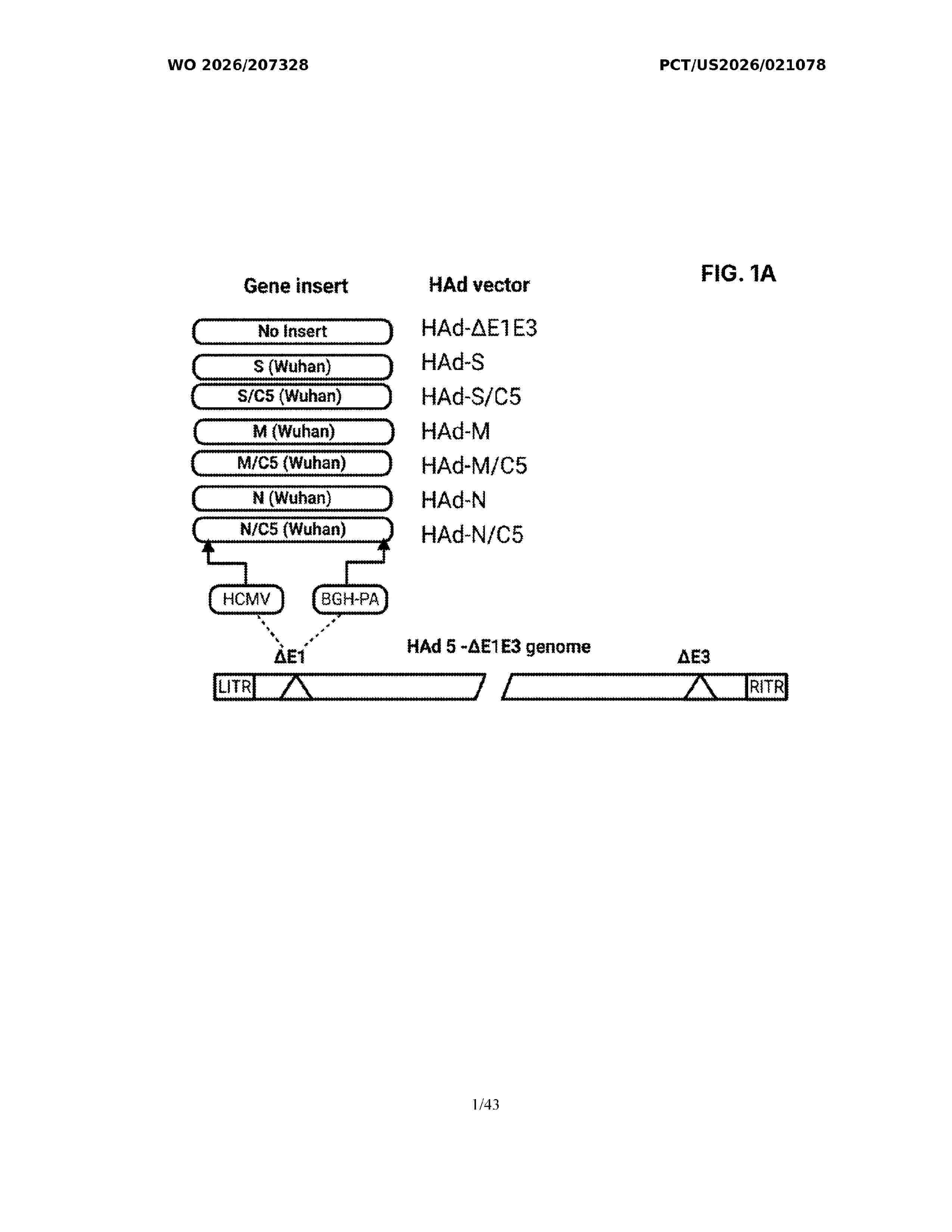
A combined multi-antigen utilizing an immunogenic vector expressing a modified SARS-CoV-2 virus S, M and N protein S-C5 (Delta or Omicron), M-C5, and N-C5, epitopes thereof, compositions comprising same, and methods of use for general vaccination against SARS-CoV-2 virus.
Resumen de: AU2026230128A1
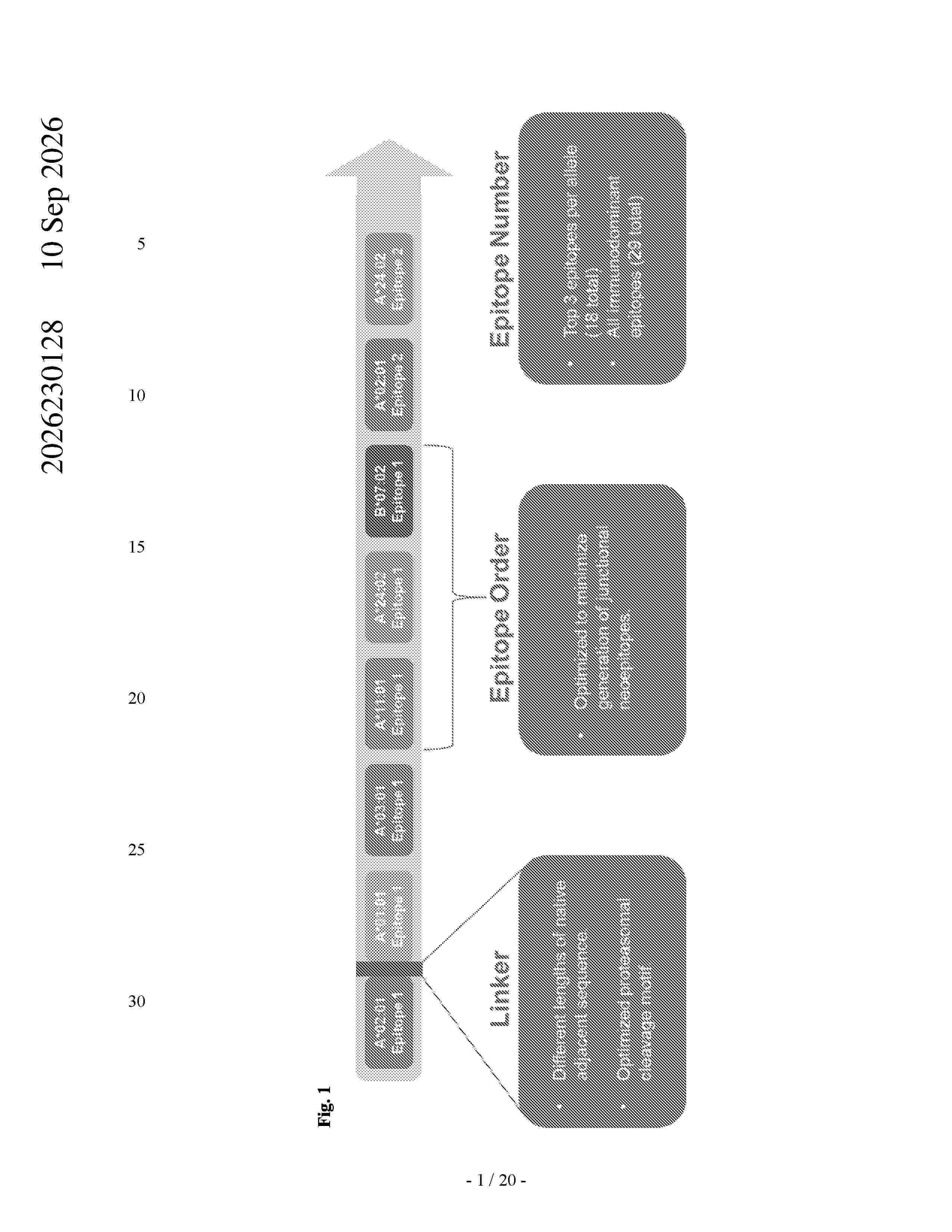
Abstract Provided herein are methods and compositions for the treatment and/or prevention of COVID-19 through the induction of an immune response against identified SARS-COV 2 immunodominant peptides. Abstract
Resumen de: US20260294902A1
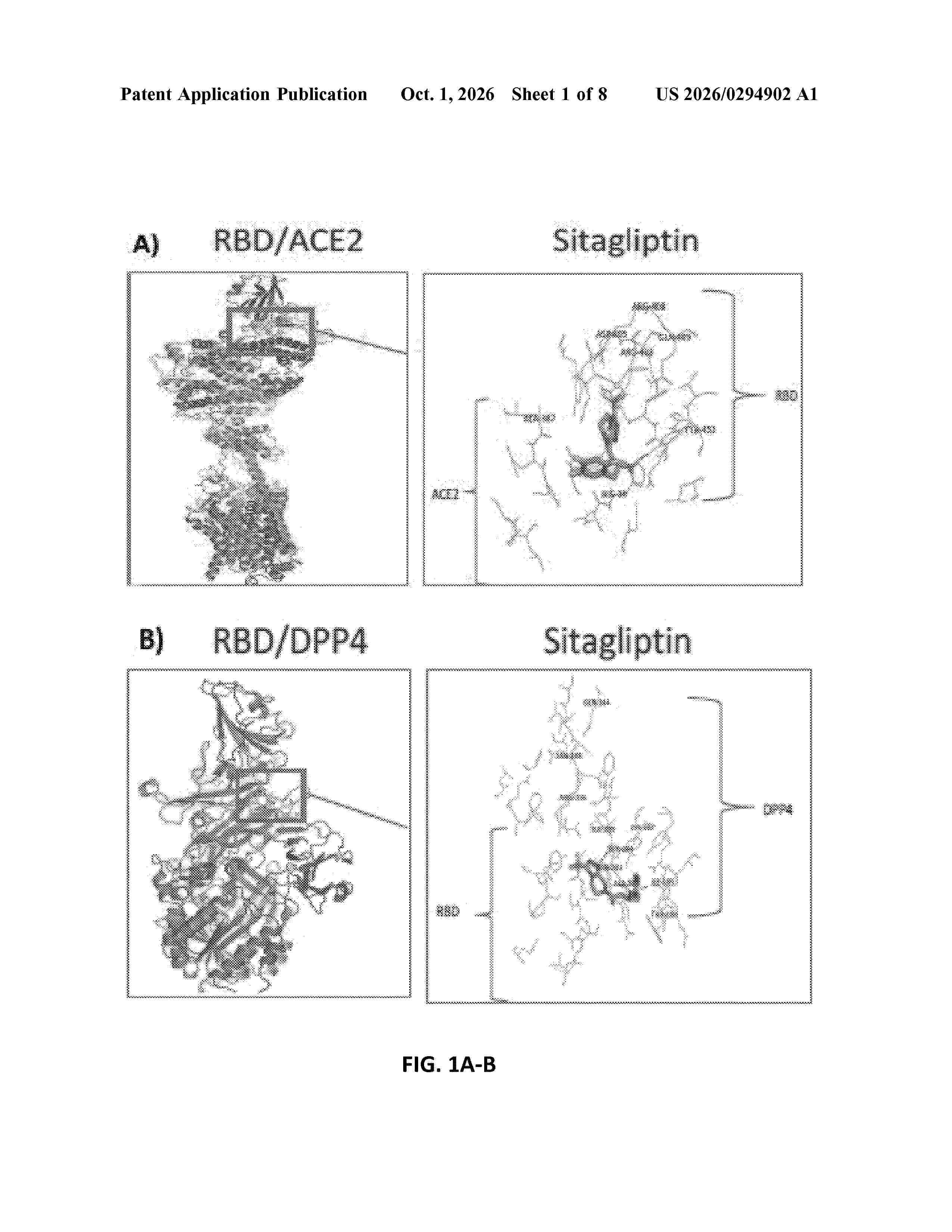
0000 A nanosystem and methods of treating, including prophylactically, coronavirus infections, such as those caused by severe acute respiratory syndrome coronavirus 2 (SARS-CoV-2), by administering such nanosystem to a patient is presented. The nanosystem may be comprised of a single or a combination of therapeutic agents, optionally encapsulated in a nanoparticle having a targeting moiety directed to the particular coronavirus. For CoV-2 infections, at least one therapeutic agent, such as the dual DPP4/ACE2 inhibitor sitagliptin, may optionally be encapsulated within a nanoparticle having a fatty acid such as linoleic acid, as the targeting moiety. Administration can occur intranasally prior to infection for prophylactic treatment or post-infection for treatment of the viral infection.
Resumen de: US20260295031A1
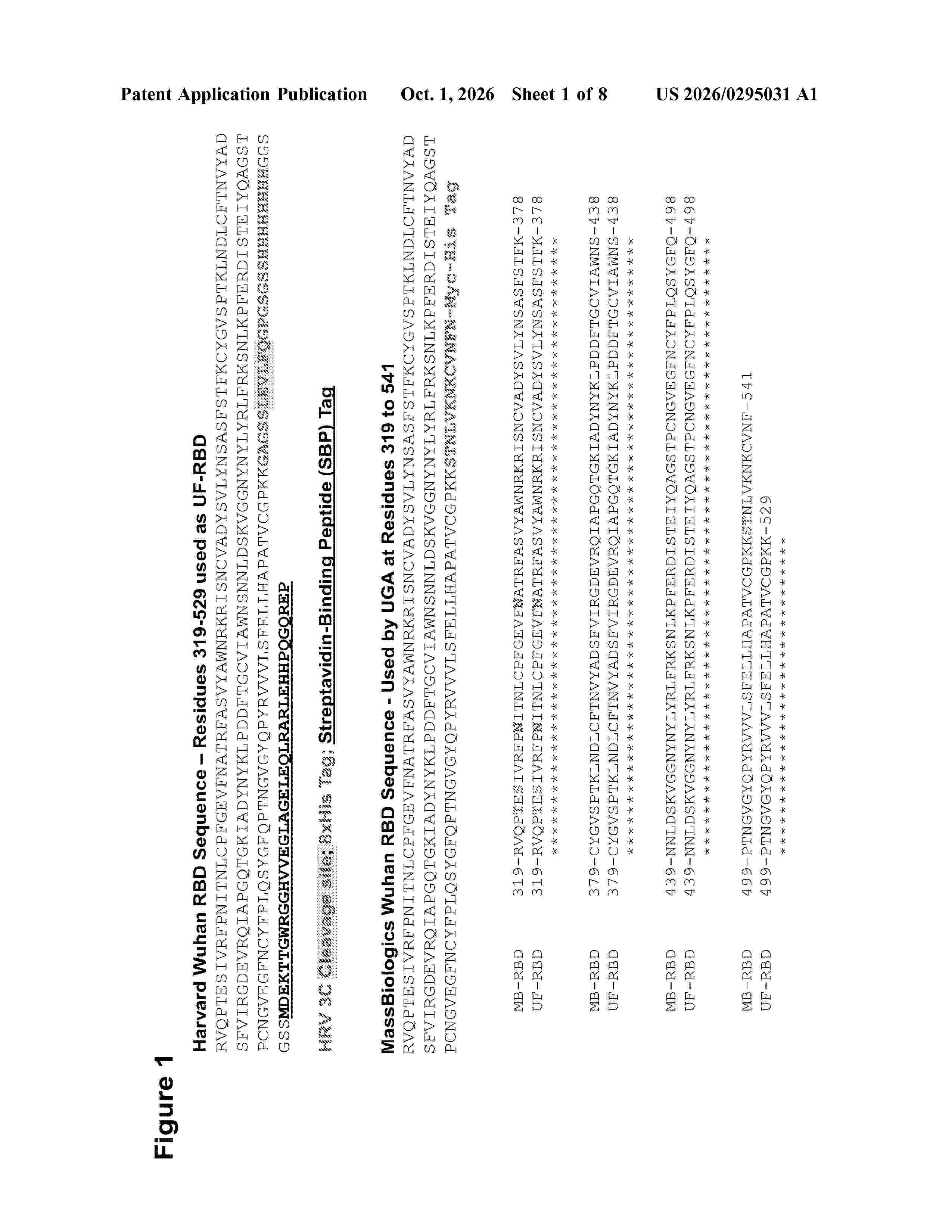
0000 The disclosure provides a composition comprising a feline coronavirus (FCoV) receptor binding domain peptide and a human severe acute respiratory syndrome coronavirus serotype 2 (SCoV2) receptor domain peptide and uses thereof.
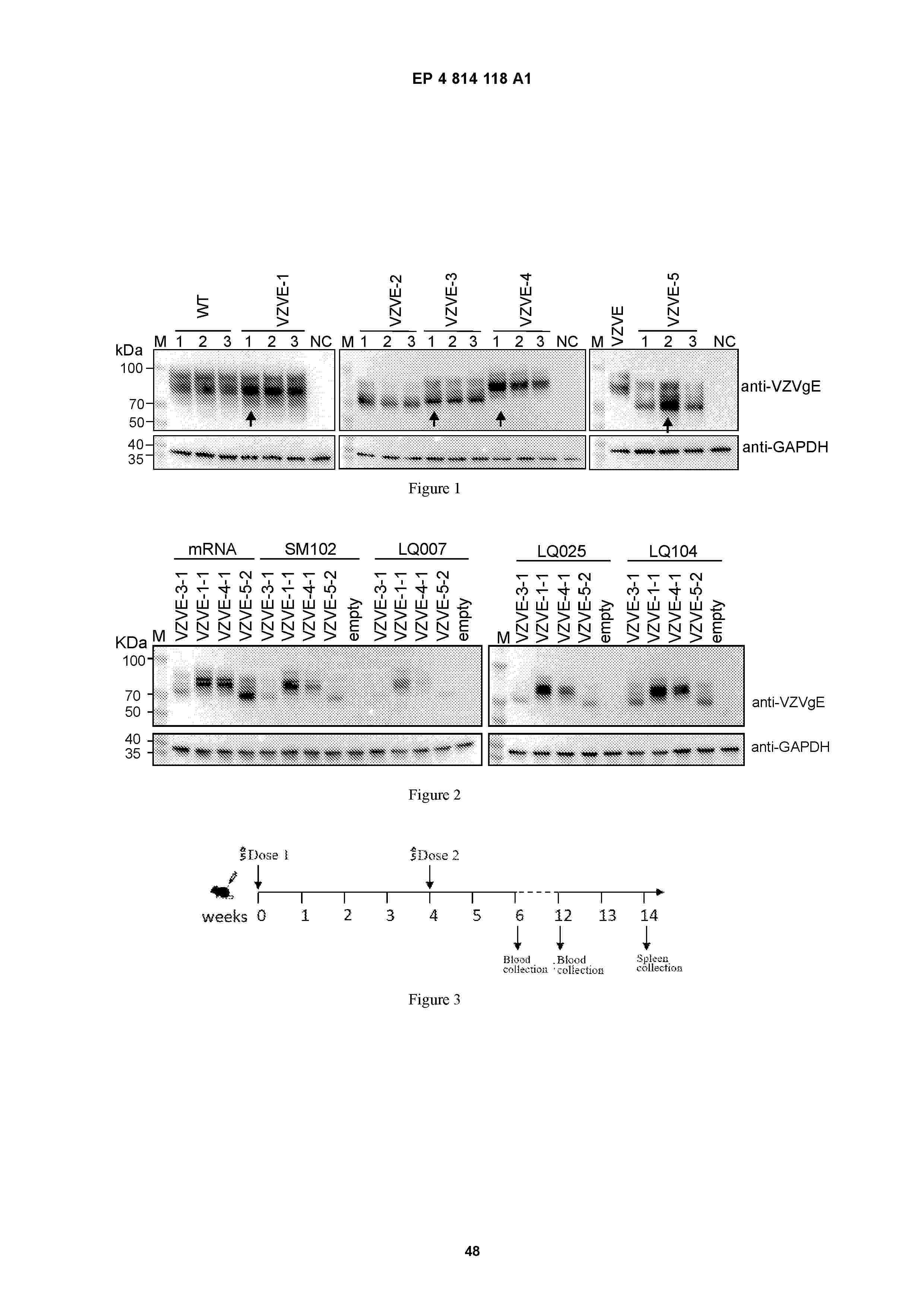
Resumen de: EP4814118A1
0001 The present invention discloses a VZV antigen variant, a nucleic acid, a pharmaceutical composition, and uses thereof. The VZV antigen variant has a Y582G difference compared to the amino acid sequence shown in SEQ ID NO: 1; and/or, the VZV antigen variant has a deletion of positions 561-623, 569-623, or 574-623 compared to the amino acid sequence shown in SEQ ID NO: 1; and/or, the VZV antigen variant has a modification of the protein transmembrane domain and intracellular domain compared to the amino acid sequence shown in SEQ ID NO: 1, wherein the modification of the protein transmembrane domain and intracellular domain comprises replacing the transmembrane domain and intracellular domain of the original VZV antigen with the transmembrane domain of the SARS-CoV-2 Spike protein or the transmembrane domain of the influenza H protein. The VZV antigen variant has stronger immunogenicity than VZV antigens in the prior art, can achieve higher binding antibody titers, and has higher protective efficacy.
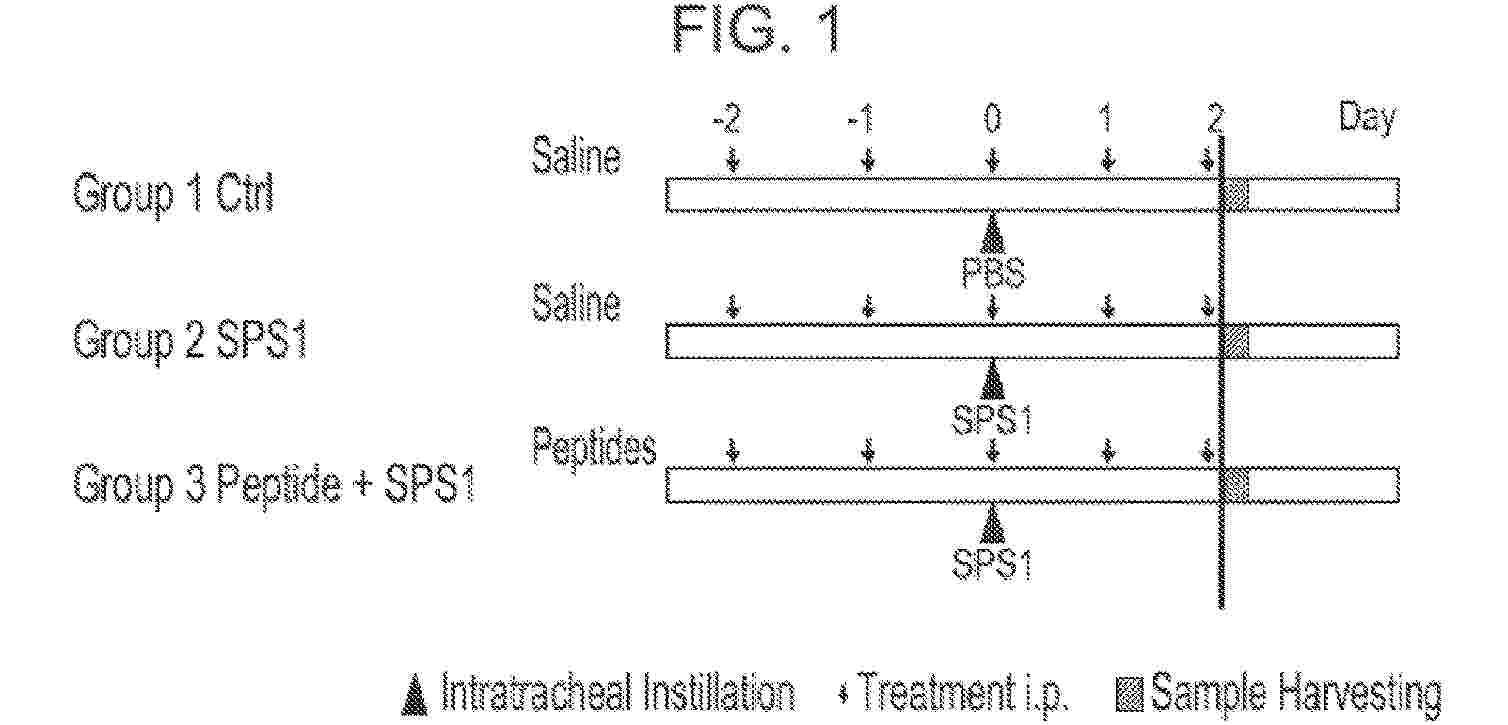
Resumen de: WO2025111412A1
Small anti-inflammatory peptide for blocking NF-κB are disclosed herein. The peptides as well as compositions including the peptides can be administered to inhibit cytokine production and/or inhibit pulmonary inflammation in a subject in need. Particularly embodiments include administration to a subject suffering from coronavirus disease 2019 (COVID-19).
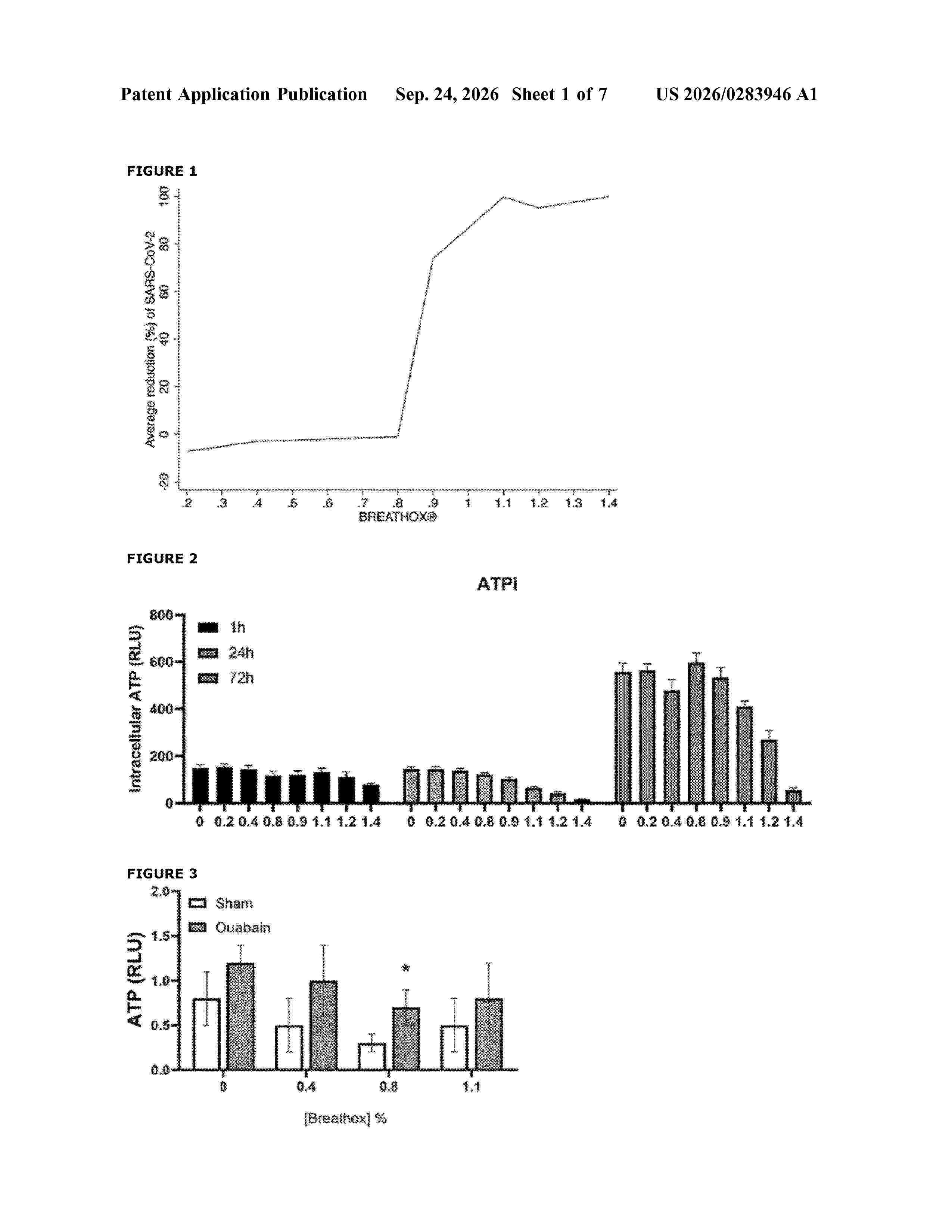
Resumen de: US20260283946A1
The present invention provides a pharmaceutical dry powder composition for use in treating, preventing and/or amelio-rating viral infection in airways of a mammal, such as a human subject, said composition comprising micronized sodium salt as the main component and primary therapeutic agent. The present invention further provides a pharmaceutical composition for use in treating and/or ameliorating cough. The subject to be treated with the pharmaceutical composition may be infected with SARS-COV-2 and/or diagnosed with COVID-19 infection. The pharmaceutical composition is administered by dry powder inhalation.
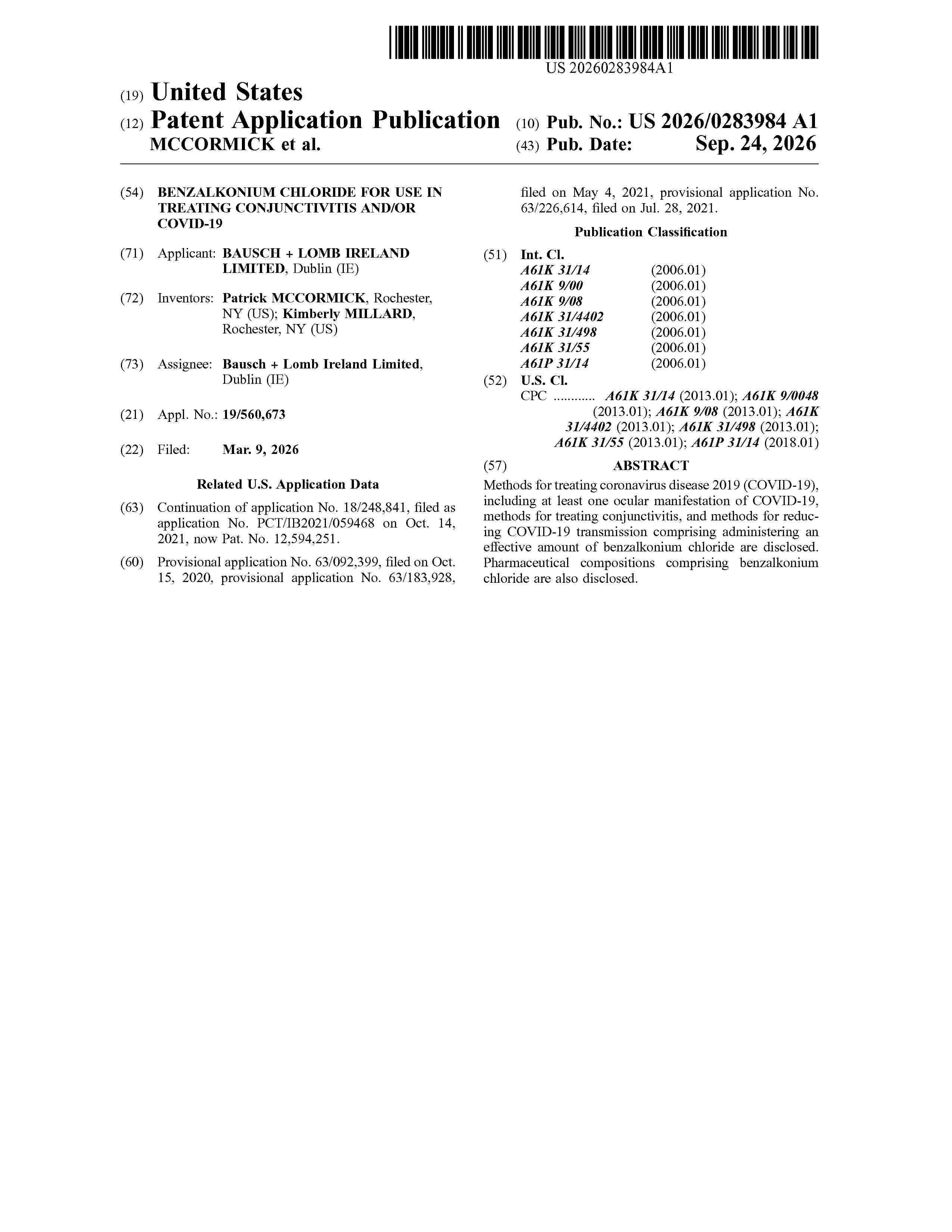
Resumen de: US20260283984A1
Methods for treating coronavirus disease 2019 (COVID-19), including at least one ocular manifestation of COVID-19, methods for treating conjunctivitis, and methods for reducing COVID-19 transmission comprising administering an effective amount of benzalkonium chloride are disclosed. Pharmaceutical compositions comprising benzalkonium chloride are also disclosed.
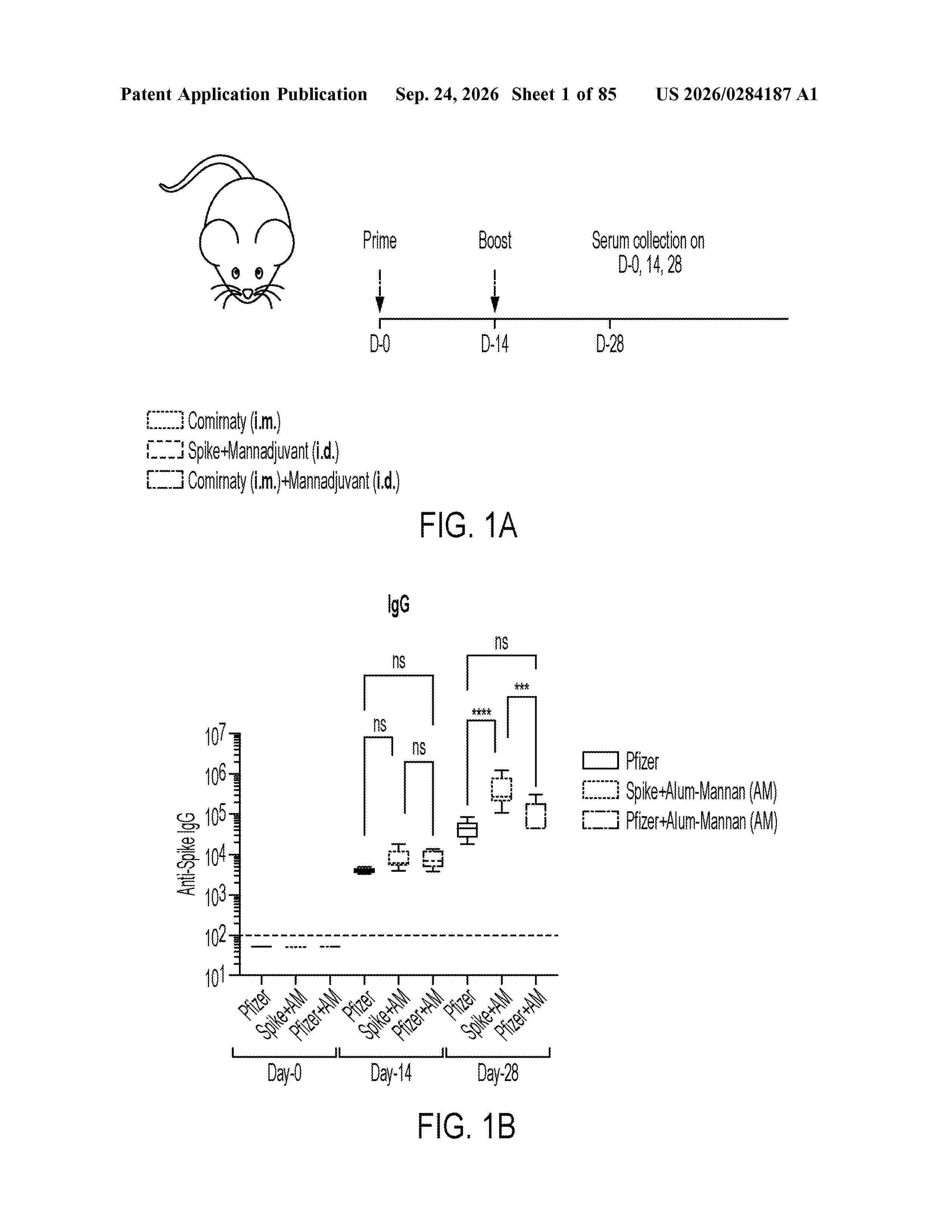
Resumen de: US20260284187A1
0000 Provided herein are adjuvantation systems comprising mannan (e.g., a plant mannan or a fungal manna) for use with Beta coronavirus (e.g., MERS-CoV, SARS-CoV-1, or SARS-CoV-2) vaccines and immunogenic compositions comprising the adjuvantation system and a Beta coronavirus antigen or a nucleic acid encoding the Beta coronavirus antigen.
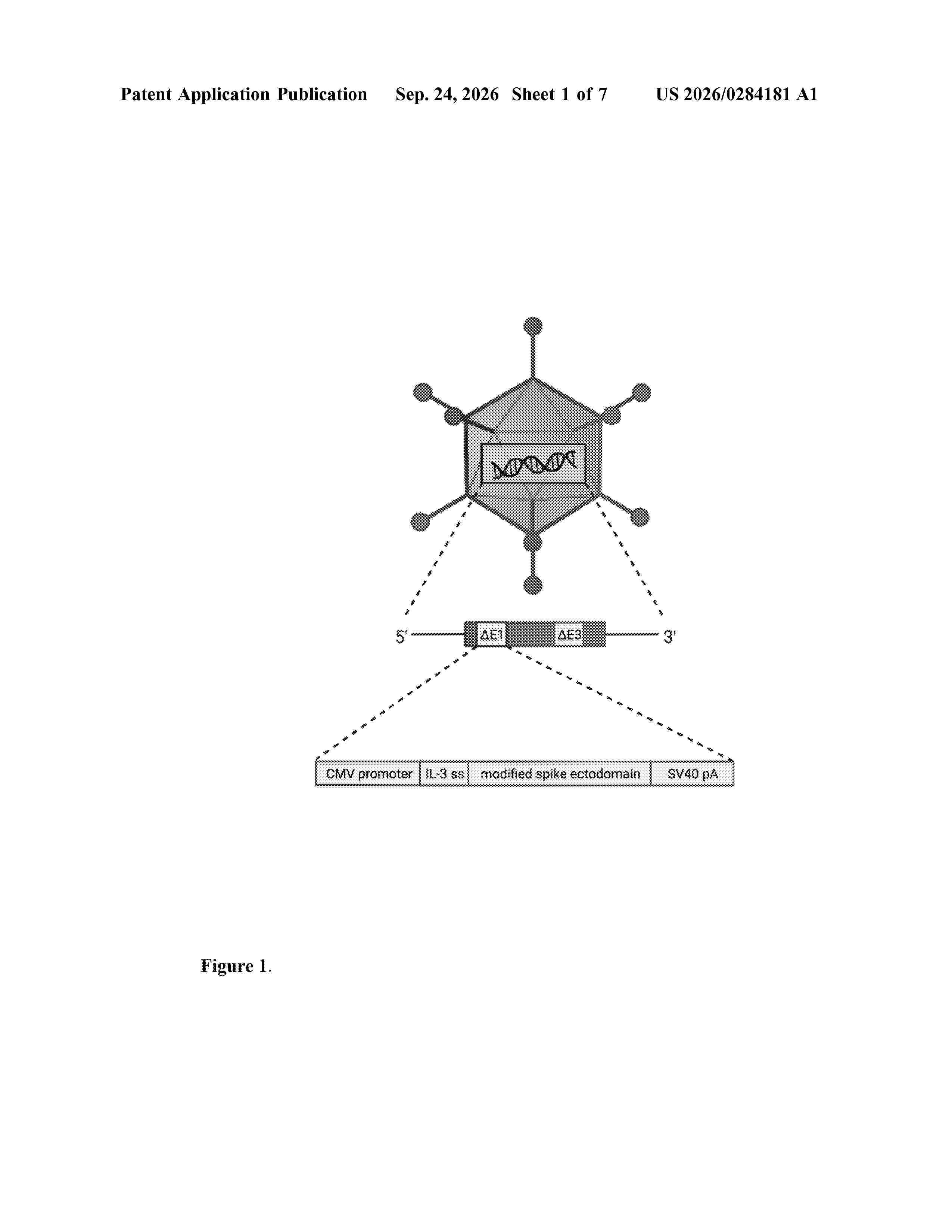
Resumen de: US20260284181A1
0000 The present invention provides a viral vector comprising, at an insertion site in the viral genome, a nucleic acid sequence encoding a modified extracellular domain of the SARS-CoV-2 spike protein, wherein said modified extracellular domain comprises an N-terminal signal peptide causing the spike protein to enter a secretory system in a host cell, wherein said modified extracellular domain comprises a C-terminal deletion of at least of heptad repeat 2 (HR2), transmembrane segment (TM) and cytoplasmic tail (CT) of the spike protein. The present invention also provides a vaccination composition comprising said viral vector.
Resumen de: US20260284083A1
The present invention relates to the use of antagonists of tlr7-signalling for the treatment of COVID-19 patients, wherein the antagonists of tlr7-signalling are administered only after serovonversion. The invention also relates to a tlr agonist for use in the one-time prophylactic treatment of a subpopulation against an infection with a coronavirus, wherein the subpopulation is a collection of asymptomatic subjects in proximity to subjects of the population who show symptoms of infection.
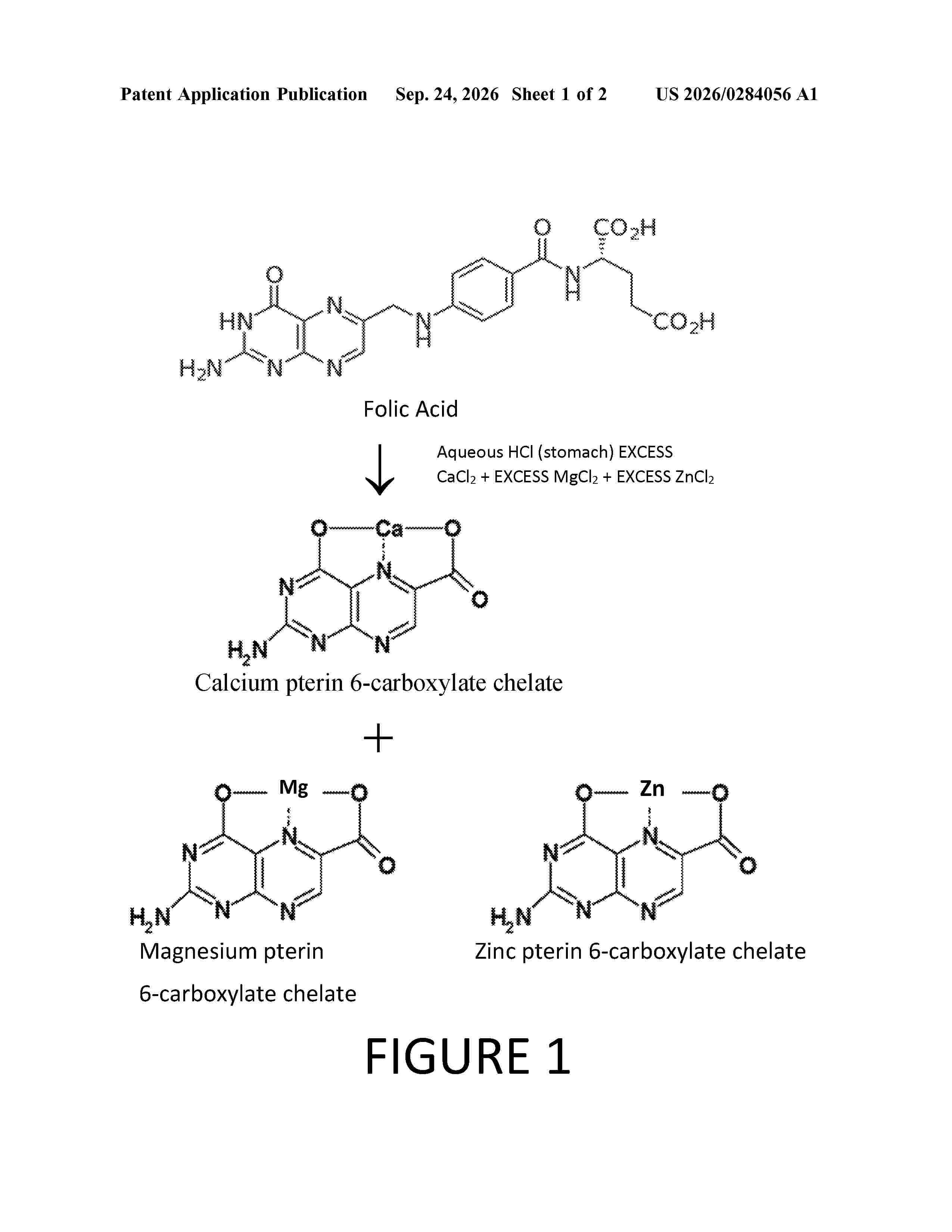
Resumen de: US20260284056A1
Disclosed herein are methods for the treatment of cancer and inflammatory-based diseases and disorders, such as coronavirus colds and as a therapy against COVID-19. ImmunoFolate has been shown to reduce the incidents of colds and flus. In one embodiment is a method of treating cancer comprising administration of ImmunoFolate. In another embodiment is a method of treatment inflammatory-based disease and disorders comprising administration of ImmunoFolate.
Nº publicación: WO2026197674A1 24/09/2026
Solicitante:
INDUSTRIAL COOPERATION FOUNDATION JEONBUK NATIONAL UNIV [KR]
\uC804\uBD81\uB300\uD559\uAD50\uC0B0\uD559\uD611\uB825\uB2E8
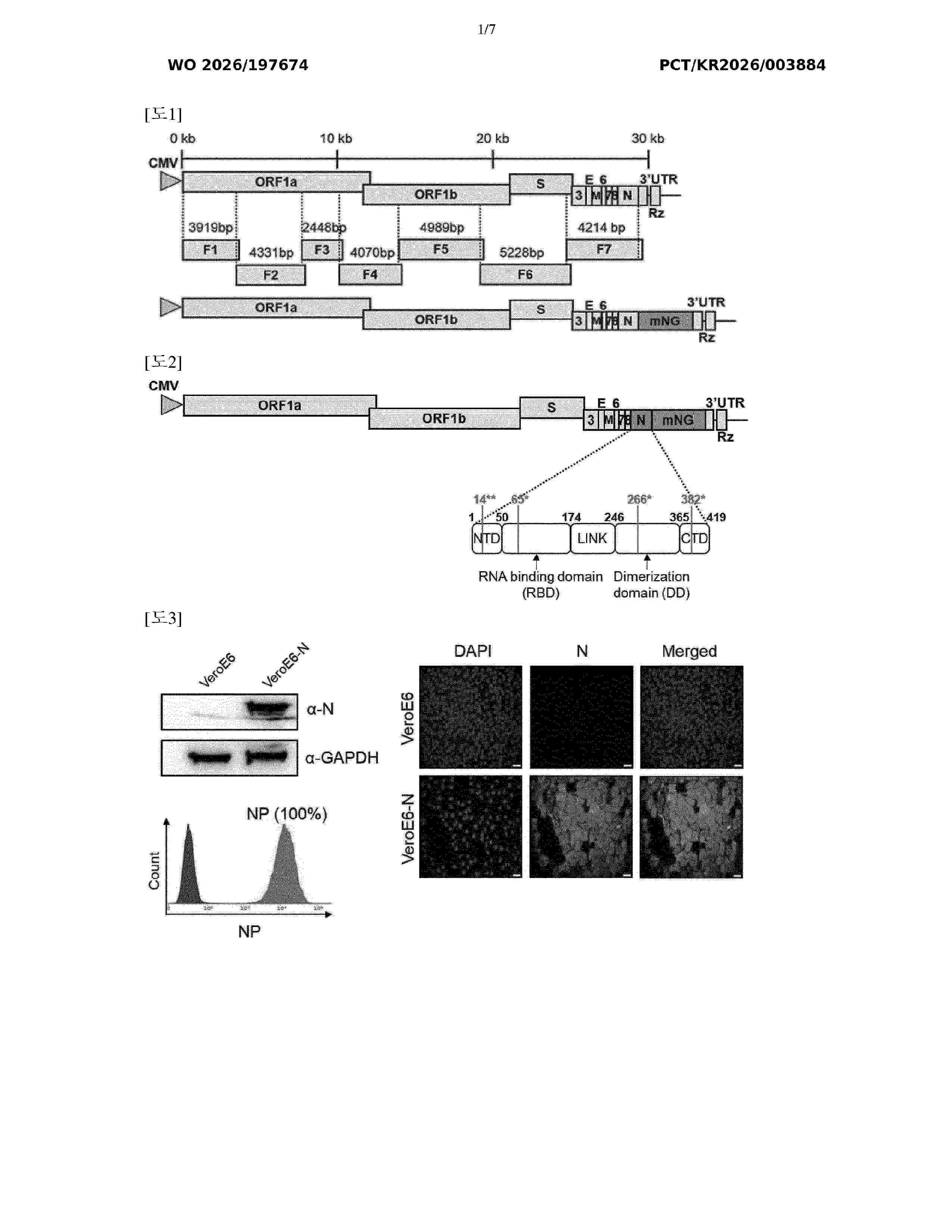
Resumen de: WO2026197674A1
The present invention relates to a replication-deficient SARS-CoV-2 vaccine strain comprising a mutation in the N gene and uses thereof. More specifically, the present invention relates to a SARS-CoV-2 vaccine strain having five stop codons inserted into the N (nucleocapsid) gene of SARS-CoV-2, such that replication is impossible in cells in which the N gene is not trans-complemented, and uses thereof.
 BOPI
BOPI
 Sede Electrónica