Si deseas distinguir tus productos, servicios o ambos de los de otra empresa, es posible que necesites una marca o nombre comercial. Descubre qué son, en qué consiste su procedimiento de registro y qué implica.

Información sobre los plazos de presentación de solicitudes de transformación de marcas de la Unión Europea en marca nacional española. Más información


Si tienes un nuevo dispositivo, producto o procedimiento que resuelva un problema técnico o tenga una ventaja práctica, existen distintas formas de protegerlo en España y en otros países. Descubre cómo hacerlo.

¿Tu innovación reside en la estética, la ornamentación o la apariencia de tu producto? Protégela mediante un diseño industrial. Descubre qué derechos confiere el registro y cómo realizar la tramitación.

Las indicaciones geográficas protegen el nombre de un producto originario de una zona geográfica, a la cual le debe una determinada calidad, reputación u otra característica. Descubre qué son, en qué consiste su procedimiento de registro y qué beneficios conceden.

Las patentes publicadas en todo el mundo son una valiosa fuente de información científica, técnica y comercial.

Si eres emprendedor/a o una empresa y quieres potenciar y mejorar la rentabilidad de tu negocio protegiendo de forma adecuada los activos intangibles de tu organización, en este espacio encontrarás lo necesario.


 137
resultados
137
resultados
 Última actualización
28/08/2026 [07:42:00]
Última actualización
28/08/2026 [07:42:00]


 Resultados 125 a 137 de 137
Resumen de: CN121559077A
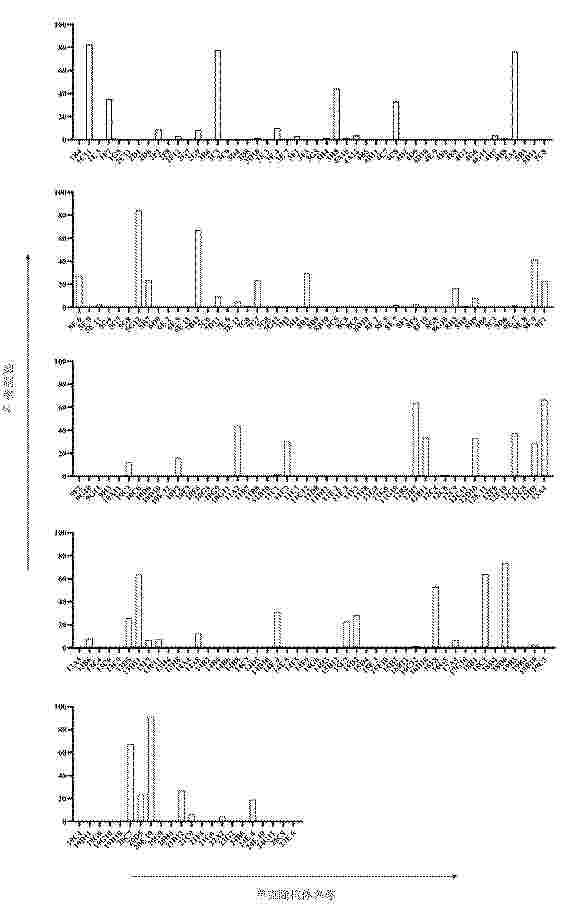
本发明公开了基于荧光探针的ATP水解酶抗体高效筛选法,包括生化体系和细胞体系两种检测方案,在生化体系中,通过定量ENTPD2蛋白水解ATP后剩余量,直接计算抗体抑制率;在细胞体系中,利用过表达ENTPD2的细胞验证抗体对跨膜酶的抑制功能。该生化体系方法无需抗体纯化,仅需5-15μL B细胞上清液即可完成初筛,筛选准确度高(细胞体系可用作验证筛选得到的抗体),与体内药效结果一致,适用于抗ENTPD2抗体药物的开发,显著降低研发成本。

Resumen de: WO2024160832A1
Disclosed herein are methods of immunoassay for detecting HNE-generated fragments of the α3 chain or α4 chain of type IV collagen in a patient sample, and the use thereof for detecting and/or monitoring inflammatory bowel disease (IBD) or a particular level of severity thereof in a patient. Also disclosed are monoclonal antibodies and assay kits for use in said methods of immunoassay.
Resumen de: US2024254217A1
The present disclosure generally relates to methods of treating and diagnosing ulcerative colitis. The methods are particularly suitable for treating and diagnosing a specific sub-group of patients with ulcerative colitis. The methods are also particularly suitable for treating and diagnosing urgency in a patient having or suspected of having ulcerative colitis. The methods are also particularly suitable for treating and diagnosing stool frequency and bowel urgency in a patient having or suspected of having ulcerative colitis.
Resumen de: CN121532526A
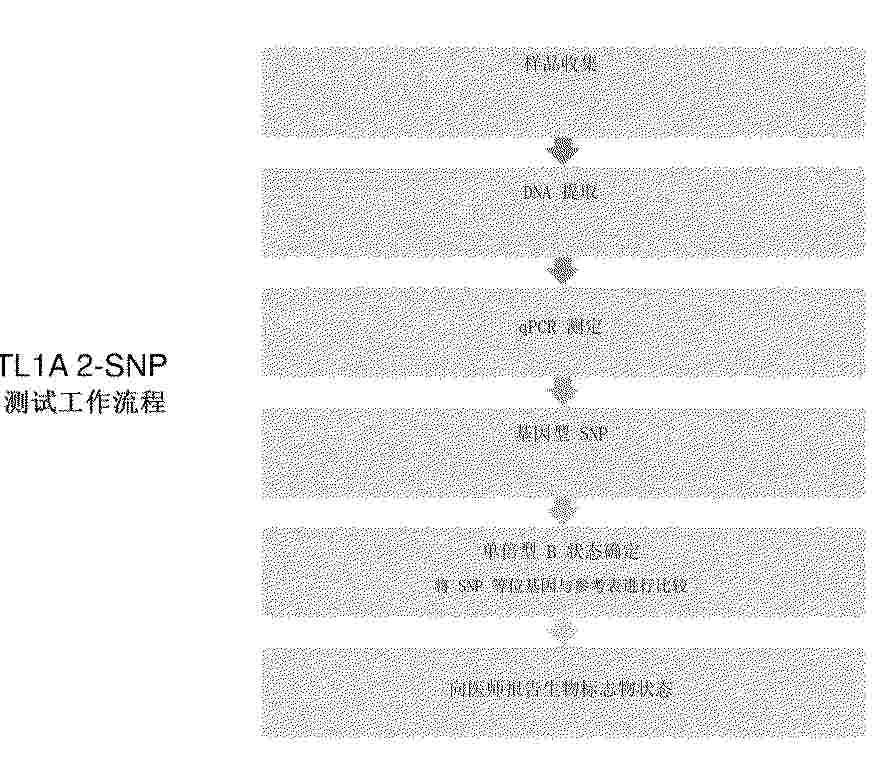
The present disclosure provides methods and compositions for determining the risk of a patient unresponsive to a therapeutic dose of an anti-TNF-like ligand 1A (TL1A) antibody, and methods and compositions for treating inflammatory bowel disease (IBD) with a therapeutic dose of an anti-TNF-like ligand 1A (TL1A) antibody.
Resumen de: CN121532205A
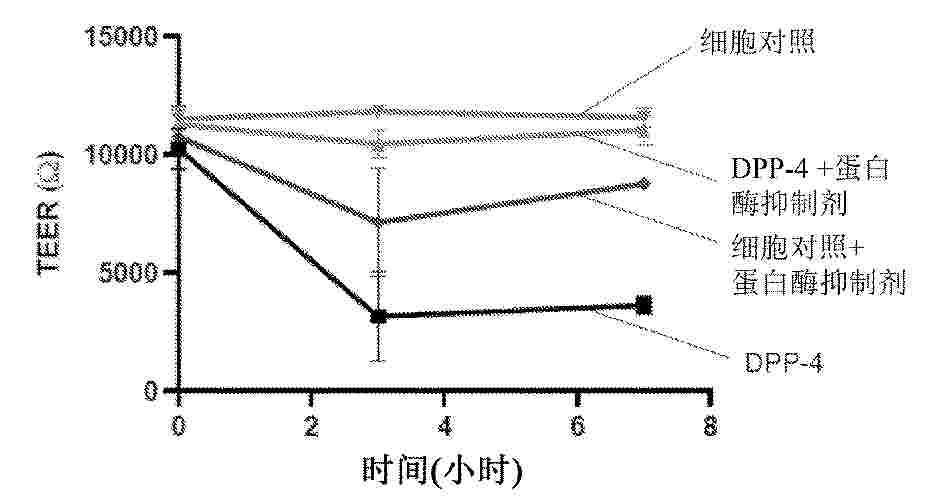
Aspects of the present disclosure relate to compositions and methods for treating one or more inflammatory bowel diseases ("IBD"), such as ulcerative colitis ("UC") and/or Crohn's disease. Some embodiments relate to a pharmaceutical dosage form comprising a core comprising an inhibitor of a protease (e.g., a bacterial protease) and a controlled release coating applied to an outer surface of the core. In some cases, the protease inhibitor is a gligliptin or a pharmaceutically acceptable salt thereof. In some cases, the controlled release coating is configured to release the protease inhibitor in the large intestine (e.g., colon) and/or small intestine of a subject administered the pharmaceutical dosage form. Some embodiments relate to methods of treating one or more IBDs comprising delivering a therapeutically effective amount of an inhibitor of a protease (e.g., bacterial protease) to the large intestine (e.g., colon) and/or the small intestine of a subject.
Resumen de: ES3055703A1
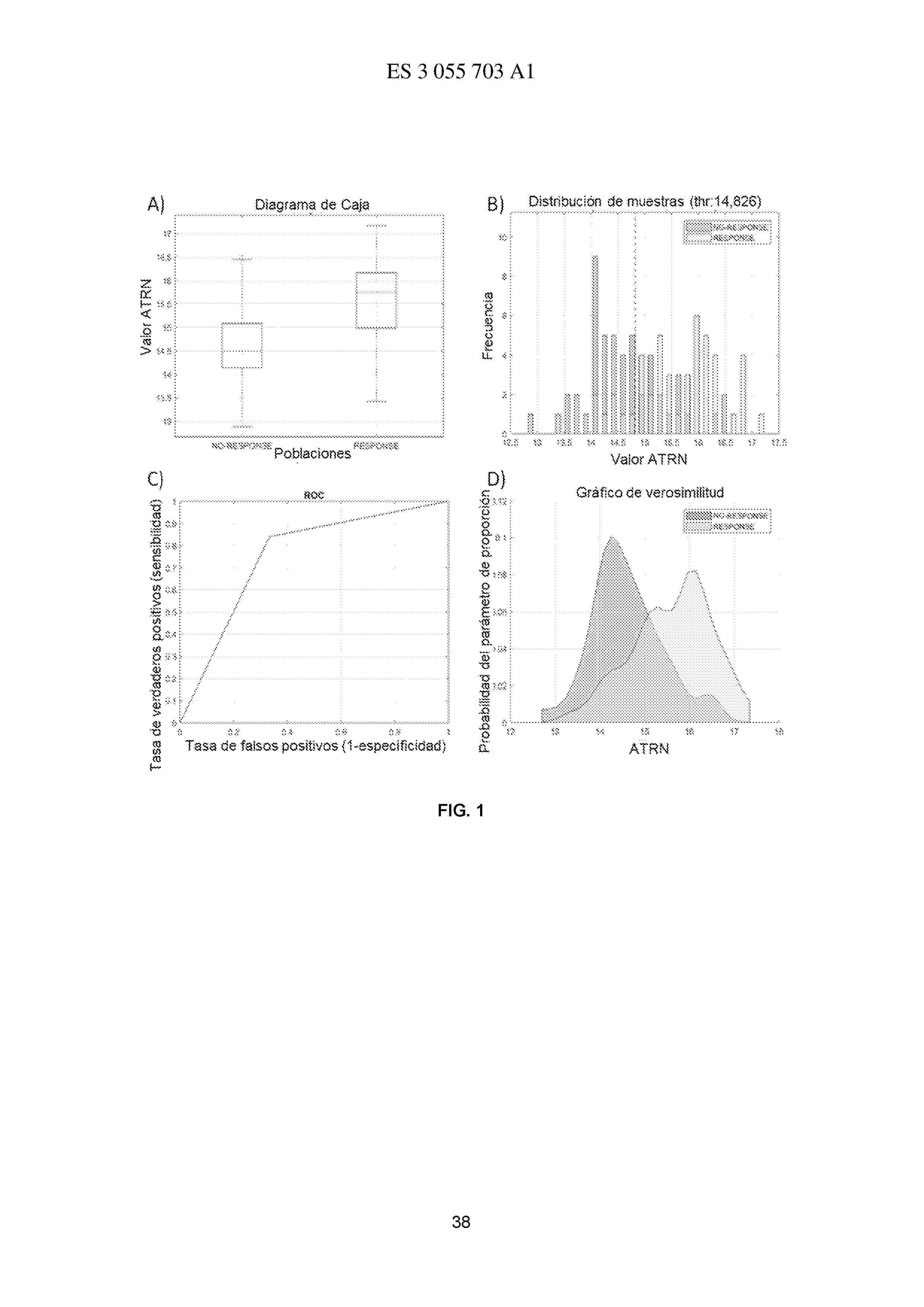
Biomarkers of inflammatory bowel diseases. The present invention relates to a method for early determination of whether a subject has an inflammatory bowel disease, comprising determining the expression product level of at least one biomarker, from a biological sample of a subject, selected from: ATRN, PRDX4, MOAB and AZU1. (Machine-translation by Google Translate, not legally binding)
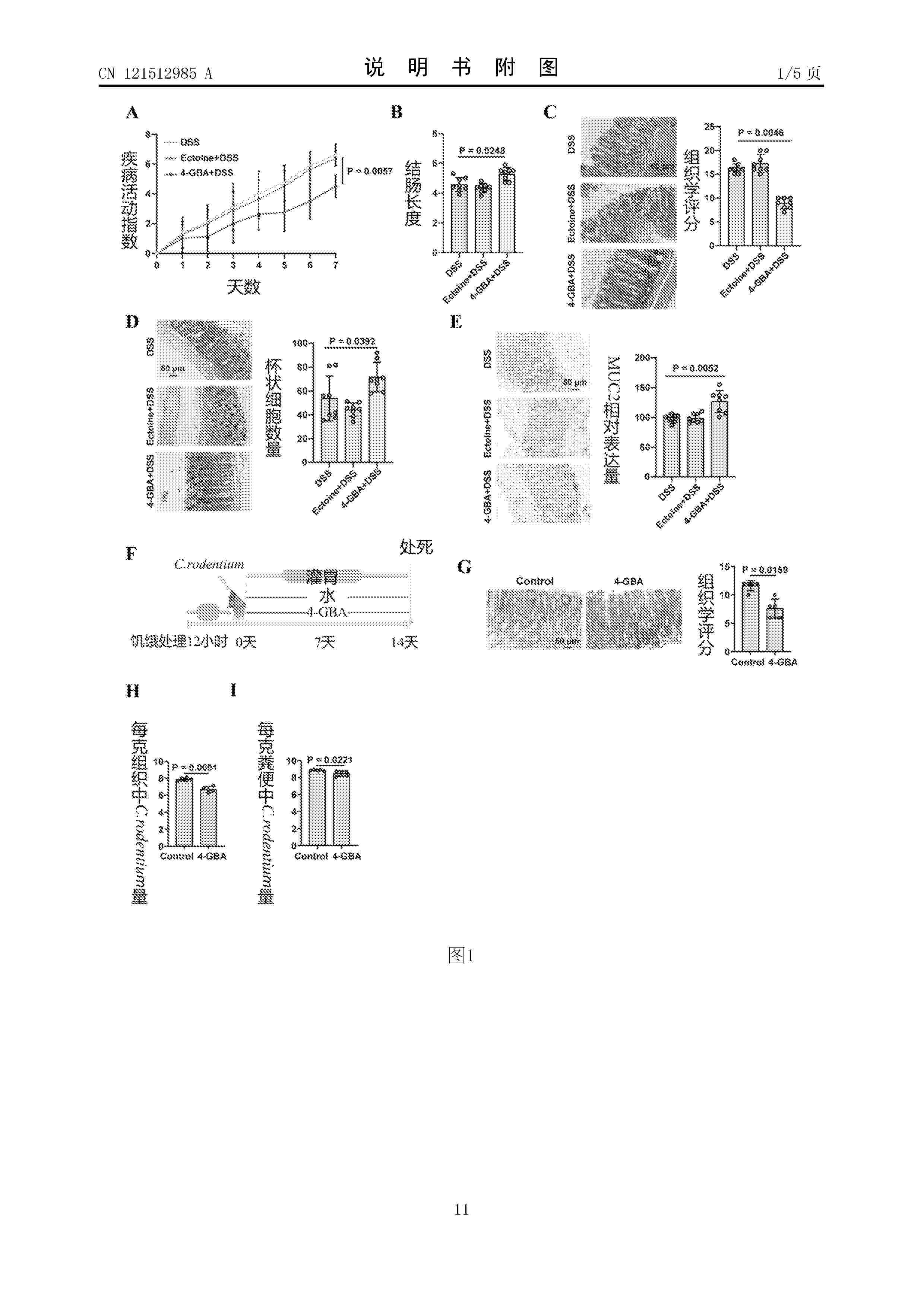
Resumen de: CN121512985A
The invention provides application of an Slc36a1 agonist in preparation of a medicine for preventing and/or treating colitis, and belongs to the technical field of biology. According to the invention, 4-GBA or sarcosine is applied to a colitis model mouse, and clinical and histological phenotypes of DSS-induced colitis can be significantly improved. According to experiments of colonic organs and mice, 4-GBA enhances intestinal mucosal barrier and promotes intestinal homeostasis by up-regulating Slc36a1. According to the invention, 4-GBA or sarcosine molecules targeting Slc36a1 are taken as a core, and the limitation of an existing treatment strategy is broken through by synchronously solving a linkage mechanism of stem cell regeneration-goblet cell differentiation-mucous barrier repair.
Resumen de: WO2026034527A1
Provided are a prophylactic or therapeutic agent for Crohn's disease, and a method for examining Crohn's disease. The prophylactic or therapeutic agent for Crohn's disease contains at least one selected from the group consisting of a RUNX2 inhibitor and a BHLHE40 inhibitor. The method for examining Crohn's disease includes (1) a step for detecting a protein and/or mRNA of at least one gene selected from the group consisting of RUNX2 and BHLHE40 in digestive tract-derived immune cells collected from a subject.
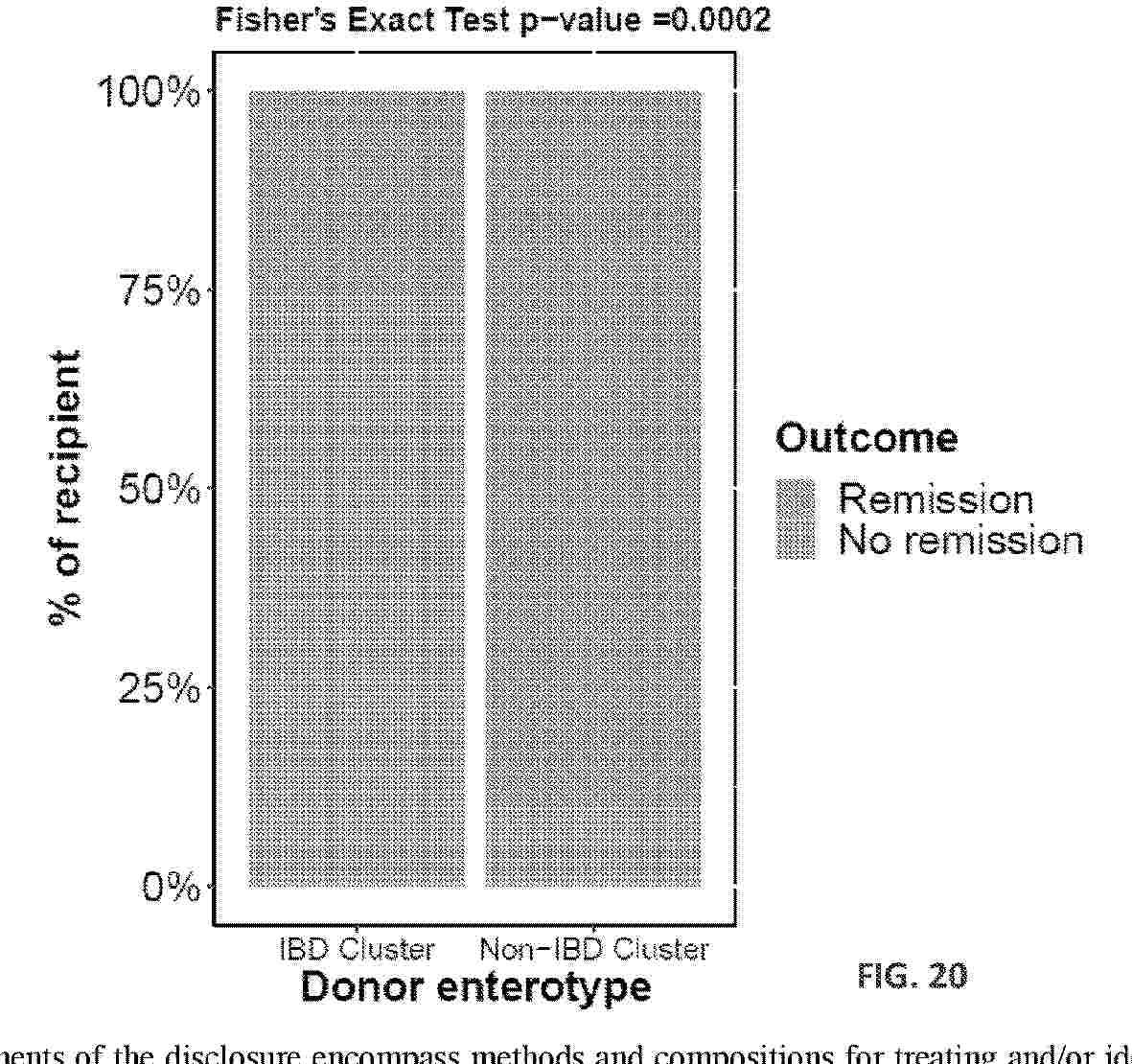
Resumen de: WO2024206308A2
Embodiments of the disclosure encompass methods and compositions for treating and/or identifying subjects having Inflammatory Bowel Disease (IBD). In certain embodiments, methods include measuring taxa occurrence frequencies in at least one microbiome sample from a subject suspected or having or being at risk for having IBD when certain taxa are enriched in the microbiome and/or when certain taxa are deficient in the microbiome, and particularly upon classification of their microbiome based on a taxa enrichment profile. In certain embodiments, an individual is determined to be a suitable donor for fecal microbiota transplant or is determined not to be a suitable donor for FMT based on classification of the taxa profile of their microbiome.
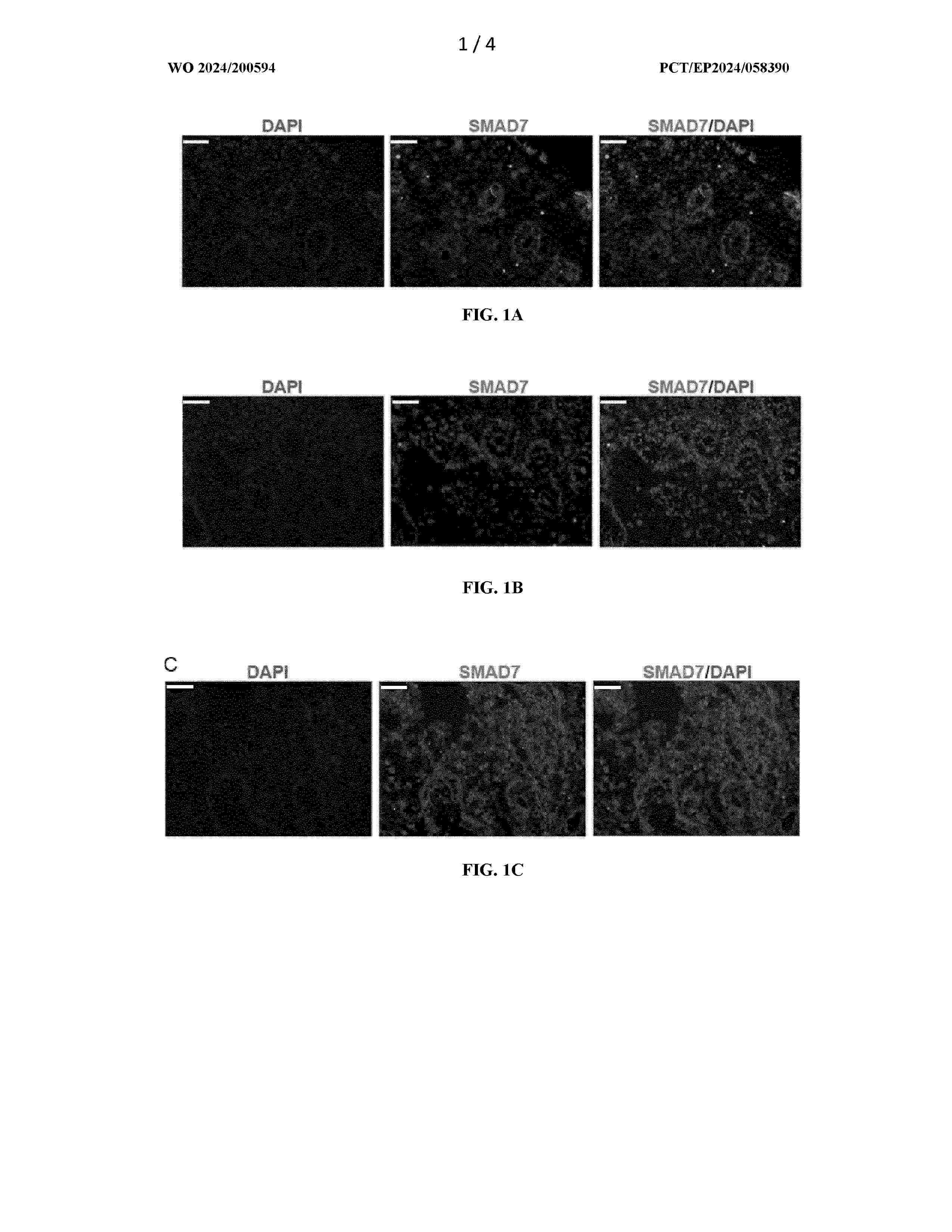
Resumen de: WO2024200594A1
Provided herein are methods for treating or preventing pouchitis comprising administering a SMAD7 antisense oligonucleotide or pharmaceutical formulations comprising the SMAD7 antisense oligonucleotide.
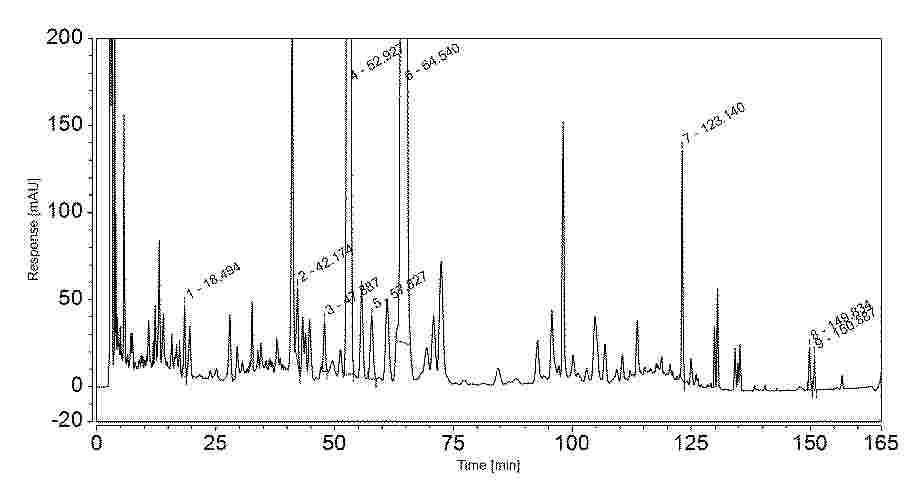
Resumen de: CN121499685A
The invention discloses a multi-index content determination method of hovenia acerba and rhizoma atractylodis bowel-relaxing granules, and belongs to the technical field of traditional Chinese medicine detection. The invention establishes a high performance liquid chromatography method for simultaneously determining nine components including caffeic acid, chicoric acid, naringin, naringin, hesperidin, neohesperidin, chrysophanol, aurantio-obtusin and atractylenolide I in a preparation, and the content of the components is calculated through a relative correction factor by taking caffeic acid as an internal reference by adopting a quantitative analysis of multi-components by single marker. According to the method, effective detection of the immature bitter orange medicinal material and the immature bitter orange base source is realized, and the immature bitter orange and the sweet orange base source of the traditional Chinese medicine immature bitter orange can be accurately distinguished, so that more comprehensive and accurate quality control of the traditional Chinese medicine is realized, and the stability and consistency of clinical efficacy of the traditional Chinese medicine are guaranteed.
Nº publicación: ES3054955T3 09/02/2026
Solicitante:
PML SCREENING LLC
UNIV PARIS SACLAY
THE ASSIST PUBLIQUE HOPITAUX DE PARIS APHP
THE INSTITUT NATIONAL DE LA SANTE ET DE LA RECH MEDICALE INSERM
PML Screening, LLC
Universit\u00E9 Paris-Saclay
The Assistance Publique-H\u00F4pitaux de Paris (APHP)
The Institut National de la Sant\u00E9 et de la Recherche M\u00E9dicale (INSERM)
Resumen de: EP4417707A2
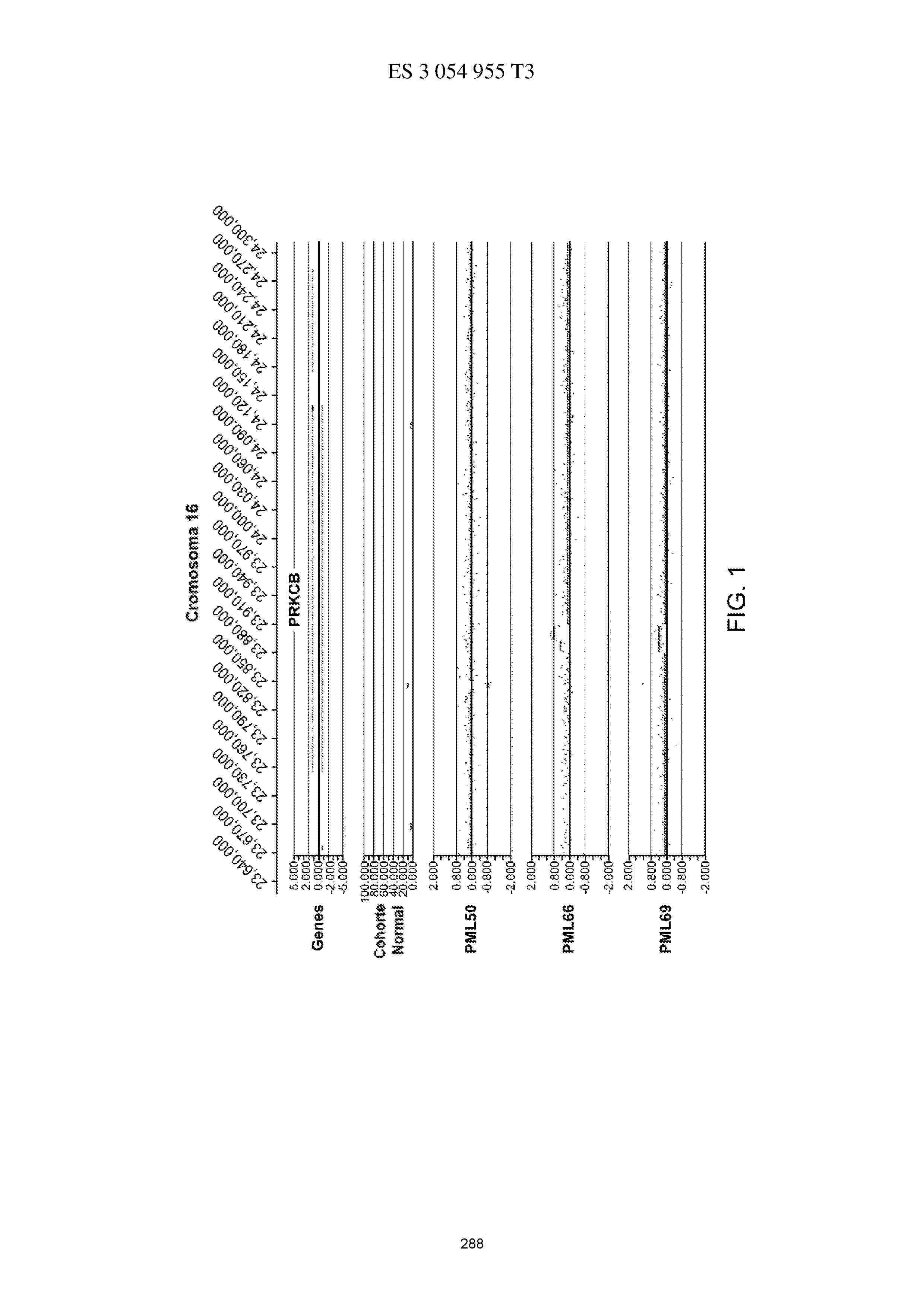
This document provides methods and materials related to treating a disease. For example, this document provides methods for treating a subject's disease based on identifying the risk of progressive multifocal leukoencephalopathy PML using a genetic test.
 BOPI
BOPI
 Sede Electrónica