Si deseas distinguir tus productos, servicios o ambos de los de otra empresa, es posible que necesites una marca o nombre comercial. Descubre qué son, en qué consiste su procedimiento de registro y qué implica.

Información sobre los plazos de presentación de solicitudes de transformación de marcas de la Unión Europea en marca nacional española. Más información


Si tienes un nuevo dispositivo, producto o procedimiento que resuelva un problema técnico o tenga una ventaja práctica, existen distintas formas de protegerlo en España y en otros países. Descubre cómo hacerlo.

¿Tu innovación reside en la estética, la ornamentación o la apariencia de tu producto? Protégela mediante un diseño industrial. Descubre qué derechos confiere el registro y cómo realizar la tramitación.

Las indicaciones geográficas protegen el nombre de un producto originario de una zona geográfica, a la cual le debe una determinada calidad, reputación u otra característica. Descubre qué son, en qué consiste su procedimiento de registro y qué beneficios conceden.

Las patentes publicadas en todo el mundo son una valiosa fuente de información científica, técnica y comercial.

Si eres emprendedor/a o una empresa y quieres potenciar y mejorar la rentabilidad de tu negocio protegiendo de forma adecuada los activos intangibles de tu organización, en este espacio encontrarás lo necesario.


 98
resultados
98
resultados
 Última actualización
16/10/2026 [06:45:00]
Última actualización
16/10/2026 [06:45:00]


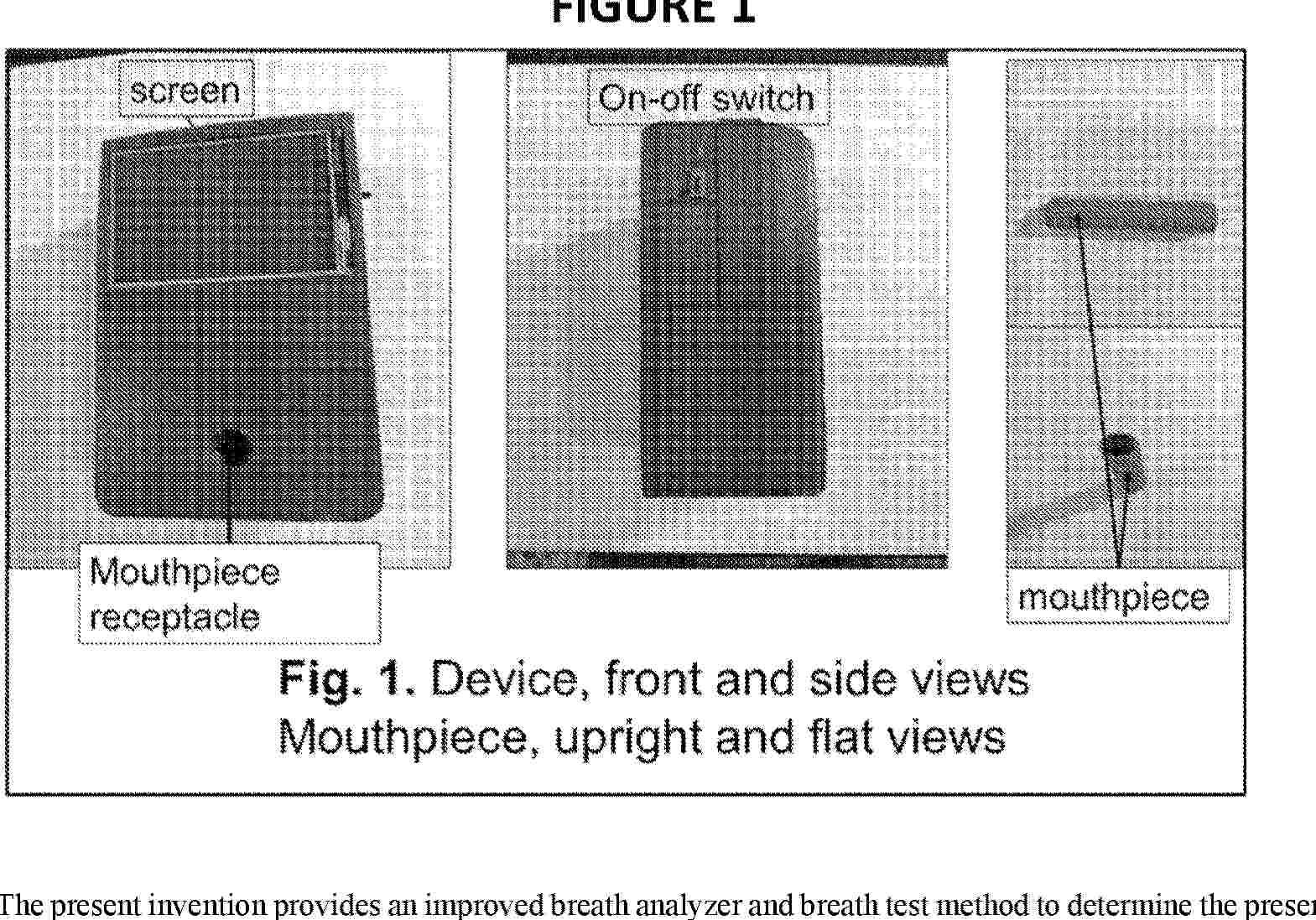
Resumen de: AU2025229905A1
The present invention provides an improved breath analyzer and breath test method to determine the presence of disease in humans, including but not limited to, H. pylori infection, Celiac Disease, Metabolic dysfunction-associated steatohepatitis (MAHD), Inflammatory Bowel Disease (JBD). 'm a subject's digestive tract. In certain embodiments, the present invention provides a universal breath testing platform and methods of testing for diseases of the gastrointestinal tract, the liver, the kidneys, and the lungs, along with testing for cancer, infections, and metabolic diseases.

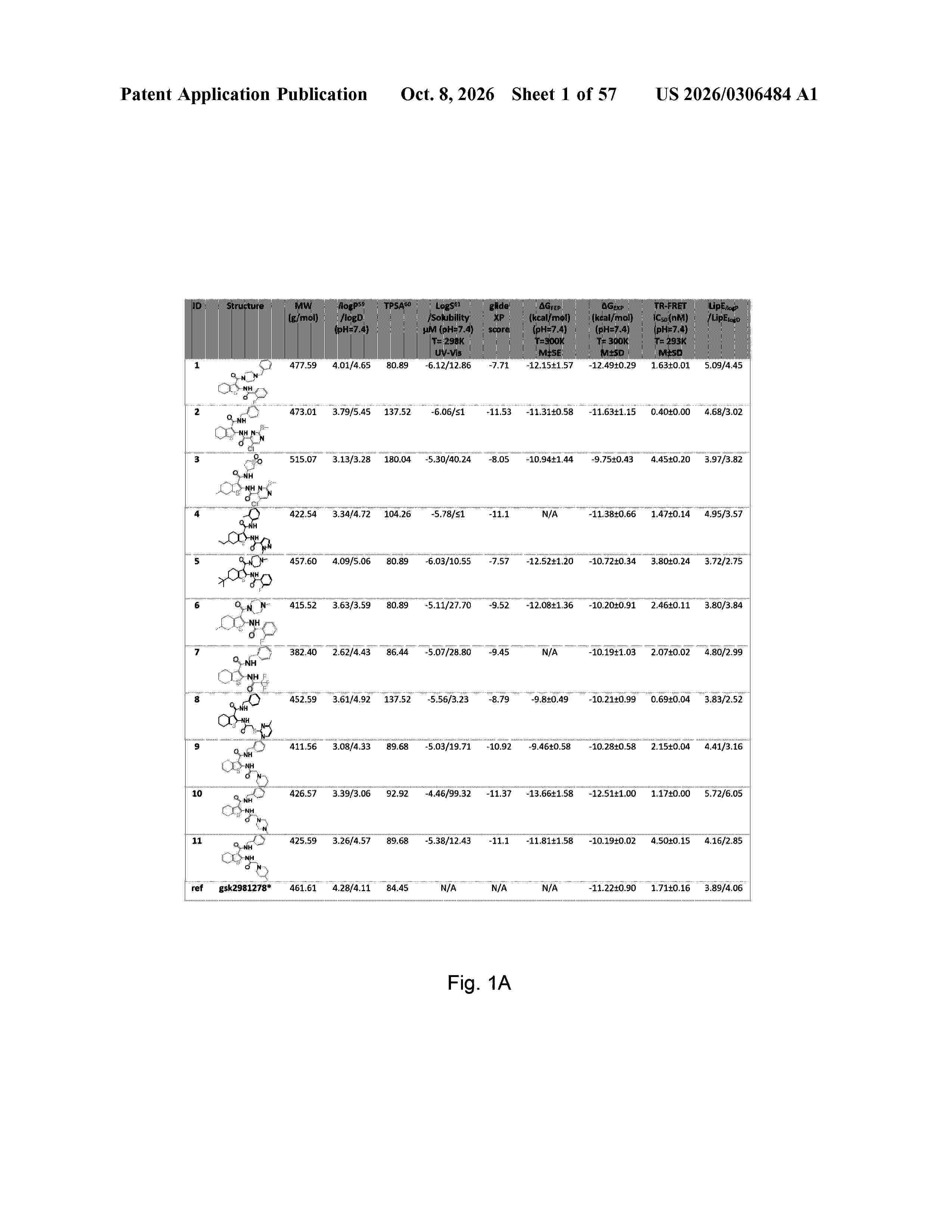
Resumen de: US20260306484A1
The invention relates to the use of a ROR inverse agonist or a pharmaceutically acceptable salt thereof for the manufacture of a medicament for modulating RORs and/or controlling autoimmune diseases and antibody mediated rejection in a patient. The RORs mediated disease or autoimmune disease includes HIV, cancer, celiac disease, diabetes mellitus type 1, Graves' disease, inflammatory bowel disease, multiple sclerosis, psoriasis, rheumatoid arthritis, systemic lupus erythematosus, asthma, dermatitis, fatty liver disease, Crohn's disease, cardiovascular disease, inflammatory diseases, neurological disorder, multiple sclerosis, acute respiratory distress syndrome and arteriosclerosis.
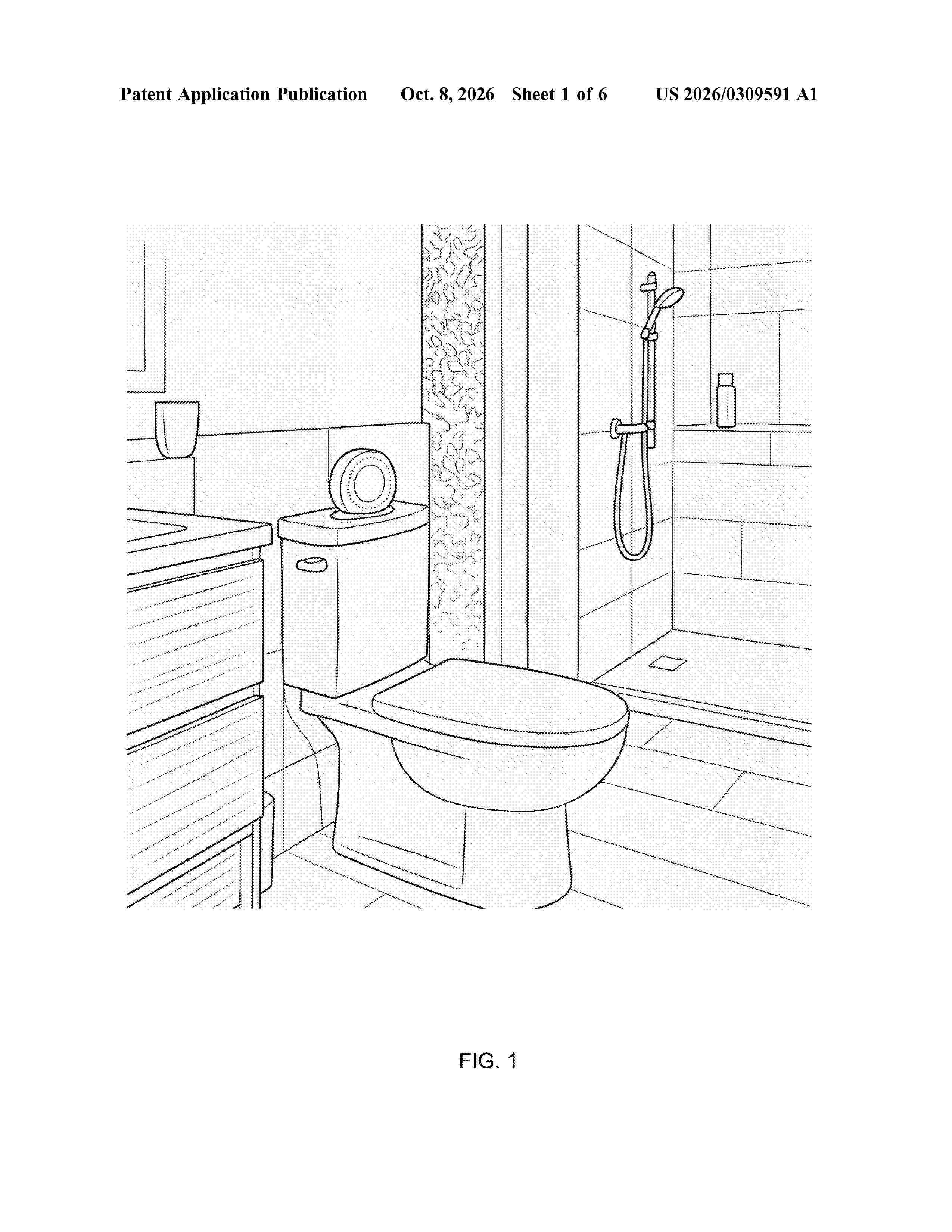
Resumen de: US20260309591A1
A system and method for monitoring gastrointestinal health using a passive air-sampling device positioned on top of a toilet tank. The device comprises a gas sensor array, environmental sensors, and a processor configured to collect data during a user's bowel movement. Gas signatures are analyzed using machine learning to identify users and assess gut health without requiring stool handling. A proprietary health score is generated from sensor and contextual data and displayed to the user via a mobile application. The system continuously improves by associating sensor patterns with user-reported symptom classifications and retraining its algorithms to detect gastrointestinal conditions. The neural-network-enabled gas sensor produces multidimensional digital fingerprints of sampled gas compositions, enabling condition screening based on complex patterns rather than predefined biomarkers. The application includes a goal-setting chatbot using cognitive behavioral therapy methods to promote habit change. Data processing is distributed across on-device inference, edge AI, and cloud services.
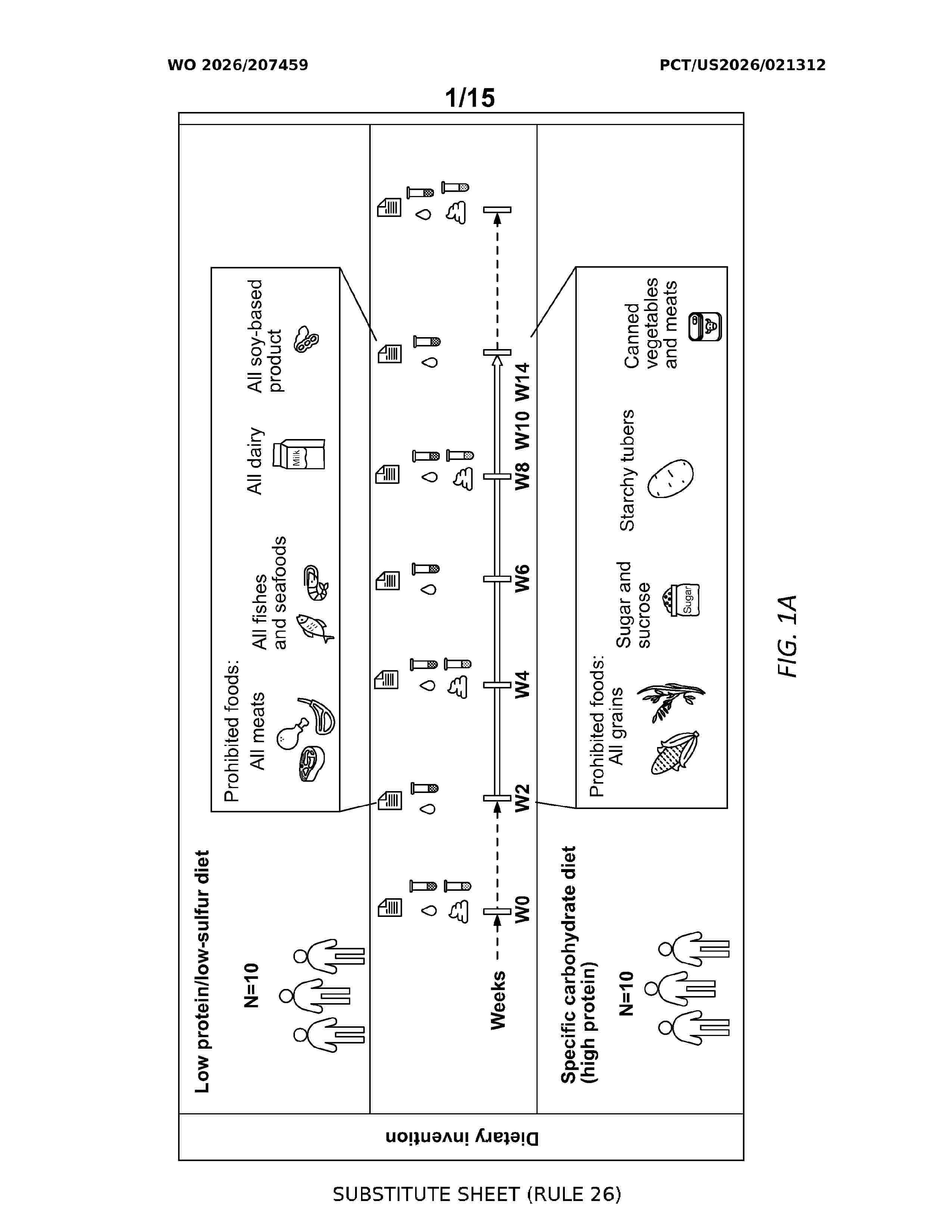
Resumen de: WO2026207459A1
Methods comprising administering a therapeutically effective amount of H2S scavenger, and optionally butyrate, as described herein, to a subject who has an inflammatory gut condition, e.g., Ulcerative Colitis (UC), Primary Sclerosing Cholangitis (PSC), colonic Crohn's Disease (CD), pouchitis and inflammation after proctocolectomy with ileal pouch-anal anastomosis (j-pouch surgery) to treat UC, irritable bowel disease (IBD), and subjects who have those conditions who are at risk of developing colon/colorectal cancer.
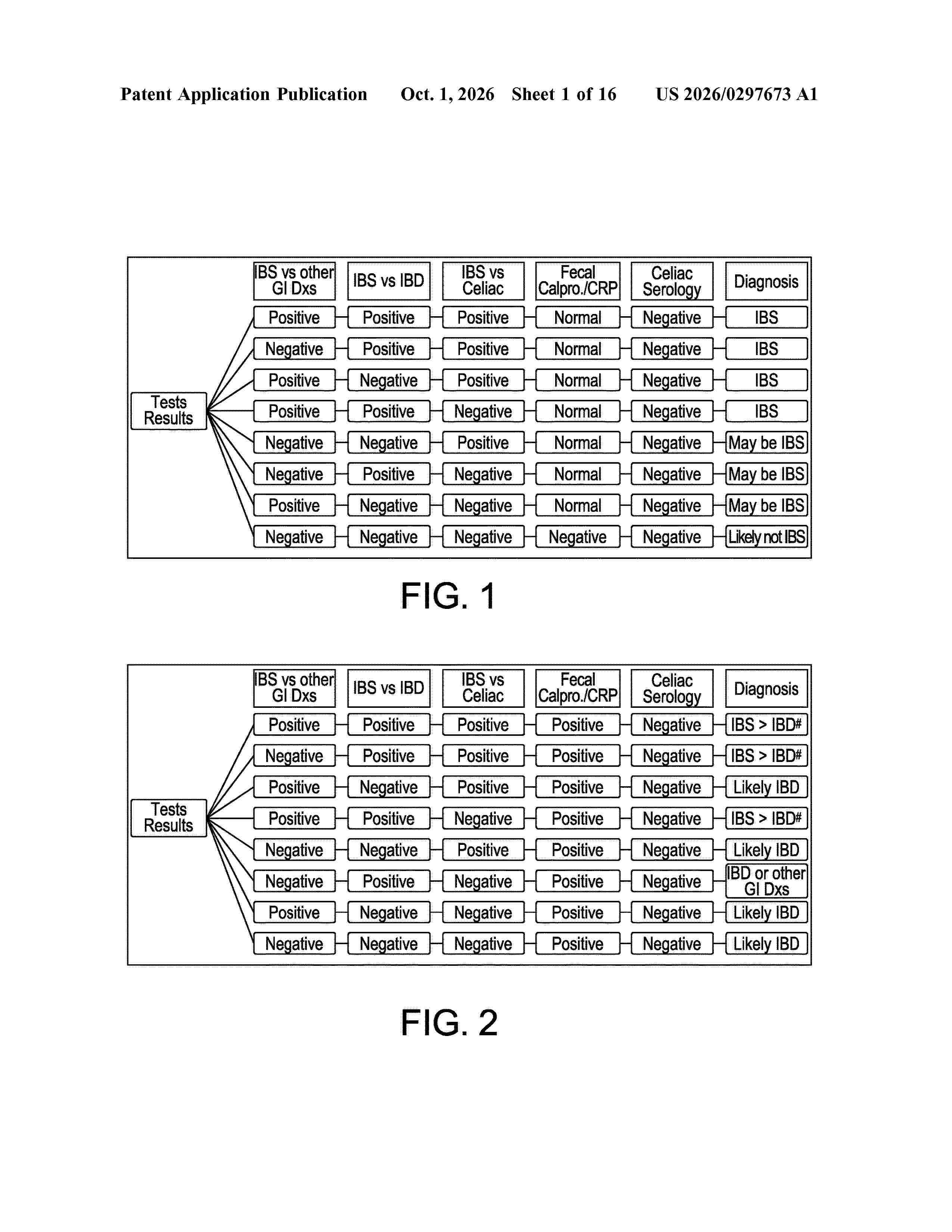
Resumen de: US20260297673A1
0000 Blood-based genome-wide DNA methylation profiles are utilized to develop a reliable test to diagnose irritable bowel syndrome (IBS) versus inflammatory bowel disease (IBD), celiac disease and other gastrointestinal diseases that mimic IBS. These methods provide a means to rule out IBS and rule-in active IBD or celiac disease, as well as to rule-out active IBD and celiac disease, and to rule-in IBS.
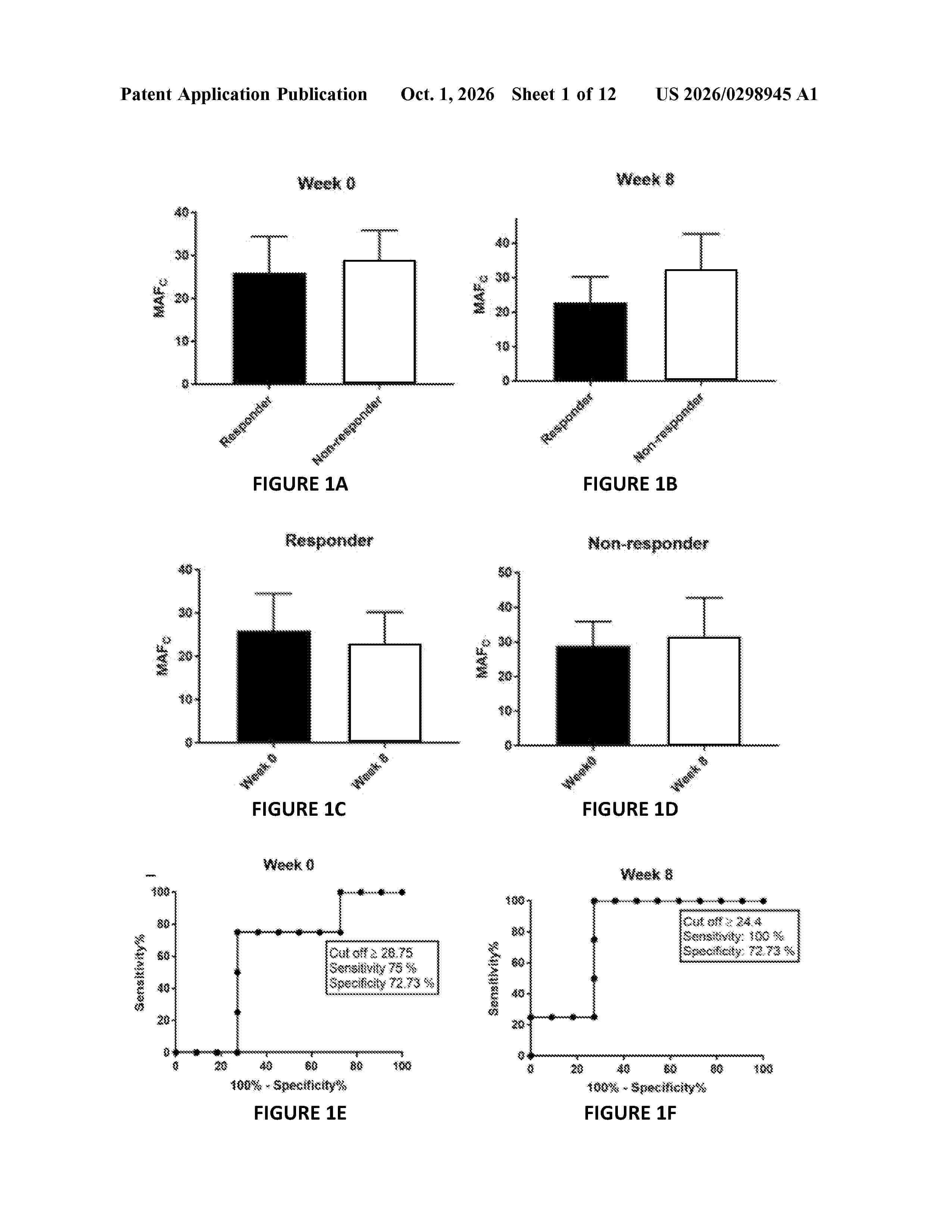
Resumen de: US20260298945A1
Predicting non-responsiveness of IBD patients The present invention relates to an in vitro method for predicting the responsiveness of an IBD patient to a therapy with an intracellularly acting immunosuppressive agent of interest, wherein a sample is provided from the IBD patient at an initial period of a treatment with the immunosuppressive agent of interest, said sample comprising effector mononuclear cells, and responsiveness is predicted from the difference between a multidrug ABC transporter activity level in the effector mononuclear cells in said sample and a reference transporter activity level. The method is useful in a treatment of IBD, e.g. in monitoring the progress of the disease or in a decision on a shift from an initial treatment with an agent to another agent like csDMARD or tsDMARD.
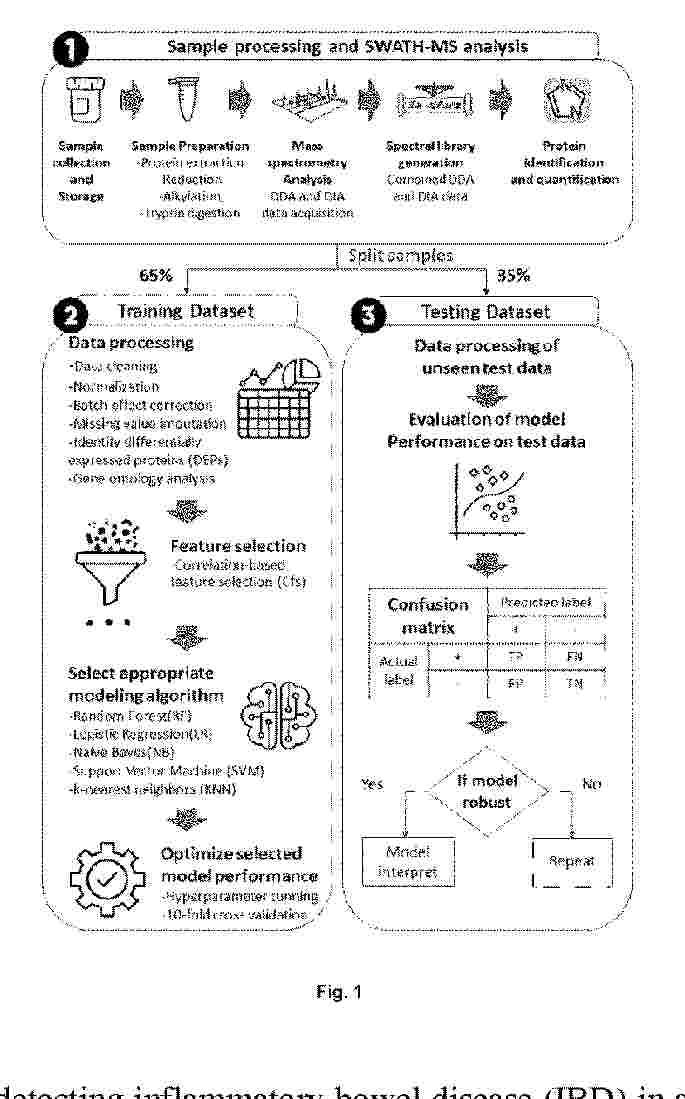
Resumen de: WO2025107068A1
It is provided a method of detecting inflammatory bowel disease (IBD) in a patient comprising the step of measuring in a sample of said patient protein expression from the sample, and determining from the measured expression the presence or absence in the patient of inflammatory bowel disease. The method comprises measuring the protein expression level measured of S100-A9, neutral ceramidase, serum albumin, chymotrypsin-C, protein S100-A4, alpha-1-acid glycoprotein 1, neprilysin, lactotransferrin, immunoglobulin lambda-like polypeptide 5, immunoglobulin heavy variable 4-28, protein S100-A8, chymotrypsin-like elastase family member 3A, IgGFc-binding protein, mucin-2, antithrombin-l 11, myeloblastin, zymogen granule membrane protein 16, annexin A2, glyceraldehyde-3-phosphate dehydrogenase, chloride anion exchanger, and/or a combination thereof.
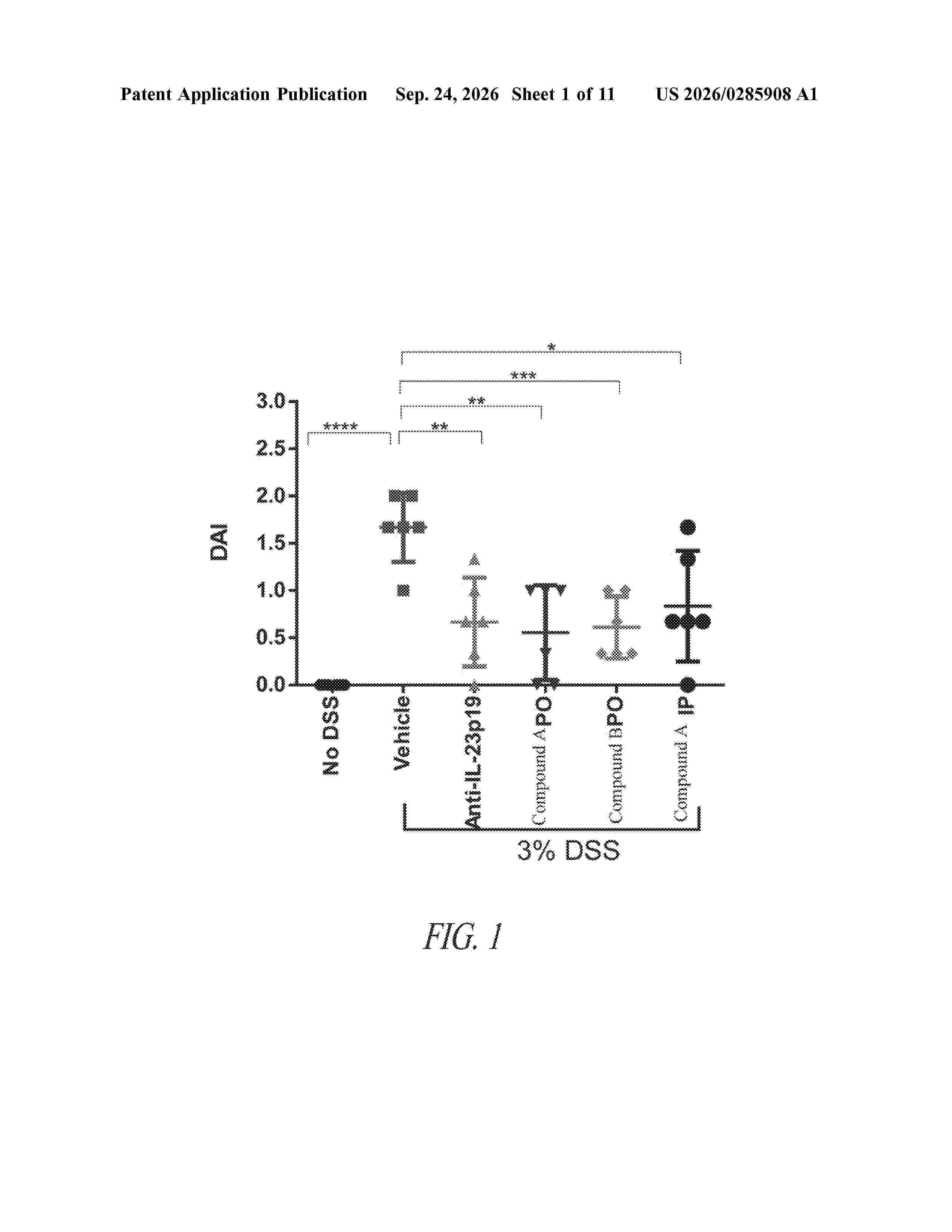
Resumen de: US20260285908A1
0000 Peptide inhibitors of the interleukin-23 receptor, and related compositions and methods of using these peptide inhibitors to treat or prevent a variety of diseases and disorders, including inflammatory bowel disease, are disclosed.
Resumen de: WO2026196294A1
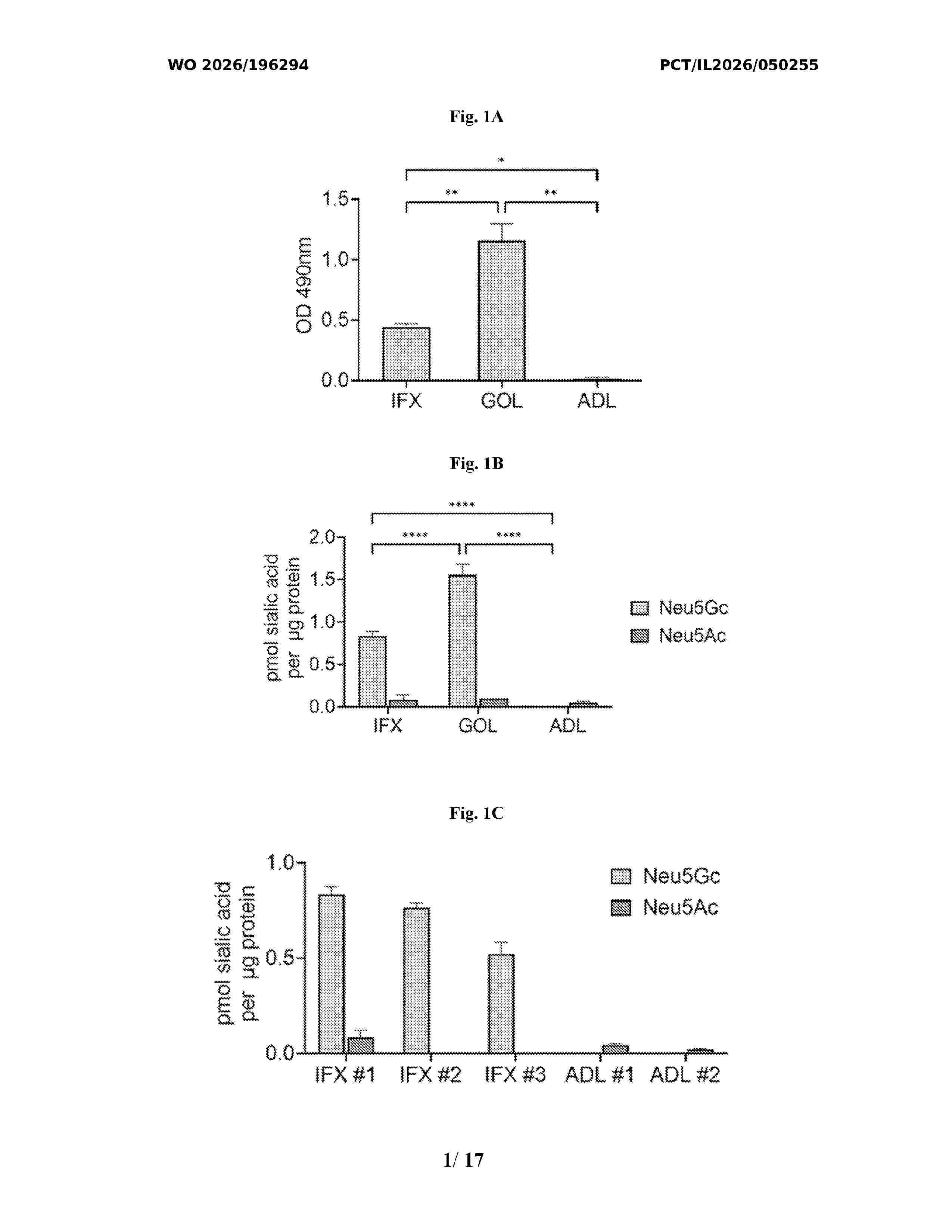
The present invention provides improved management of IBD treatment by anti-TNF-alpha antibodies comprising glycans having Neu5Ac instead of non-human Neu5Gc glycosylation or by antibodies in which Neu5Ac was added. The present invention further provides methods for monitoring levels of anti-glycan antibodies in IBD patients and prediction of development of secondary immune mediated inflammatory autoimmune diseases, mediated by these antibodies.
Resumen de: US20260275426A1
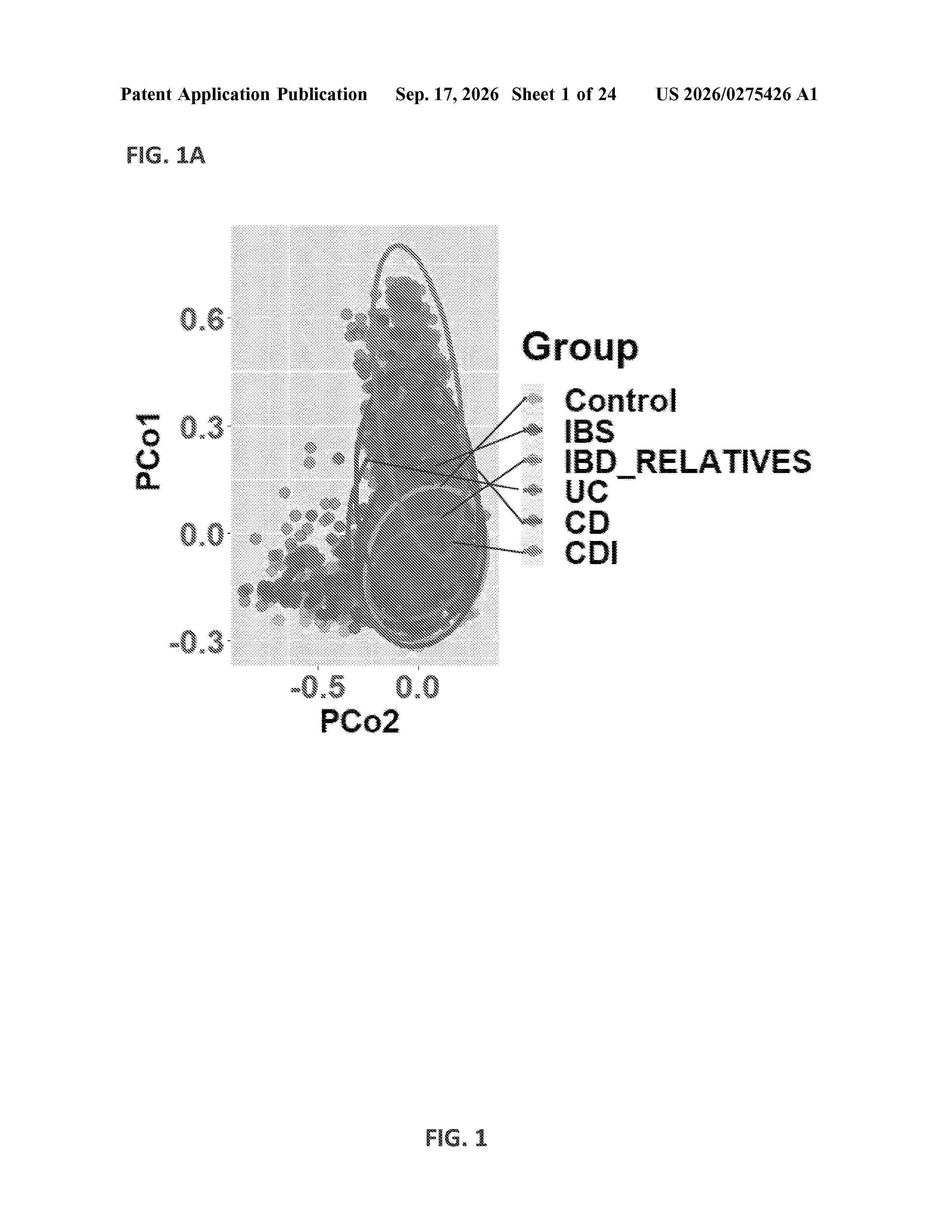
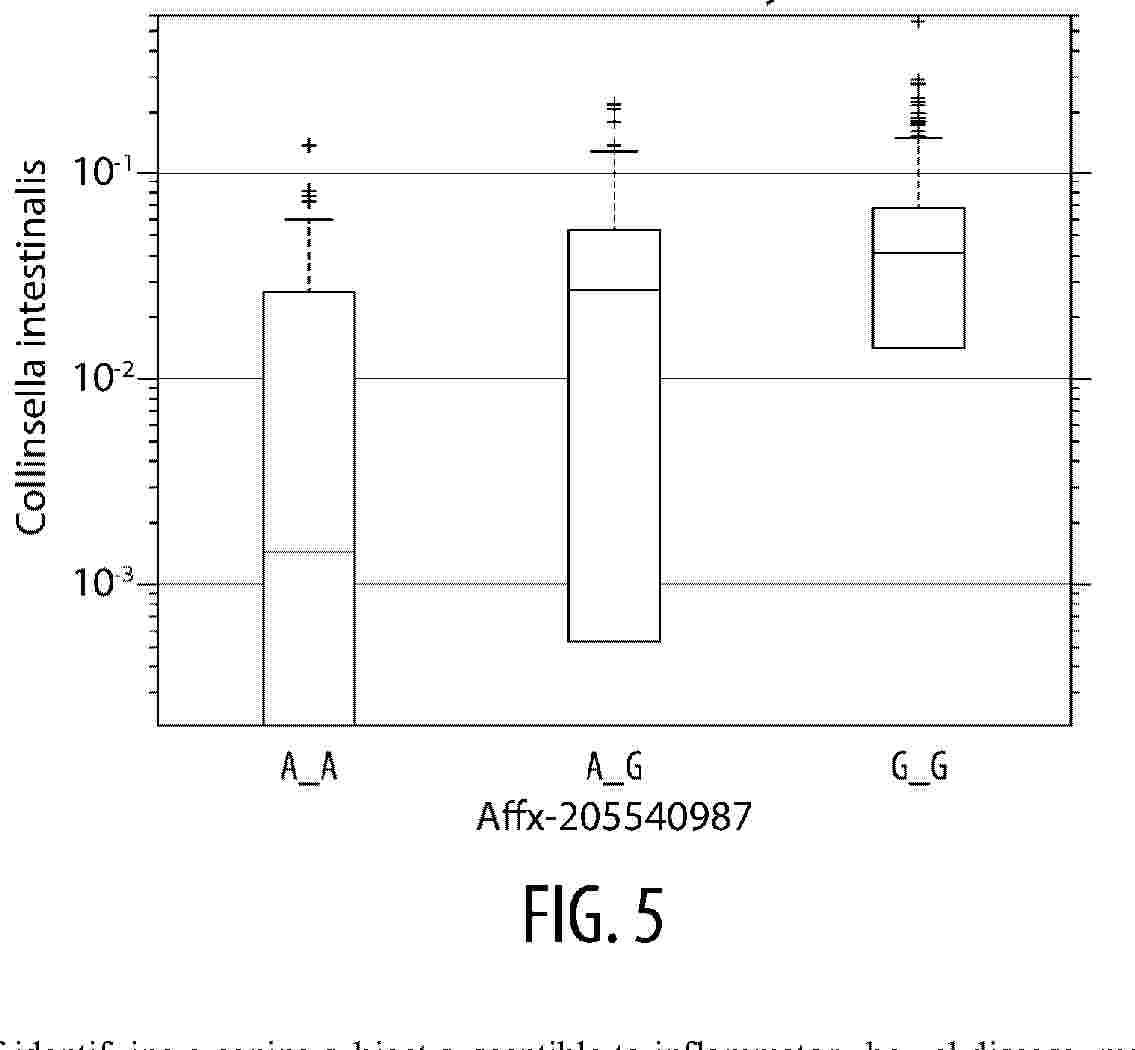
Embodiments of the disclosure encompass methods and compositions for treating and/or identifying subjects having Inflammatory Bowel Disease (IBD). In certain embodiments, methods include measuring taxa occurrence frequencies in at least one microbiome sample from a subject suspected or having or being at risk for having IBD when certain taxa are enriched in the microbiome and/or when certain taxa are deficient in the microbiome, and particularly upon classification of their microbiome based on a taxa enrichment profile. In certain embodiments, an individual is determined to be a suitable donor for fecal microbiota transplant or is determined not to be a suitable donor for FMT based on classification of the taxa profile of their microbiome.
Resumen de: US20260276634A1
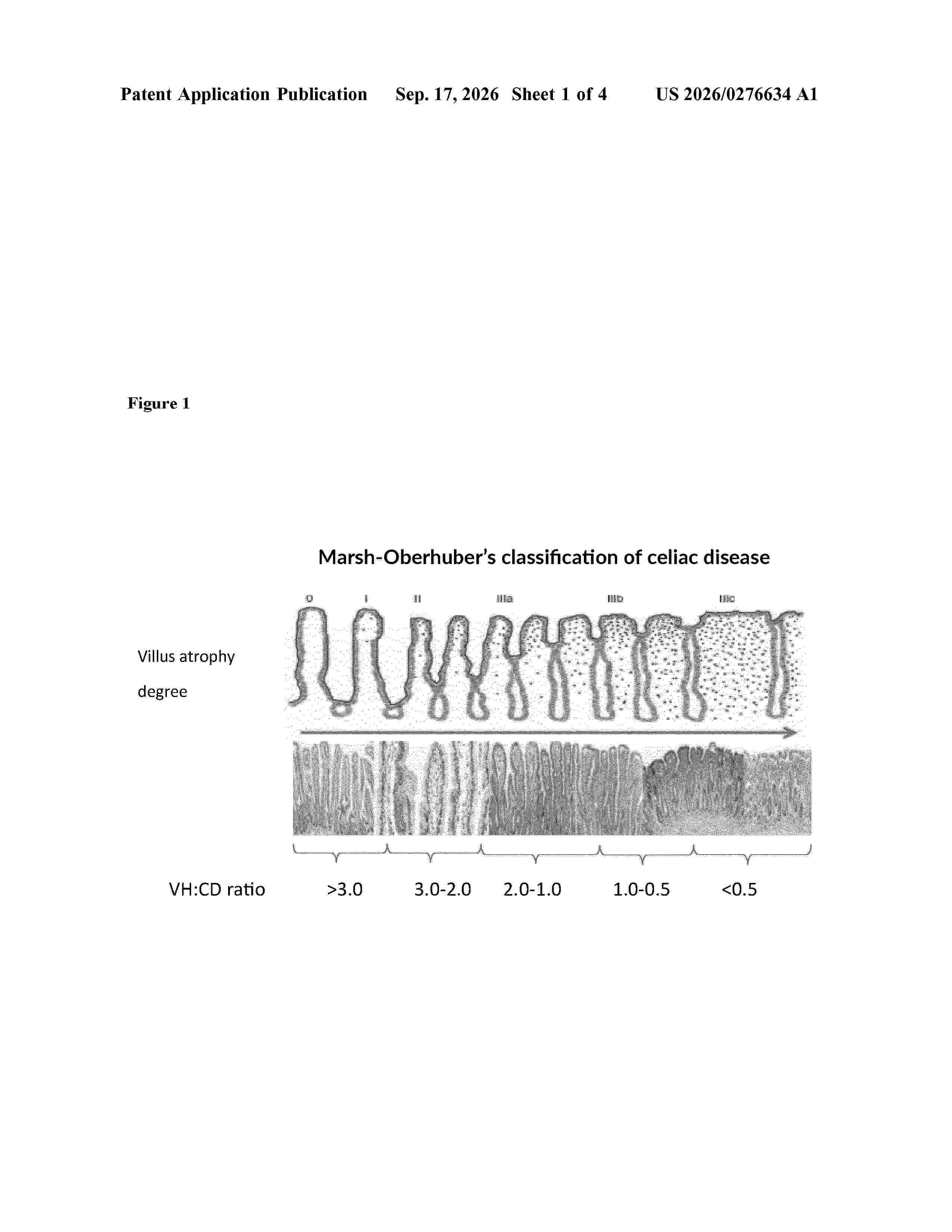
The present invention relates to an in vitro method for evaluating the state of intestinal permeability of a subject and, consequently, for the diagnosis of diseases or dysfunctions associated with intestinal hyper-permeability. More specifically, the procedure allows measuring using a common food component the amount of dietary antigen that can traverse a dysfunctional intestine. The procedure allows for the development of analytical products and processes within the framework of the medical devices industry.
Resumen de: US20260272993A1
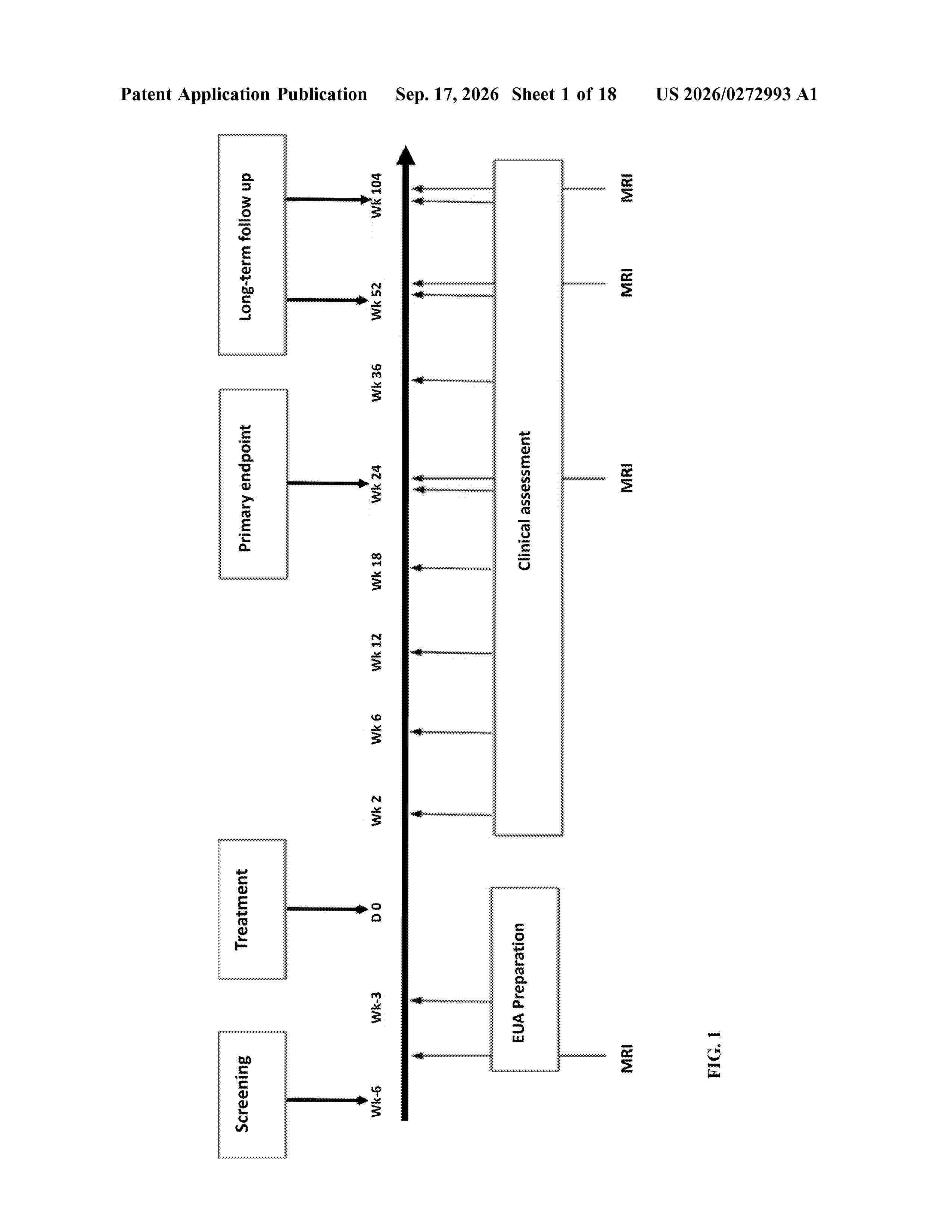
The present invention relates generally to methods and compositions for treating and/or preventing an inflammatory bowel disease (IBD) and perianal fistulas, the method comprising the administration of therapeutic cells in the subject in need thereof.
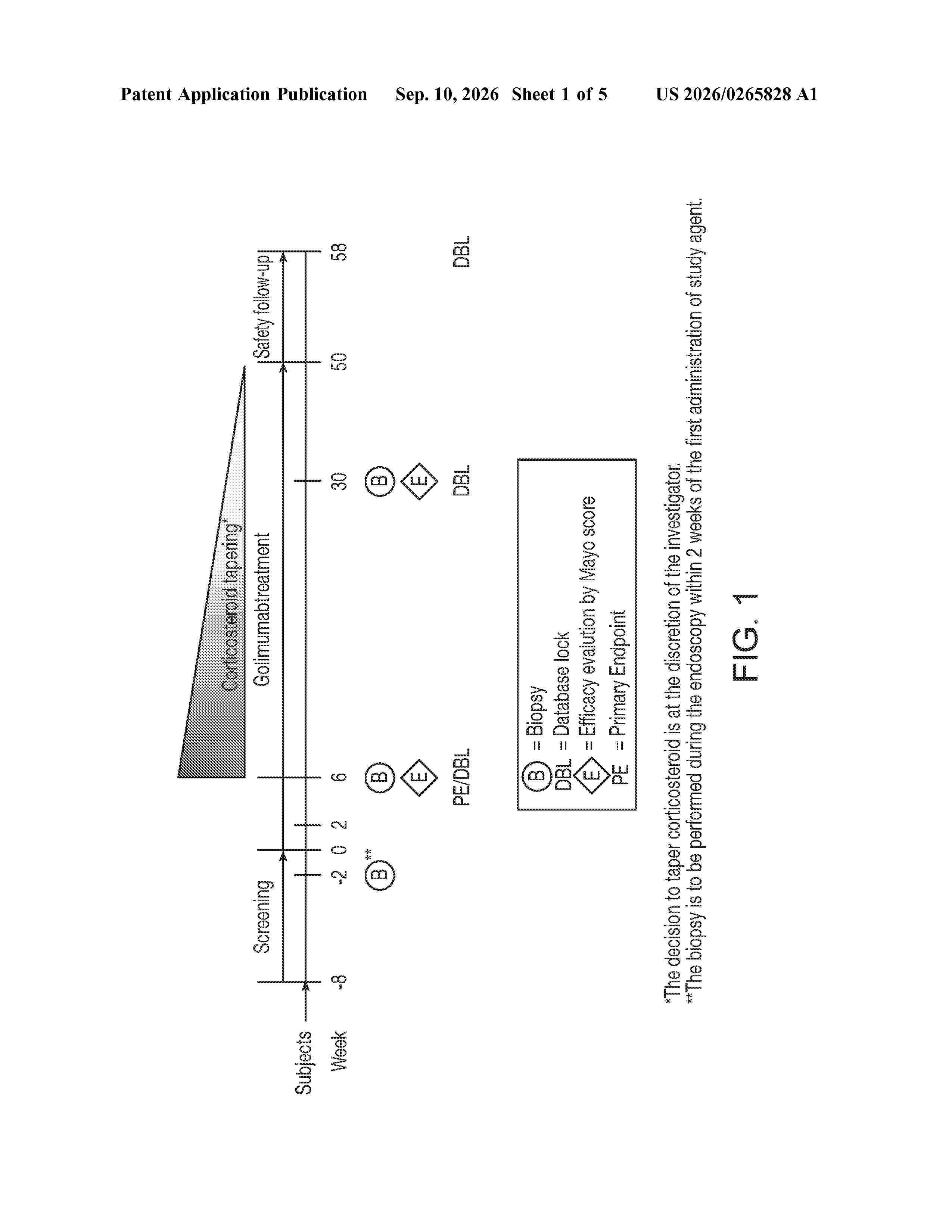
Resumen de: US20260265828A1
Biomarkers that are indicative of the response to the therapy of the inflammatory bowel disease, including ulcerative colitis (UC) and Crohn's disease (CD), are described. Also described are probes capable of detecting the biomarkers and related methods and kits for predicting the response to the therapy of the inflammatory bowel disease.
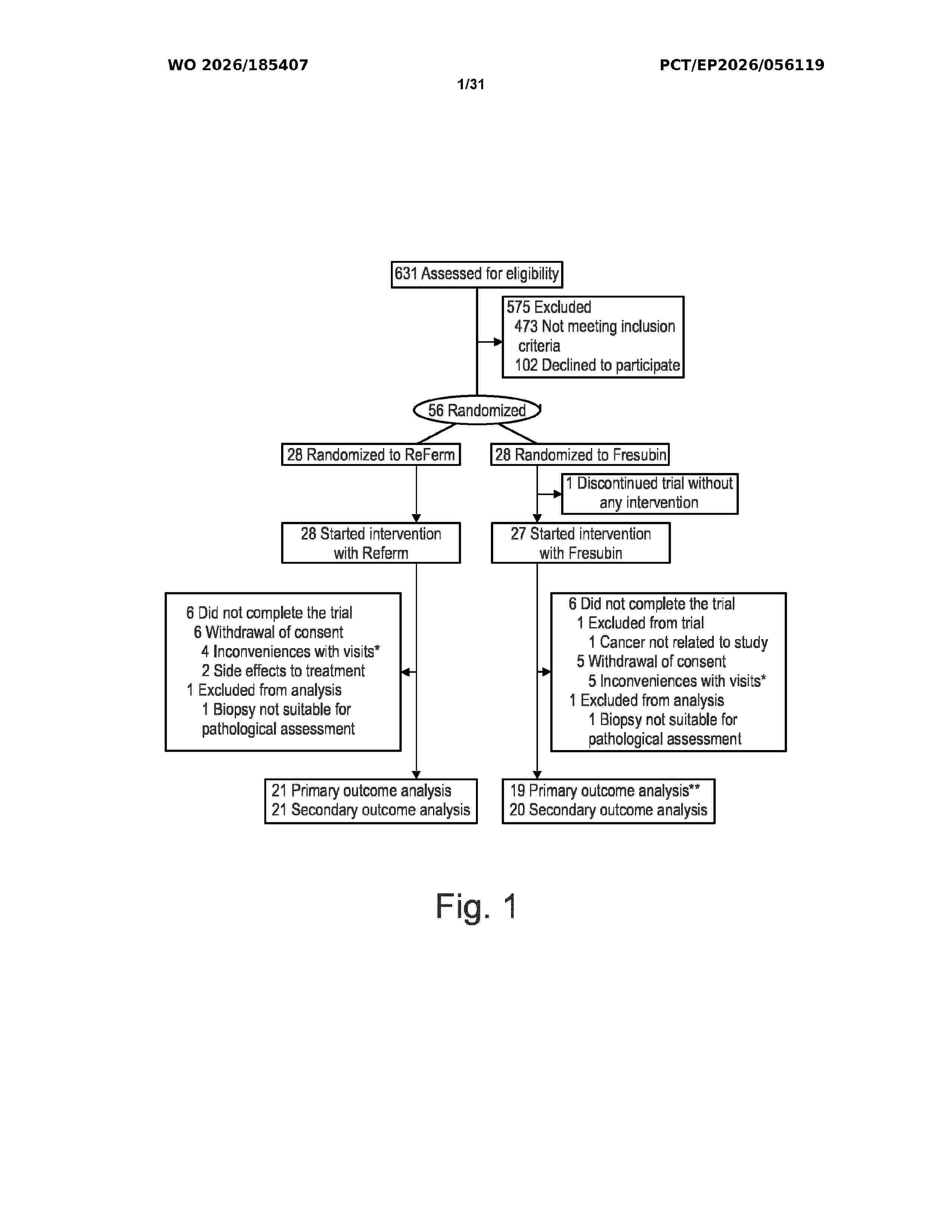
Resumen de: WO2026185407A1
The present invention is directed to compositions, including post-biotic compositions, comprising cereal gruel fermented by Lactobacillus plantarum 299 and/or Lactobacillus plantarum 299v®. The compositions are useful for 5 treating diseases in human beings, including liver diseases, as well as gastrointestinal diseases and inflammatory conditions related to liver diseases. Disease treatment and treatment efficacies may be monitored based on the development in selected patient groups of one or more biomarkers, including intestinal fatty acid-binding protein (I-FABP) and C-reactive protein 10 (CRP).
Resumen de: AU2025237849A1
Methods of identifying a canine subject susceptible to inflammatory bowel disease, methods of treating or preventing inflammatory bowel disease in a canine subject, and compositions useful for treating or preventing inflammatory bowel disease in a canine subject are described herein.
Resumen de: AU2025228200A1
The present disclosure relates to dosage regimens for glucagon-like-peptide-2 (GLP-2) analogs, e.g., apraglutide, in a subject in need thereof, e.g., a subject with short bowel syndrome (SBS).
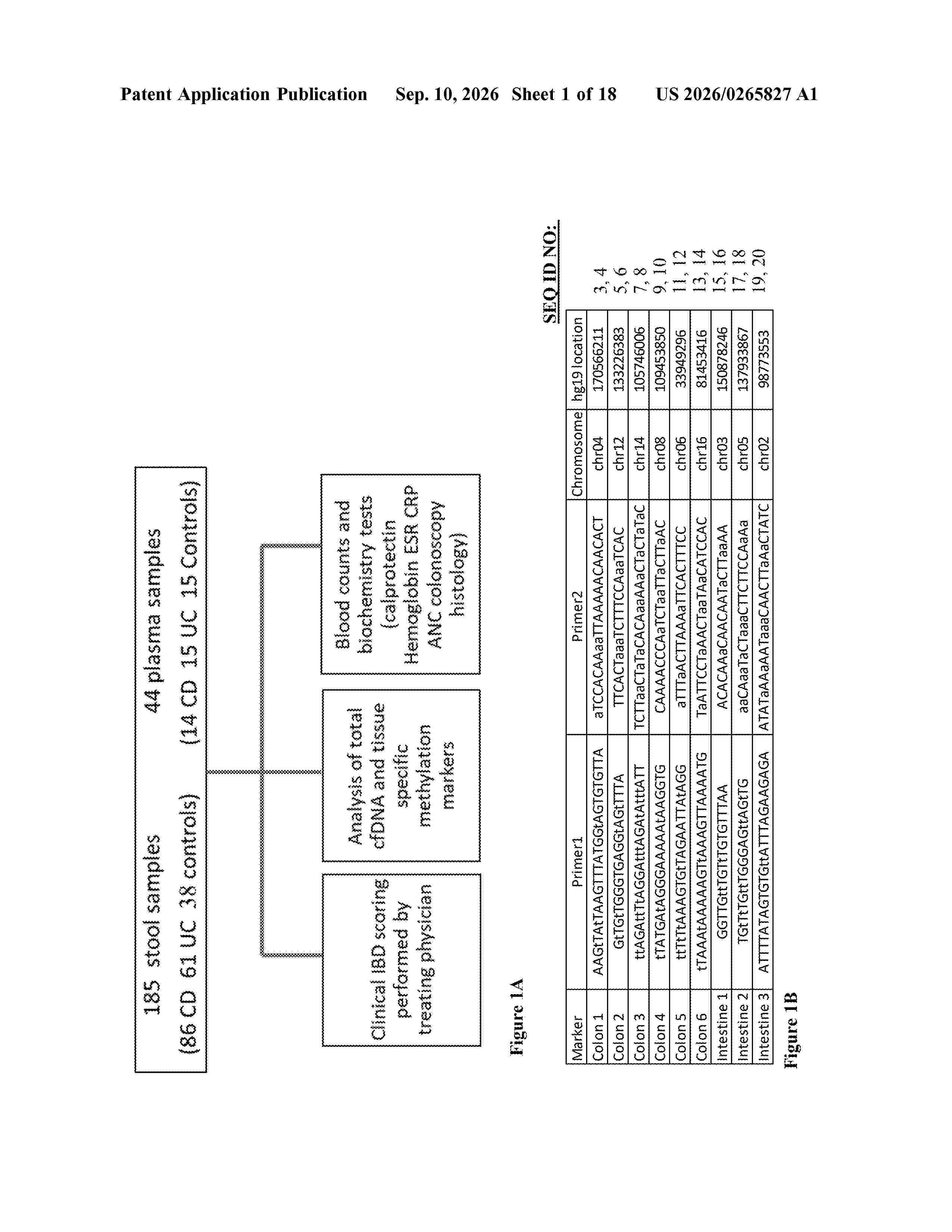
Resumen de: US20260265827A1
Methods of diagnosing inflammatory bowel disease (IBD), ulcerative colitis (UC) or Crohn's disease (CD) in a subject in need thereof, comprising receiving a stool sample from the subject and measuring DNA levels in the stool sample are provided. Kits comprising at least one reagent that detects mammalian DNA and not bacterial DNA and at least one reagent that detects cell type-specific DNA methylation are also provided.
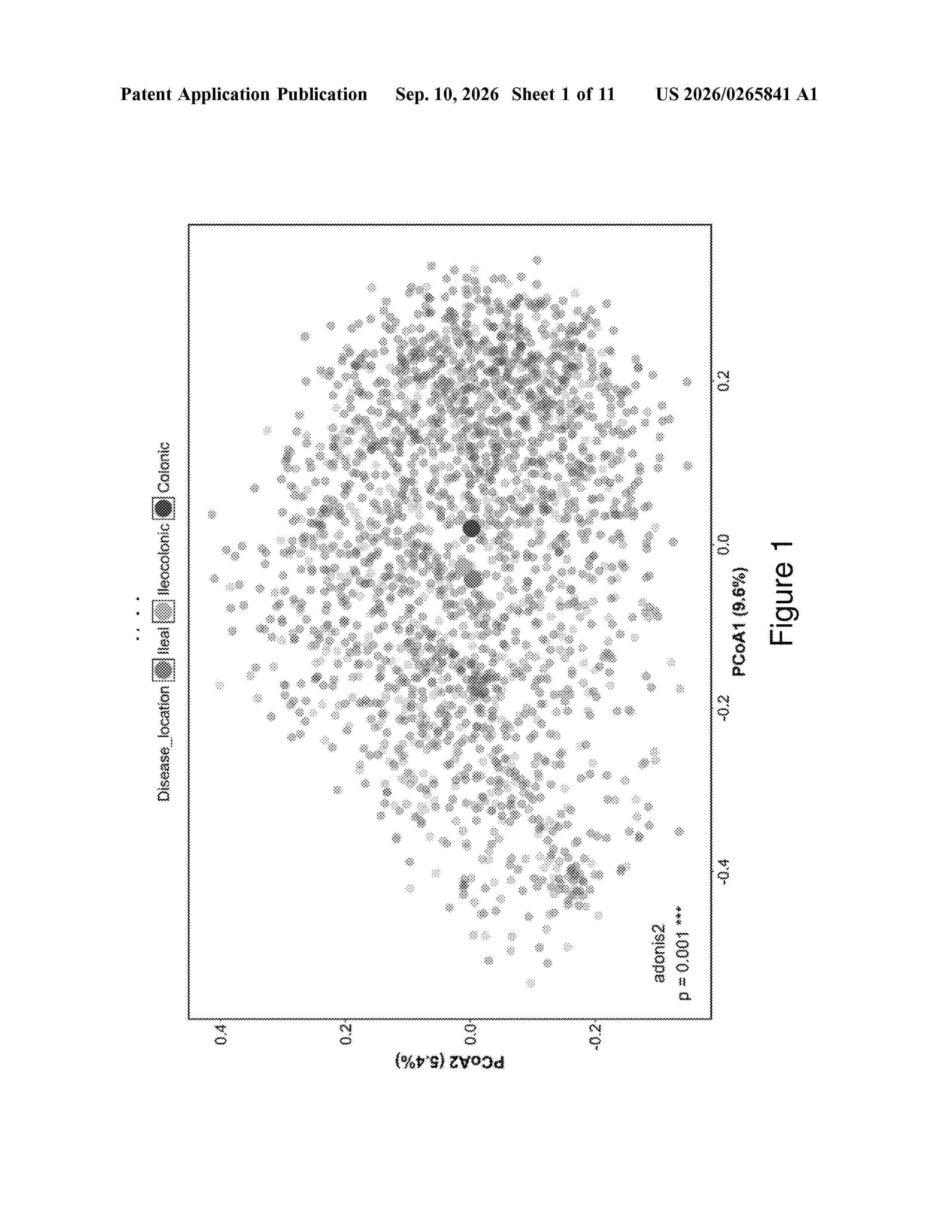
Resumen de: US20260265841A1
In some embodiments, provided is a method for identifying a stool sample with an altered microbiome associated with IBD with disease above TI comprising the steps of: a) determining the relative abundance of a set of bacterial species in the stool sample; b) comparing the relative abundance of each bacterial species in the set of bacterial species from the individual with the relative abundance of each bacterial species in the set of bacterial species in a reference data set to generate a risk score; and c) determining the stool sample as having an altered microbiome associated with IBD with disease above the TI if the risk score is higher than a cutoff value. Other embodiments are described herein. In some embodiments, provided methods, kits, products and uses of compositions provide a cost-effective, non-invasive method to support clinical decision making, and hence to help improve disease management regarding disease above TI.
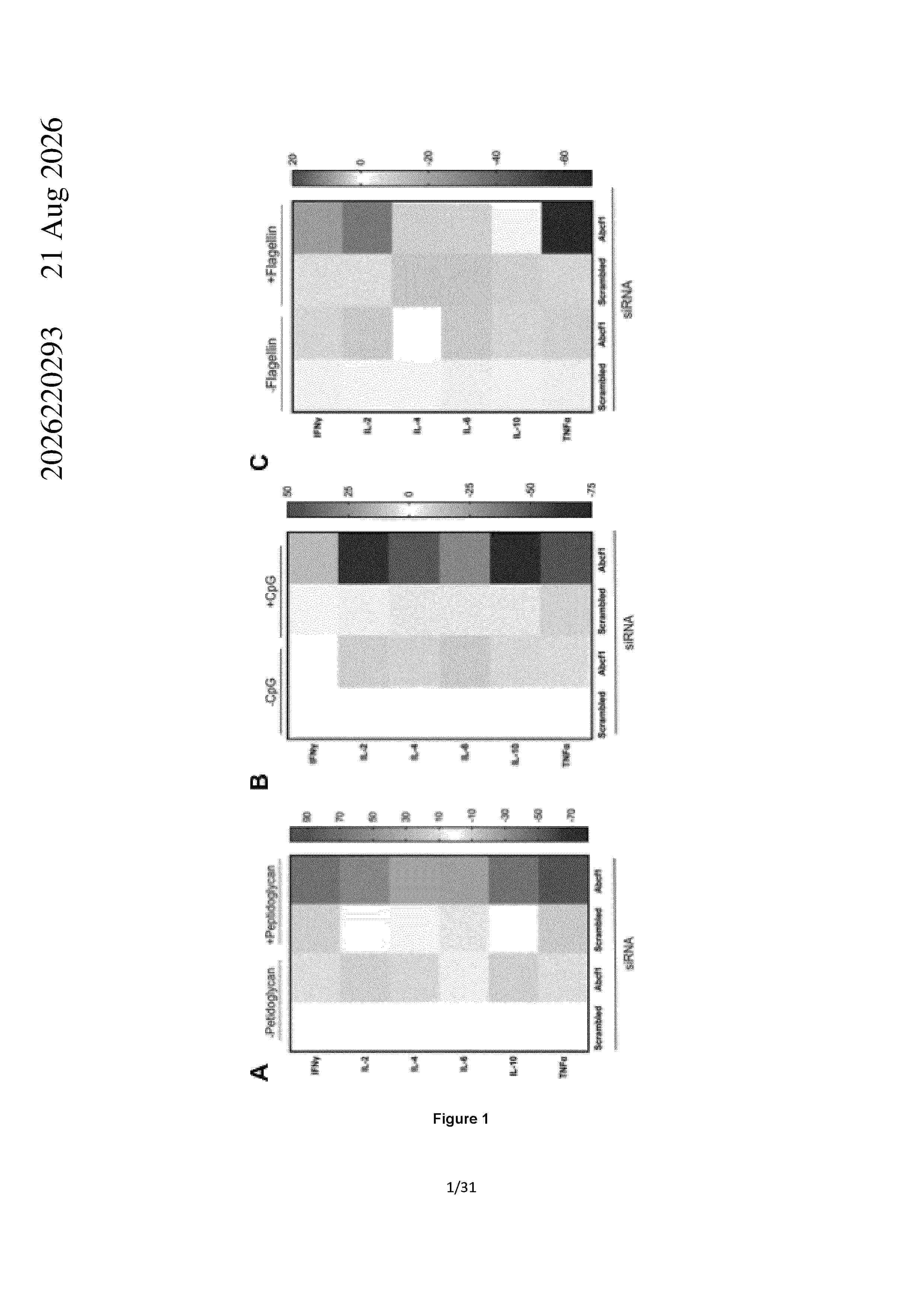
Resumen de: AU2026220293A1
Abstract The present invention relates to methods of immune modulation. In particular, the present invention relates to regulation of inflammation and immune responses by modulation of ABCF1. Modulation of ABCF1 may be useful in the treatment of sepsis, autoimmune diseases, cancer or infections. ug u g
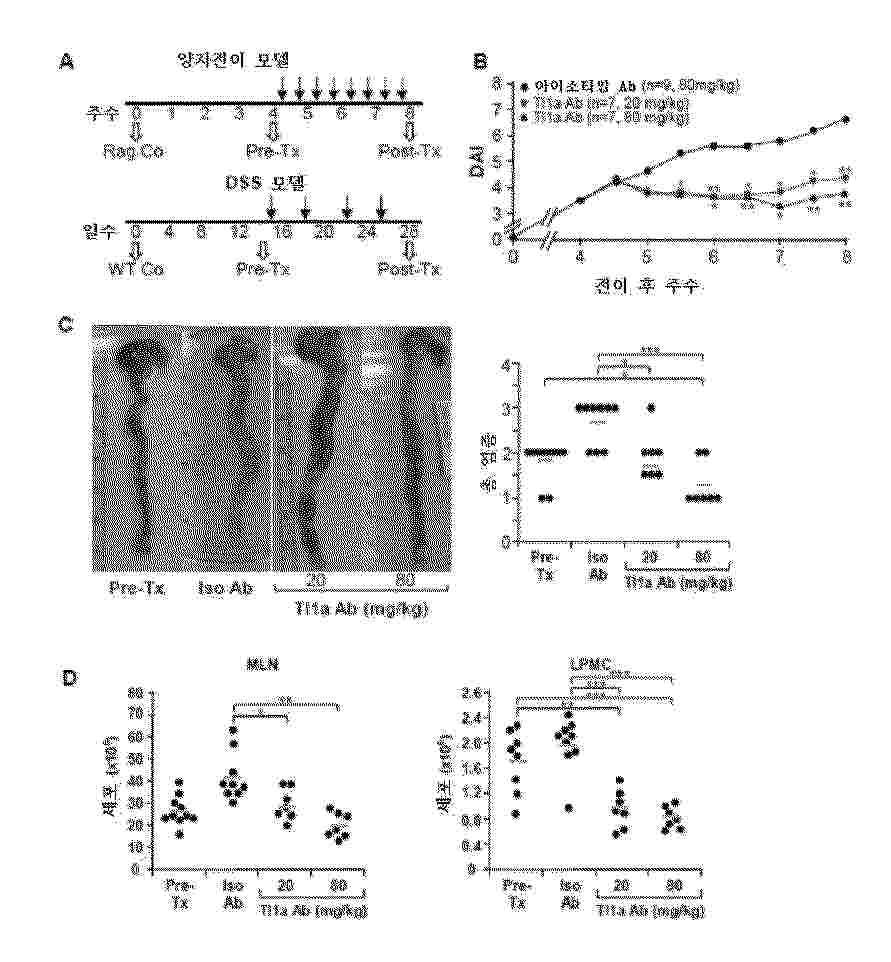
Resumen de: US2016060335A1
The invention relates to methods of treating fibrosis and inflammatory bowel disease. In one embodiment, the present invention treats gut inflammation by administering a therapeutically effective dosage of TL1A inhibitors and/or DR3 inhibitors to an individual. In another embodiment, the present invention provides a method of reversing tissue fibrosis in an individual by inhibiting TL1A-DR3 signaling function.
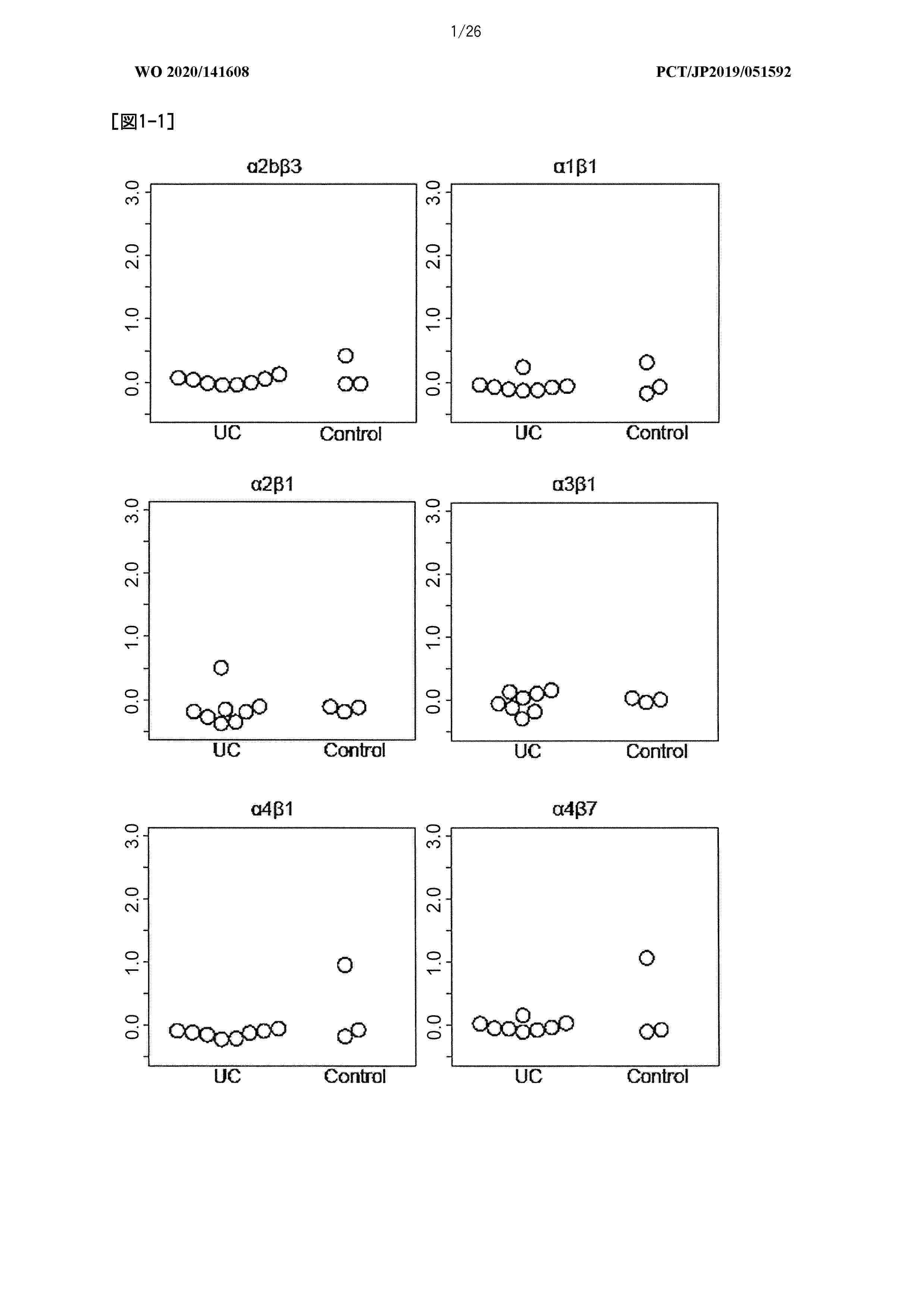
Resumen de: WO2020141608A1
The purpose of the present invention is to provide a test method and the like that is specific for ulcerative colitis and for primary sclerosing cholangitis. The present invention firstly provides a test method for ulcerative colitis, the test method being a detection step of detecting, in a sample and as an indicator of ulcerative colitis, an antibody that immunologically reacts with integrin αVβ6 and/or an antibody that immunologically reacts with integrin αVβ3. The present invention secondly provides a test method for primary sclerosing cholangitis, the test method being a detection step of detecting, in a sample and as an indicator of primary sclerosing cholangitis, an antibody that immunologically reacts with an antibody that immunologically reacts with integrin αVβ6 and/or integrin αVβ3.
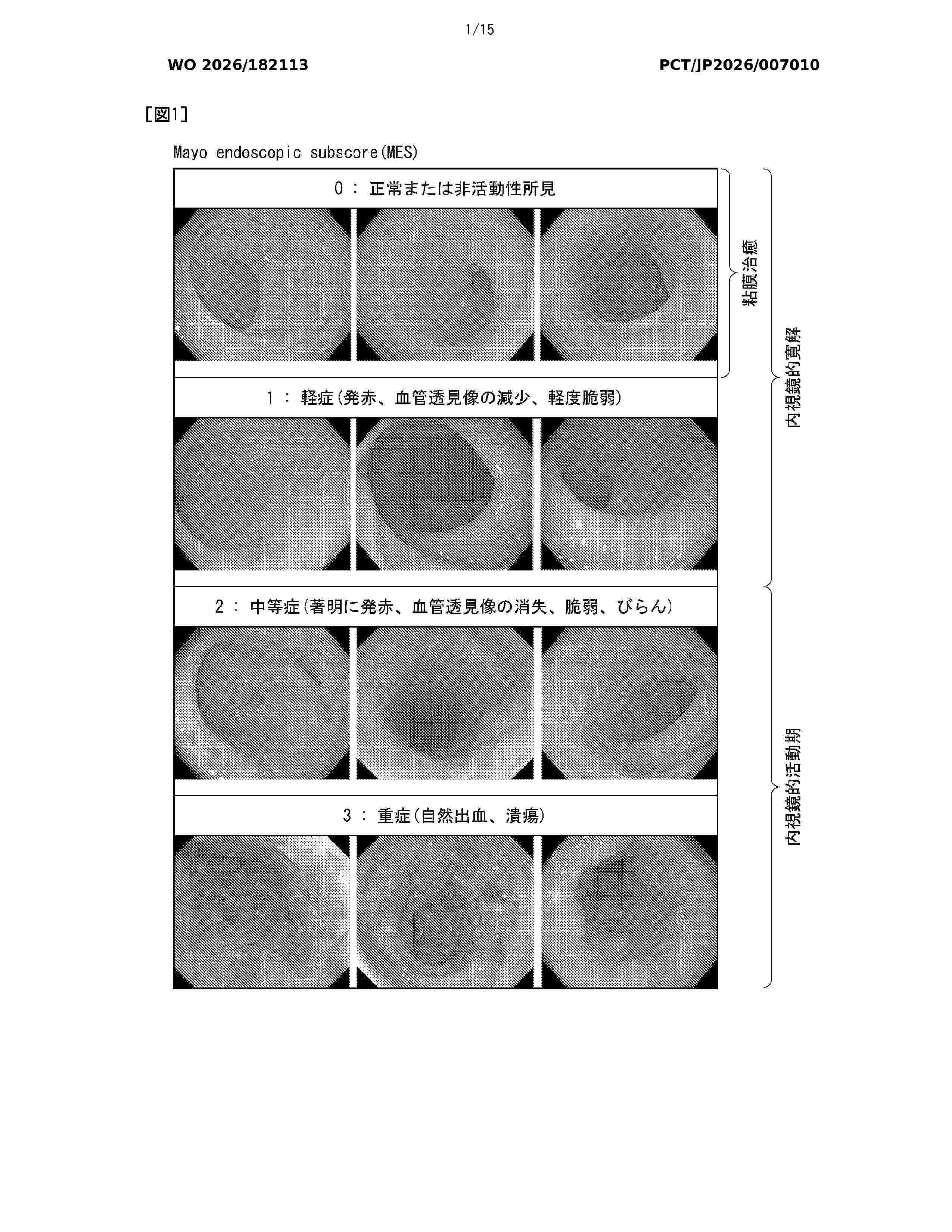
Resumen de: WO2026182113A1
A method for predicting endoscopic activity of ulcerative colitis, the method comprising: step (a) for measuring the concentration of one or more substances selected from the group consisting of C9, CYTF, LBP, Gelsolin, a1-Microglobulin, Resistin, MMP-8, MMP-9, HPT, C4, IGFBP-2, C3, and BIN2 in a blood sample of a subject; and step (b) for determining endoscopic activity of ulcerative colitis in the subject on the basis of the concentration of the protein in the blood sample measured in step (a).
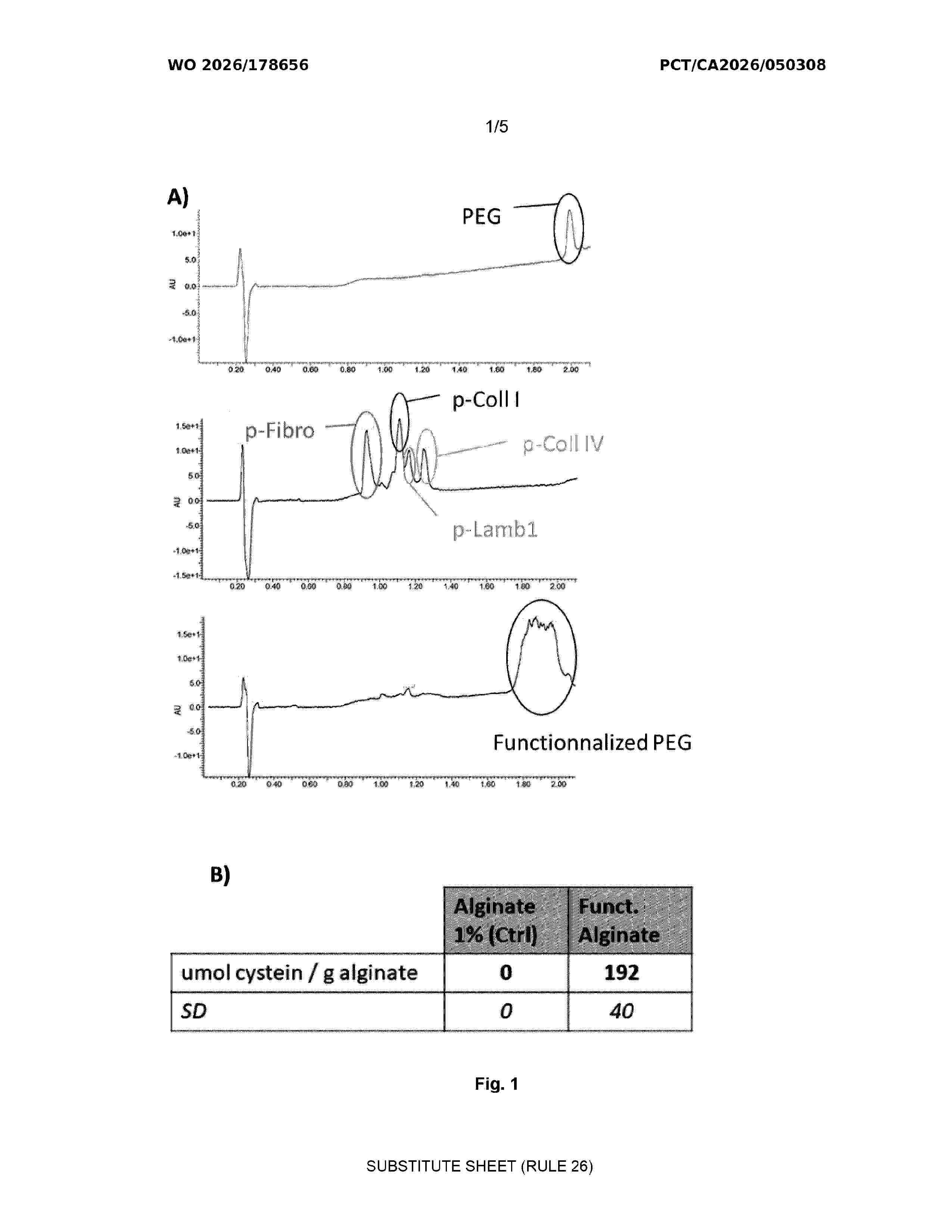
Resumen de: WO2026178656A1
It is provided a biodegradable gel mimetic matrix for cells seeding, the mimetic matrix composed of a functionalized alginate and a functionalized biodegradable polymer with at least one peptide, such as PEG. The PEG carries vinyl-sulfone groups that enable it to interact with the peptides and alginate. Alginate controls the gelation and stiffness of the mimetic matrix. It is further provided a method of culturing cells onto the matrix, providing a model to study epithelial cell behaviour toward a pathological state like inflammatory bowel disease (IBD) or cancer, like colorectal cancer.
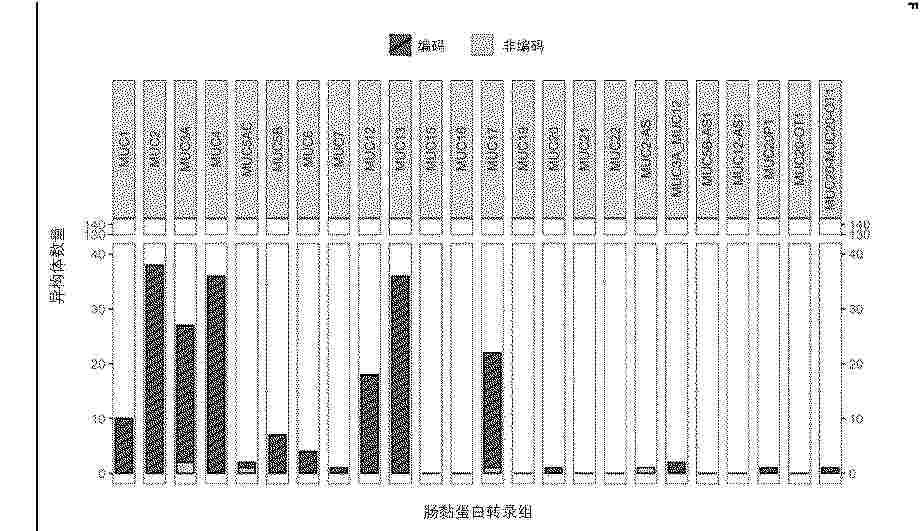
Resumen de: WO2025120137A1
The present invention relates to the field of mucins and mRNA isoforms thereof, more in particular the use of mucins and mRNA isoforms in subjects suspected having an intestinal disorder. Provided herein is an in vitro method for determining the presence of barrier damage to the intestinal tract and/or prediction of therapy response and recovery thereto by determining the expression of at least 3 mRNA isoforms originating from genes selected from the list comprising: MUC1, MUC2, MUC3A, MUC4, MUC5AC, MUC5B, MUC6, MUC12, MUC12-AS1, MUC13, MUC16, MUC17, MUC19, MUC20 or an overlapping transcript or a pseudogene thereof.
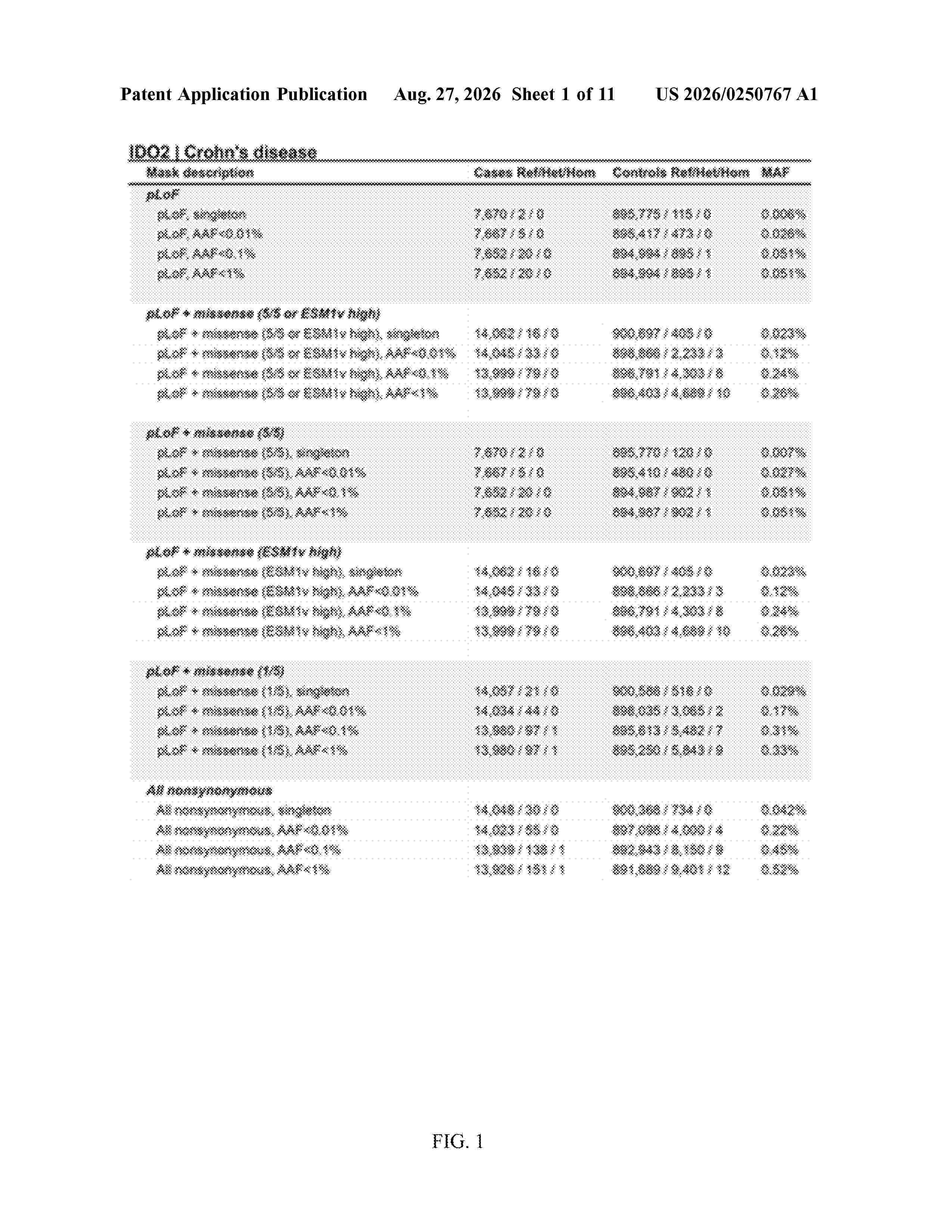
Nº publicación: US20260250767A1 27/08/2026
Solicitante:
REGENERON PHARMACEUTICALS INC [US]
Regeneron Pharmaceuticals, Inc.
Resumen de: US20260250767A1
The present disclosure generally relates to the treatment of subjects having IBD or at risk of developing IBD by administering an Indoleamine 2,3-Dioxygenase 2 (IDO2) agonist or a SMAD Family Member 2 (SMAD2) agonist to the subject.
 BOPI
BOPI
 Sede Electrónica