Si deseas distinguir tus productos, servicios o ambos de los de otra empresa, es posible que necesites una marca o nombre comercial. Descubre qué son, en qué consiste su procedimiento de registro y qué implica.

Información sobre los plazos de presentación de solicitudes de transformación de marcas de la Unión Europea en marca nacional española. Más información


Si tienes un nuevo dispositivo, producto o procedimiento que resuelva un problema técnico o tenga una ventaja práctica, existen distintas formas de protegerlo en España y en otros países. Descubre cómo hacerlo.

¿Tu innovación reside en la estética, la ornamentación o la apariencia de tu producto? Protégela mediante un diseño industrial. Descubre qué derechos confiere el registro y cómo realizar la tramitación.

Las indicaciones geográficas protegen el nombre de un producto originario de una zona geográfica, a la cual le debe una determinada calidad, reputación u otra característica. Descubre qué son, en qué consiste su procedimiento de registro y qué beneficios conceden.

Las patentes publicadas en todo el mundo son una valiosa fuente de información científica, técnica y comercial.

Si eres emprendedor/a o una empresa y quieres potenciar y mejorar la rentabilidad de tu negocio protegiendo de forma adecuada los activos intangibles de tu organización, en este espacio encontrarás lo necesario.


 345
resultados
345
resultados
 Última actualización
16/10/2026 [07:35:00]
Última actualización
16/10/2026 [07:35:00]


 Resultados 125 a 150 de 345

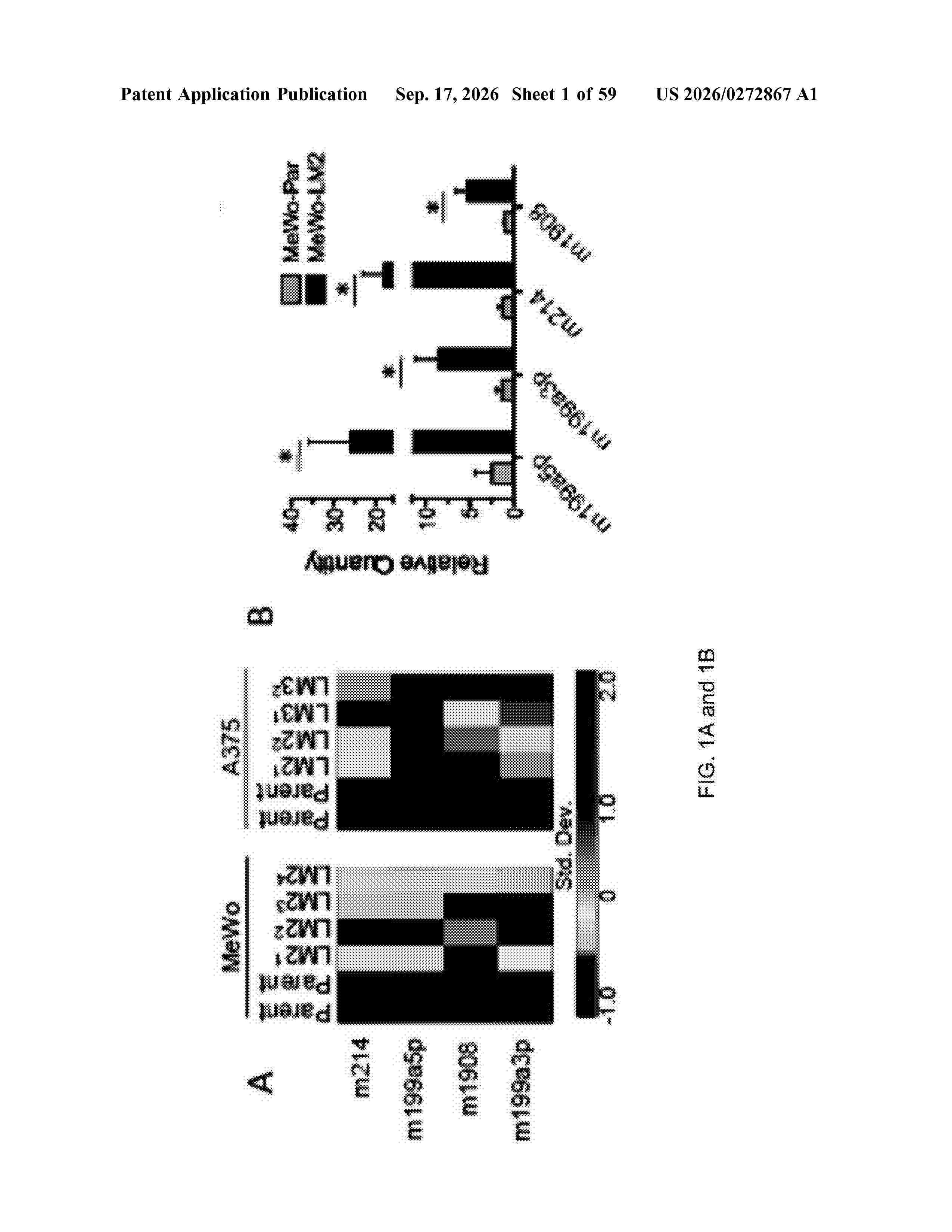
Resumen de: US20260272867A1
The present invention discloses novel agents and methods for diagnosis and treatment of melanoma. Also disclosed are related arrays, kits, and screening methods.

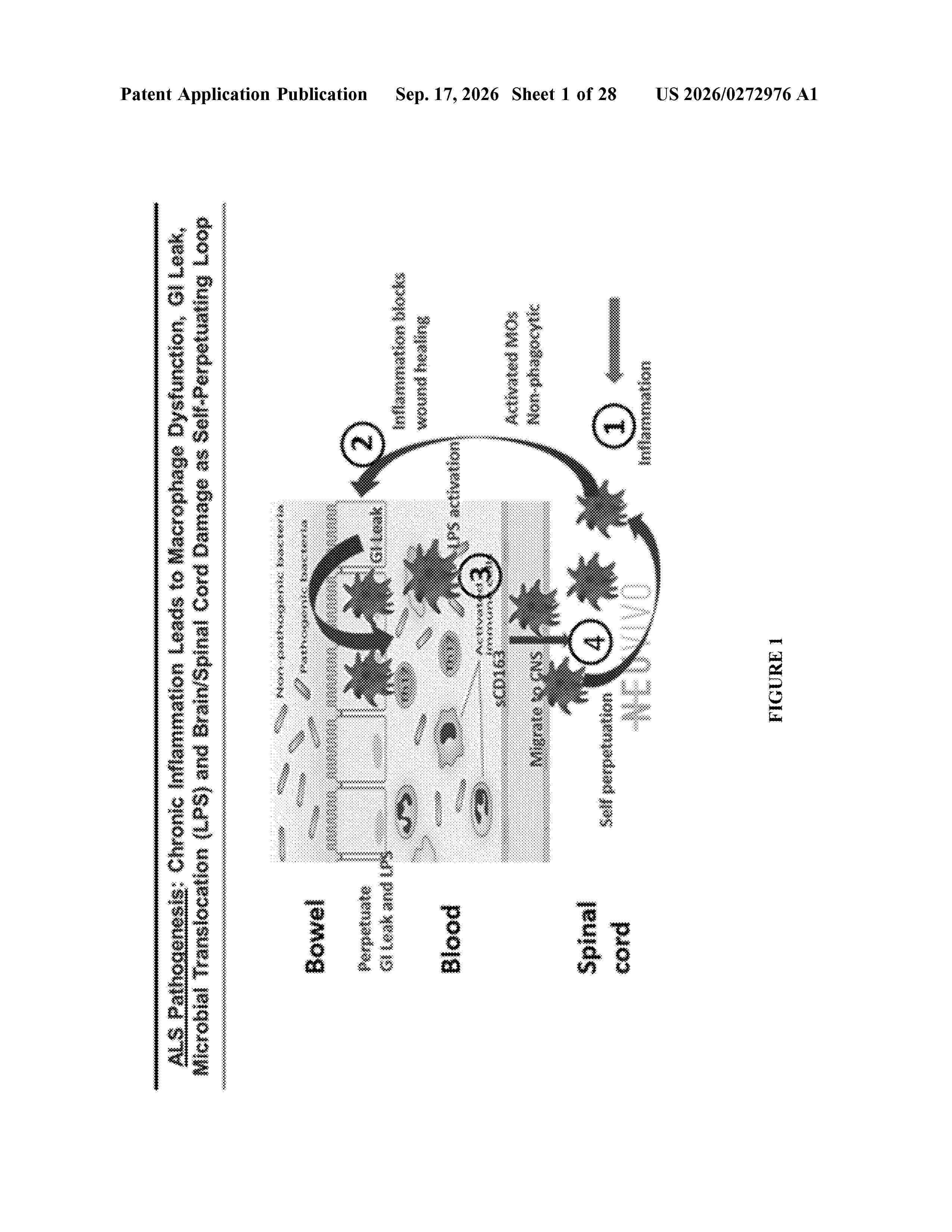
Resumen de: US20260272976A1
0000 Described herein are methods of monitoring and treating a subject with ALS based on biomarkers.
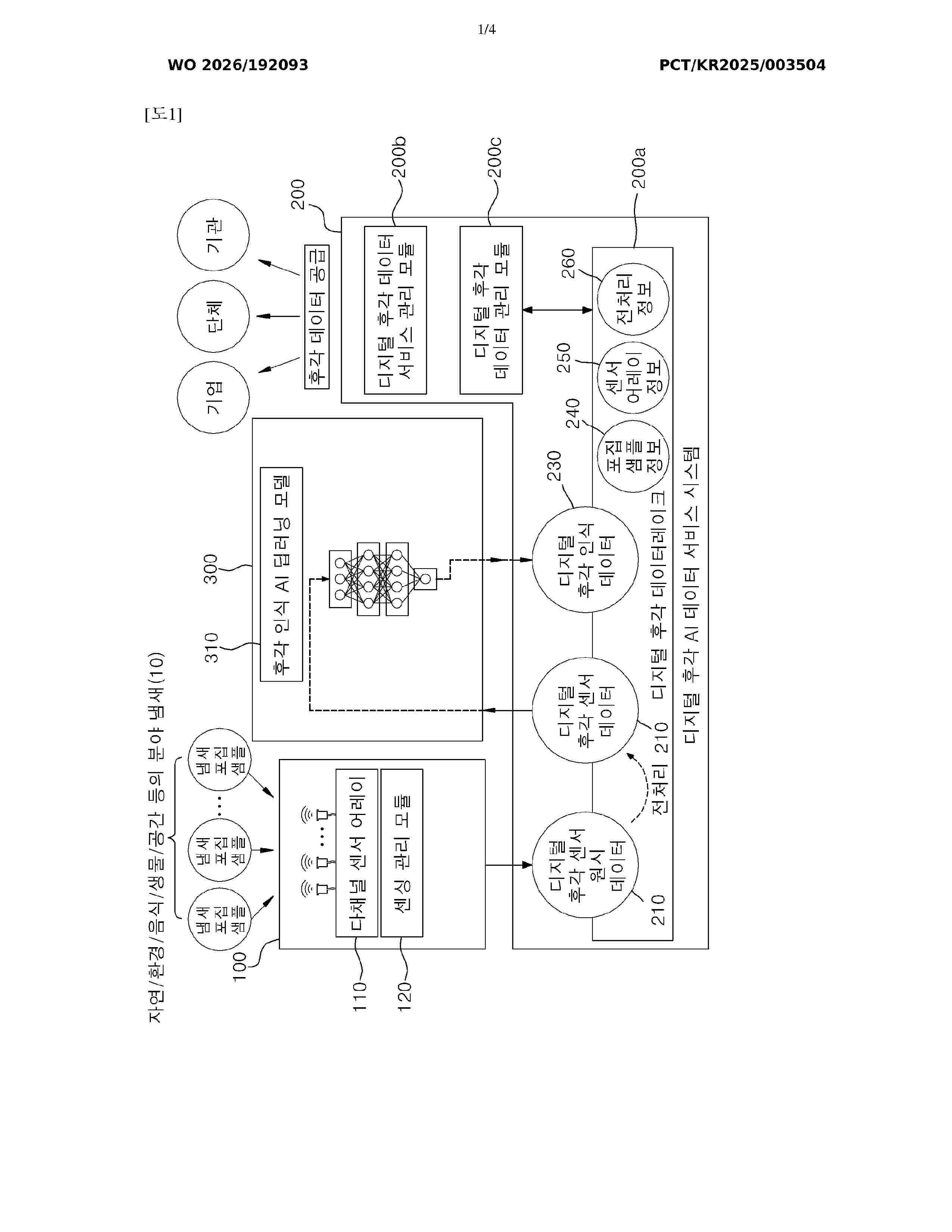
Resumen de: WO2026192093A1
The present invention provides a digital olfactory data service platform comprising: a digital olfactory data collection system including a multi-channel olfactory sensor array provided to be able to collect digital olfactory data by using various types of odor collection samples collected in a plurality of fields, and a sensing management module provided to be able to manage the odor collection samples and the digital olfactory data; a digital olfactory AI data service system including a digital olfactory data lake, a digital olfactory data service management module, and a digital olfactory data management module, storing olfactory sample-related metadata, digital olfactory data, digital olfactory recognition data, and sensor management data, providing various data management functions stored in the digital olfactory data lake, and providing functions such as product management and subscription management for data services; and an olfactory recognition AI deep learning system including an olfactory recognition deep learning model for performing AI deep learning on the digital olfactory sensor data.
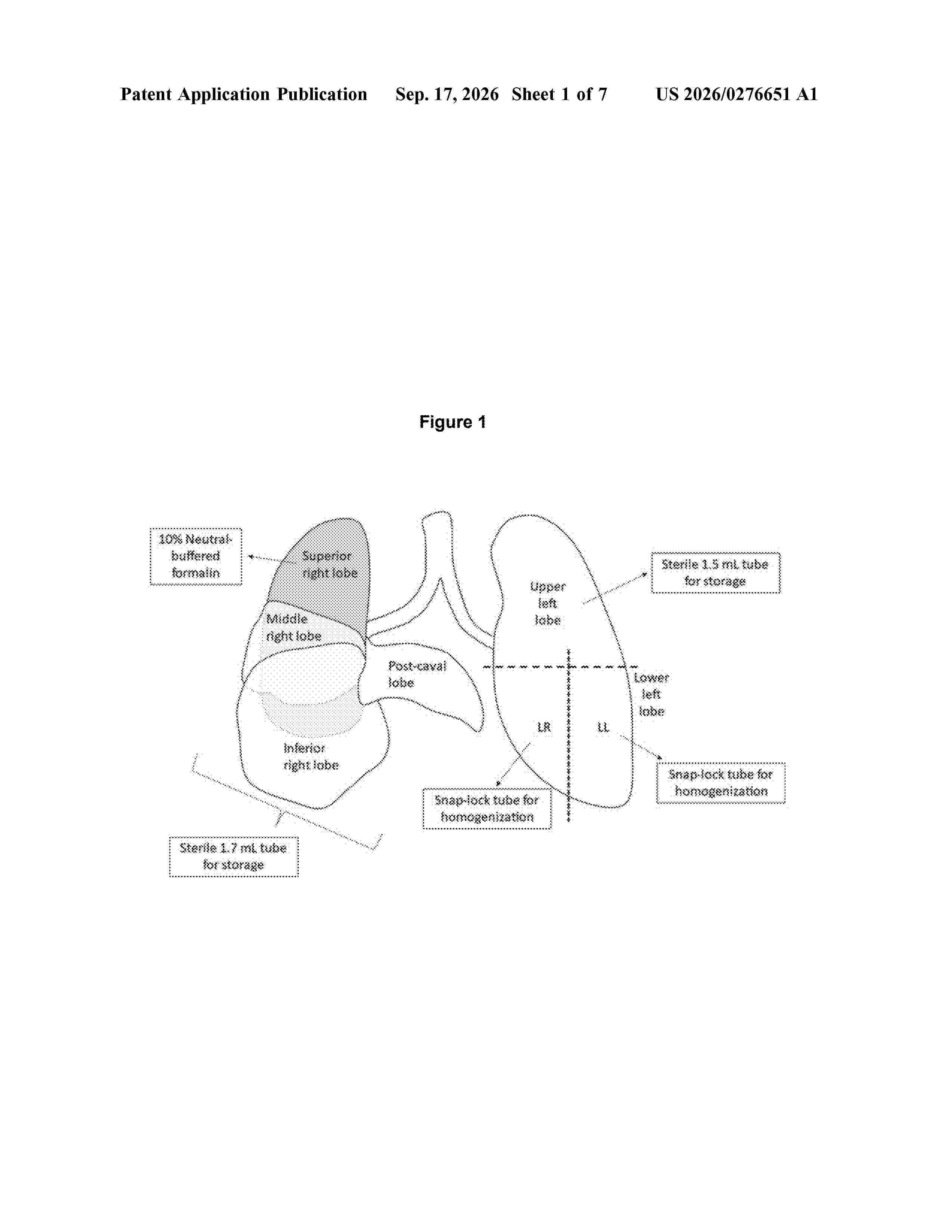
Resumen de: US20260276651A1
0000 The present invention relates to methods for identifying the splicing of RAGE pre-mRNA resulting in the inclusion of exon 9b and/or exclusion of exon 10 in a subject in a subject who has received, or is receiving an antisense oligonucleotide that modulates RAGE pre-mRNA splicing. In one aspect, the present invention provides a method for determining endogenous soluble receptor for advanced glycation end products (RAGE) level in the lung of a subject, the method comprising: determining the presence of endogenous soluble RAGE in a blood sample from a subject who has received or is receiving a treatment administered to their respiratory tract, wherein the treatment increases endogenous soluble RAGE, wherein the level of endogenous soluble RAGE in the blood sample correlates with the endogenous soluble RAGE level in the lung of the subject.
Resumen de: AU2025235500A1
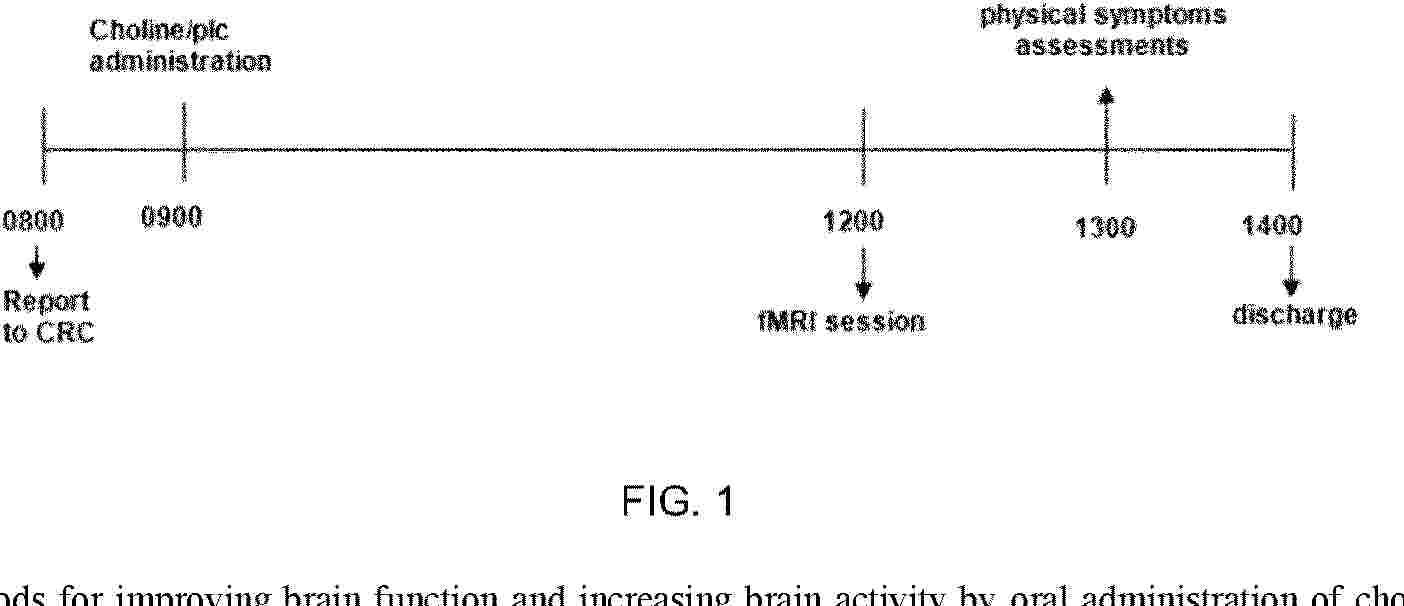
Methods for improving brain function and increasing brain activity by oral administration of choline are provided. Compositions including unit doses of choline sufficient to provide improved brain function and increasing brain activity are also provided. In some embodiments, it includes a method for improving brain function and/or increasing brain efficiency in a subject in need thereof, the methods comprising administering a pharmaceutical composition comprising 550 mg or greater of choline. The increases in brain efficiency are measured by functional Magnetic Resonance Imaging, as compared to placebo, when the subject is performing an N-Back task.
Resumen de: AU2025232230A1
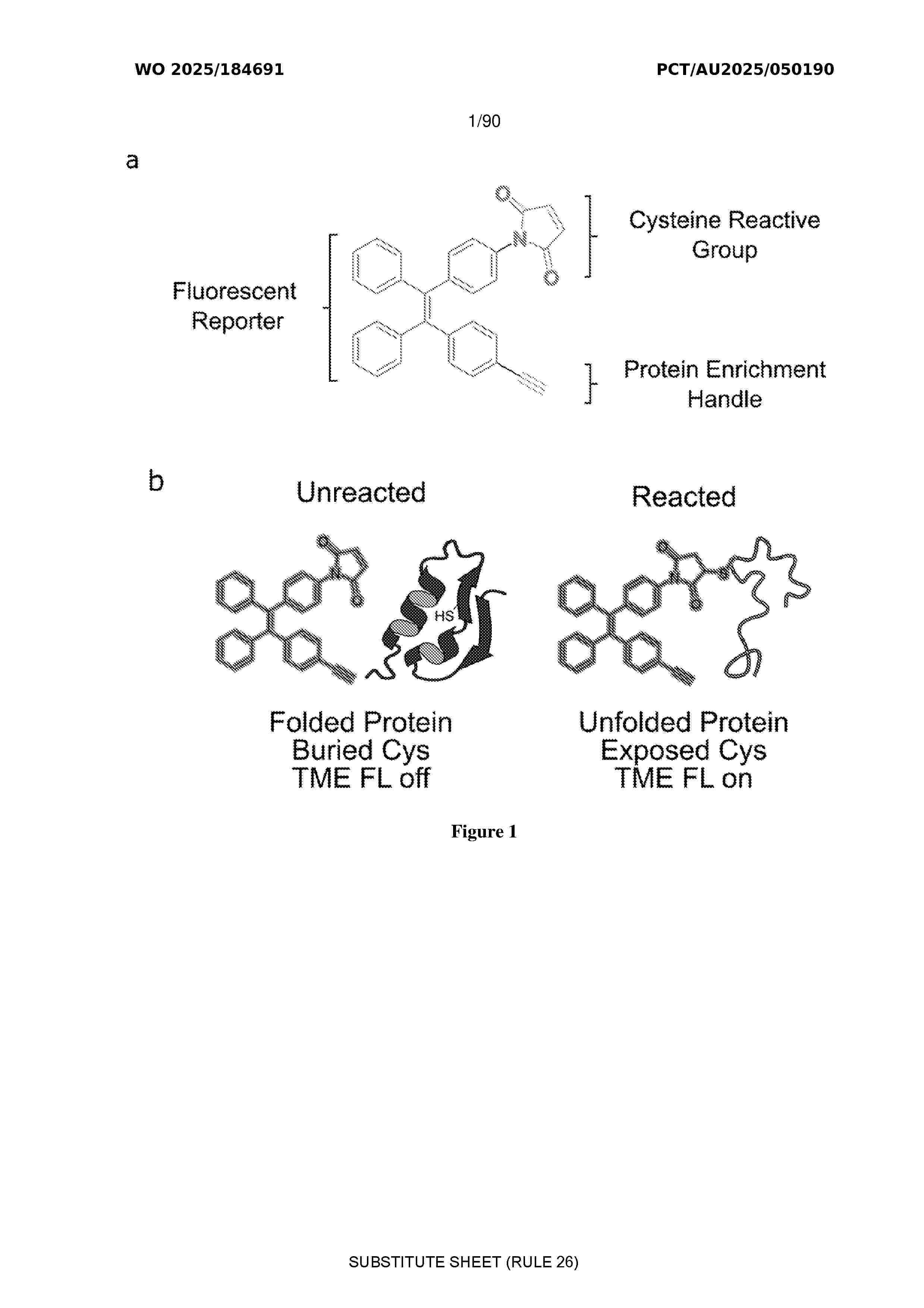
Disclosed herein are chemical probes for unfolded, misfolded or intrinsically disordered proteins, in particular chemical probes having the structure of Formula I or salts thereof, and to the use of the probes for various applications relating to unfolded, misfolded or intrinsically disordered proteins, for example, for diagnosing or prognosing a disease or disorder associated with an unfolded, misfolded or intrinsically disordered protein.
Resumen de: US20260279589A1
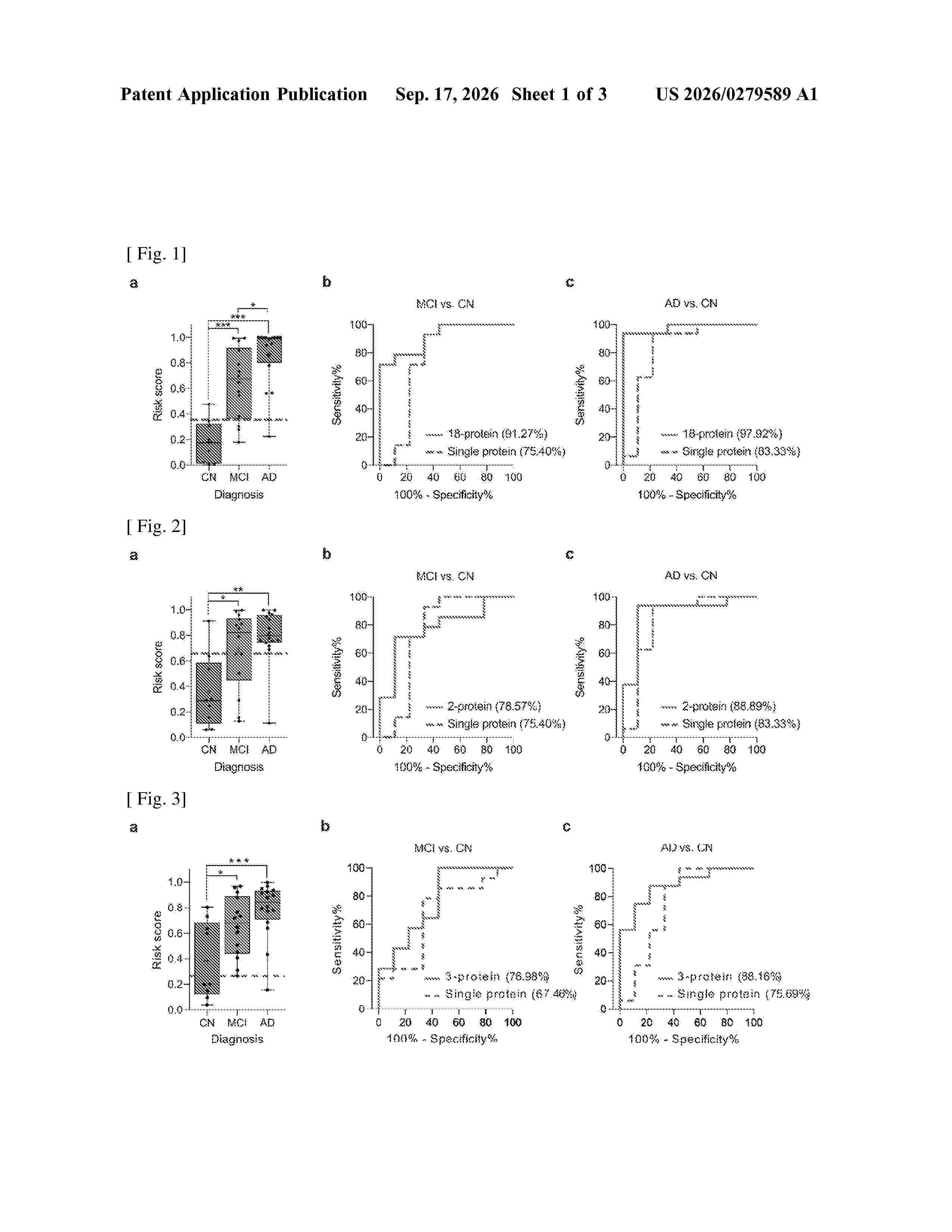
The present invention relates to protein markers relevant to mild cognitive impairment (MCI) and Alzheimer's disease (AD), especially those detectable in blood samples. Thus, methods and compositions are provided for risk assessment and early diagnosis of MCI and AD based on the analysis of these protein markers. Further provided are methods and compositions useful for evaluating the efficacy of a therapy for MCI or AD.
Resumen de: US20260276625A1
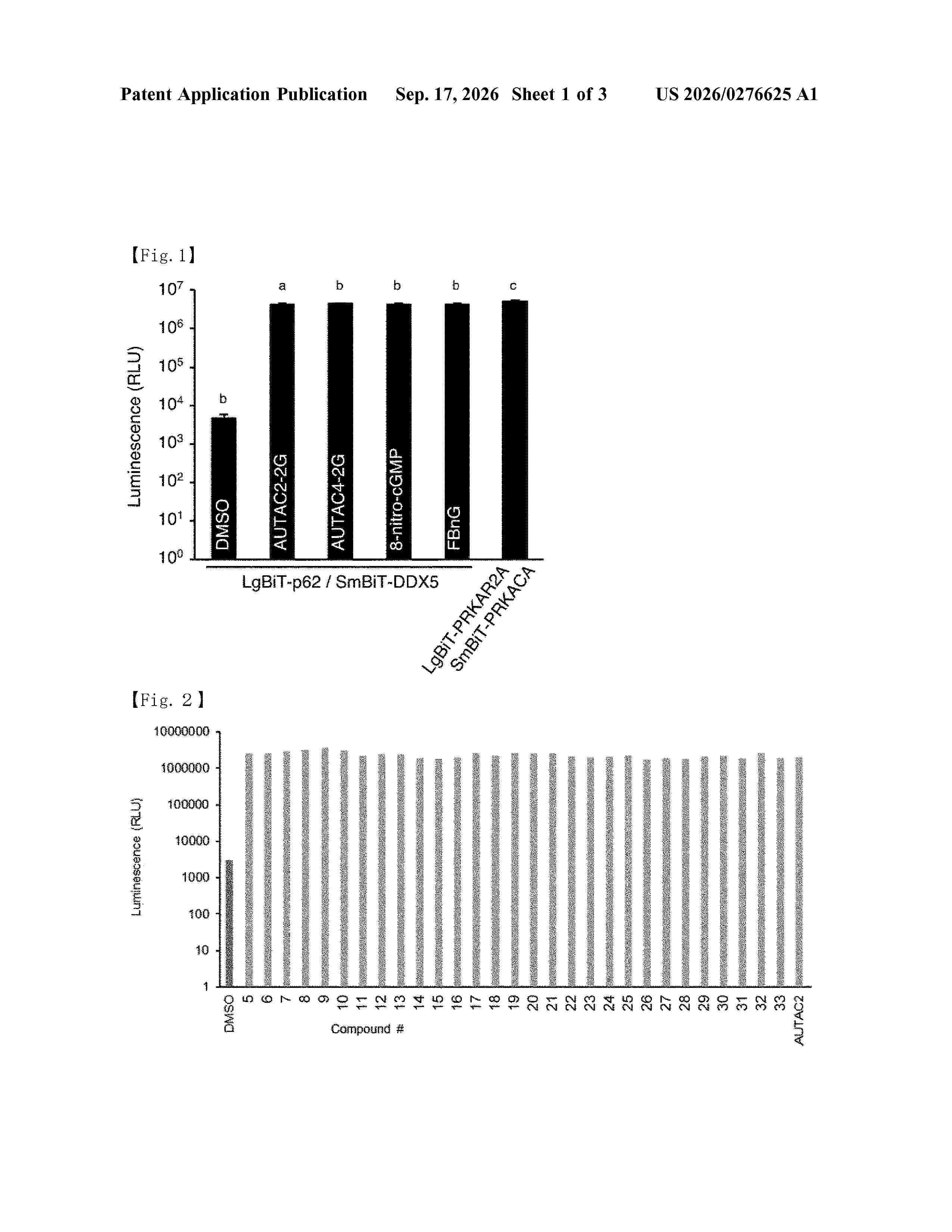
Provided is a screening method for searching for a new autophagy-inducing compound. In the present invention, a new autophagy-inducing compound is searched for using at least one of the following characteristics: (1) having high binding affinity for DEAD-box RNA helicase; (2) approximating DEAD-box RNA helicase and p62 to promote interaction; and (3) promoting droplet formation of DEAD-box RNA helicase and p62.
Resumen de: US20260274931A1
Disclosed herein are methods of conducting clinical trials in Alzheimer's disease (AD). Methods of selecting a medicament and treating an AD subject are disclosed. Methods, systems, kits, and devices for selecting a subject in AD clinical trials and treatment protocols are disclosed herein.
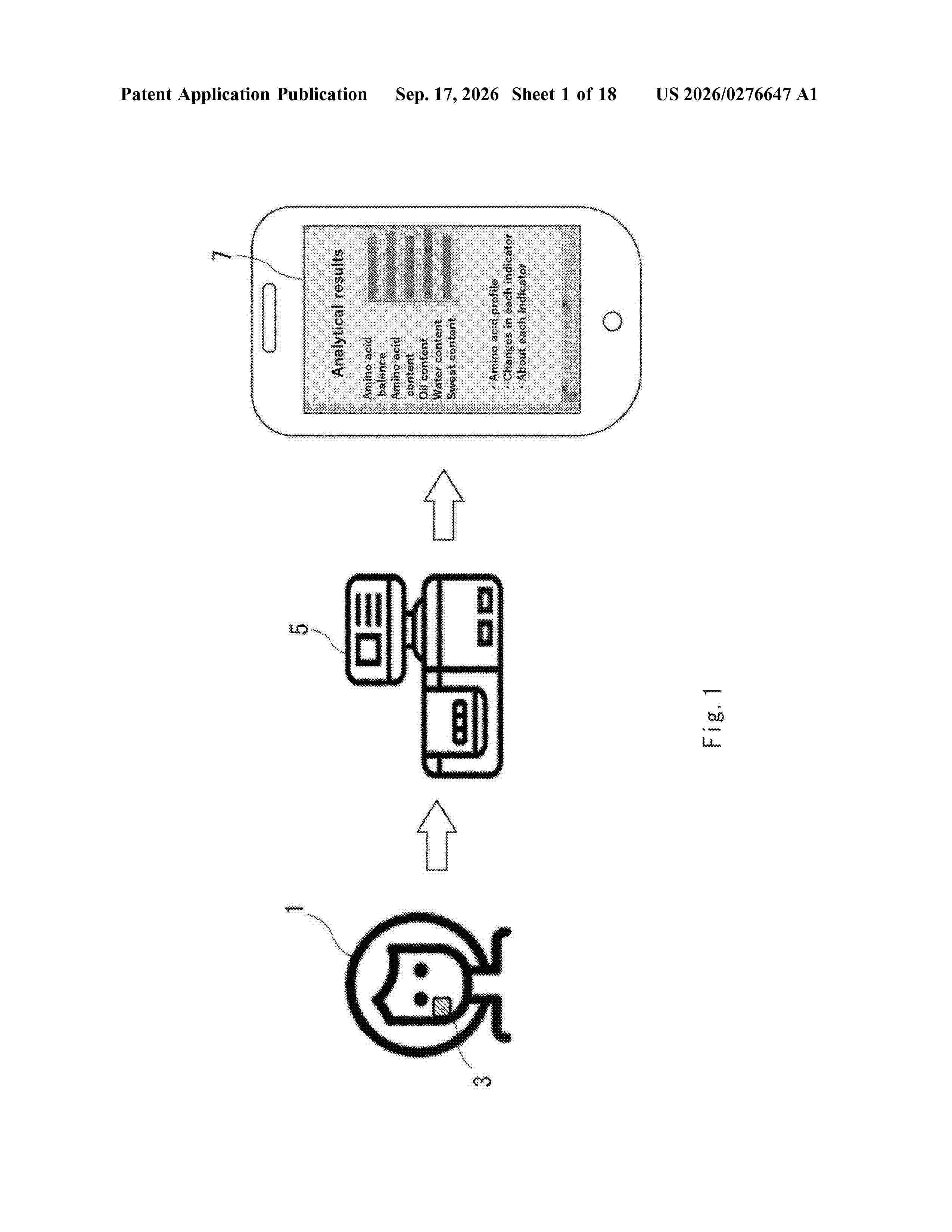
Resumen de: US20260276647A1
The present invention makes it possible to acquire biological information relating to an examination subject more easily or more accurately and to provide the biological information to a user. This living organism examination method for providing biological information relating to an examination subject (1), which is a living organism, by analyzing biological components in the sweat of the examination subject includes: a collection step (S101) for collecting sweat from an examination site of the examination subject (1); a measurement step (S102) for measuring a biological component profile of the sweat collected in the collection step; a biological information acquisition step (S103) for acquiring biological information relating to the examination subject (1) on the basis of the biological component profile measured in the measurement step; and an information provision step (S104) for providing the biological information relating to the examination subject, acquired in the biological information acquisition step, in a predetermined format.
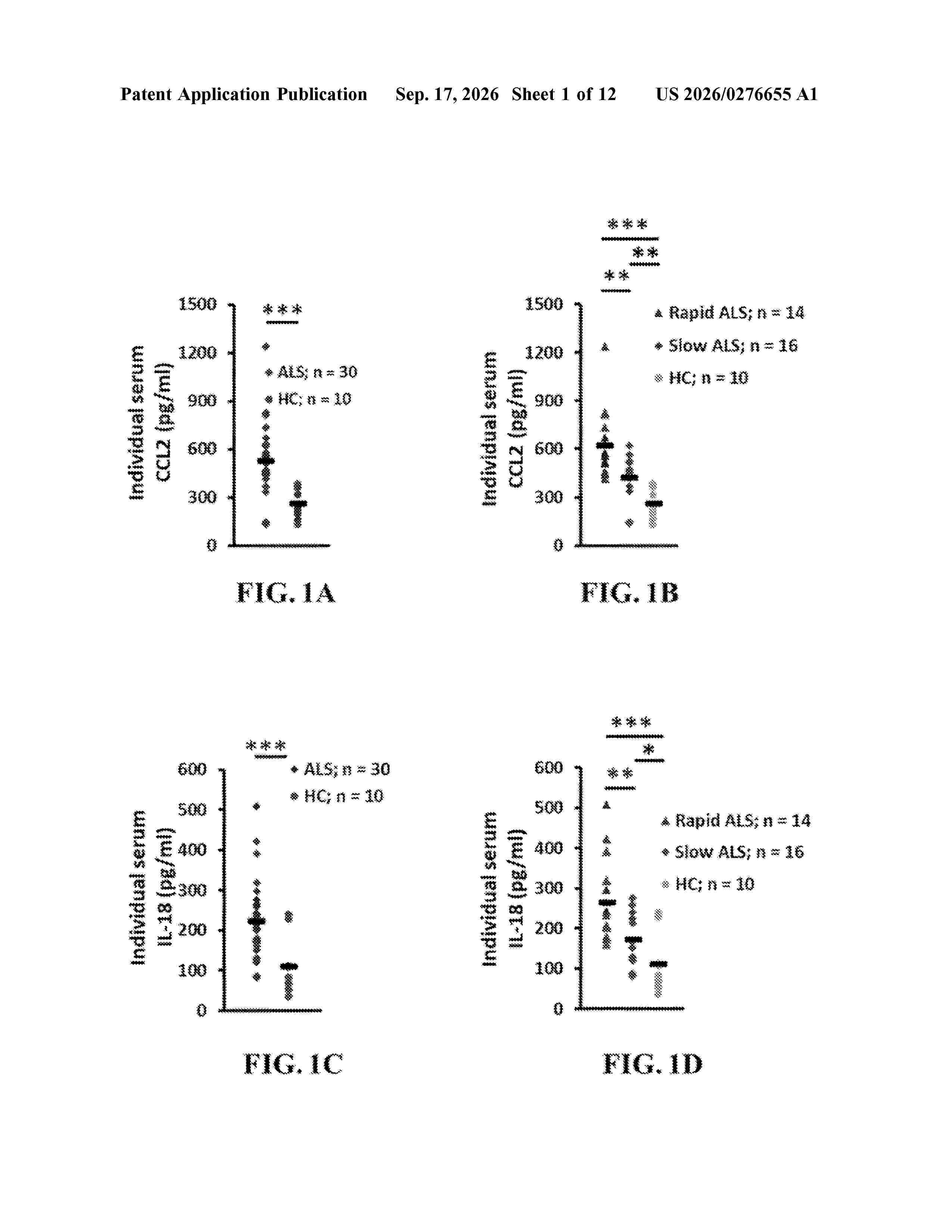
Resumen de: US20260276655A1
The present disclosure relates to biomarkers and uses thereof in methods for selecting a patient diagnosed with amyotrophic lateral sclerosis (ALS) for an ALS therapy. The present disclosure further relates to methods for identifying the severity of ALS in a patient, treating an ALS patient, and monitoring efficacy of an ALS treatment.
Resumen de: WO2025054130A1
The present disclosure relates to enzymes capable of oxidizing betahydroxybutyrate (BHB). In aspects, the enzymes are engineered to optimize BHB activity. Engineered enzymes including amino acid substitutions, truncations, and sequence deletions are further provided. The disclosure further provides for use of enzymes described herein, for example, in test strips, BHB sensors, devices, and systems for detecting and measuring BHB concentration.
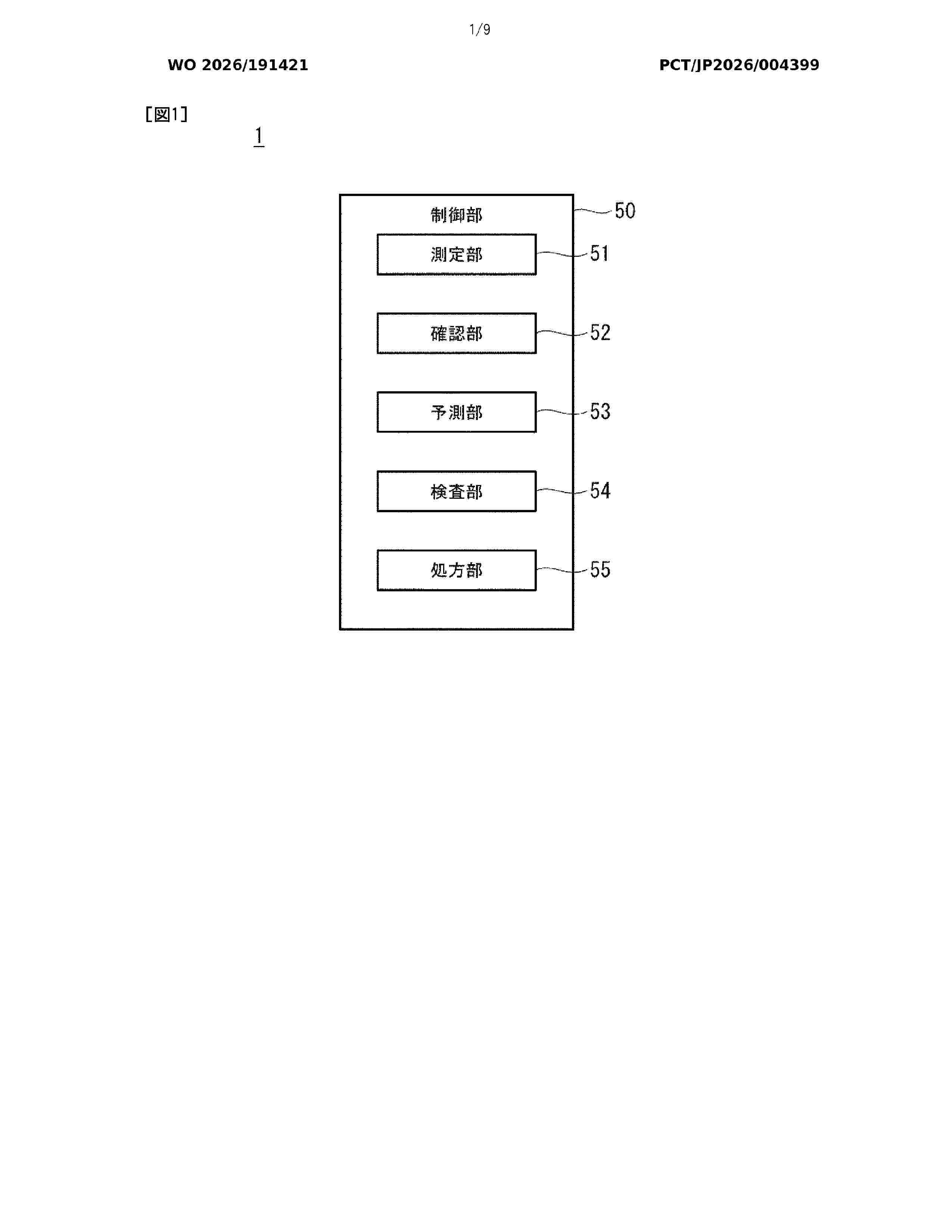
Resumen de: WO2026191421A1
Provided are a dementia diagnosis system and a dementia diagnosis program that are capable of identifying a patient having dementia with high accuracy by a simple and easy test. A dementia diagnosis system (1) has: a measurement unit (51) that continuously measures the acidity/basicity of a body fluid obtained from a subject; a confirmation unit (52) that confirms, for the acidity/basicity continuously measured by the measurement unit (51), an outlier at which the acidity/basicity becomes alkaline and the presence or absence of a change point at which the acidity/basicity persistently shifts to the alkaline side after the outlier is confirmed; and a prediction unit (53) that predicts whether or not the subject has dementia on the basis of the confirmation result of the confirmation unit (52).
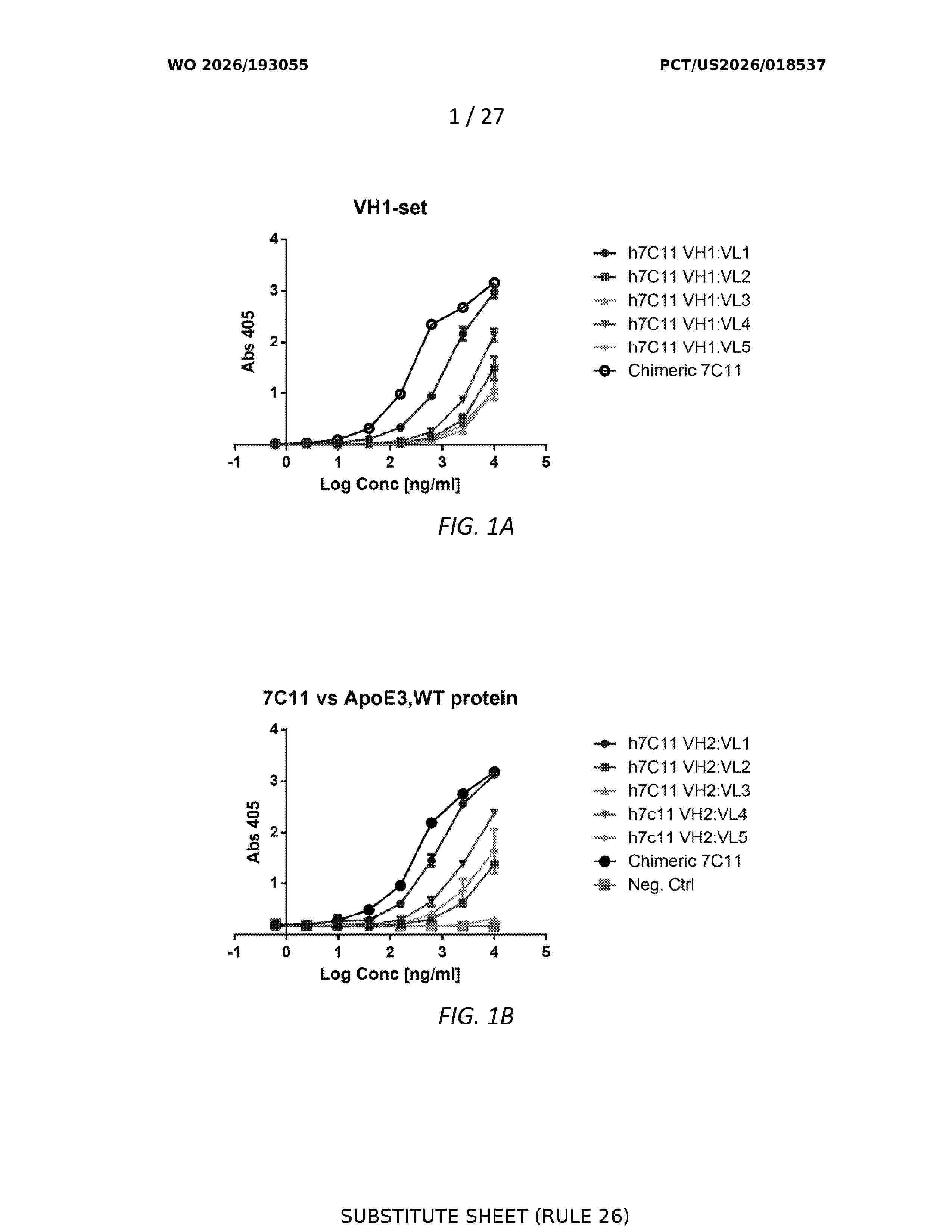
Resumen de: WO2026193055A1
Described herein are humanized anti-ApoE antibody molecules, antigen-binding portions thereof, and uses thereof.
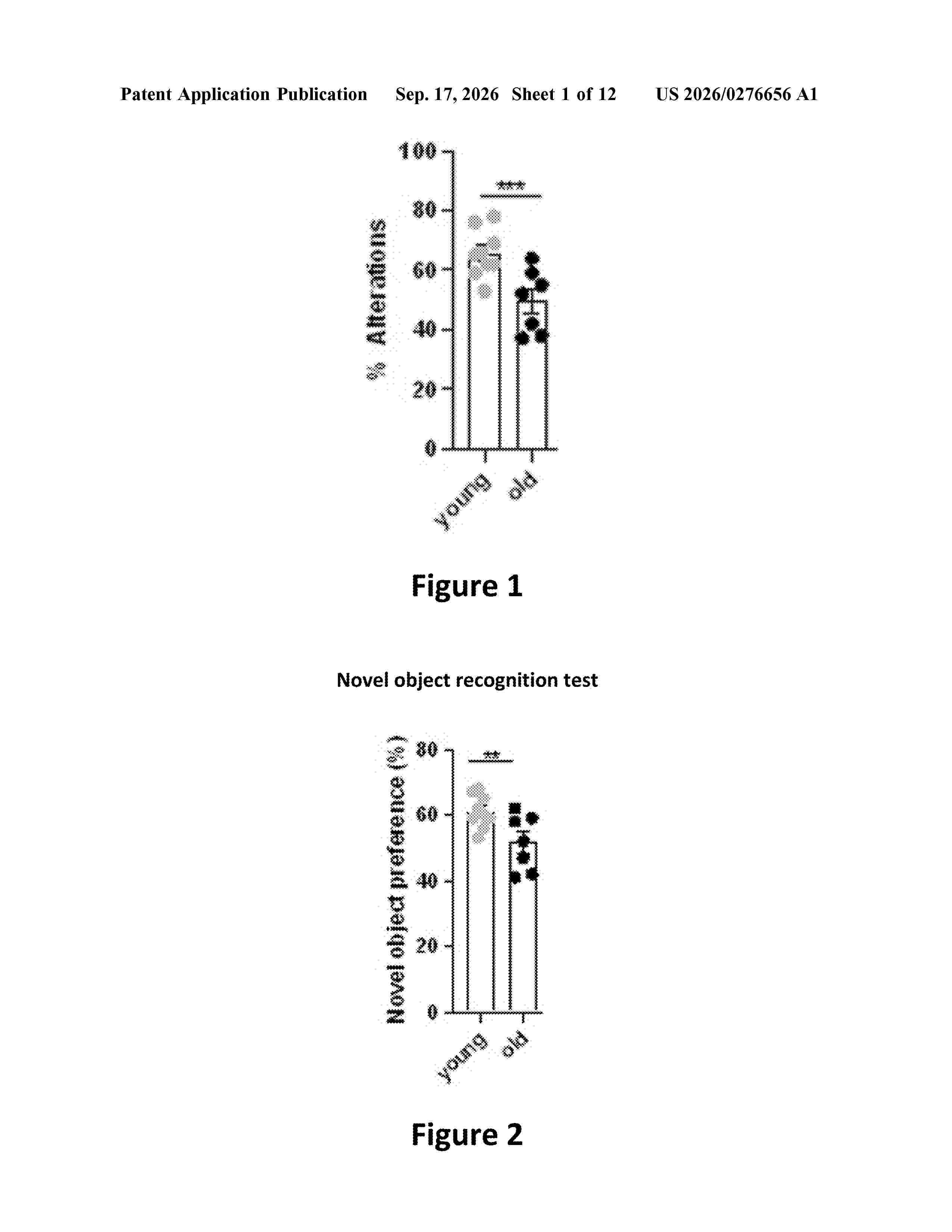
Resumen de: US20260276656A1
The present invention concerns new approaches for the diagnosis and treatment of dementia diseases. In particular, the present invention pertains to new markers for diagnosing dementia diseases as well as to new targets for the treatment of dementia diseases.
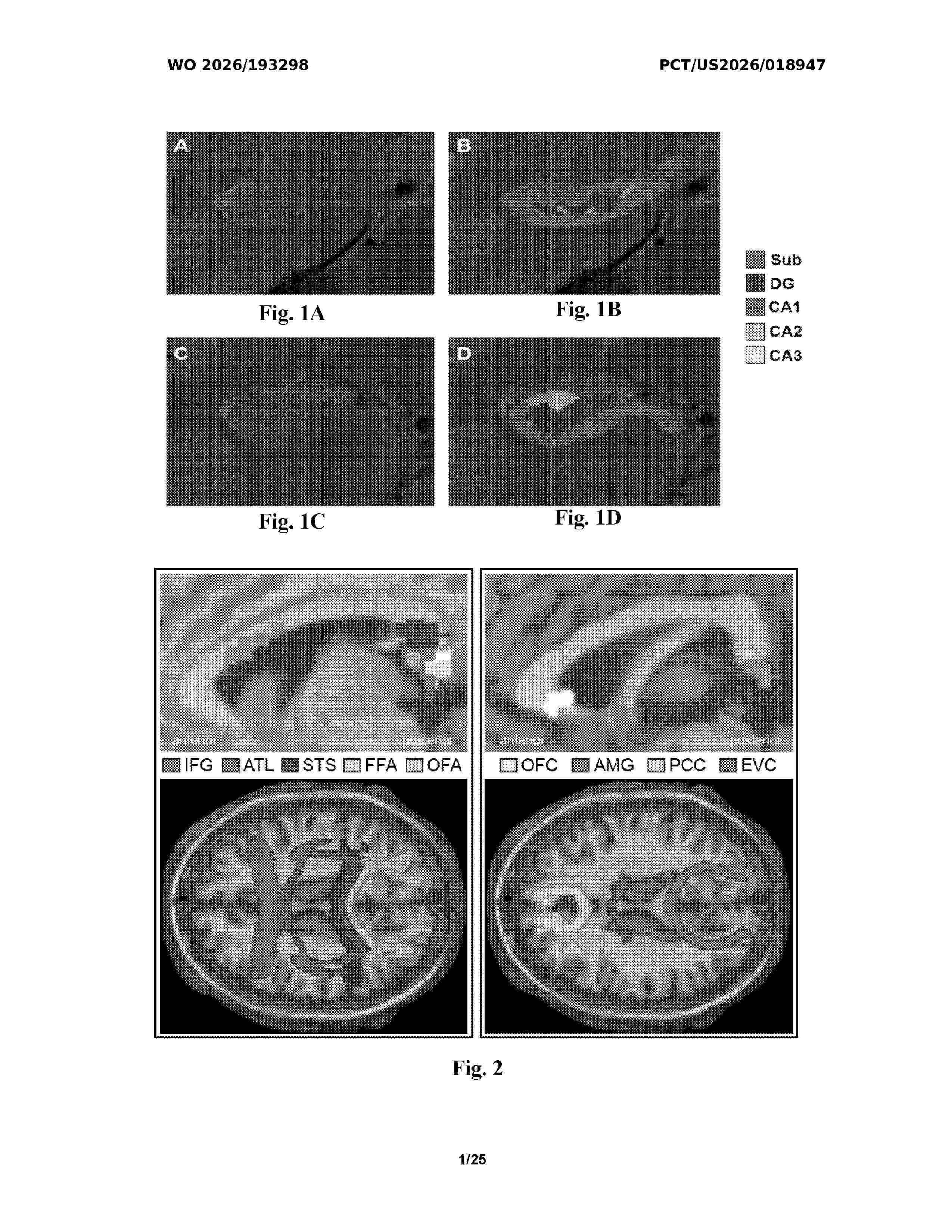
Resumen de: WO2026193298A1
Described herein is a method of diagnosing or predicting the risk of cognitive decline in a subject, and/or stratifying the subject according to the risk. The method comprises determining a profile of the subject; and predicting the risk based on the profile, or stratifying the subject to a high risk group or a low risk group based on the predicted risk. The profile comprises blood pressure; and the level of homocysteine (Hyc) in a biological sample from the subject. Also described herein is a method of treating, ameliorating, and/or preventing cognitive decline in the subject based on the prediction of the risk.
Resumen de: WO2026190495A1
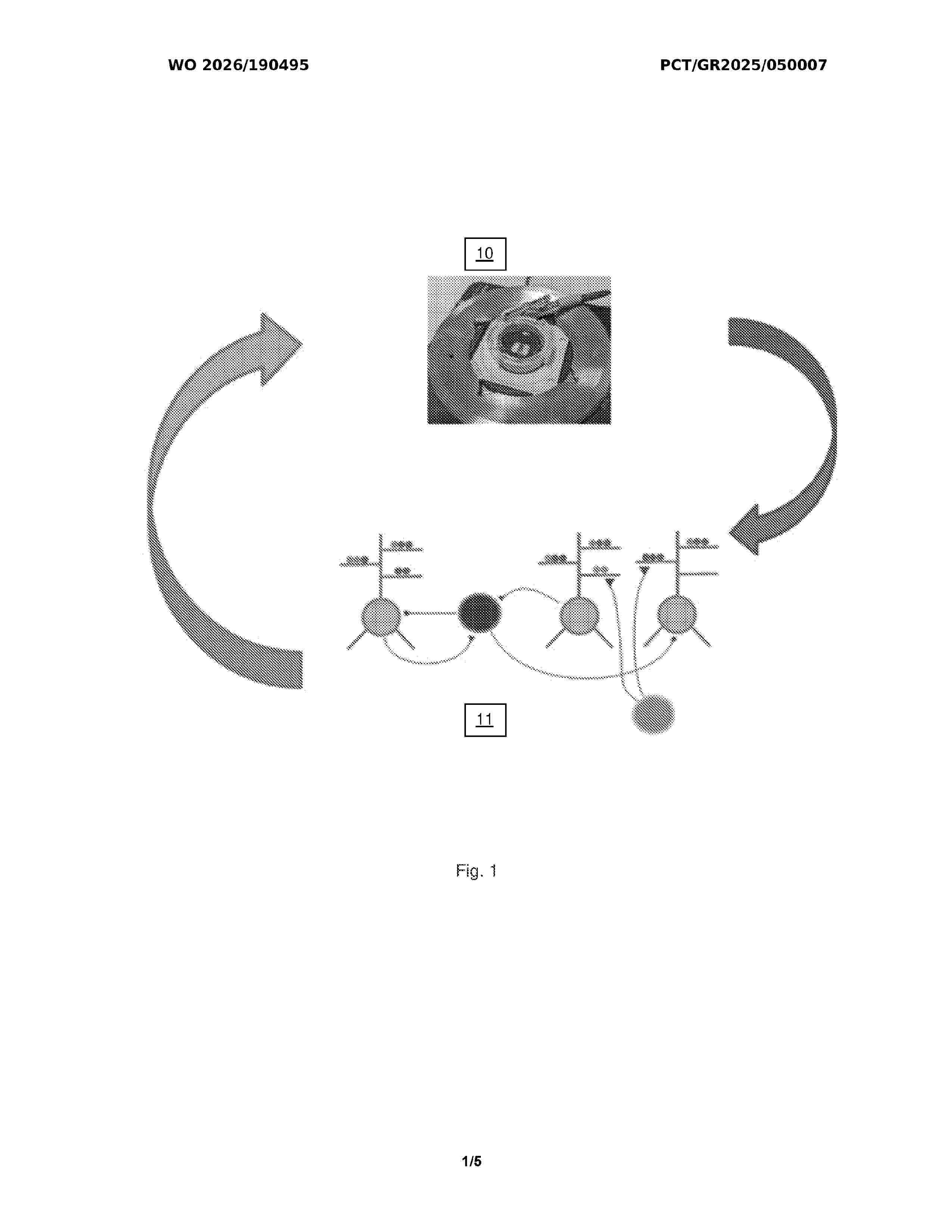
The present invention refers to the field of in-vitro neural network stimulation, and particularly to devices that utilize cell cultures on multi-electrode arrays (MEAs) for investigating neuronal activity in research and drug testing applications. The invention consists of a closed loop system wherein a computational model stimulates via the electrodes of a MEA, cultured neurons on top of the MEA in order to produce disease- like activity states. The produced activity feeds back to the computational model, in real or periodic time, producing a hybrid neuronal population that can be used for drug screening. The respective method for the application of the abovementioned system is also disclosed.
Resumen de: WO2026190230A1
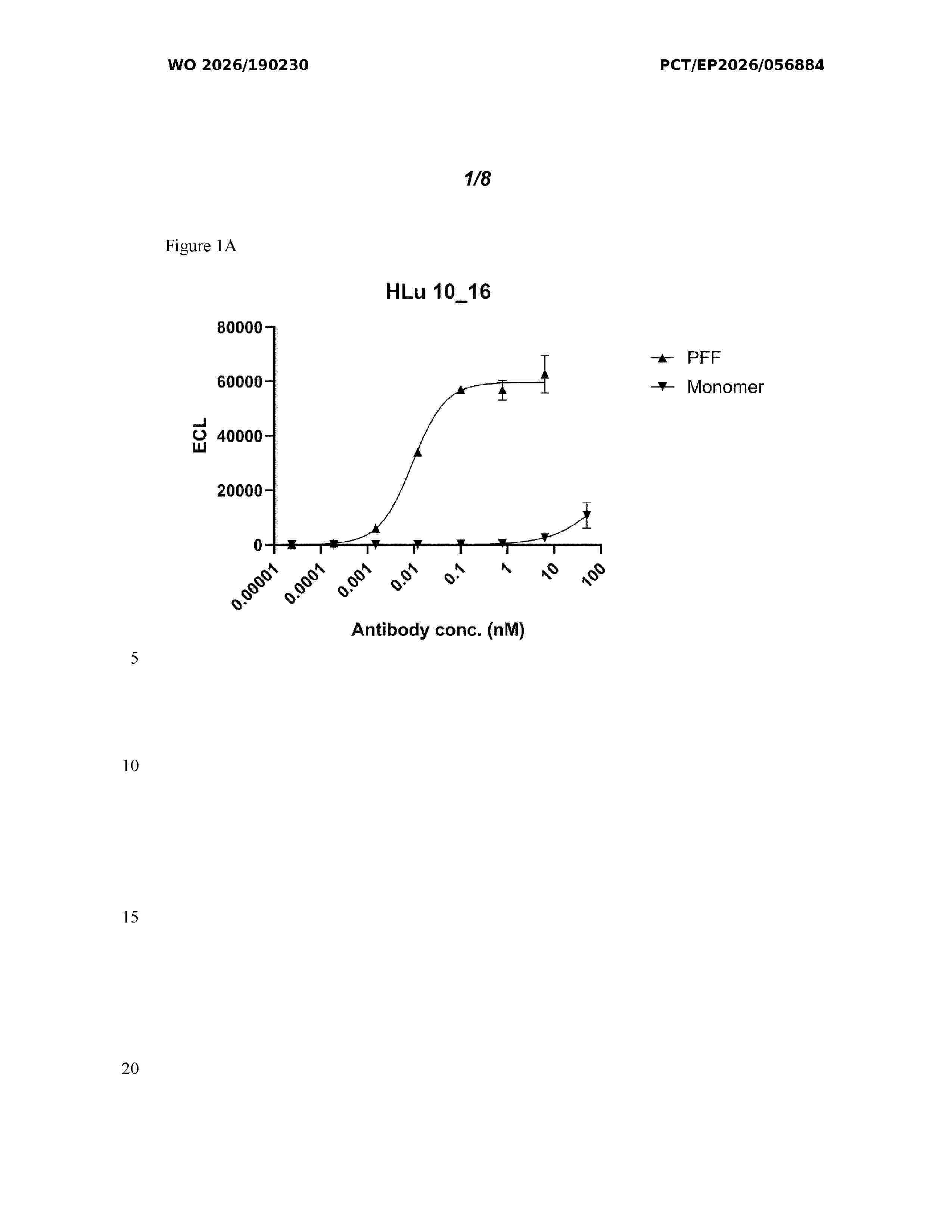
The present invention relates to alpha-synuclein antibodies which are useful in diagnostic assays for detecting aggregates, oligomers and fibrillar forms of alpha- synuclein in patient samples. These antibodies enable diagnosis and efficient treatment of alpha-synucleinopathies such as Parkinson's Disease (PD) or Multiple System Atrophy (MSA) patients by assessing and monitoring the pathological alpha-synuclein levels in patients.
Resumen de: WO2026193412A1
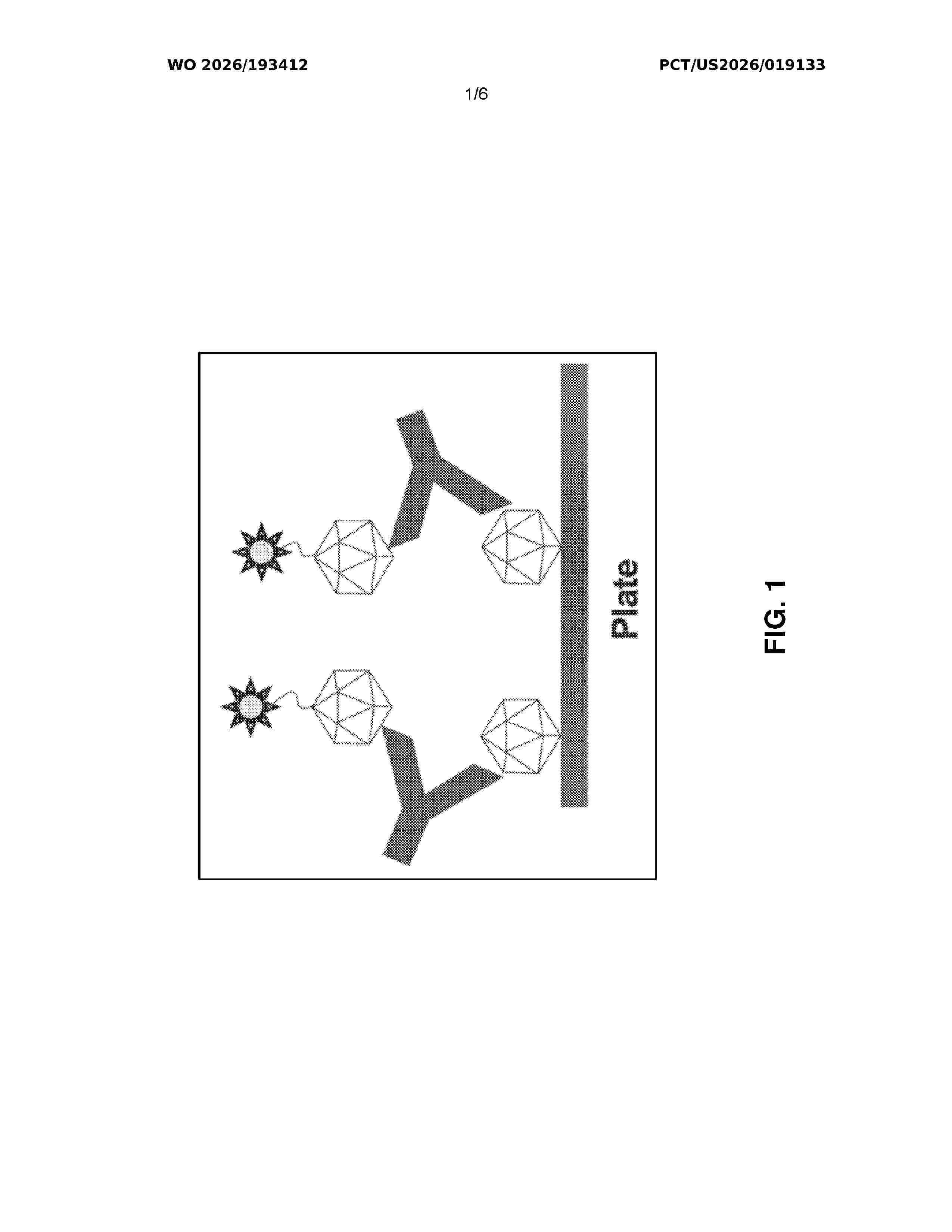
Among other things, the present disclosure provides adenoviral vectors, genomes, and methods of use thereof. In some embodiments, the present disclosure provides methods of in vivo gene therapy comprising administration of an adenoviral payload vector and an adenoviral integration vector. The present disclosure provides, among other things, compositions comprising an adenoviral payload vector and an adenoviral integration vector for use in, e.g., methods of in vivo gene therapy. In some embodiments, the present disclosure provides adenoviral vectors, genomes, and compositions thereof comprising a therapeutic sequence, e.g., a nucleic acid sequence encoding a CYBB therapeutic polypeptide. In some embodiments, the present disclosure provides methods of treating various conditions, disorders, and diseases, e.g., chronic granulomatous disease.
Resumen de: WO2026193026A1
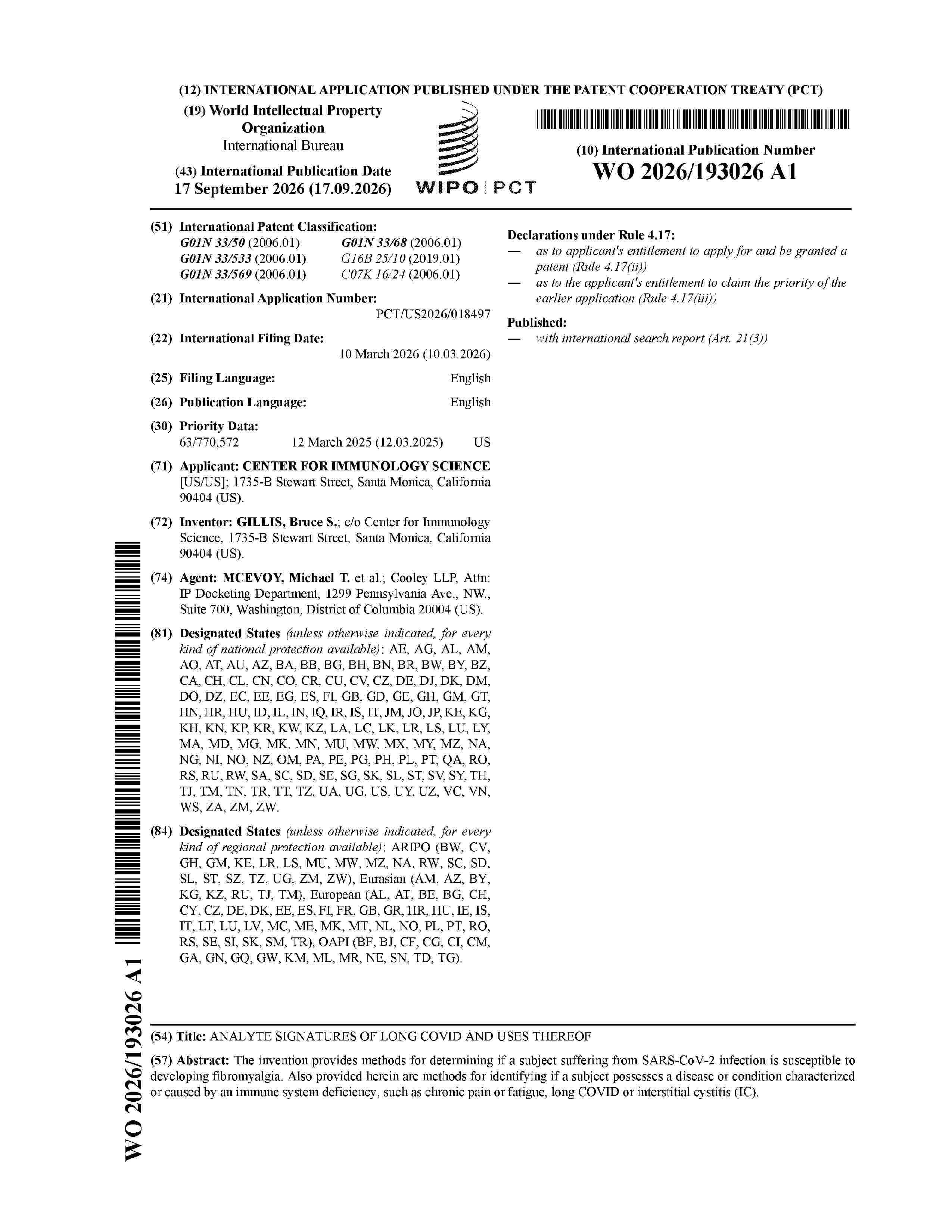
The invention provides methods for determining if a subject suffering from SARS-CoV-2 infection is susceptible to developing fibromyalgia. Also provided herein are methods for identifying if a subject possesses a disease or condition characterized or caused by an immune system deficiency, such as chronic pain or fatigue, long COVID or interstitial cystitis (IC).
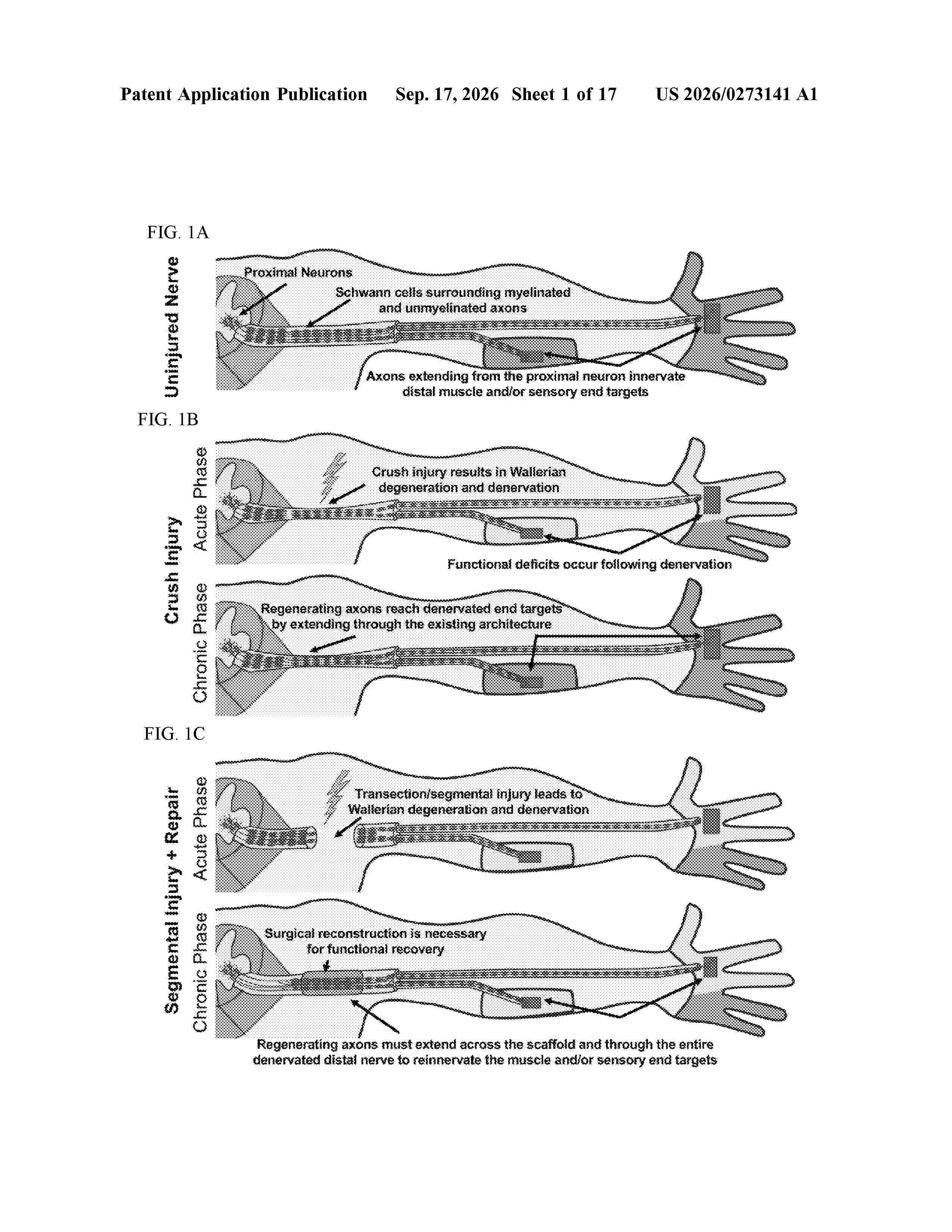
Resumen de: US20260273141A1
Disclosed herein are methods of inhibiting sterile alpha and TIR motif-containing protein 1 (SARM1) NADase activity in an axon. The methods can also be used to reduce or delay degeneration in an axon, treat or prevent degeneration of an injured axon, enhance fusion of one or more severed axons, and delay degeneration of one or more fused axons, as well as treat a neurological nerve injury or a neurodegenerative disease in a subject in need thereof using a SARM 1 inhibitor.
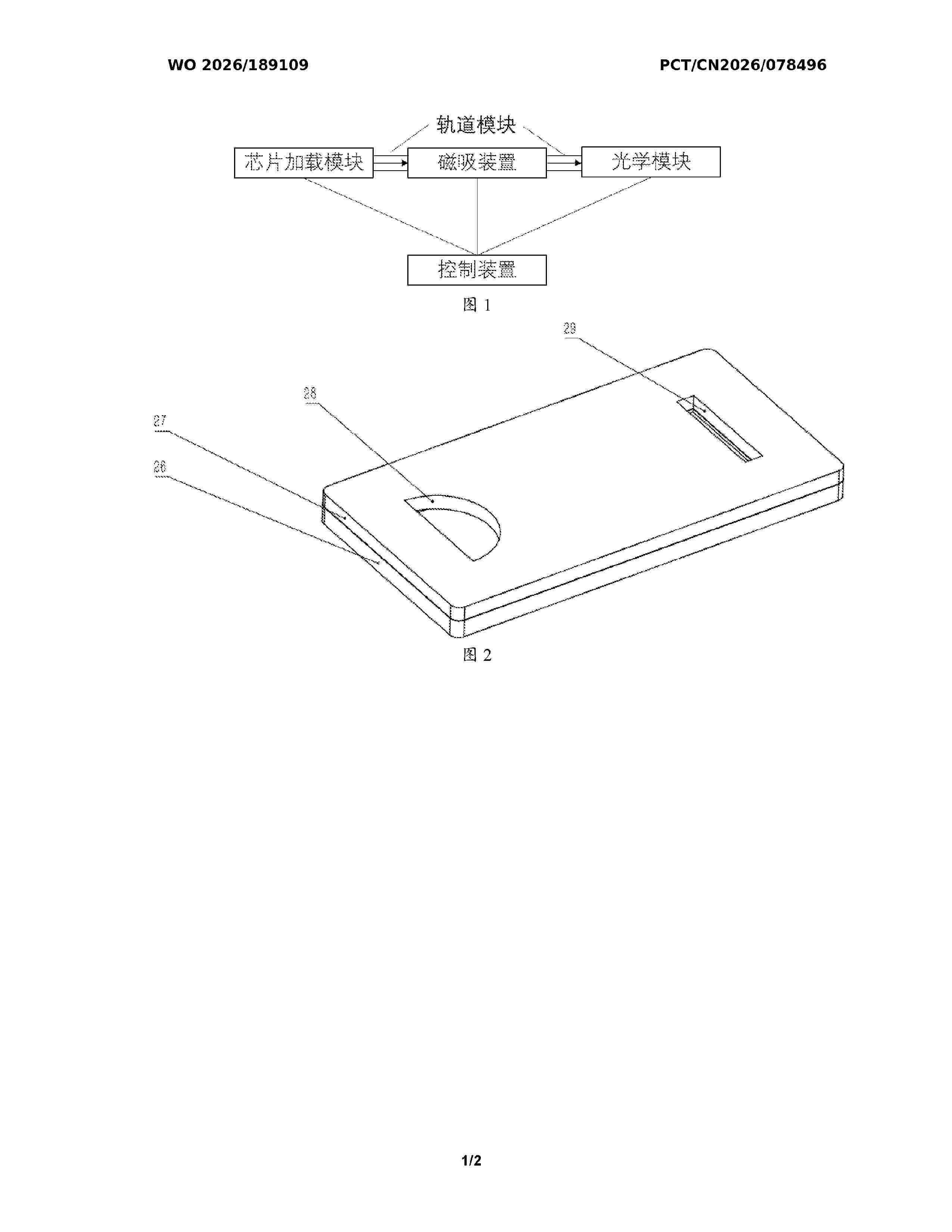
Resumen de: WO2026189109A1
A high-sensitivity immunoassay method and system. The high-sensitivity immunoassay method for a target protein comprises: capturing the target protein to obtain a solution containing an immune complex; spreading said solution on a detection substrate under the action of a passive driving mechanism; immobilizing the immune complex on at least one surface; and performing detection and calculating the concentration of the immune complex. The immunoassay method uses a consumable structure having a simple structure and low costs, achieving highly sensitive detection of a target protein to be tested.
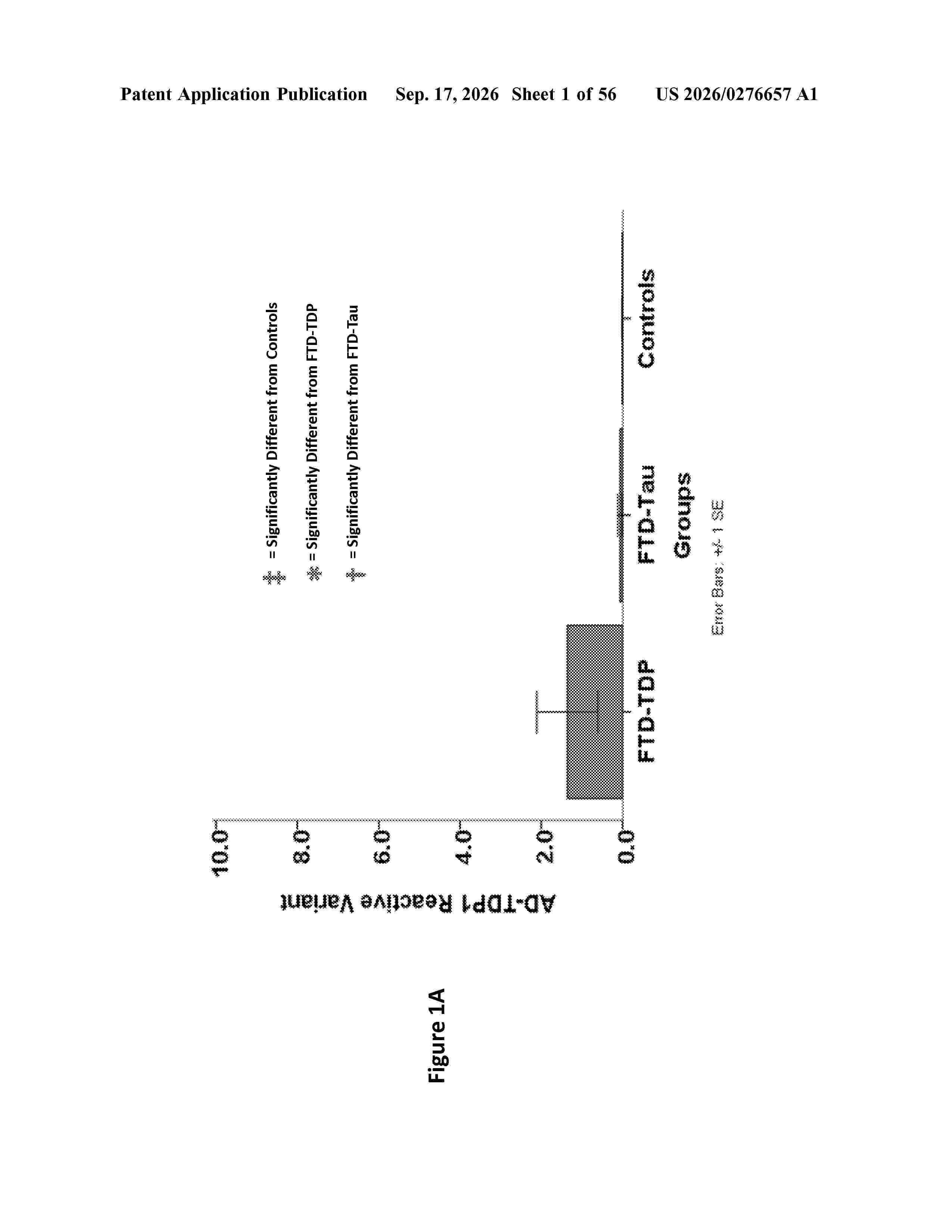
Resumen de: US20260276657A1
Disclosed herein are antibodies, antibody fragments, binding agents, and compositions that specifically recognize protein variant biomarkers associated with frontotemporal dementia, kits and methods of use, including diagnosing, monitoring and treating frontotemporal dementia.
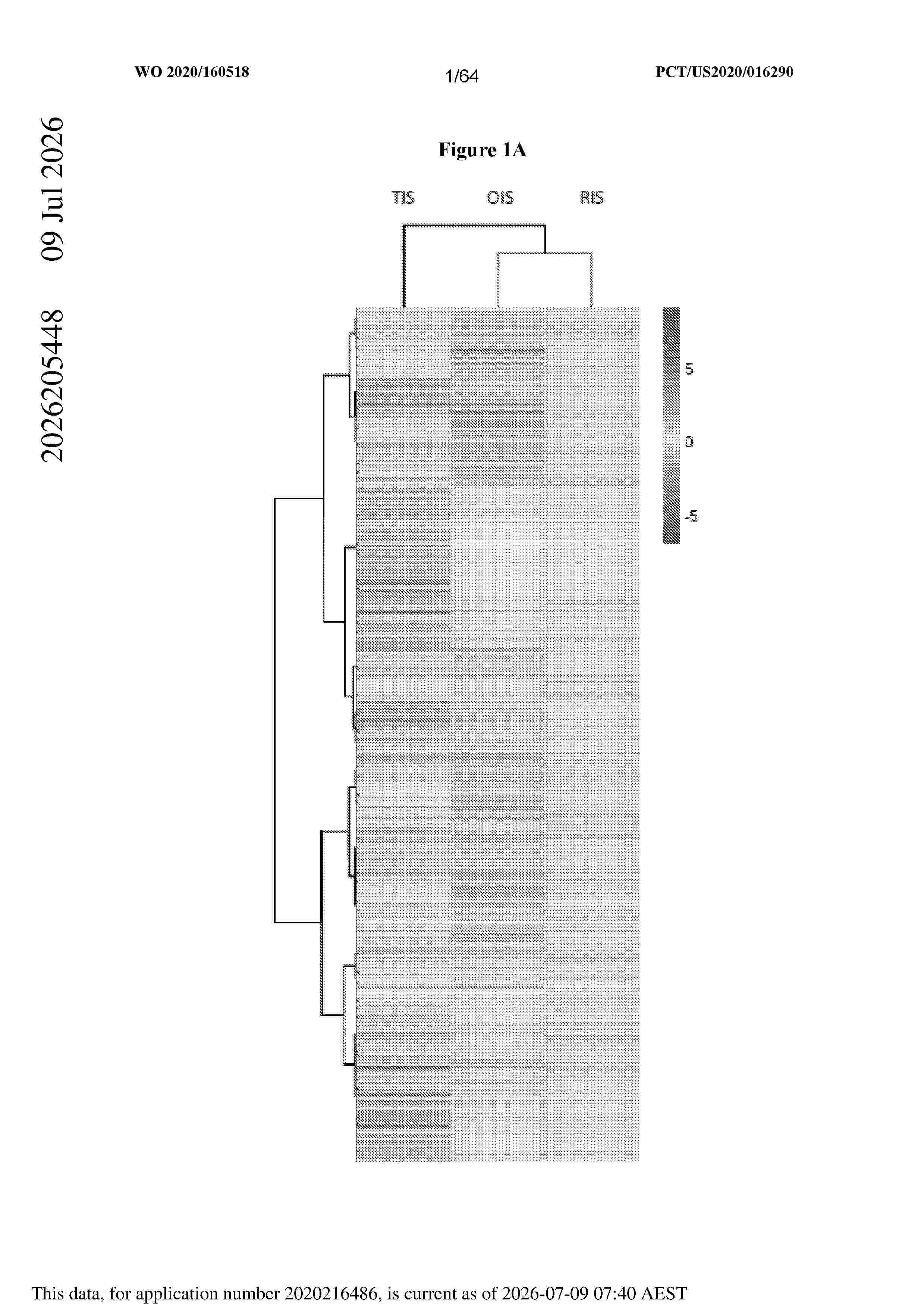
Resumen de: AU2026205448A1
Abstract Provided herein are compositions and methods for adoptive cell therapy comprising engineered immune cells that express a uPAR-specific chimeric antigen receptor. Also disclosed herein are methods for using the engineered immune cells of the present technology to treat or ameliorate the effects of cancer and senescence-associated pathologies (e.g., lung fibrosis, atherosclerosis, Alzheimer's disease, diabetes, liver fibrosis, chronic kidney disease, aging, or osteoarthritis) by selectively targeting senescent cells. Also provided herein are methods for detecting the senescent cell burden in a patient. Abstract
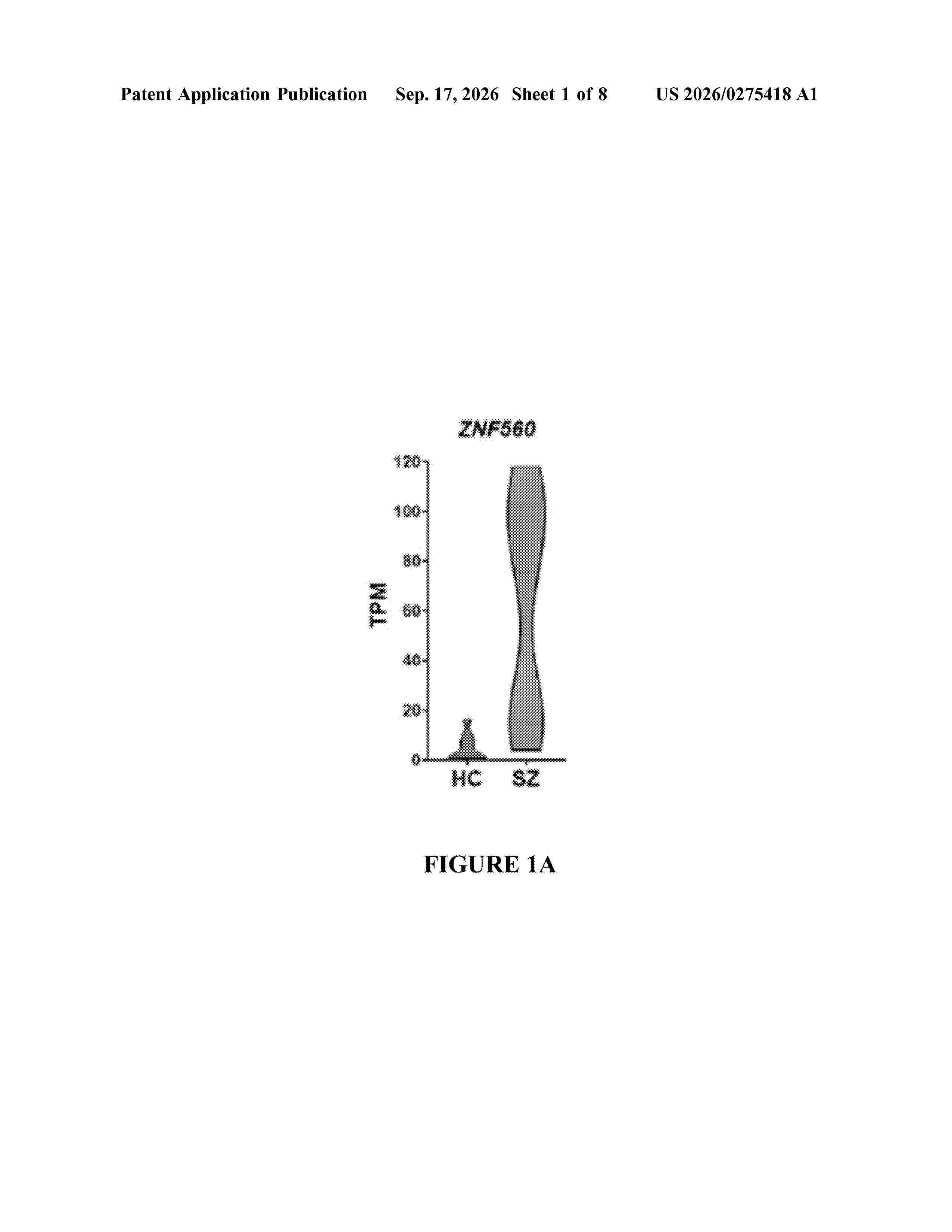
Nº publicación: US20260275418A1 17/09/2026
Solicitante:
UNIV ANDRES BELLO [CL]
UNIV CHILE [CL]
UNIVERSIDAD ANDR\u00C9S BELLO
UNIVERSIDAD DE CHILE
Resumen de: US20260275418A1
A method is disclosed for detecting schizophrenia, at any stage, which comprises the steps of determining the gene expression of ZNF560 in a biological sample from a subject and comparing it with the ones of a healthy individual as a control sample, wherein the subject of the biological sample is diagnosed as having schizophrenia the gene ZNF560 is overexpressed in the biological sample in comparison to the control. Also disclosed is a kit of parts to diagnose schizophrenia from a biological sample and the use of the kit of parts as a detection agent useful to diagnose schizophrenia, wherein schizophrenia could be at prodromal, acute, residual, or chronic stage.
 BOPI
BOPI
 Sede Electrónica