Si deseas distinguir tus productos, servicios o ambos de los de otra empresa, es posible que necesites una marca o nombre comercial. Descubre qué son, en qué consiste su procedimiento de registro y qué implica.

Información sobre los plazos de presentación de solicitudes de transformación de marcas de la Unión Europea en marca nacional española. Más información


Si tienes un nuevo dispositivo, producto o procedimiento que resuelva un problema técnico o tenga una ventaja práctica, existen distintas formas de protegerlo en España y en otros países. Descubre cómo hacerlo.

¿Tu innovación reside en la estética, la ornamentación o la apariencia de tu producto? Protégela mediante un diseño industrial. Descubre qué derechos confiere el registro y cómo realizar la tramitación.

Las indicaciones geográficas protegen el nombre de un producto originario de una zona geográfica, a la cual le debe una determinada calidad, reputación u otra característica. Descubre qué son, en qué consiste su procedimiento de registro y qué beneficios conceden.

Las patentes publicadas en todo el mundo son una valiosa fuente de información científica, técnica y comercial.

Si eres emprendedor/a o una empresa y quieres potenciar y mejorar la rentabilidad de tu negocio protegiendo de forma adecuada los activos intangibles de tu organización, en este espacio encontrarás lo necesario.


 165
resultados
165
resultados
 Última actualización
16/10/2026 [06:58:00]
Última actualización
16/10/2026 [06:58:00]


 Resultados 100 a 125 de 165

Resumen de: EP4806508A2
A human immature endocrine cell population and methods for making an immature endocrine cell population are provided. Specifically, immature beta cells and methods for production of immature beta cells are described. Immature beta cells co-express INS and NKX6.1 and are uni-potent and thereby develop into mature beta cells when implanted in vivo. The mature beta cells in vivo are capable of producing insulin in response to glucose stimulation.

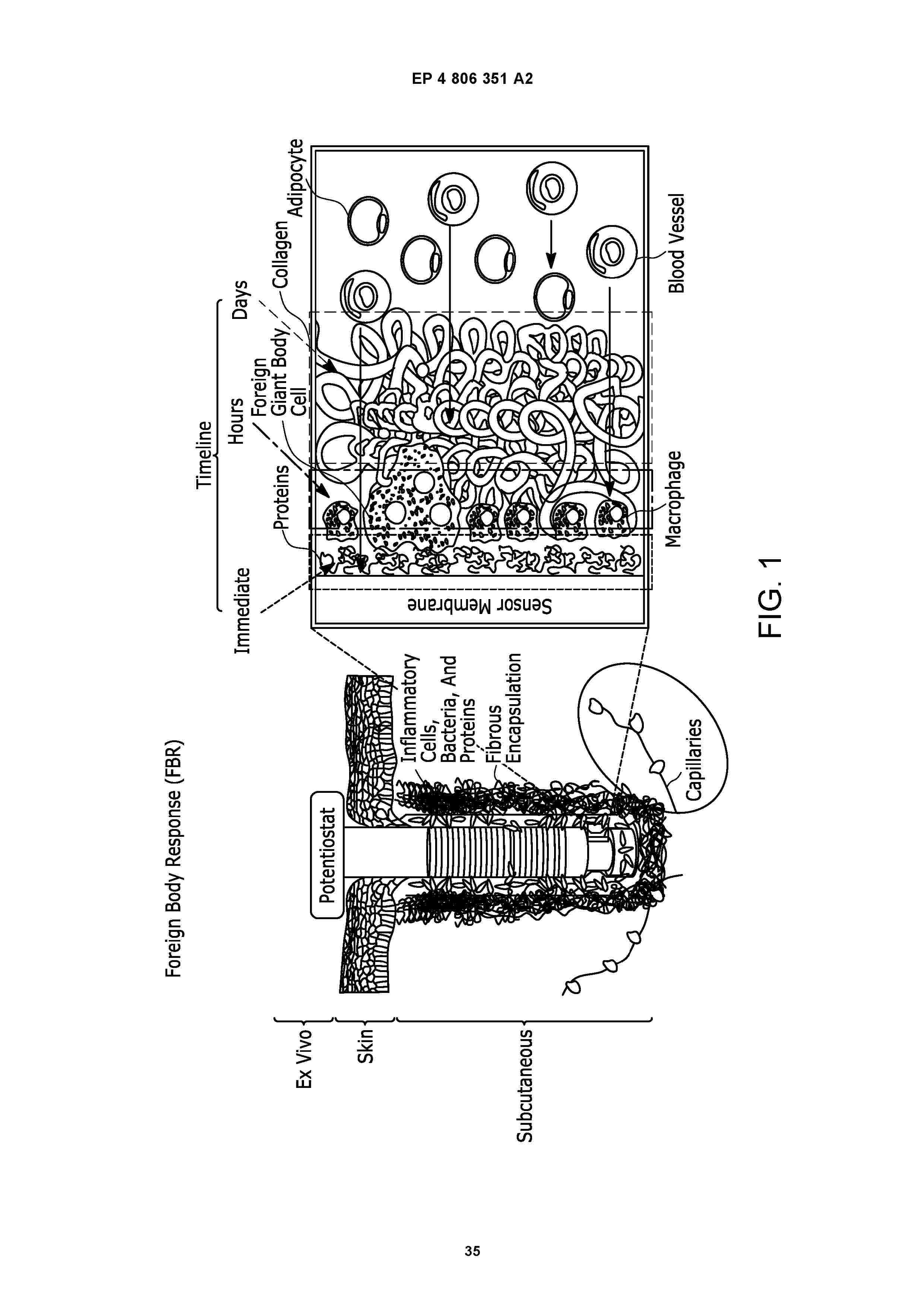
Resumen de: EP4806351A2
0001 Embodiments of the invention provide compositions useful in implantable devices such as analyte sensors as well as methods for making and using such compositions and devices. In typical embodiments of the invention, the device is a glucose sensor comprising a polymeric composition disposed on a flexible assembly within the sensor that includes amounts of one or more immunosuppressant agents designed to provide such sensors with improved material properties such as enhanced biocompatibility.
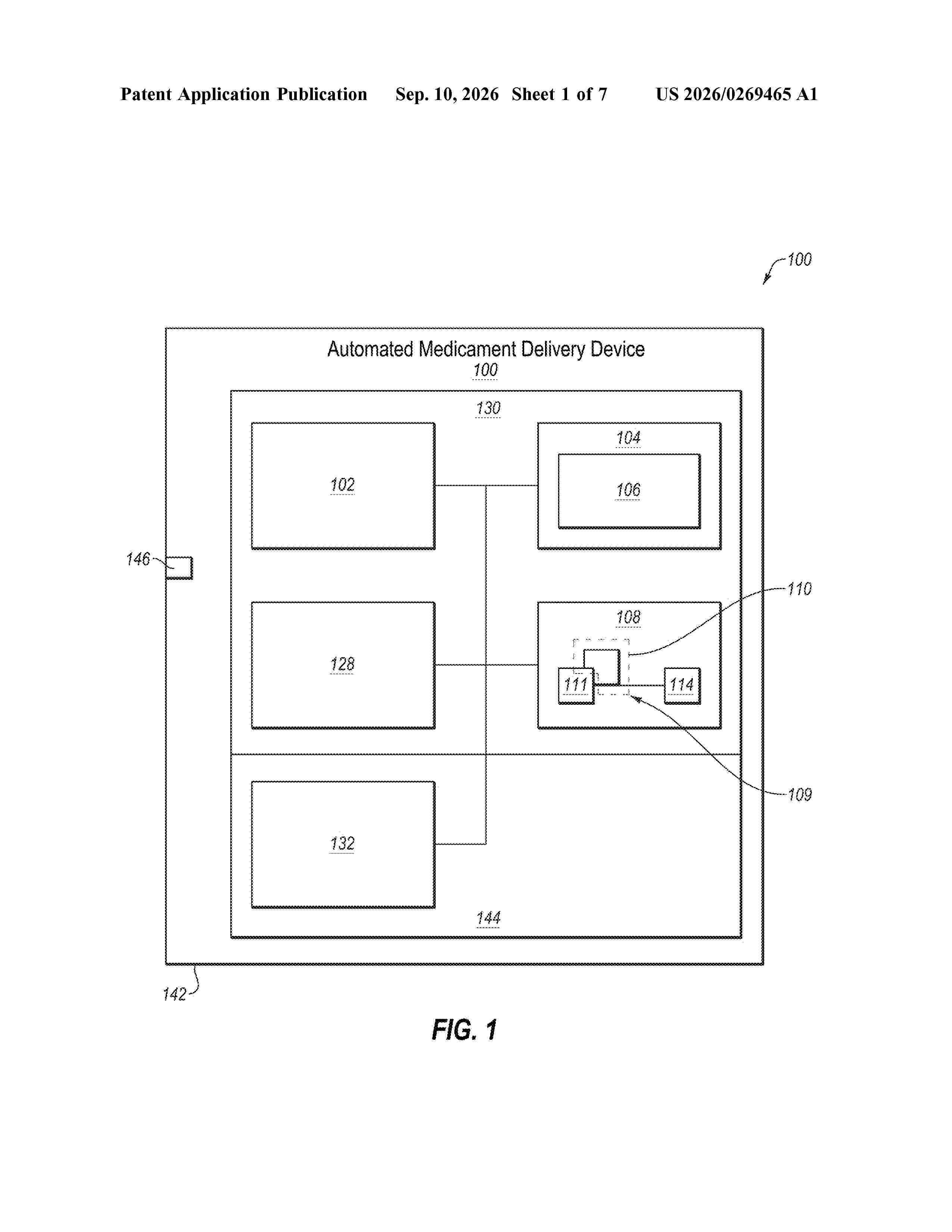
Resumen de: US20260269465A1
0000 A medical device such as an automated medicament delivery device for automated administration of medicament to a user-body or an analyte sensor such as a continuous glucose monitor for detecting analyte levels in a user-body are disclosed. The automated medicament delivery device includes an antenna, a communication chip, and a gain control circuit. The communication chip configured for operation of the antenna in at least two selectable modes including a high-gain mode and a low-gain mode. The high-gain mode and the low-gain mode of the antenna at least partially based on a state of a gain control circuit operatively coupling the communication chip with the antenna. The antenna, utilizing the gain control circuit, operable in the low-gain mode during performance of a pairing operation with a separate device and operable in the high-gain mode during ongoing external communication.
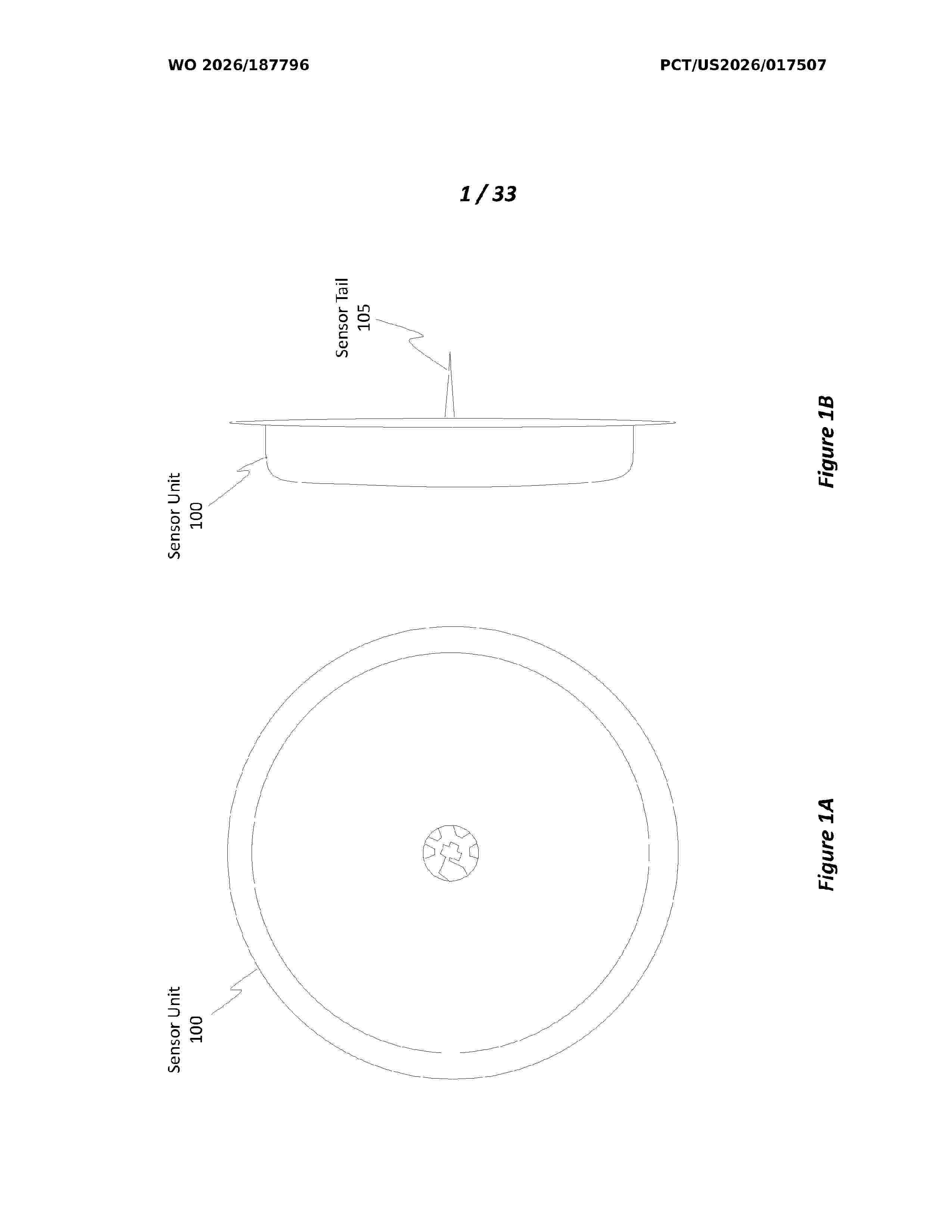
Resumen de: WO2026187796A1
A sensor measures a physiological condition (e.g., glucose) of a user. The sensor also facilitates an assessment of a transient sensor signal skew that occurs to the sensor's signal. The transient sensor signal skew occurs as a result of an immune response or bleeding from the user's body, where the immune response or bleeding occurs in response to an insertion and/or subsequent retained presence of the sensor tail in the user's body. The sensor includes an optical sensor. As a result of an ointment being applied to a top layer of the user's skin, the skin becomes at least partially translucent. The optical sensor is directed towards the top layer of the skin onto which the ointment was applied. The optical sensor is structured to generate images of the translucent skin. The images reflect inflammation occurring under the skin. The transient sensor skew is based on the detected inflammation.
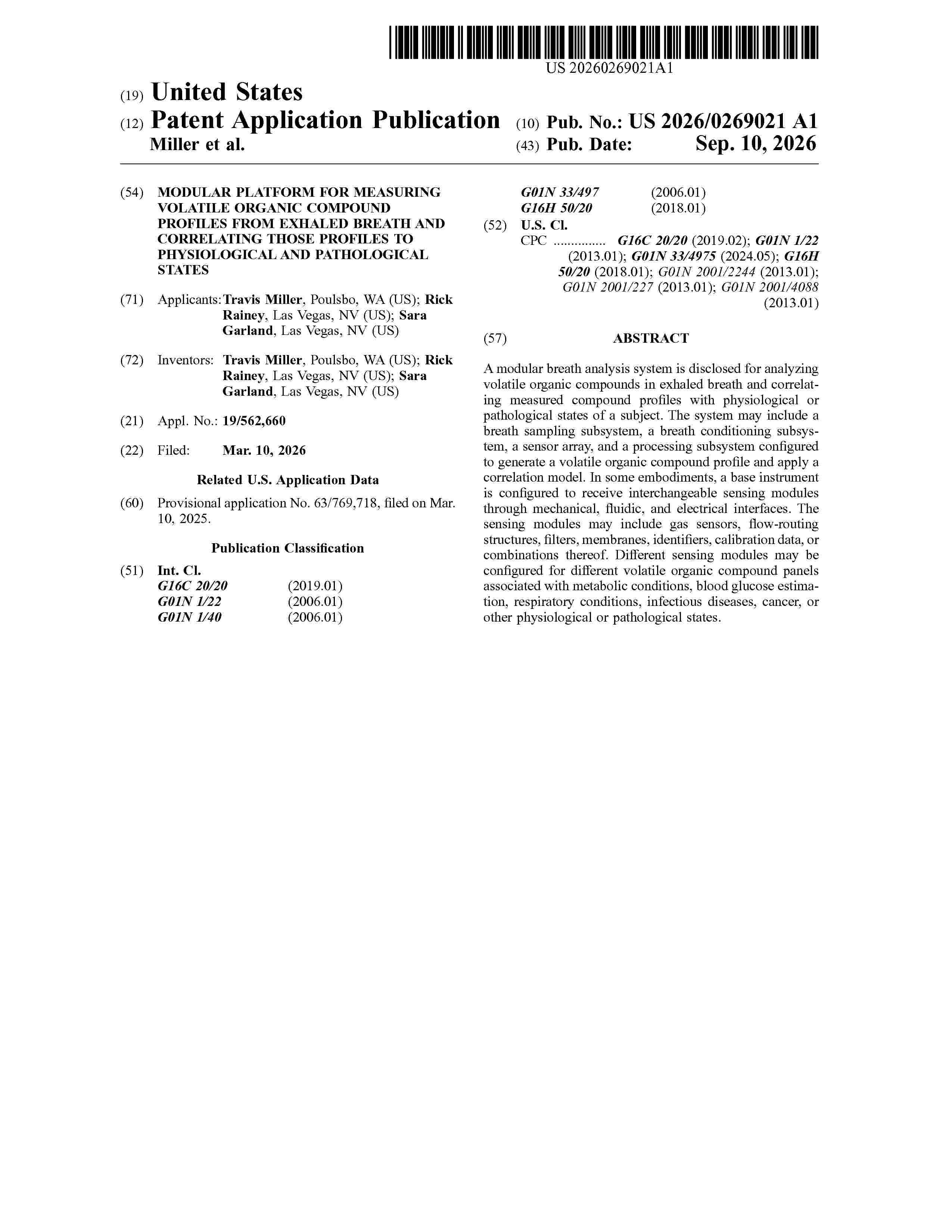
Resumen de: US20260269021A1
0000 A modular breath analysis system is disclosed for analyzing volatile organic compounds in exhaled breath and correlating measured compound profiles with physiological or pathological states of a subject. The system may include a breath sampling subsystem, a breath conditioning subsystem, a sensor array, and a processing subsystem configured to generate a volatile organic compound profile and apply a correlation model. In some embodiments, a base instrument is configured to receive interchangeable sensing modules through mechanical, fluidic, and electrical interfaces. The sensing modules may include gas sensors, flow-routing structures, filters, membranes, identifiers, calibration data, or combinations thereof. Different sensing modules may be configured for different volatile organic compound panels associated with metabolic conditions, blood glucose estimation, respiratory conditions, infectious diseases, cancer, or other physiological or pathological states.
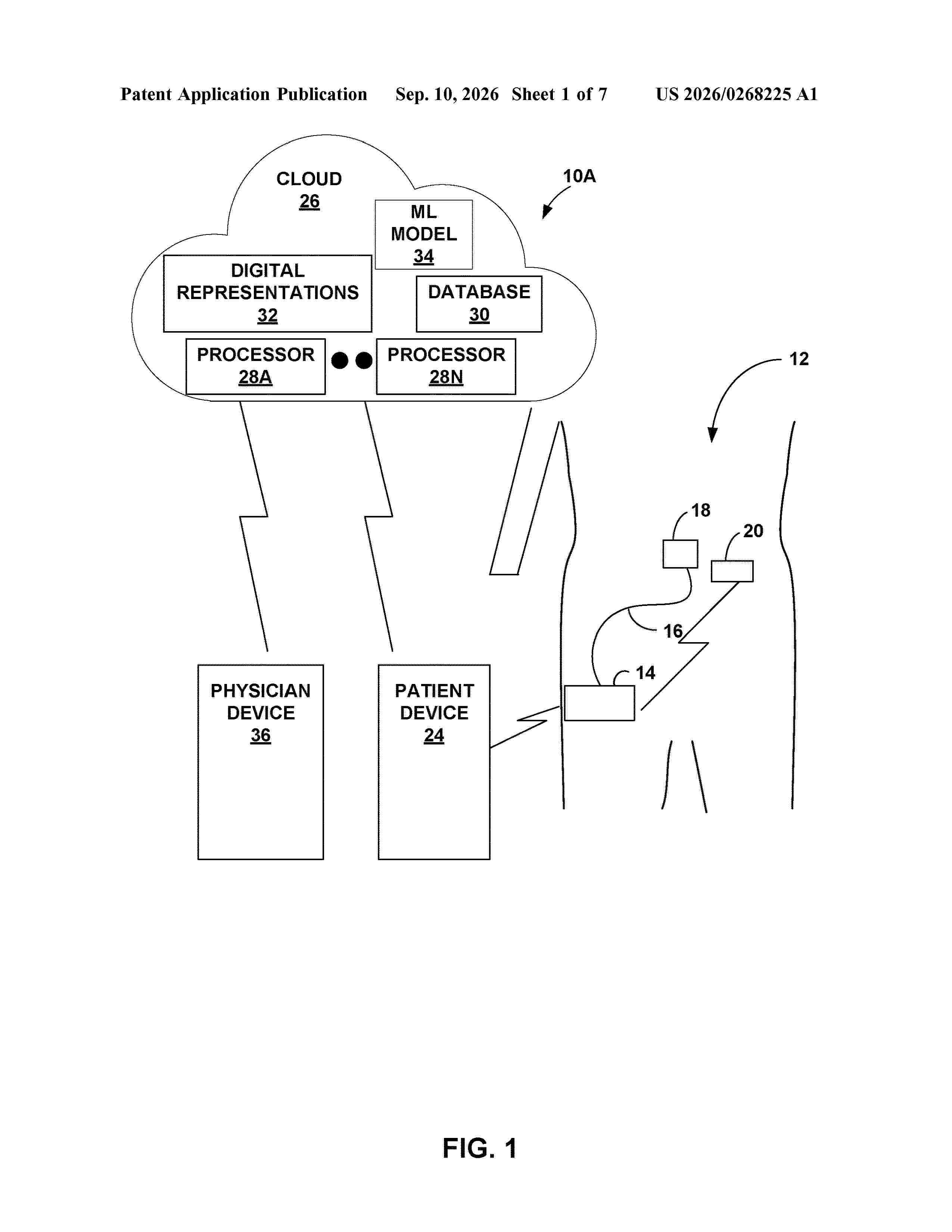
Resumen de: US20260268225A1
Techniques for determining insulin therapy are described. The techniques include obtaining patient characteristic information and one or more target therapy efficacy metrics representative of a desired clinical outcome for a current patient. The techniques may further include providing the patient characteristic information and the one or more target therapy efficacy metrics as an input to a machine-learning model, wherein the machine-learning model has been trained to determine an insulin delivery therapy that will cause the current patient to achieve the desired clinical outcome represented in the one or more target therapy efficacy metrics based on the current patient having the patient characteristic information. The techniques may further include determining the insulin delivery therapy based on an output of the machine-learning model. The techniques may further include outputting information indicative of the determined insulin delivery therapy.
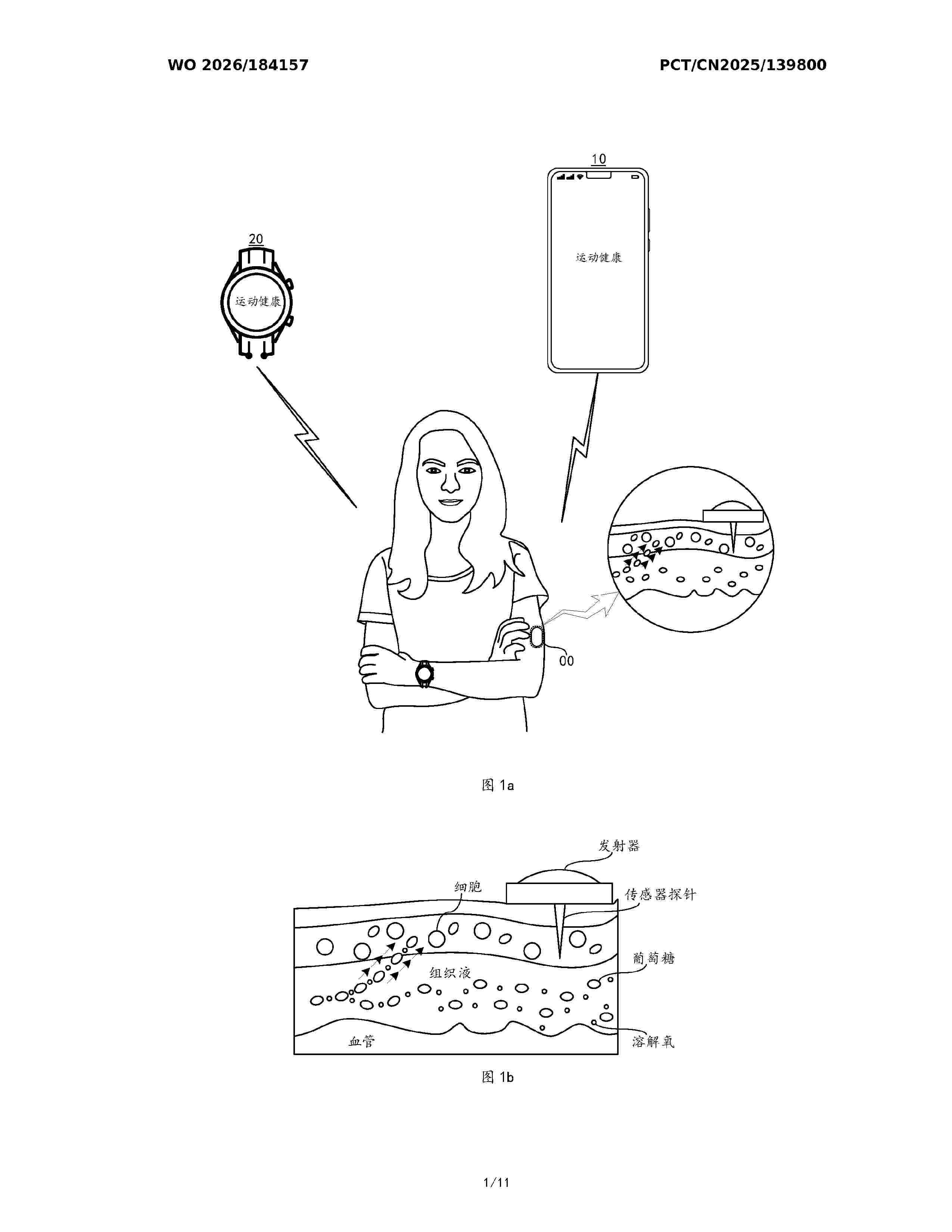
Resumen de: WO2026184157A1
The present application relates to the technical field of computers, and specifically relates to a sensor, a measurement apparatus, a physiological parameter measurement method, and an electronic device. The sensor may be provided with at least a first working electrode and a second working electrode that are configured to acquire monitoring data. A first membrane layer attached to the surface of an enzyme layer of the first working electrode and a second membrane layer attached to the surface of an enzyme layer of the second working electrode may have different parameters, for example, the thickness of the second membrane layer is greater than the thickness of the first membrane layer, or the second membrane layer comprises a limiting layer, a protective layer formed of a soluble material attached to the surface of the limiting layer, etc., such that a first duration required for glucose to permeate through the first membrane layer is less than a second duration required for glucose to permeate through the second membrane layer, thereby enabling the second working electrode to be activated after the first working electrode has been used for a preset duration. In this way, the service life of the sensor, and that of the measurement apparatus, the electronic device, etc., using the sensor can be prolonged, which is beneficial for improving the user experience.
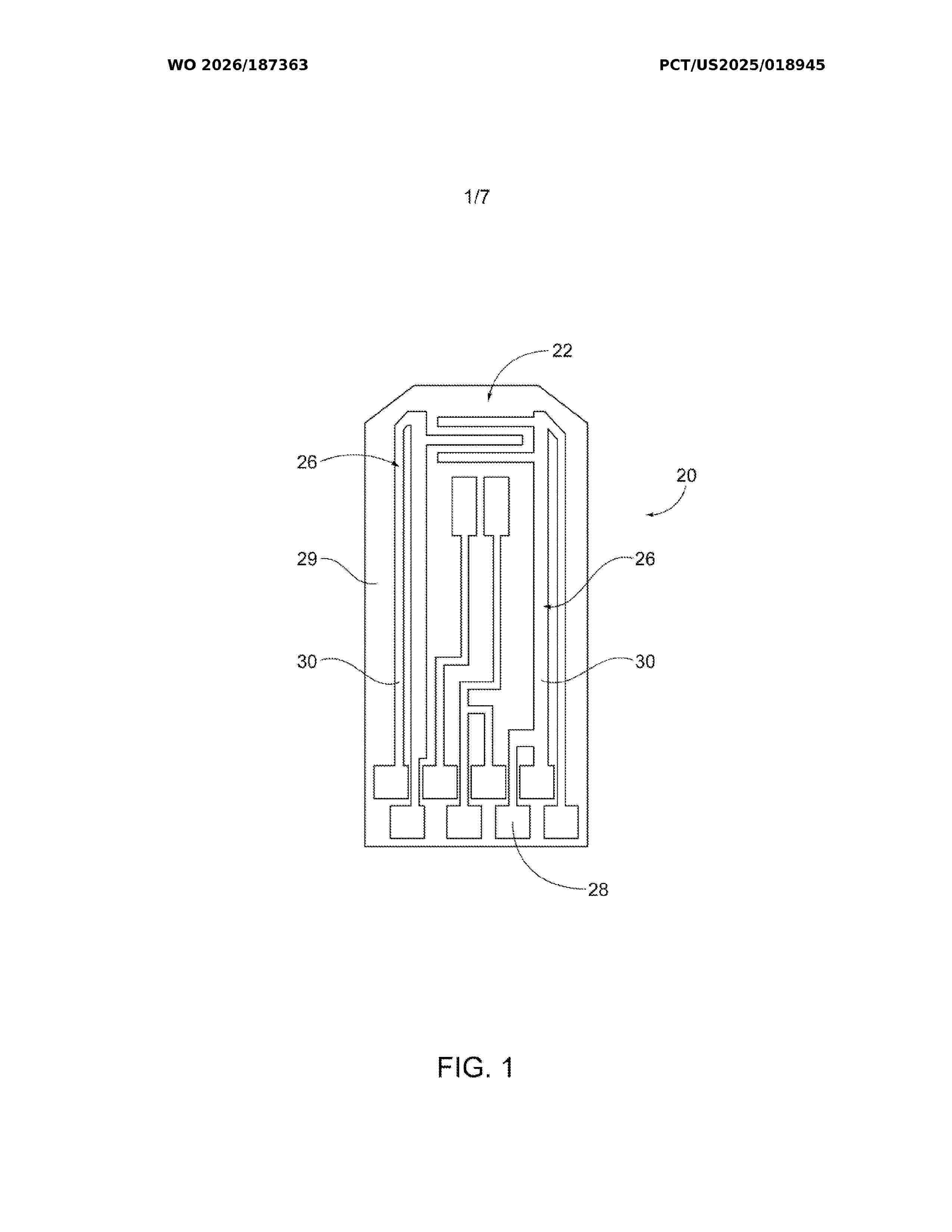
Resumen de: WO2026187363A1
A method of multi-analyte analysis includes applying an electrical test sequence to a sample applied to a reagent in an electrochemical sensing device, generating a measurement of a primary analyte in the sample based on a response to the electrical test sequence, generating a classification of a secondary' analyte in the sample based on a least one feature extracted from the response to the electrical test sequence provided to a machine-learning model, the second analyte being different titan the first analyte, and generating at least one output corresponding to the measurement of the primary' analyte and the classification of the secondary analyte. Particular analytes of interest include glucose measurement and ketone classification.
Resumen de: WO2026188217A1
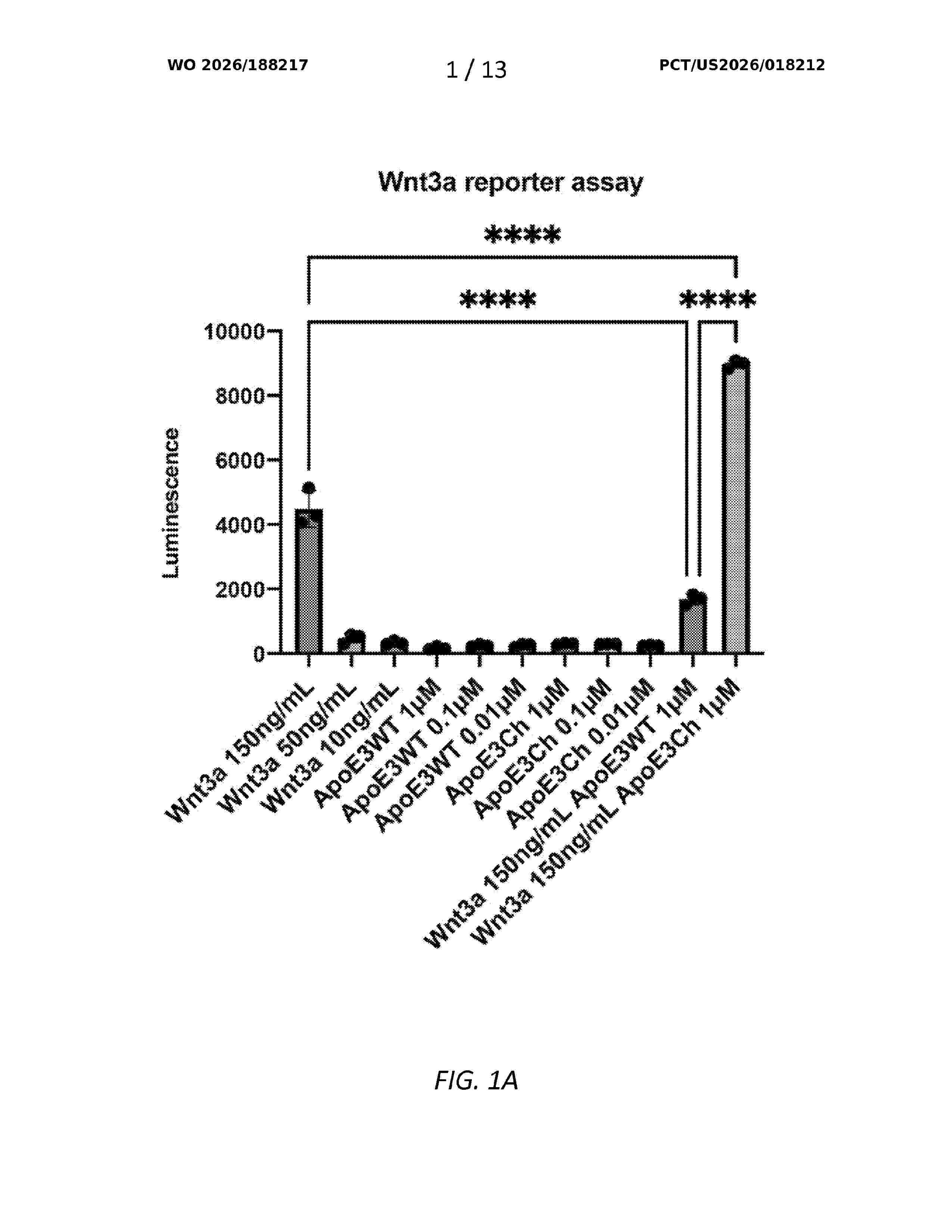
Described herein are compositions comprising Apolipoprotein E3 with the Christchurch mutation (e.g., R136S), or nucleic acids encoding the same, and methods of use thereof in disorders associated with aberrant angiogenesis, e.g., ocular neovascularization such as in wet age-related macular degeneration and diabetic retinopathy, or solid tumors, or bone diseases, e.g., osteoporosis including diabetic osteoporosis, or osteogenesis imperfecta.
Resumen de: WO2026187966A1
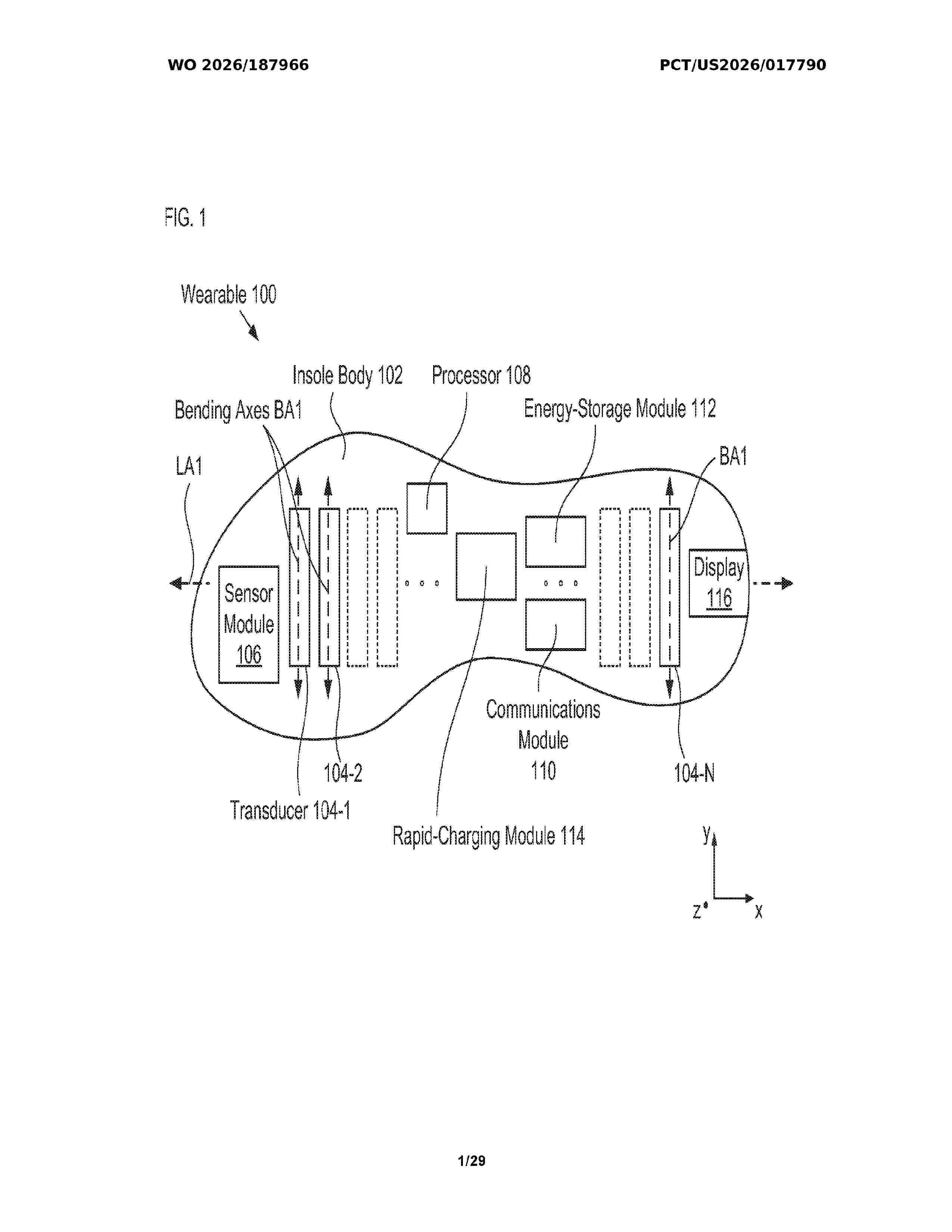
A wearable smart insole for a user having foot having a planter arch and a medial plantar artery (MPA) along the plantar arch is provided. The insole has at least one optical sensor disposed in the insole along the MPA, a power handling circuit, an energy storage module operatively coupled with the power handing circuit to provide power to the optical sensor. The optical sensor is disposed along the MPA. in the insole and provides a signal for obtaining heart rate data, blood oxygen saturation data and blood glucose measurements. Two optical sensors may be provided along the MPA to provide signals for calculating blood pressure. A third optical sensor may be provided along the lateral plantar artery to provide signals to detect diabetes or arterial disease.
Resumen de: US20260263559A1
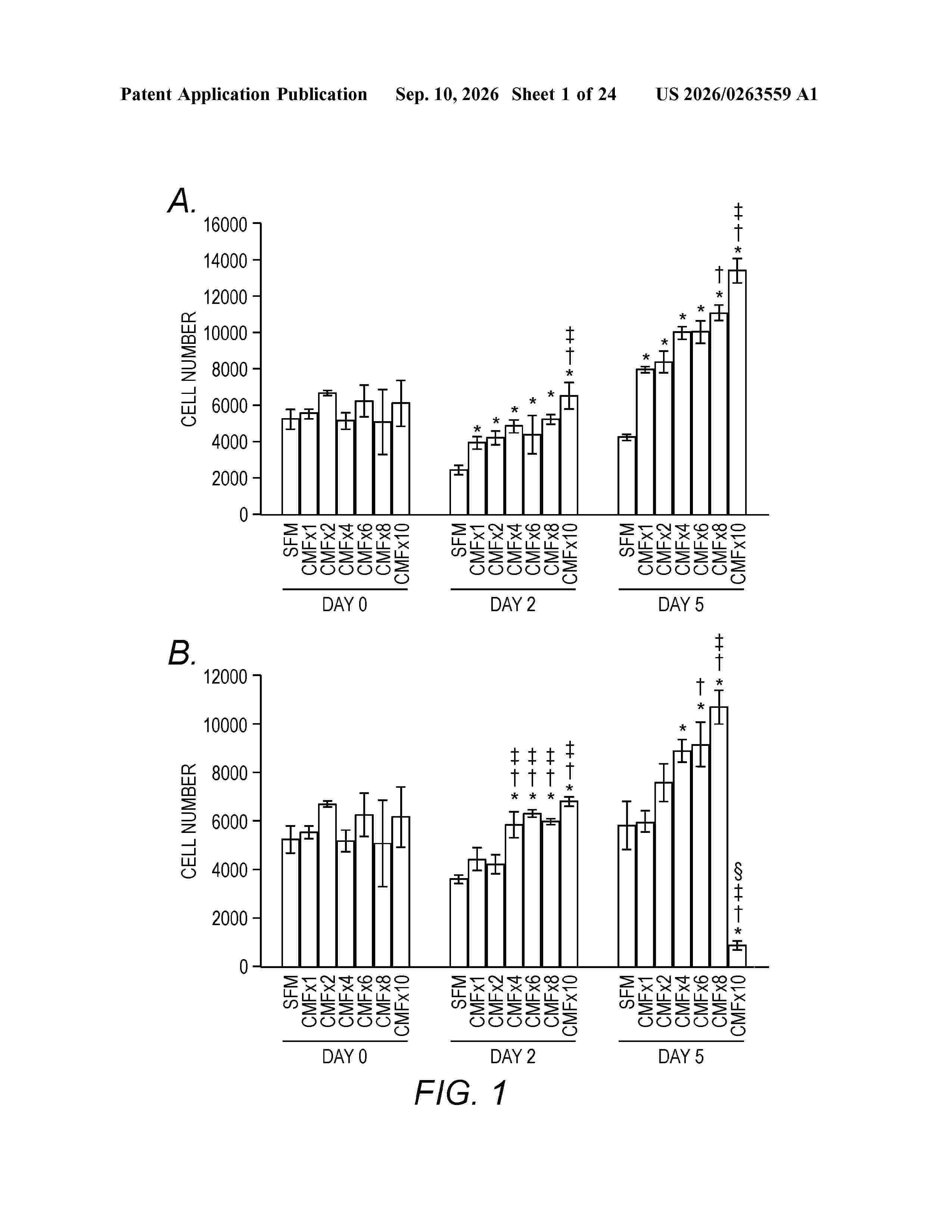
0000 Described herein are compositions comprising a combination of active agents, such as recombinant fibroblast growth factor-7 (FGF-7), recombinant follistatin, recombinant interleukin-6 (IL-6), recombinant transforming growth factor beta-1 (TGFβ-1), recombinant urokinase receptor (uPAR), and a carrier, which compositions may further comprise recombinant angiopoietin-1 (ANG-1), recombinant hepatocyte growth factor (HGF), recombinant insulin, and/or recombinant vascular endothelial growth factor (VEGF). Also provided herein are methods of treating wounds, accelerating healing of a wound, accelerating angiogenesis, and/or reducing scarring, as well as methods for culturing cells in vitro, and for cell delivery in vivo, using compositions of the present invention.
Resumen de: WO2026187690A1
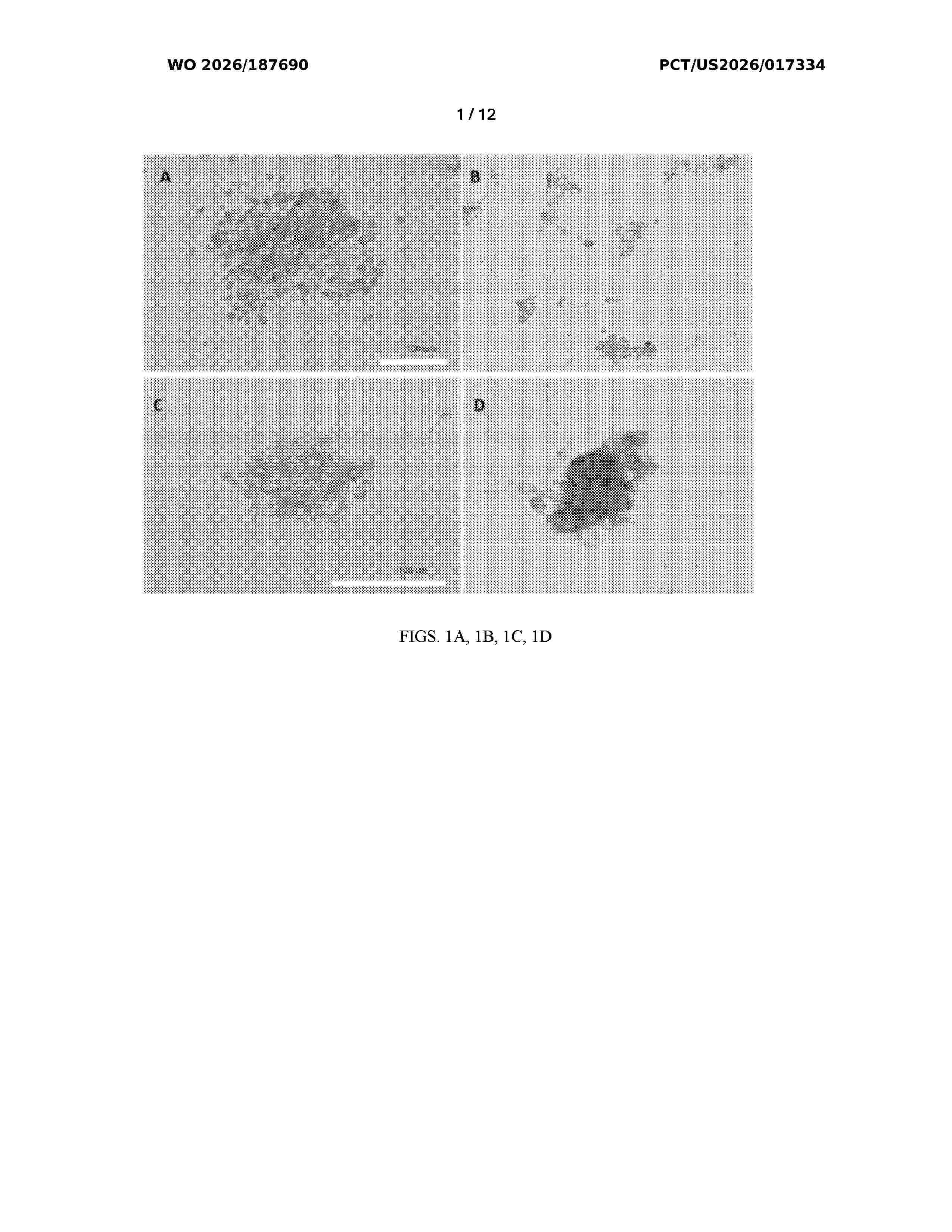
The present disclosure generally relates to cell therapies and related methods, kits, assays, tests and devices for treatment of diabetes, including Type 1 Diabetes (T1D) and Type 2 Diabetes (T2D), and other conditions characterized by insulin deficiency.
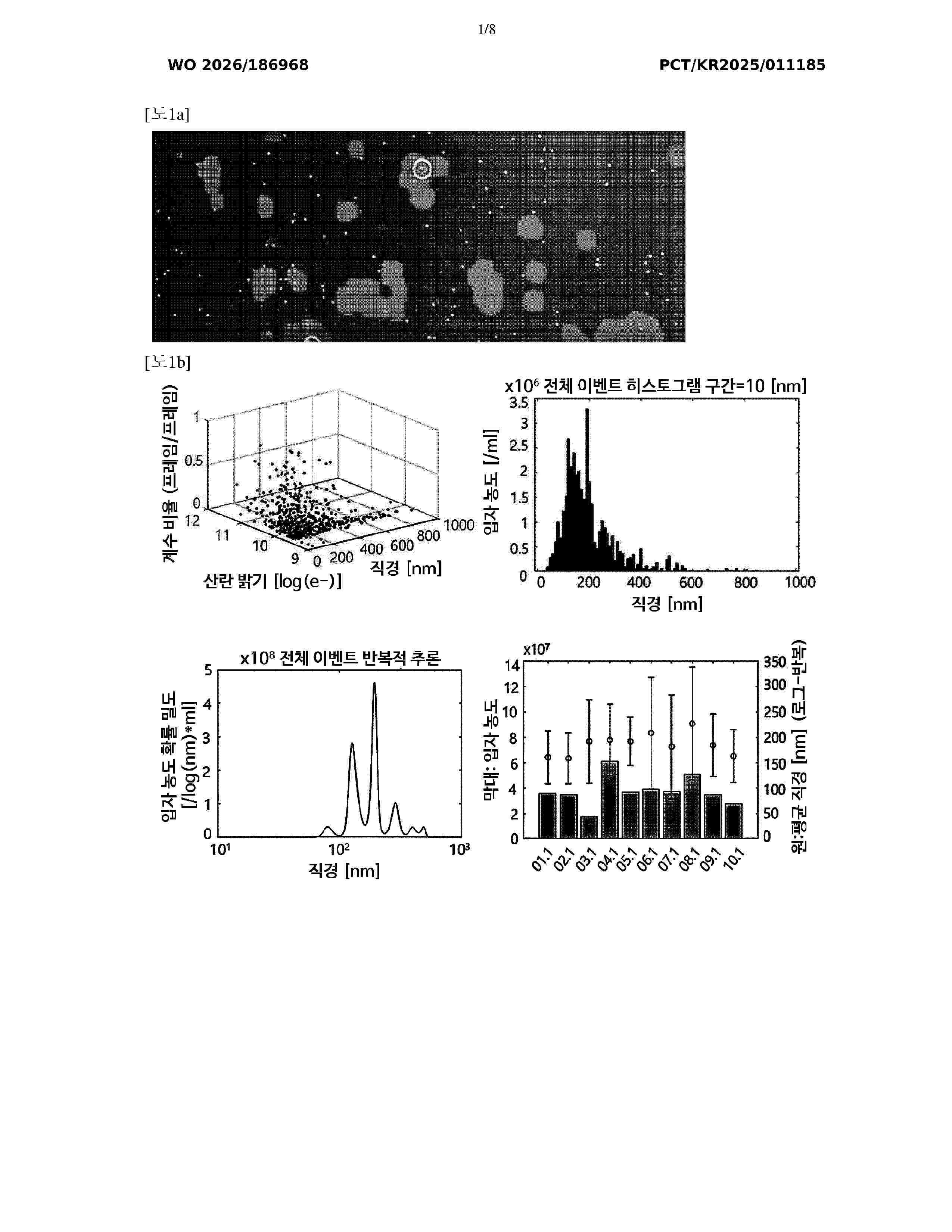
Resumen de: WO2026186968A1
The present invention relates to a composition for restoring pancreatic beta-cell function, the composition comprising intestinal organoid-derived exosomes. The intestinal organoid-derived exosomes according to the present invention have the effects of improving pancreatic-related markers and inflammation-related factors in a beta-cell damage model treated with palmitic acid, reducing the expression of oxidative stress-related factors, and restoring insulin secretion ability, and thus can be effectively used in the treatment of various diseases related to pancreatic beta-cell dysfunction, including diabetes.
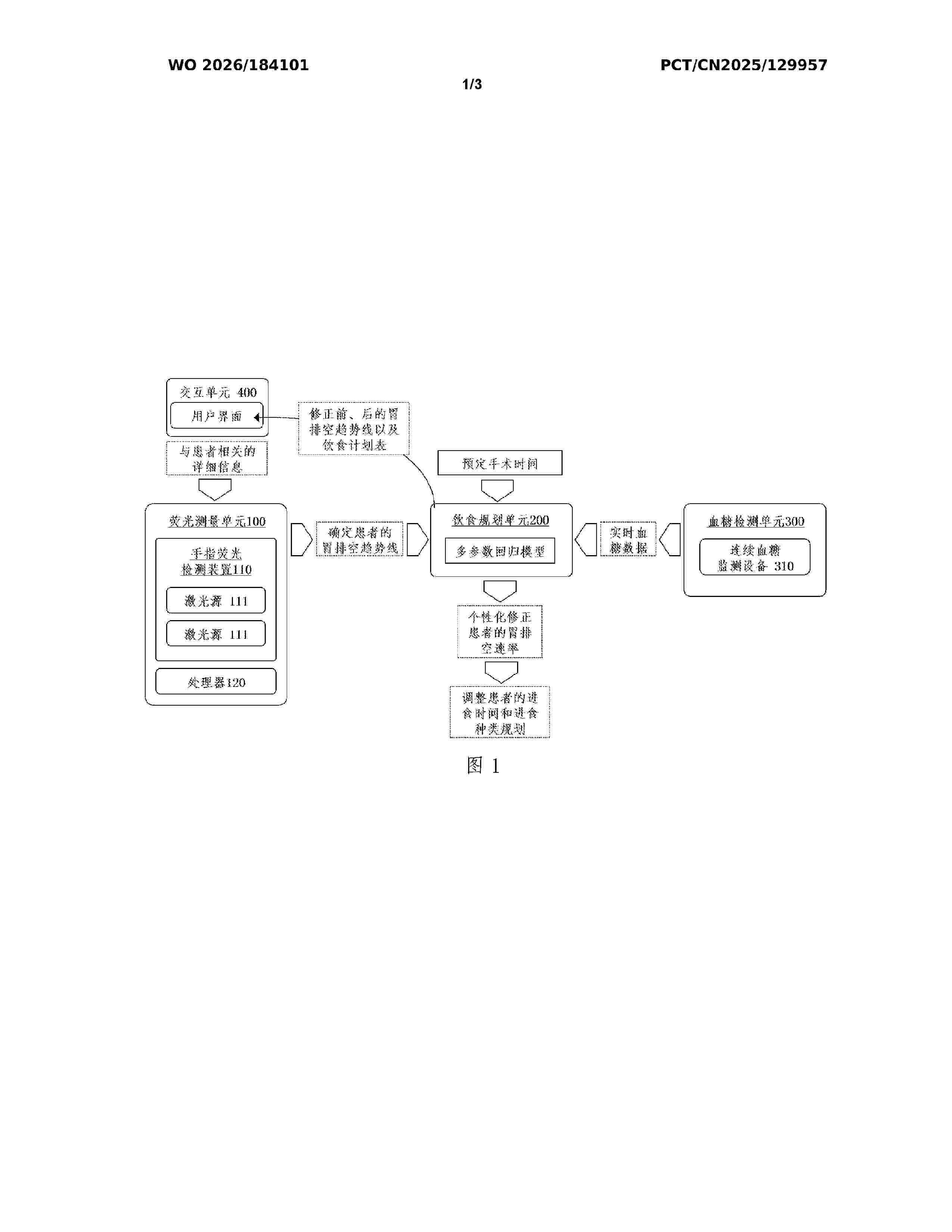
Resumen de: WO2026184101A1
A method and apparatus for real-time calculation of a gastric emptying rate of a patient. The method comprises: S1, using a fluorescence indicator method to determine a gastric emptying trend line representing a gastric emptying rate of a patient; S2, monitoring blood glucose of the patient in real time; and S3, correcting the gastric emptying rate of the patient in a personalized manner on the basis of a real-time blood glucose monitoring value of the patient. The apparatus comprises: a fluorescence measurement unit, configured to perform fluorescence measurement on a patient by using a fluorescence indicator method, to determine a gastric emptying trend line representing a gastric emptying rate of the patient; a blood glucose measurement unit, configured to monitor blood glucose of the patient in real time; and a calculation unit, configured to correct the gastric emptying rate of the patient in a personalized manner on the basis of a real-time blood glucose monitoring value of the patient, wherein the corrected gastric emptying rate can be calculated using a specific formula, and the specific formula incorporates a blood glucose rate-of-change coefficient for quantifying the impact of blood glucose changes on the gastric emptying rate, as well as the rate of change of blood glucose.
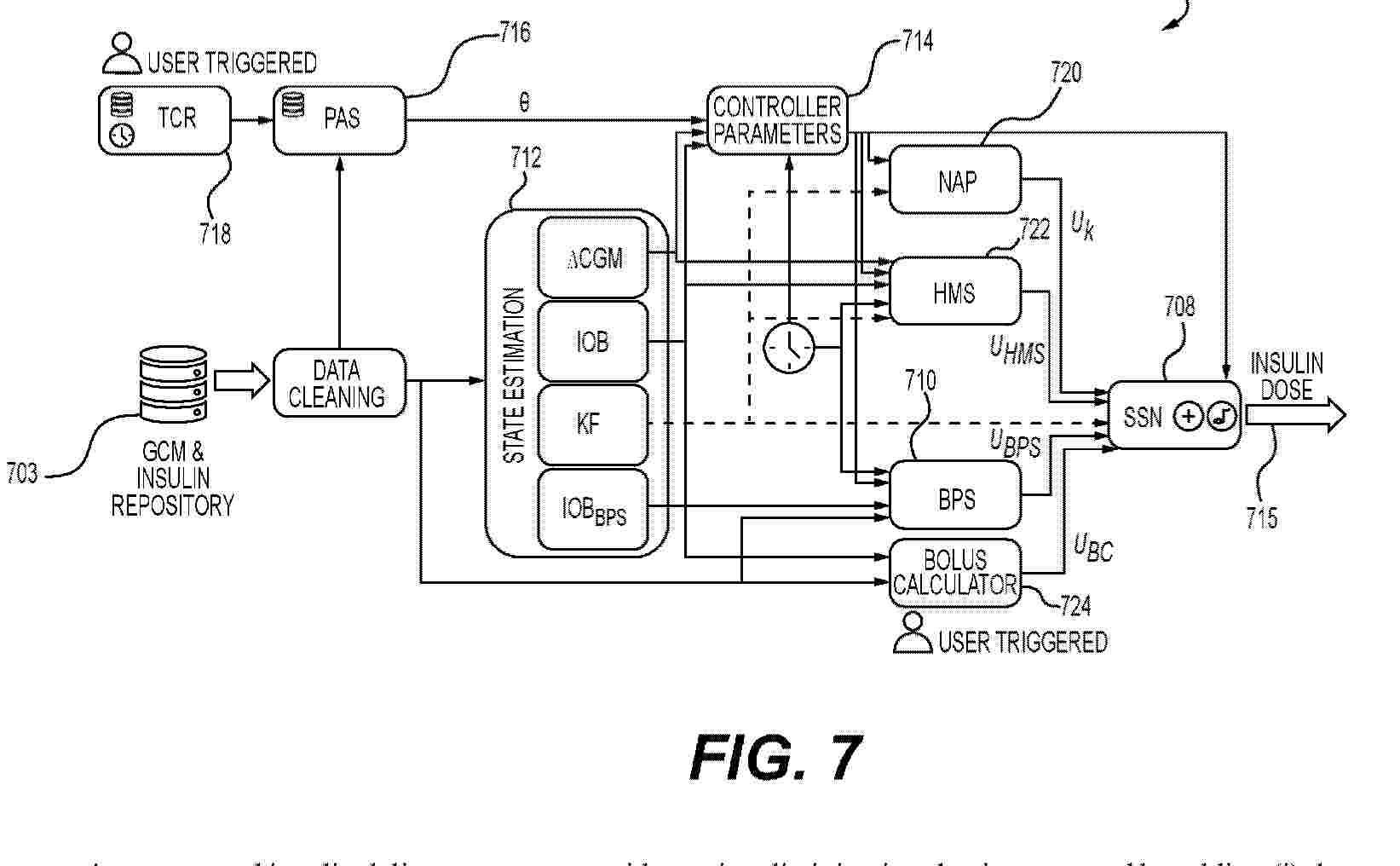
Resumen de: AU2025232283A1
An automated insulin delivery system provides an insulin injection that is computed by adding (i) the recommendation of an artificial neural network trained to mimic a constrained model predictive controller dosing rule from a neural network implementing an artificial pancreas (ii) a hypoglycemia mitigation system includeds a correction (one dose computed as the correction down to 110mg/dl based on prevailing continuous glucose monitoring and once an hour at most, unless there is a triggering BPS and G>180 mg/dl), and (iii) the current basal rate (output of the Performance Assessment System, (PAS)); that amount is then saturated by the Safety Supervision System, SSM. Finally, a priming bolus from the Bolus Priming System, BPS, is added to the total if the conditions for large glycemic excursions are detected, also saturated by SSM.
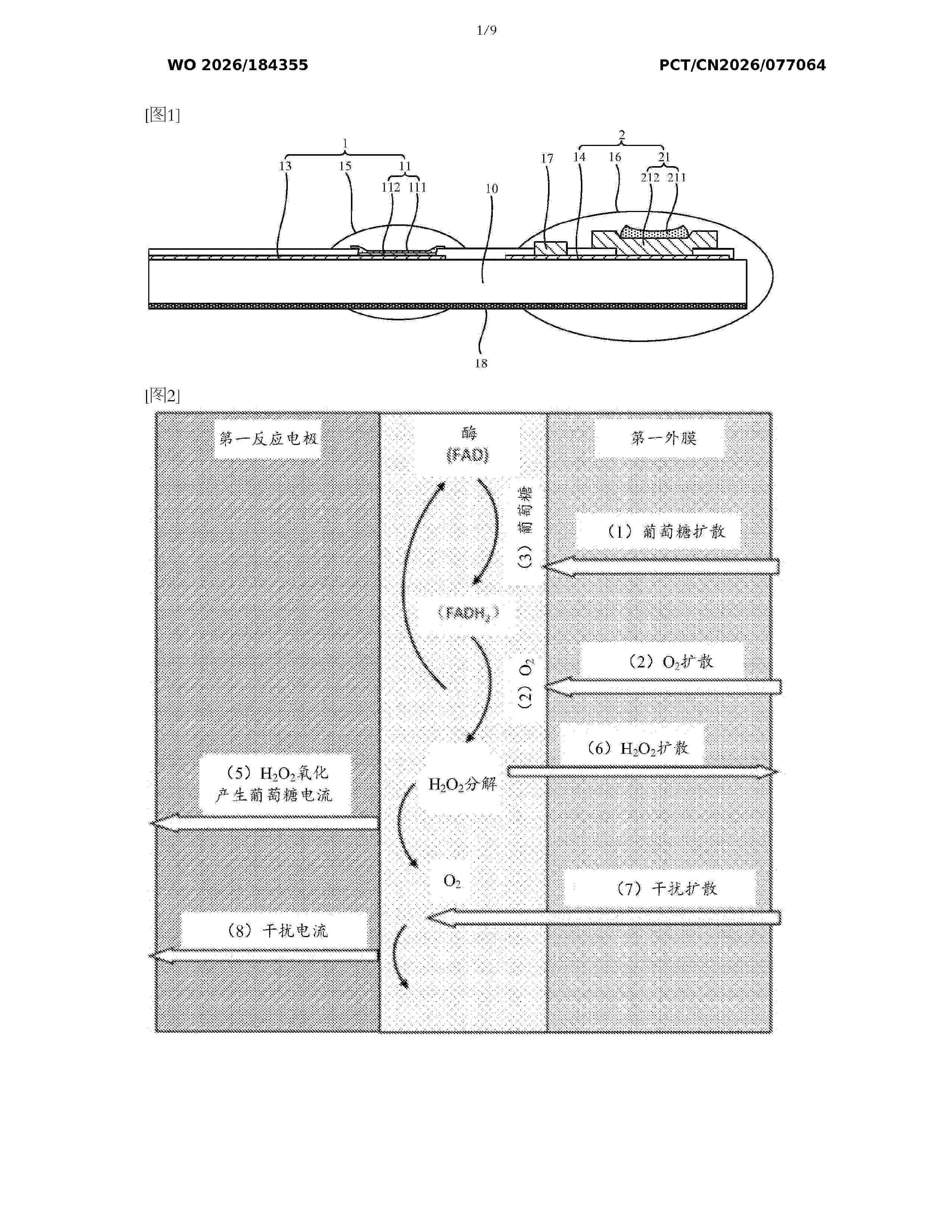
Resumen de: WO2026184355A1
The present application relates to a method for online monitoring of vital sign parameters of a host and a multi-working-electrode system, which can improve the accuracy of glucose monitoring. The method comprises: using a first working electrode to acquire a first vital sign parameter of a host; using a second working electrode to acquire a second vital sign parameter of the host; and acquiring, on the basis of the first vital sign parameter and the second vital sign parameter, a target glucose concentration of the host. The first working electrode and the second working electrode are arranged on the same substrate, and can acquire the first vital sign parameter and the second vital sign parameter, respectively, at different depths of the host's tissue independently of each other. The two working electrodes can effectively determine analyte concentrations at different depths, which, combined with the vital sign parameters generated by the different working electrodes, can comprehensively provide more reliable continuous monitoring results, thereby improving the accuracy of monitoring.
Resumen de: GB2704605A
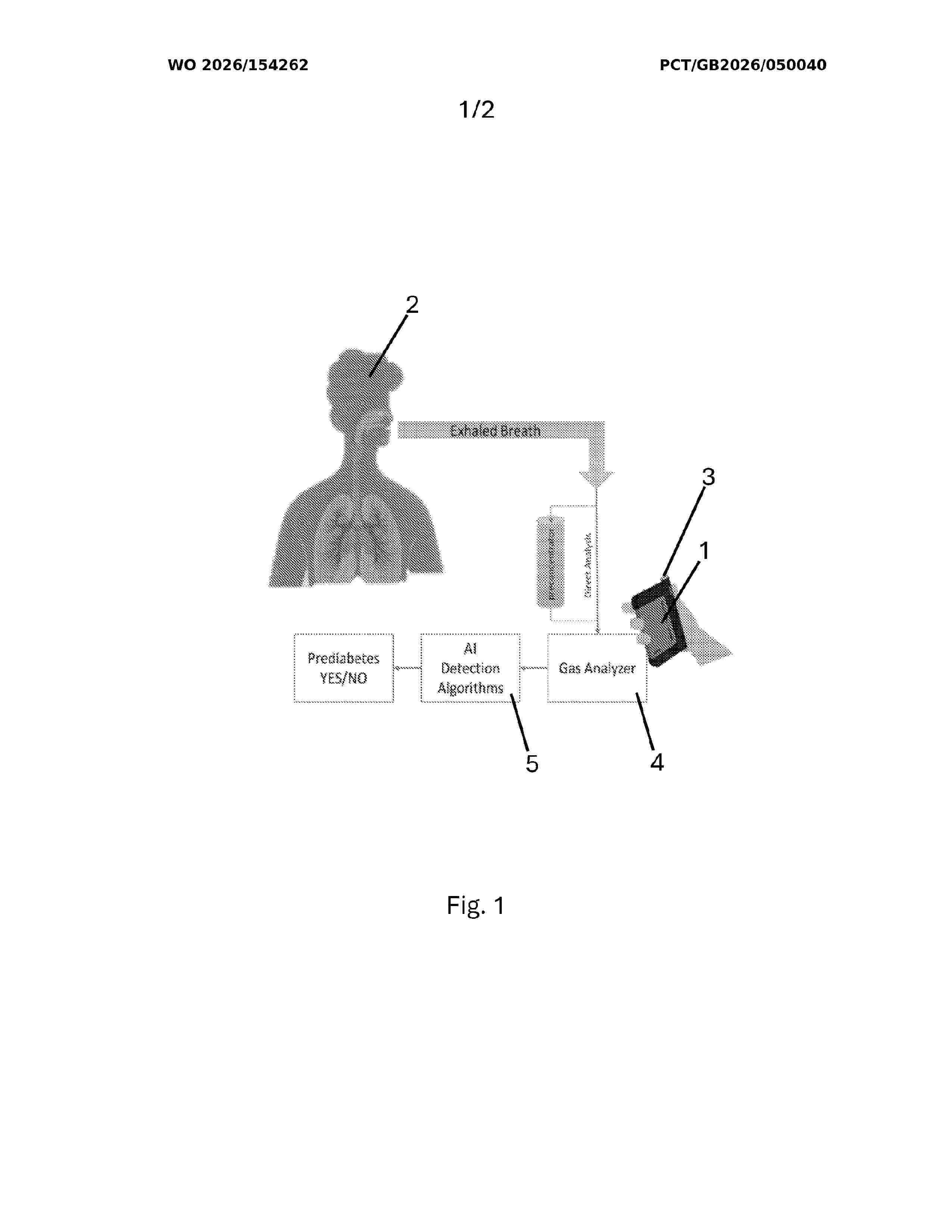
A system comprising a device for collecting a breath sample from a user, a spectrophotometer for measuring volatile organic compounds (VOCs), and a processor, which is configured to analyse the measured VOCs using machine learning models and classifying the user based on combinations of the VOCs as healthy, prediabetic or having Type 1 or Type 2 diabetes. The data points may additionally comprise the result of an associated glucose level, a HbA1c test, or an oral glucose tolerance test, and potentially data on one or more of age, sex, weight, height, and body mass index. The VOCs may exclude saturated hydrocarbons, or may exclude all hydrocarbons.
Resumen de: EP4803002A1
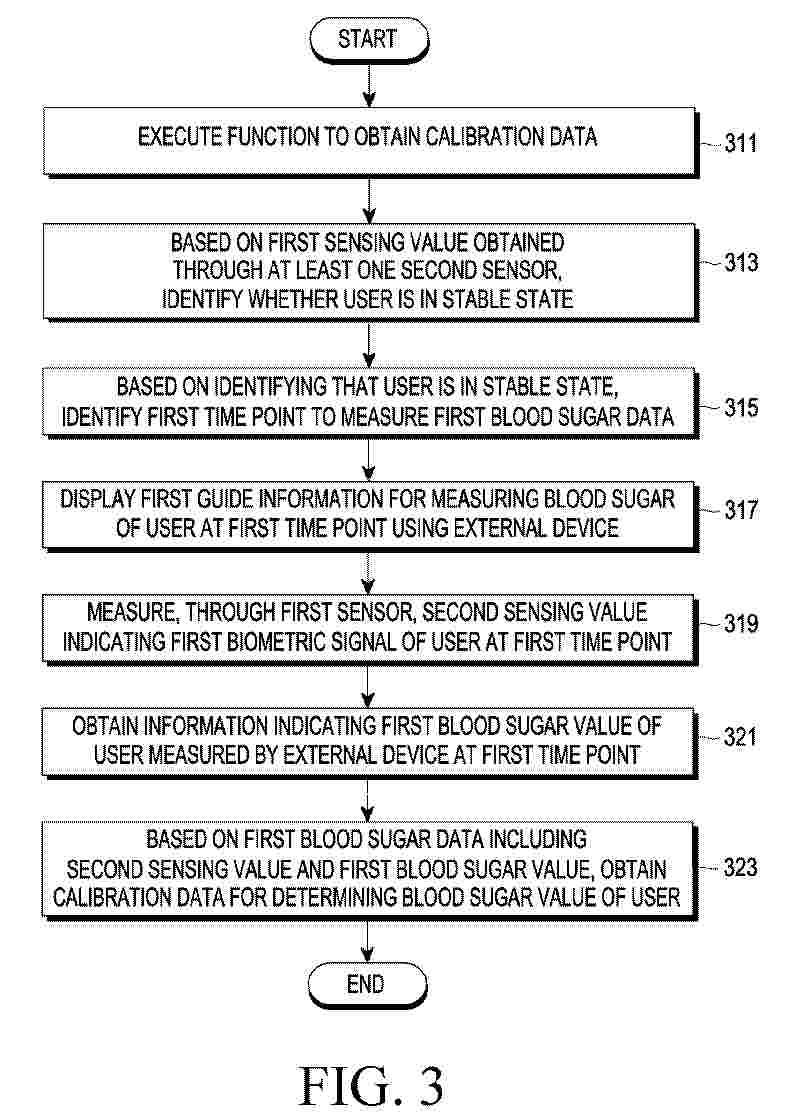
0001 According to one embodiment, a wearable electronic device comprises a first sensor, at least one second sensor, a memory, a display, a communication circuit and at least one processor, wherein the memory can store instructions that, when executed by the at least one processor, cause the wearable electronic device to: identify, on the basis of a first sensing value identified through the at least one second sensor, a first time point so as to measure first blood glucose data of a user wearing the wearable electronic device; use an external device at the first time point so as to display, through the display, first guide information for allowing the blood glucose of the user to be measured; measure, through the first sensor, a second sensing value indicating a first biometric signal of the user at the first time point; acquire, through the communication circuit, information indicating a first blood glucose value of the user measured at the first time point by the external device; and acquire, on the basis of the first blood glucose value and a second sensing value indicating the first biometric signal, calibration data for determining a blood glucose value of the user on the basis of sensing values indicating biometric signals of the user to be measured using the first sensor.
Resumen de: EP4802998A2
0001 This application discloses a continuous glucose concentration monitoring method based on a multi-working-electrode system, a continuous glucose concentration monitoring device based on a multi-working-electrode system, a computer program, a computer-readable medium and a method for preparing continuous glucose concentration monitoring device based on a multi-working-electrode system. The method includes: obtaining, by using a first working electrode, a first current value used for representing a glucose concentration of a host, and obtaining, by using a second working electrode, a second current value used for representing the glucose concentration of the host, where the first working electrode and the second working electrode are separately and independently disposed on a same substrate, and the first working electrode includes a first parameter, and the second working electrode includes a second parameter; and determining a target glucose concentration according to the first current value as well as the first parameter and/or the second parameter as well as the second current value, where the first parameter is determined based on the second parameter and the second current value. In this application, a measurement error caused by a single electrode is reduced by using the first working electrode and the second working electrode, to improve accuracy of glucose concentration monitoring, and reduce a monitoring result deviation caused by an electrode difference.
Resumen de: US12727758B1
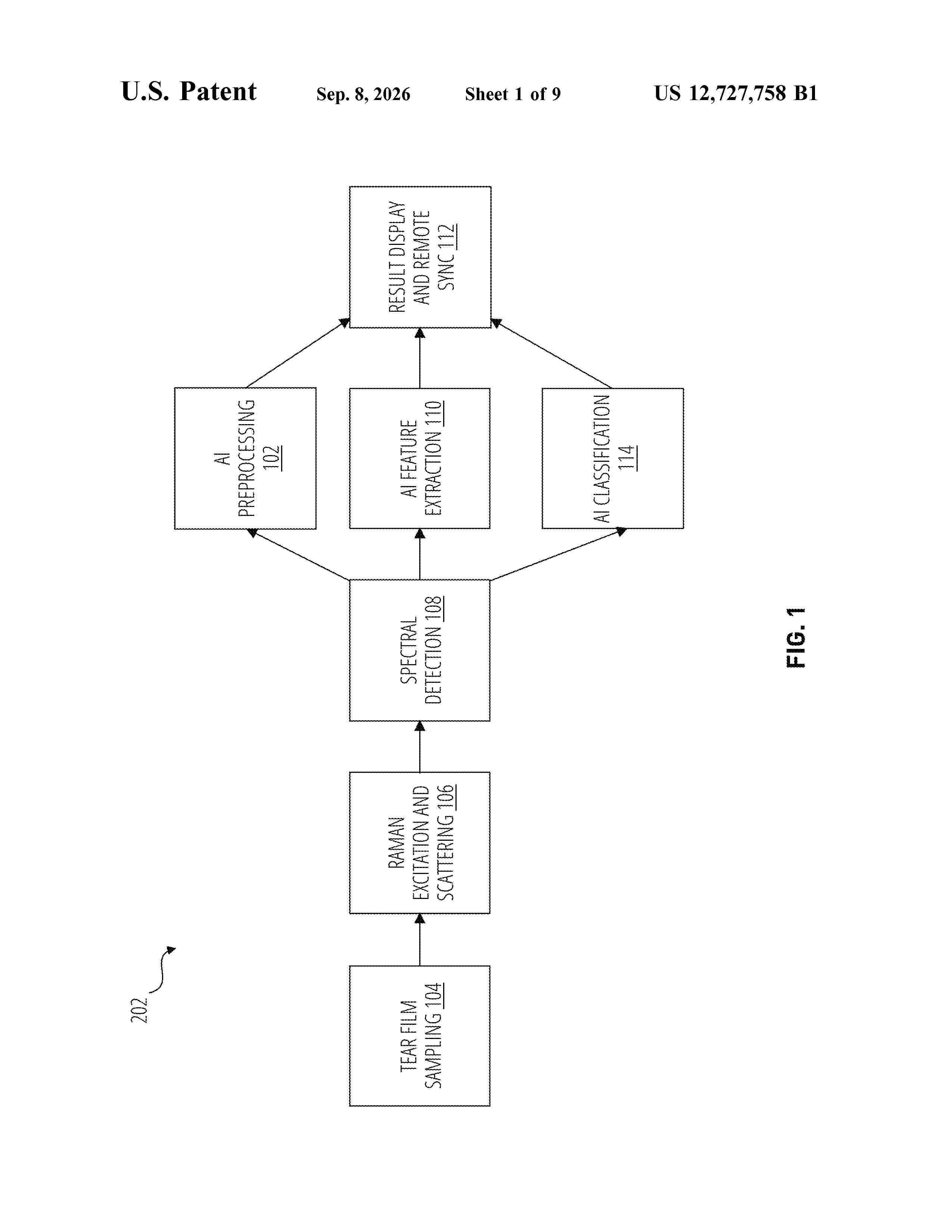
A modular diagnostic system is disclosed for acquiring Raman spectral data from tear film and analyzing biochemical signatures using Artificial Intelligence (AI). The system includes a Raman excitation source, a spectral acquisition module, and a processing engine configured to perform baseline correction, feature extraction, and AI-based classification. The system enables real-time, non-invasive diagnostics for dry eye disease, diabetes, metabolic disease, pharmacologic agents, and other conditions. The system supports longitudinal tracking and EMR integration. Real-time outputs support clinical diagnosis, treatment guidance, and longitudinal monitoring.
Resumen de: WO2020067628A1
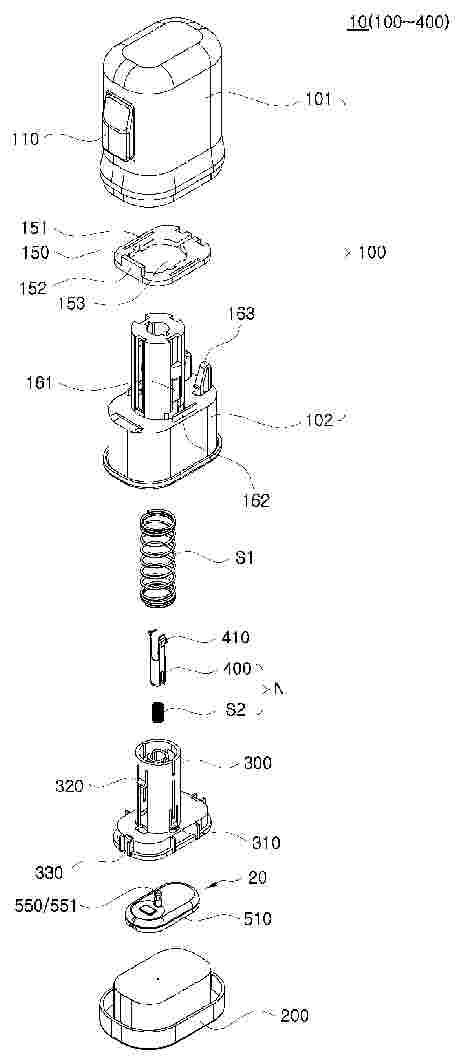
The present invention relates to a continuous blood glucose measurement device and an applicator, wherein the continuous blood glucose measurement device is produced in a state in which a body attachment unit has been assembled inside an applicator, so as to minimize a user's additional work of attaching the body attachment unit to the body, thereby enabling the body attachment unit to be attached to the body only by simply activating the applicator. Particularly, the present invention provides a continuous blood glucose measurement device and an applicator, wherein the continuous blood glucose measurement device: includes a wireless communication chip in a body attachment unit so as to enable communication with an external terminal, thereby enabling simple and convenient use thereof, without additional work for connecting a separate transmitter, and easier maintenance; and is activated by a user's operation after the body attachment unit is attached to the body, so as to enable the operation start time to be adjusted to an appropriate time according to user's needs, and to enable the operation to start in a stabilized state so that blood glucose can be measured more accurately.
Resumen de: US20260258368A1
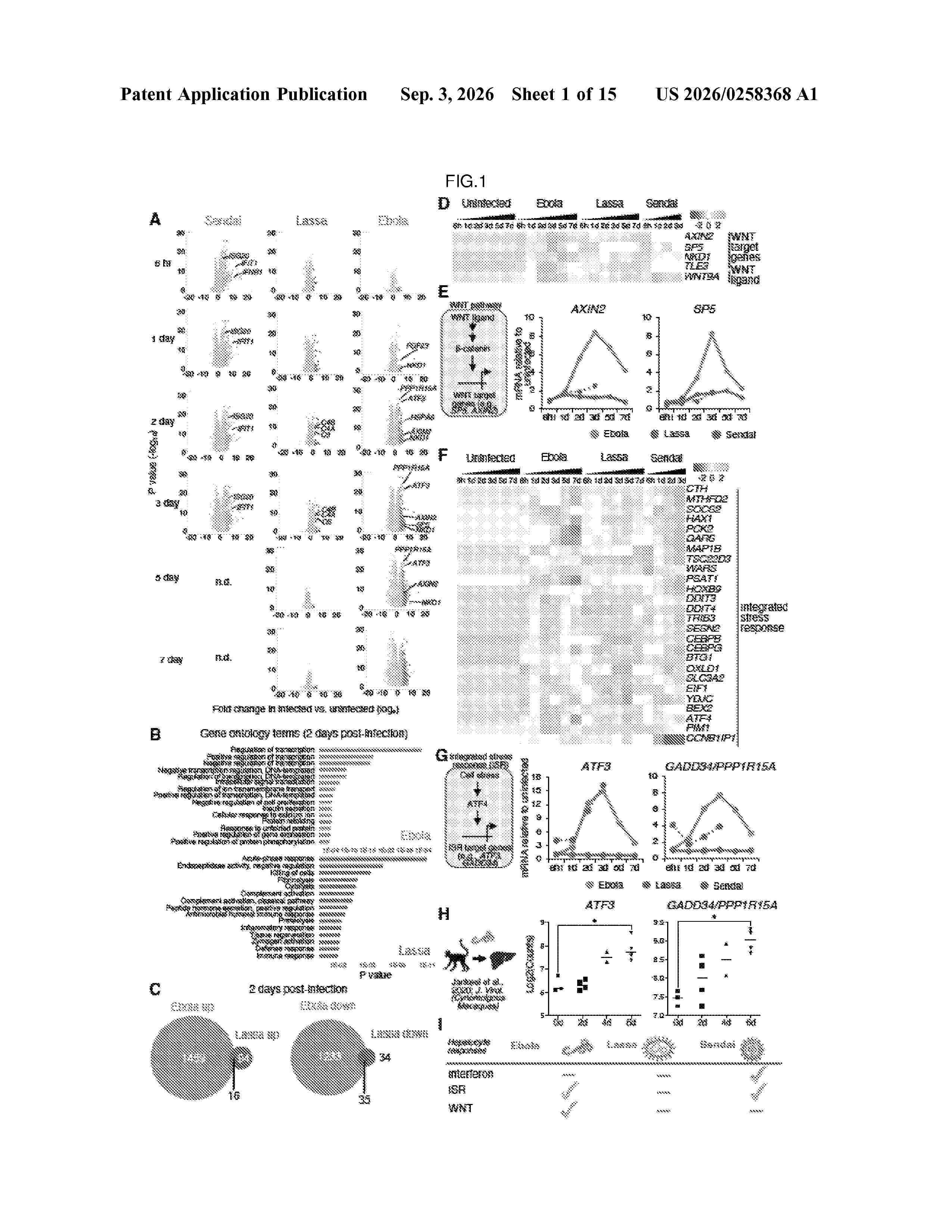
0000 Methods are provided for in vitro selection of metabolic selection of metabolically selectable mammalian cells that don't require exogenous glucose and glutamine in culture. Such cells may be glycogen-storing mammalian cells, including without limitation hepatocytes. Metabolic selection provides an approach to rapidly kill non-selectable cells by withholding specific nutrients from the culture medium.
Resumen de: WO2026182236A1
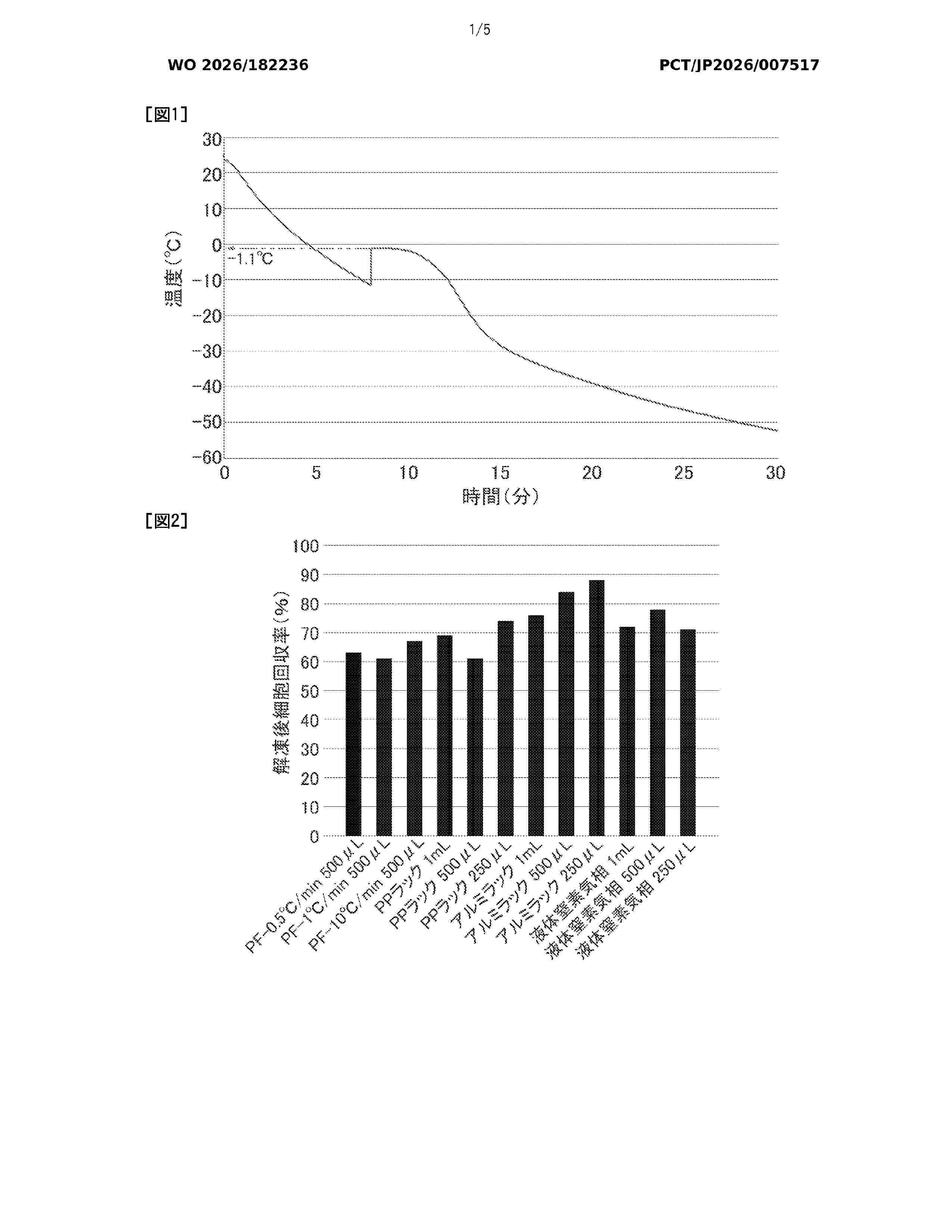
The present disclosure provides, for example, a cell cryopreservation composition capable of protecting cells during cell freezing without substantially adding an organic solvent cell cryopreservation agent. A cell cryopreservation composition according to the present disclosure contains a sugar or a derivative thereof and/or a surfactant.
Resumen de: WO2026182442A1
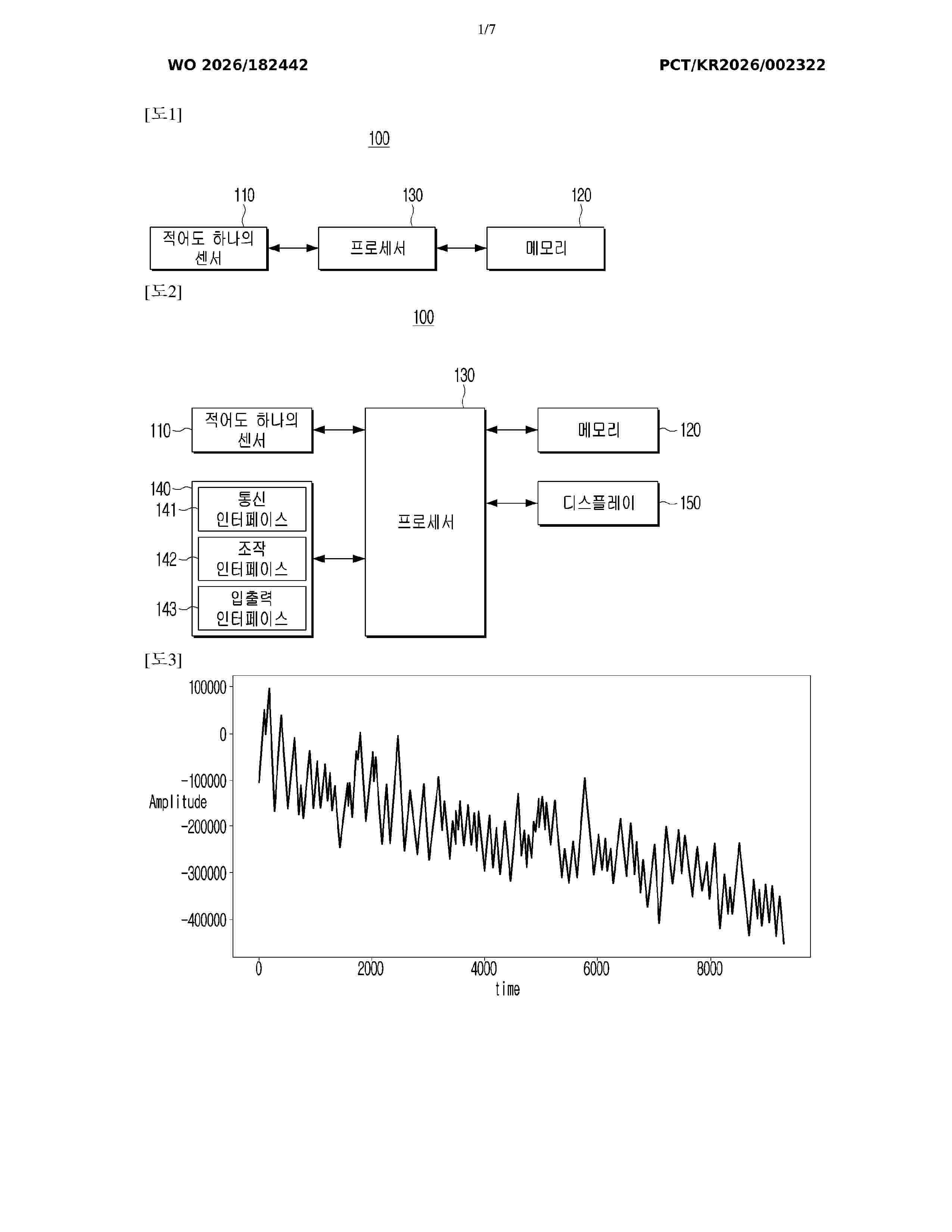
Disclosed is an electronic device. The electronic device comprises: at least one sensor; memory storing a machine learning model and instructions; and at least one processor. When the instructions are individually or collectively executed by the at least one processor, the electronic device: obtains a PPG signal of a user by using the at least one sensor; performs preprocessing on the PPG signal by using a filter; obtains a power spectrum by converting the preprocessed PPG signal into frequency over time; obtains an average spectrum power for each frequency by calculating an average value of the obtained power spectrum over time; and obtains information about diabetes of the user by inputting the obtained average spectrum power for each frequency to the machine learning model.
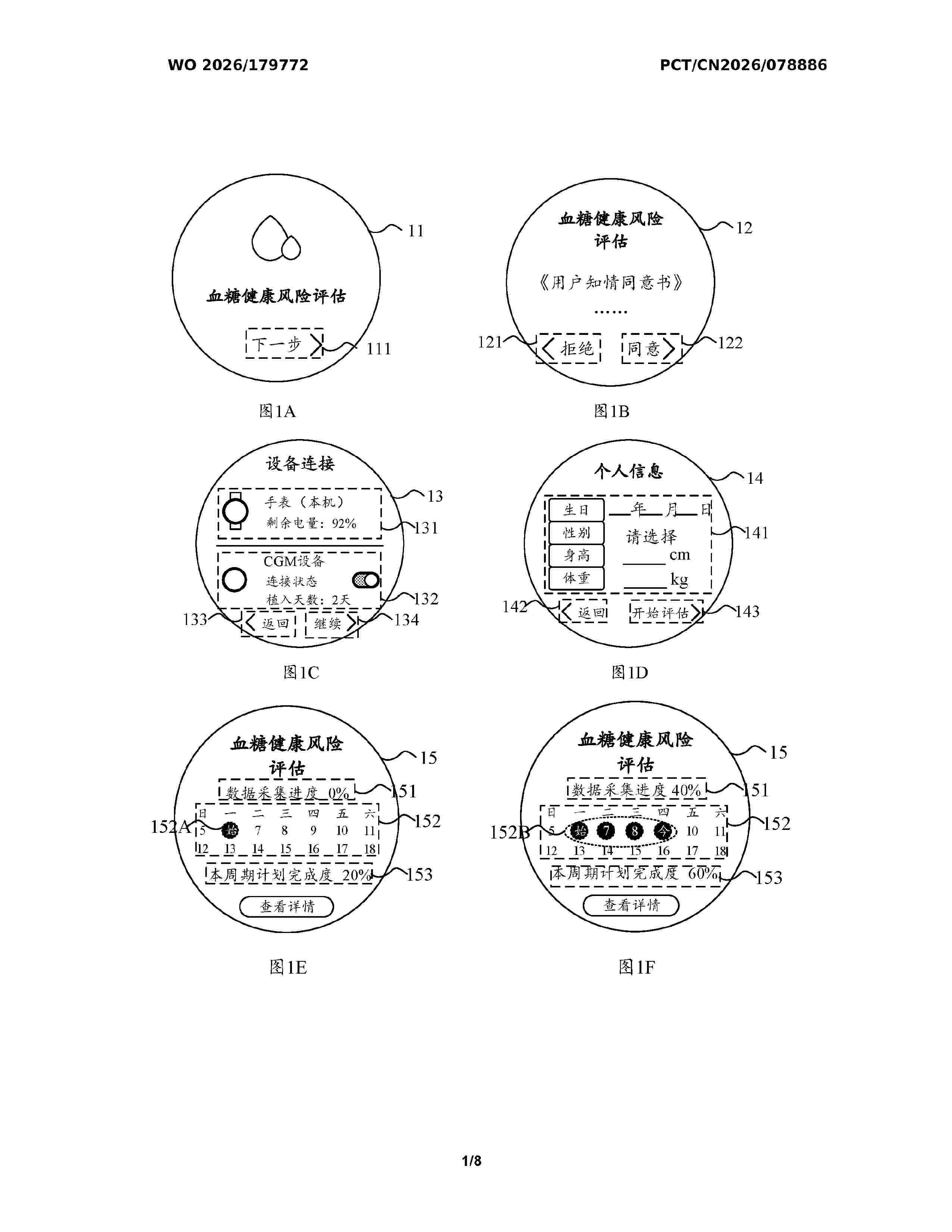
Nº publicación: WO2026179772A1 03/09/2026
Solicitante:
HUAWEI TECH CO LTD [CN]
\u534E\u4E3A\u6280\u672F\u6709\u9650\u516C\u53F8
Resumen de: WO2026179772A1
A blood glucose assessment method, a user interface and a related apparatus. The blood glucose assessment method can acquire a PPG signal of a user, and then display a blood glucose result of the user obtained by assessment on the basis of the PPG signal, the blood glucose result indicating the stage at which the user falls in the progression from normal blood glucose to diabetes. The method takes into account that there is still a stage of development before normal blood glucose is converted into diabetes, thereby achieving more refined assessment of the blood glucose of users, so that the users achieve more refined self-management of blood glucose.
 BOPI
BOPI
 Sede Electrónica