Si deseas distinguir tus productos, servicios o ambos de los de otra empresa, es posible que necesites una marca o nombre comercial. Descubre qué son, en qué consiste su procedimiento de registro y qué implica.

Información sobre los plazos de presentación de solicitudes de transformación de marcas de la Unión Europea en marca nacional española. Más información


Si tienes un nuevo dispositivo, producto o procedimiento que resuelva un problema técnico o tenga una ventaja práctica, existen distintas formas de protegerlo en España y en otros países. Descubre cómo hacerlo.

¿Tu innovación reside en la estética, la ornamentación o la apariencia de tu producto? Protégela mediante un diseño industrial. Descubre qué derechos confiere el registro y cómo realizar la tramitación.

Las indicaciones geográficas protegen el nombre de un producto originario de una zona geográfica, a la cual le debe una determinada calidad, reputación u otra característica. Descubre qué son, en qué consiste su procedimiento de registro y qué beneficios conceden.

Las patentes publicadas en todo el mundo son una valiosa fuente de información científica, técnica y comercial.

Si eres emprendedor/a o una empresa y quieres potenciar y mejorar la rentabilidad de tu negocio protegiendo de forma adecuada los activos intangibles de tu organización, en este espacio encontrarás lo necesario.


 174
resultados
174
resultados
 Última actualización
14/09/2026 [08:15:00]
Última actualización
14/09/2026 [08:15:00]


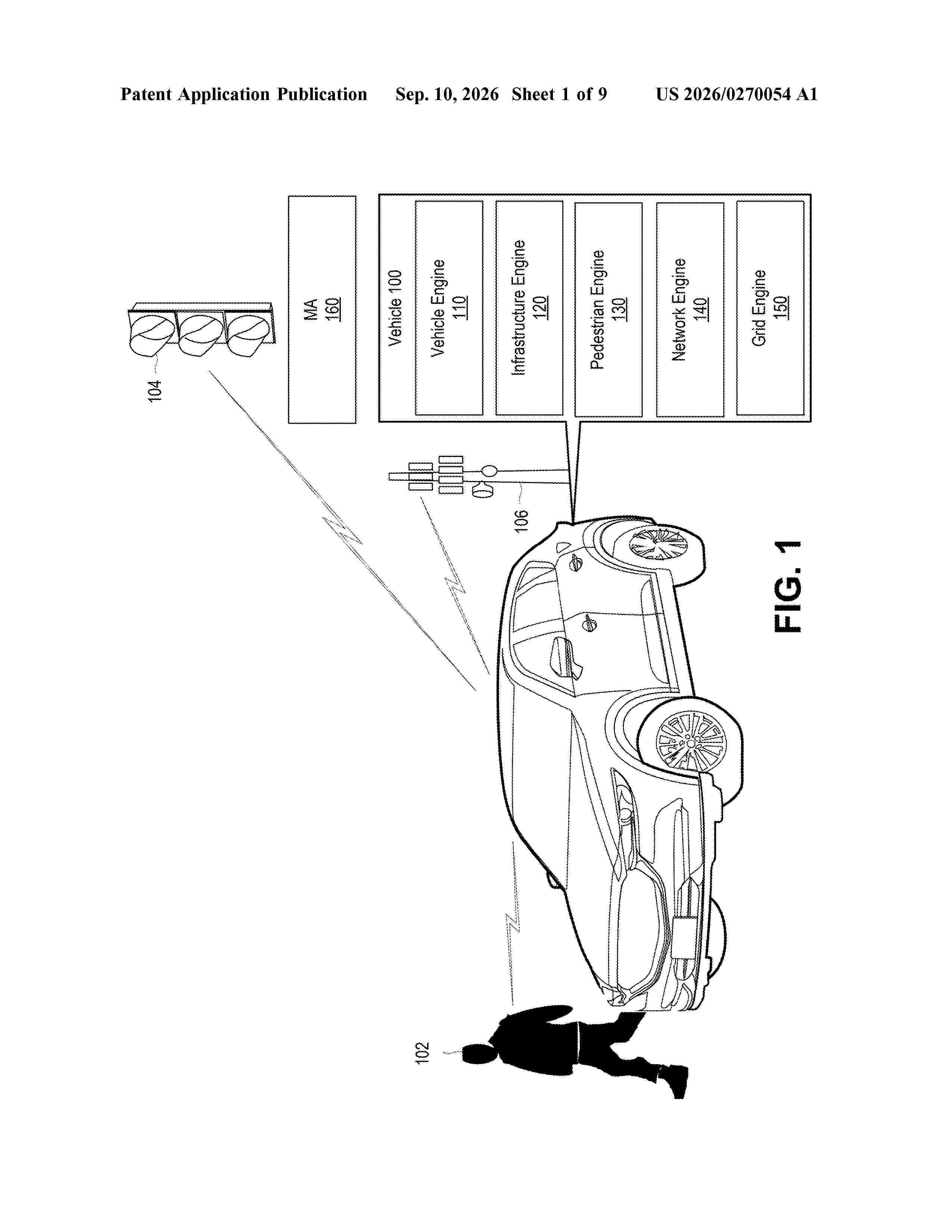
Resumen de: US20260270054A1
0000 Disclosed are systems, apparatuses, processes, and computer-readable media for classical cryptography and post-quantum cryptography (PQC) protection for V2X communication. For example, an apparatus includes a processor and a memory coupled to the processor. The processor is configured to: generate a first message of a first type; generate a first authentication code for the first message with a first type of authentication key based on the first message being of the first type; generate a second message of a second type; and generate a second authentication code for the second message with a second type of authentication key based on the second message being of the second type, wherein the second type of authentication key is based on PQC.

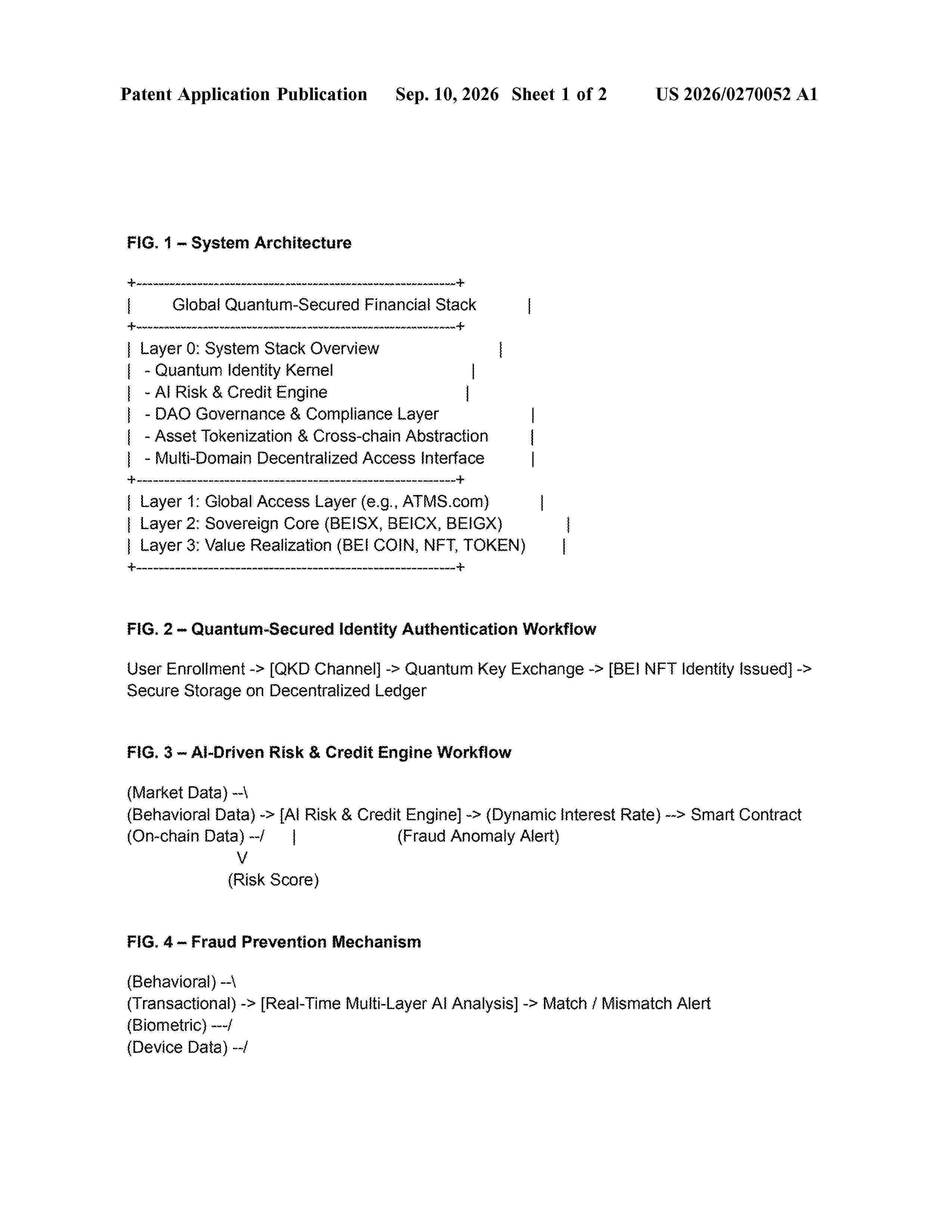
Resumen de: US20260270052A1
A global financial infrastructure is disclosed which integrates quantum-secured systems, artificial intelligence (AI), and blockchain-based decentralized governance to create a new paradigm for credit management and digital economies. The system utilizes quantum key distribution (QKD) and quantum random number generation (QRNG) for fundamentally secure transactions and identity verification. An AI engine performs real-time credit risk assessment and calculates a Behavior Economic Index (BEI) to enable a new class of dynamic, behavior-based financial products. Governance is achieved through a decentralized autonomous organization (DAO) with token-based profit sharing and compliance mechanisms managed by smart contracts. The system is architected for infinite scalability and is intended for commercial deployment through the ATMS. com global platform by a corporate entity, ATMSpac, Inc., providing a comprehensive, vertically integrated model for a new global digital economy with a clear path to public markets.
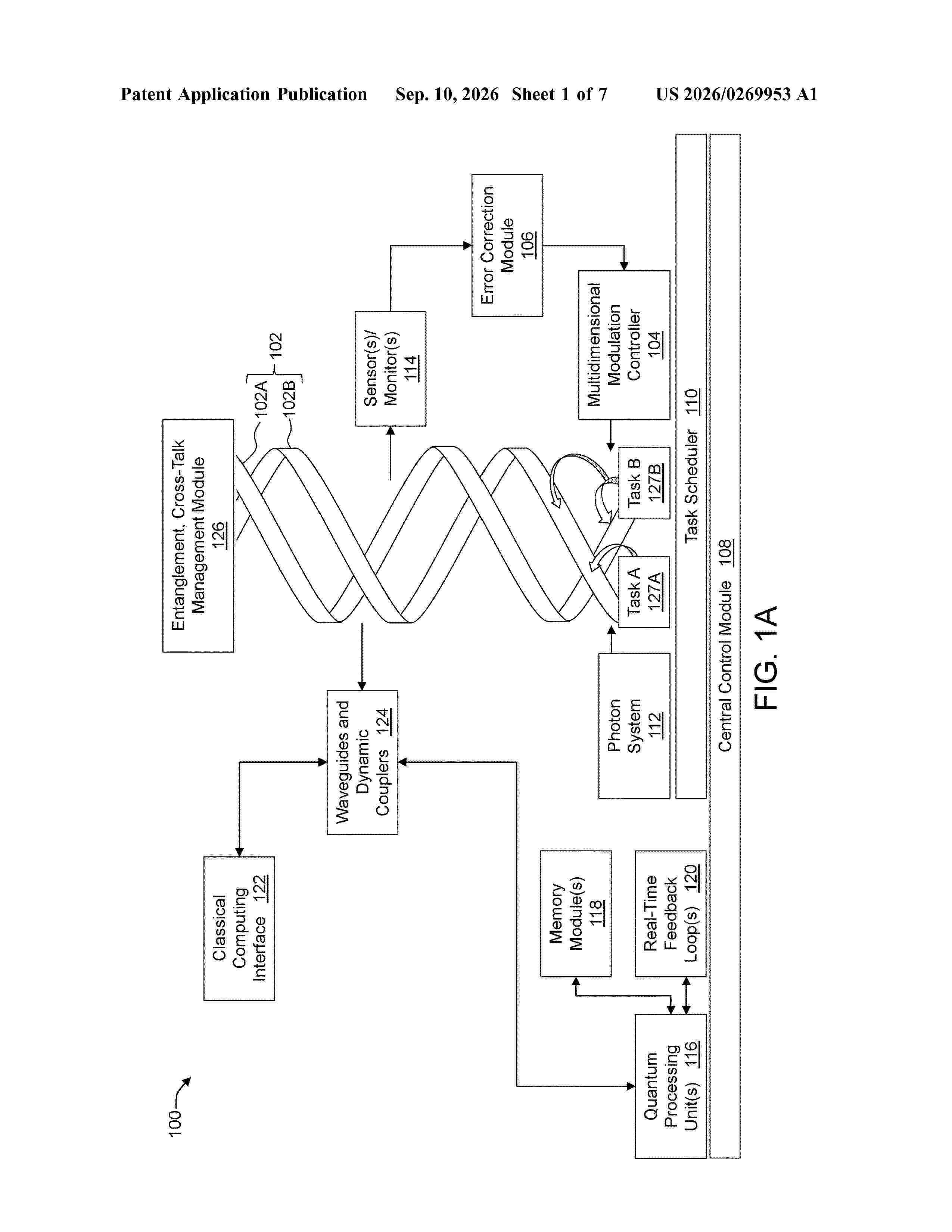
Resumen de: US20260269953A1
0000 An example quantum communication system configured for silent-interception detection includes a photon source, a modulation subsystem, a receiver, a trust evaluation engine, and a reconfiguration controllers. The photon source is configured to generate photons. The modulation subsystem is configured to encode the photons across: at least two quantum state dimensions, multiple spatial emission points on a structured geometry, and discrete time bins. The receiver is configured to measure quantum state properties, spatial emission positions, and temporal alignment. The trust evaluation engine is configured to compute a composite interception score based on cross-dimensional disturbance metrics. The reconfiguration controller is configured to modify transmission parameters responsive to the composite interception score.
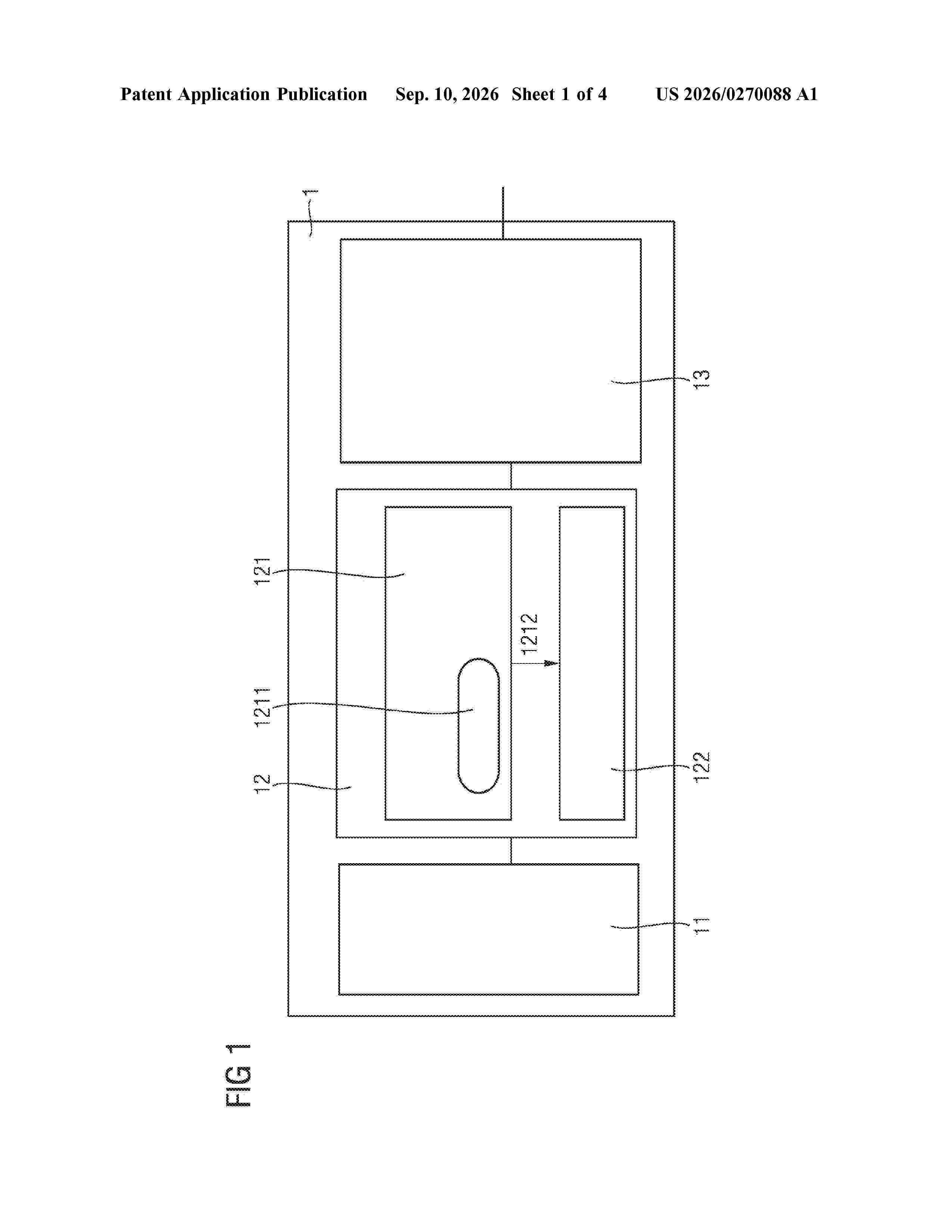
Resumen de: US20260270088A1
Various embodiments of the teachings herein include a verification unit. An example includes: a capture unit to capture an authentication and key agreement protocol sequence; a generation unit to derive data associated with the sequence from the sequence by including a notarization guideline; and an authentication unit to protect the integrity of the data by forming integrity-protected data. The authentication unit comprises a signature unit to deliver the integrity-protected data in signed form using: a post-quantum secure signature method or a post-quantum secure key encapsulation mechanism or a classical cryptographic digital signature method. The system includes a delivery unit to deliver the integrity-protected data.
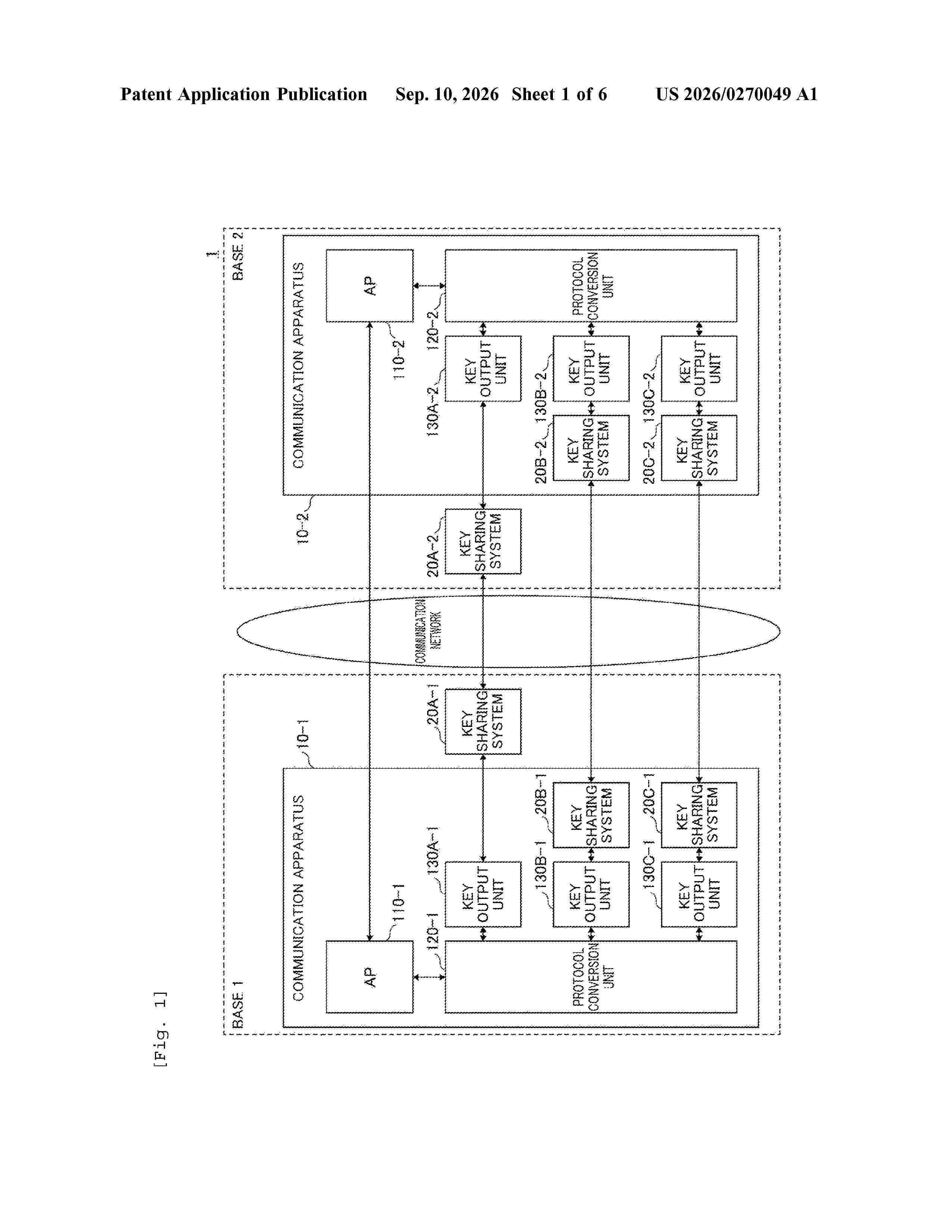
Resumen de: US20260270049A1
A communication system according to one aspect of the present disclosure is a communication system that includes a plurality of communication apparatuses, wherein each of the communication apparatuses includes an application program configured to perform encrypted communication with another communication apparatus; and a switching unit configured to switch a key sharing scheme for generating a shared key to be used for the encrypted communication, and the switching unit is configured to switch to another key sharing scheme when the shared key cannot be generated by the key sharing scheme being used at present.
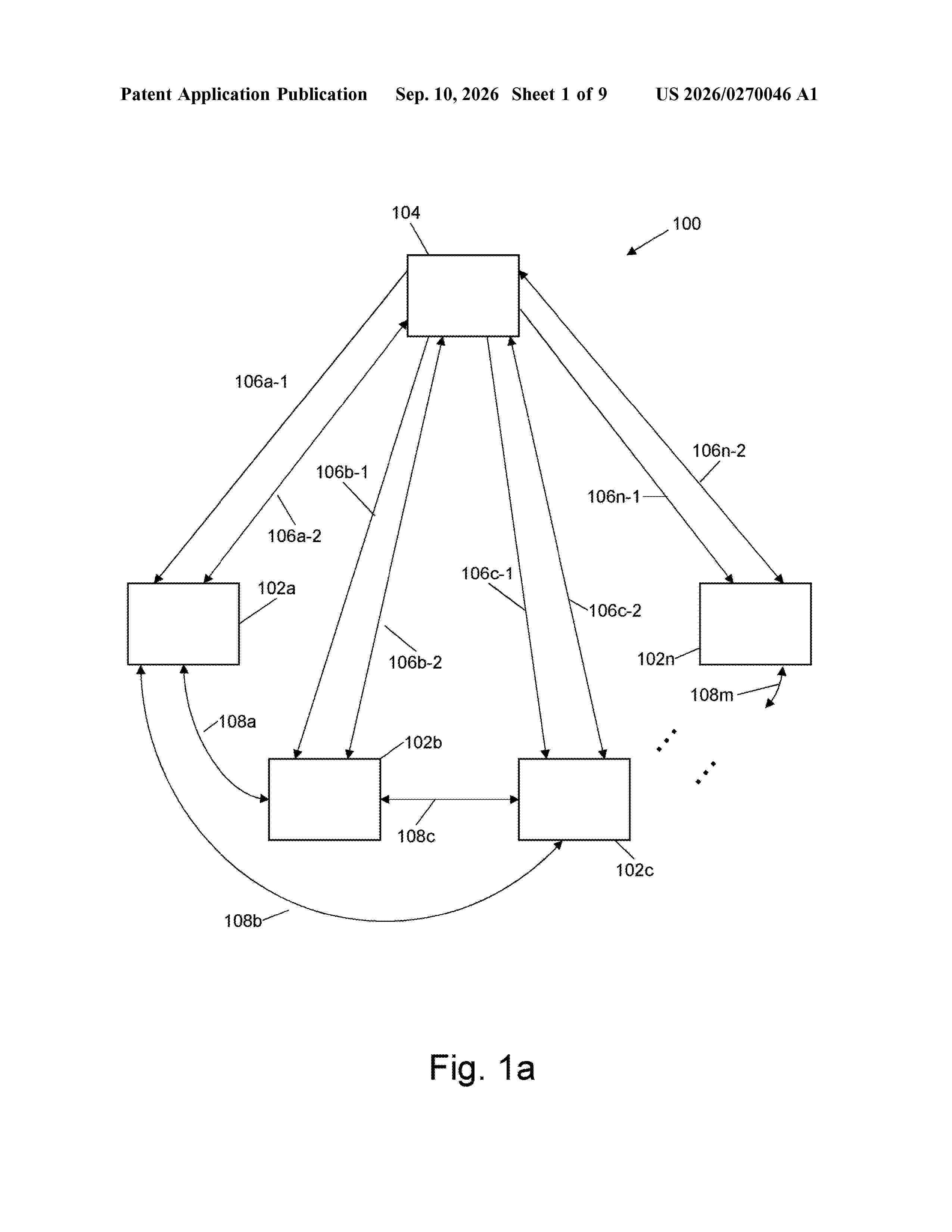
Resumen de: US20260270046A1
A method for generating a group key for a group of endpoint devices in a communication system that includes the group of endpoint devices and an intermediary device (ID)communicatively lined to each of the endpoint devices by a respective quantum communication channel and a respective classical communication channel, the method includes agreeing, between the ID and each of the endpoint devices, a respective QKD key, Kn, over the corresponding quantum communication channel; determining a group key for secure communication within the group of endpoint devices; sending respective group key information from the ID to each of the endpoint devices over the corresponding classical communication channel; and deriving, by each of the endpoint devices, the identity of the group key the respective group key information includes information useable by the corresponding endpoint device to derive the identity of the group key, said information being encrypted with the respective agreed QKD key.
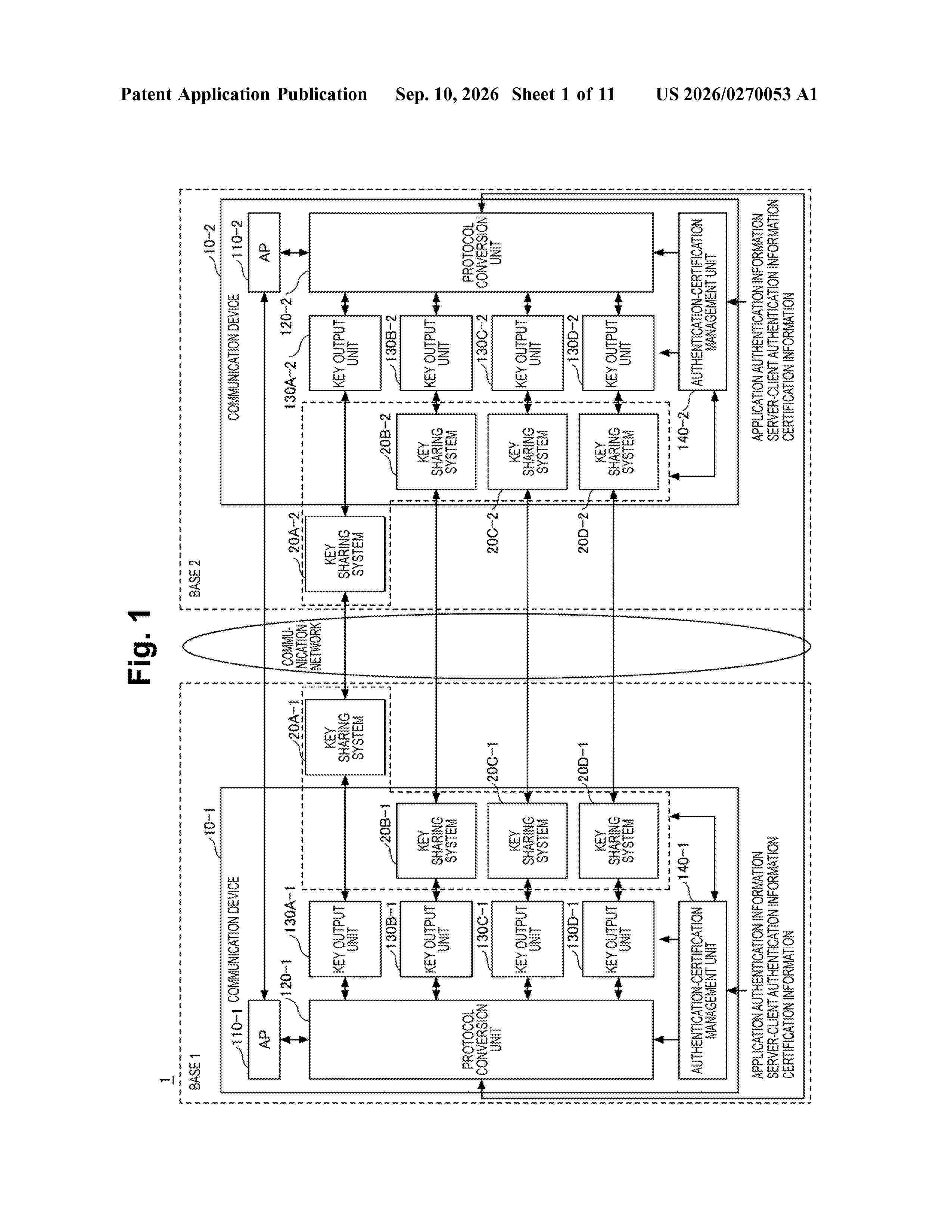
Resumen de: US20260270053A1
A communication system according to one aspect of the present disclosure includes a plurality of communication devices, wherein the communication device includes: a key generation unit configured to generate a shared key for performing encrypted communication with another communication device and second identification information for identifying the shared key, by using one or more keys shared with the another communication device by one or more key sharing methods and first identification information for identifying each of the one or more keys; a verification unit configured to verify whether or not a shared key identified by the second identification information is same as a shared key of the another communication device; and an encrypted communication unit configured to perform encrypted communication with the another communication device by using the shared key when it is verified that the shared key identified by the second identification information is the same as the shared key of the another communication device.
Resumen de: NL2036178B1
0001 ABSTRACT A photonic integrated system (100) for generating random numbers, comprising a non- coherent light source (112) and a light scattering medium (116) configured to receive light from the non-coherent light source (112) and output scattered light to be processed together with non-scattered light from the light source (1 12) to produce light signals for generating the random numbers. The light scattering medium is configured to scatter light received from a first light splitter to obtain scattered light and to output the scattered light to a second light splitter. +Fig. 1
Resumen de: US20250148071A1
0000 A system performs a set of cryptographic operations at least by utilizing an API to cause execution of a set of one or more secure element (SE) applications within the SE platform runtime environment of a first computing entity. The set of cryptographic operations include generating a first shared secret, generating a ciphertext at least by encapsulating the first shared secret with a first public key associated with a second computing entity in accordance with an encapsulation algorithm, and transmitting the ciphertext from the first computing entity to the second computing entity. The second computing entity derives the first shared secret by decapsulating the ciphertext with a private key corresponding to the first public key. The first computing entity and the second computing entity then exchange at least one encrypted message, encrypted with an encryption key that includes, or is based at least in part on, the first shared secret.
Resumen de: EP4804456A1
0001 A quantum key distribution (QKD) receiving device includes N input ports connected to N transmission lines, respectively, the N transmission lines being relevant to a specific QKD link and respectively transmitting N divided optical signals obtained by division of an optical signal in a QKD transmission device and being connected to the QKD transmission device, a QKD receiving unit that performs at least quantum key distillation processing, a switch that switches a connection line connected to the QKD receiving unit via one of the input ports, among the N transmission lines, and a control unit that selects a switching destination line of the connection line from at least one transmission line excluding a first transmission line among the N transmission lines in a case where the first transmission line among the N transmission lines is the connection line and a communication failure of the first transmission line has occurred.
Resumen de: US20260260199A1
0000 The present disclosure provides a method of facilitating automated regulatory compliance determination. Further, the method may include receiving, using a communication device, a compliance input data from a regulatory data source. Further, the method may include receiving, using the communication device, an operational input data from an enterprise system. Further, the method may include determining, using a processing device, a compliance status data by processing the compliance input data and the operational input data using a quantum-inspired neural network. Further, the method may include generating, using the processing device, a compliance output data based on the compliance status data. Further, the method may include storing, using a storage device, the compliance output data. Further, the method may include transmitting, using the communication device, the compliance output data to a client system.
Resumen de: US20260261431A1
0000 A system (100) for authenticating digital communications comprises a sender layer (102) and a receiver layer (104). The sender layer (102) comprises a signing layer (110) configured to intercept outbound communications from a verified human identity prior to transmission, wherein the verified human identity is registered to a public identity record (109), an identity anchor (108) binding a signing key to the verified human identity, and a verification artifact generated by the signing layer (110), the verification artifact encoding the identity anchor (108) of the verified human identity. The receiver layer (104) comprises a public verification protocol (114) enabling a receiving system to receive the outbound communications and validate the verification artifact against the public identity record (109) to confirm authenticity of the outbound communications.
Resumen de: US20260261410A1
The present disclosure provides a method for a transmitting terminal to transmit information on a quantum channel in a quantum communication system. More specifically, the method comprises generating a single photon pair related to a polarization coding for transmission of the information; generating a transmission information sequence including (i) a message sequence related to the information and (ii) a checking sequence related to a quantum bit error rate (QBER) estimation for determining whether there is eavesdropping on a quantum channel, the checking sequence being randomly inserted between sequence elements of the message sequence; performing either (i) an encryption or (ii) a scrambling on the information sequence; transmitting, to a receiving terminal, quantum information generated based on the polarization coding for the information sequence, to which either (i) the encryption or (ii) the scrambling is applied, on the quantum channel; performing the QBER estimation with the receiving terminal; and transmitting, to the receiving terminal, information for restoring the information sequence, to which either (i) the encryption or (ii) the scrambling is applied, based on a result of the QBER estimation.
Resumen de: WO2026179321A1
The present disclosure relates to the technical field of communications, and provides a user identity information protection method and apparatus, and a related device. The method comprises: in response to an identity registration request of a terminal, selecting a target protection strategy from among a plurality of information protection strategies, wherein the target protection strategy uses a key agreement algorithm and/or a quantum key algorithm to generate a shared key between the terminal and a network side; generating a first shared key on the basis of the target protection strategy, and using the first shared key to encrypt plaintext user identity information of the terminal to obtain encrypted user identity information; and sending the encrypted user identity information, an identifier of the target protection strategy, and corresponding parameters to the network side, so that the network side generates a second shared key on the basis of the identifier of the target protection strategy and the corresponding parameters, and uses the second shared key to decrypt the encrypted user identity information to obtain the plaintext user identity information. The present disclosure can not only effectively avoid the security risk brought by quantum computing, but also solve the problem of insufficient quantum keys.
Resumen de: EP4800972A1
0001 A method of monitoring an encrypted message received by a computing device using an application is provided. The method comprises the computing device receiving an encrypted message comprising cryptographic handshake data. The application determines a cryptographic algorithm of the encrypted message based on the cryptographic handshake data. The application determines whether the encrypted message is quantum-secure based on the determined cryptographic algorithm. The application generates an indication on the computing device that the encrypted message is quantum secure or an indication on the computing device that the encrypted message is not quantum secure.
Resumen de: EP4800967A1
The disclosure relates to a method and a communication system for establishing a plurality of secret cryptographic keys shared between a sending unit and a plurality of receiving units, wherein the sending unit is connected to the plurality of receiving units by a plurality of communication channels. The method comprises transmitting, at the sending unit, a first sequence of electromagnetic signal pulses to a first receiving unit among the plurality of receiving units via a first communication channel among the plurality of communication channels for establishing a first cryptographic key shared between the sending unit and the first receiving unit, wherein each electromagnetic signal pulse of the first sequence of electromagnetic signal pulses corresponds to a bit of a first random bit sequence according to a key distribution protocol. The method further comprises transmitting, at the sending unit, a second sequence of electromagnetic signal pulses to a second receiving unit among the plurality of receiving units via a second communication channel among the plurality of communication channels for establishing a second cryptographic key shared between the sending unit and the second receiving unit, wherein each electromagnetic signal pulse of the second sequence of electromagnetic signal pulses corresponds to a bit of a second random bit sequence according to the key distribution protocol. The method further comprises determining a first key bandwidth share for the first sequ
Resumen de: WO2025087609A1
There is herein described a method of performing Quantum Key Distribution (QKD), the method comprising generating a first quantum key by performing QKD between a first quantum transmitter at a first quantum node and a quantum receiver at a second quantum node, generating a second quantum key by performing QKD between the quantum receiver at the second quantum node and a second quantum transmitter at a third quantum node, encrypting data using the second quantum key, transmitting the encrypted data from the second quantum node to the third quantum node, wherein the data comprises, the first quantum key; and/or data received at the second quantum node from the first quantum node.
Resumen de: EP4800970A1
0001 The present invention relates to a receiver module for use in continuous-variable quantum key distribution, the receiver module comprising: a symmetric 3x3 optical coupler having three input ports and three output ports; a quantum channel for providing a quantum signal to the symmetric 3x3 optical coupler; an optical switch means arranged between the quantum channel and a first input port of the symmetric 3x3 optical coupler and configured to block or attenuate the quantum signal; a first single-ended photodetector and a second single-ended photodetector; and a signal processing unit configured to process the outputs of the single-ended photodetectors, wherein the first single-ended photodetector is coupled to a first output port of the symmetric 3x3 optical coupler and the second single-ended photodetector is coupled to a second output port of the symmetric 3x3 optical coupler.
Resumen de: EP4800968A1
The disclosure relates to a method for establishing a plurality of secret cryptographic keys shared between a sending unit and a plurality of receiving units, wherein the sending unit is connected to the plurality of receiving units by a plurality of communication channels. The method comprises transmitting, at the sending unit, at least one first electromagnetic test pulse to a first receiving unit among the plurality of receiving units via a first communication channel among the plurality of communication channels, and determining a first signal loss in the first communication channel based on the at least one first electromagnetic test pulse detected at the first receiving unit. The method further comprises transmitting, at the sending unit, a first sequence of electromagnetic signal pulses to the first receiving unit via the first communication channel for establishing a first cryptographic key shared between the sending unit and the first receiving unit, wherein each electromagnetic signal pulse of the first sequence of electromagnetic signal pulses corresponds to a bit of a random bit sequence according to a key distribution protocol. The method further comprises transmitting, at the sending unit, at least one second electromagnetic test pulse to a second receiving unit among the plurality of receiving units via a second communication channel among the plurality of communication channels, and determining a second signal loss in the second communication channel based on
Resumen de: US20260254620A1
0000 There is herein disclosed an apparatus for performing quantum key distribution, the apparatus comprising a first quantum terminal, the first quantum terminal being one of a first quantum transmitter/receiver pair, and a second quantum terminal, the second quantum terminal being one of a second quantum transmitter/receiver pair, wherein the first quantum terminal comprises a plurality of connected functional components which, in use, co-operate to perform quantum key distribution with the other of the first quantum transmitter/receiver pair, wherein, in use, one or more of the plurality of connected functional components co-operates with the second quantum terminal to perform quantum key distribution with the other of the second quantum transmitter/receiver pair.
Resumen de: US20260254622A1
Systems and methods for implementing a multi-axis measurement protocol to protect quantum information are disclosed herein. A method includes generating at least one input qubit data for transmission. Further, the method includes determining one or more qubit measurement operations to be performed on the qubit data. The method then include generating one or more entangled pairs of qubits comprising first set of qubits and second set of qubits. Also, the method includes creating entangled data by entangling the input qubit data with the first set of qubits. The method then includes performing the determined at least one appropriate qubit measurement operation on the created entangled data to orientate a state of the created entangled data before transmission. Further, the method includes generating two classic bits for the created entangled data based on the performed appropriate qubit measurement operation and transmitting to the receiver via a classic communication channel.
Resumen de: US20260254625A1
0000 Systems, methods, and quantum circuits for utilizing a joint modular multiplicative inverse operation to perform quantum decryption. First and second private keys are determined by applying first and second series of quantum phase estimation circuits to first and second pluralities of qubits. The private keys are determined further based on public keys and a base point P. The first and second series of quantum phase estimation circuits include application of a joint modular multiplicative inverse circuit on a first qubit of the first plurality of qubits and a second qubit of the second plurality of qubits that calculates a modular multiplicative inverse of a modular product of a first value of the first qubit and a second value of the second qubit. The first and second private keys are stored in a non-transitory computer-readable memory medium.
Resumen de: US20260254624A1
0000 Various aspects of the disclosure relate to verification of data sets used for real-time processes and/or batch processes. A computing platform negotiates, by a first quantum node, a shared key group with at least a second quantum node and calculates an exclusive or (XOR) value of a pair of the first quantum node and the second quantum node. The first quantum service node performs a shared key grouping with the second quantum node and then selects a quantum key relay link between a real-time node and a batch source node. The computing platform selects a corresponding state of all virtual quantum nodes associated with the quantum key relay link and encapsulates a virtual quantum link state between any two quantum service nodes in the quantum network into a database decision engine data file.
Resumen de: WO2026175532A1
Provided is a method for key distribution in a communication system comprising a source node, at least one intermediate node, and at least one destination node. The method comprises receiving a request for distributing a key to the at least one destination node, the request including a policy requirement for distributing the key from the source node via the at least one intermediate node to the at least one destination node. Furthermore, the method comprises distributing the key from the source node to the at least one destination node based on the policy requirement. A report is transmitted, the report providing feedback regarding the key distribution based on the policy requirement.
Nº publicación: US20260254623A1 27/08/2026
Solicitante:
NTT INC [JP]
NTT, Inc.
Resumen de: US20260254623A1
0000 A key exchange system includes: a quantum key distribution (QKD) network including a plurality of QKD apparatuses that performs exchange of a key and a plurality of key management apparatuses that relays the key; and a plurality of hub apparatuses that performs encrypted communication by using the key. One of the QKD apparatuses includes a processor configured to, in a case where the key is transmitted to an unreliable key management apparatus, use a secret key shared in advance with a hub apparatus that receives the key via the unreliable key management apparatus, and transmit the key subjected to an exclusive OR with the secret key to the unreliable key management apparatus. The hub apparatus includes a processor configured to, in a case where the key is received from the unreliable key management apparatus, use the secret key to calculate an exclusive OR of the secret key and the key.
 BOPI
BOPI
 Sede Electrónica