Si deseas distinguir tus productos, servicios o ambos de los de otra empresa, es posible que necesites una marca o nombre comercial. Descubre qué son, en qué consiste su procedimiento de registro y qué implica.

Información sobre los plazos de presentación de solicitudes de transformación de marcas de la Unión Europea en marca nacional española. Más información


Si tienes un nuevo dispositivo, producto o procedimiento que resuelva un problema técnico o tenga una ventaja práctica, existen distintas formas de protegerlo en España y en otros países. Descubre cómo hacerlo.

¿Tu innovación reside en la estética, la ornamentación o la apariencia de tu producto? Protégela mediante un diseño industrial. Descubre qué derechos confiere el registro y cómo realizar la tramitación.

Las indicaciones geográficas protegen el nombre de un producto originario de una zona geográfica, a la cual le debe una determinada calidad, reputación u otra característica. Descubre qué son, en qué consiste su procedimiento de registro y qué beneficios conceden.

Las patentes publicadas en todo el mundo son una valiosa fuente de información científica, técnica y comercial.

Si eres emprendedor/a o una empresa y quieres potenciar y mejorar la rentabilidad de tu negocio protegiendo de forma adecuada los activos intangibles de tu organización, en este espacio encontrarás lo necesario.


 76
resultados
76
resultados
 Última actualización
16/10/2026 [07:43:00]
Última actualización
16/10/2026 [07:43:00]


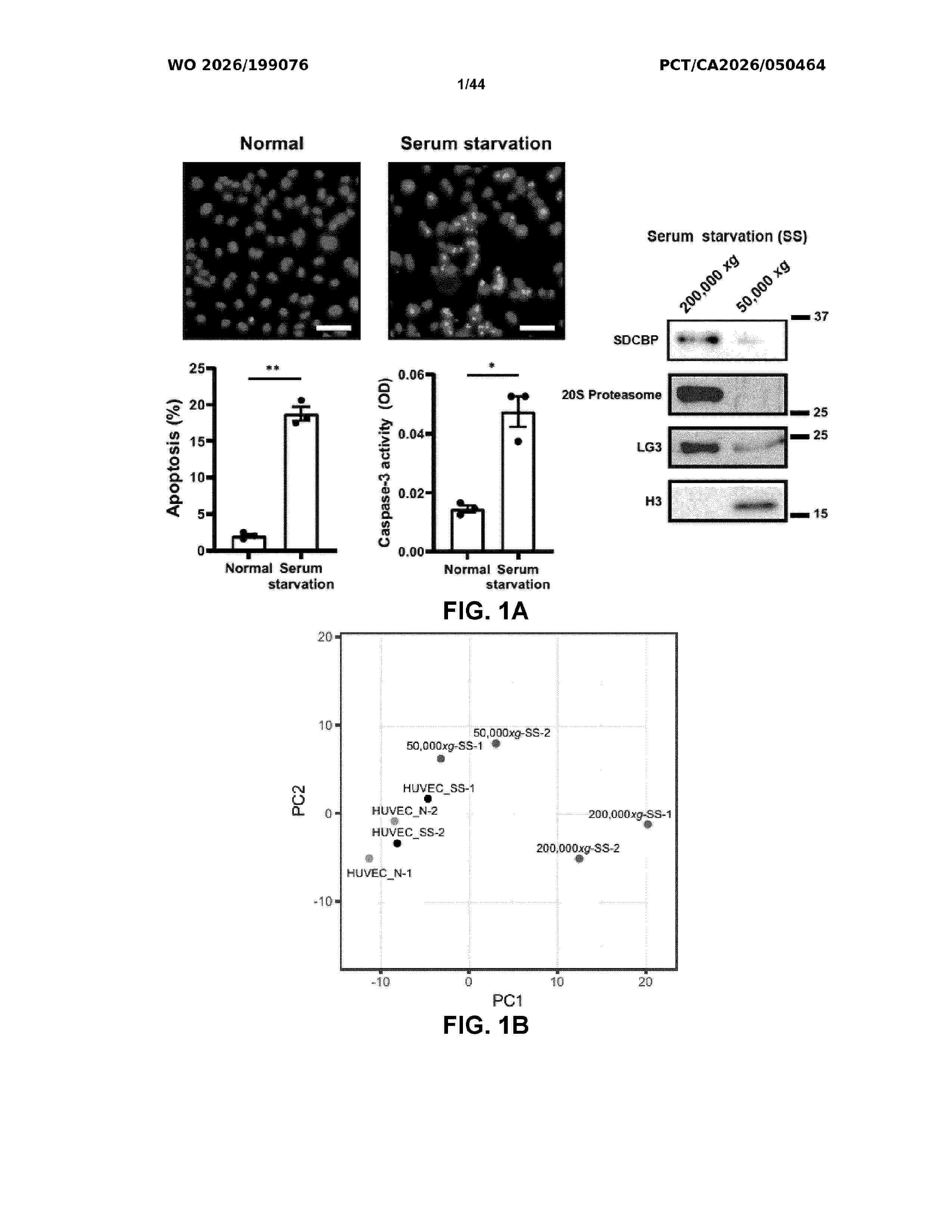
Resumen de: WO2026199076A1
Microvascular dysfunction has a wide array of clinical presentations, ranging from ischemic heart disease to renal failure, stroke, blindness, pulmonary arterial hypertension, and dementia. Unfortunately, the lack of clinically reliable biomarkers of microvascular injury or dysfunction is a major roadblock for assessing and preventing microvascular rarefaction in patients. Also, currently, there are no medications that can effectively treat and prevent microvascular diseases. The present application discloses methods for treating a microvascular disease and/or dysfunction in a subject based on the administration of miR-423-5p, let-7b-5p, let- 7a-5p, miR-30a-3p and/or let-7c-5p miRNA or RNA interfering agent mimicking one or more of these miRNAs. The present application discloses methods for assessing the risk of suffering from a microvascular disease or dysfunction by measuring the levels of at least one of miR-423-5p, let-7b-5p, let-7a-5p, miR-30a-3p and/or let-7c-5p miRNA in a sample.

Resumen de: AU2026223366A1
% % $* $ + ($ + % $* $ ( $ + % $!, - % ./%0$ - 1!#,.02 % Abstract ug b s t r a c t u g
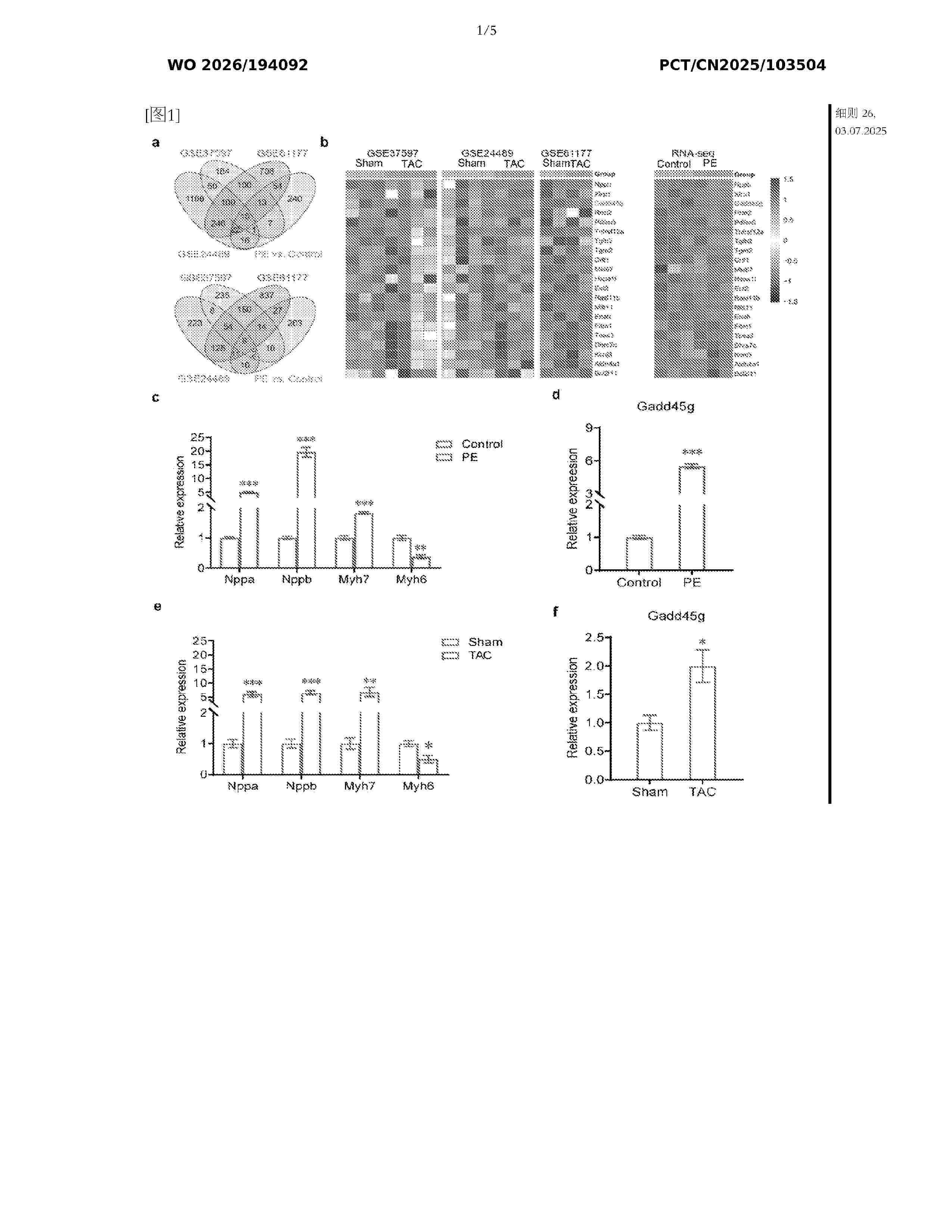
Resumen de: WO2026194092A1
Provided is a use of Gadd45g as a biomarker for cardiac hypertrophy. Provided is a use of a substance capable of reducing the activity and/or expression level of Gadd45g in peripheral blood and/or myocardial tissue. Further provided is a use of a substance targeting Gadd45g in the preparation of products. Provided is a use of mice having reduced Gadd45g activity and/or expression level in the preparation and/or screening of drugs. Provided is a kit for detecting Gadd45g.
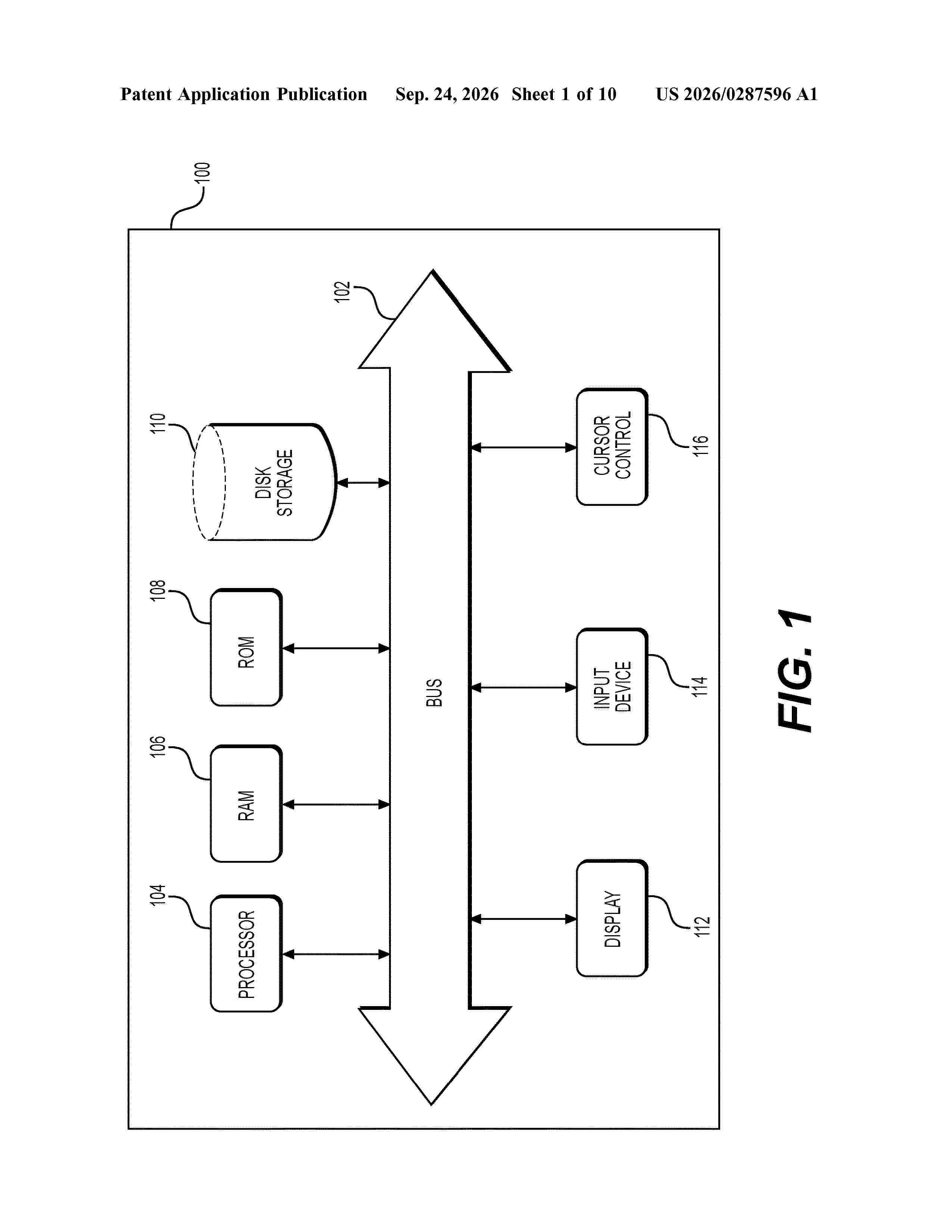
Resumen de: US20260287596A1
Methods and compositions disclosed herein generally relate to methods of identifying, validating, and measuring clinically relevant, quantifiable biomarkers of diagnostic and therapeutic responses for blood, vascular, cardiac, and respiratory tract dysfunction, particularly as those responses relate to septic shock in pediatric patients. Certain aspects of the invention relate to identifying one or more biomarkers associated with septic shock in pediatric patients in combination with one or more endothelial-derived biomarkers, receiving a dataset comprising biomarker concentrations, wherein the dataset is from a sample obtained from a pediatric patient having at least one indication of septic shock, then determining whether the biomarker concentrations of each of the at least one biomarkers are greater than one or more pre-determined cut-off biomarker concentration, wherein the level of said biomarker correlates with a predicted outcome.
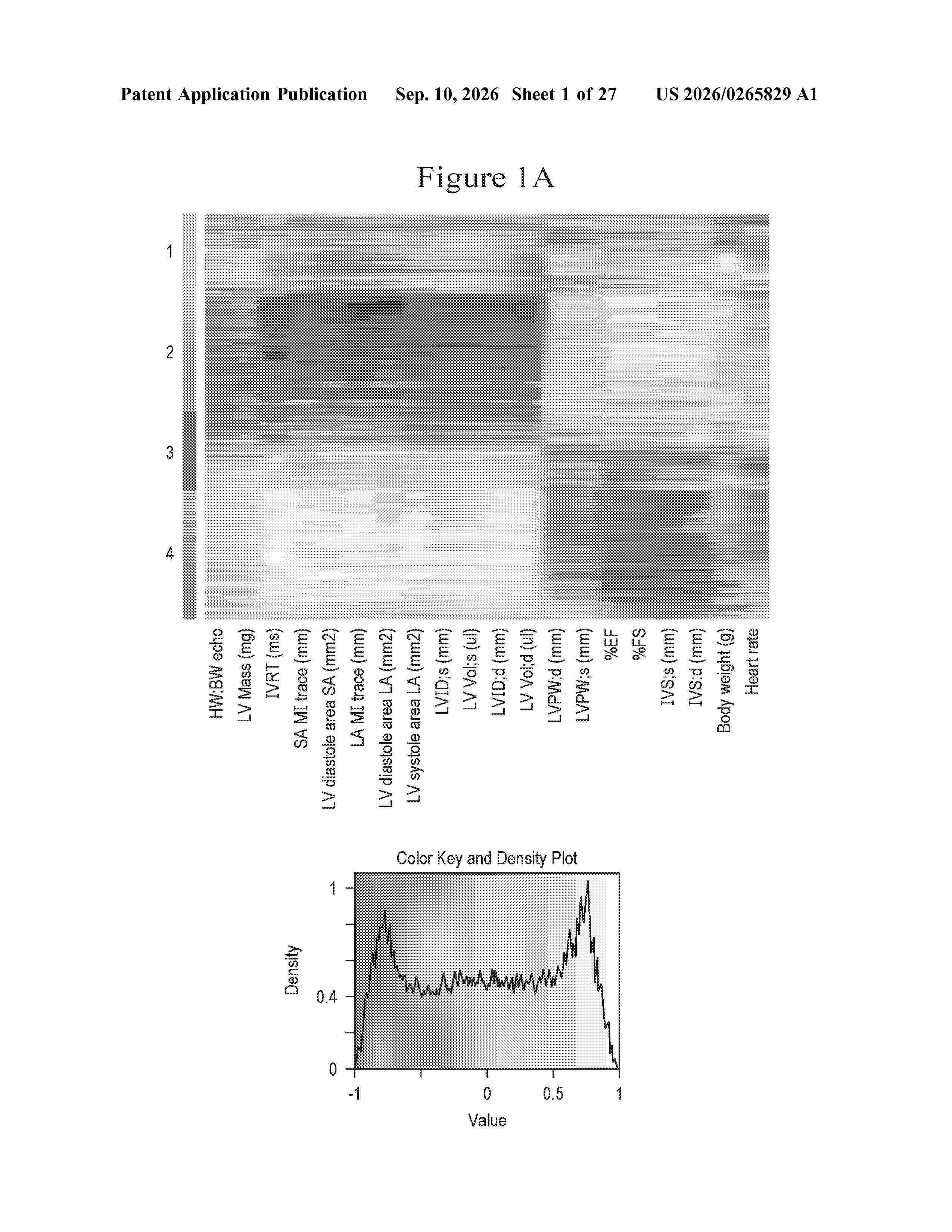
Resumen de: US20260265829A1
Provided herein are lncRNAs and methods for diagnosing cardiac pathologies in a subject. Also provided are methods for treating a cardiac pathology in a subject comprising administering to said subject an effective amount of a modulator of one or more lncRNAs.
Resumen de: WO2025093713A1
The present invention relates to a method for identifying a compound that increases the expression, amount and/or biological activity of the gene ZBTB16 in a cell of a subject, in particular a cardiac cell. Further provided are pharmaceutical compositions comprising compounds that increase the expression, amount and/or biological activity of the gene ZBTB 16 in a cell of a subject for use in medicine, in particular for use in the prevention or treatment of cardiovascular pathologies in a subject, in particular age-induced diastolic dysfunctions. Further provided are diagnostic methods, and kits.
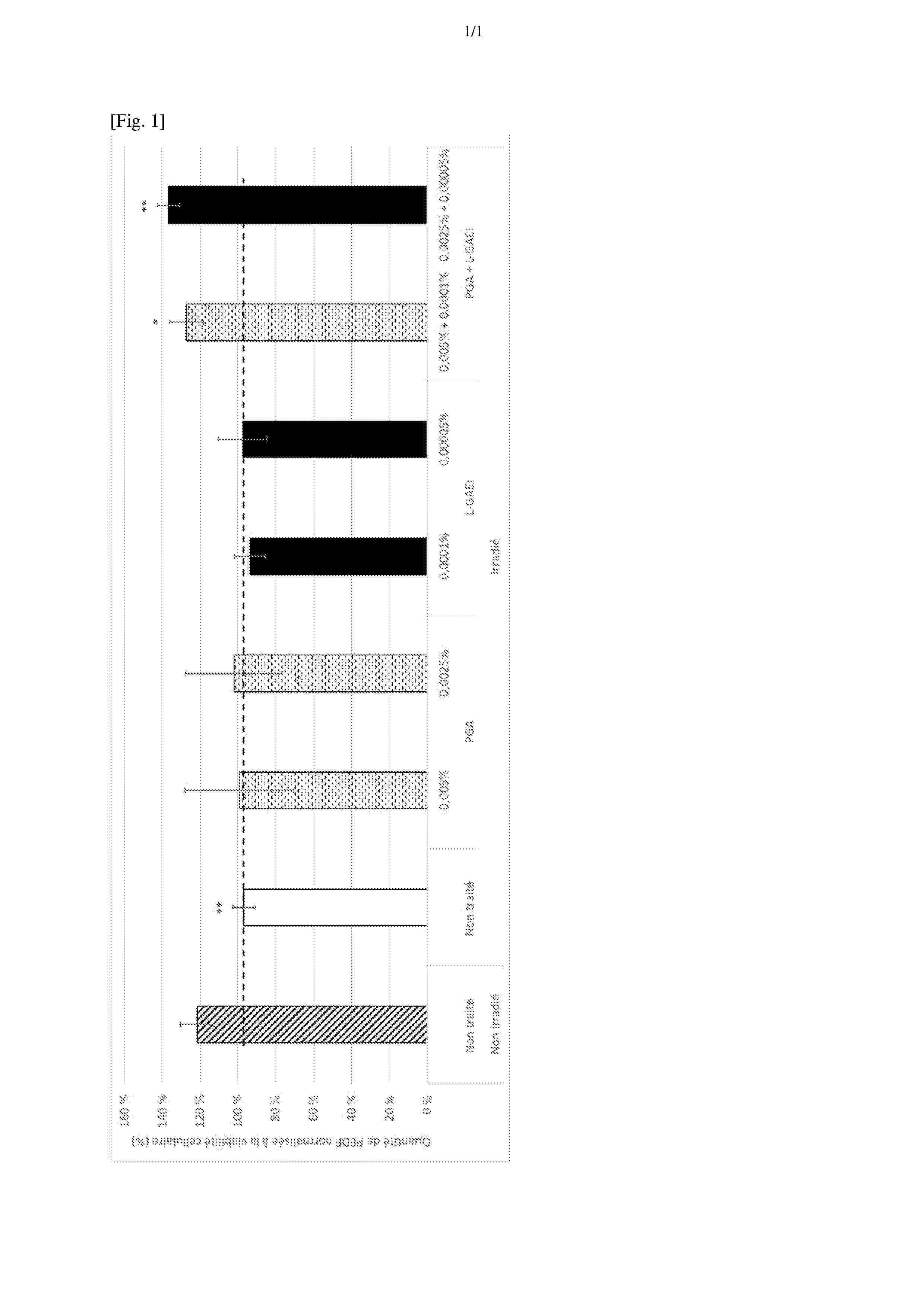
Resumen de: WO2025088286A1
The invention relates to a cosmetic composition, advantageously an ecobiological cosmetic composition, comprising: - polyglutamic acid or a salt thereof; and - at least one peptide derivative represented by general formula (I), in which: - R1 represents a hydrogen atom, an acyl radical or an acyloxy radical; and - R2 represents the side chain of an α-amino acid selected from the group consisting of: tryptophan, glutamic acid, arginine, cysteine, methionine, histidine and tyrosine. The invention also relates to the use of the cosmetic composition for combatting skin redness and/or skin ageing; to the use thereof for preventing and/or combatting cutaneous hypervascularisation and/or skin inflammation and/or rosacea; and to a method for selecting compounds suitable for preventing and/or combatting these conditions.
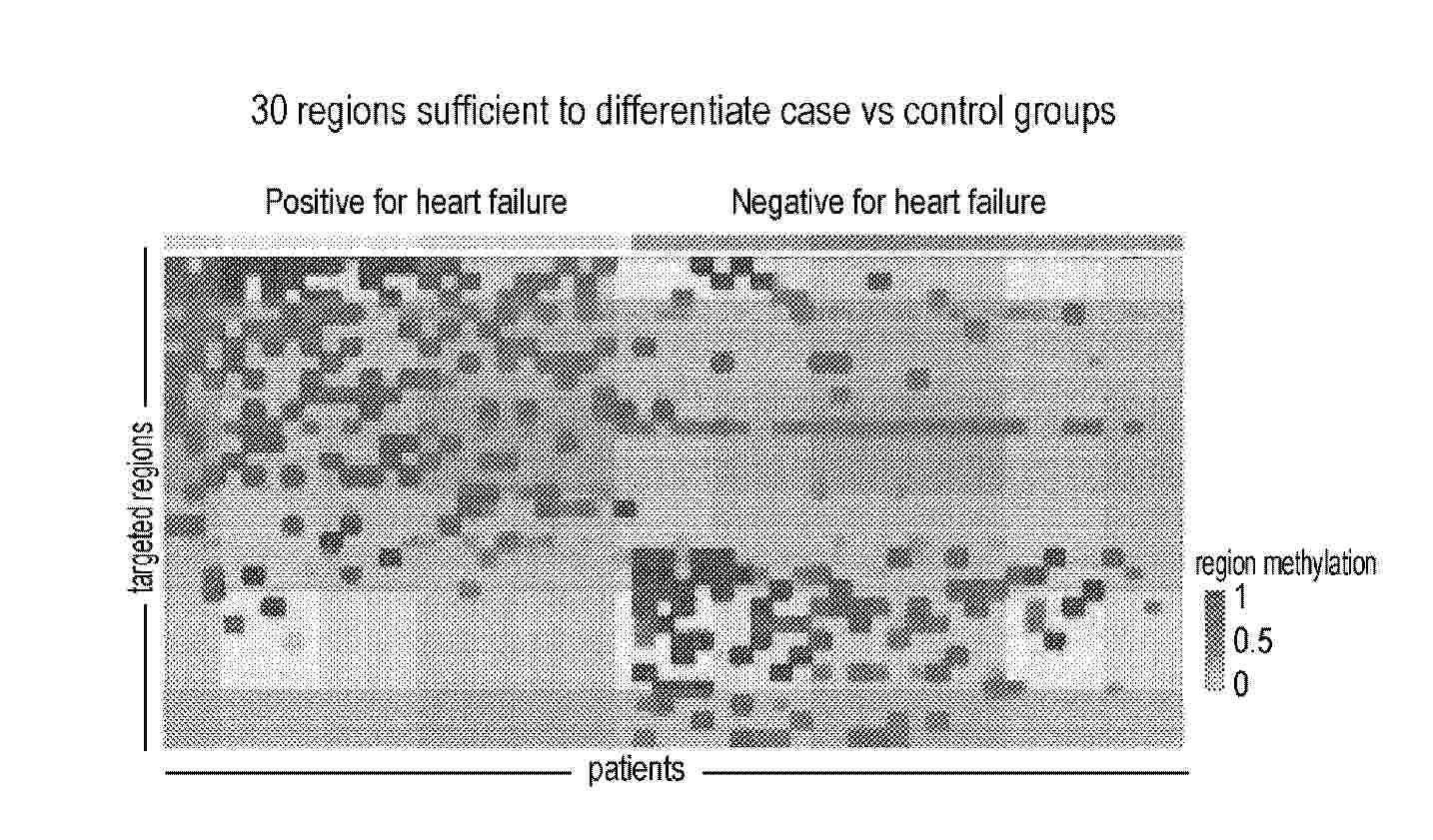
Resumen de: WO2025085784A1
Disclosed herein are methods, compositions, and devices for use in diagnosis and treatment of disease, including cardiovascular disease, and such disease and dysfunction as related to cancer therapy administration. The methods include sequencing a panel of regions in cell-free nucleic acid molecules and detecting one or more biomarkers that are indicative of a cardiovascular disease and dysfunction.
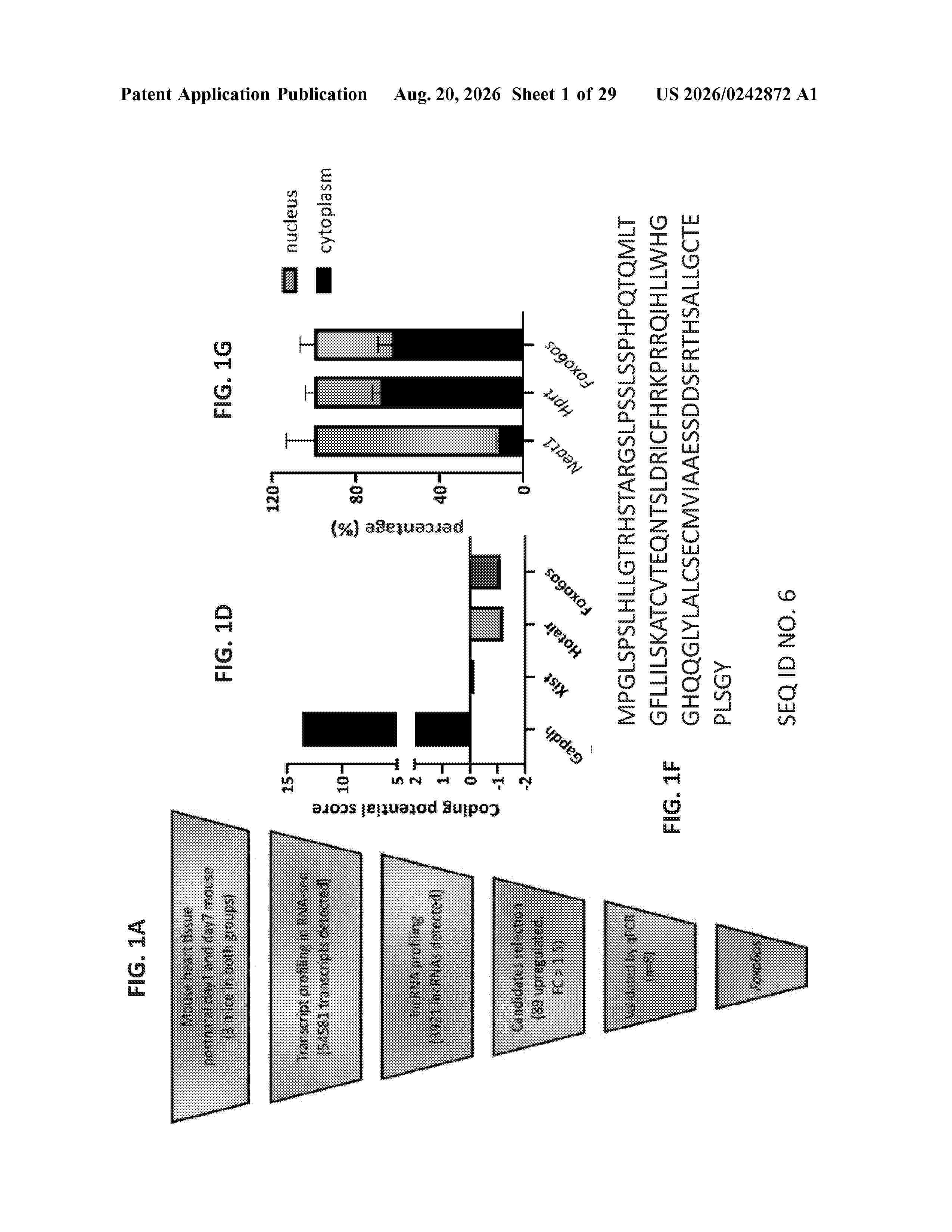
Resumen de: US20260242872A1
0000 The present invention relates to a long non-coding RNA as a therapeutic target in cardiac disorders.
Resumen de: US20260235604A1
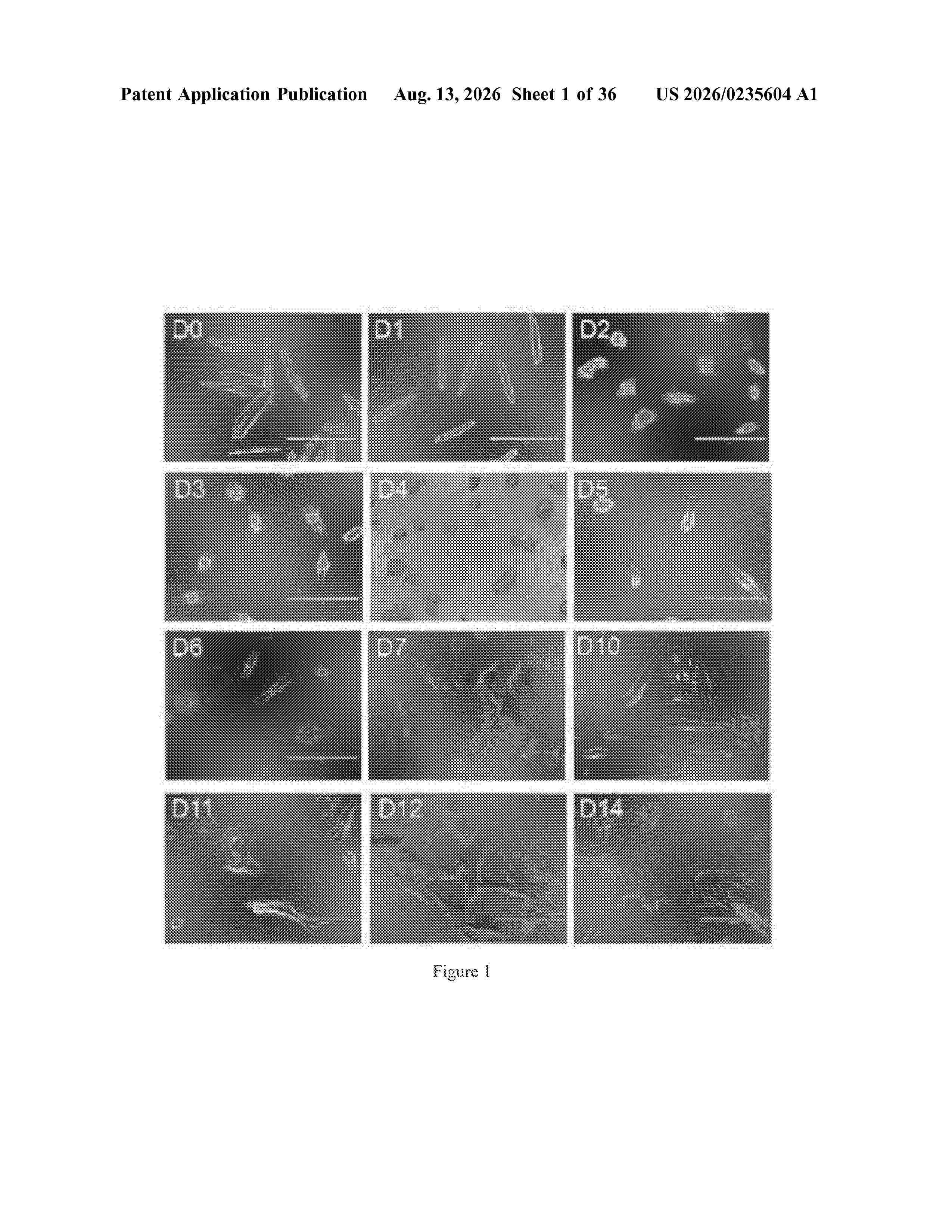
The present invention relates to the Asparagine Synthetase (Asns) gene and the role it plays in cardiomyocyte dedifferentiation and cardiac regeneration. More particularly, the invention is directed to the detection of ASNS expression as a diagnostic marker for cardiomyocyte dedifferentiation and cardiac regeneration; therapeutic up- and downregulation of ASNS expression to augment dedifferentiation-regeneration or suppress dedifferentiation-regeneration; and methods of screening for ASNS inhibitors, activators and regulators of cardiomyocyte dedifferentiation activity. Also disclosed are vectors, probes, therapeutics and kits.
Resumen de: WO2026167636A2
The present invention provides methods, systems, platforms, kits and computer- implemented processes for predicting, diagnosing, classifying, profiling diabetes, prediabetes (or intermediate hyperglycemia) and diabetes-related cardiometabolic disorders and complications in a subject, and for performing precision treatment selection and clinical decision-making. In some embodiments, the invention comprises individual modules, wherein each module generates outputs comprising one or more of disease risk stratification, subtype classification, complication risk prediction, pharmacogenomic predictions, and treatment recommendations. In certain embodiments, the invention further provides an integrated, multi-method, multi-functional system, platform, kit or computer-implemented method wherein two or more of the individual modules are integrated to generate individualized health data for personalized management, selection for participation in clinical trials and generation of real-world evidence to complement clinical trial evidence for evaluation of safety, tolerability, clinical effectiveness and cost-effectiveness of interventions. Other example embodiments are described herein.
Resumen de: US20260234726A1
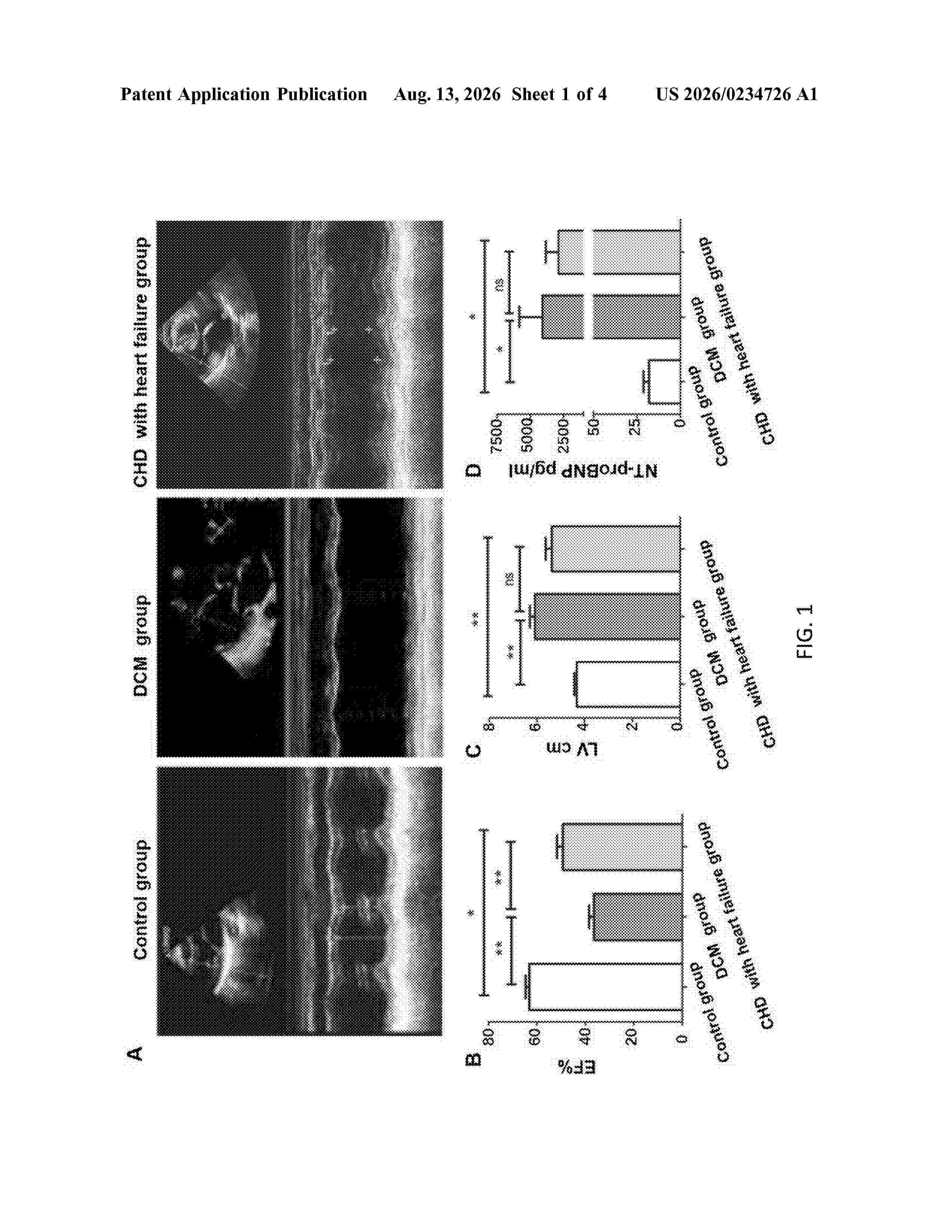
This invention relates to a biomarker combination, diagnostic kits and methods for diagnosis of dilated cardiomyopathy, and use of the biomarker combination in preparation of the diagnostic kits for dilated cardiomyopathy. The biomarker combination comprises miR-126-5p and a tyrosine phosphorylation level of PECAM-1 proteins, wherein an expression level of miR-126-5p is upregulated in patients with dilated cardiomyopathy, and the tyrosine phosphorylation level of PECAM-1 protein is increased in the patients with the dilated cardiomyopathy.
Resumen de: WO2026170058A1
Methods, kits, and computer-implemented systems are provided for diagnosing, predicting, or treating atherosclerosis or progression thereof in a subject.
Resumen de: KR20260122752A
본 발명은 요독성 심근병증 진단용 신규 바이오마커 및 이의 용도에 관한 것으로, 요독성 심근병증 진단용 신규 바이오마커를 발굴함으로써 요독성 심근병증을 조기에 진단하고 적합한 치료법을 제공하여 환자의 예후 개선, 의료비 절감 등에 기여할 수 있다.
Resumen de: CN122516362A
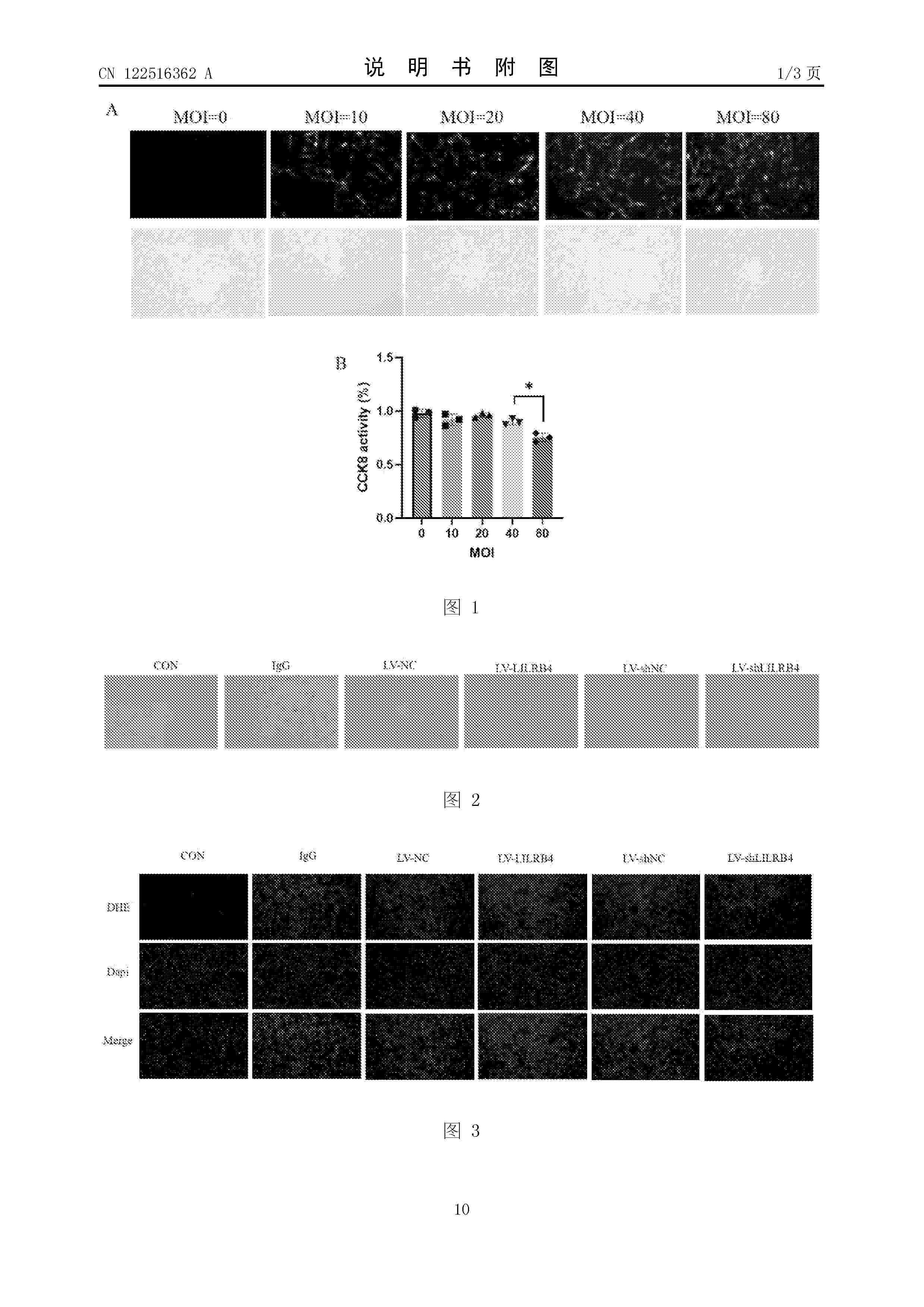
The invention discloses an application of an LILRB4 gene as a target spot for preventing or treating vascular senescence, and experiments prove that by inhibiting expression of the LILRB4 gene, a remarkable vascular senescence resisting effect is shown in the cell level and the animal level. In a cell experiment, down-regulation of the LILRB4 can obviously relieve mitochondrial damage of human aortic vascular smooth muscle cells (HAVSMCs), reduce the level of reactive oxygen species (ROS) and improve mitochondrial membrane potential (JC-1 staining), so that the functional integrity of mitochondria is protected; beta-galactosidase staining results prove that down-regulation of LILRB4 can significantly inhibit the aging process of HAVSMCs, and cell aging can still be effectively delayed even under the aging induction condition (1.2 mg/ml stimulation for 24 hours). In animal experiments, down-regulation of the LILRB4 shows various treatment effects in vascular aging model mice.
Resumen de: CN122521848A
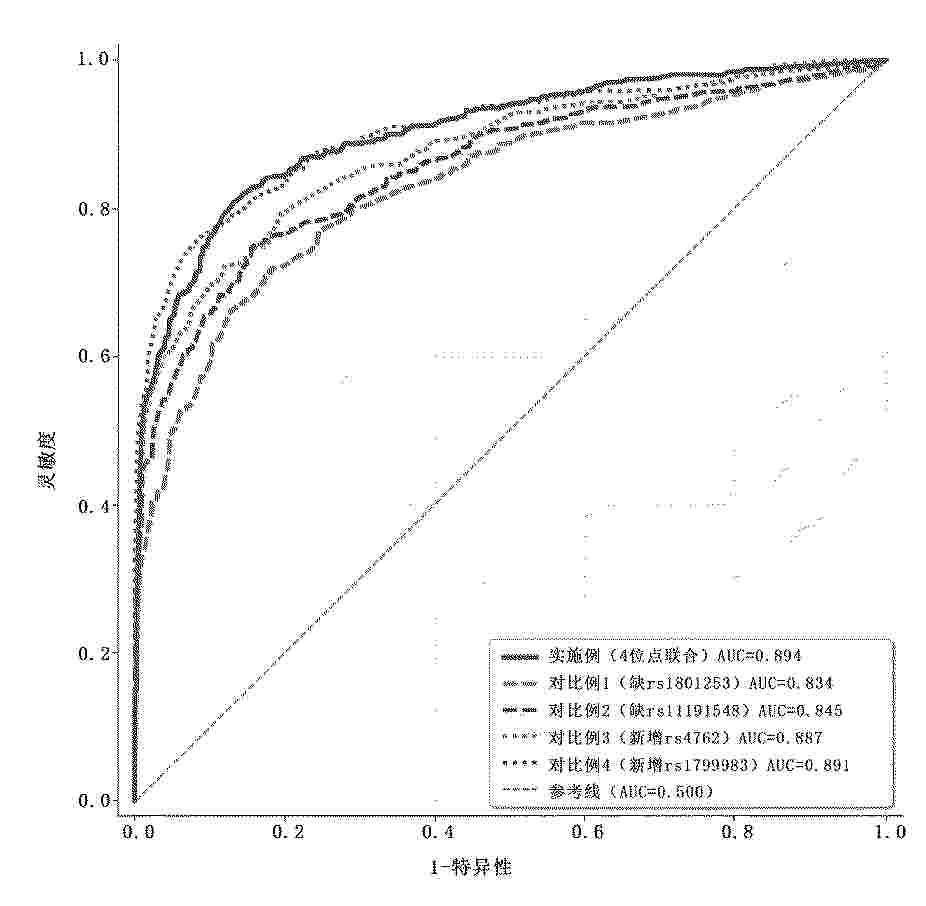
The invention belongs to the technical field of biology, and particularly relates to a marker combination, a reagent, a method, a product and application for hypertension risk assessment. The marker combination is composed of four SNP (Single Nucleotide Polymorphism) loci, namely, rs1801253, rs7305099, rs11191548 and rs699. The detection method comprises the following steps: acquiring a to-be-detected sample, extracting DNA, detecting the genotype of the marker combination, calculating a weighted genetic risk score based on the effect quantity of each SNP site, and determining a risk grade according to the score. The four SNP sites covering sympathetic nerve regulation, drug metabolism, steroid hormone synthesis and a renin-angiotensin system are combined, the weighted genetic risk scoring model is combined, the hypertension risk of an individual can be simply and efficiently evaluated, and the method has the advantages of being low in cost, easy and convenient to operate and high in prediction accuracy; the method can be used for early screening and risk stratification of hypertension high-risk groups.
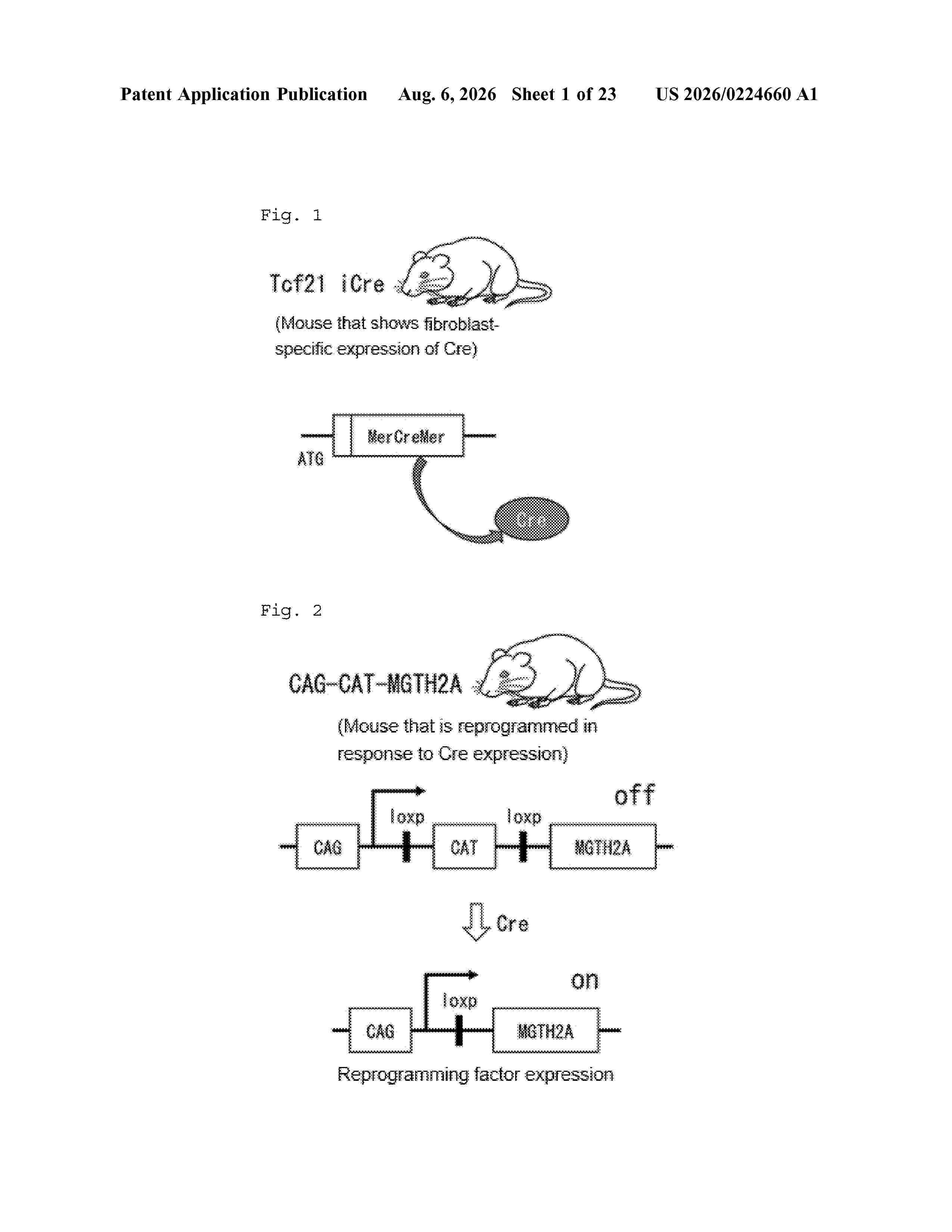
Resumen de: US20260224660A1
The cardiac diastolic function-improving agent according to an embodiment of the present invention comprises a polynucleotide encoding a reprogramming factor polypeptide Gata4.
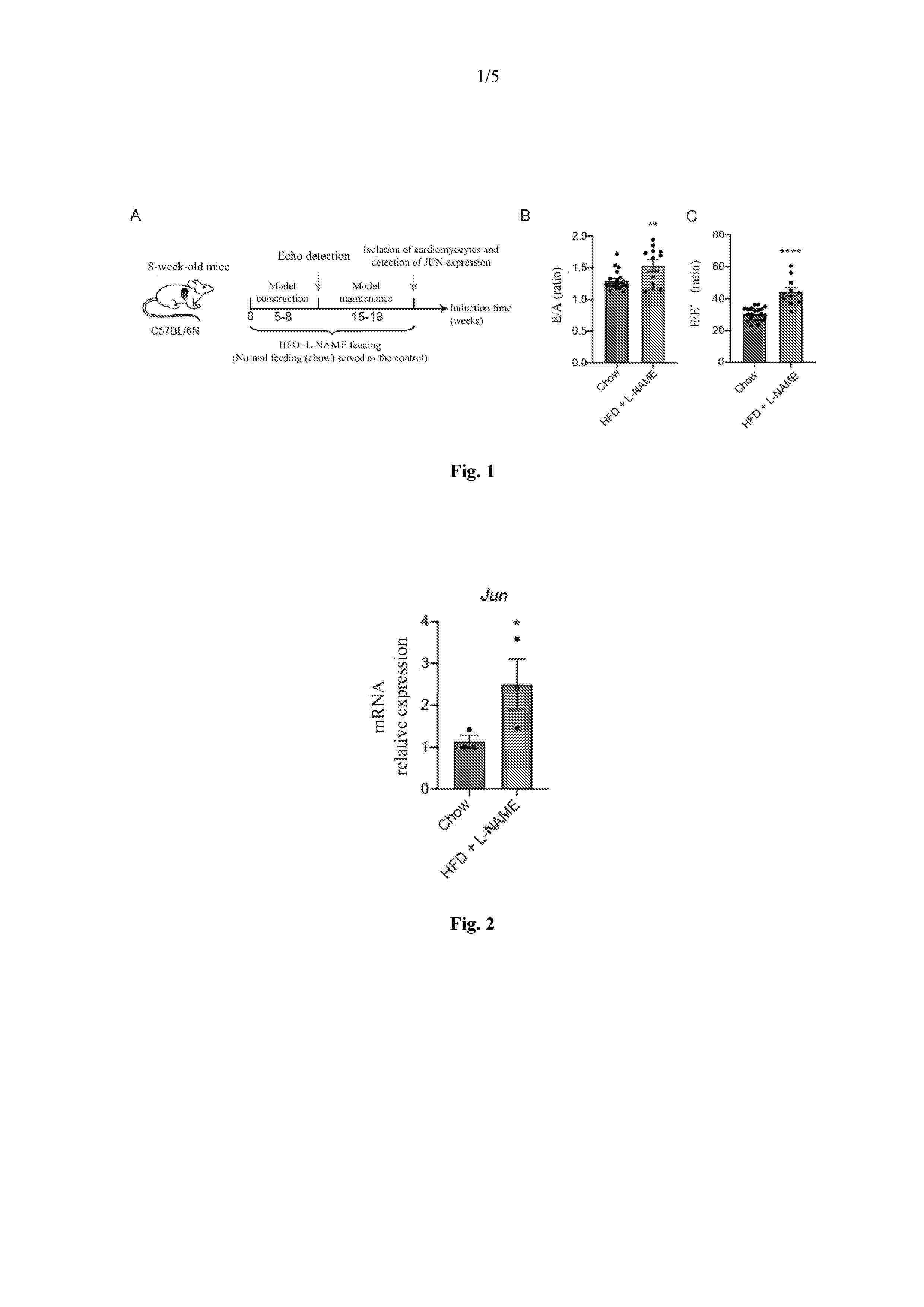
Resumen de: AU2025213424A1
The present invention relates to the field of disease treatment, and particularly to use of a reagent capable of inhibiting or knocking out Jun gene expression in the treatment of heart failure with preserved ejection fraction (HFpEF) and a method for drug screening.
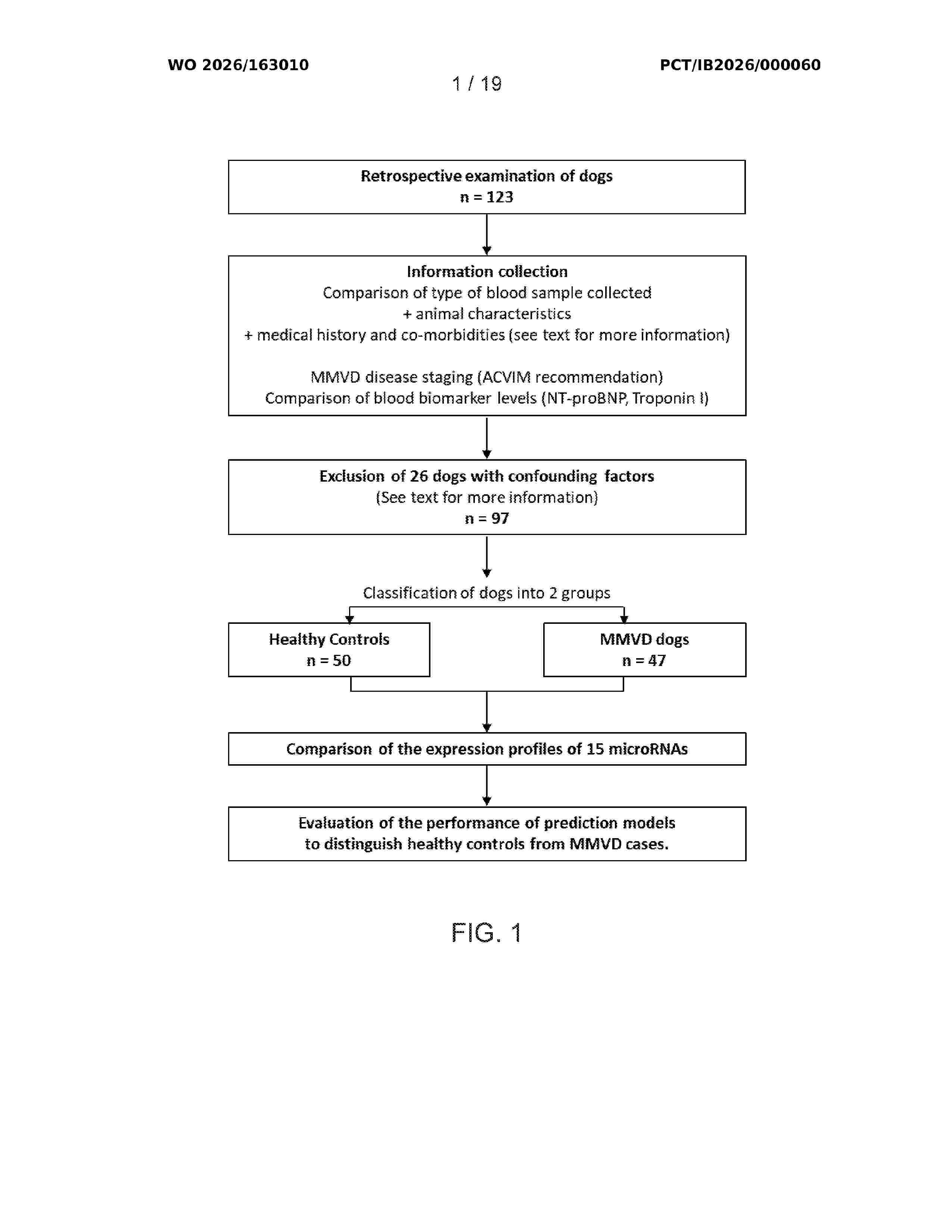
Resumen de: WO2026163010A2
A method of assessing expression profiles of miRNA markers using predictive classification models to distinguish between non-diseased and diseased mitral valve disease, non-diseased and diseased DCM, non-diseased and diseased HCM. Additionally, an assessment of the same method is provided to discriminate pre-clinical from clinical MMVD or DCM patients. Also provided is a method of differentially diagnosing MMVD patients from DCM patients or from healthy controls.
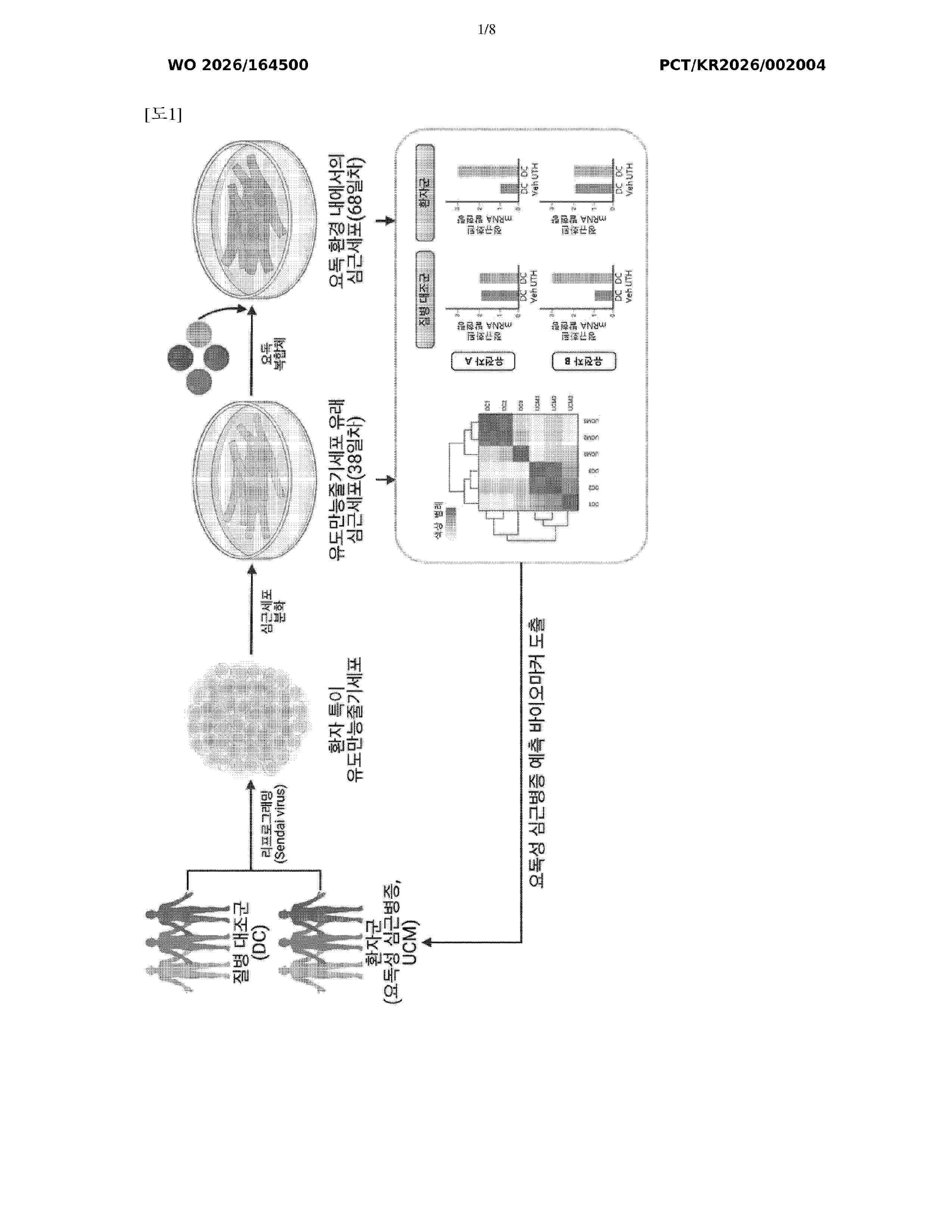
Resumen de: WO2026164500A1
The present invention relates to a novel biomarker for the diagnosis of uremic cardiomyopathy and use thereof. By discovering the novel biomarker for the diagnosis of uremic cardiomyopathy, uremic cardiomyopathy can be diagnosed early and an appropriate treatment method can be provided, which may contribute to improving patient prognosis, reducing medical costs, and the like.
Resumen de: CN122503499A
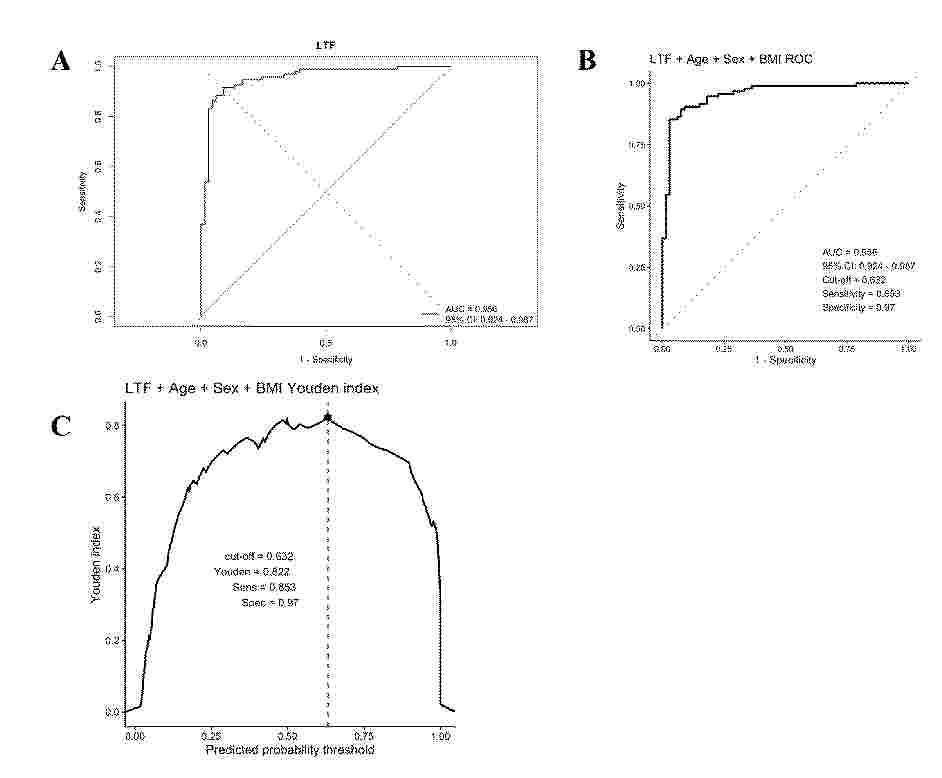
The invention relates to the technical field of biological medicine, in particular to application of risk assessment of PASC related cardiovascular system symptoms based on LTF. The invention provides a risk assessment system taking LTF as a core molecular marker, and the system can provide objective and quantifiable molecular-level reference basis for risk assessment of PASC-related cardiovascular system symptoms under the condition that sufficient interpretation is difficult to provide by a conventional detection means.
Resumen de: CN122479124A
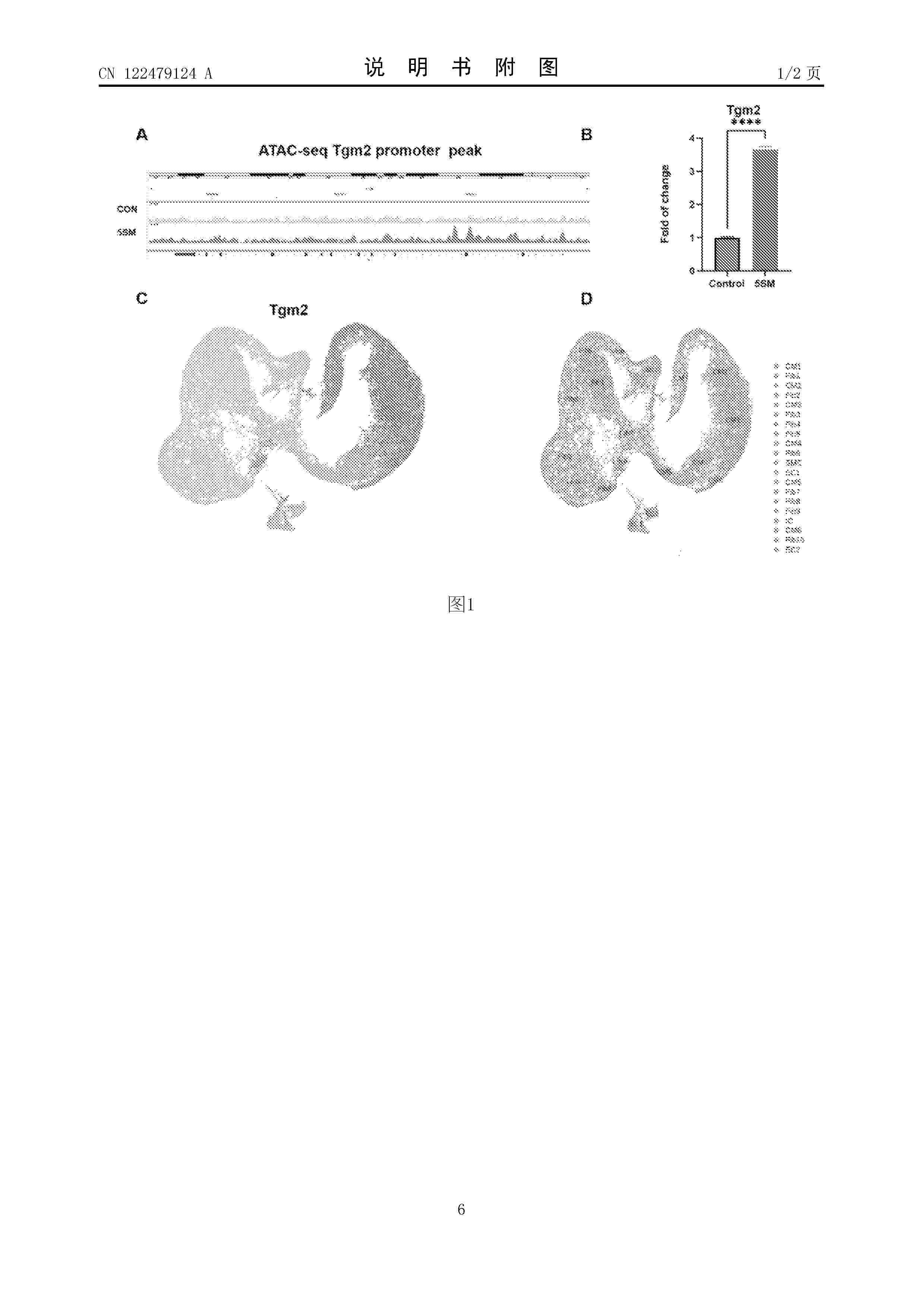
The invention discloses an application of glutamine transferase 2 as a therapeutic target in screening ischemic heart disease drugs. The invention claims to protect application of a substance for promoting Tgm2 gene expression in myocardial cells in preparation of a medicine for preventing and/or treating ischemic heart disease. The invention also protects the application of the substance for promoting the expression of the Tgm2 gene in the myocardial cells in preparation of a product for protecting myocardium in ischemic heart disease and the application of the substance for promoting the proliferation of the myocardial cells and/or inhibiting the apoptosis of the myocardial cells in the ischemic heart disease. The transglutaminase 2 (Tgm2) is a multifunctional enzyme, and plays an important role in the regulation and control of the proliferation and apoptosis of cardiac muscle cells. The regulation effect of the Tgm2 in cardiac injury repair provides new candidate drugs and intervention targets for treatment of ischemic heart diseases.
Resumen de: CN122478968A
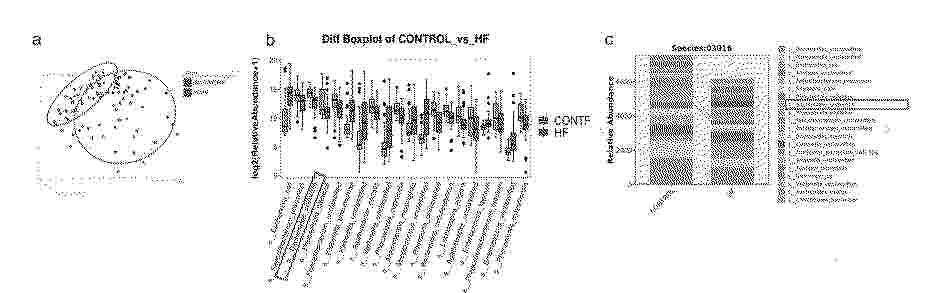
The invention discloses an application of Bacteroides homologoides as a chronic heart failure diagnosis marker and a treatment target spot, and through heart failure patient excrement metagenome sequencing, sterile pig model verification and aortic arch constriction (TAC) heart failure mouse intervention experiments, it is found that B, uniformises are significantly reduced in the heart failure state, and B, uniformises are significantly reduced in the heart failure state. And the decline degree of the traditional Chinese medicine composition is closely related to core clinical indexes such as EF%, LVIDd, LVPW, IVS and NYHA heart function grading. A further research shows that after colonization of the B. uniforms, synthesis of 3-indolebutyric acid (3-IBA) in the intestinal tract can be promoted, and expression of an aromatic hydrocarbon receptor (AhR) and a downstream target gene CYP1A1 thereof can be activated, so that myocardial fibrosis is relieved, and the cardiac systolic function is improved. In a TAC heart failure mouse model, after the intervention of B. uniforms, the cardiac ejection fraction (EF%) and the short axis shortening rate (FS%) are obviously improved, the heart weight/tibia length ratio (HW/TL) and the lung weight/tibia length ratio (LW/TL) are obviously reduced, the myocardial fibrosis degree is relieved, and the intestinal mucous layer is repaired.
Resumen de: CN122479127A
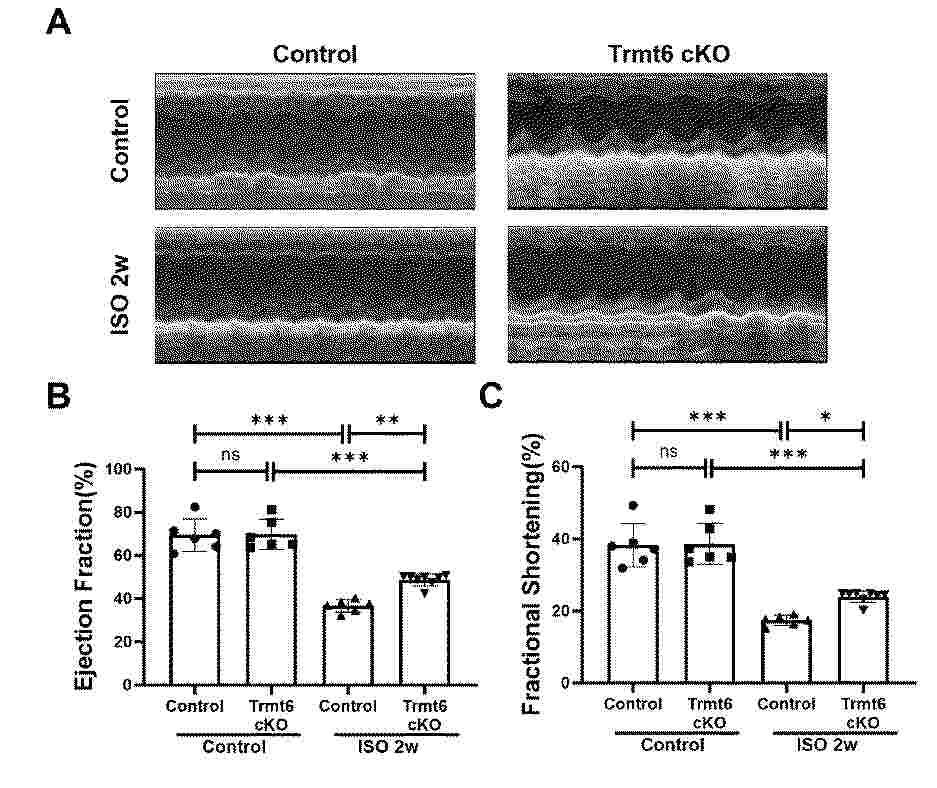
The invention provides application of a reagent for inhibiting Trmt6 gene expression in preparation of a medicine for preventing and/or treating pathological cardiac hypertrophy, and particularly relates to the technical field of biological medicine. The invention discloses a new application of the Trmt6 gene as a drug target in treatment of pathological cardiac hypertrophy for the first time. Animal experiment results show that in an isoproterenol-induced pathological cardiac hypertrophy mouse model, the Trmt6 gene is specifically knocked out from cardiac muscle, so that the systolic function of the heart can be remarkably improved, cardiac muscle cell hypertrophy can be relieved, and the cardiac fibrosis degree can be reduced. The invention provides a brand new drug target and a treatment strategy for pathological cardiac hypertrophy, and has important clinical application value.
Nº publicación: CN122468980A 28/07/2026
Solicitante:
CHONGQING MEDICAL UNIV
\u91CD\u5E86\u533B\u79D1\u5927\u5B66
Resumen de: CN122468980A
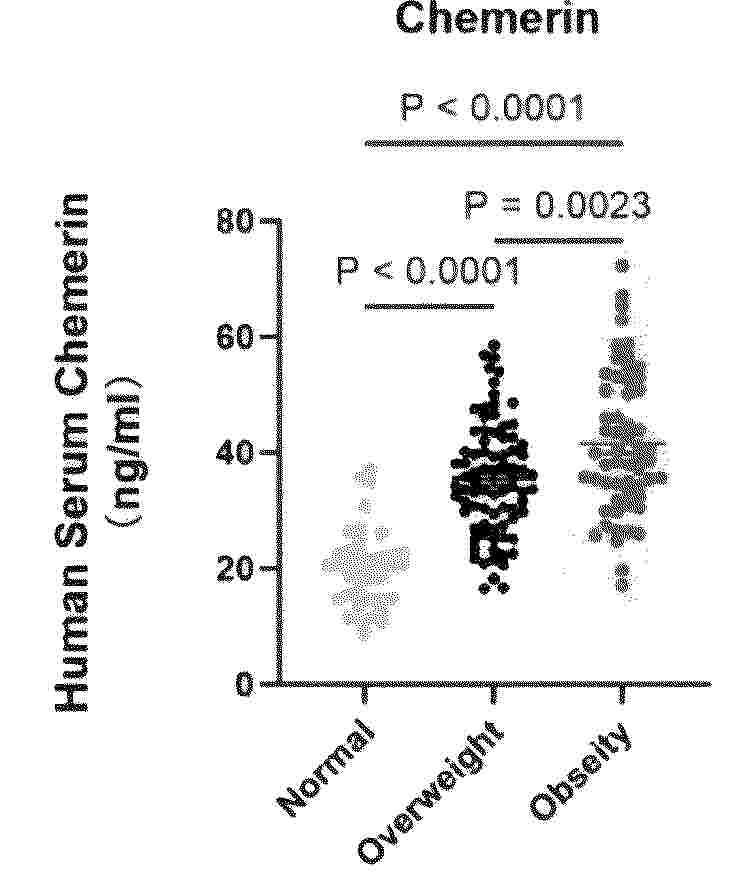
The invention discloses a method for relieving fat toxicity of obesity cardiomyopathy by Chemerin, and belongs to the technical field of pharmacological research. The method comprises the following steps: selecting mice to establish an obese mouse model, and equally dividing the obese mouse model into a control group, a high fat diet group, an AAV CMKLR1 virus group and a high fat + AAV CMKLR1 virus group; sequentially carrying out mouse cardiac ultrasound, TSE system detection, glucose tolerance test and insulin tolerance test, and measuring mouse blood glucose at intervals; extracting tissue protein for western blot, extracting tissue RNA for reverse transcription, and then detecting related gene expression conditions through qPCR (quantitative polymerase chain reaction); carrying out paraffin embedding and slicing on mouse tissues, and then carrying out primary pathological staining such as HE, WGA and immunofluorescence; carrying out lipid extraction by using an MTBE method, and detecting the lipid content; serum Chemerin is measured through an ELISA method, protein palmitoylation is detected through an Acyl-RAC method, and finally an experimental result is analyzed to obtain a conclusion. Clinical data and a mouse model prove that in the obesity process, the compensatory of Chemerin is increased, heart lipotoxicity caused by obesity can be relieved, and the heart function is protected.
 BOPI
BOPI
 Sede Electrónica