Si deseas distinguir tus productos, servicios o ambos de los de otra empresa, es posible que necesites una marca o nombre comercial. Descubre qué son, en qué consiste su procedimiento de registro y qué implica.

Información sobre los plazos de presentación de solicitudes de transformación de marcas de la Unión Europea en marca nacional española. Más información


Si tienes un nuevo dispositivo, producto o procedimiento que resuelva un problema técnico o tenga una ventaja práctica, existen distintas formas de protegerlo en España y en otros países. Descubre cómo hacerlo.

¿Tu innovación reside en la estética, la ornamentación o la apariencia de tu producto? Protégela mediante un diseño industrial. Descubre qué derechos confiere el registro y cómo realizar la tramitación.

Las indicaciones geográficas protegen el nombre de un producto originario de una zona geográfica, a la cual le debe una determinada calidad, reputación u otra característica. Descubre qué son, en qué consiste su procedimiento de registro y qué beneficios conceden.

Las patentes publicadas en todo el mundo son una valiosa fuente de información científica, técnica y comercial.

Si eres emprendedor/a o una empresa y quieres potenciar y mejorar la rentabilidad de tu negocio protegiendo de forma adecuada los activos intangibles de tu organización, en este espacio encontrarás lo necesario.


 87
resultados
87
resultados
 Última actualización
28/08/2026 [07:48:00]
Última actualización
28/08/2026 [07:48:00]


 Resultados 75 a 87 de 87
Resumen de: WO2025003117A1
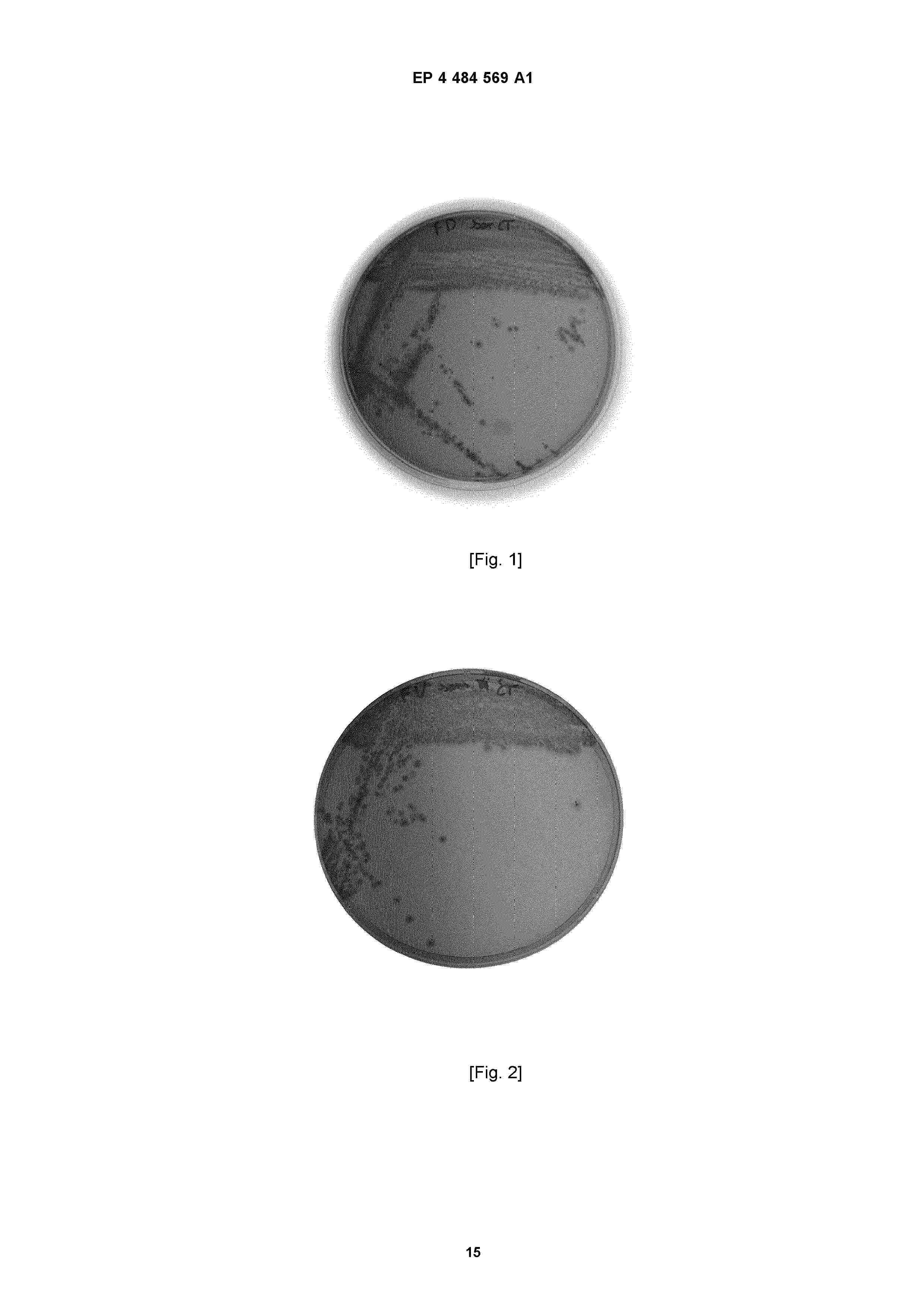
The present invention relates to a gelled reaction medium for detecting, identifying, and/or isolating at least one Shiga toxin-producing strain of E. coli, the reaction medium comprising: - at least one toxin inducer, - at least one agglutinating conjugate comprising at least one specific binding partner of STX1 and/or at least one specific binding partner of STX2, coupled to a nanoparticle; - a concentration gradient of a compound for inhibiting non-target bacteria. The present invention also relates to the associated method for detecting and/or isolating Shiga toxin-producing E. coli which is likely to be present in a sample comprising enterobacteria.

Resumen de: CN121975962A
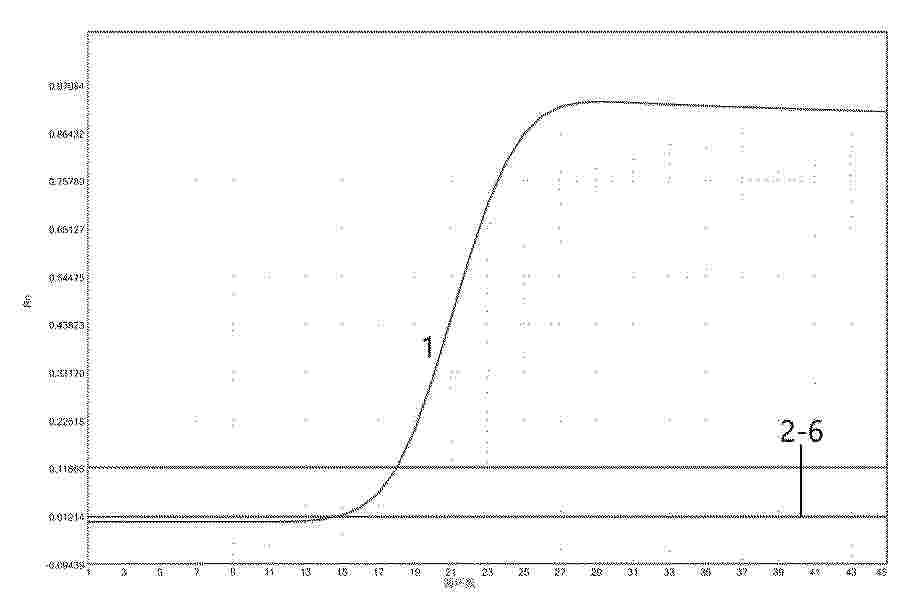
The invention discloses a primer group for simultaneously detecting four equine digestive tract bacteria and application thereof, the primer group comprises primer sequences as shown in SEQ ID NO: 1-8, and the four equine digestive tract bacteria are salmonella enteritidis, salmonella typhimurium, clostridium difficile and lawsonia intracellular. Extracting total DNA (deoxyribonucleic acid) of a sample to be detected by using the excrement sample nucleic acid extraction kit; the total DNA is used as a template, and the primer group is used for multiple PCR reaction to obtain an amplification curve. According to the invention, a primer sequence with high sensitivity and specificity is adopted, so that the quality of a detection result is ensured; the detection method is simple to operate, time-saving and labor-saving; the detection flux is high, and the reagent consumable cost is low.
Resumen de: CN121975957A
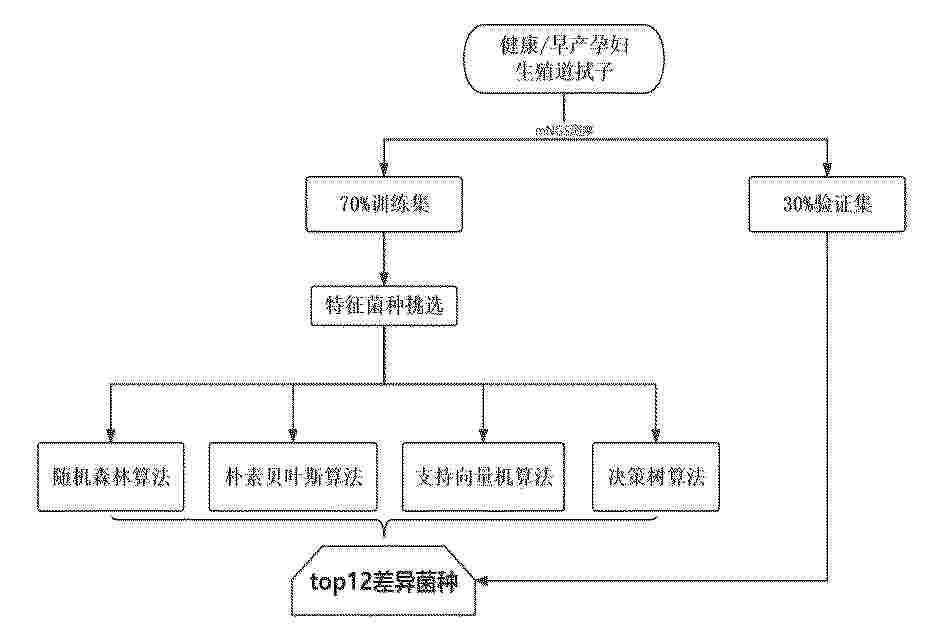
The invention relates to a flora prediction model for detecting premature delivery risk and a kit and application thereof. Through early-stage mNGS data collection and analysis, premature related strains are obtained, and through a large number of experimental screening and optimization, a set of optimal primer probe group is finally determined. The invention relates to a premature delivery risk calculation method, which comprises the following steps of: selecting 12 floras, namely lactobacillus crispatus, lactobacillus gasseri, lactobacillus inertus, lactobacillus jensenii, escherichia coli, enterococcus faecalis, enterobacter aerogenes, group B hemolytic streptococcus, ureaplasma parvum, chlamydia trachomatis, diplococcus gonorrhoeae and gardnerella vaginalis, and establishing a fluorescent quantitative PCR (Polymerase Chain Reaction) method and a premature delivery risk calculation model aiming at the detection of the 12 floras. Compared with an existing detection method, the method is simple, convenient, rapid, high in sensitivity and high in specificity, the false positive and false negative risk is reduced, and the purpose of batch detection is achieved. Clinically, the change of microbial flora in the reproductive system of a pregnant woman can be rapidly detected, corresponding treatment measures are taken, the risk of PTB occurrence is reduced, and the kit has a good application prospect.
Resumen de: CN121975958A
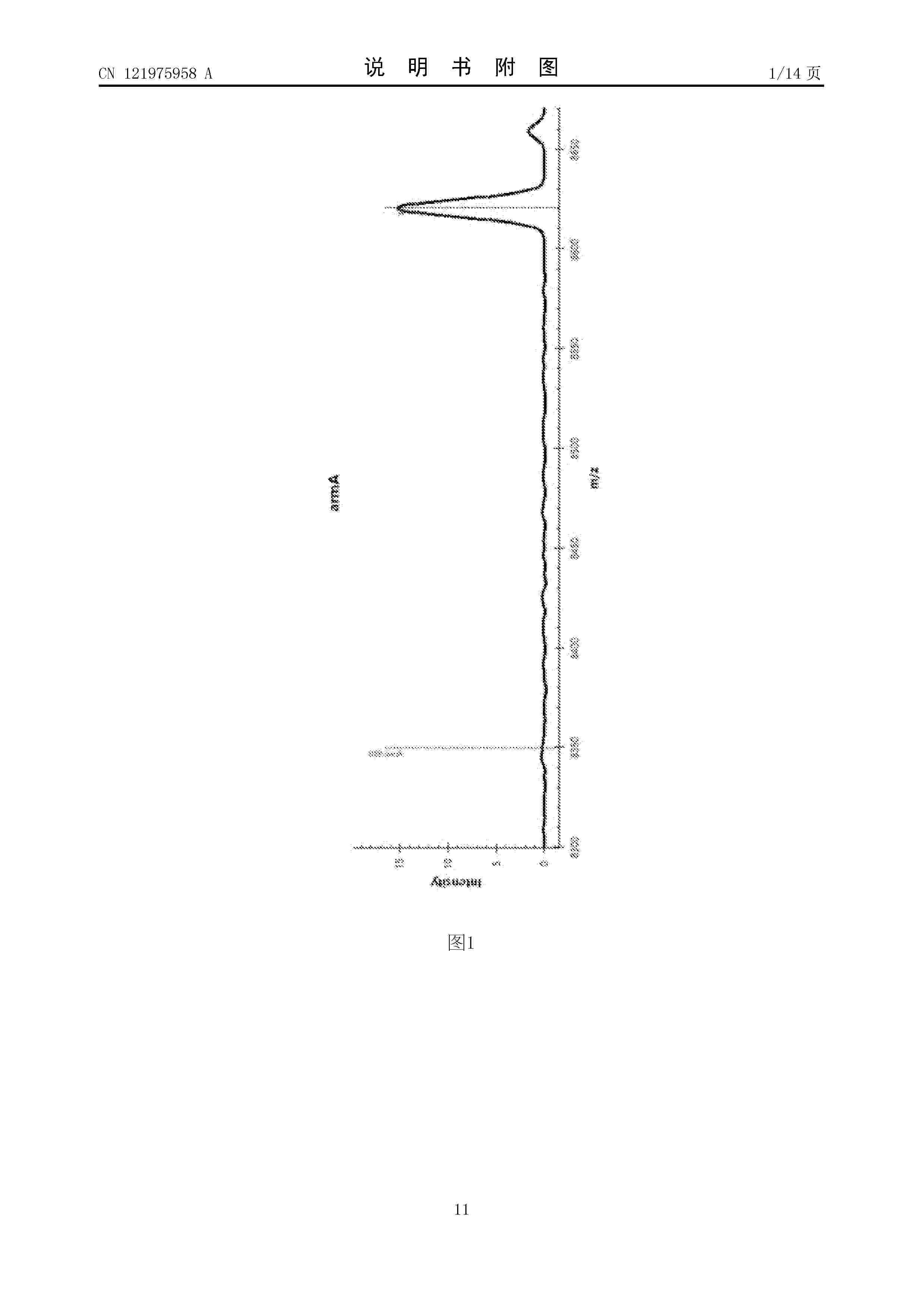
The invention discloses a pseudomonas aeruginosa drug resistance gene detection primer group based on multiple PCR-time-of-flight mass spectrometry, a kit and a use method of the kit. The pseudomonas aeruginosa drug-resistant gene comprises armA, rmtB, rmtC, mexA, blaVIM, blaNDM, blaIMP, blaKPC, blaOXA and blaGES, and the pseudomonas aeruginosa drug-resistant gene is a drug-resistant gene of pseudomonas aeruginosa. The detection primer group comprises upstream and downstream amplification primers of each gene and a single-base extension primer; the nucleotide sequences of upstream and downstream amplification primers of each gene are respectively as shown in SEQ ID NO.1-NO.20; nucleotide sequences of single base extension primers of all the genes are shown as SEQ ID NO. 21 to NO. 30 respectively. By adopting the kit comprising the primer group, whether pseudomonas aeruginosa infection exists or not can be known within 40 minutes, and if the pseudomonas aeruginosa infection exists, the drug resistance condition of the pseudomonas aeruginosa can be known. The detection method has high sensitivity and specificity in the detection process, the sample detection accuracy rate can reach 92-97%, and the method can be used for rapid, accurate, high-sensitivity and high-throughput detection of the pseudomonas aeruginosa antibiotic-resistant strains and is beneficial to application and popularization in laboratories of hospitals and grass-roots departments.
Resumen de: MX2025013800A
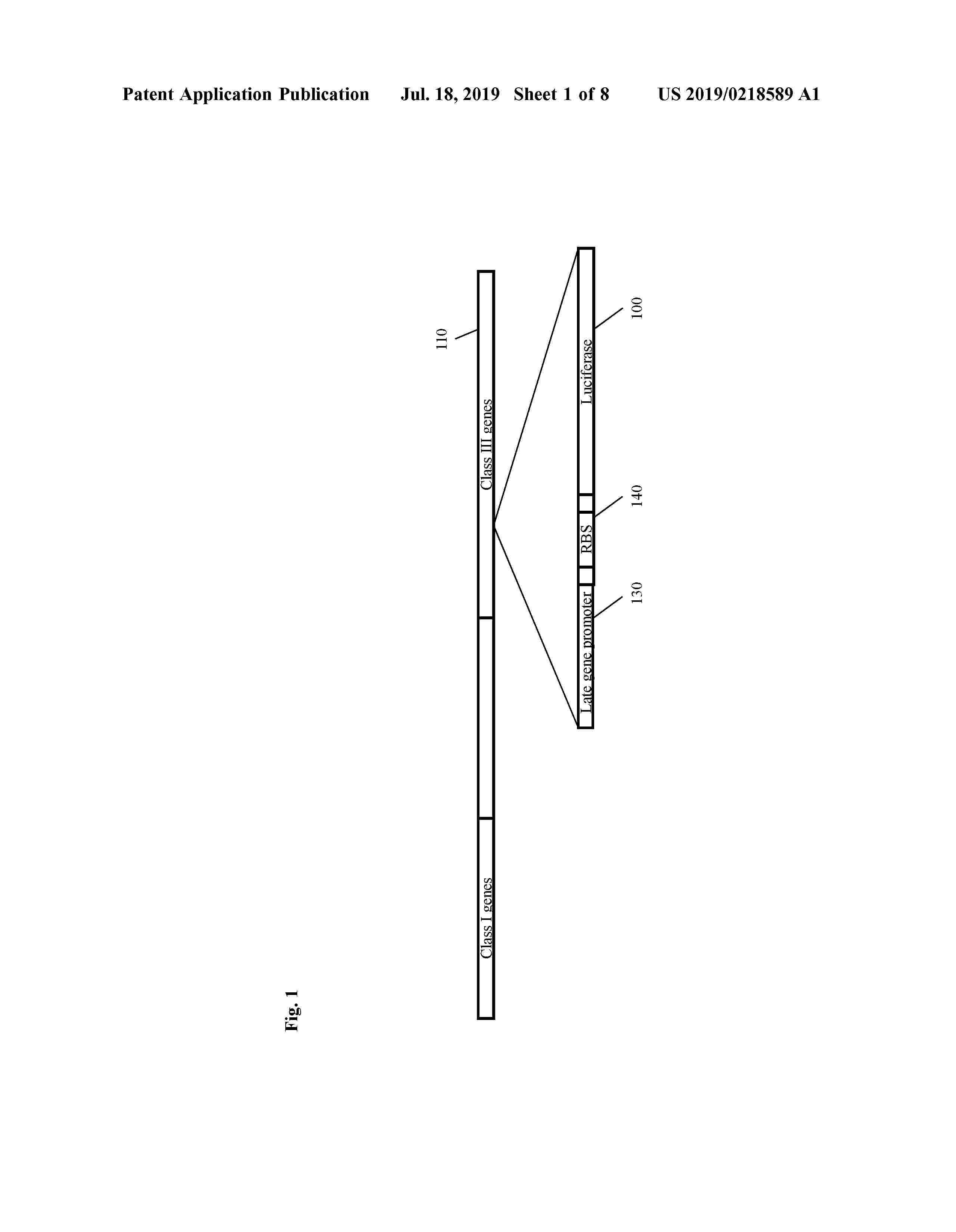
Disclosed herein are methods and systems for rapid detection of microorganisms in a sample. A genetically modified bacteriophage is also disclosed which comprises an indicator gene in the late gene region. The specificity of the bacteriophage, such as Salmonella-specific bacteriophage, allows detection of a specific microorganism, such as Salmonella spp. and an indicator signal may be amplified to optimize assay sensitivity.
Resumen de: CN121951093A
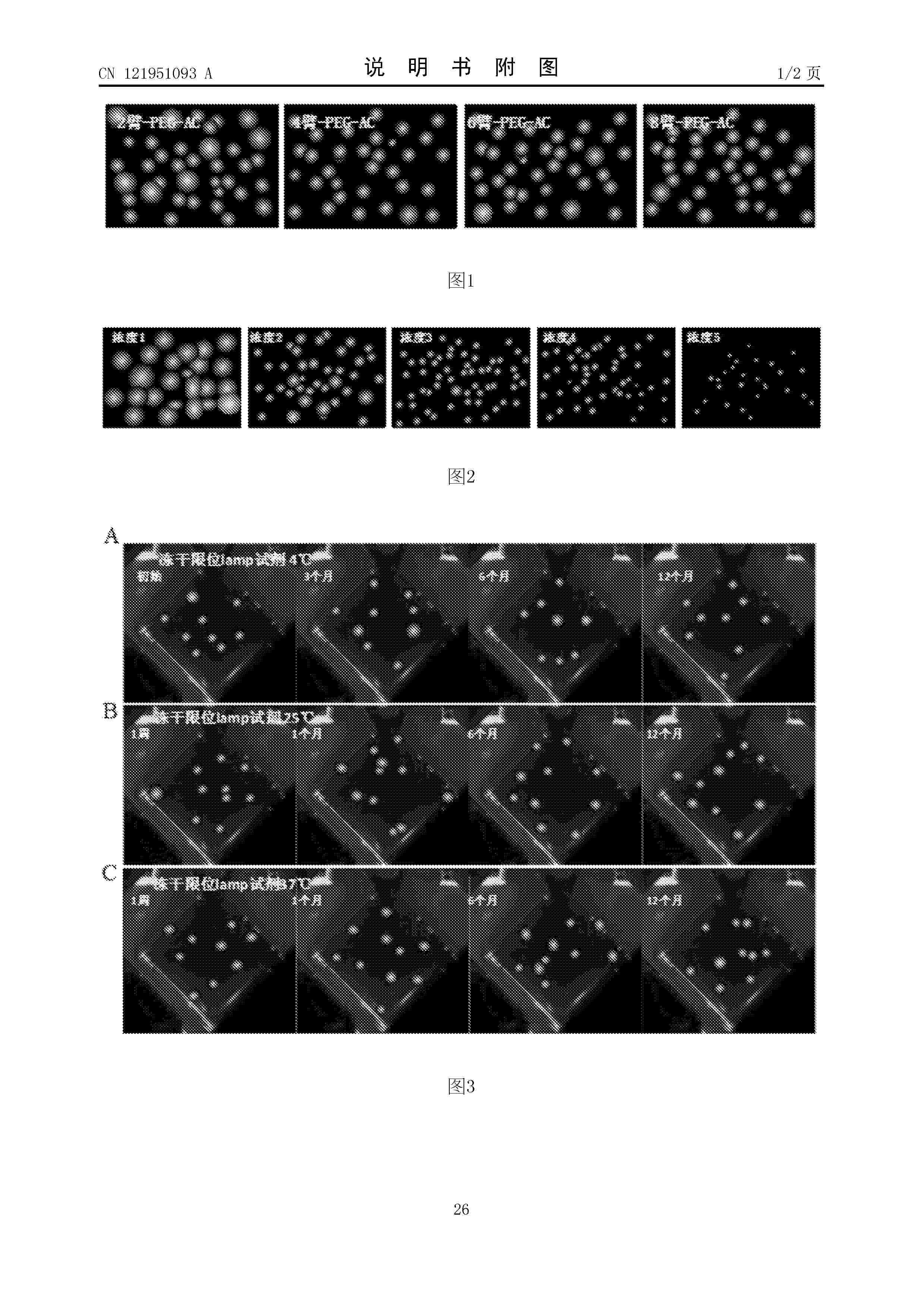
The invention relates to the technical field of biology, in particular to a rapid detection kit for bacterial food-borne pathogenic microorganisms and application of the rapid detection kit. The invention develops a primer probe combination kit for detecting food-borne bacteria salmonella, staphylococcus aureus, vibrio parahaemolyticus, listeria monocytogenes, escherichia coli O157 and clostridium perfringens through optimization of primers, optimization of hydrogel components and a system and the like. The primer probe combination kit is used for detecting food-borne bacteria salmonella, staphylococcus aureus, vibrio parahaemolyticus, listeria monocytogenes, escherichia coli O157 and clostridium perfringens. The kit is used for detecting salmonella, staphylococcus aureus, vibrio parahaemolyticus, listeria monocytogenes, Escherichia coli O157 and clostridium perfringens. The kit is high in sensitivity and specificity, strong in anti-interference capability, excellent in stability and portability, rapid and efficient in detection, simple and convenient to operate and low in cost, and can realize result visualization and relative quantification, so that the kit has wide application prospects and values.
Resumen de: CN121955376A
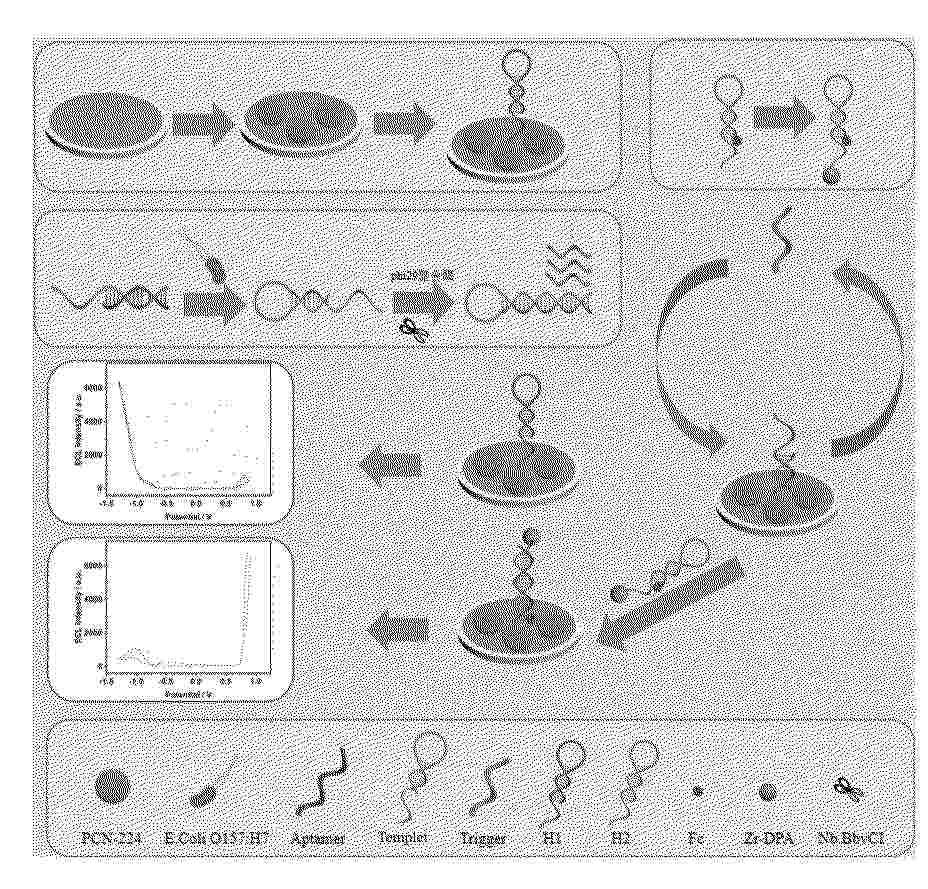
The invention discloses a preparation method of a ratio type electrochemical luminescence biosensor, the sensor and application of the sensor in detection of escherichia coli O157: H7, and relates to the technical field of nano materials and biological detection. The sensor provided by the invention comprises an Aptamer-Templet double-strand body, a phi29 polymerase, a Nb.BbvCI nicking enzyme, a probe 1 and a probe 2, wherein the probe 1 and the probe 2 are connected with each other; the method comprises the following steps: specifically recognizing surface protein of escherichia coli O157: H7, releasing a Templet chain, releasing a Trigger chain and opening a hairpin structure of a probe 1 under the assistance of polymerase and cutting enzyme, and opening a hairpin structure of a probe 2 by the opened probe 1, so that self-assembly of the probe 1 and the probe 2 is realized, and a detectable object is obtained; the detection limit of the sensor to escherichia coli O157: H7 is as low as 1 CFU/mL, and the sensor is wide in linear range, high in stability, suitable for multiple samples, high in specificity and easy and convenient to use and operate.
Resumen de: CN121951013A
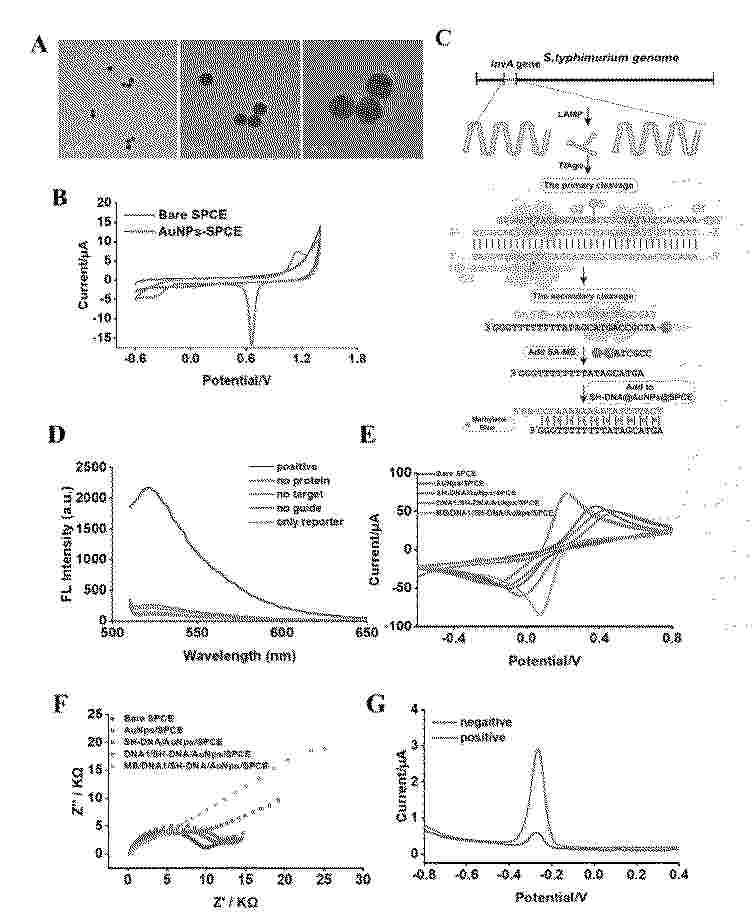
The invention discloses a method for detecting food-borne pathogenic bacteria based on Argonaute protein in combination with loop-mediated isothermal amplification and electrochemical biosensing, and belongs to the technical field of microbiological detection and biosensing. The integrated detection method based on Argonaute protein, loop-mediated isothermal amplification and electrochemical biosensing, which is high in sensitivity, strong in specificity, simple and convenient to operate and suitable for on-site rapid detection, is provided aiming at the problems that an existing food-borne pathogenic bacterium detection method is insufficient in sensitivity, depends on complex instruments, is difficult to apply on site and the like. Target nucleic acid is subjected to exponential amplification through LAMP (loop-mediated isothermal amplification), then Argonaute-mediated two-stage specific recognition and signal transduction are performed, and finally reading is performed through a high-sensitivity electrochemical platform, so that the detection limit of salmonella typhimurium as high as 1 CFU/mL is realized, and the detection range can cover 100-108 CFU/mL.
Resumen de: CN121950481A
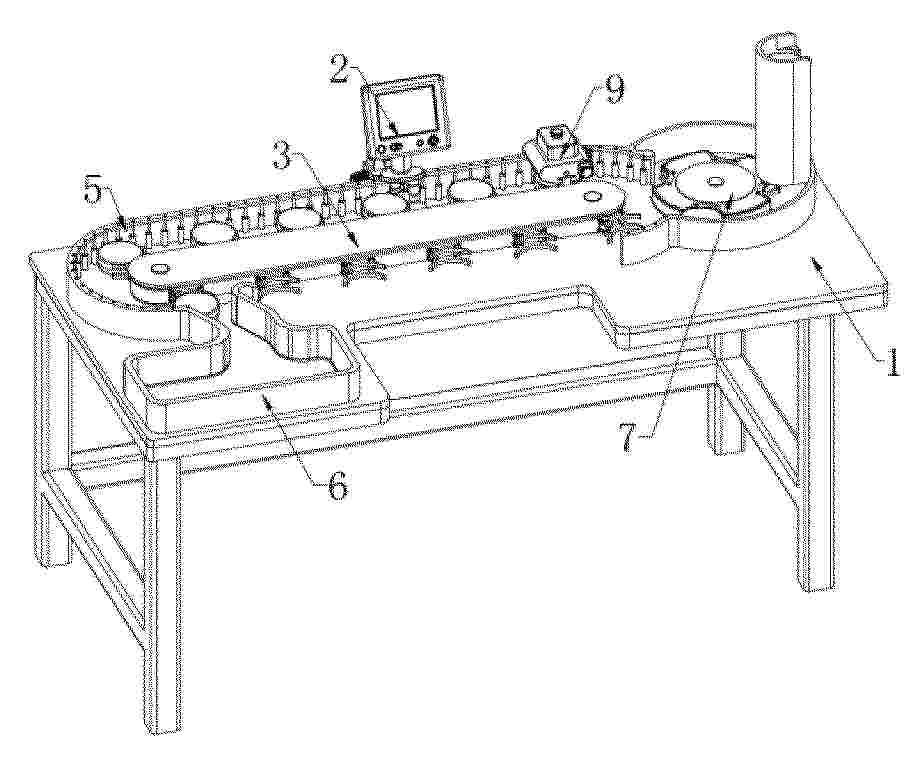
The invention relates to the technical field of biomedicine detection, and discloses a biomedicine-based salmonella detection instrument and method for livestock and poultry breeding, the biomedicine-based salmonella detection instrument comprises a detection table and an electron microscope mounted at the upper end of the middle part of the detection table, a conveying assembly is arranged at the upper end of the detection table, and the conveying assembly is used for continuously feeding a culture dish; and the conveying assembly comprises two groups of rotating rods connected with the detection table. According to the salmonella detection instrument and method for livestock and poultry breeding based on biomedicine, stable power is provided for the conveying assembly through the first motor, and continuous and automatic conveying of culture dishes is achieved in cooperation with transmission of a synchronous belt wheel and a feeding belt; the feeding assembly synchronously completes accurate feeding of single culture dishes through the power of the conveying assembly by means of linkage of a driving belt wheel, a driven belt wheel and a transmission belt, a power source does not need to be additionally arranged, the structure is simplified, and meanwhile cooperation and consistency of the feeding rhythm and the conveying rhythm are achieved; and the detection requirements of large-batch salmonella in large-scale livestock and poultry breeding are effectively met.
Resumen de: CN121955375A
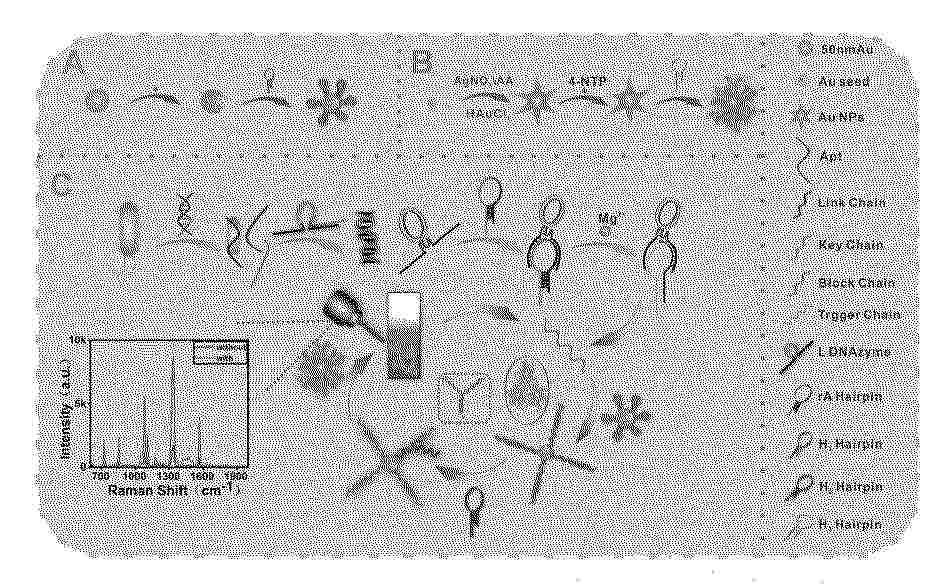
The invention discloses a preparation method of an SERS (Surface Enhanced Raman Scattering) sensor based on oversized annular DNAzyme, a product and application of the SERS sensor in escherichia coli O157: H7 detection, and relates to the technical field of nano materials and biological detection. The SERS sensor disclosed by the invention comprises an aptamer, namely a Key chain-Link chain three-chain body, an LDNAzyme-Block chain double-chain body, an rA Hairpin, an Au-H1 Hairpin probe, an H2 Hairpin probe and an AuNPs-H3 Hairpin probe, and the SERS sensor disclosed by the invention is characterized in that the SERS sensor comprises an aptamer, namely a Key chain-Link chain three-chain body, an LDNAzyme-Block chain double-chain body, an rA Hairpin probe and an AuNPs-H3 Hairpin probe; in the presence of escherichia coli O157: H7, a bimorphic gold nano assembly probe can be formed; the preparation method of the SERS sensor is simple and easy to control, the bimorphic gold nano assembly probe formed after target recognition has a Y-shaped structure with 3D space constraint, the stability is high, the detection operation on escherichia coli O157: H7 is simple and convenient, the sensitivity is high, the detection limit is low, and the specificity is high.
Resumen de: CN121950996A
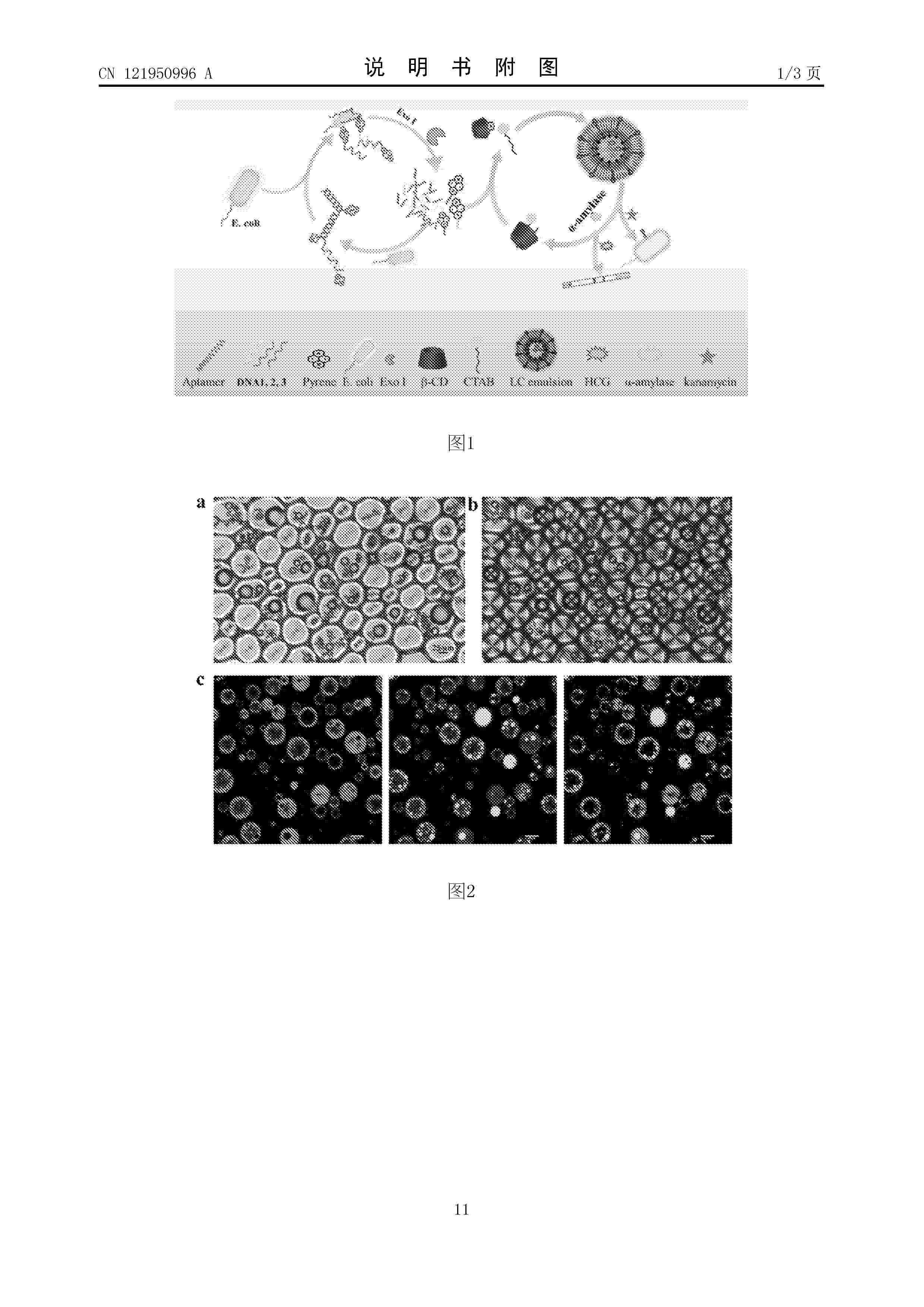
The invention discloses a bacterium visual detection and in-situ quantitative sterilization method and application, and relates to the field of bacterium detection and sterilization. According to the method, liquid crystal double-emulsion (LCDE) is taken as a carrier, hCG, alpha-amylase and kanamycin are loaded, and bacterium visual detection and in-situ quantitative sterilization are realized by combining a host-guest competition effect and a pregnancy test strip (PTS). The pyrene-modified single strand and the LPS aptamer are hybridized to form double strands, when a target (LPS or bacteria) exists, the aptamer is specifically bound with the double strands to release the pyrene-modified single strand, the pyrene-modified single strand competes to occupy a beta-CD cavity and release CTAB, and the stability of an LCDE interface is destroyed to release an internal drug carrier; exo I shears single-stranded DNA, alpha-amylase hydrolyzes beta-CD, and the Exo I and the alpha-amylase synergistically amplify signals. The technology is excellent in detection performance, the LPS detection limit reaches 0.8 ng/mL, and the escherichia coli detection limit is 1.2 CFU/mL; the kanamycin is released according to needs, the sterilization rate exceeds 80%, the problems of environmental pollution and drug resistance caused by excessive drugs can be avoided, operation is easy and convenient, stability is good, and the method has great application value in multiple fields.
Nº publicación: CN121951097A 01/05/2026
Solicitante:
WENZHOU QINGFENG BIOMEDICAL TECH CO LTD
\u6E29\u5DDE\u9752\u5CF0\u751F\u7269\u533B\u7597\u79D1\u6280\u6709\u9650\u516C\u53F8
Resumen de: CN121951097A
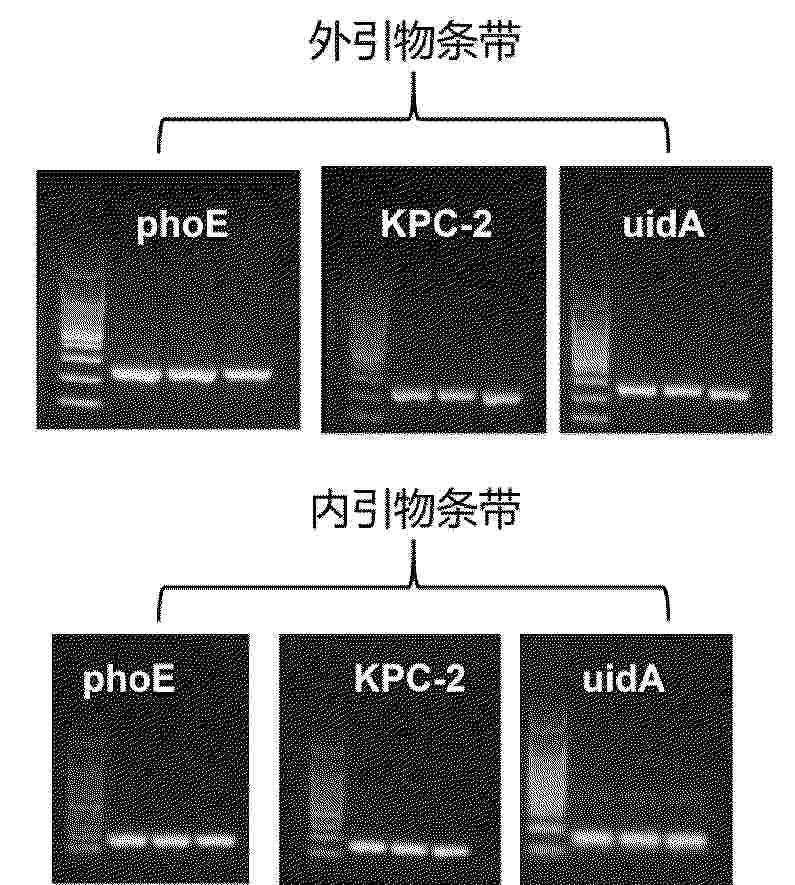
The invention relates to a primer and probe combination for simultaneously detecting urinary tract klebsiella pneumoniae, escherichia coli and drug-resistant genes through nested PCR (Polymerase Chain Reaction) and a kit of the primer and probe combination, which are characterized in that a phoE target gene is selected for primer and probe design to ensure that cross amplification of related bacteria is not caused, so that the detection specificity requirement of actual klebsiella pneumoniae is met; the Klebsiella pneumoniae and the escherichia coli can be identified at the same time, the source of the drug-resistant gene KPC can be judged, and the method is very important for clinical precise diagnosis and treatment.
 BOPI
BOPI
 Sede Electrónica