Si deseas distinguir tus productos, servicios o ambos de los de otra empresa, es posible que necesites una marca o nombre comercial. Descubre qué son, en qué consiste su procedimiento de registro y qué implica.

Información sobre los plazos de presentación de solicitudes de transformación de marcas de la Unión Europea en marca nacional española. Más información


Si tienes un nuevo dispositivo, producto o procedimiento que resuelva un problema técnico o tenga una ventaja práctica, existen distintas formas de protegerlo en España y en otros países. Descubre cómo hacerlo.

¿Tu innovación reside en la estética, la ornamentación o la apariencia de tu producto? Protégela mediante un diseño industrial. Descubre qué derechos confiere el registro y cómo realizar la tramitación.

Las indicaciones geográficas protegen el nombre de un producto originario de una zona geográfica, a la cual le debe una determinada calidad, reputación u otra característica. Descubre qué son, en qué consiste su procedimiento de registro y qué beneficios conceden.

Las patentes publicadas en todo el mundo son una valiosa fuente de información científica, técnica y comercial.

Si eres emprendedor/a o una empresa y quieres potenciar y mejorar la rentabilidad de tu negocio protegiendo de forma adecuada los activos intangibles de tu organización, en este espacio encontrarás lo necesario.


 262
resultados
262
resultados
 Última actualización
22/10/2026 [07:27:00]
Última actualización
22/10/2026 [07:27:00]


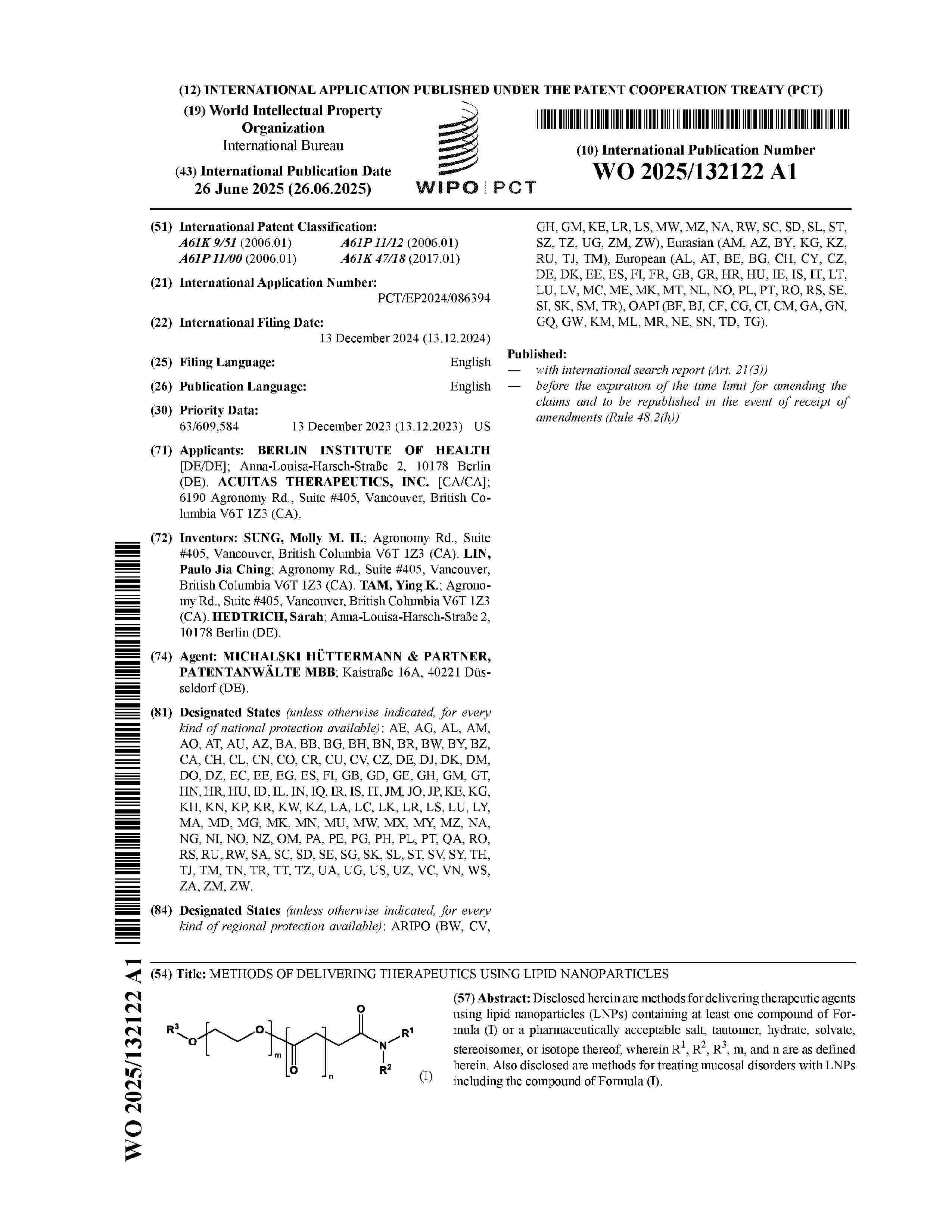
Resumen de: WO2025132122A1
Disclosed herein are methods for delivering therapeutic agents using lipid nanoparticles (LNPs) containing at least one compound of Formula (I) or a pharmaceutically acceptable salt, tautomer, hydrate, solvate, stereoisomer, or isotope thereof, wherein R1, R2, R3, m, and n are as defined herein. Also disclosed are methods for treating mucosal disorders with LNPs including the compound of Formula (I).

Resumen de: EP4825362A1
0001 Provided are compositions containing extracellular vesicles from microalgae (MEVs) that are exogenously loaded with bioactive cargo or other cargo of interest, such as for therapeutic, industrial, diagnostic, and cosmetic uses. The MEVs have a variety of applications as therapeutics, including as vaccines, as anti-cancer therapeutics, as diagnostics, and other such uses.
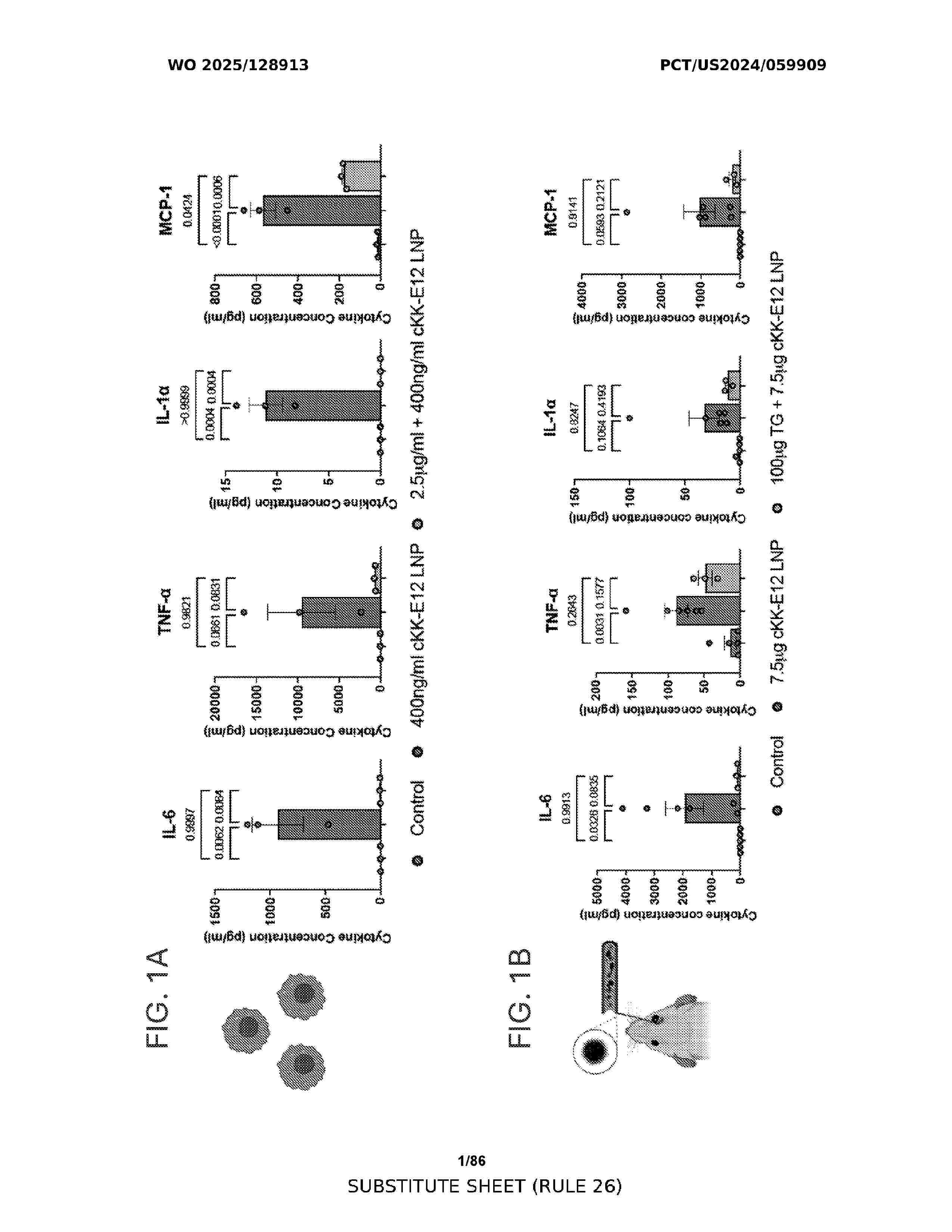
Resumen de: WO2025128913A1
Composition and methods for preventing or reducing inflammation resulting from nanoparticle administration to a subject are provided. In one embodiment a method of delivering an agent to a target organ of a subject, comprises administering to the subject a galectin inhibitor and a nanoparticle comprising the agent, wherein inflammation resulting from administration of the nanoparticle is reduced or prevented.
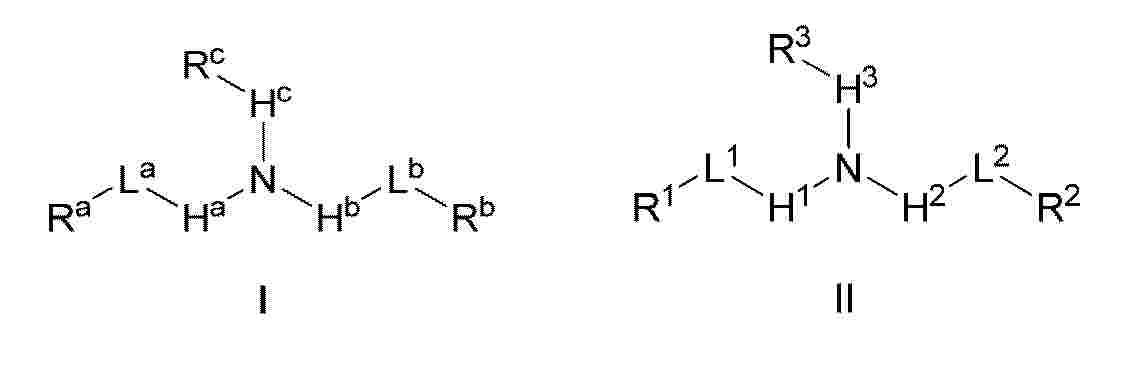
Resumen de: EP4825375A1
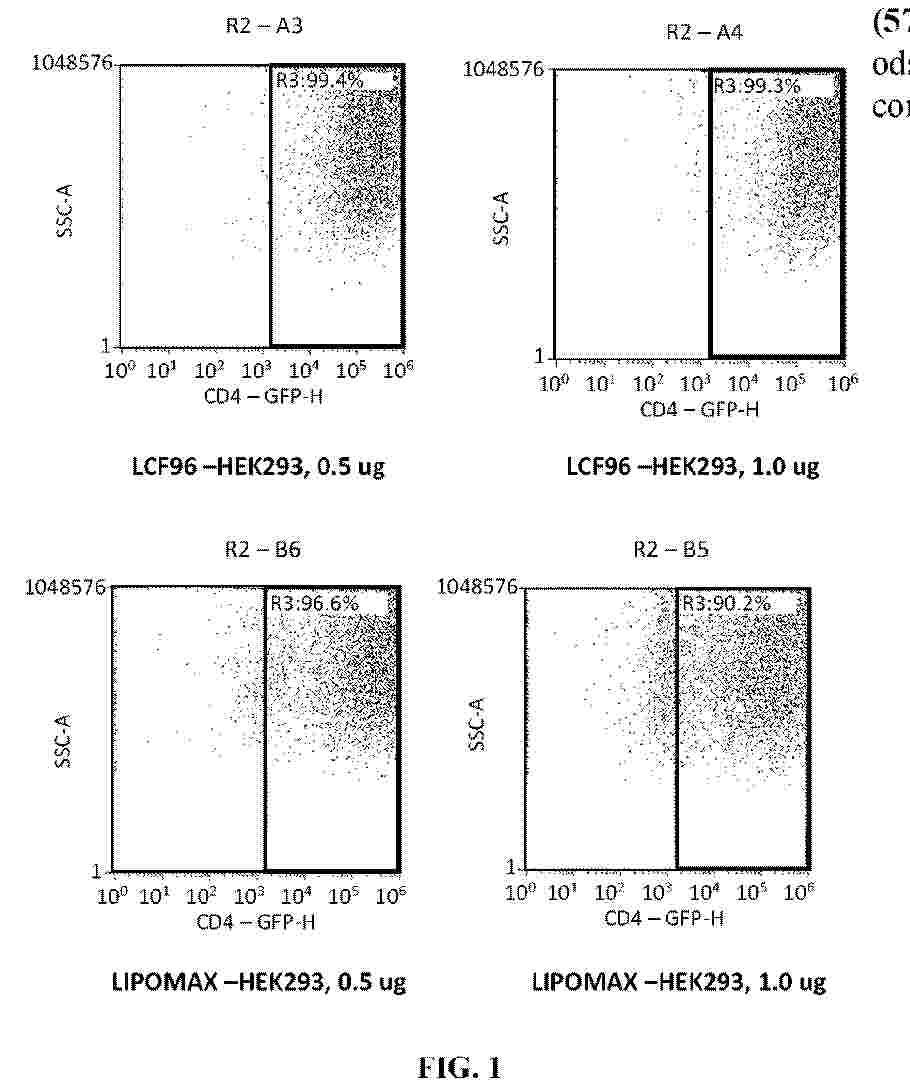
A lipid nanoparticle composition for delivering a therapeutic agent, comprising a compound of formula I or compounds of formula I and formula II, or a salt thereof.
Resumen de: AU2024398058A1
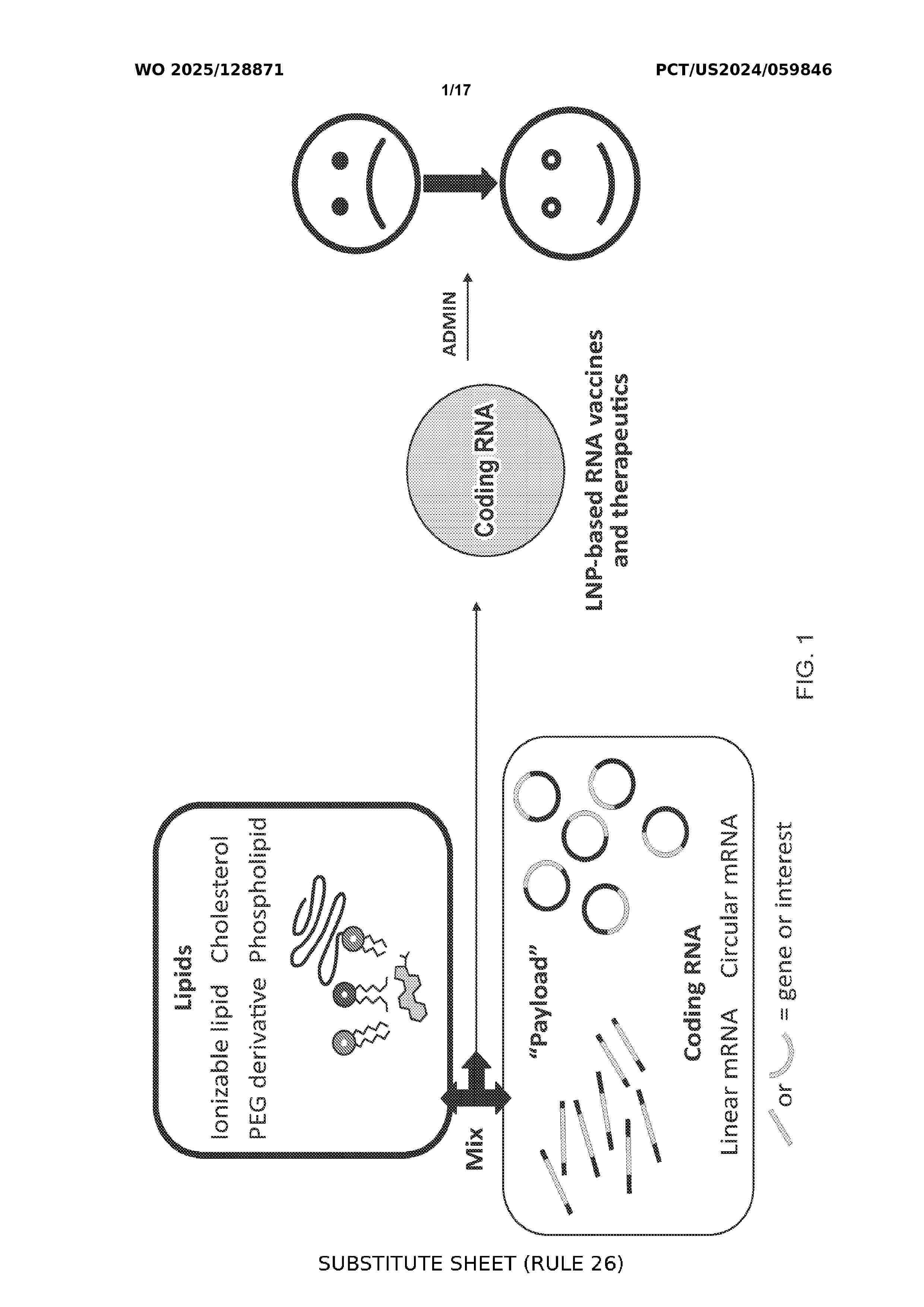
The present disclosure describes improved LNP-based RNA vaccines, nucleobase editing systems, and therapeutics for use in treating and/or immunization against disease. In particular, the disclosure describes improved LNPs, including novel and improved ionizable lipids for making LNPs, that enhance the targeted delivery of LNP-based RNA vaccines and therapeutics based on linear and/or circular mRNAs. The improved LNPs protect linear and/or circular mRNA payloads from degradation and clearance while achieving targeted systemic or local delivery for use as enhanced vaccines and/or therapeutic agents.
Resumen de: WO2025125384A1
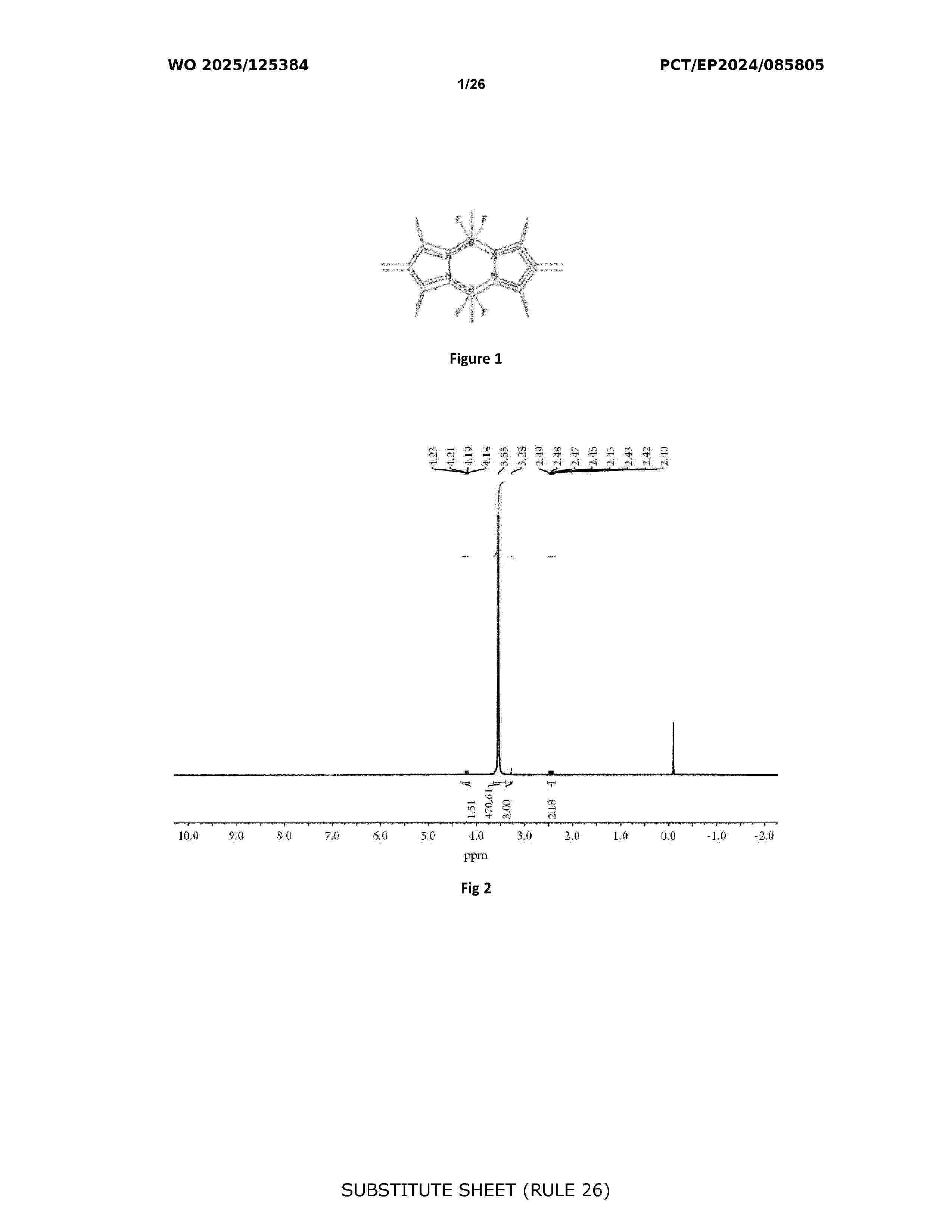
The present invention relates to compositions comprising metal-organic framework (MOF) nanoparticle or nanoparticles, methods of preparing said compositions, methods of treatment using said compositions, and uses of said compositions.
Resumen de: WO2025129174A1
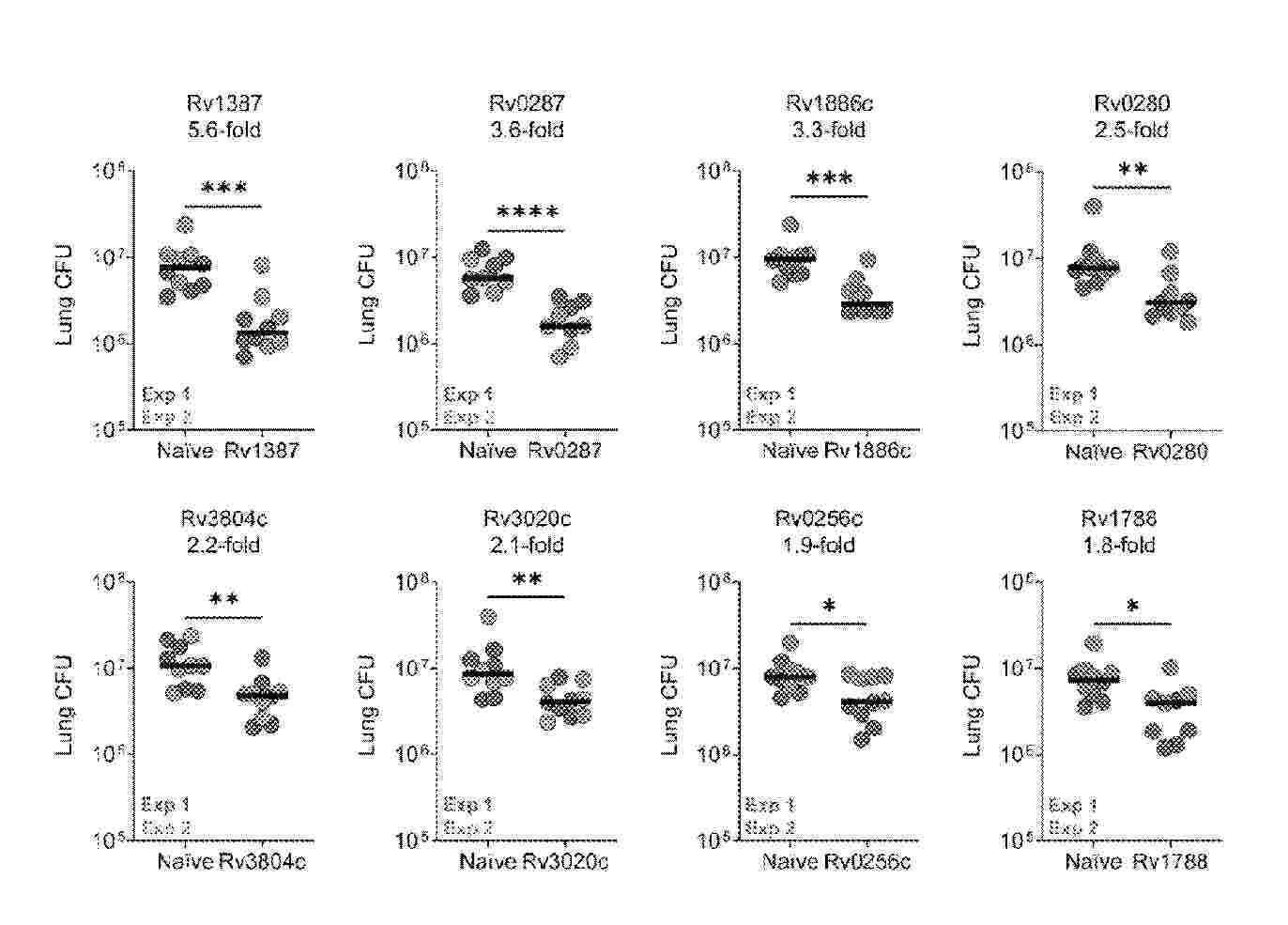
Tuberculosis (TB) remains a leading cause of death from infectious disease worldwide, in part due to the limited efficacy of currently available vaccine. Disclosed herein are compositions and methods for providing immunogenic protection against TB.
Resumen de: EP4825843A1
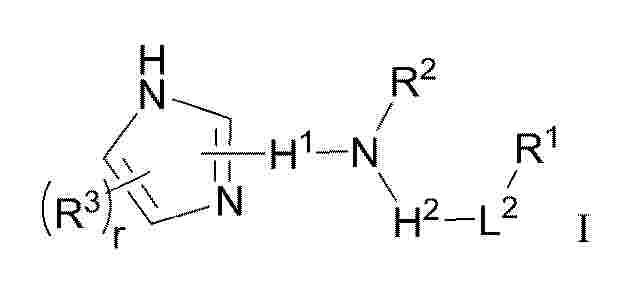
0001 The present disclosure relates to an imidazole lipid and a use thereof. Specifically, provided are a compound represented by formula I or a salt thereof, and a lipid particle or a pharmaceutical composition containing the compound. The compound can be used as a delivery system, and is used for preparing drugs for preventing and/or treating cancers, infectious diseases, autoimmune diseases, neurodegenerative diseases, inflammation, etc. The definition of each group in formula (I) is as described in the description.
Resumen de: WO2025128916A1
Systems for analyzing biological components are provided. The systems may include a fluidic device and an energy source in communication with the fluidic device. The energy source may supply energy to the fluidic device to form a polymer matrix on or adjacent to a biological component within the fluidic device. Methods of using the systems to analyze biological components are also provided.
Resumen de: EP4825838A1
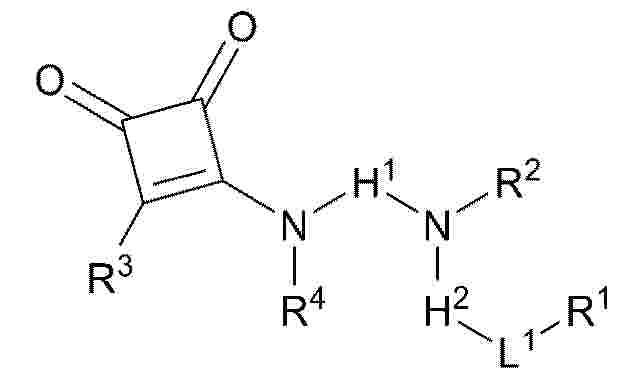
The present disclosure relates to a cationic lipid and use thereof. Specifically provided is a compound represented by formula I or a salt thereof, wherein R1 to R4, H1, H2, and L1 are as defined in the present disclosure. The cationic lipid is used for delivering polynucleotides or nucleic acids and protecting the polynucleotides or nucleic acids from being degraded and removed in serum, and has excellent delivery efficiency.
Resumen de: WO2025128687A1
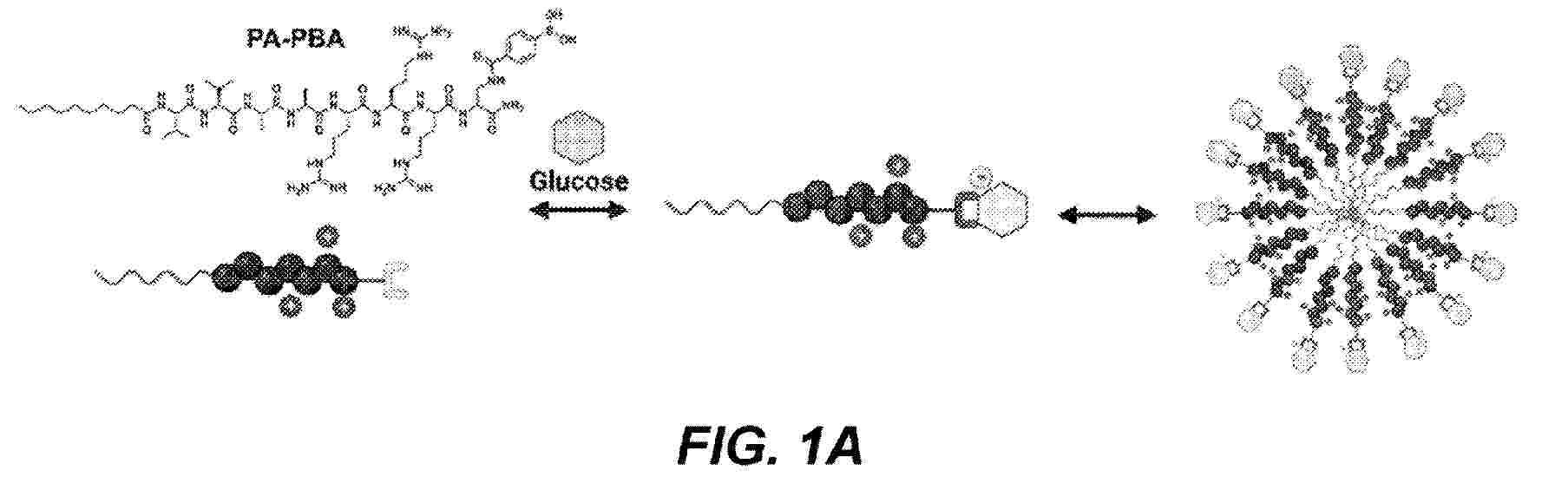
Described herein are peptide amphiphiles (PAs) for inclusion in droplets and hydrogels.
Resumen de: EP4825839A1
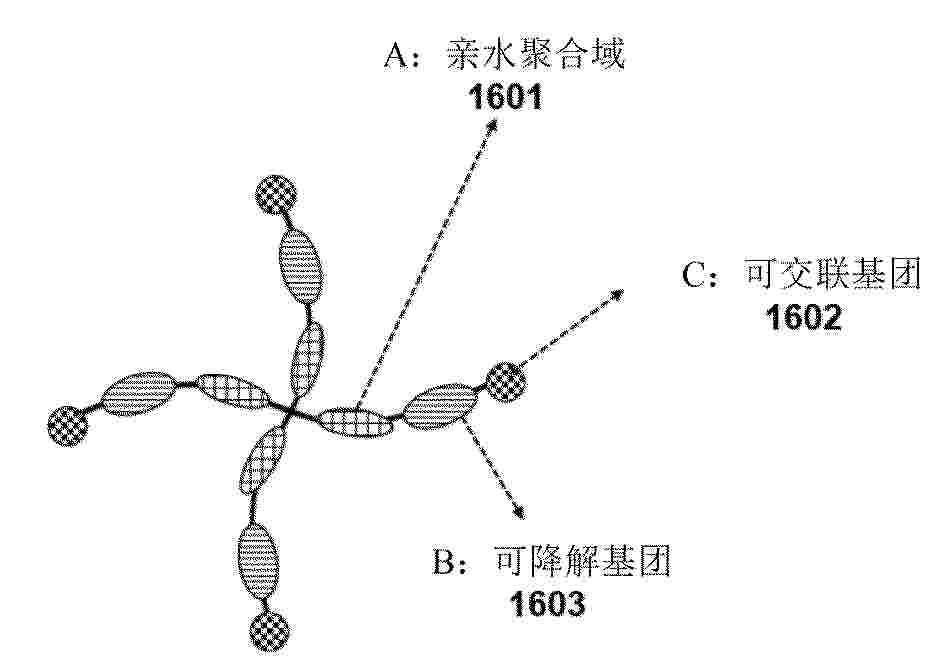
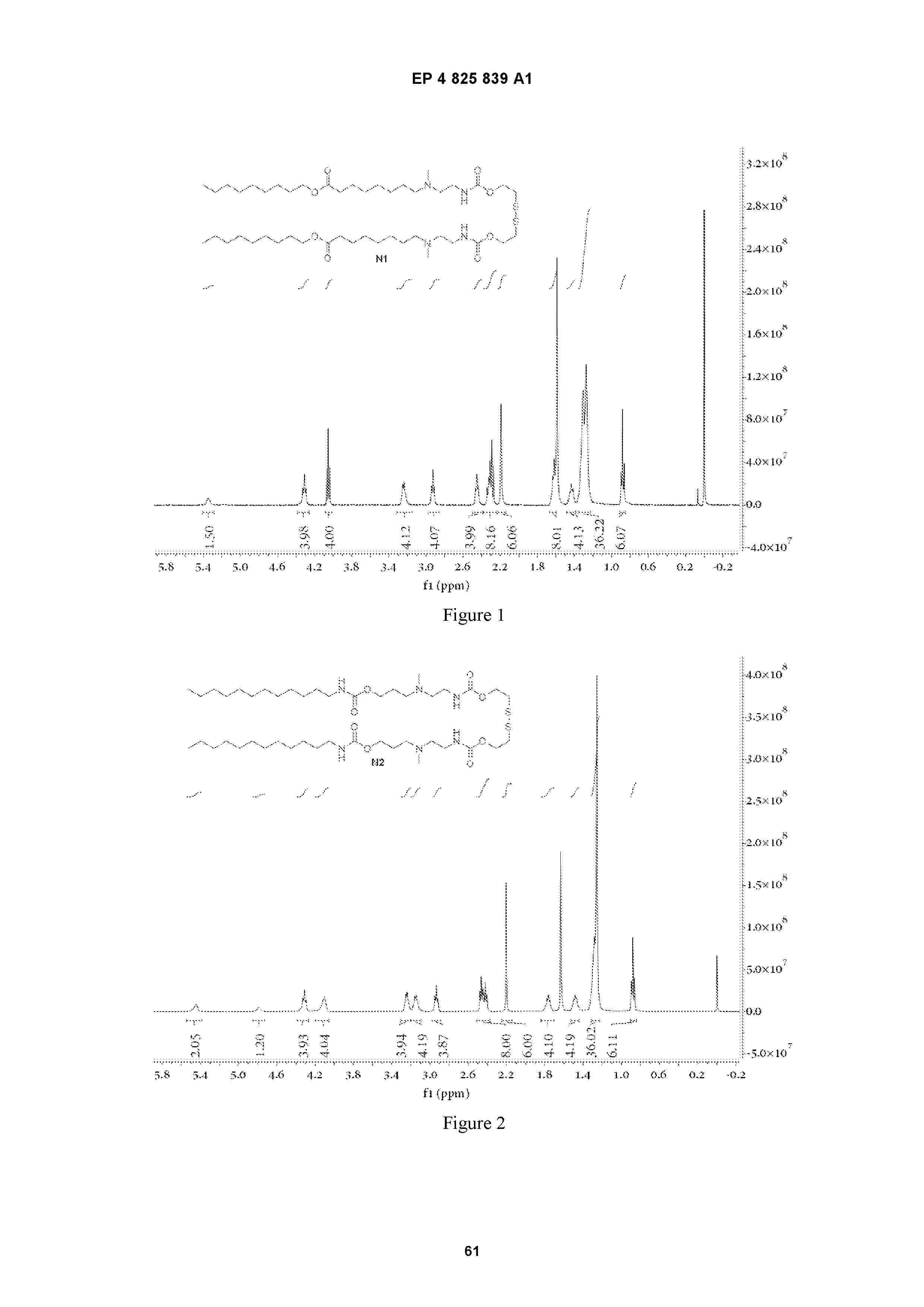
0001 The present application relates to a cationic lipid containing a disulfide bond of Formula (1), wherein, -S-S- is a disulfide bond; L<1> and L<2> are each independently a degradable divalent linking group, X<1> and X<2> are each independently an acyclic divalent linking group containing a tertiary amine group; G<1> and G<2> are each independently a linking bond or a trivalent branching group; when G<1> is a linking bond, k1 is 1; when G<1> is a trivalent branching group, k1 is 2; when G<2> is a linking bond, k1 is 1; when G<2> is a trivalent branching group, k2 is 2; R<1> and R<2> are each independently a substituted or unsubstituted C<5-30> hydrocarbon group or C<5-30> hydrocarbon derivative residue. The lipid composition prepared with the cationic lipid of the present application, under the premise of good ability to complex with nucleic acid drugs, stability in the systemic circulation, and low toxicity, can more effectively exert the therapeutic effect of the LNP-nucleic acid pharmaceutical composition formulation, thereby improving immunological or therapeutic outcomes.
Resumen de: WO2025129128A1
The present disclosure provides compositions and methods for non-viral delivery of therapeutics, and methods of preparing said compositions.
Resumen de: MX2026007279A
An immunomodulatory combination that includes a first lipid conjugate, a second lipid conjugate, and one or more nucleic acids. The first lipid conjugate includes a corticosteroid covalently linked to a first lipophilic moiety by a first cleavable linkage or through a first cleavable linker. The second lipid conjugate includes an mTOR/mTORC inhibitor covalently linked to a second lipophilic moiety by a second cleavable linkage or through a second cleavable linker. The one or more nucleic acids encode one or more epitopes targeted by autoreactive T cells, wherein the one or more epitopes comprise one or more class II epitopes. The first lipid conjugate, the second lipid conjugate, and the one or more nucleic acids are co-formulated together in a delivery vehicle, or are formulated in two or three separate delivery vehicles. The immunomodulatory combination may be used for treating autoimmune diseases or conditions involving autoreactive T cells, which includes both CD4+ T cells and CD8+ T cells.
Resumen de: WO2025129124A1
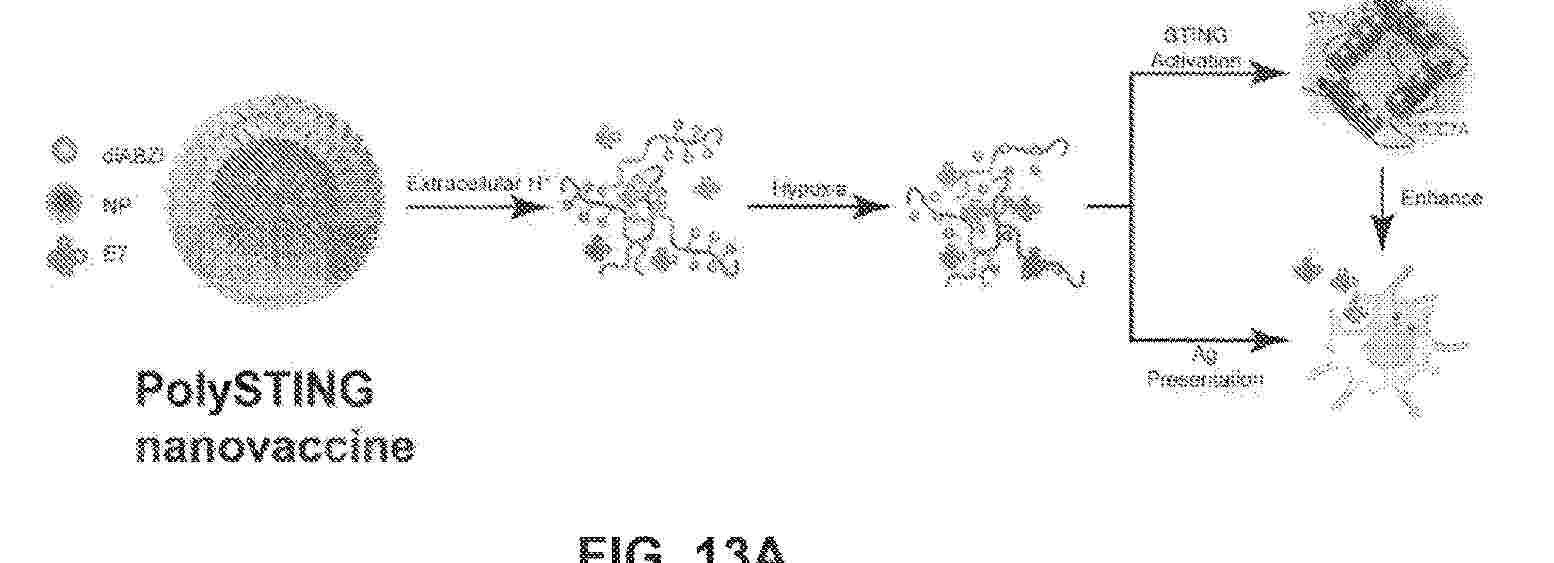
Compositions and methods for treating a cancer or an infectious disease by delivering a compound comprising a polymeric backbone and a STING agonist covalently linked by a stimulus responsive linker are provided.
Resumen de: WO2025128902A1
Provided are ionizable cationic lipids and lipid nanoparticles for the delivery of nucleic acids to cells (e.g., immune cells), and methods of making and using such lipids and targeted lipid nanoparticles.
Resumen de: WO2025123134A1
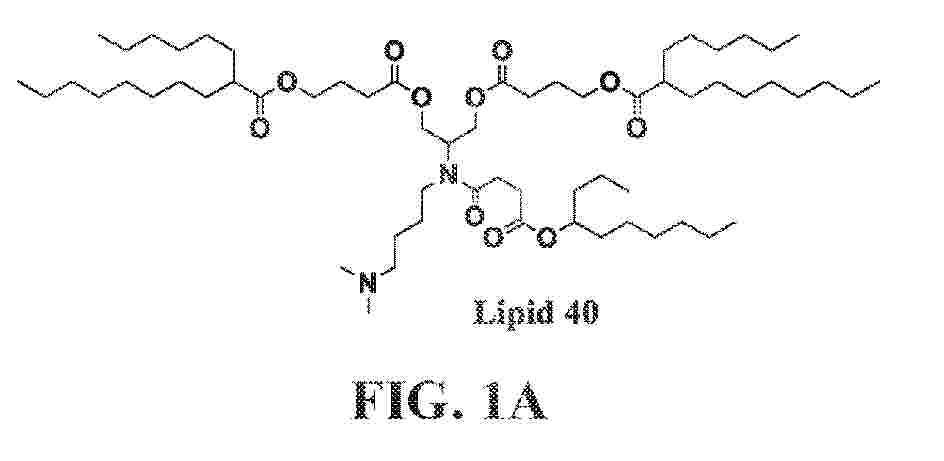
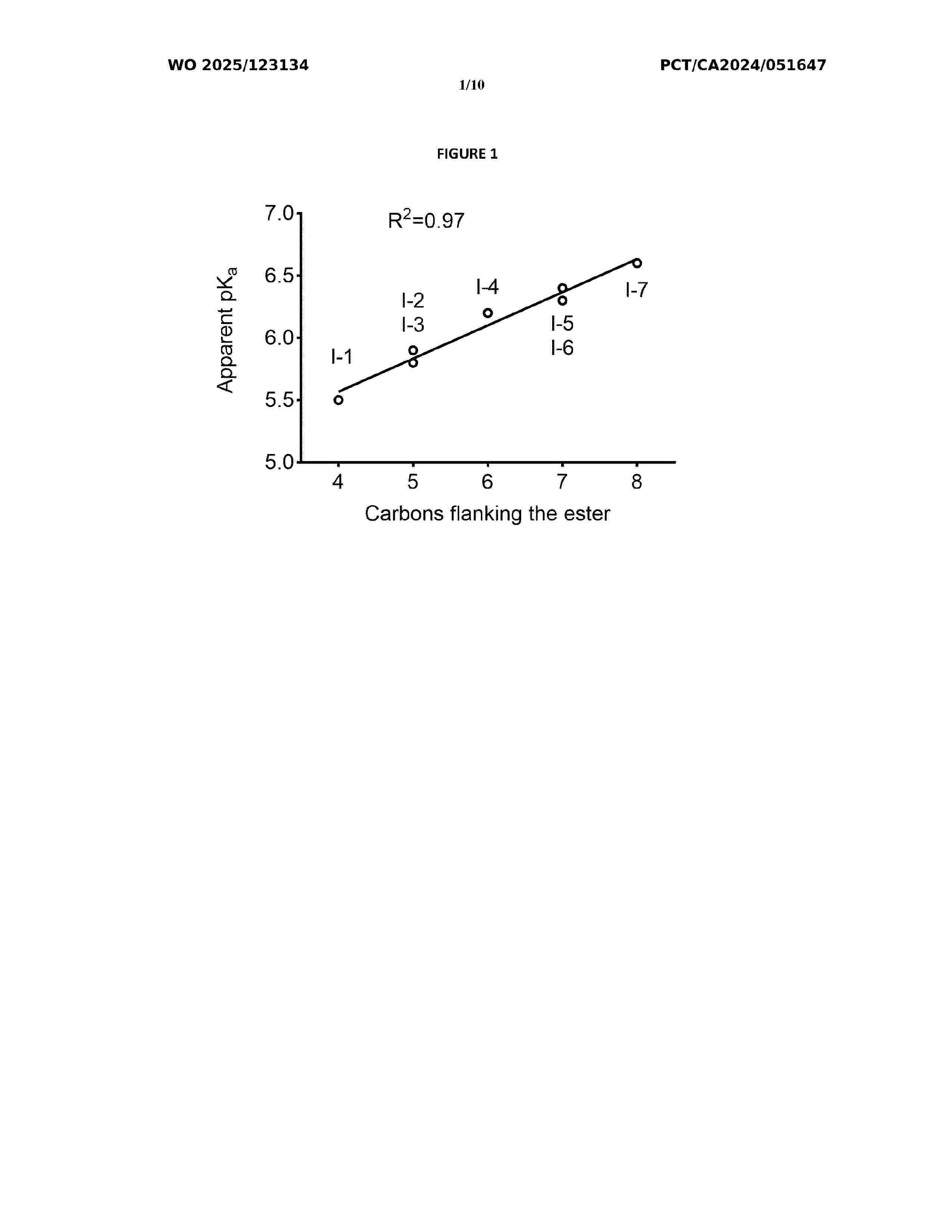
The present application relates to ionizable lipids that include ester functional groups. The present application further relates to compositions and uses thereof for the delivery of agents such as nucleic acids and drugs.
Resumen de: WO2025128696A1
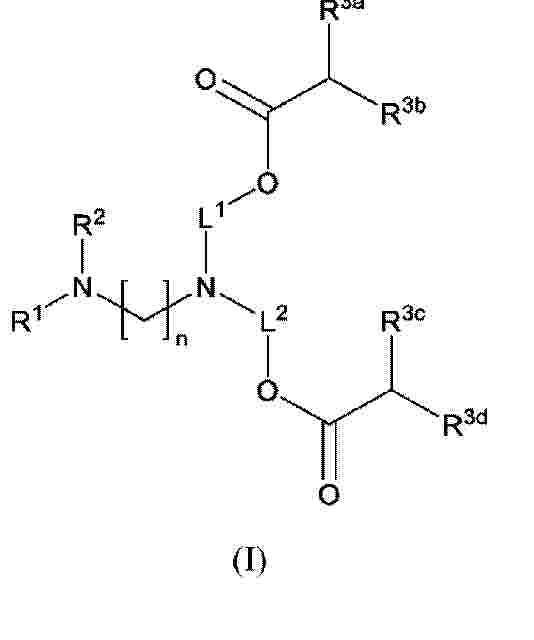
Compounds are provided having the following Formula (I): or a pharmaceutically acceptable salt, tautomer, or stereoisomer thereof, wherein R1, R2, R3a, R3b, R3c, R3d, L1, L2, and n are as defined herein. Use of the compounds as a component of lipid nanoparticle formulations for delivery of a therapeutic agent, compositions comprising the compounds and methods for their use and preparation are also provided.
Resumen de: WO2025128958A1
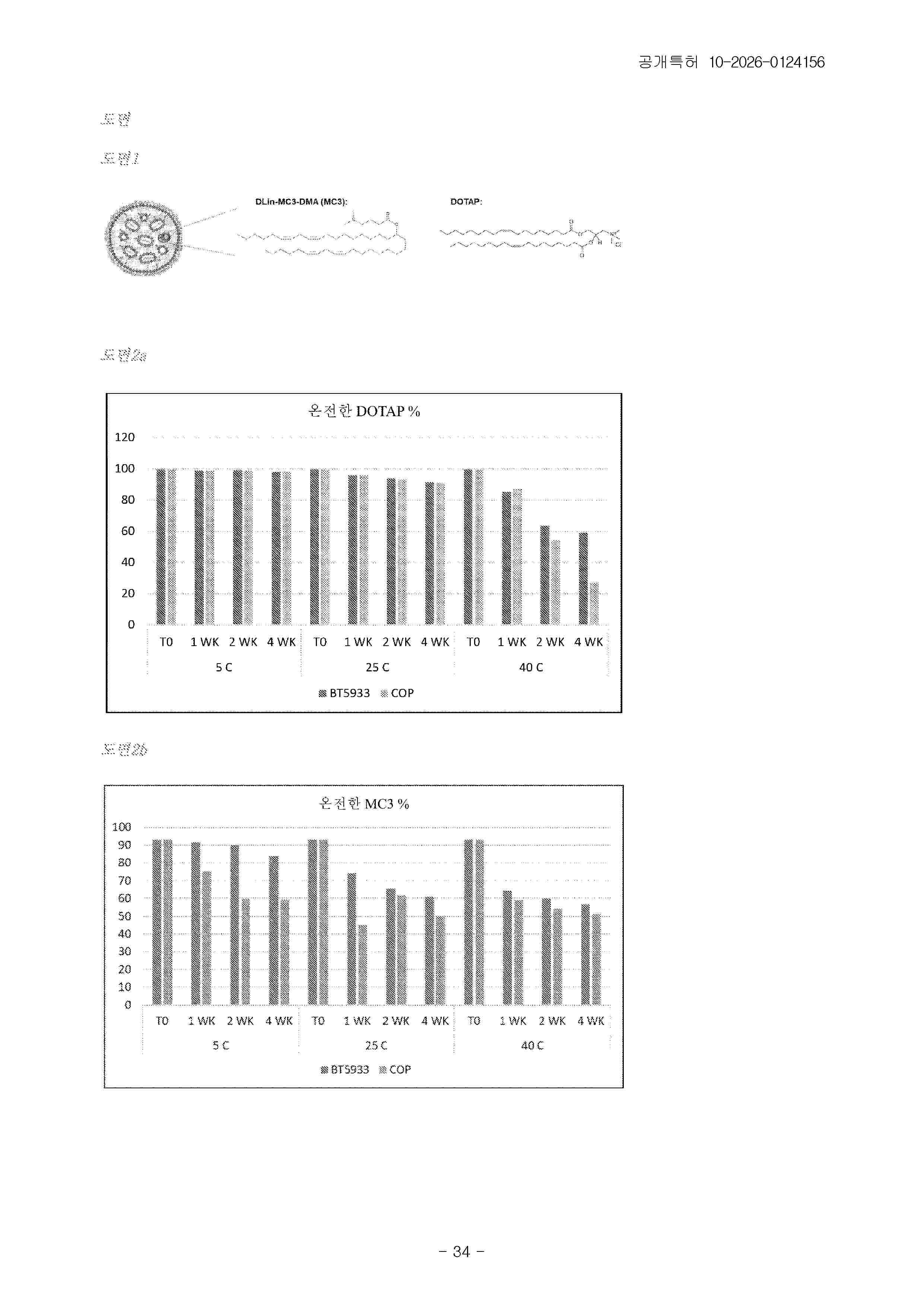
Aspects of the disclosure relate to compositions and methods for improving the stability of lipid nanoparticles (LNPs). In some embodiments, the LNPs comprise one or more active pharmaceutical ingredients (API) encapsulated therein. The disclosure is based, in part, on compositions that directly or indirectly reduce the degradation (e.g., oxidation, hydrolysis, etc.) of one or more lipids components of the lipid nanoparticle. In some embodiments, the compositions comprise a citrate drug product matrix, EDTA drug product matrix, methionine drug product matrix, and/or a tryptophan drug product matrix. The disclosure also provides methods for storing compositions contemplated herein as well as methods for improving the stability of the API.
Resumen de: CN122940732A
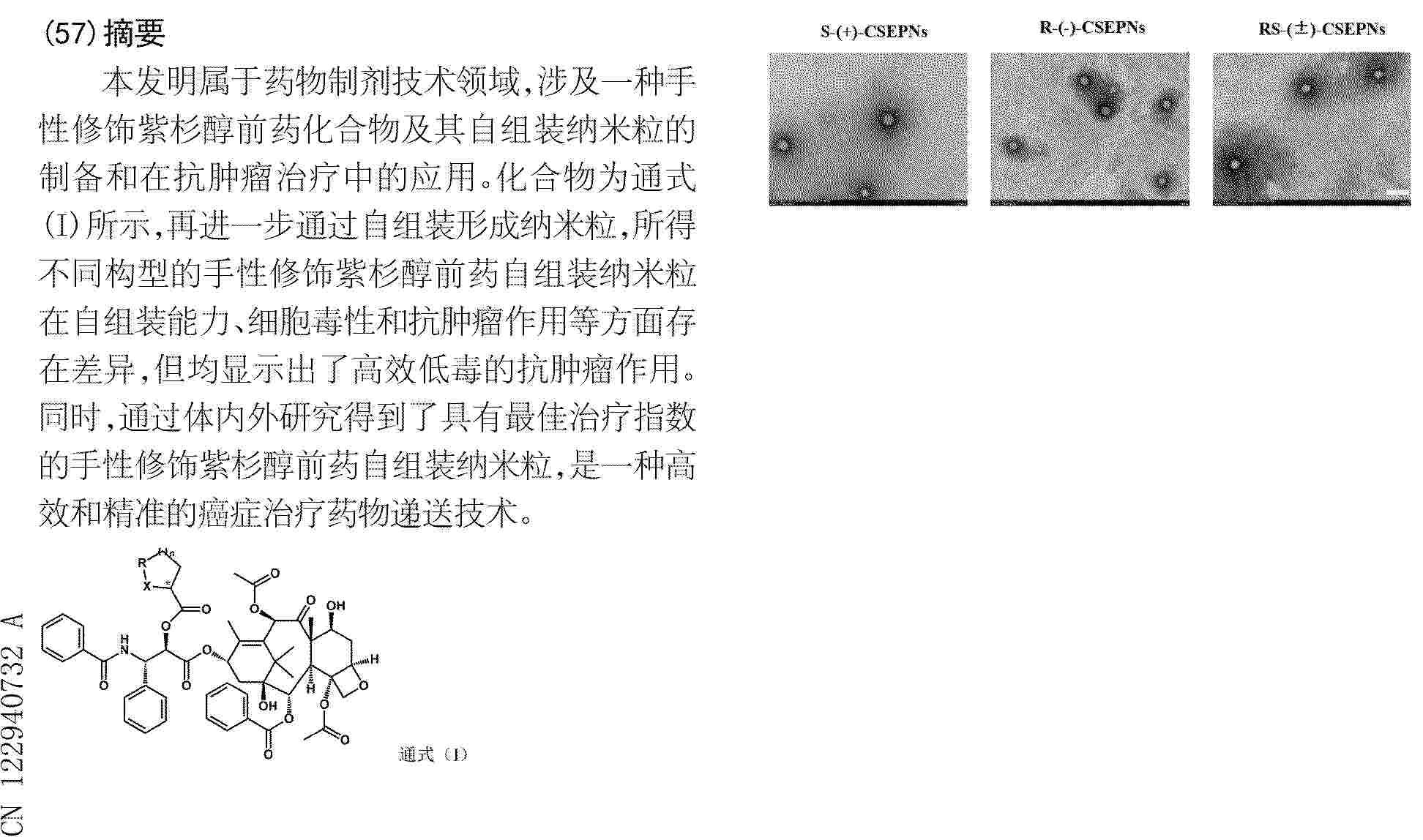
本发明属于药物制剂技术领域,涉及一种手性修饰紫杉醇前药化合物及其自组装纳米粒的制备和在抗肿瘤治疗中的应用。化合物为通式(I)所示,再进一步通过自组装形成纳米粒,所得不同构型的手性修饰紫杉醇前药自组装纳米粒在自组装能力、细胞毒性和抗肿瘤作用等方面存在差异,但均显示出了高效低毒的抗肿瘤作用。同时,通过体内外研究得到了具有最佳治疗指数的手性修饰紫杉醇前药自组装纳米粒,是一种高效和精准的癌症治疗药物递送技术。
Resumen de: WO2025189064A1
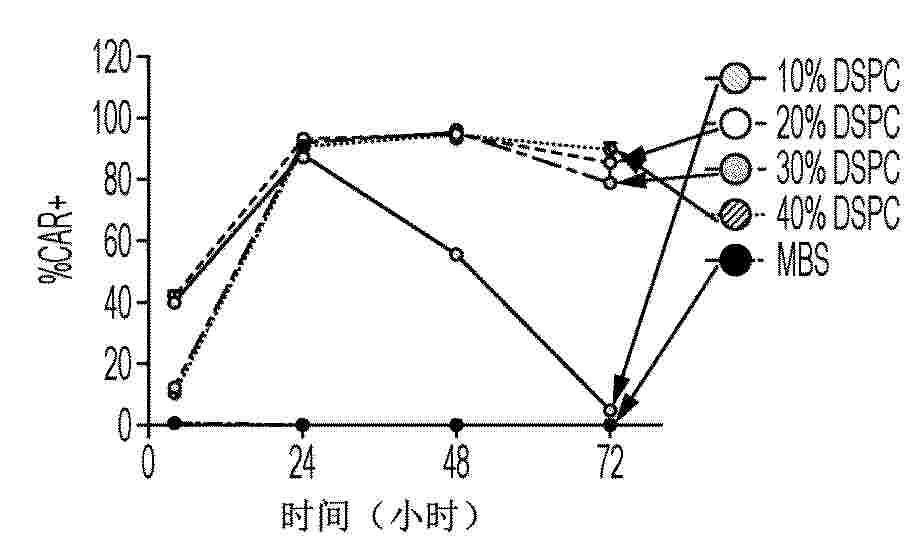
Provided are lipid nanoparticles, compositions, and methods of making and using the same. The lipid nanoparticles contain ionizable lipids, structural lipids, PEG lipids and specific amounts of helper lipids. The lipid nanoparticles may further contain a cell targeting group coupled to a PEG lipid. The lipid nanoparticles may carry a cargo, e g., a mRNA. The lipid nanoparticles may be used for transfection of cells, e.g., immune cells or hematopoietic stem cells.
Resumen de: CN122940742A
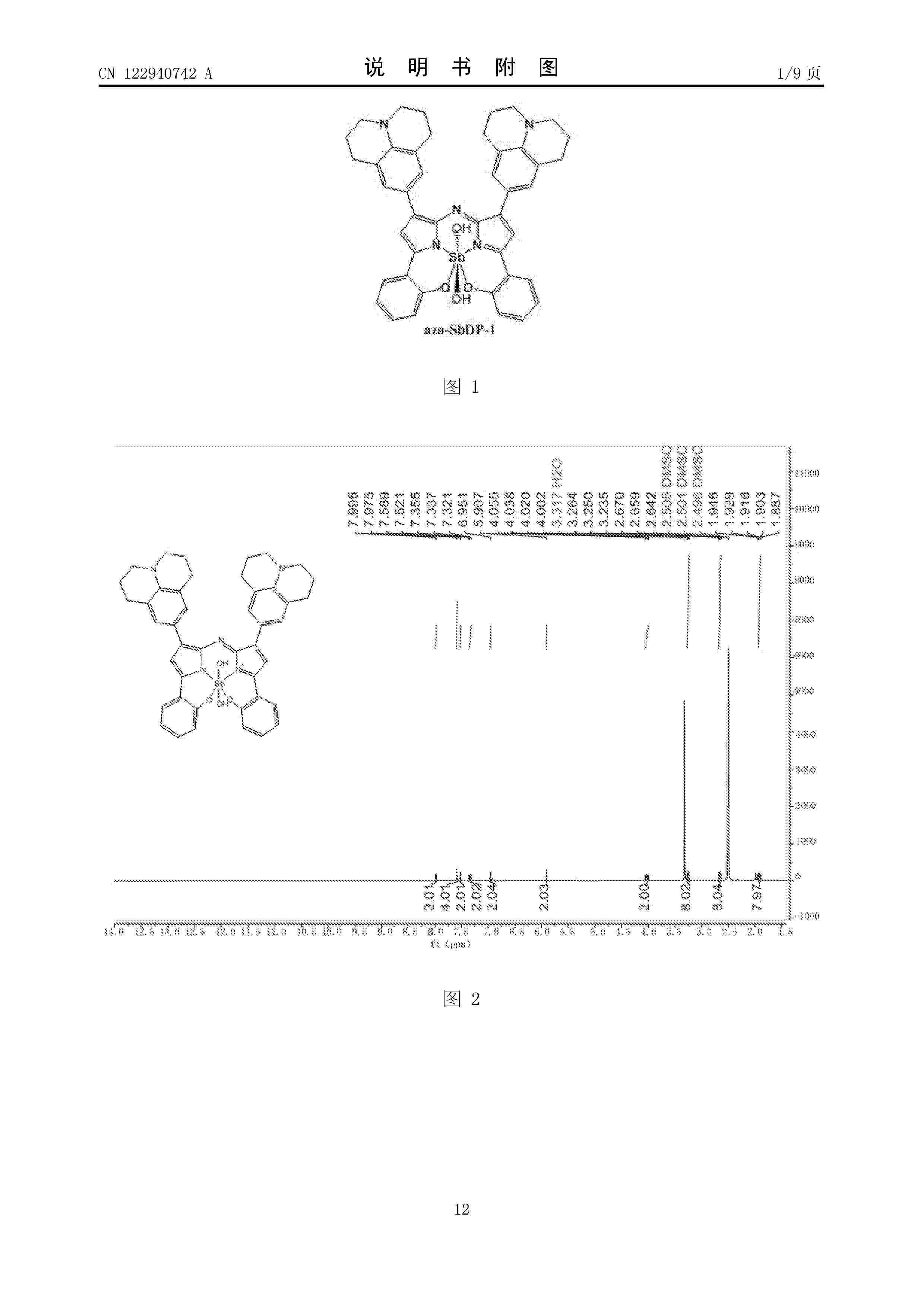
本发明一种六配位锑络合的肿瘤光疗剂及其制备方法,涉及一种肿瘤光疗剂及其制备方法,六配位锑络合为中心的光疗剂,其通式如aza‑SbDP所示:本发明通过在氮杂吡咯二甲川骨架的中心位置引入六配位锑合物,六配位锑络合氮杂吡咯二甲川生物分子,作为一类新型近红外光疗剂,在光热治疗领域展现出显著应用潜力。构建出具有创新结构的供体‑受体型分子,有效红移了其近红外吸收性能,并赋予材料光热治疗的功能。兼具优良的近红外吸收/发射性能与突出的结构稳定性,本发明有效拓展了aza‑BODIPY类光疗剂的结构设计空间,并为锑配合物在生物医学功能材料领域的应用开辟了新方向。
Resumen de: CN122937026A
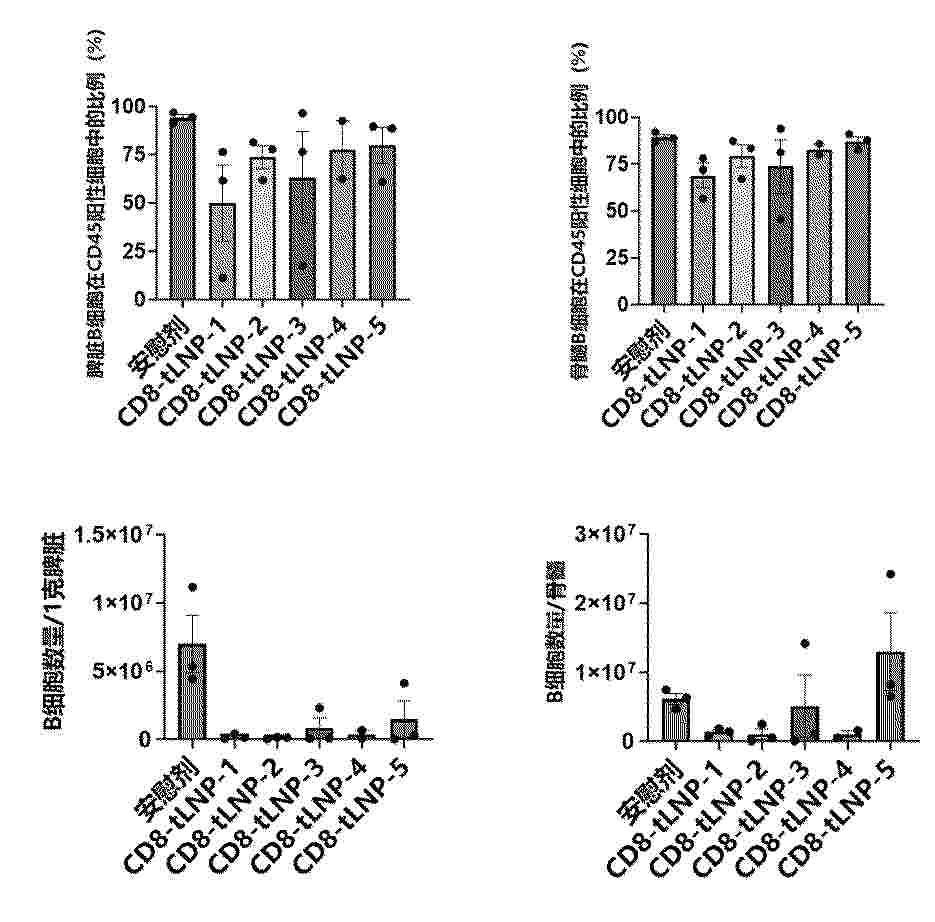
本发明涉及一种靶向脂质纳米颗粒复合物及其制备方法和应用。所述复合物采用特定结构的可电离脂质(化合物LQ‑001至LQ‑007)作为tLNP的核心组分,能够特异性识别并结合特定细胞表面标志物,从而实现药物或核酸的有效递送,显著提升治疗效果。由此制备的靶向脂质纳米粒组合物能够在体内或体外将治疗性核酸或药物选择性递送至特定组织或细胞类型,大幅降低给药剂量与系统性副作用,实现对目标细胞的精准干预与治疗。
Resumen de: CN122937084A
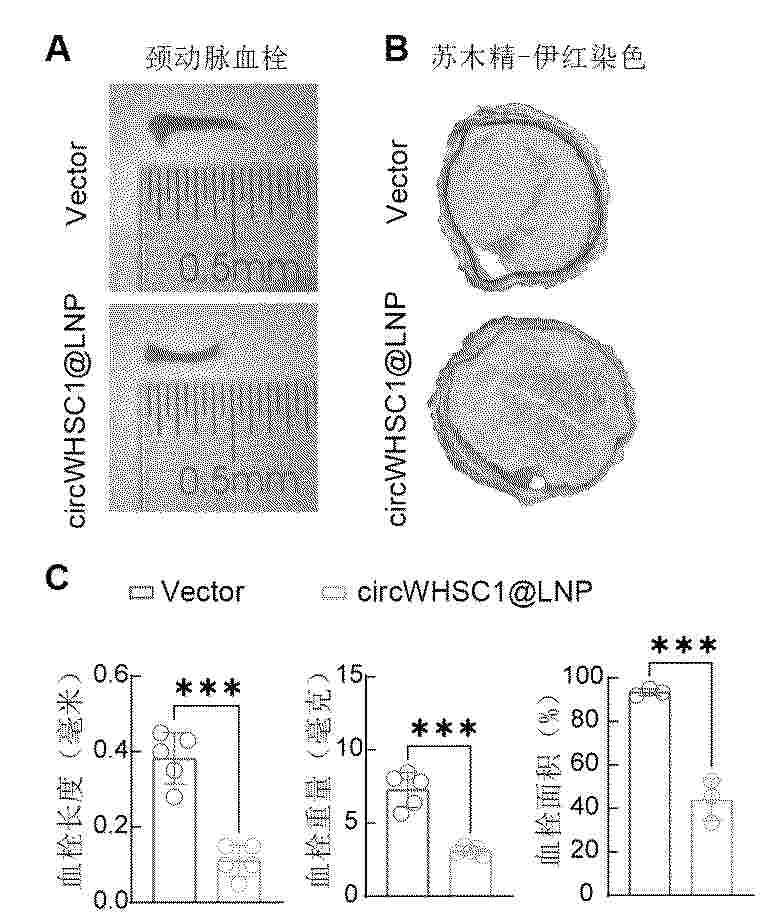
本发明公开了circWHSC1在制备用于治疗和/或预防体内血栓形成相关疾病的产品中的应用。circWHSC1为mmu_circ_0001336,经LNP包裹后静脉注射给药。经小鼠颈动脉血栓模型实验证实,circWHSC1@LNP可显著减小血栓长度、重量和面积;提前给药可延缓血栓造模后血流灌注下降;并可减少血栓纤维化程度、纤维蛋白数量、宽度和面积,抑制血小板黏附聚集。本发明可将circWHSC1作为药物靶点,用于制备治疗急性心肌梗死、脑梗死、下肢动脉血栓栓塞、急性下肢动脉闭塞、深静脉血栓、肺血栓栓塞症、门静脉血栓、肾静脉血栓等血栓形成相关疾病的药物。
Nº publicación: CN122940679A 20/10/2026
Solicitante:
山东大学
Resumen de: CN122940679A
本发明属于生物医药技术领域,涉及一种基于海洋生物来源DHA的可电离脂质及其制备方法与应用。其化学结构式如式I所示;。本发明提供的可电离脂质兼具良好的pH响应性,抗炎特性及生物相容性,组装形成的脂质纳米颗粒能高效包裹核酸类药物,促进药物的细胞内吞及内体逃逸。
 BOPI
BOPI
 Sede Electrónica