Si deseas distinguir tus productos, servicios o ambos de los de otra empresa, es posible que necesites una marca o nombre comercial. Descubre qué son, en qué consiste su procedimiento de registro y qué implica.

Información sobre los plazos de presentación de solicitudes de transformación de marcas de la Unión Europea en marca nacional española. Más información


Si tienes un nuevo dispositivo, producto o procedimiento que resuelva un problema técnico o tenga una ventaja práctica, existen distintas formas de protegerlo en España y en otros países. Descubre cómo hacerlo.

¿Tu innovación reside en la estética, la ornamentación o la apariencia de tu producto? Protégela mediante un diseño industrial. Descubre qué derechos confiere el registro y cómo realizar la tramitación.

Las indicaciones geográficas protegen el nombre de un producto originario de una zona geográfica, a la cual le debe una determinada calidad, reputación u otra característica. Descubre qué son, en qué consiste su procedimiento de registro y qué beneficios conceden.

Las patentes publicadas en todo el mundo son una valiosa fuente de información científica, técnica y comercial.

Si eres emprendedor/a o una empresa y quieres potenciar y mejorar la rentabilidad de tu negocio protegiendo de forma adecuada los activos intangibles de tu organización, en este espacio encontrarás lo necesario.


 130
resultados
130
resultados
 Última actualización
02/05/2026 [07:35:00]
Última actualización
02/05/2026 [07:35:00]


 Resultados 125 a 130 de 130
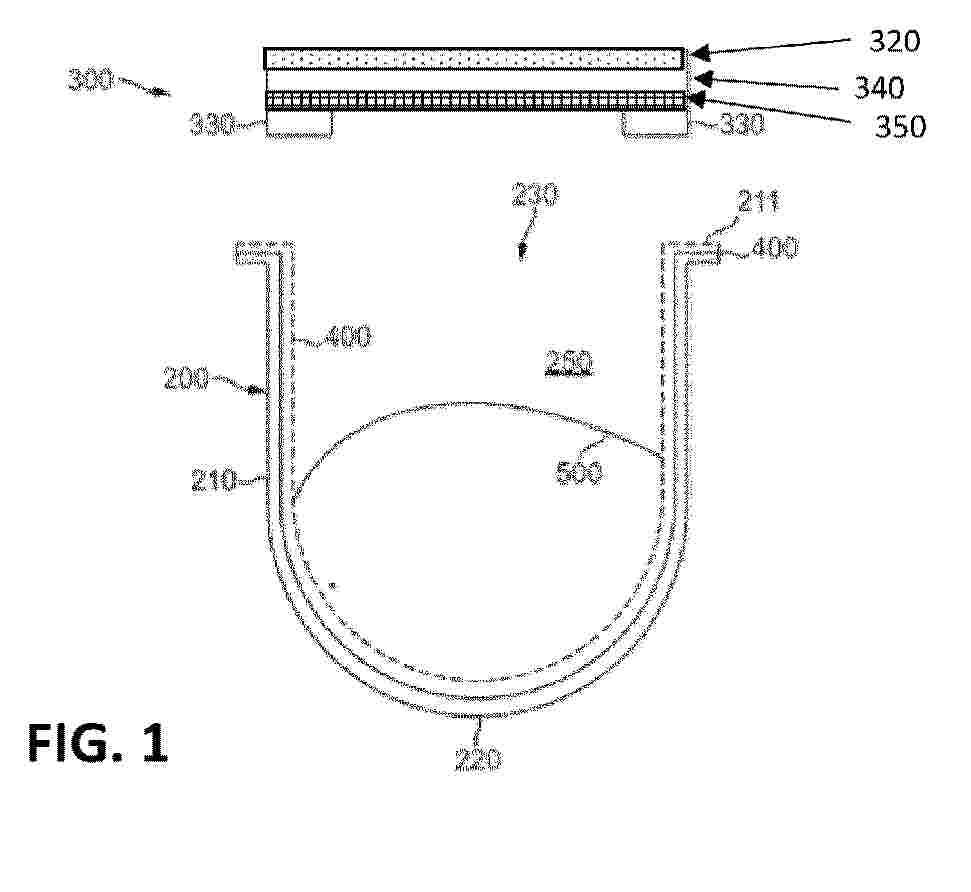
Resumen de: AU2024361842A1
The invention relates to a sheet material (3) from which at least one delivery wall (300) for closing a chamber (250) of a capsule body (200) of a beverage capsule (100) for preparing a beverage, can be obtained by cutting or punching of the sheet material (3), the delivery wall (300) comprising in a layered manner in the following order: - a carrier layer (320) forming a base layer for carrying subsequent layers, - a barrier layer (340) for providing a preferably bidirectional barrier against moisture and/or gas, the barrier layer (340) being preferably made of a different material than the carrier layer (320); the barrier layer (340) being applied on the carrier layer (320), - an optional protective layer (350) provided on the surface of the barrier layer (340) opposite the carrier layer (320), and - an adhesive layer (330) positioned on the surface of the delivery wall (300) that is oriented towards the chamber (250) for sealing the delivery wall (300) to a rim portion (211) of the capsule body (200), the adhesive layer covering a maximum of 90%, preferably 80%, most preferably 70% of the delivery wall and being at least applied around the perimeter of the delivery wall (300), along its periphery, over a radial distance D comprised between 3 and 12 mm, preferably between 5 and 10 mm, wherein the sheet material (3) comprises cutting area identification means (370, 380) of at least one delivery wall (300) for a cutting device adapted to cut the at least one delivery wall (30

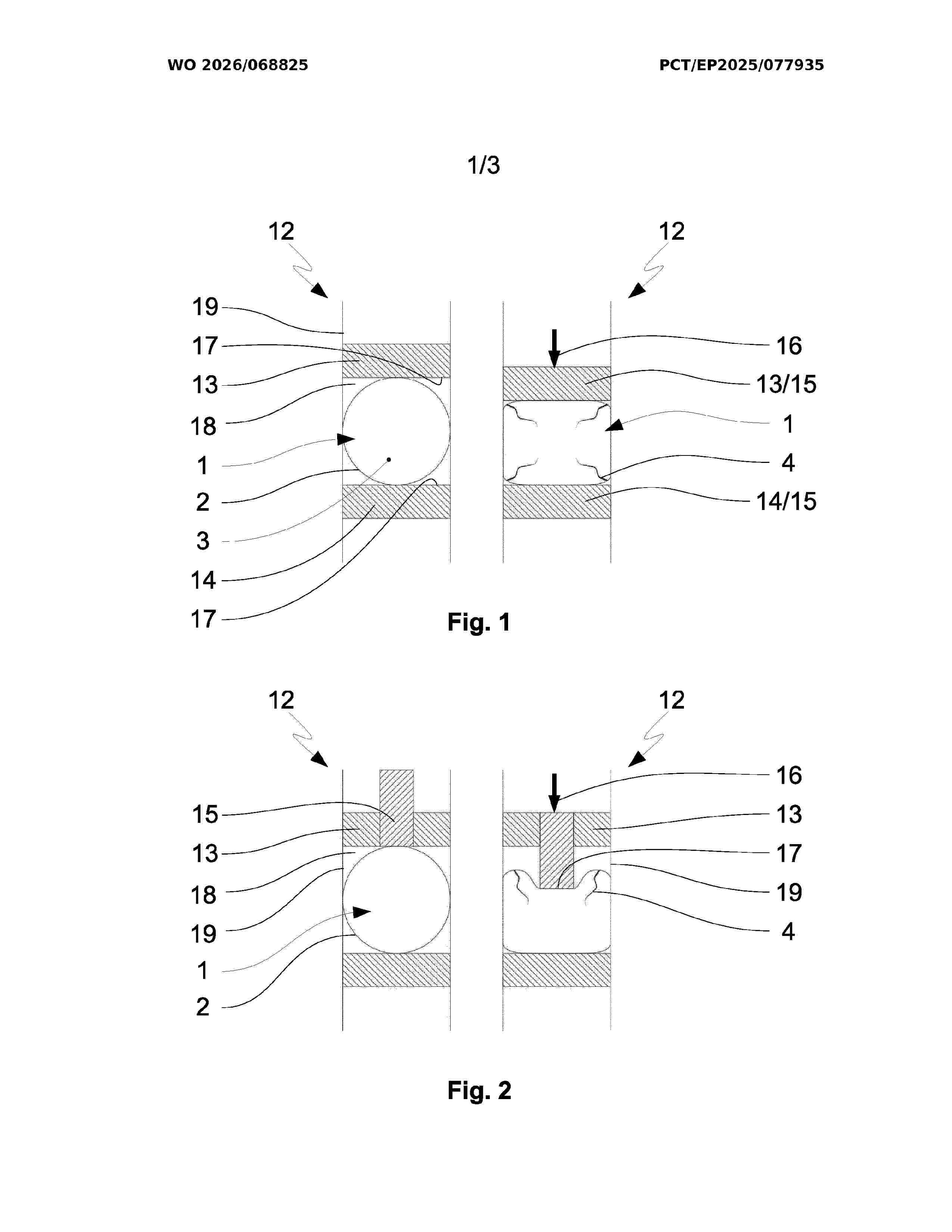
Resumen de: WO2026068825A1
The invention relates to a method for preparing a beverage from a capsule (1), wherein the capsule (1) has a beverage substance (3) and a shell (2) enclosing the beverage substance (3), the method comprising the steps of: - introducing the capsule (1) into a brewing chamber (12) of a beverage preparation machine; - breaking open the shell (2) of the capsule (1); and - allowing an extraction fluid to flow through the brewing chamber (12).
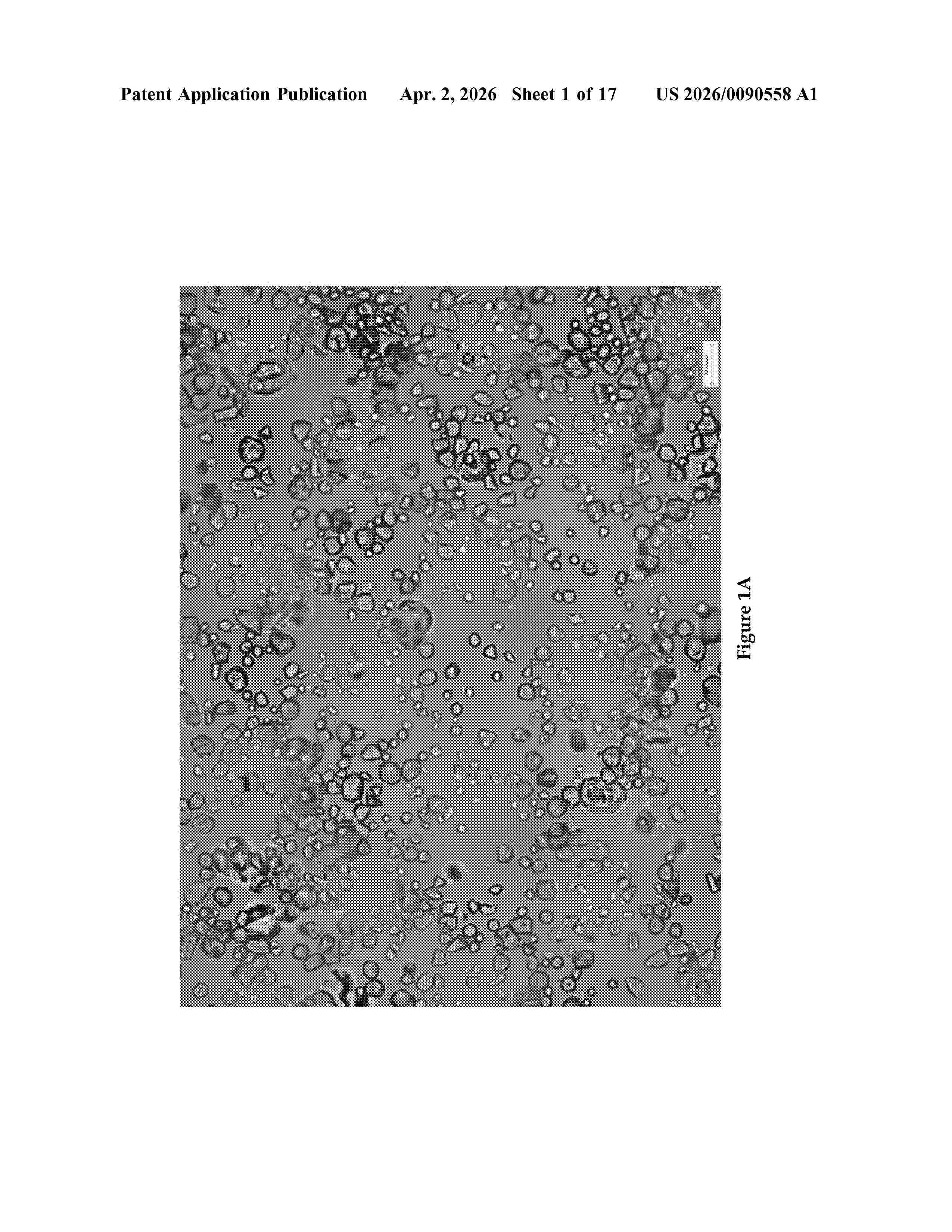
Resumen de: US20260090558A1
Emulsifying salt-free processed cheese products as well as methods of preparing emulsifying salt-free processed cheese products are provided. The emulsifying salt-free processed cheese products are prepared with modified starch containing amylopectin and substantially no amylase and without emulsifying salts. The emulsifying salt-free processed cheese products are advantageously resistant to separation during heating and retain desirable organoleptic properties, such as texture and flavor, without using emulsifying salts.
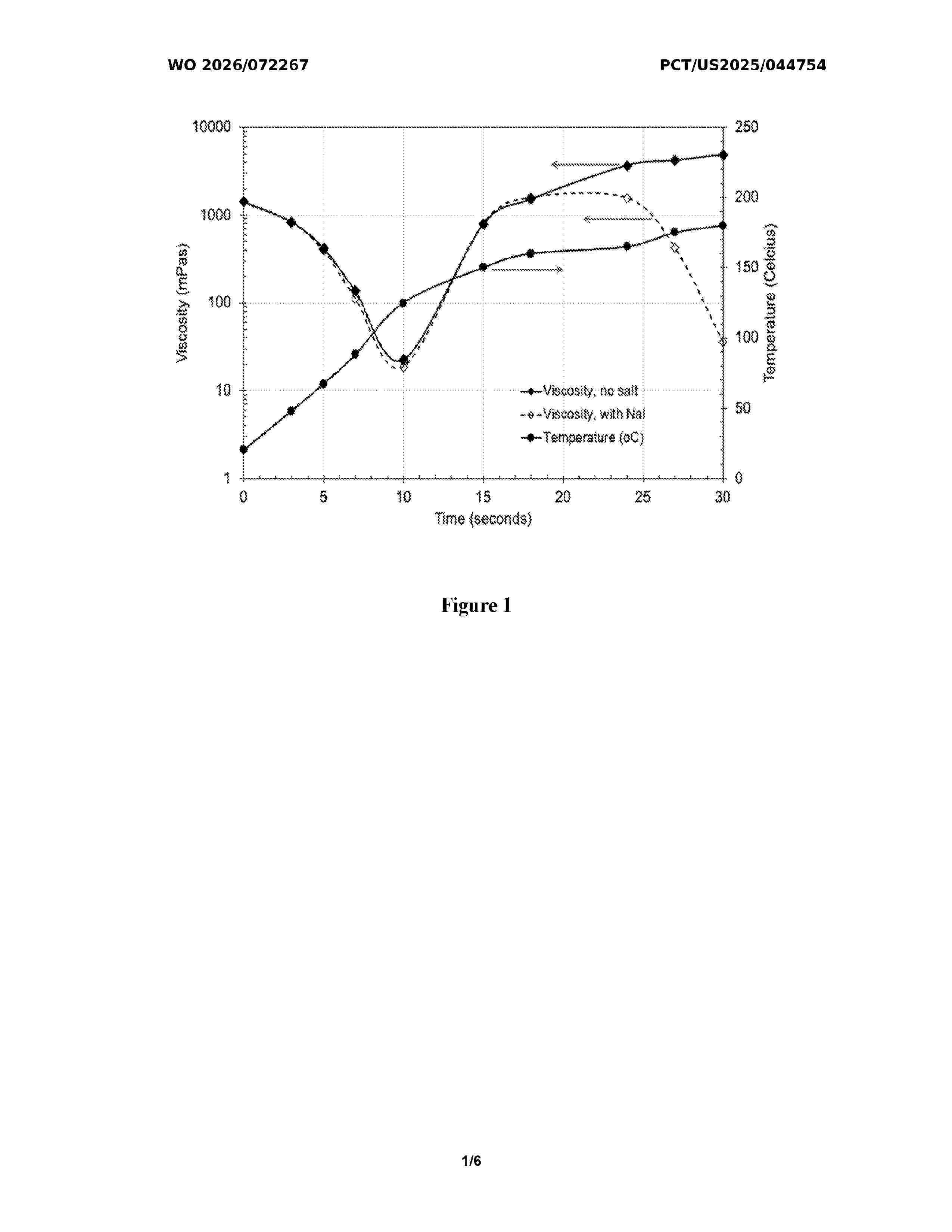
Resumen de: WO2026072267A1
Novel methods of preparing nano-starch or nano-starch/ester suspensions are disclosed in this application. The obtained nano-starch suspensions and nano-starch/ester suspensions showed unexpectedly high stabilities and can be iodinated using various iodine solutions to provide iodinated nano-starch suspensions and nano-starch/ester suspensions that have long-term stabilities and improved stabilities under basic conditions. New products can be prepared using the nano-starch suspensions, nano-starch/ester suspensions, iodinated nano-starch suspensions, and/or nano-starch/ester suspensions and used for applications as disclosed herein.
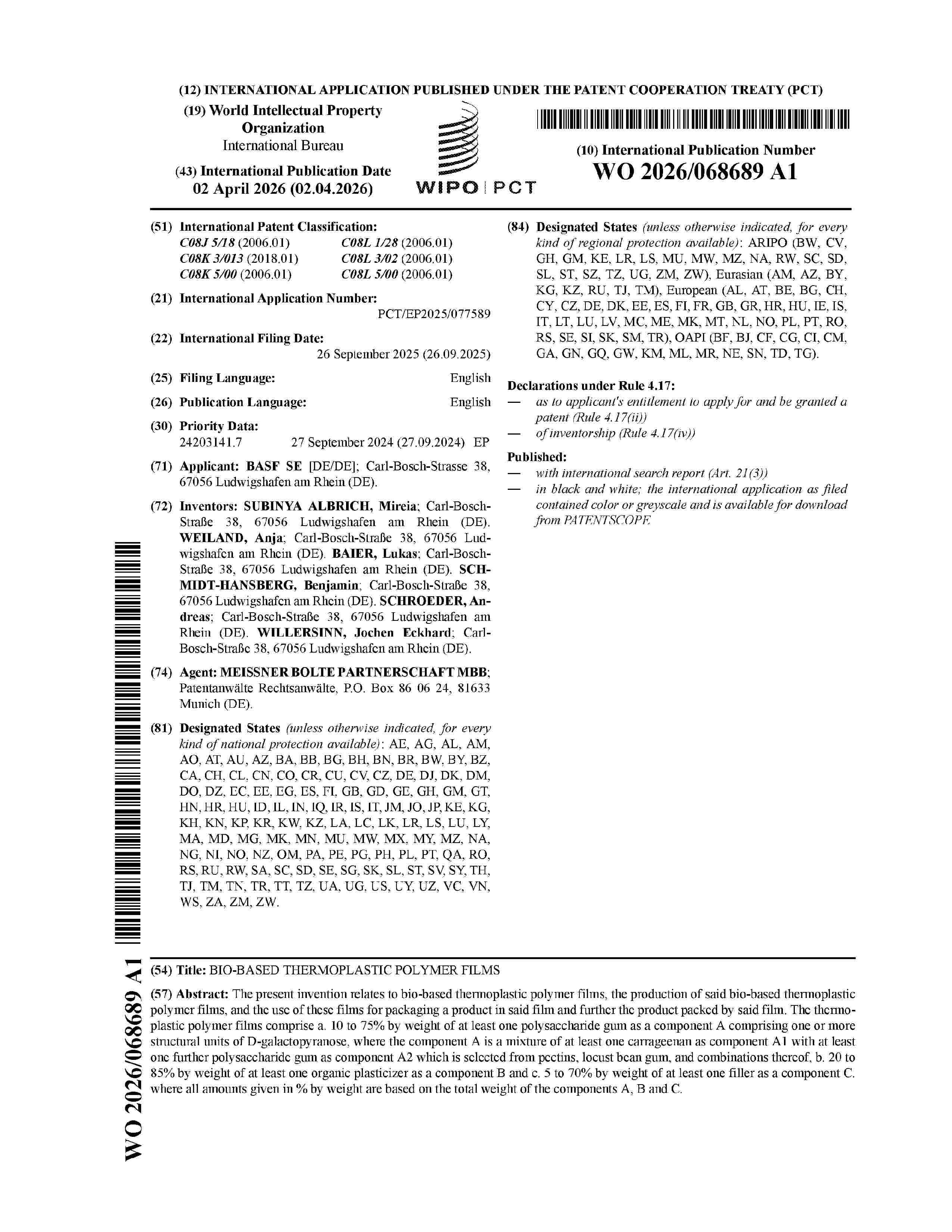
Nº publicación: WO2026068689A1 02/04/2026
Solicitante:
BASF SE [DE]
Resumen de: WO2026068689A1
The present invention relates to bio-based thermoplastic polymer films, the production of said bio-based thermoplastic polymer films, and the use of these films for packaging a product in said film and further the product packed by said film. The thermoplastic polymer films comprise a. 10 to 75% by weight of at least one polysaccharide gum as a component A comprising one or more structural units of D-galactopyranose, where the component A is a mixture of at least one carrageenan as component A1 with at least one further polysaccharide gum as component A2 which is selected from pectins, locust bean gum, and combinations thereof, b. 20 to 85% by weight of at least one organic plasticizer as a component B and c. 5 to 70% by weight of at least one filler as a component C. where all amounts given in % by weight are based on the total weight of the components A, B and C.
 BOPI
BOPI
 Sede Electrónica